The crack of the bat and pop of the glove tell a story, but numbers don’t lie. In today’s data-driven baseball landscape, knowing exactly how fast that fastball really travels isn’t just a nice-to-have—it’s become essential for player development, scouting, and competitive preparation. The good news? You no longer need to drop a thousand dollars on professional-grade equipment to get reliable pitch speed data. The sub-$200 radar gun market has exploded with options that bring legitimate velocity tracking to youth leagues, high school programs, and serious training facilities alike.
But here’s the challenge: not all budget radar guns are created equal. Some deliver pro-level accuracy within a fraction of a mile per hour, while others are little more than expensive toys that spit out random numbers. This comprehensive guide cuts through the marketing hype to arm you with the technical knowledge, practical evaluation criteria, and insider tips you need to identify a radar gun that actually performs—without emptying your equipment budget. Whether you’re a parent tracking your 12-year-old’s progress, a coach building a summer camp arsenal, or a player taking ownership of your development, understanding what matters most in this price range will save you money, frustration, and inaccurate data.
Top 10 Baseball Radar Guns Under $200
Detailed Product Reviews
1. Bushnell Velocity Speed Gun - Accurate Handheld Radar for Sports, Racing, and Traffic Monitoring, Measures Up to 200 MPH with Clear LCD Display
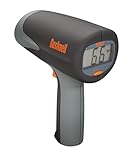
Overview: The Bushnell Velocity Speed Gun represents the gold standard in handheld radar technology, delivering professional-grade speed measurements from 10 to 200 mph with ±1.0 mph accuracy. This versatile tool serves baseball coaches, racing enthusiasts, and traffic monitors alike. The iconic pistol-grip design fits naturally in one hand, while the large LCD display provides instant feedback. Measuring just 4.3 x 8.4 x 6 inches, it’s portable enough for field use yet robust enough for daily professional deployment.
What Makes It Stand Out: Unlike budget competitors, the Bushnell offers an exceptional 200 mph maximum range—50 mph higher than most sport-specific models—making it ideal for auto racing and high-velocity applications. The brand’s decades-long reputation in optics and radar technology provides confidence that cheaper alternatives can’t match. Its intuitive trigger operation captures the fastest speed upon release, eliminating guesswork.
Value for Money: At $149.96, this sits at the premium end of consumer radar guns. However, the price reflects Bushnell’s engineering quality, wider speed range, and professional reliability. While you can find cheaper options with similar baseball-specific features, none combine this velocity ceiling with proven brand trustworthiness. For serious coaches and multi-sport applications, the investment pays dividends in accuracy and longevity.
Strengths and Weaknesses: Strengths include superior 200 mph range, ±1 mph accuracy, ergonomic pistol grip, trusted brand reputation, and versatile traffic-sport dual functionality. Weaknesses are the premium price, lack of LED display for bright sunlight, absence of speed recall memory, and 10 mph minimum that may miss very young players’ pitches.
Bottom Line: The Bushnell Velocity is the top choice for professionals and serious enthusiasts who need maximum speed range and brand reliability. If your budget allows, it’s worth the premium for its expanded capabilities and proven durability.
2. Baseball Radar Gun with Tripod,LED+LCD Larger Display, Speed Radar Gun for Baseball Softball,Handheld or Hand Free Speed Sensors Baseball Speed Training Equipment for All Baseball Players

Overview: This Baseball Radar Gun delivers impressive functionality at an accessible price point, measuring speeds from 3 to 150 mph with ±1 mph accuracy. The package includes a tripod for hands-free operation, making it perfect for solo practice sessions. Its dual LED and LCD displays ensure visibility whether you’re training alone or with a coach. The unit stores your last ten speed readings, allowing for progressive skill analysis across multiple training sessions.
What Makes It Stand Out: The included tripod sets this apart from similarly priced competitors, providing true hands-free operation without additional purchases. The dual-display system caters to both solo athletes (side LED) and coach-assisted training (back LCD). SS Mode (under 25 mph) and MS Mode (25-150 mph) accommodate everyone from beginners to pros, making it uniquely adaptable across skill levels.
Value for Money: At $79.99, this represents exceptional value. You’re getting features typically found in $120+ units: dual displays, speed recall memory, skill-level modes, and a tripod. The 1-year customer support adds peace of mind. While build quality may not match premium brands, the feature-to-price ratio is outstanding for youth leagues and family use.
Strengths and Weaknesses: Strengths include included tripod, dual LED/LCD screens, 10-record memory, wide 3-150 mph range, dual-speed modes, and budget-friendly pricing. Weaknesses involve lesser-known brand reputation, potential long-term durability questions, and lack of voice announcement feature.
Bottom Line: This is the best value proposition for youth coaches and families wanting comprehensive radar gun features without the premium price. The included tripod and dual displays make it ideal for versatile training scenarios.
3. Upgrade Smart Baseball Radar - Lager LCD Display Speed Radar Gun for Swing,Hitting,Pitching Training,Handheld Coaching Radar Gun Baseball Speed Training Equipment for All Baseball Player

Overview: The Smart Partner 2.0 baseball radar positions itself as a next-generation training tool, offering ±1 MPH accuracy across a 3-150 mph range. Designed with coaches and parents in mind, it features SS Mode for youth players and MS Mode for advanced athletes. The bright LCD display ensures readability in various lighting conditions, while automatic storage of the last ten readings helps track progression over time.
What Makes It Stand Out: Its compact, belt-attachable carrying case emphasizes portability and accessibility during active coaching sessions. The “Smart Partner” branding targets one-on-one training scenarios, making it feel purpose-built for individualized instruction rather than team-wide deployment. The dual-mode system automatically adapts to different age groups without manual calibration.
Value for Money: Priced at $119.99, this sits in the mid-range category. While accurate and portable, it lacks the dual displays and included tripod of cheaper alternatives. You’re paying a premium for the “smart” positioning and portable case design. For coaches constantly moving between fields, the convenience may justify the cost, but value-conscious buyers might prefer feature-richer budget options.
Strengths and Weaknesses: Strengths include professional-grade accuracy, dual-speed modes, speed recording, portable belt-case design, and coach-focused marketing. Weaknesses are the single LCD display (no LED), lack of included tripod, higher price than comparable units, and absence of voice announcement.
Bottom Line: A solid choice for coaches prioritizing portability and professional presentation over maximum feature value. Ideal for one-on-one training, but families may find better deals elsewhere.
4. Baseball Radar Speed Gun | LED+LCD Larger Display Radar Gun for Baseball, Softball & Soccer Training Equipment | Speed Training Equipment with 10-Data Playback
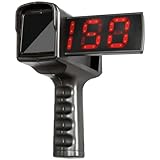
Overview: This multi-sport radar gun delivers professional-level accuracy for baseball, softball, soccer, lacrosse, and hockey at a competitive price point. It measures speeds from 3-150 mph with ±1 mph precision and features both SS Mode (3-25 mph) for youth training and MS Mode (25-150 mph) for advanced play. The dual LED/LCD display system ensures visibility during solo practice or team coaching.
What Makes It Stand Out: Its explicit multi-sport versatility distinguishes it from baseball-only competitors, making it valuable for families with athletes in different sports. The “zero cosine error” claim suggests advanced radar geometry for more consistent readings. The dual-screen setup allows athletes to view real-time speeds during independent practice while enabling coaches to monitor from behind.
Value for Money: At $79.99, this offers tremendous versatility. Comparable multi-sport radars typically cost $100+, making this an excellent value for households supporting multiple athletic pursuits. While the tripod requires separate purchase, the core feature set rivals premium single-sport models at a fraction of the cost.
Strengths and Weaknesses: Strengths include multi-sport compatibility, dual LED/LCD displays, 10-data playback, SS/MS modes, hands-free mounting capability, and competitive pricing. Weaknesses are the lack of included tripod, unspecified warranty details, and unknown brand longevity compared to established names.
Bottom Line: Perfect for multi-sport families needing versatile speed tracking across different athletic disciplines. The dual displays and sport flexibility make it an outstanding value proposition for diverse training environments.
5. NET PLAYZ Speed Radar, Muti-Sports Radar Gun (Hands-Free) Measure Speed Sensors for Baseball Softball Tennis Soccer Hockey Lacrosse Handball | Training Aids / Gadget Gifts

Overview: The NET PLAYZ Speed Radar redefines solo training with its hands-free design and unique voice announcement feature. Measuring speeds up to 150 mph, it eliminates the need for a training partner by audibly announcing each reading through its built-in speaker. The large 4.7-inch LED display remains visible in all lighting conditions, while automatic logging of the last ten readings enables data-driven improvement tracking.
What Makes It Stand Out: The voice announcement function is a game-changer for independent athletes, providing instant audible feedback without breaking form to check displays. Its true hands-free operation, optimized for solo use, contrasts with traditional gun-style radars requiring partner operation. The oversized LED display is among the largest in its class, enhancing visibility during outdoor training.
Value for Money: At $64.99, this is the most affordable option reviewed, yet it includes premium features like voice announcements and a large LED display. The hands-free design eliminates tripod costs for solo trainers. While it lacks dual displays and advanced modes, its core functionality and unique voice feature deliver exceptional value for individual athletes.
Strengths and Weaknesses: Strengths include voice announcements, large 4.7" LED display, true hands-free operation, data logging, multi-sport capability, and unbeatable price. Weaknesses are the lack of dual displays, no tripod inclusion, lower brand recognition, and absence of specialized SS/MS modes.
Bottom Line: The ultimate choice for solo athletes seeking independent training feedback. The voice feature and large display make it perfect for individual practice sessions where immediate, audible results accelerate skill development.
6. WEEPALM Rotatable Baseball Radar For Swing&Pitching Training,Speed Radar Gun With Tripod,Lager LCD Display,Handheld or Hand Free Speed Sensors Baseball Speed Training Equipment for All Baseball Player

Overview: The WEEPALM Rotatable Baseball Radar delivers professional-grade speed tracking for players at every level. This versatile unit measures velocities from 3 to 150 mph with impressive +/-1 mph accuracy, making it suitable for beginners learning mechanics and advanced athletes fine-tuning performance. The 180° rotating sensor head allows seamless transitions between pitching and hitting drills, while the included tripod enables true solo training sessions without requiring a partner.
What Makes It Stand Out: The rotatable design distinguishes this model from fixed-position radars, giving instant feedback during individual practice by simply pointing the sensor toward the user. The dual-mode operation (SS for sub-25 mph and MS for advanced speeds) optimizes measurement precision across skill levels. Memory recall for the last ten recordings helps track progression over time, and the LCD display remains readable in various lighting conditions. The automatic measurement eliminates cosine effect errors, ensuring reliable data collection.
Value for Money: At $99.99, this radar positions itself as a mid-range option that bridges the gap between budget toys and professional $500+ units. The included tripod and carrying case add significant value, eliminating separate purchases. While similar-spec models exist at this price, the rotatable feature and 1-year warranty with 100% refund policy provide extra assurance that justifies the investment for committed players.
Strengths and Weaknesses: Strengths include versatile 180° rotation, accurate readings across a wide speed range, convenient memory storage, flexible handheld or tripod operation, and solid warranty coverage. Weaknesses involve the plastic construction that may not withstand heavy field abuse, occasional inconsistent readings at extreme angles, and the LCD display which can be difficult to read in bright sunlight compared to LED alternatives.
Bottom Line: This radar gun excels for dedicated baseball and softball players seeking flexible, accurate speed tracking without pro-level expense. The rotatable design genuinely enhances solo training effectiveness, making it a worthwhile investment for athletes serious about measurable improvement.
7. Portable Baseball Radar - Accurate Speed Gun with Lager LCD Display,Coaching Radar Gun for Swing&Pitching Training, Handheld Speed Sensors Baseball Speed Training Equipment for All Baseball Player

Overview: Designed with mobility in mind, this Portable Baseball Radar offers reliable speed measurement from 3 to 150 mph with professional-grade +/-1 mph accuracy. The handheld unit caters to coaches who move between fields and players training in various locations. Its lightweight construction and included carrying accessories make it an ideal companion for travel teams, private instructors, and athletes practicing at multiple venues.
What Makes It Stand Out: The emphasis on portability sets this radar apart, featuring a dedicated carrying bag and hand strap that competitors often omit. The large, bright LCD display provides instant feedback during active training sessions, allowing coaches to quickly assess player performance. The speed recall function stores ten previous readings, enabling data-driven coaching conversations. SS and MS modes tailor sensitivity for youth players and advanced athletes respectively, ensuring accurate measurements across all age groups.
Value for Money: Priced at $99.99, this radar matches competitor pricing while prioritizing transportability. The included carrying accessories represent added value for mobile users, though the absence of a bundled tripod may require separate purchase for solo training. Compared to similar handheld units, the display quality and memory features justify the cost, particularly for coaches who value quick setup and teardown between sessions.
Strengths and Weaknesses: Strengths include excellent portability with carrying bag, clear large LCD display, accurate speed detection, useful memory recall function, and lightweight handheld design. Weaknesses involve no included tripod for hands-free operation, non-rotatable fixed sensor limiting solo training flexibility, potential display visibility issues in direct sunlight, and no explicit warranty terms mentioned in the product description.
Bottom Line: This radar gun serves coaches and mobile players exceptionally well, prioritizing portability without sacrificing core performance. While less suited for solo training, its transport-friendly design and reliable accuracy make it a smart choice for team environments and multi-location practice.
8. WEEPALM Baseball Radar Gun with Tripod, Speed Radar Gun for Baseballs Softball, LED+LCD Larger Display,Handheld or Hand Free SpeedSensors Base Ball Speed Training Equipment for All Baseball Players

Overview: This WEEPALM radar gun combines affordability with premium features, delivering accurate speed measurements from 3 to 150 mph with +/-1 mph precision. The dual-display design accommodates both solo and partner training scenarios, while the included tripod enables hands-free operation. Suitable for baseball and softball players of all skill levels, this unit provides essential performance tracking without breaking the budget.
What Makes It Stand Out: The innovative LED+LCD dual-display system represents exceptional value at this price point. The side-facing LED display shows readings to the athlete during solo practice, while the rear LCD display faces coaches or partners. This thoughtful design eliminates the need to rotate the unit or walk around to view results. The automatic speed detection removes cosine effect errors, and the ten-reading memory bank supports progressive training analysis across multiple sessions.
Value for Money: At $79.99, this radar significantly undercuts competitors while maintaining core functionality. The included tripod alone often costs $20-30 separately, making this package remarkably cost-effective. Dual displays typically appear on premium models exceeding $150, positioning this as the best value proposition for budget-conscious players and teams needing multiple units. The feature set rivals $100+ alternatives, making it an intelligent entry-level investment.
Strengths and Weaknesses: Strengths include exceptional dual-display configuration, accurate wide-range speed detection, included tripod for hands-free use, memory recall capability, and outstanding price-to-feature ratio. Weaknesses involve less durable plastic housing compared to professional units, shorter warranty period implied by marketing, potential calibration drift over time, and LED display visibility challenges in very bright conditions despite being larger than standard.
Bottom Line: For players seeking maximum functionality on a minimal budget, this radar gun delivers unmatched value. The dual-display innovation and included tripod make it ideal for both individual practice and team coaching, representing the smartest financial choice among consumer-grade speed guns.
9. Baseball Gfits Training Equipment & Gear - Radars, Speed Sensors (Hands-Free) Radar Guns, Pitching Speed Guns for Baseball Players

Overview: The Baseball Gfits radar distinguishes itself through innovative audio feedback and multi-sport versatility, measuring speeds up to 150 mph with professional accuracy. This hands-free unit targets athletes who train independently across various sports including baseball, soccer, hockey, tennis, and lacrosse. The large 4.7-inch LED display and voice announcement system provide dual-mode feedback, ensuring performance data remains accessible during intense practice sessions.
What Makes It Stand Out: The voice announcement feature represents a game-changing innovation for solo training, audibly reporting each speed reading without requiring athletes to break focus and check displays. The oversized LED screen exceeds competitor sizes by 10-30%, remaining clearly visible in both daylight and nighttime conditions. True hands-free operation with a stable tripod eliminates the need for training partners, while integrated data logging automatically tracks the last ten readings for performance trend analysis.
Value for Money: At $79.70, this radar competes aggressively with budget models while offering premium features like voice output and superior display size. Multi-sport compatibility extends utility beyond baseball, providing better return on investment for athletes participating in multiple disciplines. The hands-free design eliminates labor costs for assistant coaches or training partners, making it economically attractive for frequent solo practitioners seeking consistent feedback.
Strengths and Weaknesses: Strengths include unique voice announcement capability, exceptionally large LED display, true hands-free solo operation, multi-sport versatility, and integrated data logging. Weaknesses involve optimal positioning requirements (20-50 feet or 45° angle) that demand careful setup, potential audio interference in noisy team environments, less baseball-specific branding may confuse some buyers, and build quality concerns typical of budget electronics.
Bottom Line: This radar excels for multi-sport athletes and dedicated solo trainers who value audio feedback. The voice feature and massive display overcome common visibility challenges, making it an innovative, cost-effective solution for comprehensive speed training across multiple athletic disciplines.
10. Rotatable Baseball Radar with Tripod,High-Speed Pitching & Swing Tracker,Accurate Speed Radar Gun with Memory Recall & LCD Display,Handheld or Hand Free Speed Sensors Equipment for All Baseball Player
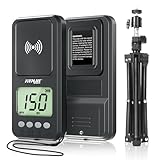
Overview: This rotatable radar gun delivers comprehensive speed tracking capabilities for baseball and softball players seeking flexible training options. Measuring velocities from 3 to 150 mph with +/-1 mph accuracy, the unit accommodates beginners through professionals. The 180° rotating sensor and included tripod support multiple training configurations, from solo practice to partner drills, making it a versatile addition to any athlete’s equipment bag.
What Makes It Stand Out: The rotating sensor design enables seamless transitions between pitching and hitting assessments without physically repositioning the entire unit. Instant performance tracking with memory recall stores the last ten readings directly on the bright LCD display, facilitating immediate analysis and adjustment. The dual-mode speed selection (SS for under 25 mph and MS for advanced speeds) optimizes accuracy across skill levels, while the automatic measurement eliminates cosine effect complications that plague inferior models.
Value for Money: At $99.99, this radar matches market pricing for mid-tier units with rotation capabilities. The included tripod and 1-year warranty with 100% refund policy provide purchase security uncommon in this price range. While similar to other rotatable models, the combination of memory recall, hands-free operation, and warranty coverage justifies the investment for players prioritizing training flexibility and product support.
Strengths and Weaknesses: Strengths include versatile 180° rotation, accurate wide-range speed detection, convenient memory recall function, included tripod for hands-free use, and strong warranty protection. Weaknesses involve crowded market positioning with near-identical competitor features, LCD display visibility limitations in bright conditions, plastic construction durability concerns, and no carrying case mentioned for transport protection.
Bottom Line: This radar gun provides reliable performance for athletes valuing rotational flexibility and warranty security. While feature overlap exists with similar models, the solid construction and included accessories make it a dependable choice for serious players focused on measurable skill development.
Why Every Coach and Player Needs a Radar Gun
The Science Behind Pitch Speed Measurement
Velocity tracking transforms subjective feelings into objective benchmarks. When a pitcher feels “strong” on the mound, that sensation translates into a number that can be compared day-to-day, week-to-week, and season-to-season. The Doppler effect principle that powers these devices measures the frequency shift of radio waves bouncing off a moving baseball, calculating speed with remarkable precision. For under $200, modern microprocessors and compact antenna arrays have made this technology accessible at a fraction of what major league teams paid just a decade ago.
Beyond simple bragging rights, consistent velocity data reveals fatigue patterns, mechanical inefficiencies, and training adaptation. A pitcher whose fastball drops 4 mph between innings isn’t just having an off day—they’re likely experiencing energy system depletion or subtle mechanical breakdown. Coaches who track these trends can make informed decisions about pitch counts, recovery protocols, and targeted drill work.
How Radar Technology Transformed Baseball Training
Before affordable radar guns, coaches relied on stopwatches and guesswork. A “plus” fastball was whatever beat the batter. Today, even youth players understand that velocity bands correlate with competitive levels: touching 80 mph as a freshman puts you on recruiting radars, while hitting 90+ by senior year opens draft conversations. This democratization of data means players at every level can set concrete goals and measure progress objectively.
The psychological impact is equally powerful. Young pitchers who see their velocity climb in 1-2 mph increments gain confidence and motivation. Hitters who train against known speeds can better prepare for game velocity. The feedback loop creates accountability and accelerates development in ways traditional coaching never could.
Understanding the $200 Price Point
What Budget Radar Guns Can and Can’t Do
Radar guns under $200 occupy a sweet spot between professional-grade units costing $500+ and smartphone apps that lack legitimate accuracy. At this price, you should expect accuracy within ±1 mph of true velocity, reliable readings from 30-150 mph, and durable construction that withstands dugout life. Most units refresh readings every 0.5-1 second, providing real-time feedback without the microsecond precision of $1,200 police-grade devices.
What you typically sacrifice: extreme range (pro guns work from 300+ feet), advanced data storage (though many now include basic memory), and multi-sport versatility. Budget units generally excel at baseball-specific tracking but may struggle with tennis serves or hockey shots. They also rarely include calibration certificates or NIST traceability required for official scouting combines.
Price vs. Performance Trade-offs
The $150-200 range represents the point of diminishing returns for casual users. Below $100, accuracy becomes questionable and durability suffers. Above $200, you’re paying for features like data export, longer battery life, and marginally better accuracy that most youth and high school programs don’t require. The key is identifying which features actually impact your specific use case versus nice-to-have specifications that inflate cost.
Manufacturers achieve this price point by using plastic housings instead of metal, simplified display screens, and standard alkaline batteries rather than rechargeable lithium packs. The core Doppler processing, however, has become so commoditized that the actual speed measurement capability differs surprisingly little between budget and mid-tier units.
Key Features to Evaluate
Accuracy Specifications and Tolerance Ranges
Look for devices advertising ±1 mph accuracy or better. Be wary of vague claims like “highly accurate” without numerical specifications. The best budget units achieve this tolerance through 24-24.5 GHz frequency bands and signal processing algorithms that filter out background clutter. Understand that accuracy degrades at extreme angles—reading from 45 degrees off-center might show 2-3 mph slower than a direct line reading.
Test methodology matters: manufacturers should specify testing conditions. A unit tested at 60 feet with baseballs will perform differently than one tested with tennis balls at 30 feet. For pitch tracking, ensure the accuracy claim specifically mentions baseball applications.
Speed Range Requirements for Different Age Groups
Youth players (8-12 years) typically throw 35-60 mph, requiring precise low-end sensitivity. High school athletes range from 65-85 mph, while college and pro prospects exceed 90 mph. Your radar gun must cover this full spectrum without bottoming out or maxing out. Most sub-$200 units comfortably handle 20-150 mph, but verify the low-end sensitivity—some struggle to register below 30 mph, making them useless for younger players.
Consider your program’s growth trajectory. Buying for a 10-year-old means planning for velocity gains over the next 5-7 years. A unit that maxes out at 110 mph might suffice now but could become obsolete as the player develops.
Display Readability and Visibility
LCD vs. LED displays present a real trade-off. LED screens offer superior brightness for direct sunlight but drain batteries faster. LCD screens with backlighting provide better battery life but can wash out in bright conditions. Look for displays showing at least 2-inch tall digits that are readable from 15-20 feet away—essential when you’re positioned safely behind a screen.
Some units feature “last speed hold” displays that maintain the reading for 5-10 seconds, allowing coaches to glance over after the pitch. This is invaluable during bullpen sessions when your eyes stay on the pitcher’s mechanics rather than the gun.
Battery Life and Power Options
Budget radar guns typically run on 2-6 AA or AAA batteries, with life ranging from 2,000 to 10,000 readings. Calculate your usage: a coach running four bullpens weekly might trigger 200 readings per session. A unit delivering 5,000 readings per battery set lasts roughly six weeks. Rechargeable battery compatibility saves money long-term but verify the voltage requirements—some units perform poorly with NiMH rechargeables.
Auto-shutoff features are critical for preventing accidental drainage. The best units power down after 5-10 minutes of inactivity. Avoid models requiring proprietary batteries; standard alkaline availability ensures you’re never caught powerless before a big game.
Durability and Weather Resistance
Dugouts are harsh environments. Your radar gun will experience dust, moisture, occasional drops, and temperature extremes. Look for IPX4 splash resistance ratings at minimum. Rubberized armor or protective cases absorb impact from 3-4 foot drops onto concrete. The trigger and buttons should feel robust, not flimsy, with tactile feedback that works when wearing batting gloves.
Consider warranty terms. One-year warranties are standard; two years indicates manufacturer confidence. Read the fine print—some warranties exclude “commercial use,” which could void coverage for academy coaches or instructors.
Types of Radar Guns in This Category
Continuous Mode vs Trigger Mode Operation
Trigger mode requires holding a button during each pitch, conserving battery life and allowing precise targeting. Continuous mode automatically tracks any object entering the beam, useful for rapid-fire bullpens but draining batteries faster. Some hybrid units offer both, letting you choose based on session type.
For individual pitch tracking, trigger mode reduces false readings from catchers throwing back to the mound or batters swinging. For team practices with multiple pitchers throwing simultaneously, continuous mode captures everything without constant button pressing.
Hands-Free vs Handheld Designs
Traditional handheld guns offer maximum flexibility—track pitches from behind the mound, from the side, or even from the outfield. Hands-free units mount on tripods or fence brackets, freeing coaches to video mechanics while capturing speed. These often pair with smartphone apps for remote viewing.
The trade-off is targeting precision. Handheld units let you aim directly at the release point, while fixed units rely on wide beam angles that might occasionally pick up the wrong object. For under $200, most hands-free options sacrifice some accuracy compared to their handheld counterparts.
App-Enabled Smart Radar Options
Bluetooth connectivity to iOS/Android apps unlocks data logging, trend graphs, and export capabilities. This transforms a simple speed gun into a training database. However, app quality varies dramatically—some are intuitive and stable; others crash frequently and drain phone batteries. Check app store reviews before committing to a smart radar.
Consider data privacy. Some apps require account creation and store data on company servers. For youth players, understand COPPA compliance and data handling policies. The best apps work offline, syncing only when you choose.
Technical Specifications Explained
Frequency Bands and FCC Regulations
Most budget radar guns operate in the 24.075-24.175 GHz band, approved by the FCC for unlicensed consumer use. This frequency balances range, power consumption, and interference avoidance. Some older models use 10.525 GHz, which offers longer range but requires more power and larger antennas.
Understanding frequency matters because it affects interference susceptibility. 24 GHz bands can experience interference from nearby WiFi networks or other radar guns. Reputable manufacturers include frequency-hopping or interference rejection algorithms. If you’ll use the gun at crowded tournaments, ask about multi-unit operation capabilities.
Beam Width and Angle of Detection
Beam width, measured in degrees, determines the detection zone. Narrow beams (10-15 degrees) provide precise targeting but require accurate aiming. Wide beams (30-45 degrees) are more forgiving but prone to picking up unintended objects. For baseball, a 20-25 degree beam offers the best compromise—wide enough to catch pitches with slight horizontal movement but narrow enough to ignore the catcher’s return throw.
The angle of detection also impacts accuracy. Most units perform best when positioned within 10 degrees of the ball’s flight path. Beyond 30 degrees off-center, cosine error becomes significant, reading slower than actual speed. This is why positioning directly behind or in front of the pitcher yields the most accurate results.
Processing Speed and Lag Time
From the moment the ball enters the beam to when the display shows a number, processing lag typically ranges from 0.3 to 1.2 seconds in budget units. Faster processing feels more immediate and allows quicker feedback between pitches. During rapid-fire bullpens, slow processing can cause readings to “stack up,” displaying old speeds while new pitches are thrown.
Look for units advertising “real-time” or “instant” readings, but verify through user reviews. Some manufacturers stretch these claims. The processor’s clock speed (usually 50-200 MHz in this price range) directly impacts the ability to track breaking balls and changeups with significant speed variation.
Setup and Positioning Best Practices
Optimal Distance and Angle for Accurate Readings
Position yourself 30-60 feet from the release point—roughly behind the mound or behind home plate. Too close (under 25 feet) and the ball moves through the beam too quickly for accurate measurement. Too far (over 80 feet) and signal strength weakens, especially for off-speed pitches with less velocity.
The ideal angle is within 10 degrees of the ball’s flight line. Directly behind the pitcher captures true velocity. From behind home plate, you’ll measure slightly reduced speed due to the 2-3 degree downward angle of a typical fastball, but the difference is negligible (less than 0.5 mph) for development purposes.
Common Placement Mistakes to Avoid
Never position the radar gun at a right angle to the pitch path (90 degrees). Cosine error at this angle can reduce readings by 15-30%. Avoid placing the unit too low—reading from below the ball’s path causes the beam to intersect the ball’s trajectory at an unfavorable angle. Height should match the release point, typically 4-6 feet off the ground.
Watch for obstructions. Chain-link fences, batting cage netting, and even dense humidity can scatter radar signals. Position the gun with a clear line of sight to the pitcher’s release point. In cage settings, get as close to the net as possible without touching it—ideally within 12 inches—to minimize interference.
Calibration and Accuracy Verification
How to Test Your Radar Gun’s Precision
Perform a stationary object test: point the gun at a non-moving target from 30 feet. It should read 0 mph or display “no target.” Any reading indicates internal noise or interference. Next, test against a known reference: borrow a higher-end radar gun from another coach and compare readings across 20-30 pitches. Variation should stay within the advertised tolerance (±1 mph).
The water droplet test provides a DIY calibration check. On a humid day, spray a fine mist in front of the gun. Droplets falling at terminal velocity (roughly 9 mph for large drops) should produce consistent low-speed readings. While not laboratory-grade, this verifies the unit responds linearly across its range.
When to Recalibrate or Replace
Budget radar guns rarely offer user calibration. When accuracy drifts beyond ±2 mph, it’s typically time for replacement. However, first try fresh batteries—voltage drop causes erratic readings. Clean the antenna window with isopropyl alcohol to remove dirt that scatters signals. If inconsistent readings persist after these steps, internal component aging has likely occurred.
Most units maintain accuracy for 3-5 years with regular use. Heavy daily use by academies might shorten this to 2-3 years. Mark your purchase date and track any gradual drift. A sudden 5+ mph discrepancy across all readings indicates failure rather than drift.
Age and Skill Level Considerations
Youth Baseball: What Matters Most
For players under 13, prioritize low-speed sensitivity and simplicity. The gun must reliably register 35-50 mph pitches without requiring perfect aiming. Large displays help young players read their own speeds from the dugout. Durability takes priority—expect drops, dirt, and Gatorade spills.
Avoid complex menu systems. One-button operation lets 10-year-olds help operate the unit during practice. Consider bright colors or tether straps to prevent loss. Battery life matters less since youth sessions are shorter, but parental involvement means alkaline batteries are fine—no need for rechargeable systems that require adult management.
High School and College-Level Needs
At this level, accuracy becomes paramount. A 1 mph difference can distinguish between varsity and JV, or between college interest and scholarship offers. Look for ±0.5 mph tolerance if possible within budget. Speed range must extend to 95+ mph for top prospects. Data logging becomes valuable for tracking progression across a season and sharing with recruiters.
Durability shifts from drop resistance to weather resistance. High school seasons start in February—cold, wet conditions test electronics. IPX4 rating minimum, with operating temperature specs down to 32°F. Consider units with rubberized grips for wet-weather handling.
Recreational Adult League Requirements
Adult league players need reliability without frills. These guns often sit in equipment bags between weekly games, so battery life and auto-shutoff features prevent dead batteries. Accuracy within ±1.5 mph suffices since most players aren’t pursuing professional careers. Budget-friendly alkaline power makes sense for intermittent use.
Consider social features: large displays that multiple teammates can see from the dugout, and simple operation that doesn’t require reading a manual after a few beers. Durability matters less than cost-effectiveness—you’re not throwing 100 pitches daily, but you still want it to survive the occasional drop on concrete.
Integration with Modern Training
Tracking Progress Over Time
A radar gun without data tracking is just a toy. Even budget units should allow recording speeds manually or via app. Create a simple spreadsheet: date, pitch type, speed, notes on feel or mechanical focus. Over 8-12 weeks, patterns emerge. Maybe your slider velocity drops when you’re fatigued, or your fastball jumps 3 mph after implementing a new strength program.
Some coaches photograph the display after each pitch, creating a visual log. Others use voice memo apps to dictate speeds while watching video. The method matters less than consistency. Track at least three pitches per type (fastball, curveball, changeup) per session to account for natural variation.
Combining with Video Analysis
Modern training pairs velocity data with high-speed video. Record at 120+ fps while tracking speed. When a pitcher hits a new personal best, review the video frame-by-frame. What changed? Maybe a slightly longer stride, better hip rotation, or improved timing. This correlation between feel, data, and visuals accelerates motor learning.
Set up your radar gun on a tripod behind a video camera, both aligned to the pitcher. Many coaches use a clap or verbal cue to sync the data with video timestamp. When reviewing, you’ll see exactly which mechanical positions produced peak velocity. This integrated approach turns a $200 radar gun into a development system rivaling setups costing thousands.
Maintenance and Longevity
Proper Storage and Transportation
Remove batteries between long-term storage periods to prevent corrosion. Store in a padded case—not just the original box. Temperature extremes kill electronics; avoid leaving the unit in a hot car trunk or freezing equipment shed. Ideal storage is 60-75°F with moderate humidity.
For transportation, use a dedicated compartment in your equipment bag. The antenna window is particularly vulnerable to scratches that degrade performance. A microfiber cloth between the unit and other gear prevents abrasion. If your gun includes a lens cap, use it religiously.
Battery Management Best Practices
Alkaline batteries provide consistent voltage but die suddenly. Lithium batteries cost more but last 3-4x longer and perform better in cold weather. For heavy users, NiMH rechargeables make economic sense, but verify your unit’s voltage regulator handles the slightly lower 1.2V per cell versus alkaline’s 1.5V.
Always carry spares. A coach without working batteries mid-bullpen loses credibility. Store spare batteries in a waterproof container in your bag. Check voltage with a multimeter monthly if usage is sporadic—batteries slowly drain even when the unit is off. Set a calendar reminder to replace batteries at the start of each season regardless of usage.
Troubleshooting Performance Issues
Dealing with Inconsistent Readings
First isolate variables: same pitcher, same distance, same angle. If readings vary ±5 mph on seemingly identical pitches, check battery voltage first. Next, examine your aiming technique—are you tracking the ball throughout its flight or just triggering at release? The latter captures peak speed more consistently.
Environmental factors cause erratic readings. Wind over 15 mph can affect measurements. Nearby metal fences create multipath interference—move 10 feet further from the fence. If using continuous mode, switch to trigger mode to eliminate false readings from other moving objects. Finally, ensure the antenna window is clean; a single smudge can scatter the signal unpredictably.
Environmental Factors and Interference
Rain and heavy humidity absorb radar signals, reducing effective range by 20-30%. In these conditions, move closer to the pitcher (30-35 feet instead of 50). Extreme heat can cause internal components to drift, temporarily reducing accuracy. Let the unit acclimate to outdoor temperature for 10 minutes before use.
Electromagnetic interference from nearby radar guns is common at tournaments. If another coach’s unit causes your display to flicker or show impossible speeds, change your operating frequency if adjustable, or increase physical separation. Some units include interference detection that flashes a warning—heed it and relocate.
Legal and Safety Guidelines
League Regulations You Should Know
Most youth leagues prohibit radar guns behind home plate during games, considering them distractions. High school federations (NFHS) allow them in bullpens but not in dugouts during play. College conferences have varying rules—some allow them anywhere, others ban them entirely. Always check your league’s equipment regulations before bringing a radar gun to the ballpark.
Privacy concerns matter too. Tracking minors’ data without parental consent can raise issues. For academy coaches, include radar gun usage in your liability waiver. Never share a player’s velocity data publicly (social media) without explicit permission, especially for under-18 athletes.
Safe Operating Practices
Position yourself safely. Behind the mound offers the best angle but puts you in line with foul balls. Use a protective screen or stand to the side of the pitcher’s line of sight. Never point the radar gun at anyone’s face—the antenna emits low-power radio waves, but direct eye exposure isn’t recommended.
Teach young players not to obsess over every reading. Velocity is a tool, not a judgment. Establish protocols: check speed at the start of a session, mid-session, and end, rather than after every pitch. This prevents pitchers from “aiming the gun” instead of focusing on mechanics and location.
Future-Proofing Your Investment
Upgrade Paths and Compatibility
Even if you buy a basic unit now, consider whether the brand offers a product line. Some manufacturers use the same mounting threads, battery types, and app ecosystems across price tiers. Starting with their entry-level model means accessories and familiarity transfer when you upgrade later.
App-enabled units often receive firmware updates that add features. Check the manufacturer’s update history before buying. A company that updated their app six months ago is more likely to support the product long-term than one with a two-year-old, buggy app that never gets patched.
Warranty and Support Expectations
One-year limited warranties are standard in this price range. Read the exclusions carefully—water damage, physical impact, and battery corrosion typically aren’t covered. Some brands offer extended warranties for an additional $15-25, worthwhile for heavy users. Email support responsiveness is a good quality indicator; send a pre-purchase question and see how quickly and thoroughly they respond.
Check for online resources: video tutorials, FAQ databases, and user forums. A strong community means you’ll find solutions to common problems without waiting for customer service. Brands that invest in educational content typically build more reliable products.
Making Your Final Decision
Creating Your Personal Feature Checklist
Rank these features by importance to your situation: accuracy tolerance, speed range, battery type, display size, durability rating, app connectivity, weight, warranty length. Assign each a score (1-5) based on your needs. This objective matrix prevents impulse buys based on flashy marketing.
Consider your primary use case: bullpen sessions require different features than game-day scouting. If you’ll use it indoors and outdoors, weather resistance moves up the list. If you coach multiple age groups, low-speed sensitivity becomes critical. Your checklist should reflect your reality, not a generic “best of” list.
Smart Shopping Strategies
Buy during off-season months (November-February) when retailers clear inventory. Many units drop 20-30% in price after the World Series. Check for bundle deals that include carrying cases or spare batteries. Avoid third-party sellers on major marketplaces—counterfeit radar guns exist and perform terribly. Purchase directly from sporting goods retailers or authorized dealers.
Consider refurbished units from reputable dealers. Manufacturers often refurbish returned units with new batteries and calibration, selling them at 30-40% discounts with full warranties. For budget-conscious programs, this stretches equipment dollars without sacrificing performance.
Frequently Asked Questions
How accurate are baseball radar guns under $200 compared to professional models?
Quality budget radar guns typically deliver ±1 mph accuracy, while professional units like Stalker and Jugs achieve ±0.5 mph. For player development, this difference is negligible—coaches care more about consistent day-to-day trends than absolute precision. The key is verifying accuracy through comparison testing rather than trusting manufacturer claims alone.
Can I use a budget radar gun for exit velocity off the bat?
Most sub-$200 units struggle with exit velocity due to the bat’s movement creating interference. Some newer models include a “bat mode” that filters the swing and captures ball speed, but results vary. For reliable exit velocity data, position the gun 30-45 degrees from the line of flight, not directly behind the hitter, and expect ±2-3 mph accuracy at best.
What’s the realistic battery life I should expect?
With alkaline batteries, expect 4,000-8,000 trigger readings or 2-3 hours of continuous operation. Lithium batteries double this. If you’re getting fewer than 3,000 readings, check for firmware issues or accidental button presses that keep the unit active. Always remove batteries during off-season storage to prevent corrosion.
Do I need a radar gun with Bluetooth app connectivity?
Apps add $30-50 to the price but provide data logging, trend graphs, and easy sharing. For serious pitchers tracking progression across months, this is worthwhile. For casual use or single-session speed checks, it’s unnecessary. Consider your coaching style—if you won’t consistently log data manually, an app automates the process and adds value.
Why does my radar gun show different speeds for the same pitch?
Natural pitch-to-pitch variation (±1-2 mph) is normal due to release point differences and atmospheric conditions. If variation exceeds 3 mph, check your aiming consistency—are you tracking the ball the same way each time? Battery voltage, interference, and angle changes also cause discrepancies. Take 3-5 readings and average them for the most reliable single data point.
Can radar guns under $200 measure breaking balls accurately?
Yes, if they have sufficient processing speed. Look for units with refresh rates under 0.5 seconds. Curveballs and sliders lose velocity rapidly—reading at 50 feet vs. 55 feet can show 2-3 mph differences. The key is consistent measurement distance and understanding that breaking ball speeds will read 5-8 mph slower than fastballs due to aerodynamic drag.
How do I know if my radar gun needs recalibration?
Test against a known reference or perform the stationary object test monthly. If readings drift beyond the advertised tolerance consistently, the internal oscillator may be failing. Budget units typically aren’t user-serviceable—contact the manufacturer. Most offer fixed-price recalibration services ($25-40) that are cheaper than replacement if the unit is otherwise functional.
Are there legal restrictions on using radar guns at games?
Most youth leagues ban radar guns behind home plate during live play. High school allows bullpen use only. College rules vary by conference. Always check league regulations. For showcases and tournaments, ask the director beforehand. When in doubt, use it pre-game in warm-ups only—never argue with an umpire over radar readings.
What’s the best way to clean and maintain my radar gun?
Use a microfiber cloth slightly dampened with isopropyl alcohol on the antenna window. Never use abrasive cleaners or paper towels that scratch. Clean the display with screen cleaner designed for electronics. Store in a padded case with desiccant packets to absorb moisture. Check battery terminals quarterly for corrosion and clean with a pencil eraser if needed.
Will a budget radar gun work for other sports like tennis or hockey?
Most baseball-specific units can measure tennis serves (60-130 mph) and hockey shots (40-100 mph) with reasonable accuracy. However, the smaller ball/puck size and different flight characteristics may reduce consistency. Look for units advertising multi-sport capability if you plan cross-sport usage. The beam width and processing algorithms optimized for baseball may miss smaller objects or read inconsistently.