Every endurance cyclist knows the feeling: you’re three hours into a century ride, your legs are screaming, and that banana in your jersey pocket might as well be a brick. The difference between bonking spectacularly and finishing strong often comes down to one critical factor—how efficiently you can deliver fuel to your working muscles. While whole foods have their place, carbohydrate powders have revolutionized on-bike nutrition, offering a precise, digestible, and scientifically-backed method to keep your glycogen stores from flatlining when it matters most.
But not all carb powders are created equal. Walk into any cycling shop or scroll through online retailers and you’ll encounter a dizzying array of options—from simple maltodextrin to sophisticated multi-transportable carbohydrate blends. Understanding what separates an effective endurance fuel from expensive sugar water is the difference between optimizing your performance and sabotaging it. This guide dives deep into the science, strategies, and practical considerations that will help you select and use carbohydrate powders to transform your endurance cycling.
Top 10 Carbohydrate Powders for Endurance Cycling
Detailed Product Reviews
1. Tailwind Nutrition Endurance Fuel, Carbohydrate & Electrolyte Sports Drink Mix Powder, Gluten-Free, Vegan, Berry, 30 Servings

Overview: Tailwind Nutrition’s Endurance Fuel in Berry flavor delivers a 30-serving supply of clean, vegan-friendly energy designed for diverse athletic pursuits. This powder combines carbohydrates and electrolytes in a gluten-free, non-GMO formula that dissolves completely in water without residue. Marketed toward runners, cyclists, backpackers, and even yogis, it promises steady fuel without digestive distress. The Berry variant offers a lightly sweetened taste profile that avoids the cloying aftertaste common in sports drinks.
What Makes It Stand Out: The “No Gut Bombs” promise distinguishes this product through its simple glucose and sucrose blend that mirrors intestinal absorption pathways. Unlike maltodextrin-heavy competitors, this formulation minimizes gastrointestinal distress during long efforts. The powder dissolves crystal-clear and rinses clean, eliminating bottle funk. With six non-caffeinated and four caffeinated flavor options, athletes can rotate varieties to prevent palate fatigue. The brand’s commitment to clean, minimal ingredients appeals to health-conscious consumers seeking transparency.
Value for Money: At $1.08 per ounce ($30.99 total), this 30-serving pouch sits in the mid-range price tier. It’s cost-effective for athletes testing the product before committing to larger quantities. While not the cheapest option, the price reflects quality sourcing and the convenience of an all-in-one fueling solution that replaces separate gels, chews, and salt tablets.
Strengths and Weaknesses: Strengths include exceptional digestibility, clean ingredient sourcing, versatile flavor range, and complete dissolution. The vegan, allergen-friendly profile suits restrictive diets. Weaknesses involve modest electrolyte content compared to specialized hydration formulas, potentially requiring supplementation for heavy sweaters. The berry flavor, while pleasant, may taste subtle to those expecting intense fruitiness.
Bottom Line: This is an excellent choice for endurance athletes prioritizing digestive comfort and ingredient purity. The 30-serving size offers low-risk trial potential, while the proven formula supports sustained efforts without stomach upset.
2. Tailwind Nutrition Endurance Fuel, Carbohydrate & Electrolyte Sports Drink Mix Powder, Gluten-Free, Vegan, Berry, 50 Servings

Overview: This 50-serving pouch of Tailwind’s Berry Endurance Fuel provides the same athlete-focused nutrition as its smaller sibling but with substantial bulk savings. Designed as a complete fueling solution, it eliminates the need for separate gels, salt pills, and chews by delivering calories, electrolytes, and hydration in one mix. The formula targets runners, cyclists, backpackers, and weightlifters with its clean-carb approach that mixes instantly in water.
What Makes It Stand Out: The “complete endurance drink” positioning is key—this single product simplifies nutrition logistics dramatically. Using the same gut-friendly glucose-sucrose blend, it prevents the GI distress that plagues many athletes using maltodextrin-based fuels. The larger size reduces packaging waste and reorder frequency. Berry flavor maintains Tailwind’s signature light, non-cloying taste profile that works for hours without creating flavor fatigue.
Value for Money: At $0.90 per ounce ($42.99 total), this bulk option delivers 18% savings compared to the 30-serving pouch. For regular users, the cost-per-serving drops significantly, making it one of the better values in premium sports nutrition. The upfront investment pays dividends for athletes training consistently, though casual users may find the quantity excessive.
Strengths and Weaknesses: Strengths include superior cost efficiency, simplified fueling strategy, clean ingredient transparency, and proven stomach tolerance. The vegan, gluten-free formulation accommodates most dietary restrictions. Weaknesses mirror the smaller size: electrolyte levels may prove inadequate for extreme heat or heavy sweaters, and the subtle berry flavor might disappoint those wanting bold taste. The larger pouch requires proper storage to maintain freshness.
Bottom Line: Committed Tailwind users should choose this 50-serving size for maximum value. It’s a smart investment for athletes logging high weekly volume who want reliable, gut-friendly nutrition without the complexity of multi-product fueling strategies.
3. EFS Hydration & Endurance Drink Mix - Premium Carbohydrates for Energy & Performance, Electrolytes for Rapid Rehydration & Running, Cycling and Triathlon Nutrition | Isotonic Energy Fuel | Fruit Punch

Overview: EFS Hydration & Endurance Drink Mix positions itself as a premium performance fuel with 30 grams of carbohydrates per serving using a research-backed 2:1 glucose-to-fructose ratio. The Fruit Punch flavor delivers a complete electrolyte profile—sodium, potassium, magnesium, calcium, and chloride—in an isotonic formula designed for rapid absorption. This 30-serving resealable bag targets serious marathoners, cyclists, and triathletes seeking maximum energy delivery.
What Makes It Stand Out: The clinical approach to formulation sets EFS apart. The 2:1 carb ratio maximizes exogenous carbohydrate oxidation, while the full-spectrum electrolyte blend addresses cramping comprehensively. The isotonic design ensures rapid gastric emptying without dilution concerns. Free from stevia and artificial sweeteners, it offers pure flavor without chemical aftertaste. The 30g carb load per serving exceeds many competitors, providing substantial fuel for long efforts.
Value for Money: At $0.95 per ounce ($34.95 total), EFS delivers premium features at a competitive mid-range price. The cost reflects its advanced formulation and higher carbohydrate content. Compared to buying separate carb and electrolyte products, it offers solid integrated value, though casual athletes may not need this level of sophistication.
Strengths and Weaknesses: Strengths include high carbohydrate density, complete electrolyte spectrum, isotonic rapid absorption, and clean flavor without artificial additives. The resealable bag maintains freshness. Weaknesses involve potential overkill for shorter workouts under 90 minutes and a flavor profile that some may find less “light” than Tailwind’s subtler approach. The higher carb concentration requires precise mixing to avoid stomach sloshing.
Bottom Line: EFS excels for serious endurance athletes pursuing peak performance. Its research-driven formulation and robust electrolyte profile make it ideal for long-course racing and hot conditions where maximum fuel and cramp prevention are paramount.
4. Flow Formulas Lemon Lime Endurance Drink Mix, Top 12 Allergen-Free, Carbohydrate & Electrolyte Sports Fuel Powder for Performance Training, High Carb Hydration Exercise Support, Gluten-Free, 10 Serv

Overview: Flow Formulas Lemon Lime Endurance Drink Mix targets the hypoallergenic athlete with a revolutionary 90-gram carbohydrate formula using an optimal 0.8:1 glucose-to-fructose ratio. This 10-serving pouch is entirely free from the top 12 allergens plus corn, utilizing tapioca maltodextrin and non-corn citric acid. Engineered for efforts exceeding one hour, it delivers 590mg of sodium per serving—positioned in the clinically optimal range for heavy sweaters.
What Makes It Stand Out: The allergen-free certification is unmatched, making this the safest choice for athletes with multiple sensitivities. The 0.8:1 carb ratio represents cutting-edge research, potentially increasing carbohydrate utilization by 55% over single-source fuels. The sodium-focused electrolyte strategy prioritizes fluid delivery without unnecessary minerals. The GI-friendly design actively enhances gastric emptying to prevent cramping and bloating.
Value for Money: At $1.11 per ounce ($24.99 total), this is the most expensive per-ounce option, though the 10-serving size lowers initial investment. The premium price reflects specialized ingredient sourcing and hypoallergenic processing. For athletes requiring allergen-free fuel, the cost is justified; for others, less expensive alternatives exist.
Strengths and Weaknesses: Strengths include unparalleled allergen safety, research-optimal carb ratio, high sodium content for heavy sweaters, and revolutionary GI tolerance. The lemon-lime flavor is clean without artificial notes. Weaknesses center on the high cost per serving, limited quantity requiring frequent repurchase, and potential sodium overload for moderate sweaters. The 90g carb formula may be excessive for athletes not pushing extreme intensities.
Bottom Line: This is the premium choice for allergy-sensitive athletes or performance purists seeking the latest carbohydrate science. The specialized formulation justifies its price for those who need absolute ingredient purity and maximum fuel efficiency during ultra-distance events.
5. Tailwind Nutrition Endurance Fuel, Carbohydrate & Electrolyte Sports Drink Mix Powder, Gluten-Free, Vegan, Naked Unflavored, 30 Servings

Overview: Tailwind’s Naked Unflavored Endurance Fuel delivers the same vegan, gluten-free, non-GMO nutrition as their flavored varieties without any taste profile. This 30-serving pouch provides the brand’s signature glucose-sucrose blend and electrolytes in a completely neutral form that dissolves clear. Designed for athletes wanting customizable nutrition, it mixes seamlessly into other beverages or foods without altering their flavor.
What Makes It Stand Out: The flavorless design is genuinely unique among sports drinks, offering ultimate versatility. Athletes can add it to juice, tea, or even oatmeal for a carb boost without sweetness fatigue. It maintains Tailwind’s “No Gut Bombs” promise while providing the same clean dissolution and bottle-rinsing convenience. The Naked variant is ideal for those who dislike artificial or even natural flavorings, serving as a blank canvas for personalized fueling.
Value for Money: At $1.08 per ounce ($30.99 total), pricing matches the flavored 30-serving versions, offering fair value for specialized versatility. While not cheaper, it provides unique utility that flavored versions cannot. Athletes can save money by combining it with inexpensive beverage bases rather than buying multiple flavored products.
Strengths and Weaknesses: Strengths include unmatched mixing flexibility, zero flavor fatigue, identical clean ingredient profile, and stomach-friendly formulation. It’s perfect for multi-day events where taste boredom becomes a real issue. Weaknesses involve the psychological challenge of drinking “flavorless” fuel—some athletes find it less psychologically satisfying. It offers no taste masking for those sensitive to mineral flavors, and the neutral profile may seem bland compared to refreshing flavored alternatives.
Bottom Line: Naked Unflavored is Tailwind’s most versatile offering, perfect for experimental athletes who craft custom fueling solutions. It’s an excellent choice for those with flavor fatigue or who want to integrate carbs into existing nutrition strategies without taste interference.
6. BARE PERFORMANCE NUTRITION, BPN G.1.M Go One More Sport, Endurance Training Fuel, Superior Carbohydrate & Electrolytes Powder Formula, Reduce Fatigue, Fruit Punch, 25 Servings

Overview: BPN’s G.1.M Sport positions itself as a premium endurance fuel built on Cluster Dextrin carbohydrates and a complete electrolyte profile. Marketed under their “Go One More” philosophy, this fruit punch-flavored powder delivers 25 servings designed to sustain intense training sessions while reducing fatigue. The formula emphasizes fast digestion and Informed Sport certification, making it particularly appealing to competitive athletes who prioritize both performance and substance testing transparency.
What Makes It Stand Out: The Informed Sport certification is the headline feature here—every batch undergoes third-party testing for banned substances, providing peace of mind for drug-tested competitors. Unlike many endurance fuels that rely on simple sugars, the Cluster Dextrin foundation offers rapid gastric emptying with sustained energy release. The brand’s military-inspired ethos and commitment to transparency resonate with serious athletes who want clean, purposeful supplementation without proprietary blends hiding the details.
Value for Money: At $35.34 for 25 servings, you’re paying approximately $1.41 per workout, which sits in the mid-range for premium endurance fuels. The $1.70 per ounce price reflects the specialized Cluster Dextrin and certification costs. While cheaper than some single-serve alternatives, it costs more than basic maltodextrin formulas. The testing certification adds justified value for competitive athletes but may be unnecessary for recreational users.
Strengths and Weaknesses: Strengths include rigorous third-party testing, fast-digesting carbohydrates that reduce GI distress, and a complete electrolyte matrix. The brand’s authenticity and clear labeling build trust. Weaknesses involve the artificial-tasting fruit punch flavor that may not appeal to natural-product purists, limited flavor variety, and a price point that exceeds non-certified competitors.
Bottom Line: BPN G.1.M Sport excels for competitive athletes needing certified-clean fuel. Recreational exercisers can find similar performance for less, but drug-tested competitors gain invaluable peace of mind worth the premium.
7. Skratch Labs Super High-Carb Hydration Powder | Carbohydrate Powder with Cluster Dextrin and Electrolytes | Endurance Energy Drink | Lemon - Lime (840 Grams) | Non-GMO, Gluten Free, Vegan, Kosher

Overview: Skratch Labs targets elite endurance athletes who struggle to consume adequate calories during extreme efforts. This 840-gram tub delivers a lemon-lime hydration mix powered by Cluster Dextrin for sustained energy without gastrointestinal distress. With real fruit for flavoring and a commitment to clean ingredients, it serves athletes seeking natural fuel sources that meet diverse dietary restrictions while delivering serious carbohydrate density.
What Makes It Stand Out: The “real food” philosophy sets Skratch apart—real lemon and lime provide flavor instead of artificial additives. Its impressive dietary compliance (non-GMO, gluten-free, vegan, kosher) makes it accessible to virtually any athlete. The steady energy release from Cluster Dextrin mimics a meal’s fuel without the heaviness, solving a critical problem for ultramarathoners and Ironman competitors who need 200 calories and 50g of carbs per serving without digestive shutdown.
Value for Money: At $41.95 for 840 grams ($1.42/ounce), the value depends on your usage. With roughly 16-17 servings per container, each workout costs about $2.47—premium pricing that reflects quality ingredients and certifications. While significantly more expensive than traditional sports drinks, it’s competitive with other Cluster Dextrin-based formulas. The bulk tub offers savings over single-serve packets, making it economical for regular trainers.
Strengths and Weaknesses: Strengths include exceptional ingredient transparency, stomach-friendly formulation, real-food sourcing, and broad dietary compatibility. The clean taste profile avoids chemical aftertastes common in endurance fuels. Weaknesses center on high cost per serving, the need to measure powder precisely, and that 200 calories may require multiple servings for events over 3 hours, multiplying expense.
Bottom Line: Skratch Labs delivers premium clean fuel for serious endurance athletes. The price stings, but the digestive comfort and ingredient quality justify the investment for those logging extreme mileage where nutrition can make or break performance.
8. Skratch Labs Super High-Carb Drink Mix Packets - Carbohydrate Powder - Cluster Dextrin and Electrolytes - Endurance Energy- Energy Gel Alternative - Lemon/Lime - 8 Single Serving Packets - Non-GMO

Overview: These single-serve packets deliver the same Skratch Labs Super High-Carb formula in portable, pre-measured convenience. Each packet provides 200 calories and 50g of Cluster Dextrin-based carbohydrates with electrolytes, designed as an energy gel alternative for athletes pushing their limits. The lemon-lime flavor uses real fruit, maintaining the brand’s clean-ingredient promise while eliminating the need to carry bulky tubs or measuring scoops during race day.
What Makes It Stand Out: Portability is the defining feature—tear, pour, and go functionality is invaluable during marathon aid stations or mid-cycling events. The precise single-serve dosing eliminates measurement errors under stress. You get identical benefits to the bulk tub: Cluster Dextrin’s gentle energy release, real fruit flavoring, and comprehensive dietary compliance (non-GMO, gluten-free, vegan, kosher) without compromising the formula’s integrity.
Value for Money: At $23.95 for eight servings, you’re paying roughly $2.99 per use—a significant markup over the bulk tub’s $2.47 per serving. The $1.61 per ounce price reflects packaging costs and convenience premium. For athletes using these exclusively, annual costs escalate quickly. However, the value emerges when considering race-day logistics: the convenience factor can outweigh price concerns when performance is paramount and carrying loose powder is impractical.
Strengths and Weaknesses: Strengths include ultimate portability, foolproof dosing, same clean formula as the tub, and race-day convenience. The packaging withstands abuse in pockets and packs. Weaknesses are the highest cost-per-serving in this category, environmental impact of individual packets, and limited quantity per box requiring frequent repurchase.
Bottom Line: Buy these for race-day convenience and travel, not daily training. Mix bulk powder for home workouts and reserve packets for when portability directly impacts performance—this hybrid approach maximizes value while maintaining logistical flexibility.
9. Skratch Labs Super High-Carb Hydration Powder | Carbohydrate Powder with Cluster Dextrin and Electrolytes | Endurance Energy Drink | Raspberry (840 Grams) | Non-GMO, Gluten Free, Vegan, Kosher
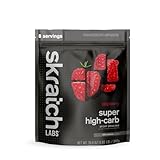
Overview: This raspberry variant of Skratch Labs’ Super High-Carb formula doubles the caloric density of its lemon-lime sibling, packing 400 calories and 100g of carbohydrates per serving. The 840-gram tub targets ultra-endurance athletes tackling events where consuming sufficient fuel becomes a limiting factor. Using the same Cluster Dextrin base and real fruit flavoring, it maintains the brand’s clean-ingredient standards while delivering meal-level energy in liquid form.
What Makes It Stand Out: The 2x concentration is unique—most endurance fuels require multiple servings for ultra-distance events, but this delivers in one bottle. Real raspberry provides authentic flavor without artificial additives. The formulation solves the ultra-athlete’s dilemma: how to ingest 400+ calories per hour without digestive rebellion. This concentration efficiency means fewer bottles to carry and less time spent mixing during critical race moments.
Value for Money: At $41.95 for the same size tub ($1.42/ounce), you effectively get double the fuel per dollar compared to the standard version. With approximately 8-9 full-strength servings per container, each 400-calorie dose costs about $4.66—competitive with consuming two standard servings. For events requiring massive caloric intake, this represents superior value and logistical simplicity.
Strengths and Weaknesses: Strengths include unmatched caloric density, clean ingredient profile, real fruit flavor, and reduced mixing frequency. The concentrated formula simplifies nutrition planning for 6+ hour events. Weaknesses involve the intensity of 100g carbs per bottle potentially overwhelming some athletes’ digestive systems, the strong flavor concentration, and that many situations don’t require this density, making it overkill for shorter efforts.
Bottom Line: This is specialized fuel for specialized efforts. Ultramarathoners, Ironman athletes, and century riders will find immense value in the concentration and simplicity. For efforts under 3 hours, stick with the standard formula.
10. Gatorade Endurance Formula Powder, Lemon Lime, 32 Ounce (Pack of 1) (Packaging may vary)

Overview: The reformulated Gatorade Endurance Formula maintains the brand’s legacy while addressing modern demands for cleaner ingredients. This 32-ounce container delivers a lemon-lime electrolyte drink with nearly double the sodium and triple the potassium of traditional Gatorade, specifically engineered for prolonged training and racing. The updated formula removes artificial sweeteners and flavors, creating a lighter taste profile that won’t overwhelm during extended consumption.
What Makes It Stand Out: Accessibility and scientific formulation are key advantages—Gatorade’s decades of research manifest in an electrolyte ratio proven effective for endurance performance. The higher electrolyte concentration addresses the specific needs of salty sweaters and long-duration athletes without requiring separate salt supplementation. The brand’s ubiquitous presence ensures you can find it virtually anywhere, eliminating last-minute ordering panic.
Value for Money: At $38.99 for 32 ounces ($1.22/ounce), this is the most economical option in the endurance fuel category. Yielding approximately 14-16 servings depending on concentration preference, each workout costs roughly $2.44—competitive with premium brands while offering proven performance. The lower price per ounce doesn’t compromise efficacy, making it ideal for high-volume trainers who consume multiple servings weekly.
Strengths and Weaknesses: Strengths include proven electrolyte science, widespread availability, cost-effectiveness, and the reformulation’s removal of artificial additives. The familiar flavor profile is palatable even when warm. Weaknesses involve less carbohydrate content than Cluster Dextrin competitors, a more processed ingredient list despite improvements, and that it lacks the “clean label” appeal of boutique brands.
Bottom Line: Gatorade Endurance Formula offers unbeatable value for athletes seeking reliable, scientifically-backed hydration. If your primary need is electrolyte replacement rather than maximal carbohydrate delivery, this is the smart budget choice that doesn’t sacrifice performance.
Why Carbohydrate Powder Matters for Endurance Cycling
The Science of Energy Depletion on Long Rides
Your body stores approximately 400-500 grams of glycogen in muscles and liver, translating to about 1,600-2,000 calories of ready energy. At moderate endurance pace, you’ll burn through 500-800 calories per hour, with carbohydrates supplying 50-70% of that energy. Do the math and you’ll realize you’re operating on borrowed time after the 90-minute mark. Once glycogen stores deplete, your body forcedly switches to fat metabolism—a far less efficient process that drops your power output by 30-50% and makes every pedal stroke feel like you’re dragging an anchor.
Carbohydrate powders work by providing a rapidly absorbable fuel source that spares your limited glycogen reserves. Unlike solid foods that require mechanical digestion and slow gastric emptying, properly formulated powders create an isotonic solution that moves from stomach to bloodstream in as little as 15-20 minutes. This rapid delivery system becomes increasingly critical as ride duration extends beyond two hours, when your ability to consume and process calories determines your finishing position—or whether you finish at all.
How Powders Compare to Whole Foods and Gels
Whole foods like bananas, rice cakes, and energy bars contain fiber, fat, and protein that slow digestion and increase gastrointestinal stress during high-intensity efforts. While they work for lower-intensity rides, they become liabilities when your heart rate exceeds 75% of max. Gels offer convenience but deliver concentrated carbohydrate loads that can overwhelm your gut, often requiring water chasers to achieve proper osmolality. Carbohydrate powders strike the optimal balance: customizable concentration, rapid absorption, and minimal digestive burden. You can adjust the strength based on temperature, intensity, and personal tolerance—something impossible with pre-packaged options.
Understanding Carbohydrate Types and Ratios
Maltodextrin: The Endurance Cyclist’s Workhorse
Maltodextrin, a glucose polymer derived from corn or rice, dominates endurance nutrition for good reason. Despite being technically a complex carbohydrate, it digests as quickly as simple sugar while offering a neutral taste and low osmolality. This means you can pack more calories into each bottle without creating a syrupy, gut-rot-inducing mixture. Look for powders listing maltodextrin as the primary ingredient for rides exceeding three hours, as its gradual glucose release provides sustained energy without the insulin spike-and-crash associated with pure dextrose.
Fructose: Unlocking Dual-Channel Absorption
Here’s where the science gets fascinating. Your intestinal tract uses separate transport mechanisms for glucose and fructose—SGLT1 for glucose and GLUT5 for fructose. Consuming only glucose-based carbs maxes out around 60 grams per hour because you’ve saturated the SGLT1 transporters. Adding fructose activates the GLUT5 pathway, effectively opening a second fueling lane that pushes absorption rates to 90-120 grams per hour. This dual-channel absorption is the single most important advancement in endurance nutrition since the invention of the water bottle.
The 2:1 Glucose-Fructose Ratio Revolution
Early research identified the 2:1 glucose-to-fructose ratio as optimal for most cyclists, but newer studies suggest trained athletes can tolerate ratios approaching 1:0.8 for even greater absorption. When evaluating powders, check whether they explicitly state their carbohydrate ratio. Products simply labeled “multi-source” without specifying proportions often contain minimal fructose—just enough for marketing but insufficient to activate dual-channel benefits. For events lasting over 2.5 hours, prioritize powders with clearly defined ratios and at least 30% fructose content.
Decoding Osmolality and Gastric Emptying
Why Isotonic Solutions Matter
Osmolality measures the concentration of particles in a solution relative to blood. Hypotonic solutions (too dilute) provide insufficient energy; hypertonic solutions (too concentrated) draw water into your gut, causing bloating, nausea, and the dreaded “sloshing stomach.” Isotonic solutions (approximately 280-300 mOsm/kg) match your blood’s concentration, allowing rapid gastric emptying without fluid shifts. The best carbohydrate powders achieve isotonicity at 60-90 grams of carbs per 500ml of water, though this varies by formulation and temperature.
Avoiding Gastrointestinal Distress
GI problems derail more rides than punctures and mechanicals combined. The culprit is almost always improper concentration or carbohydrate type. High-osmolality formulas force your gut to dilute the mixture before absorption, delaying fuel delivery and causing water to pool in your stomach. This effect amplifies in heat when blood flow diverts from gut to skin for cooling. When testing new powders, start with conservative concentrations (40-50g per bottle) and gradually increase while monitoring stomach comfort. The goal is maximum fuel with zero digestive symptoms.
Key Features to Evaluate Before Buying
Mixability and Solubility
Nothing ruins a ride faster than clumpy powder that jams your bottle valve or creates gritty textures. Premium formulations use micronized particles that dissolve completely in cool water without vigorous shaking. Test mixability by adding powder to room-temperature water and inverting the bottle twice. If it dissolves completely without clumps, you’ve got a winner. Poor solubility often indicates low-quality maltodextrin or excessive added sugars that crystallize when dry.
Taste Profile and Palatability
What tastes great at home can become cloying and nauseating at hour five. Look for lightly flavored or unflavored options that you can customize. Overly sweet powders often mask poor-quality ingredients and become intolerable in hot weather when your taste buds crave subtlety. Savory or neutral flavors provide welcome variety during long events, preventing flavor fatigue that causes you to stop drinking—disaster for both fueling and hydration.
Caloric Density and Concentration
Carbohydrate powders typically provide 3.5-4 calories per gram. However, the real measure is calories per liter of mixed solution. High-density formulas allow 400+ calories per bottle, crucial for self-supported rides where carrying capacity is limited. Conversely, lower-density options work better for hot conditions where fluid needs exceed calorie requirements. Evaluate your typical ride duration, water availability, and bottle capacity to determine optimal density. A good starting point is 200-250 calories per 500ml bottle.
Electrolyte Integration
Some powders include sodium, potassium, and magnesium, while others are pure carbohydrate. Integrated electrolytes simplify your nutrition plan but reduce flexibility. Pure carb powders let you customize electrolyte intake based on individual sweat rate and climate. If you choose an integrated formula, verify the sodium content matches your needs—most cyclists require 500-700mg per hour in moderate heat, but many products contain only 200-300mg. Read labels carefully and be prepared to supplement with electrolyte tablets when needed.
Natural vs. Artificial Ingredients
The “natural” label doesn’t guarantee performance superiority. Some natural sweeteners like agave nectar are high in fructose and can cause GI distress. Artificial sweeteners and colors might be undesirable for daily use but offer flavor stability and visual appeal during long events. Focus on the carbohydrate source quality first, then consider additive preferences. A clean ingredient list with minimal fillers, anti-caking agents, and artificial flavors is ideal, but don’t sacrifice proven performance for purity’s sake.
Dosing Strategies for Different Ride Durations
Under 90 Minutes: Minimal Supplementation
For rides under 90 minutes, you can likely complete them on stored glycogen and a light breakfast. Carbohydrate powder becomes optional unless you’re riding fasted or the effort is exceptionally high-intensity. If you do use it, aim for 30-40 grams total, consumed in the first 30 minutes to maintain blood glucose without overloading your system. This light touch approach prevents unnecessary insulin response while providing psychological comfort.
90 Minutes to 3 Hours: The Sweet Spot
This is where carbohydrate powder proves its worth. Target 60-90 grams of carbs per hour, starting from minute 30. Mix your bottles at 60-70 grams per 500ml and consume 150-200ml every 15-20 minutes. This steady drip-feeding maintains blood glucose without overwhelming your gut. For a three-hour ride, you’ll need 180-270 grams of carbohydrate total—equivalent to 7-11 bananas but far easier to consume and carry.
3-6 Hours: Sustained Energy Management
Beyond three hours, your gut’s ability to absorb carbohydrates can actually increase with training, but your risk of GI distress also rises. Split your intake between two bottles: one standard concentration (60g/500ml) and one hyper-concentrated “rocket fuel” (90-120g/500ml). Alternate between them, using the concentrated bottle for quick energy boosts and the standard bottle for regular hydration. This strategy provides 80-100 grams per hour while managing osmolality and taste fatigue.
Ultra-Distance: Advanced Protocols
For rides exceeding six hours, you’ll need 90-120 grams of carbs hourly. Use multiple bottle types: one hydration-focused (40g carbs + electrolytes), one energy-focused (90-120g carbs), and one “palate cleanser” (unflavored or savory). Rotate every 30 minutes to prevent sensory-specific satiety. Consider mixing powders of different ratios—perhaps a 2:1 blend for steady energy and a 1:0.8 blend for intense climbs. The key is variety and listening to your body’s changing preferences across 10+ hours.
Timing Your Carbohydrate Intake
Pre-Ride Loading Protocols
Carbohydrate powder isn’t just for during-ride consumption. A pre-ride drink containing 30-40 grams of carbs 30 minutes before starting tops off liver glycogen without filling your stomach. This is especially effective for early morning rides when you might skip breakfast. Choose a low-osmolality formula that digests quickly, and avoid high-fructose concentrations pre-ride as they can cause early GI issues.
During-Ride Frequency
Your gut responds best to consistent, small doses rather than large boluses. Set a timer for 15-20 minute intervals and take 3-4 swallows regardless of thirst. This mechanical drinking schedule prevents the common mistake of forgetting to fuel until you feel hungry—which is already too late. Remember: by the time you feel bonked, you’re 30 minutes behind in recovery. Consistency trumps quantity.
Post-Ride Recovery Considerations
The “glycogen window” myth has been largely debunked—you don’t need to slam carbs within 30 minutes. However, a recovery drink containing 60-80 grams of carbs plus protein within the first hour does accelerate glycogen resynthesis and reduce next-day muscle soreness. Use a 3:1 or 4:1 carb-to-protein ratio powder for this purpose, separate from your during-ride formula. This dual-product approach optimizes both performance and recovery.
Common Mistakes Cyclists Make with Carb Powders
Over-Concentration and GI Issues
The most frequent error is mixing powder too strong, creating a hypertonic solution that sits in your stomach like a brick. More is not better. If your stomach sloshes or you feel nauseous, immediately dilute with water or switch to plain water for 20 minutes. Never exceed 120 grams per bottle unless you’ve specifically trained your gut for weeks with that concentration. Even pro riders rarely go beyond 90 grams per 500ml.
Under-Fueling and Bonking
Paradoxically, many cyclists under-fuel due to fear of GI issues. They mix weak solutions or don’t drink enough volume. Track your consumption: if you’re not finishing 500-750ml of mixed solution per hour, you’re likely under-fueled. Symptoms include mental fog, heavy legs, and irritability. The solution isn’t stronger mix—it’s disciplined drinking. Practice fueling on every long ride, not just races, to build the habit.
Ignoring Temperature and Hydration Factors
Cold weather slows gastric emptying, requiring more dilute mixtures. Extreme heat increases fluid needs, potentially forcing you to choose between hydration and calories. In temperatures above 85°F (29°C), separate your fuel and hydration: drink plain water to thirst and consume carbs via gels or very concentrated shots. Your powder strategy must adapt to conditions, not remain static year-round.
DIY vs. Commercial Blends
Cost-Benefit Analysis
Pure maltodextrin costs roughly $0.15 per 60-gram serving versus $1.50-2.00 for commercial blends. For budget-conscious cyclists, DIY mixing offers massive savings. However, commercial products provide precise ratios, quality control, and convenience that justify their cost for competitive riders. Calculate your annual usage: if you’re fueling 100+ long rides yearly, even a 50-cent per serving savings adds up significantly.
Customization and Control
DIY blending lets you tailor ratios to your exact tolerance and experiment with emerging research. You can add your own electrolytes, use specific carbohydrate sources, and adjust flavoring. However, this requires scale, research, and willingness to test multiple formulations. Commercial blends offer plug-and-play reliability. Many serious cyclists use a hybrid approach: commercial blends for racing and DIY for training, optimizing both performance and budget.
Special Dietary Considerations
Vegan and Plant-Based Options
Most carbohydrate powders are inherently vegan, but some use honey, dairy-derived lactose, or gelatin-based processing aids. Verify certification if this matters to you. More importantly, check the vitamin D source in fortified blends—many use lanolin-derived D3. Plant-based athletes should also ensure adequate B12 intake, though this is rarely added to carb powders specifically.
Gluten-Free and Allergen Awareness
Maltodextrin is typically gluten-free even when derived from wheat, as the processing removes gluten proteins. However, cross-contamination is possible. If you have celiac disease, choose certified gluten-free products. Also watch for soy lecithin (used as an emulsifier) if you have soy allergies. Reputable manufacturers clearly label allergens, but generic bulk powders may not.
Low-FODMAP for Sensitive Stomachs
Fructose is a FODMAP that triggers symptoms in some cyclists. If you have IBS or known fructose malabsorption, stick to glucose-only powders like pure maltodextrin. You won’t achieve the highest absorption rates, but you’ll ride without distress. Some cyclists find they can tolerate small amounts of fructose (15-20g/hour) when combined with glucose, but this requires careful individual testing during low-stakes training rides.
Environmental and Practical Factors
Packaging and Portability
Consider how you’ll carry powder. Bulk tubs work for home mixing, but single-serve packets or reusable silicone containers are essential for mid-ride refills. Some cyclists pre-mix powder in zip-lock bags labeled with concentration levels. For multi-day events, odor-proof and waterproof containers prevent moisture from turning your entire supply into a solid brick. Think through your entire logistics chain before committing to a package size.
Climate Adaptations
Humidity affects powder storage and mixing. In tropical conditions, anti-caking agents become essential. Cold weather may require warm water to dissolve certain formulations. High altitude decreases boiling point and can affect mixing. Test your chosen powder in conditions matching your target events. That perfect powder that dissolves instantly in your 70°F kitchen might clump hopelessly in a 45°F aid station water supply.
Integrating Carb Powders into Your Training Plan
Practice Makes Perfect
Never experiment with a new powder on race day. Dedicate at least four long training rides (3+ hours) to testing any new formulation. Start with half the recommended dose and gradually increase. Pay attention not just to GI comfort but also to energy levels, mental clarity, and post-ride recovery. Keep a fueling log tracking concentration, volume, weather, intensity, and symptoms. Patterns emerge after 3-4 rides that guide your optimal protocol.
Periodization and Carbohydrate Availability
Match your powder strategy to your training phase. During base building, you might use lower concentrations to encourage fat adaptation. In build and peak phases, practice race-day concentrations to train your gut. Some cyclists practice “fueling for the work required,” using higher carb doses only for key sessions. This approach saves money and maintains metabolic flexibility. However, never go into a target event without having practiced your exact fueling strategy in similar conditions.
The Future of Carbohydrate Nutrition in Cycling
Emerging Research and Innovations
The next frontier involves hydrogel technology that encapsulates carbohydrates, allowing hyper-concentrated solutions to bypass stomach sensing mechanisms and reach the intestine without GI distress. Other research explores cluster dextrin (highly branched cyclic dextrin) for even lower osmolality and faster gastric emptying. We’re also seeing interest in adding ketone esters to carb powders, theoretically providing dual fuel sources. While promising, these innovations require more peer-reviewed validation before replacing proven 2:1 and 1:0.8 ratio blends.
Frequently Asked Questions
How do I know if I need carb powder instead of whole foods?
If your rides exceed 90 minutes, involve high intensity, or you’ve experienced bonking despite eating solid foods, carb powder offers superior fuel delivery. It’s particularly valuable for cyclists who struggle to chew while breathing hard or those with sensitive stomachs that reject fiber during exercise.
What’s the maximum amount of carbs I can absorb per hour?
Most trained cyclists can absorb 60-90 grams per hour using a 2:1 glucose-fructose blend. Elite athletes with gut-trained protocols can reach 120 grams hourly using 1:0.8 ratios. Your individual maximum depends on training status, intensity, and genetic factors—test gradually to find your ceiling.
Will carb powder make me gain weight?
Not when used appropriately. The calories consumed during long rides are immediately burned for fuel. Weight gain only occurs if you’re using carb powder for short, low-intensity rides where it’s unnecessary, or consuming excess calories post-ride without adjusting daily intake.
Can I mix carb powder with sports drinks or just water?
Mix with water only. Adding powder to pre-mixed sports drinks creates hypertonic solutions and unpredictable electrolyte levels. If you want flavor, add a squeeze of citrus or use lightly flavored powders. For electrolytes, add tablets or separate powder designed for that purpose.
How far in advance should I test a new carb powder before a race?
Allow at least 4-6 weeks. Test it on 4-6 long training rides, including one simulation of your target event’s intensity and duration. This gives your gut time to adapt and reveals any issues that only appear after 3+ hours of consistent use.
Are more expensive carb powders actually better?
Price often reflects ingredient quality, ratio precision, and mixability rather than performance gains. Mid-range products from reputable brands typically match premium options in effectiveness. Expensive isn’t always better, but cheapest bulk powders may lack quality control and optimal ratios.
Can I use the same carb powder for training and racing?
Yes, consistency is actually beneficial. However, some cyclists prefer simpler, cheaper formulas for training and save their premium race-day blend for key events. The important thing is that your race-day powder has been thoroughly tested in training.
What should I do if I experience stomach issues?
Immediately dilute your mixture by 25-50% or switch to plain water for 20 minutes. Reduce your intake rate and ensure you’re not over-concentrated. If problems persist, you may need a different carbohydrate ratio or lower overall carb intake. Never push through significant GI distress.
Is it possible to use too much carb powder during a ride?
Absolutely. Exceeding your gut’s absorption capacity causes water to flood your intestines, leading to bloating, nausea, and potentially diarrhea. More importantly, over-fueling can cause reactive hypoglycemia if you suddenly stop exercising. Stick to proven amounts and increase gradually.
How do I store carb powder for long-term use?
Keep it in an airtight container in a cool, dry place. Original packaging with desiccant packets works best. For humid climates, store in the refrigerator or add food-grade silica gel packets. Moisture is your enemy—once powder clumps, its solubility and measured dosing become compromised.