When you’re pushing your body through high-intensity intervals, long endurance sessions, or heavy lifting while in ketosis, hydration becomes more than just drinking water—it becomes a strategic performance lever. Standard sports drinks are off-limits, loaded with sugars that would kick you out of ketosis faster than a cheat meal. Yet your need for electrolytes skyrockets as your body excretes minerals at an accelerated rate without glycogen stores binding water. This is where zero-sugar electrolyte hydration powders enter the picture, specifically formulated to keep keto athletes performing at peak without compromising their metabolic state.
But not all sugar-free electrolyte powders are created equal. Some substitute sugar with insulin-spiking maltodextrin. Others skimp on the sodium you desperately need or overload you with magnesium that sends you sprinting to the bathroom mid-workout. The market is flooded with options claiming to be “keto-friendly,” yet many fail to address the unique physiological demands of athletes who’ve fat-adapted. Understanding what separates a truly effective electrolyte blend from marketing fluff could be the difference between hitting a new PR and bonking halfway through your training session.
Top 10 Electrolyte Hydration Powders for Keto Athletes
Detailed Product Reviews
1. Ultima Replenisher Daily Electrolyte Powder – Original Variety Pack, 20 Stickpacks – Zero Sugar Hydration Packets with 6 Electrolytes and Minerals – Sugar Free, Plant Based & Keto Friendly Drink Mix

Overview: Ultima Replenisher brings 25 years of hydration expertise in a convenient variety pack designed for daily electrolyte balance. Each box contains 20 single-serve stickpacks delivering six essential electrolytes—magnesium, calcium, potassium, chloride, phosphorus, and sodium—plus vitamin C and zinc. Sweetened with organic stevia and real fruit flavors, this formula contains zero sugar, calories, or carbs, making it compatible with keto, vegan, and gluten-free lifestyles. The Original Variety Pack includes five distinct flavors: Lemonade, Grape, Raspberry, Cherry Pomegranate, and Orange.
What Makes It Stand Out: The brand’s quarter-century commitment to clean hydration shows in its plant-based flavor system and comprehensive mineral profile. Unlike many competitors that rely on artificial sweeteners, Ultima uses organic stevia leaf extract and real fruit infusions. The variety pack format allows users to sample multiple flavors without committing to a single large container, while the stickpack design ensures precise dosing and ultimate portability for gym bags, travel, or office use.
Value for Money: At $20.99 for 20 servings, each drink costs approximately $1.05. While the per-ounce price ($8.40) appears premium, the convenience factor and flavor variety justify the cost for those seeking quality ingredients. This is ideal for newcomers wanting to test flavors before investing in larger quantities, though bulk tubs offer better long-term value for established fans.
Strengths and Weaknesses: Strengths: Excellent flavor variety prevents taste fatigue; clean, non-GMO ingredient profile; no artificial additives; highly portable packaging; suitable for restrictive diets. Weaknesses: Higher cost per serving compared to bulk options; lower electrolyte concentration than performance-focused formulas; limited to 20 servings requires frequent repurchasing.
Bottom Line: Ultima’s Original Variety Pack excels for daily hydration enthusiasts prioritizing taste variety and ingredient purity over maximum electrolyte density. It’s perfect for casual athletes, office workers, and keto dieters wanting a clean, convenient hydration solution without committing to one flavor.
2. Dr. Berg Zero Sugar Hydration Keto Electrolyte Powder - Enhanced w/ 1000 mg of Potassium & Real Pink Himalayan Salt (NOT Table Salt) - Raspberry & Lemon Flavor Hydration Drink Supplement - 50 Servings

Overview: Dr. Berg’s electrolyte powder targets serious keto dieters and athletes with a potent formula delivering 1,000mg of potassium and 40mg of sodium from pink Himalayan salt per serving. The 50-serving tub provides a complete electrolyte profile including calcium, magnesium, and a trace mineral complex. Available in Raspberry & Lemon flavor, this sugar-free, carb-free supplement emphasizes clean ingredients without dissolving agents, requiring 5-10 minutes for full dispersion in 16 ounces of water.
What Makes It Stand Out: The extraordinarily high potassium content addresses the specific needs of ketogenic diets where electrolyte depletion is common. Using authentic pink Himalayan salt rather than processed table salt provides additional trace minerals. Dr. Berg’s reputation as “The Knowledge Doc” lends credibility, while the omission of dissolving agents demonstrates commitment to purity over convenience. The formula supports endurance, performance, and recovery without any junk fillers.
Value for Money: At $36.99 for 50 servings, each drink costs approximately $0.74—excellent value for a medical professional-formulated product. The $3.19 per ounce price reflects premium ingredients and higher electrolyte concentrations. While the upfront investment is substantial, the per-serving cost undercuts many competitors, especially considering the therapeutic potassium levels.
Strengths and Weaknesses: Strengths: Exceptionally high potassium content ideal for keto; clean formula with no fillers; pink Himalayan salt provides trace minerals; large serving count reduces reorder frequency; 30-day satisfaction guarantee. Weaknesses: Only two flavor options may limit appeal; requires extended mixing time; sodium content may be low for ultra-endurance athletes; premium price point intimidates budget-conscious buyers.
Bottom Line: Dr. Berg’s formula is the go-to choice for dedicated keto practitioners and those needing serious electrolyte replenishment. The high potassium content and clean ingredient profile justify the investment, though casual users may find the specialized formulation more than necessary.
3. Venture Pal High Sodium Sugar-Free Electrolyte Powder Packets - Hydration Packets with Sodium, Potassium & Magnesium | Zero Calories | Vegan, Keto, and Paleo Friendly | 16 Sticks

Overview: Venture Pal positions itself as a budget-conscious, high-sodium electrolyte solution in convenient single-serve packets. Each of the 16 sticks delivers a zero-calorie, sugar-free blend of sodium, potassium, and magnesium designed for rapid hydration during workouts or daily activities. The formula accommodates vegan, keto, paleo, gluten-free, soy-free, dairy-free, and non-GMO diets, with third-party testing validating ingredient purity. Marketed specifically for those experiencing muscle cramps, fatigue, dizziness, headaches, or POTS symptoms.
What Makes It Stand Out: The aggressive pricing strategy makes quality electrolyte supplementation accessible to all budgets. The high sodium formulation directly addresses conditions like POTS and extreme dehydration that standard electrolyte drinks may not resolve. Scientifically validated, third-party-tested ingredients provide transparency rarely seen at this price point. The ultra-portable stickpacks enable emergency hydration anywhere without measuring scoops.
Value for Money: At $9.99 for 16 servings, each packet costs approximately $0.62—the lowest per-serving price in this category. The $0.10 per ounce metric is misleading due to minimal packaging weight, but the absolute cost represents exceptional value. This is ideal for trial use, occasional needs, or those requiring sodium supplementation without financial commitment.
Strengths and Weaknesses: Strengths: Unbeatable price point; high sodium content benefits specific medical conditions; clean, allergen-free ingredient profile; third-party tested for purity; extremely portable packaging. Weaknesses: Only 16 servings requires frequent repurchase; high sodium inappropriate for low-sodium diets; flavor descriptions lack detail; smaller electrolyte variety than premium brands.
Bottom Line: Venture Pal delivers remarkable value for those needing sodium-focused hydration support on a budget. It’s particularly suitable for POTS sufferers, heavy sweaters, and cost-conscious consumers, though the limited serving count and specialized formulation may not suit everyone.
4. Ultima Replenisher Daily Electrolyte Powder – Tropical Variety Pack, 20 Stickpacks – Zero Sugar Hydration Packets with 6 Electrolytes and Minerals – Sugar Free, Plant Based & Keto Friendly Drink Mix

Overview: This Tropical Variety Pack from Ultima Replenisher offers the same trusted formula as the Original pack but with exotic flavor options. Each box contains 20 stickpacks delivering six electrolytes (magnesium, calcium, potassium, chloride, phosphorus, sodium), vitamin C, and zinc. The plant-based, zero-sugar, zero-calorie, zero-carb formula remains keto-friendly, vegan, gluten-free, and non-GMO. Tropical flavors include Blue Raspberry, Pink Lemonade, Watermelon, and Passionfruit, providing a vacation-inspired hydration experience.
What Makes It Stand Out: The 25-year brand heritage combines with carefully crafted tropical flavors that avoid artificial aftertastes. Using organic stevia and real fruit infusions, Ultima maintains its clean-label promise while offering flavor profiles that mask mineral bitterness effectively. The variety pack format allows flavor rotation, preventing monotony in daily hydration routines. Stickpack convenience ensures consistent dosing whether at the beach, gym, or workplace.
Value for Money: Priced at $20.99 for 20 servings, each drink costs $1.05 with a per-ounce rate of $8.75—slightly higher than the Original pack due to flavoring variations. The premium reflects quality ingredients and packaging convenience rather than bulk economy. This serves as an excellent introduction to Ultima’s tropical line before committing to larger tubs, though regular users save money with 30- or 90-serving canisters.
Strengths and Weaknesses: Strengths: Vibrant tropical flavor selection; same clean, plant-based formula as Original; portable single-serve convenience; no artificial sweeteners; suitable for restrictive diets. Weaknesses: Highest per-ounce cost in this review; only 20 servings necessitates frequent repurchasing; lower electrolyte concentration than performance brands; limited to four flavors versus five in Original pack.
Bottom Line: Ultima’s Tropical Variety Pack is perfect for flavor adventurers seeking clean daily hydration with an exotic twist. The premium price is justified by ingredient quality and convenience, making it ideal for travel and trial, though dedicated users should transition to bulk packaging for better value.
5. Keppi Electrolytes Powder – Raspberry Lemonade Flavor 50 Servings – No Sugar Hydration Supplement with Magnesium, Potassium, Sodium – Keto, Vegan, Fasting-Friendly, Zero Calorie Electrolyte Drink

Overview: Keppi’s electrolyte powder delivers 50 servings of Raspberry Lemonade hydration support in a fast-dissolving, clean-label formula. Designed specifically for keto dieters, intermittent fasters, and OMAD practitioners, this zero-sugar, zero-calorie supplement provides essential electrolytes including potassium, magnesium, calcium, and sodium without fillers, caffeine, or artificial dyes. The low-sodium formulation supports electrolyte balance during workouts, heat exposure, and low-carb lifestyles while avoiding the salty aftertaste common in competitor products.
What Makes It Stand Out: The rapid-dissolve technology eliminates waiting time and gritty texture issues plaguing many electrolyte powders. Keppi’s fasting-friendly design deliberately keeps sodium moderate while emphasizing potassium and magnesium—ideal for those breaking fasts or maintaining ketosis. The 50-serving tub offers exceptional longevity, and the Raspberry Lemonade flavor provides broad appeal without seasonal limitations. The absence of fillers and dyes appeals to purists seeking minimalist supplementation.
Value for Money: At $22.39 for 50 servings, each drink costs merely $0.45—the best per-serving value reviewed. The $1.69 per ounce price reflects efficient packaging and minimal marketing overhead. This represents outstanding economy for daily users, athletes, and fasting communities requiring consistent electrolyte support without recurring expense.
Strengths and Weaknesses: Strengths: Unbeatable per-serving cost; fast-dissolving formula saves time; clean label with zero fillers; 50 servings reduce reorder frequency; specifically formulated for fasting protocols; pleasant flavor without aftertaste. Weaknesses: Single flavor option limits variety; lower sodium may not suit heavy sweaters or POTS patients; newer brand lacks Ultima’s 25-year track record; flavor intensity may require dilution adjustments.
Bottom Line: Keppi offers the best value proposition for dedicated electrolyte users, particularly those practicing intermittent fasting or keto. The fast-dissolving, clean formula combined with an exceptional price point makes it the smart choice for daily hydration routines, though flavor monotony may prompt pairing with a variety pack for occasional rotation.
6. Keto Electrolytes Powder - AquaVIVE Natural Electrolyte Hydration for Wellness & Athletes, Zero Sugar, Calories, Low Sodium and Paleo - 30 Servings, Vegan, Vegetarian & Diabetic Friendly

Overview: The AquaVIVE Keto Electrolytes Powder positions itself as the minimalist’s choice for clean hydration. This unflavored formula delivers essential electrolytes derived from concentrated ocean water (AQUASEA) in a 30-serving container designed for wellness-focused individuals and athletes following keto, paleo, or diabetic-friendly diets.
What Makes It Stand Out: Its complete lack of flavoring, sweeteners, or additives is remarkably rare in this category. The sea mineral sourcing provides trace elements beyond standard electrolyte blends, while maintaining zero sugar, calories, and notably low sodium. The formula’s purity makes it exceptionally versatile—you can add it to any beverage without altering taste.
Value for Money: At $19.99 for 30 servings ($13.51 per ounce), this sits in the premium price range. However, the cost reflects its ultra-clean profile and specialized sourcing. For those prioritizing ingredient purity over flavor, the price is justified, though casual users may find better value elsewhere.
Strengths and Weaknesses: Strengths include unparalleled ingredient transparency, natural sea mineral content, diabetic-friendly formulation, and complete flavor neutrality. Weaknesses involve the high cost per serving, potentially insufficient sodium for heavy endurance athletes, and lack of flavor options that may deter those expecting a tasty drink mix.
Bottom Line: AquaVIVE is ideal for purists seeking the cleanest possible electrolyte supplement. If you want performance-enhancing minerals without any additives and don’t mind mixing it with flavored beverages yourself, this delivers exceptional quality despite its premium price.
7. Zeal Electrolyte Powder - 90 Servings | Keto Electrolytes Powder | Zero Sugar, BCAAs, B-Vitamins | Potassium, Zinc, Magnesium | Hydration Powder Recovery Drink | Cherry Limeade

Overview: Zeal Electrolyte Powder offers a comprehensive 90-serving hydration solution targeting serious athletes and keto dieters. The cherry limeade-flavored formula combines essential electrolytes with BCAAs and B-vitamins, creating a recovery-focused drink mix that addresses both hydration and muscle repair in one convenient scoop.
What Makes It Stand Out: The inclusion of BCAAs (L-leucine and L-valine) alongside a full B-vitamin complex distinguishes Zeal from standard electrolyte powders. Pink Himalayan salt provides sodium with additional trace minerals, while the zero-sugar formula uses natural sweeteners. The substantial 90-serving supply demonstrates commitment to long-term use.
Value for Money: At $34.99 for 90 servings ($2.01 per ounce), Zeal delivers outstanding value—among the lowest cost-per-serving in this comparison. The added BCAAs and vitamins typically require separate supplements, making this an economical all-in-one solution for dedicated athletes.
Strengths and Weaknesses: Strengths include exceptional value, comprehensive recovery formula, zero sugar, and third-party testing for purity. The large serving count reduces packaging waste. Weaknesses may include potential artificial aftertaste despite natural sweeteners, and the enhanced formula might be unnecessary for casual exercisers who simply need basic electrolyte replacement.
Bottom Line: Zeal is a powerhouse for fitness enthusiasts wanting more than basic hydration. If you train intensely and value the combined benefits of electrolytes, BCAAs, and vitamins at an unbeatable price, this 90-serving tub is your best investment.
8. UCAN Hydrate Electrolyte Drink Mix (Lemon-Lime, 30 Servings) Sugar-Free, Keto-Friendly, Vegan, Non-GMO, Gluten-Free Electrolyte Powder with Potassium & Magnesium for Runners & Athletes

Overview: UCAN Hydrate Lemon-Lime represents professional-grade electrolyte supplementation formulated by an Olympic dietitian. This 30-serving drink mix targets serious runners and athletes with a sugar-free, stevia-sweetened formula that emphasizes magnesium content while maintaining keto-friendly, vegan credentials.
What Makes It Stand Out: The brand’s professional athlete endorsement and formulation pedigree provide credibility unmatched by competitors. Delivering twice the magnesium of leading brands addresses a common deficiency in athletes. The clean ingredient profile—free from artificial additives—appeals to health-conscious consumers seeking evidence-based hydration.
Value for Money: Priced at $26.95 for 30 servings ($8.56 per ounce), UCAN sits in the premium tier. While more expensive than bulk options, the professional formulation and enhanced magnesium content justify the cost for performance-focused users. Casual athletes may find better value in larger containers.
Strengths and Weaknesses: Strengths include superior magnesium levels, professional formulation, pro-athlete validation, and clean stevia sweetening. The lemon-lime flavor offers refreshing taste without sugar. Weaknesses involve the premium price point, potential stevia aftertaste for sensitive palates, and limited serving quantity requiring frequent repurchase.
Bottom Line: UCAN Hydrate is perfect for serious athletes who prioritize performance and trust professional-grade products. If you need enhanced magnesium for muscle function and value Olympic-level formulation, the premium price delivers measurable benefits worth the investment.
9. UCAN Hydrate Electrolyte Drink Mix (Berry, 30 Servings) Sugar-Free, Keto-Friendly, Vegan, Non-GMO, Gluten-Free Electrolyte Powder with Potassium & Magnesium for Runners & Athletes
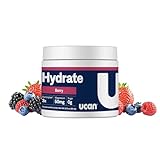
Overview: UCAN Hydrate Berry offers the same professional-grade formulation as its lemon-lime counterpart, delivering targeted electrolyte support for athletes and runners in a naturally sweetened berry flavor. This 30-serving container provides sugar-free hydration crafted by an Olympic dietitian for optimal performance and recovery.
What Makes It Stand Out: Like the lemon-lime version, this formula boasts double the magnesium of competitors and carries the credibility of professional athlete endorsements. The berry flavor provides a tasty alternative for those preferring fruit-forward profiles, while maintaining identical clean-label credentials and keto-friendly macros.
Value for Money: At $26.95 for 30 servings ($8.69 per ounce), the berry variant commands the same premium pricing as other UCAN products. The cost reflects its professional formulation and enhanced mineral content. While expensive compared to bulk options, the quality ingredients and performance benefits support the price for dedicated athletes.
Strengths and Weaknesses: Strengths mirror the lemon-lime version: exceptional magnesium levels, trusted professional formulation, zero sugar, and clean ingredients. The berry flavor offers pleasant variety. Weaknesses include the high cost per serving, potential stevia aftertaste, and small container size that necessitates regular reordering for daily users.
Bottom Line: Choose UCAN Berry if you prefer fruit flavors and demand professional-grade hydration. It’s ideal for performance-focused individuals who value Olympic-level formulation and enhanced magnesium, making the premium worthwhile for serious training regimens.
10. Ultima Replenisher Daily Electrolyte Powder Drink Mix – Sugar Free – Lemonade, 90 Servings – Hydration Powder with 6 Key Electrolytes and Trace Minerals – Keto Friendly, Vegan, Non-GMO

Overview: Ultima Replenisher Daily Electrolyte Powder brings 25 years of formulation expertise to this lemonade-flavored hydration solution. With 90 servings per container, this sugar-free blend delivers six key electrolytes plus vitamin C and zinc, targeting daily hydration needs for active families and individuals following keto, vegan, or gluten-free lifestyles.
What Makes It Stand Out: The brand’s quarter-century legacy and comprehensive mineral profile—including phosphorus and calcium alongside standard electrolytes—demonstrate mature product development. The substantial 90-serving size provides exceptional convenience, while plant-based flavors and organic stevia create naturally delicious taste without compromise.
Value for Money: At $47.99 for 90 servings ($4.32 per ounce), Ultima offers excellent bulk value. The cost-per-serving is highly competitive for a premium product, and the large container reduces environmental impact from packaging. For households with multiple users, this represents significant savings over smaller containers.
Strengths and Weaknesses: Strengths include outstanding value, comprehensive electrolyte spectrum, trusted brand history, and family-friendly serving size. The addition of vitamin C and zinc provides immune support. Weaknesses may involve flavor fatigue from the large quantity, potential clumping if not stored properly, and stevia taste that doesn’t suit everyone.
Bottom Line: Ultima is the smart choice for daily hydration enthusiasts and families. If you want a trusted, cost-effective electrolyte solution for regular use, this 90-serving lemonade formula delivers premium quality with exceptional long-term value.
Why Electrolytes Are Non-Negotiable for Keto Athletes
The Keto Flu Isn’t Just a Buzzword
That dreaded fatigue, headache, and muscle cramping during your first weeks of keto isn’t just carbohydrate withdrawal—it’s acute electrolyte depletion. When you slash carbs, insulin levels plummet, signaling your kidneys to release sodium and water at a rate up to three times higher than normal. This cascade effect drags potassium and magnesium along for the ride, creating a mineral deficit that manifests as the infamous “keto flu.” For athletes, this depletion is magnified tenfold through sweat loss, making strategic electrolyte replacement not optional but essential for basic function, let alone performance.
How Ketosis Changes Your Hydration Game
In a carb-fueled state, each gram of glycogen holds onto approximately 3-4 grams of water, creating a built-in hydration reservoir. Ketogenic athletes lose this storage mechanism entirely. Your body becomes a “dry” system, requiring consistent external fluid and mineral intake throughout the day rather than relying on stored reserves. This fundamental shift means you can’t afford to wait until you’re thirsty. By the time thirst hits, you’ve already compromised power output, cognitive function, and recovery capacity. The right electrolyte powder acts as your new glycogen—a portable, efficient hydration system that maintains cellular fluid balance without the metabolic baggage of sugar.
What Makes a Hydration Powder Truly “Keto-Friendly”
Zero Sugar Means Zero Compromise
The “zero sugar” claim requires detective work beyond the nutrition label. Many manufacturers use sugar alcohols like maltitol or hidden carbs from “natural flavors” that can still trigger glycemic responses. True keto-friendly formulas use non-nutritive sweeteners like stevia, monk fruit, or sucralose that don’t impact blood glucose or insulin. But even here, quality matters. Some cheap stevia extracts contain erythritol fillers that, while technically keto-friendly, can cause digestive distress at the doses athletes need. Look for powders that transparently list their sweetener sources and amounts, ideally using organic, high-grade extracts without bitter aftertastes that make consistent use a chore.
Net Carbs: The Real Number to Watch
That “0g sugar” label might still hide 2-3 grams of total carbohydrates per serving from anti-caking agents, natural flavors, or trace ingredients. For athletes consuming multiple servings during long training sessions, these hidden carbs accumulate quickly. A truly ketogenic formula keeps net carbs under 1 gram per serving, often achieving this by using pure mineral salts without fillers. Check the “other ingredients” list meticulously. Silicon dioxide, maltodextrin carriers, and dextrose-based natural flavors are red flags that can sabotage your macros. The gold standard is a powder where the only carbs come from the electrolytes themselves—effectively zero impact on your daily totals.
Decoding Electrolyte Ratios: It’s Not Just Sodium
Sodium: Your Primary Performance Fuel
Keto athletes need 5,000-7,000mg of sodium daily—nearly triple the standard recommendation. During intense exercise, you can lose 1,000-2,000mg per hour through sweat. Your powder should deliver at least 800-1,000mg sodium per serving to make a meaningful dent in these requirements. Sodium citrate and sodium chloride each offer distinct advantages: chloride supports stomach acid production for digestion, while citrate provides an alkalizing effect that may buffer lactic acid. The best formulas use a blend, but prioritize total sodium content over fancy salt types. Pink Himalayan salt, while mineral-rich, doesn’t provide enough sodium density for serious athletes without massive serving sizes.
Potassium: The Unsung Hero of Muscle Function
Potassium works in a delicate dance with sodium to generate nerve impulses and muscle contractions. Keto diets are notoriously low in potassium-rich foods like bananas and potatoes, making supplementation critical. Aim for 200-400mg per serving, ideally as potassium chloride or citrate. Be wary of powders that front-load sodium while skimping on potassium—this imbalance can actually worsen cramping and cardiac arrhythmias. The sodium-to-potassium ratio should ideally sit around 3:1 or 4:1 for optimal cellular function. Some advanced formulas adjust this ratio for pre-workout versus recovery blends, recognizing that your needs shift throughout the training cycle.
Magnesium: For Recovery and Sleep
Magnesium glycinate and magnesium malate are the athlete’s best friends. These chelated forms bypass the digestive issues caused by cheaper magnesium oxide while supporting muscle relaxation, ATP production, and sleep quality. Look for 50-150mg per serving—enough to be effective without causing the laxative effect that plagues high-dose magnesium supplements. Many athletes overlook that magnesium deficiency manifests as poor sleep and slow recovery, not just cramps. A quality powder includes magnesium strategically dosed for cellular uptake rather than bathroom emergencies.
Calcium: More Than Just Bone Health
While calcium needs don’t dramatically increase on keto, it’s often the missing link in electrolyte formulas. Calcium plays a crucial role in muscle contraction and vascular function, especially during high-intensity efforts. A modest 50-100mg per serving completes the electrolyte quartet. Some premium formulas use calcium citrate for better absorption, particularly important since ketogenic diets can increase urinary calcium excretion. Don’t dismiss calcium as a “filler” mineral—its absence can contribute to the twitching and tremors some keto athletes experience during heavy lifts.
Beyond Electrolytes: Additional Performance Ingredients
B Vitamins for Energy Metabolism
Fat-adapted athletes rely heavily on B vitamins to convert fatty acids into usable energy. A powder fortified with B5 (pantothenic acid) and B12 can support this metabolic pathway, though more isn’t always better. Mega-doses of B vitamins often just create expensive urine. Look for 100-200% of the daily value—enough to support function without waste. The presence of B vitamins indicates a formula designed for athletes, not just casual dieters. However, some B vitamins can cause tingling sensations at high doses, so start with a half-serving if you’re sensitive.
Amino Acids and Their Role
Some advanced hydration powders include branched-chain amino acids (BCAAs) or essential amino acids (EAAs) to support muscle preservation during fasted training. While not strictly necessary for hydration, 1-3 grams of EAAs can be beneficial for athletes training in a fasted state or during prolonged endurance efforts. The key is that these additions shouldn’t come at the expense of electrolyte content or add significant calories. If your powder includes amino acids, ensure they’re from vegan sources and don’t contain added sugars or maltodextrin that could spike insulin.
Natural vs. Artificial Sweeteners
The sweetener debate extends beyond carb content into gut health and taste satisfaction. Stevia and monk fruit are the natural champions, but their extraction methods vary wildly. Organic, water-extracted stevia avoids the chemical aftertaste of alcohol-extracted versions. Monk fruit, when pure, offers a cleaner sweetness profile but costs significantly more. Sucralose, while artificial, provides the most sugar-like taste and stability in powder form. Your choice depends on personal sensitivity and philosophy. Some athletes report that artificial sweeteners trigger cravings, while others find natural options too bitter. The best approach is sampling single-serving packets before committing to a large tub.
The Science of Osmolality and Absorption
Isotonic vs. Hypertonic Solutions
Osmolality determines how quickly your gut absorbs fluids. Isotonic solutions (matching blood’s concentration) absorb fastest, while hypertonic solutions (more concentrated) can actually draw water into the intestines, causing bloating and slowing hydration. Many electrolyte powders create hypertonic drinks when mixed with standard water amounts, especially those loaded with multiple ingredients. Look for powders that specify mixing ratios designed to achieve isotonic solutions—typically one serving in 16-20 ounces of water. Some premium formulas use glucose transport mechanisms (without actual sugar) to enhance sodium absorption through the SGLT1 pathway, a clever bio-hack that improves uptake without breaking ketosis.
Why This Matters for Athletes
During exercise, you have a narrow window for absorption. A hypertonic drink sitting in your stomach sloshing around isn’t just uncomfortable—it’s failing to hydrate you when you need it most. Athletes often mistakenly think more electrolytes per serving is better, but if the concentration is too high, you’ll absorb less. The sweet spot is 500-700 mg of total electrolytes per 8 ounces of water, adjusted for your personal sweat rate and climate. Pay attention to how your stomach feels during training; bloating or sloshing indicates poor osmolarity, not just “drinking too much.”
Taste, Mixability, and Real-World Use
Why Flavor Matters for Consistency
The world’s most scientifically perfect formula is useless if it tastes like seawater and sits in your pantry. Flavor drives compliance, and compliance drives results. Keto-friendly flavors face unique challenges without sugar’s masking effects. Natural citrus extracts, real fruit powders (in negligible amounts), and sophisticated flavor masking techniques separate premium from pedestrian. Some brands offer unflavored versions for athletes who want to add electrolytes to existing drinks, but these often taste intensely salty. Consider your palate’s adaptability—some athletes develop a tolerance for saltier profiles over time, while others need pleasant flavors to maintain consistent use.
The Clumping Conundrum
Hygroscopic ingredients (they absorb moisture from air) cause clumping, a common frustration with pure electrolyte powders. While anti-caking agents like silicon dioxide solve this problem, they add trace carbs and may cause digestive issues for sensitive individuals. Premium brands use advanced manufacturing techniques like microencapsulation or nitrogen-flushed packaging to minimize clumping without additives. Store your powder in the freezer to extend shelf life and prevent moisture absorption. If clumping occurs, don’t assume the product is ruined—gently break it apart rather than using a blender, which can degrade delicate compounds like B vitamins.
Third-Party Testing and Quality Markers
What Certifications Actually Mean
NSF Certified for Sport, Informed Sport, and BSCG certification aren’t just marketing badges—they represent rigorous testing for banned substances, label accuracy, and contaminants. For competitive athletes, these certifications are non-negotiable. But even recreational athletes benefit from knowing their powder contains exactly what it claims. Be wary of vague “lab tested” claims without specific certification bodies. True third-party testing is expensive, so brands that invest in it typically highlight the exact certifying organization. Also look for GMP (Good Manufacturing Practice) certification, which ensures consistent quality in production, not just raw materials.
Price vs. Value: Investing in Your Performance
The cheapest electrolyte powder often costs more in the long run through ineffective dosing, poor absorption, and inconsistent use. Calculate cost per effective serving by dividing the total price by the number of servings that actually meet your electrolyte needs. A $40 tub with 30 servings at 1,000mg sodium each provides better value than a $20 tub with 60 servings at 200mg sodium each, because you’ll need 5x as much of the cheaper product. Factor in the cost of failed training sessions, recovery supplements needed due to poor electrolyte support, and the mental overhead of tracking inadequate dosing. Premium powders typically range from $1.00-$1.50 per effective serving—less than a coffee, but with far greater impact on your performance.
Common Pitfalls When Choosing Electrolyte Powders
Many athletes fall into the “more is better” trap, selecting powders with 1,500mg+ sodium per serving. This often creates hypertonic solutions and overwhelms the gut, causing nausea and reducing total absorption. Another common mistake is choosing based on flavor variety over electrolyte profile—those 12 fruity flavors mean nothing if the mineral ratios are suboptimal. Beware of proprietary blends that hide exact mineral amounts behind “electrolyte complex” labels. You need precise numbers to calculate your daily intake accurately. Finally, don’t overlook the impact of exercise type: endurance athletes need higher sodium and lower magnesium (to avoid GI distress), while strength athletes benefit from higher magnesium for recovery.
How to Time Your Electrolyte Intake for Maximum Benefit
Pre-loading electrolytes 60-90 minutes before training ensures optimal blood plasma volume from the start. Take 500-700mg sodium with 16 ounces of water during this window. During exercise, aim for 300-500mg sodium per hour, adjusting for sweat rate and temperature. Post-workout, prioritize potassium and magnesium to support recovery and rebalance cellular fluids. Many athletes make the mistake of only supplementing during exercise, but overnight losses can be significant. A small dose before bed, particularly one with magnesium, can improve sleep quality and next-day performance. Track your intake alongside workout notes to identify patterns—some athletes need more electrolytes on rest days due to continued ketone excretion.
DIY vs. Commercial: Should You Make Your Own?
The DIY route using salt, lite salt, and magnesium powder seems cost-effective but fails on precision, taste, and completeness. Homemade blends often create mineral imbalances, lack beneficial co-factors like B vitamins, and taste so harsh they discourage consistent use. The sodium-to-potassium ratio is nearly impossible to get right without laboratory-grade scales. Commercial powders also address osmolality and absorption—factors you can’t replicate at home. However, DIY can work for budget-conscious athletes in a pinch, particularly if you use it as a base and add small amounts of commercial powder for flavor and micronutrients. The time investment in perfecting a homemade blend typically outweighs the cost savings for serious athletes.
Frequently Asked Questions
How much sodium do I really need as a keto athlete?
Most keto athletes require 5,000-7,000mg of sodium daily, with endurance athletes sometimes needing up to 8,000mg. During intense training, add 1,000-2,000mg per hour of heavy sweating. Start at the lower end and increase based on energy levels, cramping, and blood pressure response.
Will electrolyte powders break my fast?
Pure electrolyte powders without calories, amino acids, or protein do not break a fast. However, those containing BCAAs, EAAs, or significant calories (even from ketone sources) technically break a fast. For strict fasting protocols, choose unflavored or stevia-only formulas with minimal additives.
Can I take too many electrolytes?
Yes, though it’s difficult with proper hydration. Hypernatremia (excess sodium) is rare but possible if you consume massive amounts without adequate water. More commonly, excessive magnesium causes GI distress. Spread intake throughout the day and always pair electrolytes with appropriate fluid volumes.
Why does my ketone level drop after taking electrolytes?
This is usually due to improved hydration diluting blood ketone concentration, not reduced ketone production. Better hydration actually supports metabolic function. Track how you feel rather than chasing specific ketone numbers—performance and energy matter more than urine strip color.
Are natural flavors keto-friendly?
Natural flavors can contain trace carbs from carrier agents. While usually negligible per serving, they can add up during multi-serving training days. Look for powders that specify “keto-certified natural flavors” or use essential oils for flavoring if you’re strict about carb limits.
How do I know if I need more potassium or sodium?
Sodium deficiency shows as dizziness, fatigue, and headache, especially when standing. Potassium deficiency manifests as muscle weakness, heart palpitations, and persistent cramping despite adequate sodium. Track symptoms and adjust ratios accordingly—most athletes need more sodium than they think.
Should I use different formulas for cardio vs. strength training?
Endurance athletes benefit from higher sodium, lower magnesium formulas to avoid GI issues during long sessions. Strength athletes can handle higher magnesium for recovery. Some brands offer sport-specific blends, but you can also adjust serving sizes and timing to match your training modality.
What’s the deal with “trace minerals” in some formulas?
Trace minerals like zinc, selenium, and chromium are marketing fluff at best, contaminants at worst. They add cost without providing performance benefits at the doses possible in a hydration powder. Focus on the big four electrolytes and treat trace mineral claims as secondary to core mineral content.
Can I mix electrolyte powder with my pre-workout?
Yes, but check for overlapping stimulants and mineral content. Many pre-workouts already contain sodium and potassium. Combining them can create mineral imbalances or hypertonic solutions. If mixing, reduce pre-workout serving size by half and use electrolyte powder as your base, adding pre-workout gradually.
How long does it take to feel the benefits of proper electrolyte supplementation?
Most athletes notice improved energy and reduced cramps within 3-5 days of consistent, adequate dosing. Full adaptation to optimal hydration status can take 2-3 weeks. Don’t expect miracles from a single serving; electrolyte balance is a cumulative process that requires daily attention.