Standing at the penalty corner, you’re the last line of defense against a rock-solid ball traveling upwards of 100 miles per hour. In that split second between injection and shot, there’s no time for hesitation—only instinct, positioning, and trust in your equipment. While your stick skills and footwork get most of the training focus, your face mask is the silent guardian that stands between you and a potential career-ending injury. Yet, despite its critical importance, many defenders select their protection based on what’s available rather than what’s optimal.
The modern field hockey face mask has evolved from a simple metal cage into a sophisticated piece of protective engineering. Understanding the nuances of impact dynamics, material science, and ergonomic design isn’t just for equipment manufacturers—it’s essential knowledge for every serious defender who values both safety and performance. This comprehensive guide breaks down everything you need to know about selecting, maintaining, and maximizing the protective potential of your penalty corner defense equipment.
Top 10 Field Hockey Face Masks for Penalty Corner Defenders
Detailed Product Reviews
1. Field Hockey Face Mask Short Corner Force Blue Clear Transparent Penalty Corner Protection (Junior)

Overview: The Force Blue Junior face mask delivers essential protection for young field hockey players during penalty corners. Designed specifically for junior athletes, this transparent visor-style shield guards against high-speed ball impacts while maintaining visibility. The compact 8 x 8.5 x 4-inch dimensions accommodate smaller head sizes, making it ideal for youth players learning defensive corner positions.
What Makes It Stand Out: The vibrant blue color distinguishes this from standard black masks, allowing coaches and officials to easily identify junior players on the field. The clear vizor design permits unrestricted eye movement and peripheral vision—critical for tracking ball trajectory during chaotic corner situations. The integrated foam padding with elastic rear straps creates a secure, customized fit that stays stable during active play.
Value for Money: At $72, this mask sits at the standard entry-level price point for junior protective gear. While not inexpensive for growing athletes who may need replacements, the durable transparent material and robust construction justify the investment compared to cheaper alternatives that often compromise on visibility or impact resistance. The specialized junior sizing prevents the sloppy fit common with adjustable adult masks.
Strengths and Weaknesses: The lightweight design ensures comfort during extended play, while the unobstructed sightlines boost player confidence. The foam backing provides adequate cushioning without excessive bulk. However, the junior sizing limits its use to specific age groups, and the basic plastic construction may not withstand repeated high-velocity impacts as well as premium steel options. The elastic straps can lose tension over time.
Bottom Line: An excellent choice for youth players prioritizing visibility and comfort. The Force Blue Junior offers reliable corner protection that won’t obstruct vision, making it ideal for developing defensive skills safely.
2. Field Hockey Face Mask Clear Transparent Penalty Corner Protection Black Padding (Junior)
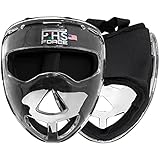
Overview: This Force Junior mask provides identical protection to its blue counterpart, featuring a clear visor design specifically engineered for youth players defending penalty corners. The black padding variant maintains the same 8 x 8.5 x 4-inch junior dimensions while offering a more understated aesthetic. The transparent front panel ensures players maintain full visual awareness during high-pressure defensive situations.
What Makes It Stand Out: The discreet black padding appeals to players who prefer equipment that doesn’t draw attention, while showing less dirt and wear than lighter colors. The vizor architecture allows complete eye movement without obstruction, enabling junior defenders to track both the ball and attacking players simultaneously. The foam backing combined with elastic material creates a snug, confidence-inspiring fit that prevents shifting during sudden movements.
Value for Money: Priced at $72, this mask matches the standard junior equipment price point. The investment makes sense for dedicated young players regularly facing penalty corners, offering professional-style protection scaled for smaller heads. Parents may appreciate the black color’s ability to mask scuffs and maintain a cleaner appearance throughout the season, potentially extending its aesthetic lifespan.
Strengths and Weaknesses: The transparent shield provides exceptional clarity and the lightweight build reduces neck fatigue. Black padding stays visually appealing longer. However, like other single-size junior equipment, its utility is limited to specific age ranges. The plastic construction, while impact-resistant, may develop scratches that impair visibility over time. Elastic components require periodic replacement to maintain proper tension.
Bottom Line: A solid, no-frills protective solution for junior players. The black colorway offers practical benefits while delivering the same reliable corner protection as other Force models, making it a smart choice for serious youth defenders.
3. Field Hockey Face Mask Clear Transparent Short Corner Black Padding Short Corner Protection (Senior)
Overview: The senior version of the Force mask scales up protection for adult players, expanding to 9.5 x 9 x 5 inches while retaining the proven clear vizor design. This mask addresses the needs of experienced defenders who regularly position themselves on the penalty corner line. The transparent front panel maintains the visual clarity essential for reading drag flicks and deflections at senior-level speeds.
What Makes It Stand Out: The expanded dimensions accommodate adult head sizes without compromising the unrestricted eye movement that defines the Force series. The black padding provides a professional, streamlined appearance suitable for competitive play. The foam backing and elastic strap system have been proportionally enlarged to ensure the same secure fit that junior players experience, preventing dangerous slippage during critical defensive moments.
Value for Money: At $72, this senior mask offers exceptional value, undercutting many competitors while providing full-sized protection. For club players and competitive athletes, the price represents a reasonable investment in facial safety. The durable construction withstands regular match play, and the replaceable elastic components extend the product’s usable lifespan beyond single-season gear.
Strengths and Weaknesses: The generous sizing fits most adult heads comfortably, while the lightweight design enables quick head movements. The clear vizor remains fog-resistant in most conditions. However, the basic plastic construction lacks the advanced impact dispersion of premium steel masks. The elastic-only retention system may not provide the locked-in feel that some aggressive defenders prefer. Sizing can be borderline for players with larger heads.
Bottom Line: An affordable, reliable option for adult players seeking essential corner protection. The Force Senior delivers professional features at an accessible price, making it ideal for club-level defenders prioritizing visibility and comfort.
4. RS Corner Field Hockey Mask

Overview: The RS Corner Mask presents a budget-friendly alternative to mainstream brands, offering comprehensive facial protection for penalty corner defenders. This mask features a clear protective front that extends to cover the sides of the face, addressing a common vulnerability in basic visor designs. The wrap-around foam construction provides cushioning across contact points, making it suitable for extended wear during practice and matches.
What Makes It Stand Out: The anti-fog resistance sets this mask apart from entry-level competitors that often impair vision in humid or rainy conditions. The extended side coverage offers superior protection against peripheral impacts from misdirected shots or stick contact. Black wrap-around foam creates a sleek profile while providing consistent padding distribution, eliminating pressure points that can develop with spot-padding designs.
Value for Money: At $68, the RS mask undercuts similar models by $4-10 while delivering enhanced side protection and fog resistance. This modest savings accumulates beneficially for teams purchasing multiple units. The high-density foam padding maintains its protective properties longer than lower-grade alternatives, representing genuine long-term value for cost-conscious players and programs.
Strengths and Weaknesses: The fog-resistant coating maintains clear sightlines in challenging weather, while the extended coverage provides confidence-boosting protection. The elastic straps enable quick adjustments. However, the brand lacks the established reputation of competitors, potentially raising durability questions. The one-size approach may not accommodate all head shapes optimally. The plastic thickness appears slightly reduced compared to premium models, possibly affecting high-impact performance.
Bottom Line: A compelling value proposition for players seeking reliable protection without premium pricing. The RS Corner Mask’s fog resistance and extended coverage make it particularly suitable for regions with variable weather conditions.
5. GY Field Hockey Face Mask for Goalkeepers/Penalty Corner Defenders with 3D Printed Nano PU Padding & 4.5mm Stainless Steel (Black)

Overview: The GY Field Hockey Face Mask represents the pinnacle of protective technology, engineered for elite goalkeepers and penalty corner defenders facing professional-level ball speeds. This premium system combines 4.5mm stainless steel wire with revolutionary 3D-printed Nano PU lattice padding, creating a multi-layered defense against impacts. The sophisticated construction reflects 20 years of goalkeeper helmet expertise trusted by international competitors.
What Makes It Stand Out: The 3D-printed Nano PU lattice liner features thousands of micro-nodes that actively dissipate impact forces through ordered deformation, significantly reducing peak force transmission compared to traditional foam. The open-wire design eliminates blind spots while the non-reflective semi-matte coating prevents visual distraction. The quick on/off mechanism proves invaluable during rapid gameplay transitions, and the adjustable M/L sizing accommodates various head shapes with precision.
Value for Money: At $259.99, this mask commands a premium price that reflects its professional-grade materials and advanced engineering. For serious defenders and goalkeepers competing at high levels, the investment in superior concussion prevention and facial protection is justified. The durable stainless steel construction and non-compressible lattice padding ensure multi-season reliability, unlike foam-based masks that degrade annually.
Strengths and Weaknesses: The unparalleled impact protection and unobstructed 360-degree vision represent significant safety advantages. The customizable fit system and professional aesthetics inspire confidence. However, the substantial price creates a barrier for casual or youth players. The steel construction adds noticeable weight compared to plastic visors, potentially causing neck fatigue during extended play. The complex design may require more meticulous cleaning and maintenance.
Bottom Line: Essential equipment for elite-level defenders and goalkeepers who demand maximum protection. The GY mask’s advanced technology justifies its premium cost for athletes where performance and safety are non-negotiable priorities.
6. TK Field Hockey Mask – Protective Face Mask for Girls & Boys - Field Hockey Equipment & Protective Gear for Players - Clear

Overview: The TK Clear Field Hockey Mask delivers premium facial protection with enhanced visibility for youth players. This specialized corner mask features a transparent design that allows defenders to maintain full peripheral vision during high-stakes penalty corners. Engineered for both indoor and outdoor play, it provides essential safety without compromising sightlines. The clear construction sets it apart from standard opaque masks, making it ideal for players who rely on visual awareness to track ball movement and opponent positioning simultaneously.
What Makes It Stand Out: The transparent polycarbonate construction offers unmatched visual clarity while meeting rigorous safety standards. Unlike traditional colored masks, the clear design eliminates blind spots and helps younger players maintain spatial awareness. The contoured shape fits snugly against the face, and the adjustable strap system accommodates growing athletes. Its high-impact resistance ensures protection from powerful drag flicks and close-range shots that define penalty corner situations.
Value for Money: At $85.99, this mask commands a premium over standard colors. The price increase is justified for defenders who prioritize visual awareness. While opaque masks offer identical physical protection, the psychological advantage of unobstructed vision can measurably improve reaction times. For competitive players facing regular penalty corners, this investment translates directly to better performance and defensive confidence.
Strengths and Weaknesses: Pros include exceptional visibility, durable materials, and versatile indoor/outdoor compatibility. The clear design reduces tunnel vision and helps maintain spatial awareness. Cons involve the higher price point and potential for visible scratches over time, which may affect transparency. The premium cost might not suit budget-conscious families with multiple players.
Bottom Line: The TK Clear Mask is worth the extra investment for serious defenders and goalkeepers who demand maximum visual clarity. Competitive youth players will appreciate the performance edge during penalty corners.
7. TK 3 Player Field Hockey Mask

Overview: The TK 3 Player Field Hockey Mask provides essential facial protection designed specifically for youth athletes during penalty corners. This versatile corner mask delivers high-impact resistance in a package suitable for team environments. Built for both indoor and outdoor surfaces, it offers reliable defense against powerful shots while maintaining comfort through extended match play. The adjustable design grows with young players, ensuring multiple seasons of use.
What Makes It Stand Out: The “3 Player” designation suggests this model is optimized for durability across multiple users, making it perfect for families with several athletes or team equipment bags. The high-impact resistant materials withstand repeated impacts without compromising structural integrity. Its breathable design prevents fogging during intense defensive sequences, while the contoured fit ensures stability when moving laterally across the defensive zone.
Value for Money: Priced at $74.99, this mask sits at the market average for youth protective gear. The cost becomes more attractive when amortized across multiple players in a household or team roster. Compared to single-use or rental options, owning provides better hygiene and consistent fit. The robust construction means fewer replacements, offering long-term savings for clubs and families managing multiple athletes.
Strengths and Weaknesses: Strengths include excellent impact protection, adjustable sizing for growing athletes, and versatile indoor/outdoor compatibility. The breathable design enhances comfort during extended wear. Weaknesses include a generic aesthetic that lacks personalization options and potential sizing challenges for players at the extremes of the youth range. The basic design may not appeal to style-conscious athletes.
Bottom Line: This mask represents solid value for families, teams, or clubs needing reliable corner protection for multiple players. Its durability and adjustability make it a practical choice for growing youth athletes.
8. TK 3 Player Field Hockey Mask

Overview: The TK 3 Player Field Hockey Mask delivers robust facial protection engineered for high-frequency use in competitive youth environments. This corner mask prioritizes structural integrity and consistent performance across countless penalty corner situations. Designed for both turf and grass play, it maintains protective capabilities regardless of surface conditions. The straightforward design focuses on function over flash, appealing to serious players and coaches who value reliability.
What Makes It Stand Out: This mask excels in repetitive impact scenarios, making it ideal for training sessions where penalty corners are practiced extensively. The high-impact materials resist fatigue and maintain shape even after repeated ball strikes. Its contoured profile minimizes interference with stick handling and vision, while the adjustable strap system provides micro-adjustments for precise fit security during dynamic movements and quick direction changes.
Value for Money: At $74.99, this mask offers professional-grade durability at a youth-level price point. For players participating in daily practices and weekend tournaments, the cost-per-use becomes negligible. The investment protects against dental and facial injuries that could cost thousands in medical bills. Compared to flimsier alternatives, this model’s longevity prevents mid-season replacements that disrupt training continuity.
Strengths and Weaknesses: Pros include exceptional durability, reliable protection, and comfortable extended wear. The materials withstand both impact and weather exposure without degrading. Cons involve a utilitarian appearance and limited color options that may not excite younger players. The fit may require an initial adjustment period to achieve optimal comfort and visibility without obstruction.
Bottom Line: Perfect for dedicated players and coaches who prioritize equipment longevity. This mask withstands rigorous training schedules while providing consistent, dependable protection match after match.
9. TK Field Hockey Mask – Protective Face Mask for Girls & Boys - Field Hockey Equipment & Protective Gear for Players - Pink

Overview: The TK Pink Field Hockey Mask combines essential facial protection with vibrant style for youth players. This corner mask delivers the same high-impact resistance as standard models while allowing athletes to express personality on the field. Designed for penalty corner defense, it protects against powerful shots without sacrificing the colorful flair that many younger players prefer. The adjustable fit accommodates growing athletes through multiple seasons.
What Makes It Stand Out: The eye-catching pink colorway distinguishes this mask from standard black or clear options, helping players feel confident and visible during critical defensive plays. The color maintains its vibrancy through sun exposure and regular cleaning. Beyond aesthetics, the mask features the same contoured design and breathable construction as other TK models, ensuring protection isn’t compromised for style and that performance remains consistent.
Value for Money: At $74.99, this mask offers full personalization without price inflation—a rare find in sports equipment. Parents avoid the “pink tax” sometimes applied to colored gear. The cost aligns with standard models while delivering the psychological benefit of player enthusiasm. When kids love their equipment, they’re more likely to wear it consistently, maximizing the safety investment and reducing resistance to protective gear.
Strengths and Weaknesses: Strengths include the empowering color option, identical protection to standard models, and adjustable sizing for various face shapes. The pink hue may fade slightly over seasons but maintains visibility. Weaknesses involve limited appeal for players preferring traditional colors and potential mismatch with team uniform colors. The aesthetic may not suit all coaching preferences for standardized equipment appearance.
Bottom Line: An excellent choice for players wanting protective gear that reflects their personality. The pink color encourages consistent use while delivering the same trusted protection as TK’s standard models.
10. TK 3 Player Field Hockey Mask

Overview: The TK 3 Player Field Hockey Mask serves as a standardized protective solution for youth leagues and club programs. This corner mask provides consistent, reliable facial protection across entire rosters, ensuring uniform safety standards. Engineered for both indoor and outdoor competition, it meets the demands of organized play while simplifying equipment management for coaches and administrators handling large groups.
What Makes It Stand Out: This model’s consistency makes it ideal for bulk team purchases, where standardized gear streamlines inventory and ensures every player receives equal protection quality. The robust construction withstands institutional use and frequent sanitization between players. Its universal adjustment range accommodates most youth athletes, reducing fit issues that can compromise safety in team settings where equipment sharing occurs.
Value for Money: At $74.99 each, bulk purchasing for teams becomes financially viable for clubs and schools. The durability prevents the replacement cycle that plagues cheaper alternatives, reducing long-term program costs. For clubs, providing standardized masks eliminates parent confusion and ensures compliance with safety regulations. The cost is easily justified when compared to liability concerns and medical expenses from preventable facial injuries.
Strengths and Weaknesses: Pros include institutional durability, easy maintenance, and consistent sizing across large groups. The simple design facilitates quick adjustments between players of different sizes. Cons include lack of individual customization that some athletes desire and potential over-sizing for smaller youth players at the lower end of the age range. The utilitarian design prioritizes function over individual expression.
Bottom Line: The ideal solution for clubs, schools, and leagues implementing mandatory corner protection policies. Its durability and standardized design make equipment management straightforward while ensuring comprehensive player safety across entire organizations.
Understanding the Penalty Corner Danger
Penalty corners represent the most dangerous set piece in field hockey, generating over 70% of facial injuries in the sport. The drag flick, perfected by modern attackers, launches the ball at extreme velocities with unpredictable trajectories. Defenders positioned on the goal line have approximately 0.3 seconds to react to a shot aimed directly at head height. Unlike open-play situations where distance and angles provide reaction time, penalty corners compress time and space, making protective equipment not just advisable but essential for survival at elite levels.
Why Face Masks Are Non-Negotiable for Defenders
The physics of penalty corners create a unique risk profile. Balls struck or flicked from the top of the circle arrive with minimal arc, meaning they stay at facial level throughout their flight path. Even with perfect technique, deflections off sticks, bodies, or the goalkeeper can redirect the ball unpredictably. A quality face mask distributes impact force across a wider surface area, reducing localized pressure that causes fractures and soft tissue damage. Beyond physical protection, wearing a properly fitted mask provides psychological confidence, allowing defenders to hold their ground rather than flinch—a subtle difference that can prevent goals.
Anatomy of a Field Hockey Face Mask
Shell Materials and Construction
The outer shell serves as your primary defense against ball impact. Most high-performance masks utilize polycarbonate blends or advanced composites that combine rigidity with energy absorption. The shell’s curvature isn’t merely aesthetic—it’s engineered to deflect glancing blows and prevent direct perpendicular impacts that transmit maximum force. Multi-layer construction, where different materials are bonded together, creates a progressive resistance system that slows impact energy gradually rather than stopping it abruptly.
Padding Systems
Behind the rigid shell lies the compression layer, typically constructed from EVA foam, polyurethane, or gel inserts. This padding performs dual functions: it creates a standoff distance between shell and face, and it absorbs residual impact energy through controlled deformation. Premium designs feature variable-density foam mapping, with denser material in high-risk zones like the chin and forehead, and softer padding in areas requiring more comfort and breathability.
Vision Systems
Your visual field is your early warning system. Modern masks employ either wire cage systems or integrated visors, each with distinct optical properties. Cage designs use thin, high-tensile steel or titanium wires positioned to minimize blind spots while maintaining structural integrity. Visor systems rely on transparent polycarbonate with anti-scratch and anti-fog treatments, offering unobstructed sightlines but requiring more diligent maintenance.
Key Features to Evaluate When Buying
Impact Resistance Standards
Look for masks meeting FIH (International Hockey Federation) safety standards or equivalent national certifications. These standards specify minimum impact resistance measured in joules, ensuring the mask can withstand ball speeds encountered in competitive play. The certification mark should be permanently affixed to the shell, not just on packaging. Understanding the testing methodology—typically involving drop tests with specified masses from defined heights—helps you appreciate what the certification actually guarantees.
Field of Vision Optimization
A mask that protects but blinds you is counterproductive. Evaluate the sightline geometry by trying on masks in a stance position. Your peripheral vision should extend at least 120 degrees horizontally without head rotation. The vertical sightline must allow you to track high balls without tilting your head excessively. Some designs feature a “floating” cage system where wires are positioned in your lower visual field, keeping the upper area clear for ball tracking.
Ventilation and Breathability
During intense penalty corner routines, heat buildup inside your mask can cause discomfort and fogging. Strategic vent placement allows convective airflow without compromising structural integrity. Look for masks with at least 15 square centimeters of ventilation area, positioned away from direct impact zones. Channeling systems that direct breath away from visor surfaces can significantly reduce fogging incidents.
Weight and Balance
Every gram matters when you’re wearing protection for extended periods. Premium masks weigh between 250-350 grams, with weight distributed evenly around the head’s circumference. A forward-heavy design creates neck fatigue and encourages poor posture. Hold the mask on your finger at its balance point—it should rest level, not tip forward or backward.
Adjustability and Fit Systems
One-size-fits-all is a dangerous myth in protective equipment. Multi-point adjustment systems using tool-free mechanisms allow micro-customization. Pay attention to strap width and padding—narrow straps dig into skin, while wide, soft straps distribute pressure. Quick-release buckles enable emergency removal without fumbling.
Sizing and Fit: The Make-or-Break Factor
An improperly fitted mask transforms from protector to hazard. Too loose, and it shifts on impact, potentially exposing vulnerable areas. Too tight, and it causes headaches and distracts from performance. Measure your head circumference at eyebrow level, then consult manufacturer sizing charts—never assume your helmet size matches your mask size. The critical fit test involves shaking your head vigorously; the mask should move with your skin, not slide independently. Chin cups should cradle, not constrict, allowing normal jaw movement for communication.
Material Technologies Explained
Polycarbonate vs. Composite Shells
Polycarbonate offers excellent impact resistance and optical clarity for visor applications, but can become brittle in extreme cold. Composite shells blending carbon fiber and thermoplastics provide superior strength-to-weight ratios and better temperature stability, though at higher cost. For defenders playing in varied climates, composite construction justifies its premium price through consistent performance across conditions.
Foam Density and Layering
Single-density foam is a red flag in modern equipment. Progressive layering uses 3-5 different foam densities, each with specific deformation characteristics. High-density base layers resist bottoming out, medium-density middle layers absorb primary impact, and low-density comfort layers prevent pressure points. Some advanced systems incorporate shear-thickening materials that stiffen on impact while remaining flexible during normal wear.
Vision Technology and Clarity
Wire Cage Designs
The geometry of wire placement follows complex optical calculations. Vertical wires positioned at 7-10 degrees off center minimize interference with binocular vision. Horizontal wires should align with your natural sightlines when in a defensive crouch. Premium cages use oval-profile wires rather than round, reducing visual obstruction by up to 15%. Titanium alloys allow thinner wires without strength compromise, though they command premium pricing.
Visor Systems
Visor clarity is measured by light transmission percentage and distortion index. Look for visors with 90%+ light transmission and less than 3% optical distortion. Surface treatments must be permanent—spray-on anti-fog coatings degrade within weeks. Dual-pane visor systems create an insulating air layer, virtually eliminating fogging but adding slight weight. Scratch resistance is critical; polycarbonate visors should have a minimum pencil hardness rating of 3H.
Anti-Fog Coatings
Hydrophilic coatings absorb moisture and spread it into an invisible film, while hydrophobic coatings repel water into droplets that roll off. The most effective systems combine both technologies in layered application. Some masks integrate electric defogging systems using thin heating elements, though these remain rare in field hockey due to power constraints.
Comfort Features for Extended Wear
Extended penalty corner practice sessions can last hours. Moisture-wicking liner materials like bamboo charcoal fabric or perforated microfiber prevent skin irritation and bacterial buildup. Removable, washable liners are non-negotiable for hygiene. Pressure mapping technology in premium designs eliminates hot spots by varying padding thickness across contact points. Some masks incorporate subtle flex zones that allow micro-movement without compromising protection, reducing the feeling of confinement.
Maintenance and Longevity
Your mask’s protective capability degrades with use and time. UV exposure embrittles polycarbonate, while repeated impacts compress foam permanently. Inspect your mask weekly for micro-cracks in the shell, particularly around vent holes and mounting points. Foam compression is irreversible—if indentations remain after pressing, replacement is due. Clean cages with mild soap and water; avoid harsh chemicals that can cause hydrogen embrittlement in metal components. Store masks in cool, dark environments, never in direct sunlight or hot car trunks.
Price vs. Protection: Finding the Sweet Spot
Budget masks ($30-60) typically use basic polycarbonate shells and single-density foam, adequate for recreational play but risky at competitive speeds. Mid-range options ($60-120) introduce multi-density padding and better adjustment systems, suitable for most club players. Premium masks ($120+) utilize advanced materials, superior optics, and ergonomic designs that justify their cost for elite defenders who face high-velocity shots regularly. Consider cost-per-wear rather than absolute price—a $150 mask lasting three seasons costs less per use than a $50 mask replaced annually.
Common Mistakes When Choosing a Face Mask
Many defenders prioritize appearance over function, selecting masks based on colorways rather than fit. Another critical error is buying oversized to accommodate growth—excess movement negates protection. Some players remove padding to reduce weight, unknowingly creating dangerous standoff distances. Using hockey masks designed for other sports is particularly risky; ice hockey masks aren’t engineered for the specific impact angles and ball characteristics of field hockey. Finally, assuming all certified masks offer equal protection ignores that standards specify minimums, not performance levels.
Transitioning to Wearing a Face Mask
Acclimatization is crucial for performance. Begin by wearing your mask during low-pressure drills, gradually increasing wear time. Practice visual tracking exercises to adapt to any wire interference. Some defenders benefit from peripheral vision training using specialized apps that improve awareness despite slight obstructions. Communicate with your goalkeeper about mask-induced hearing changes—some designs muffle sound, requiring adjusted verbal cues. The psychological adjustment is as important as the physical; reframing the mask as performance equipment rather than safety crutch accelerates adaptation.
Regulations and Certifications to Know
Beyond FIH standards, national governing bodies may impose additional requirements. In the United States, USA Field Hockey mandates FIH-compliant masks for all U-19 and younger players during penalty corners. Some European leagues require CE marking, indicating conformity with EU safety directives. Understanding the difference between certification (meeting a standard) and approval (specific authorization for use) prevents equipment disputes on game day. Always check tournament-specific regulations, as some events prohibit certain visor tints or require specific color masks for goalkeeper differentiation.
Customization and Personalization Options
While performance remains paramount, customization can enhance comfort and confidence. Some manufacturers offer prescription visor inserts for visually impaired players. Custom color matching to team kits is common, but ensure paint applications don’t compromise shell integrity—only factory-applied finishes are guaranteed safe. 3D-printed padding inserts tailored to facial topology represent the cutting edge of personalization, though currently limited to professional players. For most, simple adjustments like swapping chin cup styles or adding aftermarket sweatbands provide sufficient customization.
The Future of Face Mask Technology
Emerging technologies promise revolutionary improvements. Smart materials that stiffen on impact while remaining flexible during normal play are entering prototyping phases. Integrated sensor systems could soon provide impact data to medical staff, alerting them to potential concussions from sub-concussive blows. Aerodynamic optimization using computational fluid dynamics is reducing drag and weight simultaneously. Biometric integration may allow masks to adapt fit dynamically based on temperature and sweat levels. While these innovations remain developmental, they signal a future where protection becomes increasingly personalized and intelligent.
Frequently Asked Questions
Are face masks mandatory for penalty corner defenders at all levels of play?
While FIH regulations mandate face masks for defenders during penalty corners in international competition, requirements vary by country and age group. Most national federations require masks for players under 19, and many adult leagues strongly recommend or require them. Always check your specific governing body’s regulations before stepping onto the pitch.
How do I know if my face mask fits properly?
A properly fitted mask should feel like an extension of your head, not a separate piece of equipment. Perform the shake test: with straps secured, vigorously shake your head side-to-side and up-and-down. If the mask shifts independently of your skin or you feel pressure points, adjust the fit or try a different size. You should be able to open your mouth fully without the chin cup lifting away.
Can I wear prescription glasses underneath a field hockey face mask?
Standard wire cage masks accommodate most glasses frames, though you may need to adjust temple pieces for comfort. Visor-style masks present more challenges; some manufacturers offer prescription insert adapters that mount inside the visor. Contact lenses remain the most vision-friendly option for mask wearers, eliminating frame interference entirely.
How often should I replace my penalty corner mask?
Replace your mask immediately after any significant direct impact that leaves visible damage. Even without obvious trauma, replace masks every 2-3 seasons due to material degradation. Foam compression is irreversible and reduces protective capability over time. Regular players facing high-velocity shots should consider annual replacement, while recreational players may extend to three years with proper care.
What’s the difference between a wire cage and visor mask for field hockey?
Wire cages offer superior ventilation and durability, with replaceable parts if individual wires bend. Visors provide completely unobstructed sightlines and better protection against facial scratches, but require diligent anti-fog maintenance and scratch prevention. Your choice depends on climate, personal vision preferences, and willingness to maintain the equipment.
Will wearing a face mask affect my ability to hear teammates?
Most masks reduce sound transmission slightly, particularly full-coverage designs. However, modern ventilation systems minimize this effect. Many defenders report improved focus because the mask reduces crowd noise distraction. Practice with your regular defensive unit to adjust communication volume and develop non-verbal cues for critical situations.
How do I prevent my visor from fogging during play?
Apply a high-quality anti-fog treatment before each session, ensuring the visor is clean and dry first. Some players swear by baby shampoo or specialized sports anti-fog sprays. Ensure proper ventilation by keeping all vents clear of debris. For persistent issues, consider a dual-pane visor system or wire cage design that eliminates fogging concerns entirely.
Are junior face masks just smaller versions of adult models?
Quality junior masks are more than scaled-down adults versions—they’re engineered for developing facial structures and typically feature softer padding to accommodate growth. The impact protection is calibrated for youth-level ball speeds, which are lower than elite adult play. Never buy an oversized adult mask for a junior player hoping they’ll grow into it; proper fit is critical for protection.
Can I use my ice hockey or lacrosse face mask for field hockey penalty corners?
Absolutely not. Masks designed for other sports aren’t engineered for field hockey’s specific impact dynamics, ball characteristics, and required sightlines. Ice hockey masks are optimized for puck impacts at different angles and are typically too heavy. Using non-certified equipment may also invalidate insurance coverage and violates most league regulations.
How should I clean and store my face mask between games?
Remove the liner if detachable and wash it separately with mild detergent. Clean the shell with a soft cloth and warm, soapy water, avoiding abrasive materials that could scratch visors. Disinfect with equipment spray designed for sports gear. Store in a cool, dry place away from direct sunlight—UV degradation is the silent killer of polycarbonate shells. Never store your mask in a closed equipment bag where moisture promotes bacterial growth.