If you’re serious about adding inches to your vertical jump, you’ve probably realized that random gym equipment won’t cut it. The difference between athletes who make marginal gains and those who consistently add 6-10 inches to their leap often comes down to one critical factor: intelligent plyometric training with the right tools. Foam plyo box sets have revolutionized how athletes approach jump training, combining safety with performance in a way that old-school wooden boxes simply can’t match.
Whether you’re a basketball player chasing that first dunk, a volleyball athlete perfecting your block timing, or a CrossFit enthusiast looking to dominate box jumps, the right foam plyo box set becomes your most valuable training partner. This comprehensive guide breaks down everything you need to know about selecting and using these game-changing tools to maximize your vertical jump potential—without the shin-bruising anxiety that keeps so many athletes from pushing their limits.
Top 10 Foam Plyo Box Sets for Vertical Jump
Detailed Product Reviews
1. BalanceFrom 3-in-1 Foam Plyometric Jump Box for Home Gym with Multiple Height Options – Versatile Plyo with Non-Slip Surface for Strength, HIIT, Step-Ups, and Agility Training

Overview: The BalanceFrom 3-in-1 Foam Plyometric Jump Box delivers versatility and safety for home gym enthusiasts seeking to incorporate plyometric training without the intimidation factor of wooden boxes. This cleverly designed piece of equipment rotates to provide three distinct jump heights—16, 20, and 24 inches—making it suitable for beginners and intermediate athletes working on explosive power, HIIT workouts, and agility drills. The high-density foam construction absorbs impact while protecting your shins from painful scrapes, a common concern with traditional plyo boxes. Weighing just 10 pounds, it’s remarkably easy to reposition and store, yet stable enough for confident training sessions.
What Makes It Stand Out: The true genius lies in its rotating 3-in-1 design that eliminates the need to purchase multiple boxes as your skills progress. The textured anti-slip surface provides reliable grip during sweaty workouts, while the foam core offers a psychological advantage—users can push their limits without fear of severe injury from missteps. The compact footprint makes it ideal for apartment dwellers or those with limited workout space, serving multiple functions from step-ups to elevated push-ups.
Value for Money: At $99.99, this box sits in the sweet spot between budget-friendly and premium options. It undercuts wooden alternatives while offering superior safety features, and compares favorably to similarly priced foam competitors. For home users who don’t require commercial-grade equipment, this represents excellent long-term value that grows with your fitness journey.
Strengths and Weaknesses: Strengths include the lightweight portability, shin-friendly foam construction, three-height versatility, and non-slip surface. The 10-pound weight ensures easy maneuverability while maintaining adequate stability. Weaknesses include potential compression over time with heavy use, limited maximum height for advanced athletes, and foam may feel less firm than wood for some exercises. The 16-24 inch range might not challenge elite jumpers.
Bottom Line: This BalanceFrom box is an outstanding choice for home gym owners prioritizing safety and versatility. It removes the fear factor from plyometric training while offering room for progression, making it perfect for fitness enthusiasts who want professional results without professional risks.
2. BalanceFrom Foam Plyo Jumping Exercise Box for Home Gym, Multiple Size and Color Options - for Plyometric Jump Training, HIIT Workouts, Step-Ups, Agility Drills and Lower Body Strength

Overview: Building upon their popular 3-in-1 design, BalanceFrom offers this larger foam plyo box catering to intermediate and advanced athletes ready to push vertical limits. Rotating between 20, 24, and 30 inches, this box provides a steeper progression curve for those who’ve mastered lower heights. The high-density foam construction maintains the brand’s commitment to safety, minimizing shin impact while supporting explosive movements. At 16 pounds, it’s heavier than its smaller sibling, translating to enhanced stability during aggressive jump sessions and weighted step-ups.
What Makes It Stand Out: The expanded height range addresses a critical gap for serious trainers, offering a 30-inch option that challenges even seasoned athletes. Despite the larger dimensions, it retains the space-saving 3-in-1 functionality. The foam construction becomes increasingly valuable at greater heights, where missteps carry more risk. Multiple color options allow personalization of your home gym aesthetic, while the durable foam withstands repeated high-impact landings.
Value for Money: Priced at $122.99, this represents a modest $23 premium over the smaller version for significantly expanded capability. When compared to purchasing three separate boxes of these heights, the value proposition becomes clear. It competes favorably with wooden alternatives that lack impact absorption, making it a smart investment for committed home gym owners.
Strengths and Weaknesses: Strengths include the impressive 30-inch maximum height, robust stability from increased weight, versatile three-height design, and superior safety profile. The foam construction protects joints during high-impact training. Weaknesses include the heavier 16-pound weight reducing portability, larger footprint requiring more storage space, and higher price point. The 20-inch minimum height may intimidate true beginners.
Bottom Line: This larger BalanceFrom box is ideal for intermediate to advanced athletes seeking progressive overload in their plyometric training. The extra height justifies the additional cost and weight, making it a worthwhile upgrade for those who’ve outgrown entry-level boxes.
3. REP Fitness Stackable Soft Foam Plyo Box 6, 12 & 20" Set, Adjustable Plyometric Jump Box for Home Gym Workouts, Soft Foam Jumping Platform for Exercise, Step Training, HIIT & Cross fit

Overview: REP Fitness revolutionizes plyometric training with this premium stackable system that prioritizes customization and commercial-grade durability. Unlike traditional 3-in-1 boxes, this modular set includes 6, 12, and 20-inch components that combine via heavy-duty Velcro flaps to create virtually any height configuration. The impact-absorbing foam core protects joints while the wipe-clean vinyl cover withstands intense commercial use. Built-in handles facilitate transport between stations, making it perfect for dynamic workout environments. This system serves as a stepping platform, bench, or jump box, adapting to countless exercise modalities.
What Makes It Stand Out: The modular design offers unprecedented versatility—stack for progressive height training or use individually for varied exercises. The Velcro locking system ensures stability unmatched by simple stacking, while the commercial-grade vinyl cover resists moisture and tears. REP Fitness’s reputation for lifter-designed equipment shines through in details like the integrated handles and dense foam that prevents tipping. This isn’t just a jump box; it’s a complete lower body training system.
Value for Money: At $554.99, this is a significant investment, but it delivers professional-grade equipment that replaces multiple pieces. For serious athletes or commercial facilities, the cost-per-use justifies the premium. Home users might find it overbuilt, but those prioritizing safety and versatility will appreciate the quality. Compared to buying separate boxes of varying heights, the integrated system offers long-term value.
Strengths and Weaknesses: Strengths include infinite height combinations, commercial durability, superior safety features, Velcro stability system, and multi-functional design. The vinyl cover is exceptionally easy to clean. Weaknesses include the steep price point, requiring storage space for three pieces, and potential Velcro wear over time. The weight of multiple pieces reduces portability compared to single-box solutions.
Bottom Line: This REP Fitness set is the gold standard for serious trainers and commercial gyms. If budget isn’t a constraint and you demand maximum versatility with professional durability, this system outperforms all competitors. Casual home users may find it excessive.
4. Epic Fitness 3-in-1 Foam Plyometric Jump Box - High-Density EPE Foam Core - Non-Slip & Easy-to-Clean PVC Leather Cover - Box Height: 20", 24", 30" - For HIIT, MMA, Crossfit, Exercise, Fitness Training
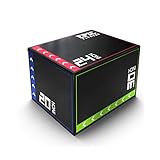
Overview: Epic Fitness enters the plyo box market with a robust 3-in-1 design featuring an EPE foam core and premium PVC leather cover. Offering 20, 24, and 30-inch heights, it targets intermediate to advanced users seeking a balance between safety and performance. The foam construction eliminates wooden box intimidation, while the leather-like cover provides enhanced durability and effortless cleaning. This box supports diverse training modalities from HIIT and CrossFit to MMA conditioning, making it a versatile addition to any functional fitness space.
What Makes It Stand Out: The PVC leather cover distinguishes it from competitors, offering superior moisture resistance and a more upscale aesthetic. The EPE foam core maintains firmness while absorbing impact, and the brand explicitly markets its utility for upper body exercises like elevated push-ups, showcasing its versatility. The three-height range provides excellent progression potential without storage complications of stackable systems.
Value for Money: At $149.99, it positions itself between budget and premium options. The leather cover and EPE foam construction justify the moderate price increase over basic foam models. While more expensive than BalanceFrom’s comparable 30-inch box, the enhanced cover material and focused marketing toward combat athletes may appeal to specific demographics seeking perceived quality upgrades.
Strengths and Weaknesses: Strengths include the durable PVC leather cover, versatile height range, multi-exercise functionality, and quality foam construction. The cover’s cleanability is a major advantage for high-traffic gyms. Weaknesses include higher cost than similar alternatives, lesser-known brand reputation compared to market leaders, and 20-inch minimum height may exclude beginners. The leather cover could show wear faster than vinyl in extreme conditions.
Bottom Line: The Epic Fitness box is a solid contender for those prioritizing easy maintenance and a premium feel. If the PVC leather cover appeals to you and you train at intermediate to advanced levels, it’s worth the slight premium. Otherwise, comparable options exist at lower price points.
5. BalanceFrom Jumping Plyo Exercise Box 3 in 1 Home Gym Workout 10 Lbs, Black/White

Overview: This BalanceFrom 3-in-1 box appears identical to their larger catalog offering, providing 16, 20, and 24-inch heights in a lightweight foam package. Weighing just 10 pounds, it prioritizes portability and user safety for home gym enthusiasts. The black and white color scheme offers a clean, minimalist aesthetic that fits any workout space. Like its stablemates, it features high-density foam construction and a non-slip surface, making it approachable for beginners while serving intermediate athletes.
What Makes It Stand Out: At $74.99, this represents the most affordable entry point into quality foam plyo box training. The identical specifications to the $99.99 version suggest either promotional pricing or streamlined packaging. It retains the core benefits: three-height versatility, shin protection, and easy storage. The 10-pound weight makes it effortlessly portable for those who need to clear workout space after each session.
Value for Money: This price point is exceptional, undercutting most competitors by $25 or more while delivering the same functionality. The value proposition is undeniable for budget-conscious buyers. Even if this reflects a limited-time offer, it provides access to safe plyometric training at a price previously reserved for inferior products. For home users uncertain about committing to plyometric training, the financial risk is minimal.
Strengths and Weaknesses: Strengths include unbeatable price, lightweight portability, three-height versatility, and trusted BalanceFrom construction. The foam safety features are identical to more expensive versions. Weaknesses include potential pricing inconsistency, limited maximum height for advanced progression, and foam compression concerns under heavy daily use. The 16-24 inch range may require upgrading sooner than taller boxes.
Bottom Line: If you need a 16-24 inch plyo box and want maximum value, this is the obvious choice. The specifications match more expensive alternatives, making it a no-brainer for beginners and intermediate users. Act quickly if this is promotional pricing—it’s the best budget foam box available.
6. REP Fitness Stackable Soft Foam Plyo Box 4, 6, 20" Set, Adjustable Plyometric Jump Box for Home Gym Workouts, Soft Foam Jumping Platform for Exercise, Step Training, HIIT & CrossFit

Overview: The REP Fitness Stackable Soft Foam Plyo Box set delivers premium plyometric training equipment designed for serious athletes and home gym enthusiasts. This three-piece combination includes 4", 6", and 20" boxes that can be stacked to create multiple height configurations up to 30 inches. Each platform measures 28" x 28", providing exceptional stability during explosive movements.
What Makes It Stand Out: The modular stackable design sets this apart from fixed-height alternatives. Heavy-duty Velcro flaps ensure secure stacking, while the commercial-grade vinyl cover withstands intense use. Built-in handles facilitate easy repositioning between exercises. The impact-absorbing foam protects joints and shins, making it ideal for high-volume training.
Value for Money: At $464.99, this represents a significant investment, but cost-effective when compared to purchasing individual boxes separately. For dedicated athletes or commercial facilities, the versatility justifies the premium price. Casual users may find it excessive, but serious trainees gain unlimited height progression options.
Strengths and Weaknesses: Pros include exceptional versatility, superior stability from the wide base, commercial durability, joint protection, and seamless stackability. Cons are the high price point, substantial storage requirements, and potential overkill for beginners who might not utilize all height combinations.
Bottom Line: This REP stackable set is the gold standard for plyometric training equipment. While expensive, it offers unmatched versatility and safety for committed athletes building comprehensive home gyms or commercial spaces. Invest if you’re serious about progressive jump training.
7. CAP Barbell 3-in-1 Foam Plyometric Jump Box – Adjustable Heights for Home Gym, HIIT, Step-Ups, Agility Drills & Strength Training

Overview: The CAP Barbell 3-in-1 Foam Plyometric Jump Box provides an affordable entry point into plyometric training. This cleverly designed single box rotates to offer three heights—20", 24", and 28"—accommodating various exercises and skill levels. The high-density foam core and PVC cover deliver essential protection for shins and joints.
What Makes It Stand Out: The weighted interior core distinguishes this budget option, adding stability that prevents tipping during intense workouts. Its simple rotation mechanism eliminates complex adjustments, while the soft foam construction prevents the painful shin scrapes common with wooden boxes.
Value for Money: At $67.99, this is exceptional value. It provides three height options for less than the cost of a single premium box. While it may lack long-term durability of commercial-grade equipment, it offers immediate functionality for home users. Perfect for budget-conscious beginners testing plyometric training.
Strengths and Weaknesses: Pros include unbeatable affordability, weighted stability, three height options, injury prevention, and simplicity. Cons involve potential durability concerns under heavy daily use, limited height range compared to stackable systems, and foam density that may compress over time with heavier athletes.
Bottom Line: This CAP Barbell box is the smart choice for beginners and intermediate users seeking versatility on a budget. It delivers core functionality without frills. If you’re starting your plyometric journey or need occasional use, this provides tremendous bang for your buck.
8. REP Fitness Stackable Soft Foam Plyo Boxes, 4, 6 & 24" Combo, Plyometric Jump Box for Home Gym Workouts, Soft Foam Jumping Platform for Exercise, Step Training, HIIT & CrossFit

Overview: The REP Fitness Stackable Soft Foam Plyo Boxes in the 4, 6 & 24" combo configuration offers the ultimate modular jump training system. This premium set allows athletes to create custom heights from 4 to 34 inches by stacking the three boxes in various combinations. Each 28" x 28" platform ensures rock-solid stability during explosive movements.
What Makes It Stand Out: This system provides maximum height versatility in a compact footprint. The heavy-duty Velcro locking system keeps stacked configurations secure, while commercial-grade vinyl covers resist moisture and tearing. Built-in handles enable effortless repositioning, and the dense foam absorbs impact while protecting joints.
Value for Money: Priced at $514.99, this is the most expensive option but delivers unmatched flexibility. For athletes requiring incremental progression from rehabilitation to elite performance, the cost per height combination is reasonable. Commercial gyms will appreciate the durability and space efficiency.
Strengths and Weaknesses: Pros include unlimited height customization, exceptional stability, premium construction, joint protection, and professional-grade durability. Cons are the steep price, significant storage space needed, and potential underutilization by casual fitness enthusiasts who don’t need such extensive height options.
Bottom Line: This REP stackable combo represents the pinnacle of plyometric box design. While a substantial investment, it eliminates the need to purchase multiple fixed-height boxes. Serious athletes, coaches, and commercial facilities will find the versatility and quality worth every penny.
9. Fitvids 10LB Foam Plyo Jumping Exercise Box, 16”x20”x24” plyometric Workout box for Home Gym Workout, High Density Foam Core, Non-Slip Surface, Suitable for Box Jumps, Step-Up, Box Squat, Fitness Training, Multi-color

Overview: The Fitvids 10LB Foam Plyo Jumping Exercise Box offers a colorful, lightweight solution for home plyometric training. This 3-in-1 design provides three heights—16", 20", and 24"—by simply rotating the box. The high-density foam core reduces joint impact while the anti-slip PVC cover ensures stable landings during various exercises.
What Makes It Stand Out: Weighing just 10 pounds, this box is exceptionally easy to move and store. The multi-color design adds visual appeal to home gyms, while the 3-in-1 functionality maximizes training options without consuming excess space. It’s specifically engineered for lighter, dynamic movements.
Value for Money: At $77.77, this sits in the budget-friendly category. However, the 150-pound weight capacity significantly limits its user base. For individuals under this threshold, it offers good value. Heavier athletes must look elsewhere, making its cost-effectiveness conditional.
Strengths and Weaknesses: Pros include affordability, lightweight portability, three height options, anti-slip surface, and joint protection. The major con is the restrictive 150-pound capacity, which compromises stability for heavier users. Durability may also be questionable under frequent high-impact use.
Bottom Line: The Fitvids box suits lighter individuals and beginners seeking an entry-level plyometric platform. While affordable and versatile, the weight limit is a dealbreaker for many. If you weigh under 150 pounds and need basic functionality, it’s adequate. Otherwise, invest in a higher-capacity option.
10. REP 3 in 1 Soft Plyo Box | 24 inch | 3-in-1 Foam Jump Box | Plyometric Training Platform | Home Gym Workout Equipment | Step Exercise Block | Non-Slip Jumping Mat | Adjustable Height
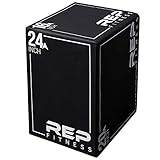
Overview: The REP 3-in-1 Soft Plyo Box brings premium brand quality to a single-box solution. This versatile platform rotates to provide three heights—16", 20", and 24"—catering to beginners through advanced athletes. The dense foam core and textured vinyl cover deliver the durability and safety REP Fitness is known for, right out of the box.
What Makes It Stand Out: Unlike budget alternatives, this box ships fully assembled and ready for immediate use. The REP reputation for commercial-grade equipment ensures reliable performance. The textured vinyl shell provides superior grip compared to standard PVC covers, while the dense foam prevents tipping without requiring a weighted core.
Value for Money: At $149.99, this hits the sweet spot between budget and premium. It costs more than basic options but delivers REP’s trusted quality and durability. For home gym owners wanting professional equipment without investing in a full stackable system, this offers excellent return on investment.
Strengths and Weaknesses: Pros include no assembly required, reputable brand quality, stable dense foam construction, three practical heights, and immediate usability. Cons are the lack of stackability for greater height variety and a price point double that of basic alternatives.
Bottom Line: This REP 3-in-1 box is the ideal choice for serious home gym enthusiasts who want premium quality in a simple package. It eliminates guesswork and assembly frustration while delivering professional performance. If you want one excellent box rather than multiple mediocre ones, this is your answer.
Why Foam Plyo Boxes Are Essential for Vertical Jump Training
The journey to a higher vertical jump demands explosive power, reactive strength, and the confidence to attack each rep with maximum intensity. Foam plyo boxes fundamentally change the risk-reward equation in plyometric training. Unlike their unforgiving wooden or metal counterparts, foam boxes absorb impact, protect your joints, and eliminate the psychological barrier of painful shin strikes that can sabotage progress.
The Science Behind Plyometrics and Jump Height
Plyometric training operates on the stretch-shortening cycle principle—your muscles’ ability to store elastic energy during the eccentric phase and release it explosively during the concentric phase. Each box jump rep teaches your neuromuscular system to fire more efficiently, recruiting fast-twitch muscle fibers with greater synchronization. Quality foam boxes allow you to perform higher volumes of this critical training without the cumulative joint stress that typically limits progression.
Foam vs Wood vs Metal: Making the Right Choice
While wood and metal boxes have their place in competitive settings, foam boxes dominate for dedicated vertical jump development. The forgiving surface encourages you to commit fully to each jump rather than holding back out of fear. This psychological freedom translates directly to better motor learning and faster adaptation. Additionally, foam construction reduces ground reaction forces upon landing by 15-25% compared to rigid surfaces, preserving knee and ankle health during high-frequency training blocks.
Key Features That Separate Premium Sets from Basic Ones
Not all foam plyo boxes are created equal. The market ranges from budget options that compress dangerously under load to professional-grade sets that maintain their integrity through thousands of explosive reps. Understanding the nuances of construction quality prevents you from investing in equipment that limits your progress or fails when you need it most.
Density and Foam Quality: The Core of Performance
High-density polyethylene foam cores with densities between 2.0-2.5 lbs/ft³ provide the sweet spot for performance and durability. This specification ensures the box resists bottoming out during heavy landings while maintaining enough give to protect your joints. Premium sets utilize multi-layer construction with progressively firmer foam toward the core, mimicking the progressive resistance that elite training programs emphasize.
Weight Capacity and Stability Factors
A quality foam plyo box set should support at least 300-400 pounds of dynamic load without significant compression. More importantly, the base-to-height ratio determines stability during off-center landings. Look for boxes where the base width exceeds the top platform by at least 4-6 inches on each side. This geometry prevents tipping when you inevitably land slightly off-center during maximal effort attempts.
Surface Texture and Grip Considerations
The vinyl covering should feature a non-slip crosshatch or diamond pattern that maintains grip even when sweat drips onto the surface. Avoid smooth vinyl finishes that become dangerously slick during intense sessions. Premium sets incorporate reinforced stitching at all seams and double-layered corners where wear occurs fastest.
Understanding Plyo Box Set Configurations
The configuration of your plyo box set directly impacts your ability to implement progressive overload—the cornerstone principle of vertical jump development. Smart set design allows for micro-progressions that keep you advancing when single-box setups would leave you plateaued.
The Classic 3-Box Progressive Set
The traditional 20"-24"-30" trio remains popular for good reason. This configuration provides logical 4-6 inch increments that challenge your nervous system without overwhelming it. The 20-inch box builds foundational power and landing mechanics, the 24-inch box targets sport-specific jump heights for most athletes, and the 30-inch box develops maximal explosive capacity for advanced performers.
Stackable Systems for Advanced Athletes
Modular stackable systems offer 8-12 height combinations from just 3-4 individual pieces. These sets use interlocking Velcro straps or reinforced anchor points to secure boxes together safely. For athletes pursuing 35+ inch verticals, the ability to create 36", 42", or even 48" heights without purchasing separate equipment provides exceptional long-term value.
Modular Sets for Space-Conscious Trainers
Folding or nesting foam plyo boxes represent the latest innovation in space efficiency. These designs allow a full 3-box set to store in the footprint of a single box, making them ideal for home gym setups. The trade-off typically involves slightly lower weight capacities and higher price points, but the convenience factor often outweighs these considerations for garage gym athletes.
Size Matters: Selecting the Right Dimensions for Your Goals
Vertical jump improvement follows a dose-response relationship with box height, but that relationship isn’t linear. Jumping to boxes that are too high reduces ground contact time excessively, limiting power development. Boxes that are too low fail to challenge your stretch-shortening cycle sufficiently.
Height Progressions for Different Skill Levels
Beginners with verticals under 20 inches should start with boxes no higher than 18-20 inches, focusing on perfect landing mechanics and rapid ground contact. Intermediate athletes (20-28 inch verticals) benefit most from training primarily on 24-inch boxes with occasional work at 20 and 30 inches. Advanced jumpers (30+ inches) need access to 30-42 inch boxes to continue driving adaptation, using lower heights for speed-strength development and higher boxes for maximal power expression.
Base Width and Landing Surface Area
The top platform should measure at least 16"x16" for boxes under 24 inches, and 18"x18" for taller boxes. This surface area gives you confidence to attack each jump without precision landing concerns that slow you down. Base dimensions should increase proportionally, with 30-inch boxes needing 24"x24" bases minimum for stability during dynamic lateral approaches or single-leg variations.
Safety First: Injury Prevention with Foam Boxes
The forgiving nature of foam plyo boxes doesn’t eliminate injury risk—it simply shifts the primary concerns from acute impact to overuse and technical breakdown. Understanding these nuances keeps you training consistently, which is ultimately what drives vertical jump gains.
Shin Protection and Confidence Building
The psychological benefit of foam construction cannot be overstated. When you know a missed jump means a soft bounce rather than a trip to urgent care, you commit to full hip extension on every rep. This mental freedom accelerates motor learning and allows you to train at higher intensities more frequently. The foam absorbs the initial contact, but proper box selection ensures you still develop the reactive strength needed for real-world jumping.
Proper Landing Mechanics and Box Selection
Even with foam boxes, landing with valgus knee collapse or excessive forward lean creates bad motor patterns that transfer to sport. Use box heights that allow you to land with knees tracking over toes, torso upright, and minimal noise. If you hear a loud “thud” on landing, the box is too high for your current power output. The foam should compress slightly, not completely bottom out, indicating you’re absorbing force properly rather than just slamming into the surface.
Building Your Vertical Jump Program with Foam Plyo Boxes
Randomly adding box jumps to your workouts produces random results. Structured progression using your foam plyo box set as the centerpiece creates predictable, measurable vertical jump improvements. The key lies in manipulating volume, intensity, and exercise variation across training phases.
Beginner Protocols for Foundation Building
Start with 3 sets of 5 reps on a 20-inch box, focusing on quiet landings and immediate rebound out of the bottom position. Perform these twice weekly, leaving at least 48 hours between sessions. Every third week, reduce volume to 2 sets of 5 to manage fatigue. After 4-6 weeks, when you can land silently and maintain perfect mechanics, progress to the 24-inch box and repeat the cycle.
Intermediate Progressions for Measurable Gains
At this stage, incorporate contrast training: perform 3 reps on a 24-inch box, then immediately 3 reps on a 20-inch box, aiming for identical ground contact times. This method, known as contrast plyometrics, potentiates your nervous system for greater power output. Use 4 sets twice weekly, with one session focused on maximal height attempts (3 reps at 30 inches) and one on speed (8 reps at 20 inches with minimal rest).
Advanced Techniques for Elite Performance
Depth jumps from foam boxes take your reactive strength to the highest level. Step off a 12-inch box, land briefly, and immediately jump onto a 30-inch box. The key is spending less than 0.2 seconds on the ground—any longer and you’re training strength, not reactivity. Advanced athletes should periodize box jump training, using 3-week accumulation blocks (high volume, moderate intensity) followed by 1-week realization blocks (low volume, maximal intensity) to peak for testing.
Durability and Longevity: What to Expect from Your Investment
A quality foam plyo box set represents a significant investment, but one that should last 5-10 years with proper care. Understanding wear patterns helps you select sets built for the long haul and maintain them appropriately.
Material Degradation Over Time
The foam core compresses permanently after approximately 5,000-10,000 landings depending on athlete weight and jump intensity. Premium sets with reinforced cores maintain their shape 2-3 times longer than budget options. The vinyl covering typically fails first at the corners and seams, so inspect these areas regularly. UV exposure accelerates vinyl cracking, so store boxes away from direct sunlight when not in use.
Storage and Maintenance Best Practices
Store boxes vertically rather than stacked to prevent compression set in the foam. Wipe down surfaces with mild soap and water weekly to prevent salt buildup from sweat, which degrades vinyl over time. Rotate which box sits on top of stacks to distribute compression evenly across your set. If boxes get wet, allow them to air dry completely before storage to prevent mold growth inside the foam core.
Common Mistakes That Limit Your Vertical Jump Gains
Even with perfect equipment, technical and programming errors can stall progress for months. Recognizing these pitfalls helps you avoid the frustration of plateaus and keeps your training trajectory pointing upward.
Overlooking Progressive Overload Principles
Simply jumping to the same box height for months won’t increase your vertical. You must systematically increase demand through height, volume, or complexity. Track your ground contact time with slow-motion video—when you can land on a 24-inch box in under 0.3 seconds consistently, it’s time to move up. Without objective progression metrics, you’re just exercising, not training.
Neglecting Recovery and Volume Management
Box jumps impose massive central nervous system fatigue. Performing high-volume plyometrics more than three times weekly (or on heavy squat days) limits adaptation. The magic happens during recovery, not during the jumps themselves. Advanced athletes need 72 hours between high-intensity plyo sessions. If your vertical jump decreases during a training block, you’re likely overcooked—back off volume by 40% for one week and watch your numbers rebound.
Integrating Foam Plyo Boxes into a Comprehensive Training Plan
Plyo boxes are tools, not magic bullets. Their power multiplies when combined intelligently with strength training, mobility work, and sport-specific practice. The synergy between these elements separates good programs from great ones.
Pairing with Strength Training for Maximum Power
Schedule box jumps immediately after your dynamic warm-up but before heavy strength work. This sequencing ensures your nervous system is fresh for the high-velocity movements that drive jump improvement. Pairing box jumps with squats in a complex—performing a set of box jumps followed immediately by a heavy squat set—creates a potentiation effect that can increase squat power output by 5-8%. Use this technique sparingly, as it’s extremely demanding.
Combining with Mobility Work and Landing Drills
Vertical jump height means nothing if you can’t land safely. Dedicate 10 minutes post-workout to ankle dorsiflexion mobility and hip flexor stretching. The foam box’s forgiving surface is perfect for practicing single-leg landings from low heights, building the eccentric strength that prevents ACL injuries. Perform 3 sets of 5 single-leg landings from a 12-inch box at the end of each session, focusing on perfect knee tracking.
Budget Considerations and Value Assessment
Foam plyo box sets range from $150 for entry-level options to $600+ for professional-grade modular systems. The sweet spot for most serious athletes lies in the $300-400 range, where you get reinforced cores, commercial-grade vinyl, and thoughtful design features without the premium branding markup.
Consider cost-per-use over the equipment’s lifespan. A $400 set that lasts 8 years costs about $0.14 per day—far less than a gym membership or physical therapy for a shin injury from a cheap wooden box. Budget sets often compress permanently within 6-12 months of serious training, making them more expensive long-term than quality options.
Warranty, Brand Reputation, and Customer Support
Reputable manufacturers offer at least 2-year warranties on foam integrity and vinyl covering. Read the fine print—some warranties exclude “commercial use” or require registration within 30 days. Brands that specialize in plyometric equipment (rather than general fitness gear) typically provide better customer support and understand the unique demands of jump training.
Check for third-party testing certifications and user reviews specifically mentioning durability after 6+ months of use. Brands that respond to negative reviews with solutions rather than excuses demonstrate the customer-first mindset that matters when you need a replacement part or have a question about your set’s specifications.
Frequently Asked Questions
How long does it take to see vertical jump improvements using foam plyo boxes?
Most athletes notice initial gains within 3-4 weeks due to improved neuromuscular efficiency, but structural adaptations that add 4+ inches typically require 12-16 weeks of consistent, progressive training. Your results depend heavily on baseline fitness, training age, and how well you integrate plyometrics with strength work.
Can foam plyo boxes support heavy athletes training for vertical jump?
Quality foam boxes rated for 400+ pounds handle dynamic loads from heavier athletes effectively. Look for reinforced cores and wider base dimensions. The foam compression actually benefits heavier athletes by providing more significant impact absorption, reducing joint stress compared to lighter athletes on the same equipment.
What’s the ideal box height for someone with a 25-inch vertical?
Focus 70% of your training on a 24-inch box to target power development at your current capacity. Use a 20-inch box for speed-strength work (faster ground contacts) and occasionally test yourself on a 30-inch box for maximal effort development. This three-height approach prevents plateaus and builds complete jump athleticism.
How do I know if a foam plyo box is too soft or too firm?
Press firmly on the center of the box top. Quality foam should compress 1-2 inches under moderate hand pressure and spring back immediately. If your hand sinks more than 3 inches or leaves a permanent indentation, the foam is too soft for effective plyometric training. If it barely compresses, it’s too firm and won’t provide adequate impact protection.
Should I buy a 3-box set or individual boxes as I progress?
A 3-box set costs 20-30% less than buying individually and ensures you have the right tools for contrast training and deload weeks. The 20-24-30 combination covers 90% of training needs for athletes from beginner to advanced levels. Individual purchases only make sense if you need specialized heights beyond this range.
Can I use foam plyo boxes outdoors for vertical jump training?
While possible, UV exposure and moisture quickly degrade vinyl coverings and foam cores. If outdoor use is necessary, limit sessions to 1-2 per week, store boxes indoors between uses, and apply a UV-protectant spray to the vinyl monthly. Never leave them outside overnight, as dew penetration can cause internal mold growth.
How often should I replace my foam plyo box set?
With proper care, premium sets last 7-10 years for individual athletes and 3-5 years in commercial gym settings. Replace your set when the foam no longer rebounds fully within 2-3 seconds of compression or when vinyl tears expose the foam core to moisture and accelerated wear.
Are foam plyo boxes suitable for youth athletes working on vertical jump?
Absolutely. The safety factor makes foam boxes ideal for developing athletes whose growth plates are still vulnerable to impact. Start youth athletes on 12-16 inch boxes, emphasizing landing mechanics over height. The confidence boost from safe training often translates to faster skill acquisition and better long-term jump development.
What’s the difference between box jump height and actual vertical jump improvement?
Box jump height measures your ability to lift your feet to a platform, which includes hip flexion and knee tuck. True vertical jump improvement measures how high your center of mass rises from the ground. Use box jumps to develop power, but test your vertical with a Vertec or jump mat to measure actual gains. Many athletes can jump onto a 36-inch box but only have a 28-inch vertical.
Can foam plyo boxes help with single-leg vertical jump specifically?
Single-leg box jumps on foam boxes are exceptional for developing unilateral power and addressing imbalances that limit bilateral jump height. Start with 12-16 inch heights and progress slowly. The foam’s forgiveness is crucial here, as single-leg landings are inherently less stable. Many athletes find their single-leg vertical lags 6-8 inches behind their bilateral jump, and foam box training is the safest way to close that gap.