Transforming your spare room or garage into a legitimate strength training sanctuary doesn’t require a five-figure budget or commercial-grade machinery. The truth is, a thoughtfully curated collection of free weights delivers more muscle-building bang for your buck than any fancy cable system or digital resistance machine ever could. Whether you’re chasing your first pull-up or aiming to deadlift double your bodyweight, the right free weight set becomes an extension of your training philosophy—adapting to your progress, challenging your weaknesses, and growing alongside your ambitions.
But here’s where most home gym enthusiasts stumble: they either grab the cheapest cast-off set from a garage sale or splurge on professional-grade equipment they won’t grow into for years. The sweet spot lives somewhere in between—a strategic approach that balances quality, versatility, and intelligent progression. Let’s dive into what actually matters when selecting free weight sets that will serve your strength journey for the next decade, not just the next workout.
Top 10 Free Weight Sets for Home Strength Training
Detailed Product Reviews
1. Cap Barbell 150 LB Rubber Coated Hex Dumbbell Hand Weight Set with Vertical Storage Rack - Chrome Handle | Black Rack
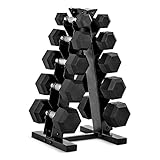
Overview: The Cap Barbell 150-pound set delivers a traditional dumbbell experience with five fixed-weight pairs and a space-efficient vertical rack. This collection includes 5, 10, 15, 20, and 25-pound rubber-coated hex dumbbells, providing a solid foundation for progressive strength training. The A-frame rack keeps your workout area organized while protecting both equipment and flooring.
What Makes It Stand Out: Fixed-weight dumbbells eliminate adjustment time between sets, letting you maintain workout momentum. The hexagonal heads prevent dangerous rolling, while the rubber coating protects floors and reduces noise. The chrome handles feature medium-depth knurling for secure grip without abrasiveness. The vertical storage rack’s rubber inserts prevent metal-on-metal contact, extending equipment life.
Value for Money: At $149.99 for 150 pounds of weight plus a commercial-style rack, you’re paying roughly $1 per pound—exceptional value for durable, fixed-weight equipment. Comparable individual dumbbells would cost significantly more, and the included rack (worth $50-70 separately) makes this a complete package. This set outperforms budget adjustable options in durability and convenience for dedicated lifters.
Strengths and Weaknesses: Pros include instant weight selection, superior durability for drops, excellent grip security, and professional-grade materials. The rack’s space-saving design fits compact home gyms. Cons involve limited weight progression (you can’t micro-load between the 5-pound increments), and the set may become insufficient as you advance beyond 25-pound curls. Multiple shipping boxes can arrive at different times.
Bottom Line: Ideal for lifters who value convenience and durability over maximum weight flexibility. This set excels for traditional strength training, HIIT circuits, and anyone tired of fiddling with adjustable mechanisms. A smart investment for building a serious home gym foundation.
2. TYZDMY Adjustable Dumbbells Set of 2,Free Weights Dumbbells Set,Adjustable Dumbbell Set,52.5 lbs pair 105 lbs,15 in 1,for Men/Women Gym Equipment for Home Strength Training Equipment

Overview: The TYZDMY adjustable dumbbells bring commercial-grade versatility to home gyms with a sophisticated quick-change mechanism. Each dumbbell adjusts from 5 to 52.5 pounds across 15 precise increments, offering a combined 105 pounds of training potential. The one-handed rotation system eliminates tedious plate changes, making these perfect for dynamic workouts.
What Makes It Stand Out: The revolutionary 1-second weight adjustment via handle rotation sets these apart from traditional spin-lock systems. A double auto-locking mechanism ensures plates stay secure when lifted, addressing safety concerns common with adjustable dumbbells. The high-strength nylon base features 10 locking grooves that precisely align components, while the ergonomic rubber-wrapped grips provide comfort during extended sessions.
Value for Money: At $259.99 for 105 pounds of adjustable weight, the per-pound cost is $2.48—competitive with premium brands like Bowflex and PowerBlock. You’re essentially getting 15 dumbbell pairs in one, saving approximately $800 versus buying individual fixed weights. The time saved during workouts adds intangible value for HIIT and circuit training enthusiasts.
Strengths and Weaknesses: Pros include lightning-fast adjustments, comprehensive weight range, robust safety locks, and space efficiency. The system accommodates everything from light rehab work to heavy presses. Cons include a higher upfront cost, potential mechanical wear over years of use, and the inability to drop them like fixed weights. The nylon base, while durable, may not match metal racks for longevity.
Bottom Line: A top-tier choice for serious home trainers prioritizing workout flow and space savings. The premium price is justified by engineering excellence and the versatility of 15 weight options. Perfect for HIIT, P90X, or any program requiring rapid weight changes.
3. FITPLAM 4 in 1 Adjustable Dumbbell Weight Set, 45lbs Free Weights with Upgraded Nut, Used as Kettlebells, Barbell, Push Up Stand for Home, Gym, Fitness, Exercise, Suitable Men/Women, Black

Overview: The FITPLAM 4-in-1 system redefines budget versatility by transforming into dumbbells, barbells, kettlebells, and push-up stands. This 45-pound set adapts to multiple training modalities, making it ideal for compact home gyms where equipment must earn its space. The detachable design allows weight customization across different exercise types.
What Makes It Stand Out: True multifunctionality at an entry-level price point distinguishes this set. The upgraded double-lock nut system provides security beyond typical budget adjustables, while dual KG/LB markings eliminate conversion headaches. Shock-absorbing PE plates protect floors, and the cement-iron sand filling keeps costs low without sacrificing functionality. The sub-2-square-foot storage footprint is remarkable.
Value for Money: At $108.99, you’re acquiring four essential gym tools for the price of one basic dumbbell set. The per-pound cost is $2.42, but the real value lies in versatility—comparable separate equipment would exceed $300. This set effectively serves beginners to intermediate users who need variety more than extreme weight.
Strengths and Weaknesses: Pros include exceptional versatility, compact storage, safety-focused double nuts, and clear weight markings. The ability to create a barbell for squats and a kettlebell for swings maximizes training options. Cons include a modest 45-pound maximum, cement filling that feels less premium than solid iron, and time needed to convert between modes. Plate grooves help gripping but may collect dirt.
Bottom Line: The ultimate space-saving solution for budget-conscious fitness enthusiasts. While not built for powerlifters, it delivers remarkable functionality for apartments or small homes. Perfect for beginners wanting diverse workouts without cluttering their living space.
4. Yaheetech 44 LB Adjustable Dumbbell Weight Set Free Weight Set for Men & Women Home Gym Office Exercise and Fitness Equipment Workout Body Building Training Black

Overview: The Yaheetech 44-pound set represents the entry-level threshold for home strength training, delivering basic adjustable functionality at an unbeatable price point. This no-frills system uses cement-filled plates coated in plastic, paired with plating iron bars and PVC grips. It’s designed for absolute beginners or those seeking supplemental light training.
What Makes It Stand Out: The $38 price tag is the primary differentiator—this is among the most affordable adjustable sets available. The plastic-coated plates protect floors from damage, making it suitable for apartment use. Its universal design works for both upper and lower body exercises, providing fundamental training capabilities without complexity.
Value for Money: At $38 for 44 pounds, the cost is $0.86 per pound—dramatically cheaper than any competitor. While build quality reflects the price, the value proposition is undeniable for budget-restricted buyers. You’re getting functional equipment that enables basic progressive overload, which is all some users need to start their fitness journey.
Strengths and Weaknesses: Pros include rock-bottom pricing, floor protection, simple assembly, and lightweight portability. The set introduces new lifters to resistance training without financial risk. Cons involve cement plates that can crack if dropped, basic PVC grips that may slip when sweaty, limited 44-pound capacity that quickly becomes insufficient, and spin-lock collars that slow weight changes. Longevity is questionable under heavy use.
Bottom Line: A bare-bones starter set for those prioritizing cost over quality. It serves its purpose for beginners or as a temporary solution, but serious lifters will outgrow it quickly. Consider this a gateway purchase—functional enough to start, affordable enough to replace later.
5. Uboway Adjustable Dumbbell Set: Pair Rainbow-colored Weights Plates Dumbbells 22.5 lbs with Storage Tray, Non-Slip Metal Grip for Home Gym Strength Training Free Weight Set for Women Men

Overview: The Uboway dumbbells target aesthetic-conscious users with vibrant rainbow-colored plates and a sleek dial-adjustment system. Each dumbbell ranges from 2.5 to 12.5 pounds, providing a combined 22.5 pounds for light strength training, cardio enhancement, and muscular endurance work. The set occupies just 0.2 square feet, making it ideal for minimalist spaces.
What Makes It Stand Out: The eye-catching rainbow design breaks from traditional black iron monotony, potentially increasing workout motivation. The dial adjustment mechanism allows faster weight changes than spin-lock systems, while high-quality stainless steel construction ensures durability despite the light weight capacity. The included storage tray maintains organization in tiny apartments.
Value for Money: At $119.99 for 22.5 total pounds, the per-pound cost is $5.33—premium pricing for limited weight. However, you’re paying for engineering, aesthetics, and space efficiency rather than raw material. This competes with fashion-forward fitness gear rather than heavy-duty equipment, making value subjective based on priorities.
Strengths and Weaknesses: Pros include rapid dial adjustments, attractive design, ultra-compact storage, non-slip metal grips, and family-friendly safety locks. The set excels for physical therapy, senior fitness, and cardio-strength hybrids. Cons include inadequate weight for serious strength gains, poor price-per-pound ratio, and limited versatility beyond light training. Advanced users will find it severely restrictive.
Bottom Line: Best suited for beginners, rehabilitation, or those integrating light weights into cardio routines. The rainbow aesthetic and compact design justify the premium for style-conscious users in small spaces. However, anyone pursuing significant muscle growth should invest in heavier options.
6. KISS GOLD Weights Dumbbells Set, Adjustable Dumbbell Sets 22Lbs 44Lbs 66Lbs 88Lbs with Solid Steel, Barbell Free Weight Set with Connector Workout Home Gym Equipment for Men Women Strength Training Shaping

Overview: The KISS GOLD Adjustable Dumbbells Set delivers remarkable versatility for home gym enthusiasts. This 44-pound system transforms from dumbbells to a barbell configuration, accommodating strength levels from beginner to intermediate. Constructed from solid steel rather than cement, the set includes multiple plate increments and a knurled chrome connector rod for comprehensive full-body training.
What Makes It Stand Out: Unlike competitors using cement fillers, these dumbbells feature genuine solid steel plates with durable TPU coating that protects floors and reduces noise. The polygonal design prevents rolling, while the threaded safety nuts ensure plates stay secure during intense workouts. The ability to convert to a barbell with the included connector adds exceptional value.
Value for Money: At $99.99 for a complete 44-pound adjustable system, this set undercuts many premium alternatives while offering superior material quality. Traditional fixed dumbbells costing this much would provide limited weight options, whereas this replaces multiple pairs and a barbell, making it an economical choice for budget-conscious fitness enthusiasts.
Strengths and Weaknesses: Strengths include durable steel construction, versatile dumbbell-to-barbell conversion, floor-protecting TPU coating, and reliable safety mechanisms. Weaknesses involve a 44-pound maximum that may not satisfy advanced lifters, and the assembly process between exercises can interrupt workout flow compared to quick-adjust systems.
Bottom Line: This KISS GOLD set excels for home users seeking versatility and durability without breaking the bank. The solid steel construction and barbell conversion capability make it a smart investment for intermediate lifters building their home gym foundation.
7. Balelinko Home Gym Equipment Workouts Strength Training Weight Loss Pilates Weights Yoga Sets Free Weights for Women, Men, Seniors and Youth, 2LB Black, Pair
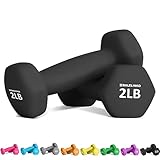
Overview: The Balelinko 2-pound neoprene dumbbells offer a simple, effective solution for light resistance training. Designed specifically for yoga, Pilates, and rehabilitation exercises, this pair provides gentle weight increments perfect for beginners, seniors, or anyone incorporating resistance into low-impact workouts. The compact design makes them ideal for home or travel use.
What Makes It Stand Out: The hexagonal shape prevents rolling between exercises, a thoughtful feature for yoga flow sequences. The soft neoprene coating provides a comfortable, moisture-absorbing grip while protecting floors from damage. At just 2 pounds each, these weights add meaningful resistance without compromising form during high-repetition movements.
Value for Money: Priced at $15.73 for the pair, these represent exceptional value for targeted applications. Comparable light dumbbells often cost more, and the durable cast-iron core ensures longevity. For yoga practitioners and physical therapy patients, this small investment yields significant functional benefits.
Strengths and Weaknesses: Strengths include the non-rolling design, comfortable grip, floor protection, and unbeatable portability. Weaknesses are the extremely limited weight range that offers no room for strength progression, and the niche application that won’t suit traditional strength training goals.
Bottom Line: These Balelinko dumbbells perfectly serve their intended purpose for yoga, Pilates, and light toning. While unsuitable for serious strength building, they’re an affordable, well-designed tool for supplemental resistance work and rehabilitation.
8. AboveGenius Barbell Weight Set for Lifting, 45 LB Weight Bar Set with Adjustable Free Weights for Workout Bar for Exercise Build Muscle in Home Gym

Overview: The AboveGenius 45-pound Barbell Set provides an entry-level solution for home-based barbell training. This adjustable system includes a 51-inch knurled bar, cement-filled plastic plates, and spring collars for basic strength exercises. The compact design targets users wanting gym-style workouts without the space requirements of full Olympic equipment.
What Makes It Stand Out: The ergonomic handles molded into each plate transform them into individual hand weights, effectively creating a 2-in-1 system. The plastic-encased cement construction prevents floor scratching and rust, while the three-piece detachable bar stores easily in small spaces. Quick assembly allows users to start workouts within seconds.
Value for Money: At $109.99, this set competes well with budget barbell options, though cement-filled plates typically cost less than iron. The included plate handles add versatility, making it comparable to purchasing separate dumbbells. However, serious lifters will quickly outgrow the 45-pound capacity.
Strengths and Weaknesses: Strengths include the dual-use plates, floor-friendly design, easy assembly, and compact storage. Weaknesses involve cement filler being less durable than solid iron, spring collars that may loosen during drops, and a weight limit insufficient for lower-body progression.
Bottom Line: This AboveGenius set suits beginners seeking affordable barbell training at home. While construction quality won’t match professional equipment, the clever plate design and user-friendly features make it a practical starting point for novice lifters.
9. Heavy Resistance Bands for Working Out, 300LBS Exercise Bands with Handles, Workout Bands for Men, Weight Fitness Bands Set for Muscle Training, Strength, Slim, Yoga, Home Gym Equipment

Overview: These Heavy Resistance Bands deliver up to 300 pounds of resistance through a premium latex system designed for serious strength training. The set includes six bands ranging from 25 to 75 pounds, military-grade ABS handles, and door anchors for comprehensive full-body workouts. Marketed primarily toward men, this portable system replaces bulky free weights.
What Makes It Stand Out: The exceptional 300-pound maximum resistance far exceeds typical tube bands, challenging even advanced athletes. Military-grade components including high-density nylon webbing and metal carabiners ensure durability under extreme tension. The modular design allows infinite resistance combinations, while the breathable foam grips maintain comfort during intense sessions.
Value for Money: At $33.97, this system offers remarkable value compared to traditional weights or machines providing equivalent resistance. The versatility eliminates need for multiple equipment purchases, and the natural latex construction promises longevity. For home gym enthusiasts, this represents massive functional value.
Strengths and Weaknesses: Strengths include extreme resistance range, premium materials, portability, and exercise versatility. Weaknesses involve the male-focused marketing that may alienate female athletes, and the inherent limitations of variable resistance compared to constant free-weight tension.
Bottom Line: These resistance bands excel for those prioritizing portability and high resistance capacity. Despite questionable gender-specific branding, the quality and performance make them an outstanding value for serious home strength training.
10. PAPIBLU Adjustable Dumbbells Set of 2, 25LBS Adjustable Weight Dumbbells Set, 5 in 1 Free Weights with Anti-Slip Handle for Home Gym, Full-Body Strength Training (Men & Women) - Pair

Overview: The PAPIBLU Adjustable Dumbbells Set revolutionizes home training with instant weight changes from 5 to 25 pounds per dumbbell. This 5-in-1 system replaces five traditional dumbbell pairs using a innovative twist-handle adjustment mechanism. Constructed from steel, PP, and TPR materials, these dumbbells prioritize both convenience and safety for efficient full-body workouts in compact spaces.
What Makes It Stand Out: The one-handed twist adjustment system enables seamless weight transitions in seconds without removing plates or using collars. An eight-groove locking mechanism automatically secures plates when lifted, preventing dangerous slippage during overhead movements. The compact footprint saves 90% storage space compared to conventional sets.
Value for Money: At $159.99, this premium-priced set justifies cost through time-saving convenience and space efficiency. While traditional adjustable dumbbells cost less, the quick-change mechanism and safety features add significant value for users in apartments or shared spaces where storage is premium.
Strengths and Weaknesses: Strengths include lightning-fast adjustments, robust safety locks, space-saving design, and comfortable grip. Weaknesses involve the 25-pound maximum per dumbbell limiting heavy lifters, and the premium price point exceeding budget alternatives with higher weight capacities.
Bottom Line: These PAPIBLU dumbbells are ideal for home gym users valuing speed and safety over maximum weight capacity. The innovative adjustment system and compact design make them perfect for efficient workouts in limited spaces.
Why Free Weights Are the Foundation of Home Strength Training
Free weights aren’t just another option—they’re the cornerstone of any serious home gym setup. Unlike machines that lock you into fixed movement patterns, dumbbells and barbells force your body to recruit stabilizing muscles, building functional strength that translates directly to real-world movements and athletic performance. Every rep with free weights becomes a full-body exercise in coordination, proprioception, and raw power development.
The metabolic cost of free weight training also dwarfs machine-based work. A simple set of dumbbell thrusters or barbell complexes can torch calories while building muscle simultaneously, making them infinitely more efficient for time-crunched lifters. Plus, the scalability is unmatched—whether you’re rehabbing an injury with 5-pound goblet squats or loading 300 pounds for heavy deadlifts, the same equipment serves every stage of your fitness journey.
Understanding Different Types of Free Weight Sets
Before you start comparing brands or hunting deals, you need to understand the fundamental categories of free weight sets. Each type serves different training styles, space constraints, and budget considerations. Making an informed choice here prevents costly mistakes and ensures your purchase aligns with your actual needs.
Cast Iron vs. Rubber-Coated Plates
Cast iron plates represent the classic, no-frills approach to weight training. They typically cost less per pound, take up slightly less space on the bar, and provide that satisfying clank serious lifters love. However, they’re prone to rust, can damage floors when dropped, and create significant noise during workouts—potentially problematic in apartments or shared spaces.
Rubber-coated plates (or bumper plates) absorb impact, protect your flooring, and dampen noise dramatically. The uniform diameter of bumper plates makes them ideal for Olympic lifts where the bar drops from height. The trade-off? Higher cost per pound and slightly more space required on weight trees. For most home gym owners, a hybrid approach works best—rubber-coated plates for the weights you use most frequently, supplemented with cast iron for heavier, less-dropped loads.
Hex Dumbbells vs. Round Dumbbells
Hex dumbbells feature flat edges that prevent rolling—a seemingly minor detail that becomes crucial when you’re doing renegade rows or storing dumbbells on a crowded floor. The rubber-coated versions also protect your floors and reduce noise. However, the welded construction can sometimes fail under extreme loads, and the coating may crack over time.
Round dumbbells, particularly pro-style versions with machined grips and bolted construction, often represent the pinnacle of durability. They roll smoothly for exercises like dumbbell push-ups with rotation, but that same mobility means you’ll need a proper rack to keep them organized. For heavy lifters, round dumbbells typically offer higher weight capacities and more robust construction.
Olympic vs. Standard Weight Sets
Olympic sets feature 2-inch diameter sleeves and bars rated for heavier loads—essential for anyone planning to squat or deadlift over 200 pounds. The rotating sleeves reduce torque on your wrists during cleans and snatches, and the standardized sizing means infinite expandability. Standard sets use 1-inch holes and typically max out around 200-300 pounds total capacity, making them suitable for beginners or those focused on lighter, higher-rep training.
The decision isn’t just about current strength levels—it’s about future-proofing your investment. Olympic equipment holds its resale value better and offers vastly more upgrade paths. Unless you’re absolutely certain you’ll never lift heavy, the modest premium for Olympic gear pays dividends in longevity and versatility.
Key Weight Range Considerations for Progressive Overload
Your free weight set should challenge you today while leaving room for tomorrow’s gains. Most trainees underestimate how quickly they’ll outgrow initial purchases, leading to frustrating plateaus or premature upgrades. A well-planned weight range strategy accounts for your current abilities, training goals, and progression timeline.
For barbell sets, consider your five major lifts: squat, deadlift, bench press, overhead press, and row. Your starting weight should be roughly 50% of your current working weight for these movements, while your maximum capacity should exceed your one-rep max by at least 50 pounds. This gives you 6-12 months of progressive overload before needing additional plates.
Dumbbell selection requires more nuance since you’ll need pairs for bilateral movements but often use single dumbbells for unilateral work. A solid starter range spans 5-50 pounds in 5-pound increments, with the understanding that you’ll add 55s, 60s, and beyond within your first year of consistent training. The ability to purchase individual pairs as you grow is crucial—avoid sets that lock you into fixed increments or pre-selected ranges.
Material Quality and Durability: What to Look For
The difference between a weight set that lasts decades and one that fails within months often comes down to material specifications most buyers ignore. Cast iron quality varies dramatically—look for plates made from ASTM-grade iron with minimal porosity (those tiny holes that weaken the structure). High-quality plates feel dense and sound solid when tapped, while cheap versions ring hollow and may crack under load.
For rubber-coated equipment, not all rubber is created equal. Virgin rubber offers superior durability and odor control compared to recycled rubber, which can smell strongly for months and degrade faster. The bonding process matters too—plates where the rubber is molded directly to the iron core resist separation far better than those with glued-on coatings. Check the edges where rubber meets metal; gaps or uneven seams signal poor manufacturing.
Handle construction on dumbbells and bars deserves equal scrutiny. Cold-rolled steel with chrome or zinc plating resists corrosion, while bare steel requires regular oiling but provides unmatched grip feel. The knurling pattern—those cross-hatched cuts in the grip—should be sharp enough to prevent slipping but not so aggressive it tears your hands during high-rep sets.
Grip Design and Ergonomics: The Often Overlooked Factor
You grip every weight you lift, yet most buyers obsess over poundage while ignoring how the equipment feels in their hands. This oversight leads to compromised form, grip fatigue, and even forearm injuries that stall progress. The perfect grip diameter varies by exercise and hand size, but most lifters find 28-30mm barbells and 32-35mm dumbbell handles optimal for heavy pulling and pressing movements.
Knurling patterns fall into three categories: passive, moderate, and aggressive. Passive knurling suits high-rep metabolic work and lifters with sensitive hands but may feel slippery during maximal efforts. Aggressive knurling locks your grip for heavy deadlifts and rows but can be uncomfortable for higher-volume training. Moderate knurling offers the best compromise for home gym owners who need one bar to do everything.
Contoured dumbbell grips promise ergonomic comfort but actually reduce contact surface area during heavy lifts, potentially compromising stability. Straight handles with consistent diameter throughout provide superior control for compound movements. Some premium dumbbells feature rotating handles that reduce torque during curls and presses—a nice touch for those with wrist issues but unnecessary for most trainees.
Space Optimization Strategies for Home Gyms
Square footage is the ultimate constraint in home gym design, and free weight sets can devour space quickly if you’re not strategic. A full Olympic barbell set with 300+ pounds of plates typically requires 50-75 square feet of dedicated workout space plus storage. Before purchasing, map out your lifting area with painter’s tape, accounting for barbell length (7 feet) and your body’s extended range during exercises like lunges and overhead presses.
Vertical Storage Solutions
Floor space is precious; vertical space is often underutilized. A quality weight tree can store 500+ pounds of plates in a 2x2 foot footprint. Look for trees with angled pegs that prevent plates from sliding off and rubber feet that protect your floor. Some models include integrated barbell holders, consolidating your storage needs further.
Wall-mounted plate storage offers even greater space efficiency, though it requires sturdy wall construction and proper installation into studs. These systems keep weights off the floor entirely, making cleaning easier and reducing tripping hazards. Just ensure the mounting height allows you to lift plates off safely without straining your back.
Foldable and Modular Options
If you’re working with a multi-use space like a living room or bedroom, modular dumbbell systems that consolidate multiple weights into one adjustable unit can be game-changers. While traditionalists argue these don’t feel as solid as fixed dumbbells, modern selectorized systems have closed the gap significantly. The trade-off is cost per pound—adjustable systems typically cost more initially but save massive amounts of space.
Budget Allocation: Getting Maximum Value
Building a comprehensive free weight collection represents a significant investment, but strategic spending prevents waste. Allocate 60% of your budget to your primary barbell and plates, 30% to dumbbells, and 10% to accessories like collars and storage. This ratio ensures you have the heavy lifting capacity for compound movements while still supporting accessory work.
Cost Per Pound Analysis
Calculate cost per pound by dividing the total price by the total weight. Quality Olympic plates typically run $1.50-2.50 per pound new, while standard plates may be $1-1.50 per pound. Dumbbells generally cost $1.50-3 per pound depending on construction and coating. When you find deals significantly below these ranges, inspect carefully for quality issues—cracked rubber, loose heads, or rust spots that indicate poor storage.
Consider buying used equipment from commercial gyms upgrading their inventory. These pieces often show cosmetic wear but retain structural integrity, offering 40-60% savings. Inspect for cracks, test collars for tightness, and check barbell sleeves for smooth rotation before purchasing. Avoid equipment from home gyms where you can’t verify usage history—dropped weights on concrete can develop invisible stress fractures.
Safety Features That Matter More Than You Think
A 300-pound barbell crashing to the floor because of a failed collar transforms your workout from productive to catastrophic in seconds. Spring collars may suffice for light work, but lever-lock or screw-lock collars provide the security needed for heavy lifts. Look for collars with rubberized interiors that grip the bar without damaging it, and test the locking mechanism repeatedly before trusting it with heavy loads.
Weight integrity extends beyond the plates themselves. Check dumbbell heads for secure attachment—wobbling heads indicate loose welds or bolts that will fail eventually. For barbells, examine the sleeve attachment to the shaft. Spin the sleeves; they should rotate smoothly without wobble. Any grinding sensation suggests worn bearings or bushings that compromise the bar’s structural integrity.
Floor protection isn’t just about preventing cracks in your concrete—it’s about safety. Dropping weights on unprotected surfaces creates unpredictable bounce patterns that can strike your ankles or shins. At minimum, invest in 3/4-inch rubber horse stall mats. For Olympic lifting platforms, consider building a dedicated area with multiple layers of plywood and rubber to absorb impact properly.
Versatility Factor: Maximizing Exercise Options
The true value of a free weight set emerges from its ability to train every muscle group through countless movement patterns. A barbell with 200+ pounds of plates and a pair of dumbbells from 5-50 pounds enables literally hundreds of exercises. But certain features expand this versatility even further.
Accessory Compatibility
Olympic bars with standard sleeve dimensions accept numerous attachments—landmine pivots for rotational work, cable pulley systems for isolation movements, and specialty handles for grip training. When selecting your barbell, verify it has smooth rotating sleeves and standard dimensions that accept these add-ons. Some budget bars use non-standard sleeve sizes that limit future upgrades.
Dumbbells with contoured ends that fit securely on your thighs enable weighted hip thrusts and glute bridges without rolling. Flat-ended hex dumbbells double as push-up handles and platforms for deficit movements. These small design details multiply your exercise options without requiring additional equipment purchases.
The Importance of Weight Increments and Microloading
Progressive overload demands small, consistent increases in resistance. Standard 5-pound jumps work for beginners but quickly become too large for intermediate lifters, forcing compromised form or missed reps. A complete free weight set should include 2.5-pound plates, and ideally, a set of fractional plates (0.5-1 pound increments).
Microloading becomes crucial for upper body movements like overhead press and bench press, where 5-pound jumps represent a 5-10% increase in load. Fractional plates allow 1-2% weekly progressions, aligning with optimal muscle and strength gain rates. Some lifters even create DIY microloads using washers or chains, but purpose-made fractional plates ensure accurate, consistent loading.
Consider how increments affect dumbbell training too. Jumping from 25 to 30-pound dumbbells is a 20% increase—far too aggressive for most isolation exercises. Sets that include 27.5-pound pairs, or adjustable dumbbells with 2.5-pound increments, maintain progressive overload momentum. This granularity separates equipment that supports long-term gains from sets that stall progress prematurely.
Storage Solutions That Keep Your Space Functional
A cluttered gym kills motivation and creates hazards. Your storage system must be robust enough to hold your current collection while accommodating future additions. Weight trees should have pegs spaced to prevent plates from overlapping, with the lowest peg positioned high enough that you’re not deadlifting plates off the floor to load your bar.
Wall-Mounted Options
Wall-mounted storage racks for dumbbells save enormous floor space but require careful planning. Install them at heights where the heaviest dumbbells sit at waist level—lifting 80-pound dumbbells from shoulder height invites injury. Ensure the rack depth matches your dumbbell length; protruding handles create tripping hazards in tight spaces.
For plate storage, vertical wall racks with safety lips prevent plates from sliding forward. Mount these in a location where you can approach head-on, never from the side where a slipped plate could fall on your foot. The mounting hardware should be rated for at least twice the total weight you plan to store, accounting for dynamic loading when you rack plates forcefully.
DIY Storage Considerations
Building your own storage can save money but demands precision. Wooden dumbbell racks must use hardwood like oak or maple, not pine, which cracks under load. Drill holes for the supports at slight upward angles so gravity keeps dumbbells seated. For plate storage, steel pipe mounted in a sturdy wooden frame outperforms wood pegs, which can shear off under heavy loads. Always over-engineer DIY solutions—when in doubt, use thicker material and more fasteners.
Maintenance and Longevity: Protecting Your Investment
Free weights can last decades with minimal care or deteriorate in months with neglect. The difference comes down to environmental control and simple maintenance routines. Keep humidity below 50% in your gym space; moisture is the enemy of iron. A dehumidifier costs far less than replacing rusted equipment.
Cleaning Protocols
Wipe down equipment after each session with a dry cloth to remove sweat and skin oils that promote rust. Weekly, use a mild soap solution on rubber-coated surfaces, followed by thorough drying. For bare steel bars, monthly application of 3-in-1 oil on the shaft prevents oxidation while maintaining natural grip feel. Never use harsh chemicals or abrasive pads—they damage protective coatings and create rust entry points.
Rust Prevention
Even in dry climates, bare iron plates develop surface rust. Address this immediately with fine steel wool and rust-inhibiting spray paint. For barbell sleeves, periodically remove them (if your bar design allows) to clean and lubricate the bushings or bearings. This 30-minute annual maintenance extends bar life by years and preserves smooth rotation for Olympic lifts.
When plates show signs of cracking—particularly rubber-coated versions—replace them immediately. Structural integrity loss isn’t always visible; listen for rattling sounds that indicate internal separation. A failing plate can shatter under load, creating a dangerous projectile situation.
Common Purchasing Mistakes to Avoid
The most frequent error is buying based on current strength levels without accounting for progression. That 200-pound barbell set feels adequate today, but six months of consistent training will have you searching marketplace listings for additional plates. Purchase with a 12-18 month progression timeline in mind, even if it means starting with fewer total plates at higher quality.
Another critical mistake is prioritizing quantity over quality. Ten pairs of cheap dumbbells with wobbling heads and uncomfortable grips waste money compared to five pairs of well-made weights you’ll actually use. The same principle applies to plates—a few precisely calibrated, durable plates outperform a larger collection of uneven, rust-prone weights.
Ignoring warranty and return policies costs buyers dearly. Quality manufacturers back their equipment with multi-year warranties against defects. Read the fine print—some warranties cover only the original purchaser and require registration within 30 days. Save all packaging until you’ve tested equipment thoroughly; returning a 300-pound weight set without original boxes is nearly impossible.
Integrating Free Weights With Your Existing Setup
Your free weight set doesn’t exist in isolation—it must work seamlessly with your bench, rack, and other equipment. Barbell sleeve length matters here; shorter sleeves limit total plate capacity and may not accommodate thick bumper plates alongside smaller iron plates. Measure your rack’s J-cup width and ensure your barbell’s sleeve length clears them with plates loaded.
Power Rack Considerations
Power racks require specific barbell dimensions—standard 7-foot Olympic bars fit most racks, but some compact home gym racks need shorter 6-foot bars. Check the rack’s weight capacity; many budget racks top out at 500 pounds, insufficient for serious lifters. The rack’s hole spacing affects safety pin placement; Westside spacing (1-inch intervals near chest height) allows precise bench press safety settings.
Cable Attachment Options
Transform your free weights into a cable system with a simple pulley apparatus. This setup requires weight plates with standard center holes (Olympic plates need adapters) and a loading pin strong enough to hold your plates. The versatility gain is enormous—lat pulldowns, triceps pushdowns, and cable rows become possible without a dedicated cable machine. Ensure your ceiling height accommodates the pulley system with full arm extension.
Long-Term Value: Thinking Beyond the Initial Purchase
The cheapest set rarely offers the best value. Calculate total cost of ownership over five years, factoring in replacement needs, expansion costs, and resale value. Quality Olympic plates retain 60-70% of their value on the used market; cheap department store weights often can’t be given away. A $500 set you use for five years costs $8.33 per month—far less than a gym membership.
Expandability
Choose equipment from manufacturers with extensive product lines. Companies that offer individual plate pairs, specialty bars, and matching storage solutions simplify future expansion. Some brands use proprietary designs that lock you into their ecosystem—convenient but potentially costly. Standardized Olympic equipment provides maximum flexibility, allowing you to mix brands as deals arise.
Resale Value
Should you move or upgrade, premium equipment sells quickly. Brands known for commercial quality command higher resale prices. Keep original documentation and maintain equipment properly; a well-cared-for barbell with documented maintenance history can fetch near-retail prices. Document your purchase dates and weights; buyers pay premiums for complete sets with known histories over random collections.
Building Your Progressive Overload Strategy
Equipment is only as good as the program you follow. Your free weight set enables multiple progression models; understanding them ensures you select weights that support your training style. Linear progression—adding 5 pounds weekly—works for beginners but requires plates in small increments. Daily undulating periodization, where you vary intensity across sessions, demands a wider weight selection to hit specific percentages.
Deload Protocols
Smart training includes planned deload weeks at 40-60% intensity. Your lightest plates suddenly become crucial during these recovery periods. Don’t view 2.5 and 5-pound plates as “beginner weights”—they’re essential tools for managing fatigue and preventing overtraining. A complete set includes enough small plates to drop to these deload percentages while maintaining proper bar height for movements like deadlifts.
Frequently Asked Questions
How much weight should I buy initially for a home gym?
Start with a barbell set totaling 200-300 pounds, including 2.5, 5, 10, 25, and 45-pound plates. This allows working weights from 55 pounds (empty bar plus 2.5s) to 300 pounds, covering most lifters’ needs for 12-18 months. Add dumbbells from 5-50 pounds in 5-pound increments, then expand based on your progression rate.
Are rubber-coated weights worth the extra cost?
For home gyms, absolutely. The noise reduction alone makes them worth the premium, especially in shared living spaces. They protect your floors from drops, resist rust better than bare iron, and have higher resale value. Calculate the cost difference over five years of use—it typically amounts to just a few dollars monthly for significantly better training experience.
What’s the difference between Olympic and standard weights, and does it matter?
Olympic equipment uses 2-inch diameter holes and bars, supporting heavier loads with rotating sleeves for advanced lifts. Standard equipment uses 1-inch holes and typically maxes out around 200-300 pounds total capacity. For anyone planning to lift heavy or progress beyond beginner levels, Olympic equipment is non-negotiable. The initial price difference is minimal compared to replacement costs later.
How do I know if a barbell is good quality?
Check the steel type (chrome-molybdenum alloy is premium), knurling consistency, sleeve rotation smoothness, and warranty length. A quality barbell weighs exactly 45 pounds (or 20kg), has sleeves that spin freely without wobble, and features moderate knurling that grips without tearing skin. Avoid bars with unspecified weight limits or sleeves that feel gritty when rotated.
Can I mix different brands of plates and bars?
Yes, if they’re Olympic-standard equipment. The 2-inch sleeve diameter is universal across quality brands, allowing mixing. However, plate thickness varies, affecting how much weight fits on the bar. Stick to similar thickness plates for your heaviest loads to ensure adequate sleeve space. Standard 1-inch equipment is less universal—some brands have slight diameter variations that create fit issues.
What’s the best way to store free weights in a small apartment?
Wall-mounted vertical storage maximizes floor space. Install a wall-mounted plate rack at chest height and a vertical dumbbell rack that holds weights in a column rather than spreading them horizontally. Use the space under your bed for rarely-used plates, and consider adjustable dumbbells that replace 10+ pairs. Always secure storage to studs, never drywall alone.
How often should I replace my free weights?
Quality free weights last decades with proper care. Replace them when you notice structural damage—cracked plates, loose dumbbell heads, or bent bars. Surface rust is cosmetic and treatable, but deep pitting compromises integrity. Bars that develop permanent bends or sleeves that seize despite maintenance need replacement. Most lifters never need to replace quality equipment, only add to it.
Are adjustable dumbbells as good as fixed dumbbells?
Modern adjustable dumbbells like PowerBlock or Bowflex models offer 90% of the functionality with massive space savings. They excel for moderate-weight, high-rep work but may feel slightly less stable for maximal lifts above 80 pounds. For most home gym owners, a hybrid approach works best—adjustable dumbbells for weights 5-50 pounds, then fixed dumbbells for heavier loads you use less frequently.
What safety equipment do I need with free weights?
At minimum, invest in quality collars, a pair of lifting straps for heavy pulls, and 3/4-inch rubber flooring. If bench pressing alone, get a power rack with safety pins or spotter arms. For overhead work, consider crash pads or a platform. Knee sleeves and wrist wraps aren’t mandatory but support joint health during heavy training. Never lift heavy overhead alone without safety catches.
How do I maintain my free weights to prevent rust?
Control humidity below 50% with a dehumidifier. Wipe equipment dry after each use, and apply 3-in-1 oil to bare steel monthly. Store plates off concrete floors using rubber mats or wood platforms. For existing rust, use fine steel wool and rust-inhibiting spray paint. Keep chalk use minimal—excess chalk absorbs moisture and accelerates rust. Inspect equipment quarterly for early signs of corrosion.