The moment the sun dips below the horizon and conventional frisbee games fade into darkness, a different breed of competitor emerges. Night ultimate frisbee isn’t just a novelty—it’s a rapidly growing subculture that transforms familiar fields into glowing arenas of strategy, skill, and pure adrenaline. The right glow-in-the-dark disc becomes your beacon, your weapon, and your guide through the shadows, fundamentally changing how you perceive movement, spacing, and timing on the field.
But not all illuminated discs are created equal. The difference between a frustrating night of lost passes and an epic glow tournament comes down to understanding the nuanced technology, flight physics, and practical considerations that separate premium night discs from mere toys. Whether you’re organizing your first after-dark pickup game or establishing a competitive night league, mastering these elements will elevate your nocturnal play from casual fun to serious sport.
Top 10 Glow-in-the-Dark Ultimate Frisbees
Detailed Product Reviews
1. Discraft Glow Ultrastar (Nite Glo) Ultimate Frisbee Sport Flying Disc

Overview: The Discraft Glow Ultrastar is the official disc of USA Ultimate, bringing tournament-grade quality to nighttime play. Weighing 175 grams with a 10.75-inch diameter, this phosphorescent disc meets all professional specifications while adding glow-in-the-dark functionality for evening games.
What Makes It Stand Out: Its official USAU certification sets it apart from recreational competitors. The Nite Glo technology charges under light and provides extended glow time, while Discraft’s renowned aerodynamic design ensures consistent flight patterns that serious players demand. This isn’t a toy—it’s professional equipment that happens to glow.
Value for Money: At $14.11, you’re paying a modest premium for official status and proven performance. While cheaper alternatives exist, none carry the tournament approval that guarantees consistent weight, balance, and durability. For competitive players who practice after dark, this represents excellent long-term value.
Strengths and Weaknesses: Pros include official USA Ultimate certification, reliable brand reputation, consistent flight characteristics, and decent glow duration. Cons involve the glow requiring periodic recharging under bright light, and the price point being higher than generic alternatives. The phosphorescent effect, while functional, won’t match LED brightness.
Bottom Line: Perfect for serious ultimate players who need official equipment for practice and casual night games. The Discraft Ultrastar’s reputation for quality justifies the investment, making it the smart choice for those who prioritize performance over flashy features.
2. Wham-O Glow Umax 175 Gram Ultimate Frisbee Disc

Overview: The Wham-O Glow Umax offers budget-conscious players an entry point into nighttime ultimate frisbee. With approximately 175 grams of weight and a 10.78-inch diameter, this disc brings the iconic Wham-O brand name to glow-in-the-dark recreation at an accessible price point.
What Makes It Stand Out: The sub-$9 price tag is this disc’s most compelling feature, making it one of the most affordable glow frisbees from a recognized manufacturer. Wham-O’s decades of frisbee production experience ensures basic aerodynamic competence, while the assorted stamp colors add an element of surprise to each order.
Value for Money: At $8.99, this represents exceptional value for casual players and families. While it lacks official certification, the cost savings are substantial compared to tournament-grade alternatives. It’s an ideal choice for backyard play, beach trips, or introducing newcomers to the sport without significant investment.
Strengths and Weaknesses: Pros include unbeatable affordability, recognizable brand heritage, and adequate performance for recreational use. Cons feature the approximate weight specification (suggesting potential quality control variations), lack of official status, and basic glow technology that may fade quickly. The random stamp colors might disappoint those wanting specific aesthetics.
Bottom Line: An excellent starter disc for casual play and families. While not suitable for competitive ultimate, the Wham-O Glow Umax delivers acceptable nighttime fun at a price that’s hard to beat, making it perfect for occasional use and budget-minded buyers.
3. Toysery Light Up Flying Disc - LED Frisbee, Glow in The Dark, Easy to Use, Ideal Camping Game, Fun Outdoor/Indoor Birthday Toys for Boys/Girls/Kids/Adults, 175g

Overview: The Toysery Light Up Flying Disc revolutionizes nighttime play with active LED illumination rather than passive phosphorescence. This 175-gram disc combines standard ultimate dimensions with battery-powered lighting, creating a flying glow stick effect that’s visible in complete darkness for camping and evening entertainment.
What Makes It Stand Out: The integrated LED system provides constant, bright illumination without requiring recharging under light. Batteries come pre-installed for immediate fun, and the water-resistant construction adds durability for beach and lake activities. This modern approach eliminates the dimming issues of traditional glow discs.
Value for Money: Priced at $14.48, the value hinges on the LED technology and included batteries. While more expensive than basic glow discs, the consistent brightness and versatility justify the cost for those prioritizing visibility. However, ongoing battery replacement expenses should factor into long-term value calculations.
Strengths and Weaknesses: Pros include superior brightness, water resistance, ready-to-use packaging, and appeal across all age groups. Cons involve eventual battery replacement costs, potential electronic failure, and lack of official ultimate certification. The LED weight distribution might slightly alter flight characteristics compared to standard discs.
Bottom Line: Ideal for campers, party planners, and families wanting maximum nighttime visibility. Choose this LED option over phosphorescent discs if brightness is your priority, but competitive players should stick with traditional glow discs for authentic flight feel.
4. ISD Toys Glow in The Dark Ultimate with Soft Grip Frisbee Disc 175 Grams,10.5 inches Sport Disc, Great for Backyard, Park, Beach, Camping, pet and More (White)
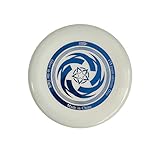
Overview: The ISD Toys Soft Grip Frisbee prioritizes comfort and versatility in a glow-in-the-dark package. Weighing 175 grams with a 10.5-inch diameter, this disc features specialized soft grip technology and durable PE construction designed for recreational use across multiple settings from backyards to beaches.
What Makes It Stand Out: The soft grip technology distinguishes this disc from harder tournament-grade alternatives, reducing hand fatigue during extended play. Available in four colors (white, blue, green, red), it offers aesthetic choice while maintaining consistent performance. The environmental protection PE material promises drop-resistance and flexibility.
Value for Money: At $12.95, this disc occupies the middle ground between budget and premium options. The comfort features and material quality justify the price for recreational players, though competitive athletes might prefer certified alternatives. It delivers good value for families and casual users seeking durability and comfort.
Strengths and Weaknesses: Pros include comfortable soft grip, durable construction, multiple color options, and versatility for various activities including pet play. Cons include lack of official ultimate certification, potential for grip material to wear over time, and unknown brand reputation compared to industry leaders. The slightly smaller diameter may affect flight characteristics.
Bottom Line: A solid recreational disc perfect for families, casual players, and those prioritizing comfort over competition-level performance. The soft grip makes it particularly suitable for younger players and extended beach sessions where hand comfort matters most.
5. ISD Toys Glow in The Dark Ultimate with Soft Grip Frisbee Disc 175 Grams,10.5 inches Sport Disc, Great for Backyard, Park, Beach, Camping, pet and More (Green)

Overview: The green variant of ISD Toys’ Soft Grip Frisbee delivers identical performance to its white counterpart with an alternative aesthetic. This 175-gram, 10.5-inch disc combines the same soft grip technology and durable PE construction, offering recreational players a color choice without compromising on comfort-focused design.
What Makes It Stand Out: Beyond the soft grip technology, the four-color availability (white, blue, green, red) allows personalization while maintaining consistent quality. The green option provides better daytime visibility than white while still delivering glow-in-the-dark functionality for evening play, making it versatile across lighting conditions.
Value for Money: At $12.95, the value proposition mirrors the white version exactly—reasonable mid-range pricing for comfort features and material quality. Color choice doesn’t affect cost, so buyers can select based purely on preference. The environmental protection PE construction ensures durability that justifies the investment for regular recreational use.
Strengths and Weaknesses: Pros include the same comfortable soft grip, drop-resistant construction, color customization, and multi-setting versatility. Cons remain identical: no official certification, potential grip wear, and lesser-known brand status. The green color may show dirt more easily than darker options but offers excellent daytime tracking.
Bottom Line: Choose the green version if you prefer better daytime visibility and a sportier look. Identical in performance to other colors, it’s ideal for recreational players, families, and casual ultimate games where comfort and personal style matter more than competitive certification.
6. Discraft Ultimate Disc - Ultra Star 175g - Glow

Overview: The Discraft Ultra-Star 175g Glow edition brings the gold standard of Ultimate Frisbee to nighttime play. As the official disc of USA Ultimate, this phosphorescent version maintains the same trusted design that has dominated the sport since 1981. Engineered for competitive play, it offers the perfect balance of weight, stability, and flight predictability that serious players demand, now with added visibility for evening sessions.
What Makes It Stand Out: Discraft’s reputation for consistency shines through in this glow variant. The disc charges quickly under sunlight or artificial light, providing extended luminescence for after-dark games. Its 175-gram regulation weight and 10.75-inch diameter meet all tournament specifications, making it the only glow disc that competitive players can trust for true practice sessions. The advanced aerodynamic profile maintains release angles longer than recreational alternatives, ensuring your throws behave predictably even in low-light conditions.
Value for Money: At $18.14, this sits at the premium end of glow discs, but you’re paying for legitimate Ultimate pedigree. Unlike generic glow frisbees, this delivers professional-grade performance that won’t compromise your technique. For dedicated players who train at all hours, the investment pays dividends in consistent flight patterns and durability.
Strengths and Weaknesses: Pros include tournament-legal specifications, exceptional durability, superior flight stability, and trusted brand reputation. The glow intensity, while functional, may not match LED-lit alternatives for maximum brightness. The price point is higher than casual alternatives, and it lacks the soft-grip coatings some recreational users prefer.
Bottom Line: For serious Ultimate players seeking a regulation-compliant glow disc that performs like their day-game equipment, this is the definitive choice. Casual players may find better value elsewhere, but competitors will appreciate the uncompromising quality.
7. ISD Toys Glow in The Dark Ultimate with Soft Grip Frisbee Disc 175 Grams,10.5 inches Sport Disc, Great for Backyard, Park, Beach, Camping, pet and More (Blue)

Overview: The ISD Toys Glow Frisbee positions itself as a versatile, budget-friendly option for recreational players seeking nighttime fun. Constructed from environmental protection PE material, this 175-gram disc targets families, beach-goers, and casual park players rather than competitive athletes. With its soft-grip technology and 10.5-inch diameter, it prioritizes user-friendliness over professional specifications.
What Makes It Stand Out: The soft-grip coating distinguishes this from harder competition-grade discs, making it comfortable for extended casual play and safer for children and pets. Available in four colors (white, blue, green, red), it offers aesthetic variety beyond the standard glow-green. The manufacturer emphasizes drop-resistance and flexibility, suggesting it can withstand rough handling from both players and enthusiastic dogs.
Value for Money: At $12.95, this represents excellent value for casual users. You’re getting a functional glow disc with thoughtful recreational features at a price point significantly below premium brands. While it may not deliver tournament-level performance, the cost-to-feature ratio is compelling for backyard entertainment.
Strengths and Weaknesses: Pros include affordable pricing, soft-grip comfort, durable PE construction, multiple color options, and pet-friendly design. Cons involve uncertain aerodynamic performance for serious throws, potential inconsistency in flight compared to regulation discs, and a brand without established Ultimate credibility. The slightly smaller 10.5-inch diameter may affect grip for players with larger hands.
Bottom Line: Perfect for families, casual beach trips, and recreational play where fun trumps competitive precision. Competitive Ultimate players should look elsewhere, but for affordable nighttime entertainment, this delivers solid performance.
8. Wham-O UMAX Night Glow 175g Ultimate Frisbee Disc
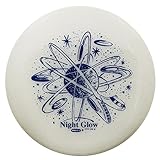
Overview: The Wham-O UMAX Night Glow disc leverages the iconic Frisbee brand’s heritage while targeting the Ultimate market. As Wham-O’s dedicated Ultimate line, the UMAX series aims to bridge the gap between recreational toys and sport equipment. This 175-gram glow variant brings the company’s decades of flying disc experience to evening play sessions, promising reliable performance for casual league players.
What Makes It Stand Out: Wham-O’s brand recognition carries significant weight in the recreational market. The UMAX line specifically addresses Ultimate players’ needs rather than being a multipurpose beach toy. While details are sparse, the Night Glow designation suggests a phosphorescent treatment similar to competitors, offering extended play after sunset without battery-powered LEDs that can fail or affect flight characteristics.
Value for Money: Priced at $13.39, this occupies a sweet spot between budget generics and premium competition discs. You’re paying for Wham-O’s quality control and brand reputation without the Discraft premium. For players transitioning from casual to more serious play, it offers an accessible entry point that won’t break the bank.
Strengths and Weaknesses: Pros include trusted brand heritage, Ultimate-specific design, competitive pricing, and likely decent durability for regular use. The lack of detailed feature information is concerning, suggesting it may not match Discraft’s performance specifications. Wham-O’s focus on recreational markets may mean compromises in flight stability and consistency compared to USA Ultimate-approved alternatives.
Bottom Line: A solid middle-ground choice for intermediate players or Wham-O loyalists. It offers reliable quality for casual league play and practice, though serious competitors will eventually want to upgrade to tournament-approved equipment. The brand name provides peace of mind for general consumers seeking dependable performance.
9. INGEAR Start Runner Glow in The Dark Ultimate Frisbee Disc 175 Grams Disc Golf Disc (Yellow)
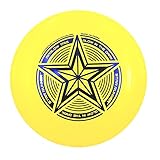
Overview: The INGEAR Start Runner Glow Disc emphasizes safety and versatility with its chemical glow technology and water-safe construction. Marketed somewhat confusingly as both an Ultimate Frisbee and disc golf disc, this 175-gram flyer targets families and recreational players who prioritize durability over competitive performance. Its phosphorescent design charges without electronics, making it pool and beach-friendly.
What Makes It Stand Out: The water-safe, electronics-free design is a major differentiator. Unlike LED discs that can fail when wet, this chemical glow version thrives in aquatic environments. The manufacturer highlights child-safe, flexible plastic that maintains shape while being gentle on impact. The emphasis on being “dog-friendly” and crack-resistant appeals to active families who play hard without worrying about equipment damage.
Value for Money: At $14.50, it’s reasonably priced for a specialized recreational disc. The durability claims and water-safe design justify a slight premium over basic glow frisbees. For beach and pool use, the peace of mind regarding water damage adds significant value that cheaper alternatives can’t match.
Strengths and Weaknesses: Pros include water-safe construction, no electronics to fail, durable flexible plastic, child-safe design, and regulation weight. Cons involve questionable marketing (disc golf/ultimate confusion), unknown aerodynamic performance for serious play, and potentially less precise flight than competition-grade discs. The yellow color may not glow as brightly as traditional green phosphorescent materials.
Bottom Line: Ideal for families seeking a versatile, durable disc for water activities and casual play. The water-safe feature makes it uniquely suited for beach and pool environments. Competitive Ultimate players should consider it a recreational backup rather than primary equipment.
10. Discraft Ultra-Star 175g Ultimate Disc + Free Mini Frisbee + Ultimate Disc Sticker (USA Ultimate Approved) - Glow

Overview: This Discraft Ultra-Star bundle packages the official USA Ultimate disc with a mini frisbee and sticker, offering the complete branded experience. The 175g Ultra-Star represents the pinnacle of Ultimate disc design, with decades of refinement backing its aerodynamic profile. This glow variant maintains all the performance characteristics that make it the tournament standard worldwide.
What Makes It Stand Out: You’re getting the exact same disc used in professional competition with legitimate glow capability. The included mini frisbee and sticker add collector appeal and make it gift-ready. Discraft’s advanced aerodynamics deliver superior distance and stability, maintaining release angles for predictable flight paths. The 10.75-inch diameter and regulation weight ensure your practice translates directly to competitive play.
Value for Money: At $17.31 with extras, this offers compelling value. The standalone Ultra-Star typically retails for $12-15, making the bundle pricing attractive. For players building their Ultimate kit, the extras are welcome bonuses rather than gimmicks, essentially providing free accessories with your premium disc purchase.
Strengths and Weaknesses: Pros include official USA Ultimate approval, unmatched flight performance, superior stability, included accessories, and proven tournament durability. The glow intensity may be less brilliant than LED alternatives, and casual players might not need competition-level precision. Some may find the mini disc and sticker unnecessary, though they add value for enthusiasts.
Bottom Line: The definitive choice for serious players who want regulation-compliant equipment that performs identically day or night. The glow feature adds versatility without compromising the Ultra-Star’s legendary performance. Casual players can save money with alternatives, but competitors should consider this essential equipment.
Why Night Ultimate Frisbee Changes Everything
The transition from daylight to darkness fundamentally alters the ultimate frisbee experience. Depth perception shifts dramatically, forcing players to develop heightened spatial awareness and rely more on auditory cues and peripheral vision. The glowing disc becomes a focal point that tracks differently through the air, creating a mesmerizing tracer effect that can either help or hinder catching depending on the illumination quality. Night games typically slow down initially as players adjust, but they reward precision over raw speed, making them excellent training grounds for fundamentals. The social dynamic also transforms—players report stronger team bonding and increased communication when visual cues are limited. Understanding these psychological and physiological changes helps you appreciate why equipment selection matters more at night than during day games.
Understanding Glow-in-the-Dark Disc Technology
Modern illuminated discs employ two distinct technological approaches, each with profound implications for gameplay. Phosphorescent discs absorb UV light during the day and emit a sustained greenish glow for 2-4 hours, offering simplicity but diminishing brightness over time. LED-based systems use embedded lights powered by coin-cell batteries or rechargeable cells, providing consistent illumination but adding weight and complexity. The critical distinction lies in activation: phosphorescent discs require pre-charging and fade predictably, while LED discs offer on-demand brightness but can fail mid-game if power management isn’t handled properly. Advanced hybrid models now combine both technologies, using phosphorescent material as a backup when batteries deplete. Understanding the photometric properties—measured in millicandela for phosphorescent materials and lumens for LEDs—helps you evaluate whether a disc will remain visible during a fast-paced cutting sequence in deep shadow.
LED vs Phosphorescent: Which Glow System Reigns Supreme?
The Science Behind Phosphorescent Discs
Phosphorescent discs utilize strontium aluminate crystals suspended in the plastic polymer, a material that absorbs photons and releases them slowly over time. The glow duration depends on the crystal density and purity—premium discs use Grade 0 crystals with 30% concentration by weight, while budget options might use only 10-15% zinc sulfide. The excitation wavelength matters critically: these materials respond best to UV-A light (365-405nm), meaning a dedicated UV flashlight for pre-game charging yields 3x brighter initial glow than sunlight alone. However, the exponential decay curve means brightness halves every 30-45 minutes, creating strategic considerations for tournament pacing. Temperature also affects performance—cold conditions below 50°F can reduce glow intensity by 40% as molecular motion slows.
LED-Illuminated Systems Explained
LED discs integrate 2-6 micro LEDs into the rim or flight plate, typically drawing 20-50mA from CR2032 batteries or 3.7V lithium-polymer cells. The most advanced systems use side-firing LEDs that illuminate the entire disc edge, creating a 360-degree visible ring crucial for tracking rotational speed and wobble. Color selection impacts perceived brightness—green LEDs at 520nm appear brightest to human night vision, while red LEDs preserve dark adaptation but appear dimmer. Pulse-width modulation in premium circuits prevents the stroboscopic effect that can make catches difficult, instead providing steady illumination that doesn’t distract during flight. Battery placement affects balance—center-mounted cells maintain neutral flight characteristics, while rim-mounted power sources can create subtle stability changes that experienced handlers exploit for specialized throws.
Essential Flight Characteristics for Night Play
Weight Distribution and Stability
Night discs typically weigh 175-185 grams compared to the standard 175-gram day disc, with the added mass from LED components or denser phosphorescent materials. This extra weight concentrates in specific zones, altering the moment of inertia. A disc with rim-weighted LEDs will exhibit greater angular momentum, resisting turnover on high-release backhands but requiring more torque for quick-release flicks. The location of the glow elements creates a new variable: phosphorescent discs distribute weight evenly, maintaining familiar flight paths, while LED discs with offset battery compartments may develop a slight bias toward stable or understable flight depending on component placement. Professional night players often rotate their grip 15-30 degrees to compensate for these asymmetries, effectively recalibrating their release angles for consistent hyzer and anhyzer flights.
Rim Design and Aerodynamics
The rim profile on night discs frequently incorporates modifications to accommodate technology. LED discs may have slightly blunter rims to house components, increasing drag coefficient by 5-8% compared to standard Ultrastars. This translates to 10-15 feet less distance on maximum hucks but provides crucial stability in variable night breezes. Phosphorescent discs maintain sharper rims but sometimes feature micro-texturing to increase surface area for crystal adhesion, subtly affecting grip release. The glow itself creates a boundary layer effect—the illuminated edge helps players visually detect and correct for off-axis torque earlier in the throw, effectively providing real-time feedback on form. Some advanced designs incorporate turbulators—small ridges that trip laminar flow into turbulent flow at specific Reynolds numbers—to maintain consistent stability across different throwing speeds.
Durability Factors That Matter Most
Material Composition Matters
Night discs face unique stressors beyond normal impact forces. LED discs must withstand component rattling and potential water intrusion at seal points, requiring polycarbonate blends with 15-20% higher tensile strength than standard polyethylene. The plastic must also resist UV degradation since many players leave discs in sun for charging—premium formulations include UV stabilizers like hindered amine light stabilizers (HALS) that prevent the 30% brittleness increase seen in untreated plastics after 100 hours of sun exposure. Phosphorescent discs need crystal retention—the binding polymer must keep strontium aluminate embedded even after hundreds of concrete scrapes. Look for Shore D hardness ratings above 55 and elongation at break above 400%, indicating plastic that flexes on impact rather than cracking or shedding glow material.
Impact Resistance Testing
True durability testing for night discs goes beyond simple drop tests. The critical failure mode occurs when LED discs impact at the precise angle that transfers maximum force to solder joints—typically 30-45 degrees from vertical. Premium discs use potting compound around connections, distributing impact force across 5x larger area and preventing the 12G shock that cracks solder. For phosphorescent discs, the abrasion test matters more: dragging a disc across asphalt 50 times should remove less than 5% of glow material. The rim takes special punishment during night games when players misjudge catches and clank discs together—reinforced rim designs with 2mm thicker cross-sections reduce crack propagation by 60%. Always examine the flash (mold seam) quality—rough seams indicate poor mold maintenance and predict premature failure at stress concentration points.
Battery Life and Power Management
Rechargeable vs Replaceable Batteries
The power strategy defines your long-term cost and convenience. Replaceable CR2032 batteries cost $1-2 each and typically provide 8-12 hours of continuous illumination, but voltage sag begins after hour 6, dimming LEDs noticeably. Rechargeable lithium-polymer cells offer 300-500 charge cycles at 4-6 hours per charge, with consistent brightness until depletion. However, they add 8-12 grams of weight and require charging infrastructure. The break-even point occurs at approximately 40 hours of play—if you play weekly for a 2-hour session, rechargeable becomes economical after 5 months. Advanced systems now use supercapacitors that charge in 90 seconds via USB-C, providing 2 hours of play per charge with 50,000-cycle lifespan, though at premium price points. Consider your usage pattern: tournament directors benefit from swappable batteries for all-day events, while weekly league players prefer rechargeable convenience.
Charging Methods and Downtime
Phosphorescent discs demand strategic charging protocols. Direct midday sun provides optimal excitation but risks thermal degradation—limit exposure to 2 hours maximum. UV flashlights with 365nm wavelength and 3-watt output charge a disc to 90% maximum glow in just 3 minutes, ideal for between-game top-offs. LED charging varies dramatically: micro-USB ports take 90-120 minutes, while wireless charging pads add convenience but increase charge time to 3-4 hours. The latest quick-charge circuits achieve 80% capacity in 15 minutes using 2-amp charging, but require discs with thermal management to prevent battery damage. Always verify charge indicators—blinking LEDs that transition from red to green provide clear status, while ambiguous single-LED systems leave you guessing. For league play, establish a charging station with 6-8 disc capacity using a powered USB hub to ensure every disc reaches full charge before game time.
Weight and Balance Considerations
The 175-gram standard for ultimate frisbee becomes complicated with night discs. LED systems typically add 5-15 grams, pushing discs into the 180-190 gram range where USA Ultimate legality becomes questionable for sanctioned events. More importantly, the center of gravity shifts—battery packs mounted in the flight plate’s center raise the CG by 2-3mm, making the disc fly more overstable. Rim-mounted LEDs lower the CG but increase polar moment, resisting rotation changes. Professional night players often carry two discs: a 175-gram phosphorescent model for close-quarters handler work where precision matters, and a 185-gram LED disc for deep cutting where visibility trumps subtlety. The balance point should fall within 85-90mm from the disc’s center—measure this by balancing the disc on a pencil; if it tilts consistently toward one quadrant, that disc will exhibit biased flight requiring grip compensation.
Visibility Range and Glow Intensity
Lumens and Candela Ratings
Understanding light measurements separates marketing hype from performance reality. LED discs for ultimate should produce 30-50 lumens total output—less appears dim in ambient light, while more creates glare that ruins dark adaptation. The candela rating (directional intensity) matters more for tracking; values above 150 cd ensure visibility at 100+ yards. Phosphorescent discs measure in millicandela per square meter (mcd/m²), with premium models starting at 300 mcd/m² and decaying to usable 50 mcd/m² over 3 hours. Beware of “glow time” claims—manufacturers often rate visibility to 0.3 mcd/m², which is far below practical sports use. Test discs at your actual playing distance: if you can’t clearly see rotation wobble at 40 yards, the disc won’t work for competitive cuts. Color temperature affects perceived distance—green at 520nm travels farthest through atmospheric haze, while blue at 470nm scatters more and appears closer than reality.
Color Temperature and Player Perception
Human scotopic (night) vision peaks at 507nm (blue-green), but most LED discs use 525nm green because it’s brighter at the source and preserves dark adaptation better. Red LEDs (620nm) maintain your night vision but appear 70% dimmer, making them suitable only for handler sets within 20 yards. Multicolor LED systems that cycle through colors create confusion—your brain processes the changing hue as movement, making stationary discs appear to wobble. Fixed-color systems are superior for sports. Some advanced discs use two-color setups: green edge lighting for distance tracking and red center lighting for close-range catches, providing dual-mode visibility without overwhelming the eye. The optimal configuration uses 4-6 edge LEDs at 30-degree spacing, creating a continuous ring that clearly shows disc orientation and spin rate, critical for reading blade throws and inside-out flicks.
Grip and Texture for Nighttime Handling
The tactile experience of night discs diverges significantly from daylight models. LED discs often feature smoother surfaces around component housing to maintain waterproof seals, reducing the micro-texture that provides grip confidence in humid conditions. This can increase release variability by 10-15% until players adapt. Phosphorescent discs sometimes feel chalkier due to crystal content, providing excellent grip in dry conditions but becoming slippery when wet as the crystals create a hydrophobic barrier that prevents water sheeting. Premium night discs solve this with laser-etched micro-patterns—0.2mm deep concentric rings on the inner flight plate that add grip without affecting aerodynamics. The rim’s grip texture becomes more critical at night when visual confirmation of finger placement is limited. Look for dual-durometer rims: a firm 60 Shore D outer rim for stability with a slightly softer 55 Shore D inner grip area that compresses slightly for secure holds during layout catches.
Weather Resistance and Performance
Night games often occur during summer evenings when humidity spikes and dew forms, creating unique challenges. LED discs must achieve IPX6 water resistance—withstanding direct water jets—to survive diving catches on wet grass. Battery compartments need O-ring seals compressed to 25% of their diameter; anything less allows moisture infiltration that corrodes contacts within hours. Phosphorescent discs absorb water into the plastic matrix, which can reduce glow output by 30% as water molecules interfere with crystal photon emission. Premium models use hydrophobic coatings that bead water while allowing UV penetration. Wind performance changes at night—thermal gradients disappear, making wind patterns more laminar and predictable, but the glowing disc becomes harder to read against moving air. Discs with higher profile rims (12-13mm vs standard 11mm) maintain stability better in 10-15 mph night breezes. Cold weather brittleness affects both types: LEDs risk solder joint fracture below 40°F, while phosphorescent plastic becomes prone to cracking below freezing. Always warm discs to at least 50°F before play in winter conditions.
Safety Features and Player Protection
Field Lighting and Ambient Light Concerns
Paradoxically, the biggest safety hazard in night ultimate isn’t darkness—it’s poorly managed light. A single bright floodlight 100 yards away creates adaptive blindness, making the glowing disc invisible by comparison for 20-30 seconds after you glance toward it. Ideal ambient light maintains 0.1-0.5 lux—roughly quarter-moon brightness—allowing players to see each other while preserving dark adaptation. LED discs with adjustable brightness prevent the “glare bomb” effect when throwing to cutters 10 yards away; dimming to 20% power for short throws reduces retinal afterimages. Phosphorescent discs eliminate this issue naturally but require field surveys for reflective surfaces—glass buildings, parked cars, even wet grass can create phantom glows that confuse defenders. Establish a “light perimeter” 50 yards beyond playing boundaries where no bright sources are permitted during games.
Player Equipment Recommendations
Player safety extends beyond the disc itself. Glowing field markers—LED-powered cones or phosphorescent boundary strips—prevent dangerous collisions when chasing out-of-bounds discs. Some leagues mandate glow bracelets or EL wire on players, but these create visual clutter that can hide the disc. A better solution is reflective tape on cleats and jersey shoulders, visible only when illuminated by the disc’s glow, providing position awareness without adding competing light sources. Eye protection becomes more critical at night; polycarbonate lenses with anti-reflective coating prevent LED glare from creating halos that obscure the disc. For phosphorescent-only games, consider UV-filtering glasses—they block the 365nm charging light that can cause corneal irritation during close-range charging sessions. Always establish a “disc check” protocol where players confirm the disc is secure in their hands before calling “up” to prevent dangerous blind bids toward phantom glows.
Adapting Official Rules for Night Play
Standard ultimate rules require modification for fair night competition. The stall count often extends to 12 seconds to account for reduced visual processing speed—studies show players take 0.3-0.5 seconds longer to identify open cutters at night. The “disc in” signal must be auditory: a whistle or verbal “live” call since visual checks are unreliable. Observers need glow markers on their flags, and foul calls require louder vocalization. The greatest adaptation involves “glow possession”—if the disc glows but the catch is ambiguous, players must demonstrate control by making the glow visible through the hand, preventing disputed catches in shadows. Some leagues implement a “glow buffer” rule: if the disc’s glow touches the ground before a catch is completed, it’s considered down, eliminating arguments about whether a dark disc hit turf. Travel calls become stricter since footwork is harder to judge; many night leagues require players to call their own travels honestly, with opponents only challenging egregious violations.
Maintenance and Care Best Practices
Cleaning Without Damaging Glow Properties
Phosphorescent discs require gentle cleaning—abrasive pads remove crystals along with dirt, permanently reducing glow output. Use microfiber cloths with mild soap, avoiding alcohol-based cleaners that degrade the polymer matrix. For LED discs, never submerge them; instead, wipe with damp cloths and immediately dry, especially around seal areas. Battery contacts oxidize faster in night conditions due to dew; clean them monthly with electrical contact cleaner and a cotton swab. The most critical maintenance involves inspecting LED solder joints—look for hairline cracks that appear as dark lines under magnification. These can be repaired with low-temperature solder (138°C) to avoid melting plastic, but this voids warranties. Store phosphorescent discs away from UV sources between games; continuous exposure to fluorescent lights can prematurely age the crystals, reducing half-life from 10 years to 2-3 years.
Storage Solutions
Proper storage extends disc lifespan dramatically. LED discs should store at 40-60% charge—full charge stresses lithium cells, while depletion risks deep-discharge failure. Use silica gel packets in storage bags to absorb moisture that corrodes contacts. For phosphorescent discs, darkness is actually detrimental; store them in opaque containers to prevent accidental UV exposure, but allow them to “breathe”—sealed plastic bags trap off-gassing plasticizers that can make discs brittle. Temperature control matters: keep discs between 60-80°F. Below 50°F, plastic becomes brittle; above 90°F, LED battery seals degrade. Consider a disc golf-style rack that holds discs vertically with 1-inch spacing, preventing warping and allowing air circulation. For traveling teams, hard-shell cases with custom foam cutouts protect LED components from impact while keeping discs organized.
Cost Analysis and Budget Planning
Entry-level phosphorescent discs start around $15-20, offering 20-30 game lifespan before glow degrades below usable levels—roughly $0.50-0.75 per game. Mid-range LED discs at $30-40 provide 100+ games if maintained, dropping cost to $0.30-0.40 per game plus $5-10 in batteries over lifetime. Premium hybrid discs at $50-70 claim 300+ game lifespans with replaceable LED modules, achieving $0.20 per game but requiring higher initial investment. For league organizers, bulk purchasing changes economics—a case of 50 phosphorescent discs drops per-unit cost to $12, while LED discs rarely discount below $25 due to electronics. Factor in accessory costs: UV flashlights ($15-30), charging stations ($40-100), and replacement batteries ($1-2 per cell). The true cost includes time—phosphorescent discs need 2-3 minutes of charging per game, while LED discs require charging management. Calculate your “cost per illuminated hour” rather than per disc: a $40 LED disc providing 200 hours of light costs $0.20/hour, while a $20 phosphorescent disc offering 60 total hours costs $0.33/hour.
Building Your Night Ultimate Community
Starting a night league requires more than just glowing discs—you need critical mass. Begin with 8-12 committed players and 4-6 discs, playing short-field games to maintain engagement while word spreads. Social media promotion should emphasize the spectacle; long-exposure photos of glowing discs creating light trails attract curious newcomers. Partner with local breweries or food trucks for post-game gatherings—the social aspect drives retention more than the sport itself at night. Establish a “disc library” where new players can borrow discs before purchasing, reducing barrier to entry. For youth programs, consider parental concerns by using only phosphorescent discs (no battery risks) and establishing well-lit perimeter areas. The key to sustainability is scheduling consistency—pick one night weekly and maintain it religiously, even with low turnout initially. Most successful night leagues take 6-8 months to reach 20+ regular participants.
Environmental and Light Pollution Considerations
Night ultimate exists in tension with light pollution concerns. LED discs contribute minimally compared to field lighting, but leagues should still follow dark sky principles: use only necessary brightness, direct light downward, and limit usage to active play. Phosphorescent discs are environmentally superior—zero energy consumption, no battery waste, and biodegradable crystal options exist using rare-earth alternatives. However, the UV flashlights used for charging still consume power. Calculate your carbon footprint: a typical LED disc over 200 games uses 0.5 kWh total (charging), equivalent to driving 0.4 miles. The bigger impact is social—night games in public parks can disturb wildlife. Avoid playing near bird nesting areas during breeding season, and keep sound levels moderate. Some municipalities require permits for organized night activities; check local ordinances to avoid shutdowns. Consider “darkness credits”—for every night game, organize a daytime park cleanup, building community goodwill and environmental balance.
Troubleshooting Common Night Disc Issues
When LED discs flicker during flight, the issue is almost always cold solder joints expanding/contracts with temperature changes—reflow the joints with hot air at 200°C for 10 seconds. Phosphorescent discs that won’t charge likely have moisture infiltration; bake them at 120°F for 2 hours to drive out water without melting plastic. If your disc wobbles visibly more at night, you’re likely gripping the heavier side—mark the lightest point with a small dot and align it with your release finger. Dim LED output after months of use usually indicates battery contact oxidation, not battery failure—clean contacts with pencil eraser abrasive before replacing cells. For phosphorescent discs that crack, fill gaps with UV-cure resin mixed with spare glow powder, curing with a UV flashlight for 2 minutes to create an invisible repair that maintains illumination. When all LEDs fail simultaneously, check the microcontroller—sometimes moisture triggers a protection mode that requires disconnecting the battery for 5 minutes to reset.
Frequently Asked Questions
How long do glow-in-the-dark ultimate frisbee discs actually stay visible during a game?
Phosphorescent discs provide usable brightness for 2-3 hours after a full UV charge, though intensity drops significantly after the first hour. LED discs maintain consistent brightness for 4-8 hours depending on battery capacity, with some premium models offering 12+ hours on low-power settings.
Can I use a glow disc in official USA Ultimate sanctioned tournaments?
Most sanctioned events prohibit LED discs due to weight and balance deviations from the 175-gram standard. Phosphorescent discs that meet weight and dimension specifications are generally allowed, but always check tournament-specific rules as lighting conditions vary.
What’s the best way to charge phosphorescent discs before a night game?
Use a 3-watt UV flashlight with 365nm wavelength for 2-3 minutes per disc, holding it 6 inches away. This method charges discs to 90% maximum brightness—far more effective than sunlight. Avoid LED flashlights claiming “UV” at 395nm, as these are less effective at exciting the crystals.
Do LED discs fly differently enough to affect my throwing mechanics?
Yes, the 5-15 gram weight increase and altered weight distribution require minor adjustments. Most players adapt within 2-3 sessions by slightly increasing wrist snap and adjusting release angles 5-10 degrees. The glow actually helps diagnose form issues by making wobble more visible.
How water-resistant are LED ultimate discs?
Quality LED discs achieve IPX6 ratings, surviving direct water jets and brief submersion. However, repeated diving catches in wet grass can eventually compromise seals. Rinse with fresh water after ocean or muddy play, and inspect O-rings monthly for compression set.
Why does my phosphorescent disc glow brighter on some nights than others?
Ambient temperature and recent charging history affect output. Cold below 55°F reduces glow by 30-40%. Discs also exhibit “memory”—if stored in darkness for weeks, the first charge may be weaker. Charge them twice before important games to “wake up” the crystals.
What’s the lifespan of the glow material in phosphorescent discs?
Premium strontium aluminate crystals maintain 80% of original brightness after 10 years if stored properly. However, abrasive wear removes crystals from the surface, so heavy use on rough fields reduces effective lifespan to 2-3 years of regular play.
Can I replace batteries in LED discs myself?
Most models allow user battery replacement, requiring a small screwdriver. However, opening the compartment voids waterproofing warranties. Some premium discs use potted electronics that prevent battery replacement but offer 300+ charge cycles—consider your long-term cost preference.
Are there any health concerns with UV charging lights?
Proper 365nm UV flashlights pose minimal risk—less than 30 seconds of exposure per disc. However, avoid looking directly into the light and never use high-power 254nm germicidal UV, which damages eyes and skin. Charge discs at arm’s length and wear UV-blocking glasses if charging many discs frequently.
How do I start a night ultimate league in my city?
Begin with a Facebook group and schedule consistent weekly games. Start small with short-field games using 2-3 discs, and emphasize the social experience. Partner with local sports organizations for insurance and field permits. Most importantly, take spectacular photos—the visual appeal of glowing discs is your best recruitment tool.