Theweather report promised clear skies, but now you’re three miles from the trailhead at 8,000 feet and the clouds have turned battleship gray. A cold wind whips through the trees, and you can smell rain on the way. This is the moment that separates prepared trail runners from those who cut their adventures short—or worse, risk hypothermia. A Gore-Tex trail running jacket that packs into its own pocket isn’t just another piece of gear; it’s your insurance policy against mountain weather’s mood swings, occupying barely more space than a granola bar while delivering professional-grade protection.
The magic of these self-stowing shells lies in their surgical balance of opposites: waterproof breathability that actually works when you’re hammering up a steep grade, featherweight construction that disappears in your pack, and durability that withstands abrasive granite and errant branches. But not all packable Gore-Tex jackets are created equal. The difference between a $150 shell and a $400 one isn’t just marketing—it’s membrane technology, face fabric engineering, and design details that matter when you’re 10 miles from civilization. Let’s dissect what makes these jackets essential and how to choose the right one for your running adventures.
Top 10 Gore-Tex Trail-Running Jackets
Detailed Product Reviews
1. Nike GORE-TEX INFINIUM™ Men’s Trail Running Jacket (Medium, Black/Dark Smoke Grey)

Overview: The Nike GORE-TEX INFINIUM™ Men’s Trail Running Jacket delivers reliable weather protection for dedicated runners tackling unpredictable conditions. This medium-sized jacket in Black/Dark Smoke Grey combines advanced materials with runner-focused design elements to keep you comfortable when the trail turns nasty. The GORE-TEX INFINIUM™ woven fabric provides essential wind and water resistance while maintaining breathability during high-output activities.
What Makes It Stand Out: The jacket’s packability sets it apart—its pocket doubles as a stuff sack, allowing you to stow it in a pants or vest pocket when not needed. The full-length zipper features an internal storm guard that prevents water intrusion, while the adjustable hood accommodates headwear for customizable protection. A touch of stretch in the fabric ensures unrestricted movement through your stride, eliminating the restrictive feeling common in weatherproof shells.
Value for Money: At $180, this jacket sits in the mid-range category for GORE-TEX INFINIUM™ products. While not fully waterproof like premium GORE-TEX alternatives, it offers sufficient protection for most trail conditions at a more accessible price point. You’re paying for the trusted Nike brand integration with proven GORE-TEX technology, making it a smart investment for regular trail runners.
Strengths and Weaknesses: Strengths include excellent packability, strategic stretch panels, effective storm guard zipper, and versatile hood adjustment. The Black/Dark Smoke Grey colorway hides dirt well. Weaknesses include INFINIUM’s water-resistant (not waterproof) limitation for heavy downpours and the lack of reflective elements for low-light visibility.
Bottom Line: Ideal for trail runners seeking wind and light rain protection with the convenience of packability. The Nike GORE-TEX INFINIUM™ jacket delivers core performance features without the premium price of fully waterproof alternatives.
2. GOREWEAR Concurve GORE-TEX Men’s Running Jacket | Waterproof, Lightweight, Breathable | Packable Rain Jacket with Hood Black Medium

Overview: The GOREWEAR Concurve GORE-TEX Men’s Running Jacket represents the pinnacle of wet-weather running gear, engineered for serious athletes who refuse to let rain disrupt their training. This medium-sized black jacket utilizes next-generation GORE-TEX ePE membrane technology to deliver uncompromising protection across road, trail, and daily workouts. Weighing a mere 7.1 ounces, it provides exceptional coverage without burdening your run.
What Makes It Stand Out: The innovative magnetic hood buckle is a game-changer, securely holding the hood in place when not deployed to prevent annoying flapping. The jacket’s “second-skin comfort” design moves naturally with your body, eliminating the stiff, crinkly sensation of traditional rain shells. The ePE membrane represents Gore’s latest advancement, offering enhanced breathability while maintaining their legendary “Guaranteed to Keep You Dry” promise.
Value for Money: At $270, this is a premium investment, but justified for dedicated runners in wet climates. The full waterproofing, ultralight construction, and cutting-edge features distance it from lesser jackets that compromise on either protection or comfort. When compared to standard GORE-TEX jackets, you’re paying for innovation and specialization.
Strengths and Weaknesses: Strengths include true waterproof protection, remarkable breathability, featherlight weight, compact packability, and the ingenious magnetic hood system. The fit accommodates athletic builds without restriction. Weaknesses center on the steep price point that may exceed casual runners’ budgets, and the minimalist design lacks storage pockets for longer adventures.
Bottom Line: For committed runners facing frequent rain, this jacket is worth every penny. The GOREWEAR Concurve delivers professional-grade protection with comfort-focused innovations that make wet-weather training not just bearable, but genuinely enjoyable.
3. Nike GORE-TEX INFINIUM™ Men’s Trail Running Jacket (as1, alpha, x_l, regular, regular, Light Silver/Citron Pulse)
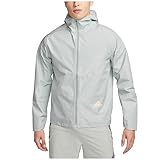
Overview: The Nike GORE-TEX INFINIUM™ Men’s Trail Running Jacket in Light Silver/Citron Pulse offers the same technical performance as its neutral-colored counterparts but makes a bold statement on the trail. This XL-sized jacket targets runners who prioritize visibility and style alongside weather protection. While specific features aren’t detailed in the listing, it presumably mirrors the standard INFINIUM™ construction with wind and water-resistant woven fabric.
What Makes It Stand Out: The eye-catching Light Silver/Citron Pulse colorway provides excellent visibility in low-light conditions—a safety advantage for dawn and dusk runners. The high-contrast design stands out dramatically against natural trail environments. Like other Nike INFINIUM™ jackets, it likely features the convenient pack-into-pocket design that makes it easy to carry when temperatures rise.
Value for Money: At $239, this jacket commands a significant premium over the standard black colorway, suggesting you’re paying extra for the distinctive color scheme and XL sizing availability. The GORE-TEX INFINIUM™ technology offers solid performance, but this price approaches entry-level fully waterproof options, making value questionable unless you specifically need these colors.
Strengths and Weaknesses: Strengths include high-visibility aesthetics, trusted Nike brand quality, wind and water resistance, and presumably the same packable design as other models. The XL size accommodates larger runners. Weaknesses include the inflated price for color alone, INFINIUM’s limitation in heavy rain, and the potentially polarizing bright color scheme that may not suit all preferences.
Bottom Line: Consider this jacket if you require XL sizing and prioritize visibility on the trail. However, the substantial colorway premium makes it hard to recommend over more affordable options unless the Citron Pulse aesthetic is essential to your running wardrobe.
4. Nike GORE-TEX INFINIUM WOMEN’S TRAIL RUNNING JACKET, BLACK, SMALL

Overview: The Nike GORE-TEX INFINIUM Women’s Trail Running Jacket in Black (Small) brings trusted weather protection to female trail runners seeking a streamlined, performance-focused outer layer. While the product listing provides minimal details beyond the “NIKE TRAIL RUN GOREX” notation, this jacket likely incorporates the same INFINIUM™ technology found in the men’s version, offering wind resistance and water repellency for moderate conditions.
What Makes It Stand Out: The women’s-specific cut ensures a better fit for female athletes, eliminating the boxy, ill-fitting experience common with unisex jackets. The versatile black colorway provides a sleek, goes-with-everything aesthetic that transitions seamlessly from trail to casual wear. As part of Nike’s trail running line, it presumably includes runner-friendly features like stretch panels and an adjustable hood.
Value for Money: At $189.99, this jacket aligns with standard pricing for women’s GORE-TEX INFINIUM™ apparel, showing no gender-based price inflation—a commendable practice. You’re investing in proven brand technology with a fit tailored to female proportions, making it competitively priced against similar offerings from other premium brands.
Strengths and Weaknesses: Strengths include the women’s-specific design, trusted GORE-TEX INFINIUM™ protection, versatile black color, and Nike’s quality construction. The jacket likely offers good breathability for active use. Weaknesses stem from the severely limited product information, making it impossible to confirm specific features like packability, hood adjustability, or reflective elements before purchase.
Bottom Line: This jacket warrants consideration for female trail runners wanting reliable wind and water resistance with a proper fit. However, the lack of detailed specifications demands purchasing from a retailer with a solid return policy to ensure it meets your specific trail running needs.
5. GORE Glidewheel Gore-Tex Cycling Jacket - Black, Men’s, Large

Overview: The GORE Glidewheel GORE-TEX Cycling Jacket delivers exceptional value by packaging the advanced ePE membrane technology into a cycling-specific design at an accessible price point. This large-sized black jacket is engineered for road cyclists battling unpredictable weather, featuring a dropped tail to protect against road spray and a fit optimized for the riding position. The new GORE-TEX ePE membrane provides durable waterproof and windproof protection.
What Makes It Stand Out: Remarkably sustainable construction incorporates recycled materials and reflective accents for eco-conscious visibility. The full-length zip includes an underflap, zipper garage, and zip tags for easy operation with gloved hands—thoughtful cycling-specific details. Adjustable cuffs and hem with drawcord allow precise fit customization to seal out drafts, while the dropped tail addresses a common cyclist complaint about standard jackets.
Value for Money: At $99, this jacket represents outstanding value, undercutting most GORE-TEX offerings by $100 or more. The ePE membrane is Gore’s latest technology, making this price point particularly compelling. Cyclists typically pay premiums for specialized gear, so finding these features at this price is exceptional. It’s arguably the best price-to-performance ratio in waterproof cycling apparel.
Strengths and Weaknesses: Strengths include cutting-edge ePE membrane, cycling-specific design elements, sustainable materials, reflective safety details, and an unbeatable price. The large size fits typical cycling builds. Weaknesses include limited size availability in this listing and the cycling-specific cut, which may feel awkward for off-bike use or running activities.
Bottom Line: An absolute steal for cyclists needing reliable waterproof protection without breaking the bank. The GORE Glidewheel offers premium technology and cycling-focused features at a budget-friendly price that makes it accessible to riders at all levels.
6. Arc’teryx Norvan Jacket Men’s | Ultralight and Breathable Mountain Running Shell | Black, Medium

Overview:
The Arc’teryx Norvan Jacket represents the pinnacle of ultralight mountain running shells, engineered for athletes who demand uncompromising performance during high-output activities in challenging alpine terrain. This minimalist shell prioritizes breathability and weight savings above all else, making it a specialized tool for serious trail runners.
What Makes It Stand Out:
The Norvan’s exceptional 3-layer construction delivers a remarkable balance of weather protection and air permeability that prevents overheating during intense efforts. Arc’teryx’s patterning expertise ensures unrestricted movement, while strategically placed GORE-TEX fabric provides targeted protection without excess bulk. The jacket’s trim athletic fit eliminates flapping fabric that can slow you down on technical descents.
Value for Money:
At $450, this is a significant investment positioned at the premium end of the market. However, for dedicated trail runners and mountain athletes, the Norvan offers unparalleled performance that cheaper alternatives cannot match. The durability and refined design justify the cost for those who log serious miles in harsh conditions where every gram matters.
Strengths and Weaknesses:
Strengths include industry-leading breathability, exceptional lightweight design, superior construction quality, and a fit optimized for running dynamics. Weaknesses are the premium price point, limited feature set due to minimalist design, and less robust waterproofing compared to heavier shells meant for static use.
Bottom Line:
The Norvan is an elite-level tool for serious mountain runners where performance is paramount. If your training and racing demand the best possible balance of protection and breathability, this jacket delivers. Casual runners should look elsewhere.
7. baleaf Mens Rain Jacket Waterproof Raincoat Windbreaker Running Cycling Gear Golf Jackets Hood Lightweight Reflective Yellow XL

Overview:
The baleaf Men’s Rain Jacket offers accessible weather protection for outdoor enthusiasts across multiple disciplines. This versatile shell combines essential features with an attractive price point, making it an entry-level option for running, cycling, hiking, and casual wear without requiring serious financial commitment.
What Makes It Stand Out:
Remarkable affordability meets practical functionality with this jacket’s packable design that stuffs into its own back pocket. The comprehensive pocket system includes four external zippered pockets and two inner pockets—uncommon at this price. Reflective elements provide crucial visibility for dawn and dusk activities, while the TPU membrane delivers adequate waterproofing for moderate conditions.
Value for Money:
At $55.99, this jacket represents exceptional value, undercutting premium brands by hundreds of dollars. While specifications like 5000mm waterproofing and 3000g breathability are modest compared to high-end alternatives, they suffice for recreational use. The versatility across multiple sports further enhances its cost-effectiveness for budget-conscious buyers.
Strengths and Weaknesses:
Strengths include unbeatable price, excellent packability, generous pocket storage, reflective safety features, and multi-sport versatility. Weaknesses involve lower waterproof/breathability ratings than premium options, potential durability concerns with heavy use, and a less refined fit that may feel boxy during intense activity.
Bottom Line:
Perfect for budget-conscious adventurers seeking reliable rain protection without premium costs. The baleaf jacket performs admirably for occasional use and casual outdoor activities, though serious athletes in extreme conditions should invest more in technical gear.
8. Backcountry, CrestCarver GORE-TEX Shell Jacket - Men’s, Fallen Rock, L

Overview:
The Backcountry CrestCarver GORE-TEX Shell Jacket bridges the gap between affordable protection and premium performance using environmentally conscious materials. This 2-layer GORE-TEX shell delivers reliable waterproofing for diverse outdoor activities while prioritizing sustainability for eco-minded adventurers.
What Makes It Stand Out:
The jacket’s bluesign-approved, 100% recycled polyester construction appeals to eco-conscious consumers without sacrificing performance. The trusted GORE-TEX ePE membrane provides guaranteed waterproof protection, while fully sealed seams ensure no moisture penetration. Backcountry’s regular fit accommodates layering for year-round versatility across hiking, skiing, and everyday use.
Value for Money:
Priced at $227.40, the CrestCarver occupies a sweet spot in the mid-range market. You’re paying for legitimate GORE-TEX technology and environmental responsibility at roughly half the cost of premium 3-layer shells. For hikers and casual mountaineers, this represents intelligent spending that doesn’t compromise on core protection.
Strengths and Weaknesses:
Strengths include authentic GORE-TEX protection, sustainable recycled materials, fully sealed seams, versatile regular fit, and reputable brand backing. Weaknesses are the 2-layer construction’s reduced breathability versus 3-layer designs, basic feature set lacking advanced adjustments, and hip-length cut that may feel short for some activities.
Bottom Line:
An excellent choice for environmentally aware outdoor enthusiasts seeking proven GORE-TEX protection without breaking the bank. The CrestCarver delivers reliable performance for most recreational pursuits, making it a smart, sustainable investment that balances ethics with functionality.
9. GORE WEAR Men’s Phantom Gore-tex Infinium Jacket, Neon Yellow/Black, M Phantom Giacca Uomo

Overview:
The GORE WEAR Phantom GORE-TEX INFINIUM Jacket delivers cycling-specific versatility through its innovative 2-in-1 design. Engineered for riders facing variable conditions, this jacket adapts from full protection to sleeveless vest in seconds, eliminating the need to carry separate layers during unpredictable rides.
What Makes It Stand Out:
Removable sleeves via zip-off construction provide unprecedented temperature regulation during changing weather or intense climbs. The GORE-TEX INFINIUM with WINDSTOPPER technology blocks wind and repels light rain while maintaining exceptional breathability. Cycling-specific features include an extended back panel for coverage in the riding position and a three-compartment rear pocket for essentials.
Value for Money:
At $100, this jacket offers remarkable versatility for the price. You’re essentially getting two garments—jacket and vest—in one package. While not fully waterproof like traditional GORE-TEX, the INFINIUM technology suits most cycling conditions where wind protection is paramount, delivering excellent utility per dollar.
Strengths and Weaknesses:
Strengths include versatile 2-in-1 design, excellent windproofing, cycling-specific fit and features, and strong brand technology at a moderate price. Weaknesses involve limited waterproofing for heavy rain, the neon colorway may not suit all tastes, and the active fit restricts casual off-bike use and layering options.
Bottom Line:
Ideal for cyclists who experience mixed conditions and want adaptability without carrying extra gear. The Phantom excels in cool, windy weather and light precipitation, making it a versatile workhorse for dedicated riders who prioritize functional flexibility over absolute waterproof protection.
10. GOREWEAR Lupra Gore-Tex Hooded Jacket - Men’s Lab Graphite, M

Overview:
The GOREWEAR Lupra GORE-TEX Hooded Jacket represents the next generation of lightweight cycling rain protection. Weighing just 10.6 ounces, this packable shell delivers uncompromising waterproof performance for serious riders who refuse to let weather dictate their training schedules.
What Makes It Stand Out:
The revolutionary GORE-TEX ePE membrane provides durable waterproofing backed by the GUARANTEED TO KEEP YOU DRY promise, while maintaining impressive breathability. The jacket’s rider-specific articulation includes pre-shaped elbows and shoulders that move naturally with your pedal stroke. Packability into its own pocket makes it ideal for unpredictable conditions where space is premium.
Value for Money:
At $140, the Lupra offers premium GORE-TEX protection at a competitive price point. The advanced ePE technology and guaranteed performance provide peace of mind that justifies the investment. For cyclists regularly riding in wet conditions, this represents excellent long-term value compared to replacing cheaper jackets that fail when needed most.
Strengths and Weaknesses:
Strengths include next-generation GORE-TEX ePE technology, ultralight packable design, guaranteed waterproofing, rider-specific articulation, and reasonable price for premium technology. Weaknesses are limited pocket storage for some users, cycling-specific cut reduces versatility for other activities, and the minimalist design lacks some convenience features found in touring jackets.
Bottom Line:
A top-tier choice for dedicated cyclists seeking reliable, lightweight rain protection. The Lupra combines cutting-edge GORE-TEX technology with practical packability, making it an essential piece for serious riders in wet climates who demand proven performance without bulk.
Why Packability is a Game-Changer for Trail Runners
Trail running demands a unique approach to layering. Unlike hiking where pace is steady and pack weight less critical, running involves high-output effort, rapid temperature fluctuations, and the need for absolute mobility. A jacket that stuffs into its own pocket transforms from worn layer to packable insurance in under 30 seconds. This capability means you’re more likely to bring it on every run, not just when the forecast looks threatening.
The Evolution from Bulky to Bombproof
Remember the rain jackets of a decade ago? They either protected you from rain or allowed sweat vapor to escape—never both. Early packable shells sacrificed durability and fit, flapping like trash bags in the wind. Today’s Gore-Tex trail running jackets represent a materials science revolution, where 100-gram shells deliver the same waterproof rating as expedition-weight gear. The self-stowing feature evolved from an afterthought to a deliberate design challenge, with pattern engineers optimizing pocket placement and zipper lengths specifically for compact storage.
Demystifying Gore-Tex Technology for Runners
Gore-Tex isn’t a single material but a family of technologies built around an expanded polytetrafluoroethylene (ePTFE) membrane containing 1.4 billion microscopic pores per square centimeter. These pores are 20,000 times smaller than a water droplet but 700 times larger than a water vapor molecule, creating a one-way street: rain stays out, sweat escapes. For trail runners, this means staying dry from external moisture while preventing the clammy, chilled feeling of trapped perspiration.
Active vs. Paclite: Choosing the Right Membrane
Gore-Tex Active targets high-output aerobic activities with its most breathable construction. The membrane bonds directly to the inner surface, eliminating a separate lining and saving weight. This is your choice for running in temps above freezing where sweat management trumps all. Gore-Tex Paclite, while still highly packable, uses a protective inner coating instead of a bonded layer, making it slightly more durable and affordable but marginally less breathable. For pure running performance, Active is the gold standard; for multi-sport use including hiking and casual wear, Paclite offers versatility.
Understanding the Three-Layer Sandwich
Premium trail running jackets use a 3-layer construction: a durable water repellent (DWR)-coated face fabric for abrasion resistance, the Gore-Tex membrane in the middle, and a tricot backer for comfort. This sandwich eliminates the need for a separate liner, reducing bulk. Some ultralight designs use 2.5-layer construction, where a printed pattern on the inner membrane replaces the backer, saving grams but sacrificing next-to-skin comfort and long-term durability. For self-stowing jackets, the 3-layer design packs surprisingly small while offering better structure when worn.
Essential Features in Self-Stowing Gore-Tex Jackets
The difference between a good packable shell and a great one lives in the details. When every gram matters but performance can’t be compromised, manufacturers must make deliberate choices about which features to include and how to execute them flawlessly.
Weight-to-Protection Ratio: Finding Your Sweet Spot
The lightest packable Gore-Tex jackets dip below 90 grams (about three ounces), but these featherweights often use 7-10 denier face fabric that sacrifices durability. A more practical range for serious trail running sits between 120-180 grams, offering sufficient toughness for brush encounters while still packing smaller than a water bottle. Consider your terrain: alpine granite and dense forests demand higher denier ratings, while smooth singletrack allows for ultralight choices.
Hood Design: More Than Just a Rain Cover
A running-specific hood must fit snugly enough to turn with your head without obstructing peripheral vision. Look for laminated brims that maintain shape in wind, single-pull adjusters that tighten with one gloved hand, and helmet compatibility if you venture into technical terrain. The best designs include a stowage system that rolls and secures the hood when not needed, preventing the “sail effect” on windy ridges. Some jackets integrate the hood into the collar, creating a seamless profile that doesn’t flap during descents.
Ventilation: Preventing the Sauna Effect
Even the most breathable Gore-Tex can be overwhelmed during threshold efforts. Strategic ventilation becomes crucial. Pit zips add weight and bulk but provide on-demand cooling during steep climbs. More refined designs use two-way front zippers that vent from top or bottom, or laser-cut perforations in high-heat zones like the upper back. The most innovative jackets position the pocket placement to create micro-vents when partially unzipped, balancing protection with airflow without adding extra hardware.
Pocket Configuration and Accessibility
A chest pocket positioned above a running pack’s sternum strap allows access to gels or a phone without removing layers. Some designs include a small inner pocket for keys that doubles as the stuff sack. When evaluating pockets, consider whether they’re accessible while wearing a hydration vest—side pockets often become useless, while chest and rear pockets remain functional. The pocket that serves as the storage pouch needs a reverse-coil zipper to prevent snagging during packing.
Zipper Engineering: The Weak Link in Weather Protection
Waterproof zippers either use a rubberized coating (PU lamination) that adds stiffness or a storm flap that adds bulk. For packable jackets, laminated zippers with minimal flaps offer the best balance. The zipper pull should be large enough for gloved operation, and the garage (the fabric hood at the top) must fully cover the slider to prevent chin irritation and water entry. YKK AquaGuard zippers dominate this space for good reason—they’re proven in marine environments and maintain smooth operation after hundreds of cycles.
Cuff and Hem Adjustments for Dynamic Movement
Elastic-bound cuffs seal out wind without the weight of Velcro tabs, but they must be cut on a bias to prevent binding when you flex your arms. Hem adjusters should be one-handed operable and tuck into small pockets to eliminate dangling cords that catch on brush. Some designs integrate silicone gripper elastic at the hem, preventing ride-up during high-knee running without any hardware at all.
The Self-Stowing Pocket: Design Variations
The hallmark feature of these jackets isn’t just packability—it’s intelligent packability. How a jacket compresses into itself reveals the designer’s priorities and attention to detail.
Stuff Sack vs. Integrated Pocket Systems
External stuff sacks get lost and add an extra component. Integrated pocket systems use the jacket’s own pocket as the storage pouch, but implementation varies. Some use the chest pocket, creating a grapefruit-sized package, while others use a dedicated internal pocket that compresses smaller. The best designs include a double-sided zipper slider, allowing you to stuff the jacket without fighting the zipper teeth. Look for a fabric loop or carabiner clip on the packed bundle for securing to a harness or pack strap.
Packability Size and Shape Considerations
A packed jacket should be roughly cylindrical, not a shapeless blob, for easy stowing in running vest pockets. Diameter matters more than length—most vests accommodate 4-5 inch diameter bundles. Some jackets compress to the size of a large orange (about 300 cubic inches), while bulkier designs reach softball proportions. The packed size directly correlates with face fabric denier and feature set; accepting a slightly larger packed size often means gaining significant durability.
Durability in Ultralight Construction
The lighter the jacket, the more fragile it seems, but modern materials defy this assumption. Understanding durability metrics helps you choose a jacket that survives season after season.
Face Fabric Denier and Trail Abuse
Denier measures fiber thickness—lower numbers mean lighter but less abrasion-resistant fabric. 7D fabric feels like tissue paper but weighs nothing; 15D offers a practical minimum for mountain running; 20-30D provides confidence for off-trail adventures. The DWR coating also affects durability—C6 fluorocarbon treatments last longer than eco-friendly C0 options but carry environmental concerns. Some brands reinforce high-wear zones like shoulders and forearms with slightly heavier fabric, adding minimal weight while dramatically extending lifespan.
Strategic Reinforcement Zones
Examine a jacket’s interior. You’ll often find a second layer of tricot backing at the shoulders where pack straps rub, or along the zipper to prevent blowouts. These reinforcements add 10-15 grams but prevent the catastrophic failures that render ultralight shells disposable. The most sophisticated designs use bonded rather than stitched reinforcements, eliminating seam bulk and potential leak points while maintaining packability.
Weather Protection vs. Breathability: The Eternal Trade-off
No jacket excels at both absolute waterproofing and maximum breathability—physics demands compromise. Your choice depends on climate, intensity, and personal physiology.
MVTR Ratings and Real-World Performance
Moisture Vapor Transmission Rate (MVTR) quantifies breathability, typically measured in grams per square meter per 24 hours. Lab ratings of 15,000-20,000 g/m²/24hrs sound impressive, but real-world performance depends on humidity differential and temperature gradient. Gore-Tex Active jackets generally achieve 15,000+ MVTR while maintaining 28,000mm waterproof ratings. Remember: these numbers assume ideal conditions; when you’re sweating buckets in humid air, even the best membrane struggles.
When to Prioritize Which Characteristic
For high-intensity efforts in cool, dry climates (think Colorado Rockies), prioritize breathability over absolute waterproofing—you’ll generate more moisture inside than falls from outside. For low-intensity running in wet, warm conditions (Pacific Northwest), waterproofing matters more as external moisture overwhelms vapor transfer. Consider your sweat rate: if you soak through base layers quickly, breathability is non-negotiable. If you run cold and rarely sweat heavily, prioritize protection.
Layering Strategies for Variable Conditions
A packable Gore-Tex shell works as part of a dynamic system, not as a standalone piece. Understanding how it integrates with other layers maximizes its utility.
Sizing for Dynamic Layering Systems
Size your shell to fit over a lightweight insulated layer like a synthetic vest or fleece for shoulder season runs. The jacket should allow full arm articulation without pulling at the shoulders—raise your hands overhead to test. Many runners size up for their shell, but this creates excess fabric that flaps and reduces efficiency. Instead, look for “active fit” or “alpine fit” designs that accommodate layers without being baggy. The hem should cover your lower back when reaching forward, preventing the dreaded “plumber’s crack” exposure.
Care and Maintenance of Your Packable Shell
A $300 jacket demands proper care to maintain performance. Neglect destroys breathability and water repellency faster than trail abuse.
Washing Protocols and DWR Restoration
Machine wash warm (104°F/40°C) with liquid detergent—never powder, never fabric softener. Double rinse to remove all residue. Dry on medium heat for 20 minutes to reactivate the DWR. When water stops beading, it’s time for a wash-in or spray-on DWR treatment. Nikwax TX.Direct or Grangers Performance Repel are runner favorites. For packable jackets, spray-on treatments preserve the membrane’s breathability better than wash-in options, which can coat the interior.
Storage: The Compressed vs. Loose Debate
Never store your jacket compressed for long periods—this stresses the membrane and face fabric bonds. After each run, hang it to dry completely. For off-season storage, hang loosely in a closet. If you must compress it for travel, limit duration to a few days. The ePTFE membrane has “memory” and prolonged compression can reduce its ability to recover, permanently impacting breathability. Many runners store their packed jacket in a breathable mesh bag rather than air-tight compression.
Price, Performance, and Value Proposition
Packable Gore-Tex jackets range from $200 to $450. Understanding what drives cost helps you invest wisely rather than just buying the most expensive option.
Long-Term Investment Considerations
Higher-priced jackets typically use more breathable membranes, better DWR treatments, and refined patterning that reduces bulk. They also include robust warranty programs—Gore-Tex’s “Guaranteed to Keep You Dry” promise covers manufacturing defects for the product’s lifetime. Calculate cost-per-use: a $400 jacket worn 100 times costs $4 per use, while a $200 jacket that fails after 30 uses costs $6.67 per use. Consider repairability: premium brands offer zipper and patch services that extend lifespan dramatically.
Environmental Impact and Sustainable Choices
Outdoor gear carries an environmental footprint, but innovations are reducing impact without compromising performance.
Recycled Materials and ePE Membrane Technology
Traditional Gore-Tex uses PTFE, a persistent chemical. New ePE (expanded polyethylene) membranes eliminate PFCs while maintaining performance, appearing in Gore-Tex’s most sustainable lines. Many packable jackets now use 100% recycled face fabrics and backer materials. The manufacturing process for packable designs actually reduces waste—less material means smaller carbon footprint. Some brands offer take-back programs, recycling old jackets into new products. When choosing, look for bluesign® approved fabrics and Fair Wear Foundation certification for ethical manufacturing.
Frequently Asked Questions
How small should a packable Gore-Tex jacket actually pack?
A well-designed jacket compresses to roughly the size of a 500ml water bottle (4-5 inches diameter). If it’s larger than a grapefruit, the design sacrifices packability for features you may not need. The shape matters too—cylindrical bundles slide easily into running vest pockets.
Can I use a packable running jacket for hiking or cycling?
Absolutely, but with caveats. Running jackets prioritize breathability over durability, so bushwhacking hikes may cause premature wear. The slim fit works for cycling but may feel restrictive in the shoulders. For multi-sport use, consider a slightly more robust 20D face fabric rather than ultralight 7-10D.
How do I know when my DWR treatment needs renewal?
The “beading test” is your best indicator. Sprinkle water on the jacket’s exterior—if it beads up and rolls off, the DWR is functional. If it darkens the fabric and soaks in (“wetting out”), it’s time for treatment. Wetting out doesn’t mean the membrane is failing, but it reduces breathability dramatically.
What’s the difference between ‘waterproof’ and ‘water-resistant’ packable jackets?
True waterproof jackets use a membrane like Gore-Tex with sealed seams and waterproof zippers, rated to withstand sustained rain. Water-resistant shells use only DWR-coated fabric without a membrane, shedding light drizzle but soaking through in real storms. For mountain running, “waterproof” is non-negotiable.
Why are some packable jackets so much noisier than others?
Fabric “crinkle” comes from the membrane and backer materials. Newer Gore-Tex Active membranes are significantly quieter than older Paclite versions. Softer hand-feel often indicates better drape and less noise. If possible, handle the jacket in a store—crinkle usually doesn’t diminish with use.
How long should a quality packable Gore-Tex jacket last?
With proper care, expect 3-5 years of regular use. The membrane itself can last decades, but DWR treatments fail sooner, and face fabrics abrade over time. Running-specific jackets often wear at pack strap contact points first. Many premium brands offer repair services that extend life significantly.
Is a heavier jacket always more durable?
Not necessarily. A 120-gram jacket using 15D fabric with strategic reinforcements often outlasts a 90-gram 7D jacket. Construction quality—seam taping, zipper garages, reinforcement bonding—matters more than weight alone. A well-built lightweight jacket can surprise you with its longevity.
Can I repair a torn packable jacket myself?
Small tears and pinholes are repairable with Tenacious Tape or Gore-Tex repair patches. Clean the area with alcohol, apply the patch, and heat-set with an iron (low setting, press cloth). For zipper failures or delamination, professional repair services are worth the cost—DIY attempts often make things worse.
What’s the ideal fit for a trail running shell?
You want “athletic fitted but not restrictive.” Raise your arms overhead—if the hem lifts more than 2 inches, it’s too short. The hood should move with your head when turned. There should be room for a light insulation layer but no excess fabric flapping. Many runners size up in error; instead, look for running-specific cuts.
Are packable jackets warm enough for winter running?
Packable shells are wind and waterproof layers, not insulation. They trap warmth when layered over fleece or synthetic insulation but provide no warmth alone. For winter, pair your shell with an insulated mid-layer. The shell’s value is blocking wind and wet snow, preventing convective heat loss from your insulating layers.