There’s something almost sacred about wrapping your hands around a steaming mug of coffee while frost clings to your tent and the morning air bites at your nose. That first sip isn’t just caffeine—it’s liquid warmth defying nature’s chill, a small rebellion against the cold that makes wild places feel like home. But we’ve all felt the disappointment of reaching for that comforting brew only to find it tepid, lifeless, robbed of its power by a subpar vessel. The difference between a transformative morning ritual and a lukewarm letdown often comes down to one piece of gear: the insulated camp mug.
Choosing the right camp mug is more than a matter of personal preference—it’s a technical decision that impacts your entire outdoor experience. Whether you’re a backpacker counting every ounce, a car camper prioritizing comfort, or a van lifer seeking the perfect balance, understanding what makes a mug truly excel in frosty conditions will save you money, frustration, and countless disappointing mornings. Let’s dive deep into the world of insulated camp mugs and uncover what separates the exceptional from the merely adequate.
Top 10 Insulated Camp Mugs for Frosty Mornings
Detailed Product Reviews
1. CamelBak Horizon 12oz Camp Mug - Insulated Stainless Steel - Tri-Mode Lid - Moss

Overview: The CamelBak Horizon 12oz Camp Mug represents the brand’s entry into the premium drinkware market, combining rugged durability with sophisticated temperature control. This vacuum-insulated stainless steel mug is engineered for outdoor enthusiasts who refuse to compromise on their drinking experience, whether it’s keeping coffee hot through dawn patrol or maintaining ice-cold beverages during afternoon hikes.
What Makes It Stand Out: The innovative tri-mode lid sets this mug apart, offering three distinct flow settings that adapt to everything from aggressive sipping to leisurely drinking. The vacuum insulation maintains temperatures for hours, while the nonslip silicone base prevents campsite mishaps. Constructed from medical-grade 18/8 stainless steel with a full powder coat finish, it’s both dishwasher safe and free from harmful chemicals like BPA, BPS, and BPF.
Value for Money: At $22.99, the Horizon mug sits in the sweet spot between budget options and premium competitors like Yeti. You’re investing in CamelBak’s reputation for durability and the versatile lid system that most competitors lack. While pricier than basic enamel mugs, the temperature retention and spill resistance justify the cost for serious users.
Strengths and Weaknesses: Pros: Superior temperature retention, versatile tri-mode lid, durable construction, nonslip base, easy dishwasher cleaning, chemical-free materials. Cons: 12oz capacity may be small for some users, heavier than traditional enamel mugs, premium price point may deter casual campers.
Bottom Line: The CamelBak Horizon is an excellent choice for dedicated outdoor enthusiasts who prioritize temperature control and spill prevention. It’s worth the investment if you regularly camp in varied conditions and want a mug that performs as well as your technical gear.
2. Auhafaly Double Wall Freezer Mug Frosty Mug Insulated Ice Cup with Gel 16oz/450ml (Set of 4)

Overview: The Auhafaly Double Wall Freezer Mug set delivers a specialized solution for keeping beverages ice-cold during hot summer months. These acrylic mugs feature a gel-filled double wall that freezes solid, creating a personal chilling system that maintains frosty temperatures for hours without diluting your drink.
What Makes It Stand Out: The innovative gel-filled design transforms these mugs into portable freezers. Simply store them upside-down in your freezer, and the frozen gel keeps beverages at near-freezing temperatures. The set of four makes them perfect for entertaining, while the weighted, larger base ensures stability on uneven surfaces. Their slender profile conveniently fits most freezer doors.
Value for Money: At $24.99 for a set of four ($6.25 per mug), these represent exceptional value compared to single premium insulated mugs. While they serve a specific purpose, they excel at it remarkably well. The cost per mug is competitive with basic plastic tumblers, yet they offer superior cooling performance that eliminates the need for ice cubes.
Strengths and Weaknesses: Pros: Keeps drinks ice-cold for hours, set of four is great for families/guests, affordable per-unit cost, stable weighted base, no dilution from melting ice. Cons: Acrylic construction is less durable than steel, not suitable for hot beverages, requires advance freezer preparation, gel layer adds bulk, limited to cold drinks only.
Bottom Line: These freezer mugs are a fantastic investment for anyone who loves ice-cold beer, soda, or iced coffee, especially in warm climates. The set-of-four value is unbeatable, though they’re not versatile enough to be your only camping mug. Consider them a specialized addition to your drinkware collection.
3. Loftipop Festive Winter Christmas Town Camp Mug, Cute Cozy Whimscal Holiday Campfire Camping Cup (12oz)

Overview: The Loftipop Festive Winter Christmas Town Camp Mug captures the nostalgic charm of enamelware while celebrating the holiday season. This 12oz mug features a whimsical wraparound design of a quaint Christmas town, making it as much a decorative piece as a functional drinking vessel for cocoa, coffee, or tea.
What Makes It Stand Out: The enchanting winter town illustration, designed and printed in the USA, creates an immediate festive atmosphere. Unlike generic camp mugs, this one tells a story with its detailed artwork that wraps completely around the vessel. The enamel construction provides that classic camping aesthetic while being lightweight enough for actual outdoor use.
Value for Money: Priced at $12.99, this mug sits in the mid-range for decorative drinkware. While basic enamel mugs cost less, you’re paying for the exclusive design and domestic production. It’s reasonably priced for a gift item, though the seasonal nature limits year-round utility. The quality of printing justifies the premium over no-frills alternatives.
Strengths and Weaknesses: Pros: Charming, detailed holiday design; lightweight and camping-ready; designed and printed in the USA; makes an excellent gift; classic enamel durability. Cons: Hand wash recommended to preserve design; not microwave safe; 12oz capacity is modest; seasonal design has limited appeal after holidays; enamel can chip if dropped.
Bottom Line: This mug is perfect for Christmas enthusiasts and makes a thoughtful holiday gift. It’s functional enough for actual camping but shines brightest as a festive addition to your winter cabin or holiday kitchen. Buy it for the joy it brings during the season, not as your primary year-round mug.
4. Loftipop Cute Winter Snowman Enamel Camp Mug, Festive Holiday Christmas Campfire Camping Cup (12oz)
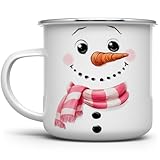
Overview: The Loftipop Cute Winter Snowman Enamel Camp Mug brings playful holiday cheer to the classic camping mug design. Featuring a jolly snowman against a winter backdrop, this 12oz enamel mug is crafted for those who want to infuse their outdoor adventures or morning coffee routine with festive spirit.
What Makes It Stand Out: The adorable snowman design offers broad holiday appeal without being exclusively Christmas-specific, making it slightly more versatile than purely Christmas-themed mugs. Like other Loftipop products, it’s designed and printed in the USA, ensuring quality control and supporting domestic production. The enamel construction provides authentic camp mug feel and durability.
Value for Money: At $16.99, this mug commands a notable premium over basic enamel mugs and even over Loftipop’s own Christmas town design. You’re paying significantly for the artwork and brand. While the quality is solid, the price approaches that of insulated steel mugs, which offer superior functionality. It’s best viewed as a specialty gift item rather than a utilitarian purchase.
Strengths and Weaknesses: Pros: Appealing snowman design with broad winter charm; durable enamel construction; lightweight for camping; designed and printed in the USA; excellent gift potential. Cons: Relatively expensive for enamelware; hand wash recommended; not microwave safe; 12oz capacity; seasonal theme limits year-round use; enamel prone to chipping.
Bottom Line: This mug serves as a delightful holiday gift or seasonal self-indulgence for snowman lovers. While overpriced for purely functional use, its charm factor is high. Purchase if you’re drawn to the design and prioritize aesthetics over value, but consider cheaper alternatives if you just need a basic camp mug for winter camping.
5. Enamel Mug- Outdoor Camping Mugs - Ideal For Early Morning Coffee Or Cold Beverages- Coffee Mug- 16 Oz (Red)
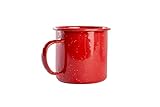
Overview: The Enamel Mug in Red offers a no-nonsense approach to classic camp drinkware. This 16oz enamel steel mug prioritizes simplicity, durability, and affordability, making it an ideal choice for purists who want a reliable vessel for morning coffee or evening whiskey without unnecessary frills or premium pricing.
What Makes It Stand Out: Its straightforward design focuses on core functionality rather than gimmicks. The 16oz capacity provides generous serving size compared to standard 12oz camp mugs, while the lead-free, BPA-free enamel steel construction ensures safety and durability. The glossy red finish adds a touch of style without compromising the mug’s utilitarian nature, and it’s completely dishwasher safe for easy cleaning.
Value for Money: At $8.99, this mug represents exceptional value. It’s the most affordable option in this comparison, costing less than half of premium insulated mugs and significantly less than decorative enamelware. You’re getting a larger capacity, proven durability, and hassle-free maintenance at a price point that allows you to buy multiple mugs for the cost of one designer option.
Strengths and Weaknesses: Pros: Extremely affordable; large 16oz capacity; dishwasher safe; lightweight yet durable; versatile for hot and cold drinks; simple, classic design. Cons: No insulation (drinks cool quickly), basic aesthetic may be too plain for some, enamel can chip if dropped on hard surfaces, no lid for spill prevention, metal construction not microwave safe.
Bottom Line: This is the practical camper’s choice. If you want a reliable, affordable mug that gets the job done without breaking the bank, this is your best bet. It’s perfect for outfitting a family or group on a budget, though serious coffee drinkers might miss insulation. Buy it for function, not fashion.
6. Loftipop Whimsical Winter Woodland Deer Camp Mug, Cute Festive Nature Holiday Christmas Campfire Camping Cup (12oz)

Overview: This 12-ounce enamel camp mug from Loftipop delivers festive charm with its winter woodland deer design, perfect for holiday sipping by the campfire or fireplace. Designed and printed in the USA, it combines nostalgic camping aesthetics with seasonal cheer for nature lovers and Christmas enthusiasts.
What Makes It Stand Out: The hand-illustrated deer in a snow-dusted forest creates an enchanting, storybook quality that mass-produced mugs lack. Its dual-purpose design transitions seamlessly from indoor holiday décor to outdoor adventures, while the American-made production ensures quality control and supports local business.
Value for Money: At $16.99, this mug sits in the mid-range for specialty enamelware. You’re paying a premium for the unique artwork and domestic printing rather than insulation or technical features. Compared to generic enamel mugs, the festive design justifies the extra cost for gift-giving or seasonal use.
Strengths and Weaknesses: Strengths include the charming, exclusive design; sturdy enamel construction; and versatile holiday/outdoor functionality. The USA-based production is commendable. However, it’s not microwave-safe due to metal content, requires hand washing for longevity, and the 12oz capacity runs smaller than standard camping mugs.
Bottom Line: Perfect as a thoughtful stocking stuffer or Secret Santa gift for nature enthusiasts who value aesthetics over technical performance. While not the most practical for rugged daily use, its whimsical charm makes it ideal for festive occasions and light camping trips.
7. WETOWETO 14 oz Coffee Mug, Vacuum Insulated Camping Mug with Lid, Double Wall Stainless Steel Travel Tumbler Cup, Coffee Mugs Outdoor, Powder Coated Purple

Overview: The WETOWETO 14-ounce vacuum-insulated mug delivers modern performance in a vibrant purple package. Constructed from 304 food-grade stainless steel with double-wall technology, it promises 4+ hours of heat retention and 10+ hours of cold preservation, making it a versatile companion for daily commutes and outdoor adventures.
What Makes It Stand Out: This mug includes two interchangeable BPA-free lids—a sliding closure lid and a flip straw lid—offering flexibility most competitors lack. The non-scratch pearlescent finish maintains its appearance, while the dishwasher-safe design eliminates cleaning hassles common with insulated drinkware.
Value for Money: At $14.99, this mug offers exceptional value. Comparable insulated mugs with dual-lid systems typically retail for $20-25. The combination of premium materials, versatile lids, and dishwasher compatibility at this price point makes it a budget-friendly yet high-performance option.
Strengths and Weaknesses: Strengths include superior insulation performance, two lid options, dishwasher safety, and sweat-free design. The 304 stainless steel construction ensures durability. Weaknesses: the purple color may not appeal to all users, and the handle’s ergonomics aren’t specifically detailed for larger hands.
Bottom Line: An excellent choice for anyone seeking reliable temperature control without breaking the bank. The dual-lid system and easy maintenance make it ideal for office workers, commuters, and casual campers who prioritize function over rustic aesthetics.
8. Enamel Mug - Outdoor Camping Mugs - Ideal For Early Morning Coffee Or Cold Beverages- Coffee Mug- 16 Oz (Navy)

Overview: This classic 16-ounce navy enamel mug offers traditional campfire charm in a simple, no-frills package. With its generous capacity and timeless design, it serves as a reliable vessel for morning coffee at the campsite or evening cocoa by the fire, embodying the quintessential outdoor dining experience.
What Makes It Stand Out: In an era of high-tech insulated tumblers, this mug’s simplicity is its greatest asset. The enamel coating provides a clean taste without metallic flavors, while the 16oz capacity accommodates hearty portions. Its lightweight construction and chip-resistant rim (standard on quality enamelware) make it practical for backpacking.
Value for Money: At $9.80, this is one of the most affordable camping mugs available. Basic enamel mugs typically range from $8-15, so this sits at the budget-friendly end while offering standard capacity. You’re getting fundamental functionality without paying for unnecessary features.
Strengths and Weaknesses: Strengths include affordability, lightweight portability, generous 16oz size, and classic aesthetic. Enamel won’t retain flavors. Weaknesses: no insulation (drinks cool quickly), no lid, enamel can chip if dropped on hard surfaces, and it’s not microwave-safe. The navy color shows wear less visibly than lighter shades.
Bottom Line: Ideal for traditionalists and ultralight backpackers who prioritize weight savings and simplicity over temperature retention. Perfect as a backup mug or for large groups where cost-effectiveness matters more than advanced features.
9. Qtencas Camping Gifts for Men Women, 4Pcs Camping Coffee Mugs, 14oz Insulated Stainless Steel Mug, Happy Campers Campfire Gifts for Outdoors Camping Picnic, Birthday Christmas Gifts for Family Friends

Overview: This four-pack of 14-ounce insulated stainless steel mugs delivers exceptional value for families or camping groups. Each mug features double-wall vacuum insulation, carabiner clips for easy backpack attachment, and festive “Happy Campers” designs, making them ready-to-gift for outdoor enthusiasts.
What Makes It Stand Out: The set includes four distinct styles, allowing family members to identify their drinks easily. The integrated carabiner clips are a thoughtful addition for hikers, while the included lids and straws enhance versatility. The matte powder coating provides a secure, sweat-free grip in all conditions.
Value for Money: At $39.99 for four mugs ($10 each), this set offers tremendous value. Individual insulated mugs of similar quality typically cost $15-20, so you’re saving 30-50% by buying in bulk. The added accessories and gift-ready packaging further enhance the value proposition for group gifting.
Strengths and Weaknesses: Strengths include the quantity-to-price ratio, effective insulation (5 hours hot, 9 hours cold), durable 304 stainless steel construction, and practical carabiner attachments. The variety pack suits families. Weaknesses: you’re locked into a multi-mug purchase, and the playful designs may not appeal to minimalist campers seeking neutral aesthetics.
Bottom Line: Perfect for families, couples, or friend groups who camp together regularly. The per-mug cost is hard to beat for insulated stainless steel, making this an excellent choice for outfitting multiple people or as a generous holiday gift for outdoor-loving families.
10. EchoMaven Camping Mug - 14Oz, RV & for Campers & Couples, Camping Life with Family & Friends
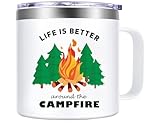
Overview: The EchoMaven 14-ounce camping mug targets RV enthusiasts and couples with its durable stainless steel construction and impressive temperature retention. Featuring double-wall vacuum insulation, it keeps beverages hot for up to 7 hours and cold for 9 hours, making it ideal for extended outdoor adventures and campfire gatherings.
What Makes It Stand Out: This mug boasts the longest heat retention of the group at 7 hours, surpassing most competitors. The “Life Is Better Around the Campfire” design resonates with RV culture, while the robust build withstands rigorous outdoor use. It doubles as camper décor, holding marshmallows or layered tray decorations when not in use.
Value for Money: Priced at $19.91, this mug commands a premium over basic insulated options. However, the superior 7-hour heat retention and specialized RV/camping aesthetic justify the cost for dedicated outdoor enthusiasts. You’re investing in performance and thematic design rather than just basic functionality.
Strengths and Weaknesses: Strengths include exceptional heat retention, durable 304 stainless steel, comfortable C-handle grip, and versatile decorative potential. The themed design creates emotional connection. Weaknesses: the price point is higher than similar insulated mugs, and the marketing around “set” versus single mug creates confusion. The design may feel too niche for general use.
Bottom Line: Best suited for serious campers and RV owners who prioritize maximum temperature control and appreciate camping-themed aesthetics. While pricier than alternatives, the extended heat retention makes it worth the investment for those who savor slow mornings in the wilderness.
Why Your Morning Brew Deserves Better Than a Lukewarm Letdown
The physics of heat loss accelerate dramatically in cold environments. When you’re camping in frosty conditions, your coffee faces three primary enemies: conduction (heat transferring to the cold mug material), convection (heat escaping into the cold air), and radiation (infrared heat waves leaving the liquid). A standard ceramic mug or single-wall metal cup becomes a heat sink, pulling warmth from your coffee and surrendering it to the atmosphere within 15-20 minutes. In sub-freezing temperatures, that timeline shrinks even further.
Quality insulated camp mugs don’t just slow this process—they actively fight it through engineering. The best performers create a microclimate around your beverage, maintaining optimal drinking temperature for 4-8 hours even when the mercury plummets. This isn’t about luxury; it’s about safety and morale. Hot drinks help maintain core body temperature, improve mental clarity for navigation and decision-making, and provide psychological comfort that can make the difference between cutting a trip short and pushing through challenging conditions. Your morning brew deserves a vessel that respects its job.
The Science of Heat Retention in the Wild
Understanding thermal dynamics helps you make smarter purchasing decisions. Heat retention relies on minimizing temperature gradients between your coffee and the external environment. Vacuum insulation—the technology behind most premium camp mugs—eliminates air molecules between two walls, removing the primary medium for convective heat transfer. Without air, heat must travel through the mug’s material via conduction, which is exponentially slower.
But here’s what many manufacturers don’t advertise: vacuum insulation degrades in extreme cold. The vacuum slows molecular movement, but temperature differentials above 100°F between your coffee and ambient air create stress on the seal. This is why mug construction quality matters as much as the insulation type. Welded seams, copper lining, and precision-engineered lids all contribute to maintaining that vacuum’s integrity when temperature extremes test its limits.
Vacuum Insulation: The Gold Standard Explained
Not all vacuum insulation is created equal. Single-wall vacuum chambers represent entry-level technology, while double-wall vacuum construction provides superior performance. The space between walls typically ranges from 1-3mm, with wider gaps generally offering better insulation—up to a point. Too wide, and the mug becomes bulky; too narrow, and the vacuum effect diminishes.
Some premium mugs incorporate copper plating on the inner wall. Copper’s low emissivity reflects radiant heat back into your beverage, adding another layer of thermal protection. This technology, borrowed from thermos design, can extend heat retention by 30-40% compared to standard vacuum insulation. When evaluating mugs, look for terms like “copper-lined” or “copper-coated” if you prioritize maximum heat retention for truly brutal mornings.
Material Matters: Stainless Steel vs. Titanium vs. Ceramic
Stainless Steel: The Workhorse
Food-grade 18/8 stainless steel dominates the market for good reason. It’s durable, corrosion-resistant, non-reactive with acidic coffee, and relatively affordable. The material’s thermal conductivity is low enough to work effectively with vacuum insulation while remaining structurally sound. Look for pro-grade or kitchen-grade stainless steel rather than recycled variants, which may have inconsistent alloy compositions affecting durability.
Titanium: The Ultralight Contender
Titanium mugs weigh 40-50% less than steel while offering comparable strength. However, titanium’s higher thermal conductivity can slightly reduce insulation performance unless the vacuum chamber is perfectly engineered. For ounce-counting backpackers facing frosty mornings, the weight savings often outweigh marginal heat retention losses. Titanium also resists metallic taste transfer better than steel, a subtle but noticeable benefit for coffee purists.
Ceramic-Lined: The Flavor Purist’s Choice
Some manufacturers line stainless steel interiors with thin ceramic coatings. This eliminates any metallic taste and prevents coffee acids from interacting with metal, preserving subtle flavor notes. The trade-off? Ceramic can chip if dropped, compromising both the mug and its insulation. For car camping or van life where weight isn’t critical, ceramic-lined options offer a café-quality drinking experience in the wild.
Lid Technology: Where Most Camp Mugs Fail
The lid determines up to 40% of a mug’s heat retention performance. Screw-on lids create superior seals compared to press-fit designs, but they’re slower to open—critical when you need a quick caffeine hit with cold fingers. Magnetic slider lids offer middle-ground convenience but often leak when tipped. The sweet spot for camp use? A threaded lid with a locking, spring-loaded opening that can be operated one-handed while wearing gloves.
Vapor escapes primarily through the drinking port. Look for lids with silicone gaskets and dual-wall construction. Some advanced designs feature a “sipping well” that redirects vapor back into the mug between sips, reclaiming heat that would otherwise be lost. Avoid lids with complex crevices that trap coffee residue—they’re breeding grounds for bacteria and odors that taint every subsequent brew.
Capacity Conundrums: Finding Your Perfect Volume
Camp mug capacities typically range from 12 to 20 ounces, with 16 ounces being the sweet spot for most users. But consider your coffee ritual: do you prefer one large morning brew or multiple smaller cups throughout the day? A 20-ounce mug keeps coffee hotter longer simply due to thermal mass, but the extra weight and bulk may not justify the capacity for backpackers.
For couples sharing gear, two 12-ounce mugs often make more sense than one large mug. The smaller surface area-to-volume ratio in compact mugs actually improves heat retention per ounce. Also consider your brewing method: AeroPress users need at least 12 ounces to accommodate the press, while pour-over cones require wider mouths. Match your mug to your brewing system to avoid awkward transfers that cool your coffee prematurely.
Portability Factors: Weight, Packability, and Carabiner Clips
Every ounce matters when you’re carrying it on your back. A quality 16-ounce insulated mug weighs between 10-14 ounces empty. Titanium models drop to 7-9 ounces but cost significantly more. Beyond weight, consider packability: tapered designs nest better in backpack side pockets, while handles that fold flat or detach entirely reduce snagging.
Carabiner-compatible handles seem gimmicky until you’re scrambling over rocks with hands full of gear. A sturdy handle that clips to a harness or pack strap keeps your mug accessible without occupying pack space. Just ensure the handle’s pivot point is reinforced—this high-stress area fails first on cheap mugs. Some minimalist designs eliminate handles entirely, relying on silicone sleeves for grip. These pack exceptionally well but sacrifice comfort during extended sipping sessions.
Durability Testing: What “Camp-Proof” Really Means
“Camp-proof” isn’t marketing fluff—it should mean surviving a 6-foot drop onto rock while full, withstanding being crushed in a packed vehicle, and resisting denting that compromises the vacuum seal. The vacuum chamber’s integrity is the critical failure point. Once dented, even slightly, the walls can touch, creating a thermal bridge that destroys insulation.
Look for reinforced bases—most impacts occur when setting the mug down on uneven surfaces. Some manufacturers add a rubberized or titanium-reinforced bottom that absorbs shock. The lid’s durability matters too; a cracked lid renders the mug useless. Test the lid’s threading—if it cross-threads easily in the store, it will be infuriating with numb fingers at dawn. Pro tip: fill the mug with water, seal it, and shake vigorously. Any moisture on the exterior indicates a seal failure waiting to happen.
The Handle Debate: To Grip or Not to Grip
Handles add weight and bulk, but they also prevent burned fingers and provide security on steep terrain. Ergonomic handles accommodate gloved hands—a must for winter camping. Look for handles with insulation wraps or silicone coatings that stay cool to the touch even when the mug contains scalding liquid.
Handleless designs with silicone sleeves offer better packability and work surprisingly well for heat protection. The sleeve’s texture also improves grip with wet or gloved hands. However, they require more careful handling around open flames and hot stoves. For true frosty mornings, a handle that allows a full-finger grip (not just two fingers) provides better control and reduces spill risk when you’re wearing mittens.
Cleaning in the Field: Maintenance Matters
Coffee oils and residue build up quickly, creating rancid flavors that no amount of insulation can hide. Wide-mouth openings (at least 3.5 inches diameter) allow hand cleaning with a bandana and hot water. Avoid mugs with narrow necks or sharp internal corners where grounds collect.
Some mugs feature electropolished interiors that resist staining and make cleaning effortless—a worthwhile upgrade for multi-day trips. Dishwasher-safe ratings are irrelevant in the backcountry; instead, look for “field-washable” designs with minimal parts. Pro tip: bring a small bottle of biodegradable soap specifically for your mug. Rinsing with stream water alone leaves oils that degrade silicone seals over time. Never use abrasive scrubbers on ceramic-lined mugs, and for stainless steel, avoid chlorine-based cleaners that can pit the metal.
Price vs. Performance: The Investment Spectrum
Budget mugs ($15-25) typically offer 2-3 hours of heat retention—adequate for fair-weather camping but disappointing in frost. Mid-range options ($30-45) deliver 4-6 hours and represent the best value for most campers. Premium mugs ($50-75) achieve 6-8+ hours through advanced materials and construction, justifying their cost for winter expeditions or daily use.
Consider cost-per-use: a $60 mug used 200 days per year for five years costs $0.06 per use. A $20 mug replaced annually costs more over time and delivers inferior performance. However, price doesn’t always correlate with performance. Some mid-priced mugs outperform expensive brands in real-world tests because they prioritize functional design over aesthetic features. Focus on specifications—wall thickness, lid design, and vacuum type—rather than brand prestige.
Environmental Impact: Beyond the Single-Use Alternative
Reusable mugs reduce waste, but their manufacturing footprint varies dramatically. Stainless steel production is energy-intensive but the material is infinitely recyclable. Titanium extraction has a higher environmental cost but the mugs last decades. Ceramic coatings require additional firing processes but prevent flavor contamination that might cause premature replacement.
The most sustainable choice is the mug you’ll use for years. Features that extend lifespan—replaceable lid gaskets, dent-resistant construction, and timeless design—matter more than recycled content percentages. Some manufacturers offer repair programs for seals and lids, reducing replacement frequency. For the eco-conscious camper, a simple, repairable design with minimal plastic components outperforms complex mugs with built-in electronics or proprietary parts that can’t be recycled.
Special Features Worth Paying For
Temperature-Display Lids
Integrated LCD thermometers seem like gimmicks but prove invaluable for winter camping. Knowing your coffee’s exact temperature prevents burns when sharing with children and helps you time your sipping to catch the flavor sweet spot (typically 130-140°F). Just ensure the battery is replaceable—sealed units become useless when the battery dies.
Non-Slip Bases
Silicone-ringed bases prevent spills on uneven surfaces like log tables or vehicle dashboards. This isn’t just convenience; it’s conservation. Every spill means reheating water, burning extra fuel, and wasting precious coffee supplies in the backcountry.
Multi-Fuel Compatibility
Mugs that can be placed directly on a stove (without the lid) for reheating offer versatility, but verify the base material. Some vacuum-insulated mugs have welded bases that can’t handle direct flame. Look for “stove-safe” ratings specifically, and never heat a sealed mug—pressure buildup can cause explosive lid failure.
Common Buying Mistakes That Ruin Coffee Temperature
First mistake: choosing based on color or brand rather than specifications. A mug’s R-value (thermal resistance) matters more than its Instagram appeal. Second: assuming all vacuum insulation is equal. Cheap mugs may have incomplete vacuums or thin walls that perform marginally better than single-wall designs. Third: ignoring the lid’s complexity. Gaskets with too many grooves trap coffee oils, causing seal degradation within months.
Fourth: buying oversized mugs “just in case.” Half-empty mugs lose heat faster because the air space increases convection. Buy the size you’ll actually fill. Fifth: overlooking the drinking port size. Large openings release vapor rapidly; tiny ports restrict flow, causing you to remove the lid entirely—defeating the purpose. The ideal drinking port is 8-10mm, balancing heat retention with comfortable sipping.
How to Field-Test Your Insulated Mug
Before trusting a new mug on a multi-day winter trip, conduct a simple test at home. Boil water, fill the mug to capacity, seal it, and place it in your freezer. Check temperature hourly with a probe thermometer. A quality mug should stay above 140°F for at least 4 hours and above 120°F for 6 hours. If it fails this test, it will disappoint in the field.
Another test: fill with ice water and leave in a warm room. Good insulation works both ways—if the exterior stays dry and the ice lasts 12+ hours, the vacuum seal is solid. Finally, test the lid’s leak resistance by inverting the sealed mug over a paper towel for an hour. Any moisture indicates a seal that will fail when jostled in a pack.
Seasonal Considerations: Winter vs. Summer Camping
Frosty mornings demand maximum insulation, but your summer mug needs differ. Winter camping requires mugs with superior lid seals and handles designed for gloved hands. The temperature differential is extreme—hot coffee against sub-freezing air—so every thermal bridge matters. Consider a mug with a slightly narrower mouth for winter to reduce heat loss between sips.
Summer camping prioritizes sweat-proof exteriors and wider mouths for easier cleaning of iced coffee residue. However, buying a winter-grade mug for year-round use makes economic sense. The same vacuum insulation that keeps coffee hot keeps iced drinks cold without exterior condensation. Just ensure the lid’s drinking port can accommodate both hot sipping and cold gulping—some winter-focused lids restrict flow too much for refreshing summer hydration.
Pro Tips for Maximizing Heat Retention on Frosty Mornings
Preheat your mug by filling it with boiling water for 2-3 minutes before brewing your coffee. This eliminates the “heat sink” effect of cold metal. When brewing directly into the mug, keep the lid sealed except for the drinking port—this traps steam and creates a micro-atmosphere that slows cooling. For extreme cold, wrap the mug in a spare sock or beanie between sips; even minimal extra insulation extends heat retention by 30-45 minutes.
Consider your coffee-to-milk ratio. Adding cold creamer drops temperature by 15-20°F instantly. Use powdered creamer at room temperature, or better yet, learn to love black coffee in the backcountry. Finally, sip from the same spot on the lid repeatedly. This creates a smaller, consistent opening that re-seals with condensation, versus rotating the mug and opening new vapor escape routes each time.
Frequently Asked Questions
How long should a quality insulated camp mug keep coffee hot on a frosty morning?
In sub-freezing temperatures, premium mugs maintain drinkable temperatures (above 120°F) for 6-8 hours, while mid-range options deliver 4-5 hours of optimal heat. Budget models typically manage only 2-3 hours before coffee becomes lukewarm. Actual performance depends on preheating, lid handling, and how full the mug remains.
Does filling my mug halfway reduce its heat retention time?
Yes, significantly. Half-full mugs lose heat up to 40% faster because the large air space increases convective heat transfer. The coffee itself provides thermal mass; less liquid means less heat storage capacity. For maximum retention, fill your mug at least 80% full, or choose a smaller capacity that you’ll actually fill completely.
Can I put my insulated camp mug directly on a campfire or stove to reheat coffee?
Only if specifically rated as “stove-safe” or “fire-safe.” Most vacuum-insulated mugs will be damaged by direct flame, which can compromise the vacuum seal or melt components. Even stove-safe models should be heated with the lid removed to prevent pressure buildup. When in doubt, transfer coffee to a pot for reheating.
Why does my expensive mug sometimes leak while cheaper ones don’t?
Premium mugs often prioritize heat retention over leak-proofing, using complex lids with multiple gaskets that can fail if not perfectly clean. A simple, well-sealed press-fit lid may leak less but loses heat faster. For leak-proof performance, look for threaded lids with silicone O-rings and minimal moving parts. Regular cleaning of all gasket grooves is essential.
Is titanium worth the extra cost for insulated mugs?
For backpackers counting ounces, yes—titanium saves 4-6 ounces over steel equivalents. However, the performance difference is minimal; stainless steel often insulates slightly better due to lower thermal conductivity. Titanium’s real advantages are weight savings and corrosion resistance in salt-air environments. For car camping or occasional use, quality stainless steel offers better value.
How do I prevent coffee from tasting metallic in a steel mug?
Ensure you’re using 18/8 food-grade stainless steel, which is non-reactive. Pre-season a new mug by filling it with boiling water and letting it sit for an hour, then wash thoroughly. Never store coffee in the mug for extended periods; acids can eventually interact with the metal. For persistent metallic taste, consider ceramic-lined options or titanium.
What’s the ideal mug size for solo backpacking versus couples camping?
Solo backpackers should choose 12-16 ounces to balance weight and capacity. A 12-ounce mug is sufficient for one strong morning coffee, while 16 ounces allows for a more leisurely experience. For couples, two 12-ounce mugs are more versatile than sharing one large mug—you’ll retain heat better and can enjoy coffee at your own pace.
Do I need a handle on my camp mug for winter camping?
In freezing conditions, handles are highly recommended. They allow secure grip with gloved or mittened hands and prevent conductive heat loss through direct hand contact. Look for handles with insulation wraps that stay cool. Handleless designs with silicone sleeves work but require more dexterity, which is compromised in cold weather.
How can I tell if my mug’s vacuum seal has been compromised?
Fill the mug with ice water and let it sit for 10 minutes. If the exterior feels cold or develops condensation, the vacuum has failed. Another test: fill with boiling water and check for hot spots on the outer wall after 5 minutes. A properly sealed mug should feel room temperature externally. Once compromised, insulation performance drops to single-wall levels.
Are there any maintenance steps that will extend my mug’s lifespan?
Clean all gaskets and threads after each trip using a soft brush. Store the mug with the lid off to prevent odor buildup and gasket compression. Periodically lubricate silicone seals with food-grade silicone grease. Avoid dropping the mug on its base, where vacuum chambers are thinnest. With proper care, a quality mug should last 10+ years of regular use.