Remember the sting of those old rubber dodgeballs smashing into your face during middle school gym class? The red welt that lasted for days, the tears you tried to hide, the dread that built up every time you heard the coach wheel out that dreaded mesh bag? Thankfully, those days are behind us. Today’s physical education programs are embracing a smarter, safer approach to classic dodgeball games with soft foam alternatives that maintain all the fun while eliminating the trauma. These modern iterations are revolutionizing how kids experience competitive play, building confidence instead of fear, and keeping students engaged rather than sidelined with injuries.
As educators and parents become increasingly aware of the psychological and physical impact of traditional sports equipment, the demand for pain-free alternatives has skyrocketed. Soft foam dodgeballs aren’t just a softer version of their rubber predecessors—they’re engineered tools designed specifically for developing bodies and sensitive young athletes. This comprehensive guide will walk you through everything you need to know about selecting the perfect foam dodgeballs for your gym class, recreation center, or backyard tournament, ensuring every knockout is met with laughter instead of tears.
Top 10 Kids’ Soft Foam Dodgeballs for Gym Class
Detailed Product Reviews
1. Champion Sports Rhino Skin Basic Dodgeball Set, 6"
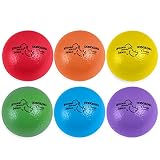
Overview: The Champion Sports Rhino Skin Basic Dodgeball Set delivers six 6-inch colorful balls designed for high-energy play in gym class, backyard games, or playground activities. Built with a patented Rhino Skin coating over a foam core, these balls prioritize safety and durability for children ages six and up. The set includes a heavy-duty mesh storage bag for convenient transport and organization, making it equally suitable for PE teachers and parents.
What Makes It Stand Out: The proprietary Rhino Skin grip technology sets this set apart, offering exceptional tear resistance that withstands aggressive play and outdoor exposure. Unlike traditional rubber dodgeballs that can cause stinging impacts, these feature a low-density foam core that minimizes bounce, keeping games contained whether in a compact driveway or expansive gymnasium. The light super grip surface makes throwing and catching accessible for younger players still developing coordination.
Value for Money: At $44.99 for six professional-grade balls, this set positions itself in the mid-range category. The price reflects the patented coating technology and proven durability in institutional settings like schools and camps. While cheaper foam balls exist, the Rhino Skin’s longevity justifies the investment for regular use, potentially outlasting budget alternatives by several seasons.
Strengths and Weaknesses: Strengths include outstanding durability, child-safe no-sting design, excellent grip for small hands, low-bounce foam core for controlled play, and included storage bag. Weaknesses are the 6-inch size may be too small for older children or adult leagues, and the price point exceeds basic foam ball sets. The colorful variety ensures easy team division but limited color selection compared to some competitors.
Bottom Line: Ideal for parents, PE teachers, and youth organizers seeking durable, safe dodgeballs for elementary-aged children. The Rhino Skin technology justifies the moderate premium, making this a smart long-term investment for frequent indoor and outdoor play.
2. GoSports Soft Skin Foam Playground Dodgeballs - 6 Pack Set for Kids - Includes Mesh Carry Bag

Overview: The GoSports Soft Skin Foam Dodgeballs offer a six-pack of colorful, versatile play balls engineered for multi-purpose use across various settings. Designed for backyard fun, summer camps, school gymnasiums, and PE classes, these latex-free foam balls eliminate sting on impact while maintaining durability for extended indoor and outdoor sessions. The set arrives with a heavy-duty mesh carry bag for effortless portability.
What Makes It Stand Out: The latex-free construction addresses allergy concerns, making these balls suitable for sensitive environments. The no-sting surface technology ensures comfortable impact for all ages, while the tear-resistant material maintains integrity through rigorous play. GoSports specifically recommends the 6-inch size for youth and suggests upgrading to 7-inch for adult leagues (14+), demonstrating thoughtful age-appropriate design considerations.
Value for Money: Priced at $49.22, this six-pack commands a slight premium over basic alternatives. The cost reflects the latex-free certification and robust construction that holds up against extended use. For organizations requiring allergy-safe equipment or families wanting versatile balls for multiple age groups, the investment proves worthwhile. Comparable latex-free options often cost more, making this competitively positioned.
Strengths and Weaknesses: Strengths include allergy-friendly latex-free material, true no-sting performance, durable tear-resistant construction, included storage bag, and clear age-sizing guidance. Weaknesses include a higher price point than standard foam balls and the 6-inch size potentially feeling small for pre-teens. The brand’s specific sizing recommendations help buyers select appropriately but may confuse those wanting one-size-fits-all solution.
Bottom Line: An excellent choice for schools, camps, and families prioritizing latex-free, sting-free play. The thoughtful construction and allergy-safe materials justify the modest price increase, particularly for mixed-age group settings.
3. Champion Sports BAS7SET Rhino Skin Basic Dodgeball Set, 7 Inch

Overview: The Champion Sports BAS7SET Rhino Skin Dodgeball Set upgrades the proven Rhino Skin technology to a 7-inch diameter, providing six colorful balls better suited for older children and adult recreational leagues. Maintaining the same patented tear-resistant coating and low-bounce foam core, this set bridges the gap between youth equipment and full-sized dodgeballs. The heavy-duty mesh storage bag simplifies transport and organization.
What Makes It Stand Out: The 7-inch size specifically targets middle schoolers, teens, and adults who find standard 6-inch balls too small for proper grip and competitive play. The Rhino Skin grip remains the standout feature—exceptionally resistant to tearing and abrasion even under aggressive, high-velocity throws. The low-density foam core prevents unpredictable high bounces, maintaining game flow in confined indoor spaces or smaller outdoor areas.
Value for Money: At $59.99, this set represents a 33% price increase over its 6-inch counterpart, reflecting the larger material volume and positioning for older demographics. For youth groups spanning elementary to middle school, this investment eliminates the need to purchase separate size equipment. The durability ensures multiple seasons of use, offering better long-term value than replacing cheaper balls annually.
Strengths and Weaknesses: Strengths include optimal 7-inch size for older players, legendary Rhino Skin durability, controlled low-bounce performance, safe no-sting impact, and professional-grade construction. Weaknesses include higher cost that may exceed casual family budgets and the larger size potentially overwhelming younger elementary children. The size versatility makes it excellent for mixed-age programs but less ideal for dedicated K-2 settings.
Bottom Line: Perfect for middle school PE programs, teen recreation centers, and adult league practice. The larger size and uncompromising durability justify the premium, making this a professional-grade investment for serious players.
4. Seenelling 4 Pcs Foam Large Balls Soft Foam Dodgeballs Uncoated Playground Sport Dodgeballs Lightweight Sponge Easy to Grasp Bouncy Balls for Kids Indoor Sports Activity(7 Inch)

Overview: The Seenelling 4-Pack Foam Balls offers a budget-friendly entry point into soft dodgeball play, featuring four 7-inch uncoated foam balls in vibrant green, yellow, blue, and orange. Designed for indoor sports activities, these lightweight sponge balls prioritize quiet, low-impact play that won’t damage furniture or disrupt households. The uncoated polyurethane foam construction provides a unique balance of firmness and flexibility for children aged six and up.
What Makes It Stand Out: The uncoated design distinguishes these from coated competitors, allowing for quicker rebound and a softer feel that some children prefer. At under $40 for four 7-inch balls, the price point appeals to cost-conscious families. The silent impact design makes these ideal for indoor use in apartments or shared spaces where noise reduction matters. The scientific firmness-flexibility balance aids grip development and hand-eye coordination.
Value for Money: At $39.99 for four balls, this set offers one of the lowest per-ball costs in the 7-inch category. While lacking the tear-resistant coatings of premium brands, the polyurethane foam provides adequate durability for light to moderate home use. For families seeking occasional indoor play without institutional-grade investment, this represents exceptional value. However, frequent or outdoor use may shorten lifespan compared to coated alternatives.
Strengths and Weaknesses: Strengths include affordable pricing, quiet indoor-friendly performance, soft uncoated texture, vibrant multi-color set, and lightweight easy-grip design. Weaknesses include lower durability without protective coating, only four balls versus six in competitor sets, and potential for faster wear in outdoor settings. The injection marks, while explained as manufacturing indicators, may concern some buyers aesthetically.
Bottom Line: An economical solution for families prioritizing quiet indoor play and affordability over maximum durability. Best suited for younger children and casual home use rather than heavy-duty institutional applications.
5. Ganjiang 7 Inches Soft No-Noise Foam Ball Sponge Kickball Dodgeball for Indoor Activity (Yellow Color)

Overview: The Ganjiang 7-Inch Soft Foam Ball provides a single, versatile play ball optimized for indoor activities where noise control is paramount. Available in yellow, this medium-density sponge ball delivers moderate weight and softness that prevents damage to household items while ensuring safe, confident play. The design specifically addresses apartment dwellers and families seeking to avoid neighbor disturbances through its no-noise impact technology.
What Makes It Stand Out: This ball’s singular focus on indoor versatility makes it unique—it functions as a dodgeball, basketball, football, kickball, yoga aid, or even a school project tool. The moderate elasticity produces controlled bounces that protect lamps and ceilings, while the no-noise impact design respects shared living spaces. At 7 inches, it offers ample surface area for easy gripping and catching, making it accessible for various age groups.
Value for Money: At $12.99 for a single ball, this represents an ultra-low barrier to entry for testing foam ball play. The price allows families to purchase multiple colors or replace individual balls without committing to full sets. While not cost-effective for large groups, it’s perfect for one-on-one parent-child interaction or individual skill development. Compared to set purchases, buying singles offers flexibility but higher per-unit cost for bulk needs.
Strengths and Weaknesses: Strengths include exceptional affordability, true no-noise performance, indoor-safe moderate bounce, versatile multi-sport application, and apartment-friendly design. Weaknesses include single-ball limitation for group play, unknown long-term durability without brand recognition, and basic construction lacking advanced coatings. The yellow color, while cheerful, offers no variety for team differentiation.
Bottom Line: Ideal for apartment residents, parents seeking quiet indoor toys, or testing a child’s interest before investing in full sets. The unmatched price and noise-conscious design make it a smart starter option for controlled indoor environments.
6. Jerify 18 Pack Foam Dodgeball Set, 6 Inch Soft Skin, Non Sting, Low Bounce, Suitable for Kids & Adults

Overview: The Jerify 18 Pack Foam Dodgeball Set delivers a substantial quantity of 6-inch soft foam balls designed for safe, sting-free gameplay across all age groups. This bulk package includes eighteen balls in six vibrant colors, with three balls per color, making it ideal for organizing full-scale dodgeball matches, PE classes, or large family gatherings. The low-density foam construction ensures minimal bounce and eliminates painful impacts while maintaining enough weight for accurate throwing.
What Makes It Stand Out: This set’s standout feature is its impressive quantity—eighteen balls provide enough equipment to field multiple teams simultaneously without constant retrieval delays. The alligator-textured surface enhances grip and control, giving players better command during intense gameplay. The vacuum compression packaging reduces shipping bulk, though it requires a brief expansion period upon opening. With six distinct colors, organizing team play becomes effortless, and the versatility extends beyond dodgeball to reaction training and various indoor/outdoor activities.
Value for Money: At $126.99 for eighteen balls, each unit costs approximately $7.05. While the upfront investment is significant, the per-ball price is competitive compared to purchasing smaller packs individually. For schools, summer camps, or community centers requiring bulk equipment, this represents solid value. Casual buyers may find the quantity excessive, but organizations benefit from the wholesale-like pricing structure and reduced reordering frequency.
Strengths and Weaknesses: Strengths include exceptional quantity for large groups, durable non-sting foam construction, versatile alligator texture for improved handling, and suitability for all skill levels. The multi-color assortment facilitates easy team organization. Weaknesses involve the high initial cost for individual consumers, temporary wrinkles from vacuum compression requiring expansion time, and storage space requirements for eighteen balls. The wrinkles, while cosmetic, may concern perfectionists despite not affecting performance.
Bottom Line: This 18-pack is an excellent investment for institutions, large families, or serious dodgeball enthusiasts needing substantial equipment. The quality construction and thoughtful color distribution justify the price for bulk buyers, though casual players should consider smaller alternatives.
7. Jerify 12 Pcs Foam Dodgeball Set 6 Inch Soft Skin Foam Playground Dodgeballs Bulk, Low Density for Non Sting Dodgeball Sports Equipment for Kids and Adults

Overview: The Jerify 12-piece Foam Dodgeball Set offers a more modest quantity of the same reliable 6-inch soft foam balls found in their larger pack. This set includes twelve balls across six colors, with two balls per color, striking a balance between variety and manageable volume. The low-density foam ensures safe, sting-free impact while providing low bounce characteristics essential for controlled dodgeball games in gymnasiums or outdoor spaces.
What Makes It Stand Out: This set hits the sweet spot for medium-sized groups, providing enough balls for active gameplay without the storage demands of larger quantities. The alligator-textured surface delivers superior grip and control, enhancing throwing accuracy for players of all ages. Like its 18-pack counterpart, these balls arrive vacuum-compressed for efficient shipping. The six-color assortment remains versatile for team organization, while the reduced quantity makes this more accessible for families, small classes, or community groups.
Value for Money: Priced at $89.99 for twelve balls, each costs approximately $7.50—slightly higher per-unit than the 18-pack but with a lower total investment. This makes it financially accessible for buyers who don’t require bulk quantities. For recreational families, after-school programs, or small youth groups, this represents strong value. The quality matches the larger set, so you’re not sacrificing performance for the reduced count.
Strengths and Weaknesses: Strengths include ideal quantity for most recreational uses, durable sting-free construction, excellent grip texture, and versatile color distribution. The smaller pack size reduces storage needs while maintaining gameplay flexibility. Weaknesses mirror the larger set: vacuum compression requires expansion time and leaves temporary wrinkles, and the per-ball cost is marginally higher than the 18-pack. Some users might prefer more balls per color for larger team divisions.
Bottom Line: This 12-pack is the perfect middle-ground solution for most buyers. It provides sufficient equipment for engaging dodgeball games without overwhelming cost or storage requirements, making it ideal for families, small schools, and recreational leagues.
8. N-A SEEPROS Foam Dodgeball Set - Soft Skin, Low Bounce, Set of 6 with Mesh Storage Bag for Kids and Adults(7 inch)

Overview: The N-A SEEPROS Foam Dodgeball Set delivers six premium 7-inch foam balls with a convenient mesh storage bag, positioning itself as a quality-focused option for discerning buyers. These slightly larger balls feature eco-friendly PU foam construction with a distinctive gator-skin texture that enhances grip while maintaining a soft, non-sting impact profile. The set targets users who prioritize quality and convenience over sheer quantity.
What Makes It Stand Out: The included mesh storage bag immediately sets this set apart, solving the common problem of loose balls rolling around storage closets. The 7-inch diameter offers a larger target and more substantial feel compared to standard 6-inch balls, appealing to older players and professionals. A unique self-inflation feature, facilitated by a small hole in each ball, allows them to regain shape after compression. The eco-friendly PU foam construction appeals to environmentally conscious consumers, while the enhanced grip texture improves control during competitive play.
Value for Money: At $75.99 for six balls, each costs approximately $12.67—significantly higher than budget options. However, the premium reflects the larger size, storage bag, and eco-friendly materials. For buyers wanting quality over quantity, this represents fair value. The convenience of organized storage and self-maintaining inflation adds practical value that justifies the premium pricing for serious users or gift-givers.
Strengths and Weaknesses: Strengths include the practical mesh storage bag, larger 7-inch size for enhanced gameplay, eco-friendly materials, self-inflation capability, and superior grip texture. The set is ready for immediate use across various settings. Weaknesses are the limited quantity (only six balls), higher per-ball cost, and potential size unsuitability for very young children. The premium pricing may deter budget-conscious buyers or those equipping large groups.
Bottom Line: This SEEPROS set excels for quality-conscious buyers, families wanting organized storage, or programs preferring larger balls. The storage bag and eco-friendly construction justify the premium for those prioritizing convenience and sustainability over bulk quantity.
9. S&S Worldwide Gator Skin Softi-7 Balls. Assorted Color 7" PU Coated Balls with Soft Foam Core, Kid Safe, No-Sting Balls for PE Games, After School Programs, Dodgeball, and Birthdays. Set of 6.

Overview: The S&S Worldwide Gator Skin Softi-7 Balls represent the gold standard in coated foam playballs, backed by a reputable brand trusted by PE professionals nationwide. This set includes six 7-inch balls in vibrant assorted colors, featuring a proprietary PU coating over a soft foam core. Designed specifically for institutional use, these balls deliver exceptional durability and consistent performance in high-traffic environments like schools, camps, and after-school programs.
What Makes It Stand Out: Gator Skin’s brand reputation is unparalleled in the physical education market, with proven performance in demanding institutional settings. The balls are virtually tear-proof and require no inflation, eliminating maintenance hassles. The tactile, non-sting coating provides excellent grip while ensuring safe impact for players of all ages. At 7 inches, they offer a professional feel that satisfies older students and adults. The bright color assortment facilitates easy team organization and tracking during active gameplay.
Value for Money: At $82.99 for six balls ($13.83 each), this is the premium tier of the market. However, institutional buyers recognize that the higher upfront cost is offset by exceptional longevity and reduced replacement frequency. For PE teachers and program directors, the reliability and brand support justify the investment. Casual buyers may find better value elsewhere, but professionals understand that durability in high-use environments delivers long-term savings.
Strengths and Weaknesses: Strengths include legendary brand reputation, institutional-grade durability, consistent performance, excellent grip coating, and maintenance-free operation. The 7-inch size suits diverse age groups, and the tear-proof construction withstands heavy use. Weaknesses are the premium pricing, limited quantity, and potential overkill for casual home use. The cost may strain tight program budgets, and the institutional focus might not resonate with families seeking basic recreational equipment.
Bottom Line: For schools, recreation centers, and serious programs, Gator Skin Softi-7 balls are worth every penny. The proven durability and brand reliability make this the smart long-term choice for institutional buyers who demand equipment that lasts.
10. GSM Brands 3.5 Inch Dodgeballs (30 Pack) – Durable Soft Skin, Multi-Color Fun for Kids

Overview: The GSM Brands 30-pack of 3.5-inch dodgeballs targets the youngest players with perfectly sized, durable foam balls designed for small hands. This massive set provides thirty balls in six vibrant colors, making it ideal for preschools, daycare centers, and early elementary programs. The smaller diameter allows children to develop coordination and confidence without struggling with oversized equipment, while the soft skin material ensures safe, sting-free play.
What Makes It Stand Out: The sheer quantity—thirty balls—at this price point is remarkable, enabling entire classrooms to participate simultaneously. The 3.5-inch size is specifically engineered for children, promoting proper throwing mechanics and successful catches that build self-esteem. The textured surface provides a secure grip for developing motor skills. This set excels in environments where high ball counts are essential, such as kindergarten games, Sunday school activities, or toddler birthday parties where losing balls is inevitable.
Value for Money: At $59.99 for thirty balls, each costs approximately $2.00—by far the best per-unit value in this comparison. For organizations serving young children, this represents exceptional bulk purchasing power. The low individual cost reduces anxiety over lost or damaged balls, while the large quantity ensures every child has equipment. While not premium-grade, the value proposition for early childhood settings is unbeatable.
Strengths and Weaknesses: Strengths include massive quantity for large groups, perfectly sized for young children, excellent affordability, durable enough for supervised play, and vibrant colors that engage kids. The bulk packaging solves equipment shortages. Weaknesses are the small size unsuitable for older children or adults, potentially less durable than premium brands under rough treatment, and basic construction lacking advanced grip textures. Storage for thirty balls requires planning, and the quality reflects the budget pricing.
Bottom Line: This 30-pack is the ideal solution for early childhood educators and organizations prioritizing quantity, appropriate sizing, and budget consciousness. For preschools and daycares, the value and child-friendly dimensions outweigh any premium feature limitations.
The Evolution from Rubber to Foam: Why Your Gym Class Needs an Upgrade
The shift from traditional rubber to soft foam dodgeballs represents more than just a material change—it’s a fundamental rethinking of how we approach physical education. Old-school rubber balls, while durable, were designed for outdoor use and adult hands. They carried significant kinetic energy that transferred directly to a child’s body upon impact, creating the infamous “sting” that discouraged participation. Modern foam construction absorbs and dissipates energy, reducing impact force by up to 70% while maintaining the ball’s shape and playability. This evolution aligns with contemporary educational philosophies that prioritize inclusion, emotional safety, and long-term athletic development over outdated notions of “toughening kids up.”
Understanding Impact Force: The Science Behind Pain-Free Play
When a dodgeball travels through the air, it carries kinetic energy calculated by its mass and velocity. Upon impact, that energy transfers to whatever it hits—unfortunately, often a child’s face or torso. Soft foam balls reduce this transfer through cellular structure that compresses on impact, increasing the duration of the collision and decreasing the peak force. Look for balls with impact ratings below 10 joules for elementary students and below 15 joules for middle schoolers. The best foam dodgeballs feature multi-layer construction with a dense core for shape retention and a softer outer layer for impact absorption, creating a “crumple zone” effect similar to modern automotive safety design.
Key Safety Certifications and Standards to Look For
Not all foam dodgeballs are created equal, and safety certifications provide crucial validation. The Consumer Product Safety Commission (CPSC) sets baseline requirements for children’s sporting goods, but PE-specific equipment should meet additional standards. ASTM F963-17 certification ensures the foam material is free from harmful phthalates and heavy metals that could leach out during sweaty play sessions. For institutional purchases, look for products tested under CPSIA (Consumer Product Safety Improvement Act) guidelines, which mandate rigorous third-party testing for lead content and choking hazards—particularly important for younger elementary students who might bite or chew on equipment.
Size Matters: Selecting the Right Diameter for Different Age Groups
Diameter directly affects both throwing mechanics and catching confidence. Oversized balls intimidate smaller hands, while undersized balls become difficult to track visually and may encourage poor throwing form.
Elementary School Considerations (Ages 5-10)
For kindergarten through fifth grade, opt for 6-inch to 7-inch diameter balls. This size allows proper grip development and encourages two-handed catching techniques. The larger surface area distributes impact force more effectively, providing an additional safety margin for this age group’s developing motor skills. These dimensions also prevent the balls from becoming projectiles that could easily slip through protective equipment or bounce unpredictably off gym walls.
Middle School Modifications (Ages 11-14)
Middle schoolers can handle 8-inch to 8.5-inch balls that more closely approximate regulation sizes used in high school and recreational leagues. This transition size helps students develop the hand strength and coordination needed for competitive play while still maintaining foam construction’s safety benefits. At this age, students can also begin using slightly firmer foam densities that provide more accurate flight paths without sacrificing pain-free impact.
Weight and Density: Finding the Sweet Spot for Controlled Flight
The ideal foam dodgeball weighs between 120 and 180 grams—substantially lighter than traditional rubber balls but heavy enough to resist wind interference and maintain a predictable trajectory. Density ratings, often expressed in kilograms per cubic meter (kg/m³), typically range from 30-50 kg/m³ for elementary balls and 50-70 kg/m³ for middle school versions. Too light, and the ball becomes difficult to throw with accuracy, floating unpredictably. Too heavy, and you lose the pain-free advantage while increasing the risk of furniture damage during indoor play. The sweet spot allows even smaller students to generate sufficient velocity for meaningful gameplay without compromising safety.
Material Breakdown: What High-Quality Foam Actually Means
Understanding foam composition helps you distinguish between bargain-bin options that disintegrate after a month and investment-grade equipment that lasts for years. Premium dodgeballs utilize cross-linked polyethylene foam, which offers superior tear resistance and shape memory compared to standard polyurethane alternatives. This material maintains its bounce characteristics across temperature variations—from chilly morning gym sessions to afternoon outdoor play in direct sunlight—ensuring consistent performance that helps students develop reliable muscle memory.
Closed-Cell vs. Open-Cell Foam Construction
Closed-cell foam features sealed air pockets that prevent moisture absorption and inhibit bacterial growth, making it the gold standard for shared PE equipment. These balls won’t become waterlogged if used on damp grass and can be sanitized effectively without retaining cleaning solution. Open-cell foam, while softer and less expensive, acts like a sponge, absorbing sweat, dirt, and germs—a significant concern in post-pandemic educational environments. Always verify closed-cell construction in product specifications, especially for institutional purchases where hygiene protocols are paramount.
Texture and Grip: Preventing Slips and Enhancing Throwing Accuracy
A dodgeball’s surface texture influences both throwing precision and catching security. Look for balls with a slightly tacky, pebbled surface that provides grip without being abrasive. This texture helps students with developing motor skills maintain control during wind-up and release phases. Avoid completely smooth surfaces that become slippery with sweat, and steer clear of overly aggressive textures that could cause minor abrasions during close-range catches. The best designs incorporate micro-texturing that becomes more grippy when slightly moist, actually improving performance as play intensifies.
Durability Factors: Getting Maximum Value From Your Investment
School budgets demand equipment that survives multiple class periods daily, year after year. High-quality foam dodgeballs feature reinforced seams where the foam core meets the outer skin—often a thermal-fused bond that won’t separate under repeated compression. Check for UV inhibitors in the foam formulation if outdoor use is planned, as sunlight degrades standard foam, causing it to become brittle and crack. The most durable options include a proprietary “memory foam” layer that rebounds to original shape even after being compressed in storage bins for extended periods.
UV Resistance for Outdoor Use
Prolonged sun exposure breaks down foam polymers through photodegradation, causing discoloration, surface cracking, and loss of elasticity. UV-stabilized foam incorporates chemical additives that absorb harmful radiation before it damages the polymer chains. For recreation departments or schools with limited indoor space, this feature extends usable lifespan by 2-3 years. Test reports should indicate UV resistance ratings—look for products certified to withstand 500+ hours of direct sunlight exposure without significant property changes.
Seam and Cover Integrity
The junction between foam core and outer cover represents the most common failure point. Premium balls use radio-frequency (RF) welding or thermal bonding rather than adhesive glues that can dry out and fail. Inspect sample balls by flexing them vigorously at the seam; you shouldn’t see any separation or hear cracking sounds. Some manufacturers reinforce this area with an additional fabric underlay, creating a redundant strength layer that prevents catastrophic failure during peak impact moments.
Color Psychology and Organizational Systems
Strategic color selection serves multiple purposes beyond simple aesthetics. Bright, high-visibility colors like neon orange, yellow, and green improve tracking for developing visual systems, reducing accidental head strikes from students who lose sight of the ball. Multi-color sets enable quick team organization—“Red team versus Blue team”—without needing additional equipment like pinnies. Some educators implement color-coded difficulty systems, where softer, slower green balls are used for beginners while more advanced students progress to slightly firmer orange versions, creating a differentiated instruction model within the same activity.
Indoor vs. Outdoor Performance Characteristics
Gymnasium floors and outdoor asphalt place vastly different demands on foam dodgeballs. Indoor-optimized balls feature a slightly tackier surface that grips polished wood floors, preventing excessive sliding that could cause ankle injuries. Outdoor versions incorporate a more durable outer skin that resists abrasion from concrete and asphalt while maintaining consistent bounce height across uneven surfaces. Some versatile models split the difference with a medium-durometer cover suitable for both environments—ideal for schools that transition between gym and blacktop depending on weather and scheduling.
Maintenance Protocols: Extending Ball Lifespan
Proper care dramatically extends equipment longevity and maintains hygienic standards. Establish a weekly cleaning routine using mild soap and water—avoid harsh disinfectants containing alcohol or bleach, which break down foam polymers. Allow balls to air dry completely before storage to prevent mold growth in closed-cell structures. Implement a “no stacking” rule where balls aren’t left compressed under heavy objects, as this creates permanent deformations. Rotate balls between class periods to ensure even wear distribution, and inspect monthly for surface cracks or seam separation that could indicate imminent failure.
Storage Solutions for Classroom Efficiency
Effective storage protects your investment while teaching students responsibility. Mesh bags, while traditional, allow dust accumulation and don’t protect against compression damage. Instead, consider ventilated plastic bins with perforated sides that permit airflow while maintaining shape. Wall-mounted ball racks with individual cradles prevent stacking compression and enable quick inventory checks. For larger programs, rolling carts with spring-loaded platforms keep balls at waist height, reducing back strain for PE teachers while allowing students to retrieve and return equipment independently, building ownership and organizational skills.
Budget Planning: Cost Per Student Analysis
When evaluating options, calculate cost per student per year rather than focusing solely on upfront price. A $15 ball that lasts three years across 500 students costs pennies per use, while a $5 ball requiring annual replacement quickly becomes more expensive. Factor in warranty coverage—premium manufacturers often offer multi-year institutional warranties that include free replacement for normal wear. Consider bulk purchasing cooperatives with neighboring districts to access volume discounts, and time purchases for end-of-fiscal-year sales when suppliers clear inventory. Remember that investing in quality equipment reduces injury incidents, potentially lowering liability insurance premiums and avoiding costly parent complaints.
Frequently Asked Questions
What makes foam dodgeballs truly “pain-free” compared to rubber versions?
Foam dodgeballs reduce impact force through cellular compression technology that increases collision duration and decreases peak pressure. Quality foam balls distribute force across a larger surface area and absorb up to 70% more energy than rubber, eliminating the sharp sting while maintaining game dynamics. The multi-layer construction creates a crumple zone effect similar to car safety design.
How long do soft foam dodgeballs typically last in a school setting?
With proper care, premium foam dodgeballs last 3-5 years in institutional environments. Key longevity factors include closed-cell construction (preventing moisture damage), UV stabilization for outdoor use, and reinforced seam bonding. Implementing rotation systems and proper storage extends lifespan significantly—balls used daily will wear faster than those rotated across multiple class sets.
Can foam dodgeballs be used for official tournaments and competitions?
Many state and national PE associations now recognize foam dodgeballs for official youth tournaments. Look for balls meeting NFHS (National Federation of State High School Associations) guidelines for size (8.5 inches) and weight (140-170 grams). Always verify specific tournament rules, as some competitions require particular density ratings or brand approvals for consistency.
What’s the best way to clean and sanitize foam dodgeballs between classes?
Use a mild soap solution and damp cloth for daily cleaning, avoiding saturated wiping that forces moisture into seams. For deeper sanitization, a 3% hydrogen peroxide solution effectively kills bacteria without degrading foam. Never use alcohol-based cleaners or bleach, which break down polymer bonds. Allow balls to air dry completely on a ventilated rack for at least two hours before storage.
Are there allergy concerns with foam materials?
High-quality closed-cell polyethylene foam is hypoallergenic and latex-free, making it safe for most students with common allergies. However, some lower-cost options use polyurethane foams that may contain isocyanates—potential respiratory irritants. Always request Material Safety Data Sheets (MSDS) for institutional purchases and verify latex-free certification if your district has students with severe latex allergies.
How do I prevent students from biting or chewing on foam balls?
Implement clear “equipment respect” protocols at the start of each unit, emphasizing that balls are tools, not toys. For younger students, provide designated “chew breaks” with appropriate oral sensory tools if needed. Select balls with slightly firmer densities that resist teeth marks, and inspect regularly for damage. Consider consequences that involve equipment maintenance responsibilities to build ownership and respect.
What’s the ideal number of dodgeballs for a standard 30-student class?
Aim for a 1:3 ball-to-student ratio—10 balls for 30 students—to maintain high activity levels without chaos. This ratio ensures continuous movement and multiple engagement opportunities while preventing overcrowding. For skill-building drills, reduce to 6-8 balls to increase repetition and focus. For large-scale games, expand to 12-15 balls to create dynamic, fast-paced action that keeps all students involved.
Do foam dodgeballs perform well in humid or wet conditions?
Closed-cell foam balls excel in humidity because they don’t absorb atmospheric moisture, maintaining consistent weight and bounce. However, surface water can make them slippery. Wipe down with a dry towel if condensation forms. Unlike rubber balls that become dangerously hard in cold weather, foam balls maintain flexibility across temperature ranges, though extreme cold (below 40°F) may slightly reduce bounce responsiveness.
Can these balls damage gym floors or walls?
Quality foam dodgeballs are specifically designed for indoor use and won’t scuff or dent properly maintained gym surfaces. The foam compresses on impact, dissipating energy that might otherwise transfer to walls or bleachers. Avoid using damaged balls with exposed core material, as this can create abrasion points. For glass windows or mirrors, maintain a 10-foot safety buffer as with any thrown object.
How do I transition students from foam to regulation rubber balls for high school?
Create a graduated progression system in eighth grade, introducing slightly firmer foam balls that approximate rubber ball flight characteristics without the sting. Spend 2-3 weeks on skill translation, focusing on grip adjustment and throwing mechanics. Some programs use hybrid “soft rubber” balls as an intermediate step. Most importantly, maintain the emphasis on technique over impact, ensuring students understand that advancing to higher levels means more responsibility for controlled, accurate throws rather than simply throwing harder.