If you’ve ever felt that sharp, stubborn pain on the outer side of your knee after a long run, bike ride, or even a day of hiking, you’ve likely met your iliotibial (IT) band’s breaking point. This thick band of fascia runs from your hip to your knee, and when it becomes tight or inflamed, it can bring your training to a screeching halt. While foam rollers have long been the go-to recovery tool, massage stick rollers offer a more targeted, portable, and often more effective solution for IT band dysfunction. These handheld tools put precise pressure exactly where you need it, transforming recovery from a chore into a strategic, results-driven practice.
Unlike passive stretching or generic massage, the right massage stick roller allows you to control intensity, angle, and duration—key factors when dealing with the notoriously stubborn IT band. Whether you’re a marathon runner, cyclist, weekend warrior, or someone who sits at a desk all day, understanding how to choose and use these tools can mean the difference between chronic pain and fluid, pain-free movement. Let’s explore what makes massage stick rollers indispensable for IT band recovery and how to select the perfect one for your needs.
Top 10 Massage Stick Rollers for IT Band Recovery
Detailed Product Reviews
1. Idson Muscle Roller Stick for Athletes- Body Massage Sticks Tools Massager for Relief Muscle Soreness,Cramping and Tightness,Help Legs and Back Recovery,Black Green
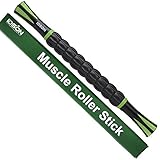
Overview: The Idson Muscle Roller Stick delivers targeted myofascial release in a compact, travel-friendly package designed for athletes seeking relief from post-workout soreness. This 17.5-inch tool features nine independent ABS rollers mounted on a steel core, providing comprehensive coverage for major muscle groups including calves, hamstrings, quads, back, and shoulders. Weighing just nine ounces, it easily fits into gym bags for pre and post-training sessions, making it an accessible recovery solution for active individuals.
What Makes It Stand Out: This roller distinguishes itself through its industrial-strength construction and professional endorsement. The thermoplastic rubber and polypropylene handles offer an ergonomic grip that prevents slippage during intense rolling sessions. Unlike basic models, the nine-roller configuration provides more contact points, allowing for efficient breakdown of muscle knots and fascia adhesions. Its robust steel rod core maintains structural integrity under pressure, ensuring consistent deep-tissue compression.
Value for Money: At $9.15, this represents exceptional value in the recovery tool market. Comparable products from established brands often cost 2-3 times more while delivering similar functionality. The build quality rivals premium options, and the multi-roller design offers professional-grade treatment at an entry-level price point, making it ideal for budget-conscious athletes.
Strengths and Weaknesses: Strengths include the nine-roller system for comprehensive coverage, lightweight portability, durable construction, and professional recommendations. The ergonomic handles provide comfortable grip during extended use. Weaknesses are minimal: the basic color scheme lacks aesthetic variety, and the steel core may feel rigid for those preferring flexible designs. Some users might find the roller spacing less refined than premium alternatives.
Bottom Line: The Idson Muscle Roller Stick is an outstanding entry-level recovery tool that punches above its weight class. For under $10, athletes receive a durable, effective, and portable solution for managing muscle soreness and accelerating recovery, making it a smart investment for both beginners and seasoned fitness enthusiasts.
2. MZDXJ Muscle Roller Massage Roller Stick- Deep Tissue Fascia Blaster for Myofascial Pain Relief, Lymphatic Drainage & Body Sculpting, Handheld Physical Therapy & Recovery Tool (Purple Black-18 inch)

Overview: The MZDXJ Massage Roller positions itself as a multifunctional wellness device targeting not just muscle recovery but also fascia health and aesthetic concerns. This 18-inch stick features a professional-grade design aimed at reaching deep trigger points while simultaneously addressing lymphatic drainage and cellulite reduction. Marketed toward both office workers and athletic enthusiasts, it promises comprehensive body conditioning through advanced ergonomic engineering.
What Makes It Stand Out: This roller’s unique selling proposition lies in its ambitious scope beyond traditional muscle recovery. The marketing emphasizes fascia conditioning, cellulite reduction, and microcirculation enhancement—claims rarely made by basic rollers. The purple and black color scheme offers visual distinction, while the ergonomic design targets hard-to-reach areas with precision. Its focus on lymphatic drainage and subcutaneous fat deposits sets it apart from purely athletic-focused competitors.
Value for Money: Priced at $9.99, the MZDXJ sits in the budget-friendly category while promising premium benefits. If the cellulite and lymphatic claims deliver even modest results, it offers tremendous value compared to specialized treatments costing hundreds. However, skepticism is warranted as these claims exceed typical myofascial release tool capabilities.
Strengths and Weaknesses: Strengths include the extended 18-inch length for better leverage, appealing aesthetics, and comprehensive wellness positioning. The trigger point targeting appears effective for standard muscle relief. Weaknesses involve potentially overstated claims about cellulite reduction and lymphatic drainage lacking clinical evidence. The brand recognition is lower than established competitors, and the focus on multiple outcomes may dilute its primary recovery effectiveness.
Bottom Line: The MZDXJ is best suited for users seeking basic muscle relief with potential bonus wellness benefits. While its cellulite and lymphatic claims should be viewed cautiously, its core functionality as a trigger point tool remains solid. At $10, it’s a low-risk experiment for those curious about expanded recovery benefits.
3. YANSYI Professional 9-Roller Deep Tissue Massage Stick - Portable Muscle Recovery Roller for Athletes, Relieves Post-Workout Soreness & Leg/Back Pain - Portable Physio Tool (Blue 1)

Overview: The YANSYI Professional Massage Stick delivers deep-tissue therapy through a nine-roller configuration designed for serious athletes seeking post-workout recovery. Measuring 17.5 inches with independent ABS rollers on a steel core, this tool provides concentrated compression to dismantle muscle knots and fascia adhesions across all major muscle groups. Its compact design and robust construction position it as a portable physiotherapy solution for gym, travel, or home use.
What Makes It Stand Out: This roller excels through its professional-grade specifications at a bargain price point. The nine independently rotating rollers offer superior coverage compared to seven-roller models, while the internal steel core ensures durability under heavy pressure. The non-slip handle coating provides secure grip during intense sessions, and the “portable physio tool” branding emphasizes clinical-level effectiveness. The vibrant blue color adds aesthetic appeal to functional design.
Value for Money: At $8.99, this represents the best value among nine-roller sticks. It undercuts most competitors by several dollars while maintaining professional features like steel core construction and independent roller action. For athletes requiring frequent myofascial release, this price point allows multiple units for different locations without financial strain.
Strengths and Weaknesses: Strengths include exceptional pricing, nine-roller coverage, durable steel core, comfortable grip, and true portability. The independent rollers effectively target multiple tissue layers simultaneously. Weaknesses include minimal brand recognition and potentially less refined roller spacing than premium alternatives. The basic instruction set may leave beginners seeking more guidance on technique.
Bottom Line: The YANSYI offers unbeatable value for athletes prioritizing functionality over brand prestige. Its nine-roller design and durable construction rival $30+ options, making it the smartest budget choice for comprehensive muscle recovery. This is the definition of professional performance at an entry-level price.
4. Tiger Tail 18in Massage Stick Portable Roller, Handheld, Deep Tissue Foam Roller, Body Massage and Myofascial Release Tool for Legs, Neck, Calves, Thighs, Shins & Back, The Original 18, Made in USA
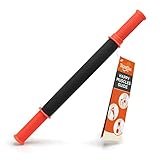
Overview: Tiger Tail USA pioneered the handheld foam roller category, and their Original 18" model remains the gold standard for professional-grade muscle recovery. This Made-in-USA tool features a patented, firm non-flexible design using medical-grade, latex-free materials. Trusted by professional sports teams and clinical practitioners nationwide, it delivers targeted deep-tissue relief without requiring floor-based positioning, reaching 95% of muscles independently.
What Makes It Stand Out: As the original innovator, Tiger Tail’s reputation is unmatched in training rooms across professional sports. The firm, non-flexible design provides superior deep-tissue targeting compared to flexible alternatives, while medical-grade materials ensure safety and durability. The 18-inch length offers optimal leverage, and the brand’s presence on professional sidelines validates its effectiveness. The latex-free construction makes it suitable for users with sensitivities.
Value for Money: At $39.95, this commands a premium price 3-4 times higher than competitors. However, the investment is justified through USA manufacturing quality, patented design, medical-grade materials, and professional validation. For serious athletes, physical therapists, and those prioritizing longevity over initial cost, the per-use value far exceeds cheaper alternatives that may need replacement.
Strengths and Weaknesses: Strengths include legendary durability, professional endorsements, superior materials, effective firm design, and brand trust. The Made-in-USA quality control ensures consistent performance. Weaknesses center on the high price point, which may be prohibitive for casual users. The non-flexible design, while effective, may feel too intense for beginners or those with acute sensitivity.
Bottom Line: The Tiger Tail is worth every penny for serious athletes and professionals who demand the best. While casual fitness enthusiasts may find adequate relief in cheaper options, those treating recovery as essential performance infrastructure will appreciate this tool’s unmatched quality, durability, and professional pedigree. It’s a long-term investment in muscular health.
5. iGreely Portable Massage Roller Stick The Ultimate Muscle Roller 17 Inches Recommended by Physical Therapists Promotes Recovery Fast Relief for Cramps Soreness Tight Muscles-White

Overview: The iGreely Portable Massage Roller emphasizes ergonomic innovation with its distinctive double-handle bump design, providing enhanced grip stability during self-massage sessions. This 17-inch tool features seven ABS rollers on a reinforced steel core, targeting feet, calves, legs, back, and shoulders. Weighing 10.6 ounces, it balances portability with substantial feel, while the white roller design offers clean aesthetics and smooth contact against skin.
What Makes It Stand Out: The standout feature is the textured handle design with strategic bumps that improve grip security and enable better leverage on hard-to-reach areas. Unlike standard cylindrical handles, this design prevents slippage during intense pressure application. The smooth roller surface is specifically engineered for direct skin contact, optimizing rolling efficiency. The reinforced steel core ensures durability despite the ergonomic handle modifications.
Value for Money: At $8.99, the iGreely competes aggressively on price while offering unique ergonomic benefits. The seven-roller configuration provides adequate coverage, though it falls short of nine-roller competitors at the same price point. The handle innovation adds value for users who struggle with grip during self-massage, potentially justifying the slightly reduced roller count.
Strengths and Weaknesses: Strengths include innovative handle design, smooth roller surface for comfortable skin contact, durable construction, and competitive pricing. The textured grips truly enhance control. Weaknesses include having only seven rollers versus nine on similarly priced alternatives, slightly heavier weight, and less comprehensive muscle coverage per pass. The white color may show dirt more readily than darker options.
Bottom Line: The iGreely is ideal for users who prioritize handle comfort and control over maximum roller density. While it sacrifices two rollers compared to competitors, the superior grip design makes it easier to apply effective pressure, especially for those with grip strength concerns. A smart choice for ergonomic-focused athletes.
6. iGreely Premium Muscle Roller The Ultimate Massage Roller Stick 17 Inches Recommended by Physical Therapists Promotes Recovery Fast Relief for Cramps Soreness Tight Muscles-White
Overview: The iGreely Premium Muscle Roller is a 17-inch massage stick engineered for comprehensive muscle recovery and pain relief. Endorsed by physical therapists, this tool effectively targets cramps, soreness, and tightness across legs, back, shoulders, and neck. Its compact 10.6-ounce design makes it ideal for home, gym, or workplace use, helping manage both athletic fatigue and occupational repetitive strain.
What Makes It Stand Out: This roller features a reinforced stainless steel core with seven independent ABS rollers that glide smoothly for consistent pressure application. The thermoplastic rubber and polypropylene handles incorporate a distinctive bump design for superior grip and control, enabling access to hard-to-reach areas. Unlike aggressively textured alternatives, the smooth roller surface is specifically optimized for direct skin contact, maximizing rolling efficacy. Its versatility extends beyond sports recovery to workplace wellness, making it a dual-purpose health management tool.
Value for Money: At $12.34, this roller delivers exceptional value rarely matched in its category. The stainless steel core and quality materials typically appear in $20+ models, making this a budget-friendly yet durable choice. The physical therapist endorsement adds credibility without inflating cost. For users seeking daily recovery support or workplace fatigue prevention, the multi-functional utility provides outstanding return on investment compared to single-purpose massage tools.
Strengths and Weaknesses: Strengths include robust stainless steel construction, ergonomic bump-enhanced grips, lightweight portability, and smooth-rolling action ideal for sensitive areas. The 17-inch length offers excellent maneuverability. Weaknesses: smooth rollers may lack intensity for users preferring aggressive myofascial release, and the white color, while attractive, may show wear over time despite anti-stain claims. The handles, though grippy, might feel bulky for smaller hands.
Bottom Line: The iGreely roller is an outstanding budget-conscious choice for reliable muscle recovery. Its professional-grade construction and therapist backing make it perfect for daily maintenance, though deep-tissue enthusiasts may prefer textured rollers. For workplace wellness and moderate athletic recovery, it’s nearly unbeatable at this price.
7. Muscle Roller Stick, Massage Roller for Muscle Deep Tissue Massage, Calf Roller for Myofascial Release, Therapy Roller Stick for Back, Legs, Arms, Waist, and Shoulders Full Body Use (Black)

Overview: This black muscle roller stick is a versatile deep tissue massage tool designed for comprehensive myofascial release across the entire body. It targets critical areas including the IT band, quadriceps, hamstrings, calves, glutes, and back. Engineered for both pre-workout warm-ups and post-exercise recovery, it serves serious athletes and fitness enthusiasts seeking professional-grade tension relief and injury prevention.
What Makes It Stand Out: Expert endorsement distinguishes this roller—it’s actively favored by trainers, physical therapists, and massage therapists for its effectiveness in releasing lactic acid buildup and preventing injuries. The non-flexible stainless steel core maintains unwavering pressure without bending, while high-quality frictional rubber handles ensure a secure grip during intense sessions. Its ability to reduce soft tissue trigger point pressure across multiple muscle groups simultaneously makes it more efficient than basic foam rollers.
Value for Money: Priced at $24.99, this roller occupies the mid-range sweet spot. The cost is justified by professional validation and superior build quality that withstands consistent heavy use. Comparable therapy-grade sticks often exceed $30, making this a smart long-term investment. For athletes who train daily, the durability and expert-backed design prevent the replacement costs associated with cheaper, less robust alternatives.
Strengths and Weaknesses: Strengths include the sturdy stainless steel construction, multi-professional endorsements, effective trigger point relief, and versatile full-body application. The non-flexible design provides precise, consistent pressure control essential for deep tissue work. Weaknesses: the $24.99 price may deter casual users, and the firmness can be too intense for beginners or those with high pain sensitivity. The black color, while practical, offers no aesthetic variety.
Bottom Line: This therapy roller is ideal for committed athletes and individuals requiring serious myofascial release. While pricier than entry-level options, its professional endorsements and durable construction make it a worthwhile investment for consistent, effective recovery. Beginners should start gently, but serious fitness enthusiasts will appreciate its uncompromising performance.
8. Massage Stick 24" Handheld Spindle Massage Roller - Full Body Muscle Recovery & Myofascial Release (Large - 24" Massage Stick)
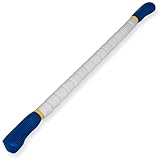
Overview: This 24-inch handheld massage stick provides extensive coverage for total body muscle recovery and myofascial release. Its extra-long design enables efficient targeting of large muscle groups and facilitates reaching the entire back without assistance. The spindle rollers rotate freely without dragging skin, delivering a smooth, comfortable massage experience that helps relieve soreness and accelerate recovery through improved circulation.
What Makes It Stand Out: The impressive 24-inch length sets this apart from standard rollers, dramatically reducing massage time for full-body sessions. The freely rotating spindles eliminate the uncomfortable skin-pulling common in cheaper models. Its engineered balance of stiffness and flexibility allows it to apply substantial pressure to stubborn knots while contouring naturally to major muscle groups like the quadriceps and hamstrings, offering a professional feel that adapts to body curves.
Value for Money: At $43.95, this is a premium investment. The extended length justifies the cost for dedicated users by cutting recovery time in half compared to 17-inch models. The high-quality spindle mechanism and professional-grade construction ensure longevity. For athletes requiring frequent comprehensive treatment, the enhanced coverage and efficiency provide strong value, though casual users may find the price excessive for occasional use.
Strengths and Weaknesses: Strengths include exceptional length for comprehensive coverage, smooth spindle rotation that prevents skin irritation, professional-grade durability, and effective knot release across large areas. It works excellently for both self-massage and assisted therapy. Weaknesses: the bulky size significantly reduces portability, making it impractical for travel or small gym bags. The premium price creates a barrier for budget-conscious buyers. Storage requires more space than compact alternatives.
Bottom Line: This 24-inch roller is perfect for serious athletes and individuals prioritizing maximum efficiency in their recovery routine. Its size and quality command a higher price, but the performance benefits make it worthwhile for those needing comprehensive myofascial release. If portability isn’t a priority, this professional-length tool is an excellent investment.
9. Massage Roller Stick,Muscle Roller Stick for Athletes,Liposuction Massage Roller for Lymphatic Drainage, for Relief Muscle Soreness, Trigger Points, Help Runner Legs, Back Recovery
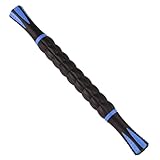
Overview: This versatile massage roller stick uniquely serves both athletic recovery and post-surgical care, specifically targeting lymphatic drainage alongside muscle soreness relief. Designed for runners and fitness enthusiasts, it addresses trigger points while supporting post-liposuction recovery protocols. Its compact, ergonomic build makes it a practical daily tool for muscle maintenance and specialized therapeutic needs.
What Makes It Stand Out: The dual-purpose functionality sets this apart, combining standard myofascial release with specialized lymphatic drainage support—a rare feature in budget rollers. The ergonomic handle and strategically placed rollers enable precise targeting of problem areas for both athletes and post-operative patients. Its specific focus on improving circulation and mobility makes it particularly valuable for runners combating leg fatigue and individuals requiring gentle, effective tissue stimulation.
Value for Money: At $9.99, this is the most accessible option in the massage stick market. The price point makes it an easy entry point for beginners or a cost-effective secondary tool for specialized lymphatic needs. While construction may not match premium steel-core models, the functionality-to-cost ratio is excellent for basic recovery requirements and post-surgical massage protocols, delivering specialized features at a fraction of typical therapy tool costs.
Strengths and Weaknesses: Strengths include ultra-affordable pricing, lightweight portability, ergonomic design, and unique lymphatic drainage benefits. It’s an excellent entry point for roller stick newcomers and provides targeted relief for runners’ legs. Weaknesses: durability concerns at this price tier, potentially insufficient pressure for deep tissue work compared to steel-core alternatives, and basic construction may not endure heavy daily use by competitive athletes. The lymphatic claims lack medical certification.
Bottom Line: This roller is a fantastic budget option for casual users, runners on tight budgets, or those needing lymphatic support post-surgery. While not built for intense athletic demands, its affordability and specialized versatility make it a smart addition to any basic recovery toolkit. Manage expectations on durability and depth, but appreciate the remarkable value.
10. MZDXJ Muscle Roller Stick for Athletes -Roller Massager for Myofascial Pain Relief - Handheld Physical Therapy & Recovery Tool(Orange black-18 inch)

Overview: The MZDXJ Muscle Roller Stick merges functional recovery with aesthetic appeal in an 18-inch design. Featuring a distinctive pearl-textured finish, this tool targets myofascial pain, fascia conditioning, and claims cellulite reduction benefits. It serves both athletes and sedentary office workers, promising trigger point relief and improved circulation through ergonomic engineering.
What Makes It Stand Out: The eye-catching pure white pearl design with matte anti-stain finish is genuinely unique in a market saturated with basic black rollers. This surface actively resists sweat, dirt, and discoloration while doubling as a stylish gym accessory. Beyond aesthetics, it specifically targets fascia adhesions and claims to improve cellulite through lymphatic drainage and microcirculation activation—features rarely emphasized in sub-$10 rollers.
Value for Money: At $9.99, this roller offers remarkable value by merging premium aesthetics with functional therapy. The pearl coating and anti-stain properties typically belong to $30+ products. While cellulite claims warrant skepticism, the core massage functionality and durable finish provide excellent ROI for style-conscious users. For those wanting an attractive, effective recovery tool without premium pricing, this delivers exceptional bang for the buck.
Strengths and Weaknesses: Strengths include stunning, stain-resistant design, versatile 18-inch length, focused fascia care marketing, and unbeatable price point. The ergonomic structure supports effective self-massage technique. Weaknesses: cellulite reduction claims lack clinical evidence, long-term durability of the pearl coating remains unproven, and it may not deliver the pressure intensity of steel-core rollers for aggressive deep tissue therapy. The orange-black color option contradicts the “pure white” marketing.
Bottom Line: This roller is perfect for users wanting an effective, visually striking recovery tool on a minimal budget. While some marketing claims are ambitious, its solid construction and unique aesthetic make it an excellent value purchase for daily muscle maintenance and light myofascial release. Choose it for style and function, not miracle cellulite cures.
Understanding Your IT Band: The Root of Lateral Knee Pain
The iliotibial band isn’t actually a muscle—it’s a thick, fibrous strip of connective tissue that extends from the tensor fasciae latae and gluteus maximus muscles at your hip, running down the outside of your thigh to insert just below your knee. Its primary function is to stabilize the knee during movement, particularly in activities involving repetitive flexion and extension like running or cycling.
When your IT band becomes irritated, it typically stems from underlying issues: weak hip abductors, poor biomechanics, sudden increases in training volume, or simply overuse. The pain you feel isn’t usually the IT band itself being “tight” in the traditional sense, but rather friction where the band rubs over the lateral femoral epicondyle. This irritation creates inflammation and a cycle of compensation that can sideline athletes for weeks if not addressed properly.
Why Traditional Stretching Often Fails the IT Band
Here’s the frustrating truth: you can’t effectively stretch your IT band like a muscle. Because it’s dense fascia with minimal elastic properties, static stretching barely makes a dent in its tension. Many athletes waste time performing stretches that target the surrounding muscles but leave the IT band itself largely unaffected. This is where targeted myofascial release becomes essential—applying direct, sustained pressure to break up adhesions and improve tissue mobility.
How Massage Stick Rollers Target IT Band Dysfunction
Massage stick rollers work through a mechanism called self-myofascial release (SMR). By applying controlled pressure along the IT band, you stimulate mechanoreceptors in the fascia, which temporarily reduces pain signals and improves tissue pliability. More importantly, this pressure helps address the muscular components that pull on the IT band—the tensor fasciae latae and gluteus medius.
The handheld design gives you mechanical advantage, allowing you to generate significant force with less effort than a foam roller. You can pause on specific trigger points, vary your rolling speed, and adjust the angle to target different aspects of the lateral thigh. This precision is crucial because IT band issues often involve localized “hot spots” that need concentrated work rather than broad, general pressure.
The Science Behind Myofascial Release for IT Bands
Research on SMR shows it can increase short-term flexibility, reduce delayed onset muscle soreness, and improve range of motion without compromising muscle performance. For IT band syndrome specifically, regular myofascial work addresses the root cause by improving tissue quality in the surrounding muscles. When you roll the IT band itself, you’re not “lengthening” it permanently—you’re desensitizing painful areas and improving the mobility of the entire kinetic chain, which reduces the pulling forces that create friction at the knee.
Key Features That Separate Average Rollers from Game-Changers
Not all massage sticks are created equal. The difference between a tool that gathers dust and one that becomes your daily recovery essential lies in several critical design elements. Understanding these features helps you invest wisely rather than settling for a subpar experience that could slow your recovery.
Material Matters: Foam Density and Durability
The roller material directly impacts effectiveness and longevity. Low-density foam feels comfortable initially but compresses quickly, losing its ability to provide meaningful pressure. Medium-density EVA foam offers the sweet spot for most users—firm enough to penetrate deep tissue but forgiving enough for daily use. High-density options provide aggressive treatment for seasoned athletes but may be too intense for beginners.
Look for closed-cell foam that resists moisture and bacteria buildup, especially if you’re using it post-workout. Some premium models feature thermoplastic elastomer (TPE) or rubberized surfaces that maintain their shape indefinitely while providing consistent feedback. Avoid cheap, open-cell foam that degrades within months and harbors sweat and bacteria.
Handle Design and Grip: The Ergonomics of Effective Rolling
Your ability to maintain control during intense rolling sessions depends entirely on handle design. Contoured grips with slight texturing prevent slippage when your hands get sweaty. Handles should be long enough to accommodate different grip positions—some users prefer a wide grip for leverage, others a narrow grip for precision.
Premium models feature rotating handles that stay stationary while the roller spins, reducing friction on your palms and allowing longer sessions without discomfort. The distance between handles should match your shoulder width for optimal biomechanics. Too narrow, and you’ll hunch forward, creating poor posture. Too wide, and you’ll lose mechanical advantage.
Roller Texture: Smooth vs. Textured Surfaces
Smooth rollers provide consistent, even pressure across the entire IT band—ideal for beginners or those with acute inflammation. They’re gentler and allow you to build tolerance before progressing to more aggressive tools.
Textured rollers feature ridges, bumps, or grid patterns that mimic a therapist’s fingers and thumbs. These designs dig deeper into tissue, targeting specific trigger points and breaking up adhesions more effectively. However, they can be too intense for daily use on already irritated IT bands. Many athletes benefit from owning both: a smooth roller for regular maintenance and a textured one for weekly deep-tissue sessions.
Portability Factor: Size and Weight Considerations
A massage stick’s advantage over foam rollers is portability, but designs vary significantly. Full-size sticks (18-24 inches) provide the best leverage and coverage for IT band work but may be cumbersome for travel. Compact models (12-15 inches) fit easily in gym bags and suitcases but require more effort to generate pressure.
Consider your lifestyle: if you travel frequently for races or work, a two-piece collapsible design might be worth the investment. Weight matters too—aluminum-core sticks are lighter than solid plastic but may feel less substantial during use. The ideal balance is around 1-1.5 pounds: light enough to carry daily but heavy enough to maintain stability during aggressive rolling.
Types of Massage Stick Rollers: Finding Your Perfect Match
The market offers several distinct categories of massage sticks, each with unique benefits for IT band recovery. Understanding these categories helps you narrow your search based on your specific pain points, tolerance level, and recovery goals.
Standard Foam Rollers: The Classic Approach
These feature a solid foam cylinder with plastic or metal handles on each end. They’re the most affordable and widely available option, making them perfect entry-level tools. The consistent density provides predictable feedback, and their simple design means fewer parts that can break. For IT band work, look for models with a 2-3 inch diameter roller—smaller diameters concentrate pressure more effectively on the narrow IT band.
Textured/Trigger Point Rollers: Deep Tissue Precision
These aggressive tools feature pronounced ridges, knobs, or spiked surfaces designed to mimic deep-tissue massage. The texture helps identify and isolate adhesions you might miss with a smooth roller. For IT band syndrome, the ability to pause on specific tender spots and work them with the roller edges is invaluable. Start with short sessions (30-60 seconds per area) to avoid over-stimulating already irritated tissue.
Vibrating Massage Sticks: High-Tech Recovery
Vibration therapy adds another dimension to myofascial release. The oscillations help relax muscles faster, increase blood flow, and potentially block pain signals through gate control theory. For IT bands, vibration can make deep work more tolerable by reducing the discomfort that often causes people to roll too lightly. Look for models with multiple speed settings—lower frequencies (20-30 Hz) for relaxation, higher frequencies (40-50 Hz) for stimulating circulation.
Adjustable and Modular Systems: Customizable Therapy
These innovative designs allow you to swap roller textures, adjust spacing between rollers, or even change roller firmness. Some systems feature interchangeable cores that let you progress from soft to firm as your tissue adapts. For IT band recovery, the ability to configure a dual-roller setup can be particularly useful—one roller targets the IT band while the other simultaneously works the quadriceps or hamstrings, addressing the entire kinetic chain in one motion.
Proper Technique: Transforming Pain into Progress
Owning the perfect massage stick means nothing without proper technique. IT band rolling requires a specific approach that differs from general muscle rolling. The goal isn’t to crush the tissue into submission but to methodically improve mobility while respecting your body’s pain signals.
Step-by-Step IT Band Rolling Protocol
Begin by identifying your “hot zones”—the most tender areas along your outer thigh, typically near the knee and hip. Start rolling at the top of your lateral thigh, just below the hip bone. Apply moderate pressure and roll slowly down toward your knee at about one inch per second. When you encounter a particularly tender spot, pause and hold pressure for 20-30 seconds while taking deep breaths. This allows the fascia to release gradually.
Never roll directly over the bony prominence of your knee. Stop about 2-3 inches above the joint line. Work the entire length of the IT band for 60-90 seconds per leg, then revisit the most painful spots for an additional 30 seconds. The key is consistency—daily short sessions trump occasional marathon rolling sessions.
Frequency and Duration: How Much is Too Much?
For acute IT band pain, roll once or twice daily for 1-2 minutes per leg. As symptoms improve, reduce to once daily as maintenance. More is not better—over-rolling can increase inflammation and irritate nerves. Pay attention to how your body responds: if you feel increased pain or bruising the next day, you’ve overdone it.
Morning sessions can help prepare the tissue for activity, while evening rolling aids recovery. Pre-workout rolling should be brief (30 seconds) and lighter to avoid desensitizing the tissue. Post-workout sessions can be more thorough since warm muscles respond better to deep pressure.
Common Mistakes That Sabotage Your Recovery
Even with the right tool and technique, certain pitfalls can derail your progress. Recognizing these errors saves you weeks of frustration and potential injury.
Rolling too aggressively is the most frequent mistake. Grimacing through severe pain triggers a protective muscle response that tightens the very tissue you’re trying to release. The sensation should be intense but manageable—around a 6-7 on a pain scale of 10. If you’re tensing up or holding your breath, back off.
Another critical error is rolling too quickly. Speeding through the motion provides minimal myofascial benefit and can actually irritate the tissue. The slow, deliberate pace is what allows mechanoreceptor stimulation and tissue adaptation. Additionally, many users neglect the surrounding muscles—the glutes, TFL, and quads all influence IT band tension. Treating the IT band in isolation while ignoring these contributors is like bailing water from a boat without fixing the leak.
Integrating Massage Sticks into a Holistic IT Band Recovery Plan
Massage sticks are powerful tools, but they’re not magic wands. Lasting IT band recovery requires a comprehensive approach that addresses underlying causes while using the roller for symptom management.
Complementary Exercises and Stretches
Pair your rolling routine with targeted hip strengthening exercises. Clamshells, lateral band walks, and single-leg glute bridges activate the gluteus medius, reducing the pulling force on the IT band. Perform these exercises after rolling when the tissue is more receptive to new movement patterns.
Dynamic stretches like leg swings and walking lunges improve range of motion without the limitations of static stretching. The key is creating a routine where rolling reduces tension, strengthening builds support, and dynamic movement reinforces proper mechanics.
When to Roll: Timing Your Recovery Sessions
Strategic timing maximizes benefits. Pre-activity rolling should focus on reducing minor tension without creating tissue fatigue. Post-activity sessions can be more intensive to address the micro-trauma from training. On rest days, morning rolling helps combat overnight stiffness, while evening sessions promote recovery during sleep.
Consider rolling before bed to improve sleep quality—reduced muscle tension often leads to deeper, more restorative rest. Just keep sessions gentle to avoid overstimulating your nervous system before sleep.
Safety First: Contraindications and Precautions
While generally safe, massage sticks aren’t appropriate for everyone. Avoid rolling directly over acute injuries, open wounds, or areas with significant swelling. If you have varicose veins, avoid direct pressure and consult a physician before beginning any SMR routine.
People with nerve conditions like sciatica should be cautious—intense pressure can exacerbate nerve irritation. Pregnant individuals should consult their healthcare provider, as certain pressure points may be contraindicated. If you experience numbness, tingling, or increased pain that lasts more than 24 hours after rolling, discontinue use and seek professional evaluation.
Never roll over bony prominences or joints. The IT band attaches near the knee, but the roller should stay on the muscular/fascial portion of the thigh. Rolling directly on the knee joint can cause bursitis or aggravate existing inflammation.
Maintenance and Care: Extending Your Roller’s Lifespan
Proper maintenance ensures your investment continues performing optimally. After each use, wipe the roller with a damp cloth and mild soap to remove sweat and skin oils. For textured rollers, use a soft brush to clean between the ridges where bacteria can accumulate.
Store your stick in a cool, dry place away from direct sunlight, which can degrade foam over time. Periodically check handle connections for loosening—tighten any screws or fittings to maintain stability. If your roller has a removable core, take it apart monthly to clean inside and check for wear.
Replace your roller when the foam shows significant compression or when the texture begins to break down. A degraded roller not only loses effectiveness but can also harbor bacteria that lead to skin irritation. Most quality sticks last 1-2 years with regular use, though heavy users may need replacement annually.
Frequently Asked Questions
How long before I see results from using a massage stick on my IT band?
Most users notice immediate, short-term relief after the first session due to reduced pain sensitivity. However, lasting improvement in IT band syndrome typically requires 2-4 weeks of consistent daily use combined with strengthening exercises. Track your progress by monitoring morning stiffness and pain levels during activity rather than expecting overnight miracles.
Can massage stick rollers make my IT band syndrome worse?
Yes, if used improperly. Over-rolling, excessive pressure, or rolling directly over an acutely inflamed area can increase irritation. Start gently, respect pain signals, and always pair rolling with rest days and complementary strengthening. If pain worsens after 3-4 sessions, reassess your technique or consult a physical therapist.
Should I roll my IT band if it’s already painful to the touch?
During acute flare-ups, direct IT band rolling may be too intense. Instead, focus on the surrounding muscles—glutes, TFL, and quads—to reduce pulling forces. Once acute pain subsides (usually 3-5 days), introduce gentle IT band rolling starting with 30-second sessions and gradually increasing duration as tolerance improves.
What’s the difference between a massage stick and a foam roller for IT bands?
Massage sticks offer superior control, portability, and targeted pressure on the narrow IT band. Foam rollers provide broader pressure and are better for large muscle groups but make it difficult to isolate the IT band without also compressing the quadriceps. Most athletes benefit from owning both tools for comprehensive recovery.
How much pressure should I apply when rolling my IT band?
Aim for a pain level of 6-7 out of 10—intense but not excruciating. You should be able to breathe normally and maintain relaxed surrounding muscles. If you’re clenching your jaw or tensing your shoulders, reduce pressure. Remember, more pain doesn’t equal more gain with myofascial release.
Can I use a massage stick roller on other body parts?
Absolutely. These tools work exceptionally well on calves, hamstrings, quadriceps, and even forearms. The same principles apply: slow movements, pause on tender spots, and avoid joints. Many runners use them on their calves before IT band work since the entire lower extremity kinetic chain is connected.
How do I know if I’m rolling too much?
Signs of over-rolling include increased pain the following day, visible bruising, numbness or tingling, and skin irritation. If you notice these symptoms, take 2-3 days off and resume with lighter pressure and shorter sessions. Quality trumps quantity—focused 90-second sessions beat 10 minutes of aggressive rolling.
Are vibrating massage sticks worth the extra cost for IT band issues?
For chronic IT band syndrome, vibration can be a game-changer. The oscillations help override pain signals, allowing deeper work with less discomfort. They also stimulate blood flow more effectively than manual rolling. If budget allows and you plan to use the tool long-term, the investment often pays off in faster recovery and improved compliance.
What’s the best time to roll: before or after exercise?
Both have benefits. Pre-exercise rolling (30 seconds, light pressure) can improve tissue elasticity without reducing performance. Post-exercise rolling (1-2 minutes, moderate pressure) addresses the micro-trauma from training. For IT band syndrome, consistency matters more than timing—choose the schedule you’ll actually stick to.
Can massage stick rollers prevent IT band syndrome from recurring?
Yes, when used as part of a comprehensive prevention strategy. Regular rolling maintains tissue quality and mobility, but must be combined with hip strengthening, proper training progression, and gait analysis. Think of the roller as maintenance, not a cure—addressing underlying biomechanics is what prevents recurrence.