Gone are the days when staying safe on the water meant strapping on a bulky, neon-orange vest that restricted your movement and ruined your sleek silhouette. Minimalist life belts represent a paradigm shift in personal flotation—packing serious safety credentials into designs so discreet, you’ll forget you’re wearing one. These innovative devices are revolutionizing how paddlers, anglers, and recreational boaters approach water safety, offering freedom of movement without compromising on the protection that could save your life.
But before you ditch your traditional PFD in favor of these streamlined alternatives, it’s crucial to understand what you’re actually getting. Not all minimalist flotation devices are created equal, and the wrong choice—or worse, a misunderstanding of their limitations—could put you in serious danger. This comprehensive guide cuts through the marketing hype to give you the expert knowledge you need to make an informed decision about whether a minimalist life belt is right for your aquatic adventures.
Top 10 Life Belts for Minimalist Use
Detailed Product Reviews
1. MUSTANG SURVIVAL Minimalist Belt Pack PFD (Color: Admiral Gray)

Overview: The MUSTANG SURVIVAL Minimalist Belt Pack PFD in Admiral Gray represents premium water safety gear designed for discerning boaters and paddlers. This manually-inflated belt pack carries dual harmonized approval for both USA and Canada (Level 70), delivering 15.7 pounds of buoyancy when activated. Its understated gray colorway appeals to users prioritizing function over flash, while the ergonomic design ensures it remains unobtrusive during active water sports until needed.
What Makes It Stand Out: The harmonized Level 70 certification is a significant differentiator, providing legal compliance across North American borders—crucial for cross-border boaters. The minimalist profile eliminates bulk compared to traditional life jackets, while the manual inflation cord offers reliable activation without battery concerns. Compatibility with Mustang’s Re-arm Kit J (MA3070) simplifies post-use repacking, and the lightweight construction prevents fatigue during all-day wear.
Value for Money: At $99.99, this sits at the premium end of belt pack PFDs. The price is justified by dual-country certification, reputable brand heritage, and professional-grade materials. While budget alternatives exist, the harmonized approval and proven re-arm system save money long-term for serious enthusiasts who frequently replace CO2 cartridges.
Strengths and Weaknesses: Strengths include international certification, lightweight ergonomic fit, reliable manual mechanism, and brand reputation. Weaknesses involve manual-only inflation (no automatic backup), 15.7 lbs buoyancy being lower than some competitors, and the premium price point that may deter casual users.
Bottom Line: For serious boaters requiring certified cross-border compliance and trusted performance, this belt pack delivers despite its higher cost. Casual paddlers may find better value elsewhere, but safety-conscious enthusiasts will appreciate the investment.
2. Mustang Survival Minimalist Belt Pack PFD (Color: Azure Blue)

Overview: The Mustang Survival Minimalist Belt Pack PFD in Azure Blue offers the same trusted brand quality in a vibrant colorway at a slightly more accessible price point. This compact personal flotation device provides 25 pounds of buoyancy when manually inflated, making it suitable for various water activities from fishing to recreational boating. The adjustable waist belt ensures a secure fit for diverse body types and activity levels.
What Makes It Stand Out: The impressive 25 lbs buoyancy exceeds many belt pack competitors, providing enhanced floatation security without adding bulk. The striking azure blue color improves visibility on the water while maintaining the signature minimalist design that stays out of your way during casting or paddling. The adjustable belt system accommodates layering, making it versatile across seasons and weather conditions.
Value for Money: At $96.22, it’s marginally cheaper than its Admiral Gray counterpart while offering higher buoyancy. This represents solid value for the Mustang brand name and proven reliability. However, the listing lacks specific certification details, potentially limiting its appeal to regulatory-conscious buyers who need documented compliance.
Strengths and Weaknesses: Strengths include superior buoyancy, comfortable lightweight design, reputable manufacturer, and versatile adjustability for various body types. Weaknesses are the ambiguous certification status, manual-only inflation system, and limited color options compared to broader market offerings from competitors.
Bottom Line: An excellent mid-range choice for recreational boaters prioritizing brand trust and higher buoyancy. Verify certification requirements for your specific activities, but the performance-to-price ratio makes it a smart purchase for most casual water enthusiasts seeking reliable safety gear.
3. BLUESTORM Cirro 16 Manual Inflatable Belt Pack for Adults | US Coast Guard (USCG) Approved Life Jacket Waist Belt PFD for SUP Paddleboarding, Fishing & More (Nitro RED)

Overview: The BLUESTORM Cirro 16 Manual Inflatable Belt Pack delivers US Coast Guard-approved safety at a compelling price point. This Type V PFD with Type III performance provides 16.5 pounds of buoyancy via CO2 inflation, with a backup oral inflation option boosting capacity to 29 pounds. Designed for stand-up paddleboarding, kayaking, and fishing, it includes the CO2 cylinder conveniently stored in the belt pack.
What Makes It Stand Out: USCG approval is the headline feature, ensuring legal compliance for paddle sports enthusiasts. The included CO2 cylinder eliminates hidden costs and immediate setup hassles. D-Rings provide practical accessory attachment points for leashes or gear, while the universal sizing (30-52 inch chests) accommodates most adults. The secondary oral inflation offers peace of mind beyond the primary CO2 system.
Value for Money: At $63.99, this significantly undercuts premium brands while maintaining regulatory approval. The included cylinder adds $15-20 value, making the effective price even more attractive. For casual paddlers and anglers, it delivers essential safety without premium markup.
Strengths and Weaknesses: Strengths include USCG certification, included CO2 cylinder, versatile sizing, D-Ring utility, and dual inflation methods. Weaknesses involve a less established brand reputation, potentially bulkier profile than premium options, and manual-only activation requiring user presence of mind.
Bottom Line: The best value proposition for budget-conscious water sports enthusiasts needing certified safety. While it lacks the refinement of premium brands, the BLUESTORM Cirro 16 meets all legal requirements without breaking the bank.
4. Groove Life Groove Belt Ultra Dark Earth – Stretchable Nylon Webbing with Magnetic Buckle – Adjustable EDC Belt for Construction, Work, Golf, Tactical, Outdoor, or Duty – Size Large (37-40")
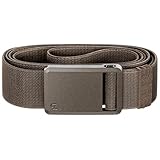
Overview: The Groove Life Groove Belt Ultra in Dark Earth redefines everyday carry belts with its innovative magnetic buckle and stretch nylon construction. Designed for professionals from construction to concealed carry, this Large size (37-40") belt combines security with all-day comfort. The machine-washable design handles job site grime, while the no-slip locking mechanism prevents accidental release during critical moments.
What Makes It Stand Out: The curved polymer magnetic buckle snaps together effortlessly, even with gloved hands, and micro-adjusts for a precision fit. The stretch nylon webbing moves with your body without rolling or pinching, making it ideal for dynamic activities. An elastic keeper loop maintains a clean profile, preventing snagging on equipment or holsters.
Value for Money: At $64.95, it competes directly with premium EDC and tactical belts. The magnetic convenience and stretch comfort justify the price over traditional rigid belts. The lifetime Groove Guarantee adds long-term value, though the specialized design may not suit formal office environments.
Strengths and Weaknesses: Strengths include innovative magnetic buckle, comfortable stretch material, secure locking system, machine washability, and concealed carry suitability. Weaknesses involve potential magnetic interference with sensitive electronics, premium pricing for a belt, and specific sizing requiring careful measurement.
Bottom Line: A top-tier choice for active professionals and CCW permit holders seeking convenience and comfort. The magnetic buckle is genuinely transformative, making this worth the investment for daily wear in demanding environments.
5. Mile High Life | Nylon Web Belt | Outdoor Military Belt | TSA Safe Buckle Plastic/Metal

Overview: The Mile High Life Nylon Web Belt delivers military-inspired functionality at an unbeatable price point. This one-size-fits-all belt features a TSA-safe buckle and high-density canvas webbing rated for 500kg capacity. Available in multiple colors, it transitions from outdoor adventures to business casual settings while simplifying airport security screening.
What Makes It Stand Out: The non-metal YKK buckle with metallic aesthetics passes through TSA checkpoints without removal, a rare convenience for frequent travelers. The cut-to-fit design accommodates waists up to 52 inches, ensuring universal sizing. Despite the $8.99 price, the 500kg weight rating demonstrates surprising strength for tactical or work applications.
Value for Money: At $8.99, this is arguably the best value belt on the market. Comparable tactical belts cost 5-10 times more. While it lacks premium features like stretch or magnetic closures, the price-to-performance ratio is exceptional for a backup or travel-specific belt.
Strengths and Weaknesses: Strengths include TSA-friendly design, incredible affordability, adjustable universal sizing, high weight capacity, and color variety. Weaknesses involve basic construction without advanced features, plastic buckle feel, no stretch comfort, and a minimal 6-month warranty suggesting limited durability expectations.
Bottom Line: An essential travel accessory and practical backup belt that punches far above its weight class. Don’t expect premium comfort, but for TSA convenience and occasional use, it’s a no-brainer purchase that belongs in every frequent flyer’s kit.
6. Groove Life Groove Belt Walnut/Brown - Men’s Stretch Nylon Belt with Magnetic Aluminum Buckle, Lifetime Coverage - Large (37-40")

Overview: The Groove Life Groove Belt targets hardworking men who refuse to compromise between function and style. Designed for craftsmen, outdoorsmen, and golfers, this Walnut/Brown variant combines rich aesthetics with technical performance. The stretch nylon webbing and magnetic aluminum buckle create a secure yet flexible fit that moves with you through work, travel, or 18 holes.
What Makes It Stand Out: The rare-earth magnetic buckle system is the star feature—offering satisfying snap-on/snap-off convenience while maintaining serious holding power. The A380 aluminum alloy construction ensures durability without bulk. The “adjust once, wear all day” philosophy resonates with active users tired of constant belt readjustment. Its Alaskan origins and Tennessee manufacturing add authentic outdoor credibility.
Value for Money: At $64.95, this sits in the premium belt category. However, the limited lifetime warranty fundamentally changes the value proposition. Compare this to replacing $30-40 leather belts every few years, and the Groove Belt becomes a cost-effective long-term investment. The versatility—transitioning from job site to golf course to casual weekend—eliminates need for multiple belts.
Strengths and Weaknesses: Pros: Exceptional comfort with stretch webbing; incredibly secure magnetic buckle; versatile styling; genuine lifetime warranty; rugged construction. Cons: Premium price point may deter budget-conscious buyers; magnetic buckle could be problematic for those with pacemakers; limited color options compared to traditional belts.
Bottom Line: For active men seeking a “buy it for life” belt that delivers comfort, durability, and understated style, the Groove Belt Walnut/Brown is an excellent investment. The lifetime warranty removes purchase risk, making it our top recommendation for discerning users.
7. BLUESTORM Cirro 16 Manual Inflatable Belt Pack for Adults | US Coast Guard (USCG) Approved Life Jacket Waist Belt PFD for SUP Paddleboarding, Fishing & More (HI-VIS Green)

Overview: The BLUESTORM Cirro 16 redefines personal flotation for water sports enthusiasts who prioritize freedom of movement. This USCG-approved Type V PFD delivers Type III performance in a minimalist belt pack design. Perfect for paddleboarding, kayaking, and fishing, it stays unobtrusive until you need it most.
What Makes It Stand Out: The manual inflation system activates with a simple “jerk to inflate” cord, deploying a pillow-style bladder in seconds for 16.5 pounds of buoyancy. The HI-VIS green color enhances visibility, while integrated D-rings offer convenient accessory attachment. Its universal fit (30-52 inch chest) accommodates most adults without complicated sizing.
Value for Money: Priced at $69.99, the Cirro 16 sits competitively in the inflatable PFD market. Traditional foam life jackets with similar USCG ratings typically cost $50-80 but lack the comfort and convenience factor. The included CO2 cylinder and thoughtful design for specific water sports justify the premium over basic models.
Strengths and Weaknesses: Pros: USCG-approved safety; extremely comfortable and low-profile; quick, reliable inflation; versatile universal sizing; excellent for high-activity water sports. Cons: Manual inflation only—requires user awareness; must be rearmed after deployment; not suitable for non-swimmers or high-impact tow sports; CO2 cylinder requires periodic inspection.
Bottom Line: For paddleboarders, kayakers, and anglers seeking USCG-approved safety without restriction, the BLUESTORM Cirro 16 is an outstanding choice. Its minimalist design and reliable performance make it worth every penny for conscientious water enthusiasts.
8. Groove Life Groove Belt Low Profile Gun Metal/Deep Stone Grey - Men’s Stretch Nylon Belt with Magnetic Aluminum Buckle, Lifetime Coverage - Large (37-40")

Overview: The Low Profile Groove Belt variant refines the original design for those seeking subtle sophistication. The Gun Metal/Deep Stone Grey colorway offers understated versatility while maintaining the brand’s signature stretch comfort and magnetic security. This version specifically addresses users wanting a slimmer, more discreet aesthetic.
What Makes It Stand Out: The slimmed-down buckle profile with rounded edges and thinner webbing ensures compatibility with all belt loops, including dress pants. The anti-flap keeper loop elegantly tucks away excess strap—a detail absent in many competitors. Stiff-Tech webbing prevents the annoying folding and twisting common in nylon belts, maintaining a crisp appearance all day.
Value for Money: At $64.95, identical to the standard Groove Belt, the Low Profile version offers superior value for office workers and those needing dress-casual versatility. You’re getting the same lifetime warranty and magnetic buckle technology in a more adaptable package. This effectively replaces both work and dress belts, doubling its value proposition.
Strengths and Weaknesses: Pros: Sleek, low-profile design fits any attire; anti-flap keeper maintains clean look; same durable magnetic buckle; lifetime coverage; Stiff-Tech prevents loop folding. Cons: Premium pricing; limited color options in low-profile line; grey may show dirt more than darker colors; magnetic system may not suit all environments.
Bottom Line: The Low Profile Groove Belt is the perfect choice for men needing one belt that seamlessly transitions from boardroom to backyard. Its refined design and lifetime backing make it a smart, versatile investment for the modern professional.
9. BOTE Life Jacket Manual Inflatable Mechanism Teen to Adult Life Vest Belt Pack Inflatable PFD Waist US Coast Guard Approved CO2 Included Unisex Belt Pack Adjustable

Overview: BOTE, a premium water sports brand, brings its design expertise to the inflatable PFD market with this manual belt pack life jacket. Targeting serious paddlers and boaters, it combines USCG-approved safety with the brand’s reputation for quality. The universal sizing accommodates teens to adults, making it a versatile family option.
What Makes It Stand Out: The exceptionally wide fit range (30-52 inch chest, 21.5-57.5 inch waist) exceeds most competitors. BOTE specifies the exact rearming kit model (Leland V87000-82123Z), eliminating guesswork—a thoughtful detail for maintenance. The 6F Mini Inflator mechanism and internal spare CO2 storage pocket demonstrate attention to practical on-water needs.
Value for Money: At $99.00, this commands a brand premium over competitors like BLUESTORM. However, BOTE’s reputation for water sports equipment quality and the precise engineering details justify the cost for serious enthusiasts. For casual users, the price may be harder to justify compared to sub-$70 alternatives.
Strengths and Weaknesses: Pros: Premium brand quality; extremely versatile sizing; clear rearming specifications; included CO2 cylinder; Type III performance when inflated. Cons: Highest price in category; manual inflation only; requires user diligence; brand premium may not appeal to budget buyers.
Bottom Line: The BOTE inflatable belt pack is ideal for dedicated water sports enthusiasts who trust the brand’s reputation and need maximum sizing flexibility. Casual users may find better value elsewhere, but serious paddlers will appreciate the quality and attention to detail.
10. Eyson Inflatable Life Jacket Life Vest Life Ring Belt Pack Waist Bag Manual (600 Black)

Overview: The Eyson belt pack PFD delivers essential water safety at a budget-friendly price point. This manual inflatable life jacket prioritizes simplicity and affordability without sacrificing core functionality. The black colorway offers subtle styling that won’t clash with gear, making it ideal for recreational boaters and casual paddlers.
What Makes It Stand Out: The 110 newton buoyancy rating (approximately 24.7 pounds) provides ample flotation for adults up to 240 pounds—exceeding many competitors. The reusable, washable design with easy air-dry capability addresses hygiene concerns often overlooked in budget PFDs. The approximately 3-second inflation time matches premium brands.
Value for Money: At $59.99, the Eyson significantly undercuts USCG-approved alternatives while delivering comparable performance. This represents exceptional value for occasional users, rental operations, or families needing multiple units. The 24g CO2 cylinder specification suggests robust inflation capacity, further enhancing value.
Strengths and Weaknesses: Pros: Excellent price point; strong buoyancy rating; quick inflation; reusable and washable; adjustable waist strap. Cons: Lesser-known brand may raise durability questions; limited size specification details; minimal extra features; manual inflation requires user competence.
Bottom Line: For budget-conscious water enthusiasts seeking USCG-equivalent safety without frills, the Eyson belt pack is a standout value. It’s perfect for recreational use, though serious paddlers may prefer established brands with longer track records.
Understanding Minimalist Life Belts: The Modern Approach to Water Safety
What Exactly Is a Minimalist Life Belt?
A minimalist life belt—technically known as a belt-pack inflatable PFD—is a wearable flotation device that sits at your waist like a small fanny pack. Unlike traditional foam-filled vests that provide constant buoyancy, these devices remain uninflated until you need them, either through manual activation or automatic immersion sensors. When deployed, they transform into a full-sized flotation collar or vest, typically providing 15.5 to 35 pounds of buoyancy depending on the design and certification level.
How These Devices Differ From Traditional PFDs
The fundamental difference lies in the activation method and wearability. Traditional PFDs use inherently buoyant materials like foam that float you immediately upon entering the water. Minimalist belts trade instant flotation for freedom of movement, storing their buoyancy potential in a compact package until deployment. This distinction is critical—it means these devices require user action or specific water conditions to activate, fundamentally changing the risk profile compared to conventional life jackets.
The Evolution of Personal Flotation Technology
From Bulky Vests to Sleek Belt Designs
The journey toward minimalist flotation began with commercial fishermen and sailing racers who needed unencumbered movement for their work and sport. Early designs were essentially manual-inflation life vests that could be worn around the waist, but modern versions incorporate sophisticated automatic inflation mechanisms, hydrostatic pressure sensors, and ergonomically designed bladder systems that deploy in seconds. Today’s technology represents decades of refinement in materials science and marine safety engineering.
The Science Behind Low-Profile Flotation
The magic happens through compressed CO2 inflation systems paired with carefully engineered bladder designs. When triggered, a puncture mechanism releases gas from a compact cartridge, filling a folded bladder that unfurls to create a buoyant chamber around your upper body. The physics of this deployment is precise—the bladder must inflate rapidly enough to surface an unconscious user but not so violently that it causes injury or disorientation. Premium designs use baffles and chambers to control inflation speed and shape.
Key Safety Certifications and Regulations
Understanding USCG Approval Ratings
In the United States, the Coast Guard classifies inflatable PFDs into different categories. Most minimalist belts fall under Type III or Type V designations, but here’s the critical detail: Type V devices require specific conditions to be met for legal compliance. For recreational boaters, a Type III inflatable belt pack is generally acceptable, but you must be wearing it—not just having it aboard—to count toward your vessel’s PFD requirements. Always verify the specific USCG approval number and classification before purchasing.
International Standards: ISO and CE Certifications
For global travelers or those boating in international waters, ISO 12402 certification is the gold standard. CE markings indicate European conformity, with specific performance ratings like 50N, 100N, or 150N indicating Newtons of buoyancy. A 50N device is considered a buoyancy aid, not a life jacket, and requires the user to be a conscious swimmer. Understanding these ratings prevents dangerous assumptions about your device’s capabilities in foreign jurisdictions.
What Those Buoyancy Numbers Really Mean
That “15.5 lb” or “22 lb” rating isn’t just marketing—it’s a scientifically tested measurement of upward force. Here’s what matters: an average adult needs about 7-12 pounds of buoyancy to keep their head above water, but that assumes calm conditions and conscious control. Rough water, heavy clothing, or injury dramatically increase buoyancy needs. The 15.5-pound minimum for adult Type III devices provides a safety margin, but more isn’t always better—excessive buoyancy can make self-rescue more difficult in certain situations.
Core Features That Define Quality Minimalist Life Belts
Inflation Mechanisms: Manual vs. Automatic
Manual inflation requires you to pull a toggle, which sounds simple until you’re injured, disoriented, or unconscious. Automatic systems use a dissolving tablet (hammerspace) or hydrostatic pressure sensor that triggers at a specific water depth, typically 4-6 inches. Hydrostatic sensors are more reliable in spray and heavy rain but cost significantly more. Your choice should reflect your swimming ability, typical water conditions, and risk tolerance—strong swimmers in calm lakes might opt for manual, while offshore sailors need automatic.
CO2 Cartridge Systems Explained
The heart of these devices is the CO2 cartridge, typically 16-gram, 24-gram, or 33-gram sizes. The cartridge size directly correlates to inflation speed and bladder volume. Crucially, cartridges are single-use and must be replaced after each deployment. Check whether your device uses a bayonet-style or threaded cartridge—this affects replacement cost and availability. Some premium models include a cartridge status indicator window, letting you visually confirm the seal is intact without removing it.
Oral Inflation Backup Systems
Every quality minimalist belt includes a manual oral inflation tube as a backup. This isn’t just for emergencies—it’s essential for fine-tuning buoyancy after automatic inflation or for testing the bladder integrity during pre-trip inspections. The tube should be accessible, clearly marked, and made from materials that resist UV degradation. Practice using it in calm water; panic is a poor teacher when you’re fighting to stay afloat.
Buoyancy Requirements: How Much Float Do You Actually Need?
Adult Buoyancy Standards by Weight Class
While 15.5 pounds is the USCG minimum for adults, your weight and body composition matter significantly. Muscle is denser than fat, meaning athletic individuals may need more buoyancy. Most manufacturers provide weight-based recommendations: under 80 pounds (child devices), 80-160 pounds (standard 15.5-18 lb), and over 160 pounds (22+ lb). However, these are guidelines—your comfort in water and clothing weight are equally important factors.
Special Considerations for Different Water Activities
Kayak anglers wearing heavy waders and gear may need the full 22-pound rating even if they weigh 150 pounds. Stand-up paddleboarders in warm water with minimal clothing might be fine with 15.5 pounds. Cold water activities require extra caution—hypothermia reduces swimming effectiveness, making higher buoyancy and automatic inflation more critical. Always calculate your “wet weight” including all gear when assessing buoyancy needs.
Design Elements That Impact Performance
Waistband Materials and Comfort Factors
You’ll be wearing this device for hours, so comfort matters. Look for waistbands with breathable mesh backing, adjustable straps with positive-locking buckles, and padding that prevents chafing without adding bulk. The buckle should be easy to operate with cold, wet hands but secure enough to stay fastened during vigorous activity. Some designs incorporate tool loops or small pockets, but remember: every added feature increases bulk and potential failure points.
Profile and Weight Distribution
A well-designed belt pack rides at your natural waist, distributing weight evenly so you barely notice it. Poor designs sit too high, dig into your ribs when sitting, or shift during movement. The ideal profile is no more than 3-4 inches thick when packed, allowing you to wear it comfortably under a spray skirt or rain jacket. Test the fit while seated in your kayak or on your boat—movement restrictions you notice for five minutes in a store become maddening after three hours on the water.
Visibility and Color Considerations
While the uninflated belt may be stealthy black or gray, the deployed bladder should be high-visibility yellow, orange, or red with reflective patches. This isn’t fashion—it’s survival. In rough water, you want to be seen from a distance. Some designs incorporate SOLAS-grade reflective tape, which is the same material used on commercial life rafts. Consider this non-negotiable for offshore or remote paddling.
Activity-Specific Considerations
Paddle Sports: Kayaking, Stand-Up Paddleboarding
For SUP and kayaking, freedom of shoulder rotation is paramount. Belt packs excel here, but consider your remount ability. Can you climb back on a paddleboard while wearing an inflated device? Practice this skill in shallow water. For kayak touring, ensure the inflated bladder doesn’t interfere with your spray skirt or make wet exits more difficult. Some paddlers prefer belt packs with front-mounted bladders that stay clear of the cockpit rim.
Sailing and Boating Applications
Sailors need unobstructed movement for winch grinding and line handling, making belt packs attractive. However, offshore sailors face higher capsize risk and colder water, favoring automatic inflation and higher buoyancy ratings. The belt must also accommodate harness tethers if you’re doing serious offshore work. Check that the inflated shape works with your boat’s lifeline system—you don’t want the bladder catching on hardware when climbing back aboard.
Fishing From Kayaks or Small Craft
Anglers face unique risks: heavy gear, sharp hooks, and frequent leaning. A belt pack keeps your upper body clear for casting, but consider hook hazards. An inflated bladder near treble hooks is dangerous—some fishing-specific designs position the bladder to deploy away from the chest. Also, think about your landing net; can you still use it effectively with an inflated device? Practice your fish-landing routine while wearing the inflated belt.
Swimming and Snorkeling Scenarios
This is where belt packs get controversial. For surface snorkeling, they work well—you remain unencumbered until needed. But for active swimming, the drag of the uninflated pack is noticeable, and if you need inflation, you’re likely in a situation where immediate flotation is critical. Most swimming applications favor traditional buoyancy aids. If you must use a belt for swim support, choose the lowest-profile manual-inflation model and never swim alone.
Sizing and Fit: Getting It Right
Measuring for Proper Fit
Measure your waist at the navel—not your pant waistline—where the belt will actually sit. Most manufacturers size by waist circumference: small (24-32 inches), medium (32-40 inches), large (40-48 inches), and extra-large (48-56 inches). The belt should fit snugly enough that it doesn’t rotate during activity but not so tight that it restricts breathing. A good test: you should be able to slide two fingers between the belt and your body, but not your entire hand.
Adjustability Features to Look For
Premium models offer multiple adjustment points: a main waist strap plus secondary stabilizing straps. Look for quick-release buckles with audible “click” confirmation and straps that tuck away to prevent snagging. Some designs include elastic sections that accommodate layering—crucial for cold-weather paddlers who add/remove insulation throughout the day. Avoid belts with complicated webbing systems; simplicity equals reliability when you’re cold and stressed.
Common Sizing Mistakes to Avoid
The biggest error is sizing based on weight instead of waist measurement. A 250-pound weightlifter with a 34-inch waist needs a medium, not an extra-large. Another mistake: trying to wear the belt over thick outerwear. The belt should fit against your base layer; wear outer layers over it. This ensures proper position and prevents the belt from sliding down when you remove your jacket. Also, don’t assume “one size fits most” actually fits you—try it on with your typical paddling attire.
Maintenance and Long-Term Care
Inspecting Your Device Before Each Use
Develop a pre-launch ritual: check the cartridge seal for corrosion, ensure the inflation mechanism moves freely, and inspect the bladder for cracks or UV damage by partially inflating it orally. Check the oral inflation tube’s one-way valve by blowing gently and ensuring air doesn’t escape. Examine all stitching and webbing for fraying, especially near buckles. This two-minute inspection could reveal a life-threatening failure before you’re in the water.
CO2 Cartridge Replacement Protocols
Replace cartridges every 1-3 years even if unused—seals degrade over time. After any inflation, always replace the cartridge; partial inflations can weaken the seal. Keep a spare cartridge in your dry bag, but never carry it loose where it could puncture. When installing a new cartridge, hand-tighten only; over-tightening can damage the seal. Some manufacturers require specific cartridge brands for warranty compliance, so check your manual before buying generics.
Storage Best Practices for Longevity
Never store your belt compressed in a hot car or damp gear bag. Rinse with fresh water after saltwater use, allow to air dry completely, then store loosely coiled in a cool, dry place. For long-term storage, remove the CO2 cartridge to prevent seal compression, but clearly label that it’s removed so you don’t launch without it. Inspect stored belts every six months; the materials degrade even when unused. Most manufacturers recommend professional service every 2-3 years for automatic models.
Pros and Cons: Making an Informed Decision
The Freedom Advantage
The primary benefit is unrestricted movement for activities where shoulder mobility is essential. They’re cooler in hot weather, less bulky for transport, and more comfortable for all-day wear. Many users report they actually wear their PFD more consistently because it’s comfortable, which is the ultimate safety win. For skilled swimmers in controlled conditions, they offer an ideal balance of safety and freedom.
Potential Limitations to Understand
The trade-off is immediate flotation. If you’re knocked unconscious during a capsize, a manual belt offers zero protection. Even automatic models have a deployment delay of 5-10 seconds. In cold water, that delay can be critical. They also require active maintenance and user knowledge—forgetting to replace a spent cartridge renders the device useless. And they provide less inherent thermal protection than foam vests, a significant factor in cold-water immersion.
Risk Assessment for Different User Types
Strong swimmers in warm, calm water? A manual belt might be perfect. Occasional boater who doesn’t think about gear maintenance? Stick with foam. Offshore sailor? Automatic with harness integration is non-negotiable. Parents with young children? These are never appropriate for kids under 16. The key is honest self-assessment of your abilities, habits, and risk exposure. A PFD you wear incorrectly is less safe than a bulky one you wear properly.
Cost Considerations and Value Analysis
Price Ranges and What They Indicate
Entry-level manual belts start around $80-120, offering basic functionality without frills. Mid-range automatic models run $150-250, adding reliable inflation mechanisms and better materials. Premium offshore-grade belts with harnesses and hydrostatic sensors can exceed $300. Price often correlates with cartridge availability—cheaper models may use proprietary cartridges that are hard to find. Consider total cost of ownership, not just the purchase price.
Long-Term Investment vs. Upfront Cost
A $200 belt that lasts five years with proper care costs less per use than a $60 foam vest you replace every two years because it’s uncomfortable and you avoid wearing it. Factor in cartridge costs ($15-30 each) and potential professional servicing ($40-60). The real value calculation includes your consistency of use—an expensive belt you wear every time is infinitely more valuable than a cheap one left in your car.
Warranty and Replacement Policies
Reputable manufacturers offer 2-5 year warranties on the bladder and mechanism but typically exclude CO2 cartridges and accidental damage. Some provide “repack kits” with new cartridges and inflation mechanisms at a discount. Check the replacement policy for deployed devices—some brands offer credit toward a new unit. Keep your receipt and register your device; many warranties require online registration within 30 days of purchase.
Making Your Final Decision: A Buyer’s Framework
Assessing Your Primary Water Activities
Create a decision matrix: list your top three activities, typical water temperature, distance from shore, and whether you boat alone. Match these against belt features. For example: solo cold-water kayaking = automatic inflation + high buoyancy + bright color. Warm-water group SUP = manual inflation + low profile. This exercise often reveals that multiple PFDs serve different purposes better than one compromise solution.
Evaluating Your Swimming Ability Honestly
Be brutally honest about your swim fitness. Can you tread water for 10 minutes fully clothed? Swim 200 yards without rest? If not, a belt pack’s delayed flotation may be inadequate. Consider taking a swim test in controlled conditions while wearing street clothes—it’s eye-opening. Strong swimmers can leverage belt packs effectively; marginal swimmers need the instant flotation of foam. Your life may depend on this self-assessment.
Considering Your Typical Water Conditions
Flatwater lake paddlers face different risks than coastal kayakers dealing with currents and wind chop. Assess the likelihood of sudden immersion versus gradual entry. Cold water (below 70°F) demands automatic inflation due to cold shock and swimming failure risk. Remote locations where rescue may be delayed favor devices with higher buoyancy and better visibility features. Match your gear to your environment, not just your activity.
Frequently Asked Questions
1. Are minimalist life belts Coast Guard approved for all boating activities?
No, they carry specific Type III or Type V classifications with usage restrictions. Type V belts must be worn at all times to count as legal PFDs, and they’re not approved for high-impact towed sports like water skiing or wakeboarding. Always verify the specific USCG approval number and understand its limitations for your intended use.
2. Can I fly on an airplane with my inflatable belt pack?
Yes, but with restrictions. You must remove the CO2 cartridge and pack it in checked luggage (not carry-on). The belt itself can be carried on. Bring the device’s manual to show TSA agents, and consider carrying a spare cartridge in its original packaging. Some airlines have additional restrictions, so check 48 hours before your flight.
3. How often do I really need to replace the CO2 cartridge if I haven’t used it?
Replace it every 1-3 years depending on manufacturer recommendations and storage conditions. Cartridges in humid coastal environments may need annual replacement. Always replace after any inflation, even partial. The seal degrades over time, and a failed seal means no flotation when you need it most.
4. Will the belt inflate automatically if I get hit by a wave or heavy spray?
Manual models won’t. Automatic models using dissolving tablets may inflate in heavy spray, while hydrostatic sensor models only trigger at specific water depths (typically 4+ inches) and are spray-resistant. If you frequently encounter heavy spray, invest in a hydrostatic model to avoid accidental inflation.
5. Can children or non-swimmers use minimalist life belts?
Absolutely not. These devices are approved only for users 16 years and older who are competent swimmers. Non-swimmers need the immediate flotation of inherently buoyant foam PFDs. Children require properly fitted youth PFDs with crotch straps and head support. Never compromise on this.
6. How do I test my belt pack without wasting a CO2 cartridge?
Use the oral inflation tube to partially inflate the bladder, checking for leaks and proper shape. Deflate it completely, then fold it according to the manufacturer’s repacking instructions. This tests the bladder and valve system without triggering the CO2 mechanism. Never pull the manual inflation toggle for testing—this punctures the cartridge.
7. What happens if the bladder leaks or the CO2 system fails?
That’s why you have the oral inflation tube. In a failure scenario, you can blow into the tube to inflate the bladder manually. It takes significant lung power and time—practice this in shallow water. This is also why many users carry a compact backup foam PFD in their boat for emergencies, especially on remote expeditions.
8. Are belt packs comfortable for all-day wear in hot weather?
Generally, yes—they’re far cooler than foam vests. However, the waistband can cause sweating and chafing during intense activity. Look for models with breathable mesh backing and moisture-wicking materials. Some users wear them over a thin rash guard to prevent skin irritation. Adjust fit throughout the day as your body changes with hydration and movement.
9. Can I wear a belt pack PFD with a drysuit or thick wetsuit?
Yes, but size up to accommodate the extra layers. The belt should fit against your base layer, not over the drysuit. Most drysuit manufacturers design their suits to be worn with belt packs, but test the combination in shallow water. The inflated bladder must not interfere with your drysuit’s neck seal or restrict your ability to perform a self-rescue.
10. What’s the biggest mistake people make with minimalist life belts?
Assuming “wearable” means “foolproof.” The biggest mistake is buying one for its low profile, then not maintaining it or understanding its limitations. These devices demand more user knowledge, pre-trip inspection, and honest risk assessment than foam PFDs. They’re incredible tools for knowledgeable users but potentially deadly for the careless. Education and maintenance are non-negotiable.