Overhead shoulder mobility isn’t just for gymnasts and weightlifters—it’s the cornerstone of reaching for that top shelf, throwing a ball with your kids, and performing push presses without compensating your lower back. Yet most people discover their limitations the hard way: a pinching sensation at the top of a shoulder press, chronic tightness that never seems to release, or that frustrating moment when you realize your arms won’t stack directly over your ears.
Enter the multi-loop stretching strap: a deceptively simple tool that transforms passive stretching into an active, progressive practice. Unlike static holds or flimsy resistance bands that snap back, these straps provide tactile feedback and incremental progression that your nervous system actually trusts. This guide breaks down exactly what makes these tools so effective for overhead mobility, what features separate premium options from disappointing ones, and how to integrate them into a system that delivers lasting results—not just temporary relief.
Top 10 Multi-Loop Stretching Straps for Overhead Shoulder Mobility
Detailed Product Reviews
1. DEHUB Stretch Strap, Elastic Yoga Stretching Strap, Multi-Loop for Physical Therapy, Pilates, Yoga, Dance & Gymnastics Exercise and Flexible Pilates Stretch Band

Overview: The DEHUB Stretch Strap is an elastic multi-loop band designed for yoga, physical therapy, pilates, dance, and gymnastics. Priced at $9.99, this versatile tool offers 2.5 times stretch capacity to support dynamic flexibility training and rehabilitation exercises. The strap features soft neoprene padding in outer loops and reinforced stitching for durability, making it suitable for both athletic performance and post-injury recovery scenarios like knee replacement or plantar fasciitis rehabilitation.
What Makes It Stand Out: This strap’s exceptional elasticity distinguishes it from static bands, providing progressive resistance that adapts to your movement. The multi-loop design accommodates various hand and foot positions, while the quadruple stitching ensures long-term durability without fraying. Its washable fabric and compact size make it highly portable for gym sessions, outdoor training, or studio classes. The neoprene padding adds comfort during sustained stretches, preventing discomfort on hands and feet.
Value for Money: At $9.99, this strap sits in the mid-range price point. For an elastic band with reinforced construction and padding, it offers solid value compared to basic resistance bands. The durability features justify the cost over cheaper alternatives that might stretch out or tear quickly.
Strengths and Weaknesses: Strengths include excellent elasticity, versatile loop design, durable stitching, comfortable padding, and portability. Weaknesses: the elastic nature may provide too much give for certain physical therapy protocols requiring static support, and the product description lacks specific length measurements.
Bottom Line: The DEHUB Stretch Strap is an excellent choice for dynamic stretching, yoga flows, and general flexibility work. Its elastic design makes it particularly suitable for active individuals seeking progressive resistance, though those needing rigid support for specific PT protocols might prefer a non-elastic option.
2. Stretching Strap with Loops - Non Elastic Stretch Band for Physical Therapy, Yoga Strap for Stretching Equipment, Stretch Bands for Exercise and Flexibility - Fascia, Hamstring and Leg Stretcher Belt

Overview: This non-elastic stretching strap delivers controlled, stable support for flexibility training and physical therapy. At $19.94, it’s crafted from high-quality nylon with numbered loops and ultra-comfort neoprene handles. Available in two sizes—78 inches with 10 loops or 96 inches with 12 loops—it caters to different body types and flexibility levels. The strap suits yoga, pilates, ballet, fitness, and rehabilitation exercises.
What Makes It Stand Out: The non-elastic design provides consistent tension, crucial for proper form and injury prevention. Numbered loops enable precise progression tracking and exercise replication, a feature rarely found in this category. The inclusion of a carry bag and free stretching guide adds exceptional value, offering beginners a clear starting point. The dual size options accommodate users from petite to tall, ensuring proper biomechanics.
Value for Money: While $19.94 is the highest price among reviewed products, the non-elastic stability, numbered loops, accessories, and size options justify the premium. Comparable physical therapy-grade straps often cost more, making this competitively priced for its quality and features.
Strengths and Weaknesses: Strengths include stable non-elastic construction, numbered loops for progression, two size options, comfortable neoprene handles, and included accessories. Weaknesses: higher price point may deter casual users, and the rigid nature lacks the dynamic resistance some yoga practitioners prefer.
Bottom Line: Ideal for serious flexibility training and post-injury rehabilitation, this strap’s non-elastic design and numbered loops make it perfect for physical therapy patients and athletes requiring precise, measurable progression. The investment pays dividends in safety and effectiveness.
3. DEHUB Stretch Strap, Elastic Yoga Stretching Strap, Multi-Loop for Physical Therapy, Pilates, Yoga, Dance & Gymnastics Exercise and Flexible Pilates Stretch Band

Overview: The DEHUB Elastic Stretch Strap offers a versatile solution for enhancing flexibility across multiple disciplines including yoga, pilates, dance, and gymnastics. Retailing at $9.99, this multi-loop band features 2.5x elasticity to facilitate deeper stretches while reducing injury risk. It’s particularly beneficial for rehabilitation following knee surgery or plantar fasciitis treatment. The strap’s compact design allows for easy transport to gyms, studios, or outdoor training sessions.
What Makes It Stand Out: Its superior elasticity combined with robust construction sets this strap apart. The quadruple-stitched, premium fabric maintains shape over time, while soft neoprene padding in outer loops prevents discomfort during extended use. This dynamic stretch tool adapts to your movements, offering progressive resistance that static straps cannot match. The washable material ensures hygiene, and its pocket-sized portability means you can maintain stretching routines anywhere.
Value for Money: Priced at $9.99, this strap delivers excellent value for an elastic multi-loop design with reinforced stitching and padding. It competes favorably with similar products that often lack the durability features or comfort enhancements included here.
Strengths and Weaknesses: Strengths include exceptional stretch capacity, durable multi-layer stitching, comfortable neoprene padding, versatility across activities, and portability. Weaknesses: elastic properties may not suit all therapeutic protocols requiring fixed resistance, and specific dimensions aren’t provided in the listing.
Bottom Line: This DEHUB strap excels for dynamic flexibility training and active recovery. Its elastic nature makes it perfect for yoga practitioners, dancers, and athletes seeking progressive assistance. Those requiring rigid support for specific physical therapy applications should consider non-elastic alternatives.
4. A AZURELIFE Premium Durable Stretch Straps with Loops, Stretching Strap for Physical Therapy, Multi-Loop Yoga Strap Fitness Exercise Strap for Yoga, Pilates, Dance, Flexibility&Exercise
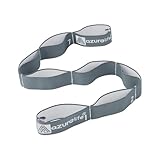
Overview: The AZURELIFE Premium Stretch Strap provides targeted elastic support in a compact 33-inch design with eight loops. At $8.99, this shorter band focuses on specific muscle groups and is ideal for leg, shoulder, and hamstring stretches. The strap features high-density knit construction with seam lock edge stitching for enhanced durability. Its elastic nature makes it suitable for pre-workout warm-ups, post-workout recovery, and rehabilitation exercises.
What Makes It Stand Out: Its abbreviated length and eight-loop configuration offer precise control for localized stretching, distinguishing it from longer, more cumbersome straps. The high-density knit fabric provides consistent elasticity without excessive give, while seam lock edge stitching prevents fraying better than standard hems. This strap’s compact form factor makes it exceptionally travel-friendly, fitting easily into gym bags or luggage.
Value for Money: At $8.99, this is the most affordable elastic option reviewed. For users needing a shorter strap for targeted stretches, it offers specialized functionality at a competitive price point. The reinforced construction ensures longevity, maximizing your investment.
Strengths and Weaknesses: Strengths include durable seam lock stitching, compact portability, focused design for specific stretches, and affordable pricing. Weaknesses: the 33-inch length limits full-body exercises and may not accommodate taller users or complex poses. Only eight loops provide fewer grip options than competitors.
Bottom Line: Perfect for travelers, shorter individuals, or those seeking targeted muscle work, this strap’s compact design excels at specific rehabilitation and stretching applications. However, users requiring versatility for full-body routines should opt for longer alternatives with more loops.
5. Gradient Fitness Stretching Strap for Physical Therapy, 12 Multi-Loop Stretch Strap 1" W x 8’ L, Neoprene Handles, Physical Therapy Equipment, Yoga Straps for Stretching, Leg Stretcher (Green)

Overview: The Gradient Fitness Stretching Strap offers non-elastic stability at an unbeatable $4.99 price point. Measuring 8 feet long with 12 independent loops and neoprene-padded handles, this nylon webbing strap provides consistent tension for physical therapy, yoga, and flexibility training. Designed by physical therapists, it emphasizes safety and proper form. The included velcro strap enhances portability for gym or clinical settings.
What Makes It Stand Out: This strap combines professional-grade non-elastic design with an ultra-competitive price, making it accessible to budget-conscious users. The 12-loop configuration offers extensive progression options, while neoprene handles ensure comfort during intense stretching sessions. Being physical therapist-designed adds credibility for rehabilitation use. The 100% premium nylon webbing construction rivals more expensive alternatives in durability.
Value for Money: At $4.99, this represents exceptional value—nearly 75% less than comparable non-elastic straps. The quality construction, loop count, and professional design make it arguably the best dollar-for-dollar option available for static stretching needs.
Strengths and Weaknesses: Strengths include outstanding affordability, non-elastic stability, 12-loop versatility, comfortable neoprene handles, PT endorsement, and portability. Weaknesses: the 1-inch width may feel narrow for some users, and the lack of numbered loops makes tracking progression less precise than premium alternatives.
Bottom Line: The Gradient Fitness strap is the clear choice for those needing reliable, non-elastic support without breaking the bank. Its physical therapist design and 12-loop configuration make it ideal for rehabilitation and serious flexibility training, though users wanting numbered loops should look elsewhere.
6. DEHUB Stretch Strap, Elastic Yoga Stretching Strap, Multi-Loop for Physical Therapy, Pilates, Yoga, Dance & Gymnastics Exercise and Flexible Pilates Stretch Band

Overview: The DEHUB Stretch Strap is an elastic multi-loop strap engineered to improve mobility and flexibility while reducing injury risk. Designed for sports training and rehabilitation—including post-knee surgery and plantar fasciitis recovery—it offers 2.5 times elasticity to accommodate progressive stretching for users across multiple disciplines from yoga to gymnastics.
What Makes It Stand Out: This strap distinguishes itself through its combination of significant elasticity and user comfort. The neoprene-padded outer loops prevent discomfort during extended use, while double and quadruple stitching ensures exceptional durability. Its ability to maintain shape without fraying despite repeated stretching makes it reliable for long-term daily use, whether in clinical settings or home practice.
Value for Money: Priced at $9.99, the DEHUB sits in the mid-range category. The investment is justified by premium features—elasticity, padding, and reinforced construction—that cheaper non-elastic straps lack. For users needing dynamic resistance rather than static support, this represents excellent value that bridges budget and professional equipment.
Strengths and Weaknesses: Strengths include progressive elastic resistance, comfortable padding, robust stitching, portability, and versatility across activities. Weaknesses: elasticity may compromise stability for certain PT exercises requiring rigid support, and beginners might find the stretch less predictable than non-elastic alternatives. The multi-loop design may have a learning curve.
Bottom Line: Perfect for active individuals and rehabilitation patients seeking a comfortable, versatile strap with dynamic resistance. The DEHUB excels for gradual flexibility gains, though those needing maximum stability should consider non-elastic options.
7. Trideer Stretching Strap Yoga Strap for Physical Therapy, 10 Loops Yoga Straps for Stretching, Non-Elastic Stretch Strap for Pilates, Exercise, Stretch Band for Women & Men

Overview: The Trideer Stretching Strap is a non-elastic, 10-loop strap built for safe, unassisted stretching across all fitness levels. Constructed from high-quality fabric with reinforced stitching, it supports flexibility training, injury prevention, and rehabilitation for everyone from seniors to elite athletes seeking controlled, predictable resistance.
What Makes It Stand Out: Its universal accessibility is the key differentiator. The non-elastic design provides consistent, predictable resistance crucial for controlled stretching, particularly valuable for seniors and rehabilitation patients. The 10-loop configuration allows incremental progression, while the sturdy construction ensures years of reliable use without stretching out or degrading.
Value for Money: At $7.99, this strap delivers exceptional affordability without sacrificing quality. Competing non-elastic straps often cost more while offering similar durability. The combination of professional-grade construction and accessible pricing makes it a smart investment for home users and therapy patients alike, outperforming many budget alternatives.
Strengths and Weaknesses: Strengths include rock-solid stability, excellent durability, suitability for all ages, versatile application across yoga, Pilates, and PT, and outstanding value. Weaknesses: lacks the padded comfort features of premium options, and the non-elastic design may feel limiting for users seeking dynamic resistance. No included workout guide or video content.
Bottom Line: An outstanding choice for anyone prioritizing stability and safety in their stretching routine. The Trideer strap proves that effective, durable equipment doesn’t require a premium price, making it ideal for beginners, seniors, and post-operative recovery.
8. Stretching Strap Yoga Strap with Loops, Stretch Straps for Physical Therapy, Non-Elastic Exercise Strap for Pilates, Dance and Gymnastics with Workout Guide (Purple)

Overview: This Oak-Sports stretching strap is a non-elastic, 10-loop nylon strap designed for physical therapy, yoga, and athletic training. Measuring 75 inches long and 1 inch wide, it provides ample length for full-body stretches and comes with a workout guide to help beginners maximize its potential across various exercises.
What Makes It Stand Out: The inclusion of a workout guide at this price point is remarkable. The premium nylon construction offers optimal resistance and stability without unwanted stretch, making it particularly effective for post-operative recovery and targeted muscle therapy. Its specific dimensions cater well to beginners while remaining functional for advanced practitioners needing reliable support.
Value for Money: At just $5.86, this represents the best budget value in the category. You’re getting a durable nylon strap, 10 loops for progressive training, and an instructional guide—all for less than a fast-food meal. While it lacks premium padding, the core functionality remains uncompromised, making it accessible to all budgets.
Strengths and Weaknesses: Strengths include unbeatable price, quality nylon material, included workout guide, adequate length for most users, and versatility across disciplines. Weaknesses: no padding may cause discomfort during prolonged use, brand recognition is limited, and the basic design lacks the refined features of costlier alternatives like reinforced stitching details.
Bottom Line: The ultimate budget-friendly option for those seeking functional, no-frills stretching support. Perfect for beginners, therapy patients on a budget, or anyone wanting a backup strap. The included guide adds significant value, making this a practical, cost-effective choice.
9. Elastic Yoga Stretching Strap Pattern Guide with 9 Loops, Stretch Strap for Ballet, Leg, Body, Stretch Band for Physical Therapy, Dance, Pilates, Gymnastics (Blue)

Overview: This elastic stretching strap features a latex-free cotton blend construction with nine loops for customizable stretching. Designed for ballet, dance, yoga, and physical therapy, it prioritizes skin-friendly comfort while providing dynamic resistance for flexibility training and movement correction, helping users improve body awareness and form.
What Makes It Stand Out: The cotton blend material offers a rare combination of elasticity and natural fiber comfort, ideal for users with latex sensitivities or those who find synthetic materials irritating. Its ergonomic design assists in correcting movement patterns while improving body toughness. The strap’s foldable, lightweight nature makes it exceptionally portable for dancers and travelers who need equipment that fits in a small bag.
Value for Money: At $5.40, this is the most affordable elastic option available. The price is remarkable given the premium cotton blend material and versatility across multiple fitness domains. For those wanting to experiment with elastic resistance without financial commitment, this is unbeatable value that rivals much more expensive options.
Strengths and Weaknesses: Strengths include ultra-low price, comfortable cotton blend, latex-free construction, excellent portability, and dynamic elasticity for progressive training. Weaknesses: only nine loops (less incremental control than 10-loop models), unknown brand durability, lacks padding for comfort, and the elastic may be too stretchy for users needing firm support. The “pattern guide” mentioned in the title isn’t detailed in features.
Bottom Line: An excellent entry point for exploring elastic stretching straps. Best suited for dancers, travelers, and budget-conscious users prioritizing comfort and portability. However, serious rehabilitation patients should verify durability before relying on it for intensive therapy.
10. Pure PT Stretching Strap – Physical Therapist-Approved yoga straps for stretching | Premium Stretch Strap with 10 Loops for Yoga, Rehab, Injury Recovery & Flexibility, Expert Workouts Included

Overview: The Pure PT Stretching Strap is a professional-grade, non-elastic strap approved by physical therapists for rehabilitation and flexibility training. Featuring heavy-duty nylon construction with double stitching and 10 loops, it includes guided video workouts to support home-based recovery and mobility improvement. This strap is specifically designed for those serious about injury recovery and functional movement.
What Makes It Stand Out: Professional endorsement sets this apart—it’s actively used in top clinics for injury rehab and post-surgery recovery. The included video workouts provide expert guidance typically costing extra, making professional PT accessible at home. The heavy-duty nylon and reinforced loops ensure safe, deep stretching without equipment failure, giving users confidence during critical rehabilitation exercises.
Value for Money: At $19.99, this is the premium option in the group. The price is justified by clinical-grade durability, professional approval, and comprehensive video content that would cost significantly more if purchased separately. For serious rehabilitation or professional use, it’s a worthwhile investment that replaces multiple therapy sessions and provides peace of mind.
Strengths and Weaknesses: Strengths include physical therapist approval, professional video workouts, heavy-duty construction, excellent stability for rehab, and travel-ready portability. Weaknesses: highest price point may deter casual users, non-elastic design lacks dynamic resistance for athletic training, and the professional focus might be overkill for basic flexibility needs or yoga practitioners.
Bottom Line: The top choice for rehabilitation patients, serious athletes, and professionals seeking clinic-quality equipment at home. The Pure PT strap’s combination of durability, expert guidance, and proven clinical use makes it worth every penny for those prioritizing safe, effective recovery and mobility gains.
Understanding Overhead Shoulder Mobility
The Anatomy of Overhead Movement
True overhead mobility demands synchronized action from multiple joints: the glenohumeral joint must rotate and glide, the scapula needs upward rotation and posterior tilt, and the thoracic spine has to extend. When any link in this chain underperforms, compensation patterns emerge. Multi-loop straps target this entire kinetic chain by allowing you to isolate each component while maintaining tension through the full range. The loops act as reference points, giving you objective feedback about how far your hands travel and whether you’re maintaining symmetrical positioning.
Common Mobility Limitations
Most adults develop restricted overhead mobility through a combination of sedentary posture, imbalanced training, and protective muscle guarding. The latissimus dorsi and pectoralis major become adaptively shortened, the rotator cuff loses eccentric control, and the serratus anterior forgets how to upwardly rotate the scapula. What feels like “tight shoulders” is often a neurological lockdown—your brain perceives instability and prevents you from entering ranges it can’t control. This is why simply hanging from a bar or forcing your arms overhead with a dowel rarely creates lasting change.
Why Traditional Stretching Falls Short
Static stretching asks your muscles to relax passively, which contradicts how the shoulder stabilizes itself. The glenohumeral joint is inherently unstable, relying on active muscular control for security. When you flop into a passive stretch, your nervous system often responds by increasing tension rather than releasing it. Multi-loop straps solve this by creating an active stretch—your muscles engage eccentrically while lengthening, which teaches your nervous system that the range is safe and controllable.
What Are Multi-Loop Stretching Straps?
Design Features and Functionality
Multi-loop straps are typically 6 to 8 feet long, constructed from heavy-duty nylon or cotton webbing, and feature 10 to 15 evenly spaced loops along their length. Each loop serves as an incremental handhold, allowing you to micro-dose your progression. The non-elastic nature is crucial—it provides consistent resistance without the unpredictable recoil of bands. High-quality versions include reinforced stitching at stress points and smooth, bar-tacked loop edges that won’t dig into your skin during overhead positions.
How They Differ from Standard Stretching Straps
Traditional yoga straps offer a single buckle system that locks you into one position. This works for static holds but fails for dynamic overhead work where you need to progress millimeter by millimeter. Multi-loop designs eliminate the fumbling adjustment—your hands simply move to the next loop as mobility improves. This creates a neurological map of progress that’s visible and measurable. You’ll know you’ve gained mobility not by how something feels, but by objectively moving from loop 8 to loop 9.
Benefits of Using Multi-Loop Straps for Shoulder Mobility
Progressive Overload for Flexibility
The principle of progressive overload isn’t just for strength training. Your connective tissue adapts to gradually increased demand through mechanotransduction—the cellular response to mechanical loading. Each loop represents a quantifiable progression, allowing you to apply the exact same principle to mobility work. This prevents the common plateau where stretches feel the same week after week. By documenting which loop you can reach with control, you create a training log for flexibility.
Enhanced Control and Safety
Overhead stretching carries inherent risks, especially for those with existing shoulder pathology. Multi-loop straps let you maintain constant contact with the tool, reducing the likelihood of slipping into an uncontrolled range. The fixed length means you can’t accidentally push past your current capacity, and the bilateral nature ensures both shoulders work symmetrically. This controlled environment is particularly valuable for rehabilitating overhead athletes or desk workers relearning safe shoulder mechanics.
Versatility in Training Applications
These straps shine beyond basic stretches. Use them for contract-relax PNF patterns, eccentric loading drills, and even isometric holds at end-range. The loops accommodate various grip widths for lat stretches, serratus activation drills, and thoracic mobility work. You can anchor them to a rig for assisted overhead presses or use them in supine positions to teach ribcage positioning. This versatility makes them a single-tool solution for an entire overhead mobility system.
Key Features to Look For
Material Quality and Durability
Look for tightly woven nylon with a breaking strength of at least 500 pounds. Cotton feels softer initially but stretches over time and absorbs sweat, becoming a breeding ground for bacteria. High-tenacity nylon maintains its length under load and resists abrasion. The weave should feel smooth against your skin—rough textures cause friction burns during dynamic movements. UV-resistant treatment prevents degradation if you train outdoors, while antimicrobial coatings keep the strap hygienic during daily use.
Loop Configuration and Spacing
Optimal loop spacing falls between 3 to 4 inches. Closer spacing allows finer progression but can make the strap cumbersome. Wider gaps force jumps that are too large for meaningful adaptation. The loops should be large enough to accommodate hands wearing wrist wraps (about 6 inches in circumference) but not so large that your hand slides through unintentionally. Some premium designs include numbered loops or color-coded sections, providing visual feedback that accelerates learning and tracking.
Length and Width Considerations
An 8-foot strap suits most users over 5'8" with average wingspans. Shorter individuals or those focusing on single-arm drills might prefer a 6-foot version. Width impacts comfort—1.5-inch straps distribute pressure better across your palm during heavy tension, while 1-inch versions feel less bulky for intricate hand positioning. Avoid straps narrower than 1 inch; they create pressure points that become painful during 60-second holds.
Hardware and Attachment Points
While most multi-loop straps are hardware-free, some include D-rings or carabiner attachments at one end for anchoring to power racks or door anchors. If you choose this style, ensure the hardware is rated for climbing (22kN minimum) and includes a smooth gate that won’t catch on skin or clothing. The attachment point should be bar-tacked with multiple rows of stitching, not simply sewn in a straight line. This prevents catastrophic failure when you’re in a vulnerable overhead position.
Portability and Storage
The best straps include a built-in storage loop or stuff sack that keeps them compact in your gym bag. Weight matters less than packability—look for straps that fold flat rather than forming bulky rolls. Some designs incorporate a small elastic band that wraps around the coiled strap, preventing it from unraveling in your bag. If you travel frequently, consider a strap that weighs under 8 ounces and fits in a laptop bag for hotel room mobility sessions.
How to Choose the Right Strap for Your Needs
Assessing Your Current Mobility Level
Before purchasing, perform a simple screen: lie supine, keep your low back flat, and attempt to touch your thumbs to the floor overhead. If you can’t get past 45 degrees, you need a longer strap with more loops to provide assistance. If you’re an inch from full range, a shorter, more rigid strap for fine-tuning control is appropriate. Be brutally honest—choosing a strap based on where you want to be, rather than where you are, leads to frustration and potential injury.
Training Goals and Frequency
Daily mobility warriors should prioritize durability and hygiene features. If you’re using the strap twice daily, antimicrobial treatment and washable materials become non-negotiable. Athletes preparing for competition need quick adjustability and clear progression markers. Casual users can opt for simpler designs without premium features. Consider whether you’ll primarily use it for prehab, rehab, or performance enhancement—each goal demands slightly different loop spacing and material stiffness.
Budget vs. Quality Trade-offs
You can find functional straps from $15 to $60. The sub-$20 range typically uses thinner nylon, basic stitching, and lacks reinforcement. These work for occasional use but fray quickly under daily load. The $30-$45 sweet spot offers professional-grade materials, reinforced loops, and thoughtful design features like numbered loops. Above $50, you’re paying for brand reputation or specialized features like integrated padding. For most users, investing in a mid-tier strap provides the best long-term value.
Proper Technique and Best Practices
Setting Up Your Strap Correctly
Always begin with the strap anchored at its midpoint for bilateral work. This ensures equal tension distribution. When working overhead, position the strap so the loops face away from your body—this prevents your hands from catching on the webbing during transitions. For single-arm drills, thread the strap through a loop to create an adjustable handle, then step on the opposite end. This creates a stable anchor point that won’t slip mid-rep.
Fundamental Overhead Mobility Drills
Start with the supine pullover: lie on your back, grip the strap with hands wide, and slowly lower it toward your head while maintaining ribcage contact with the floor. This teaches scapular posterior tilt and thoracic extension simultaneously. Progress to the standing overhead extension: hold the strap behind your back, then lift it overhead while keeping your elbows straight. The fixed distance between hands prevents compensation through elbow bending, a common cheat pattern.
Progression Strategies
Document your baseline: which loop can you hold for 30 seconds with perfect form? Each week, attempt to move one loop closer to your end-range goal. If you can’t maintain control, spend two weeks at the current loop before progressing. Use video feedback to ensure symmetrical positioning—most people advance one side faster, creating imbalances. When you can comfortably hold a position for 60 seconds, add light oscillations or contract-relax cycles before moving to the next loop.
Common Mistakes to Avoid
Never force into pain. Sharp, pinching sensations indicate impingement—back off immediately. Avoid shrugging your shoulders; this dumps tension into your upper traps instead of targeting the lats and pecs. Don’t hold your breath; exhale fully during the eccentric phase to enhance parasympathetic response and tissue extensibility. Finally, resist the urge to rush—spending three months solidifying loop 7 is more valuable than flailing at loop 10 with poor mechanics.
Integrating Straps Into Your Training Routine
Warm-Up Protocols
Use your strap for 5-7 minutes before upper body training. Start with large, controlled circles to lubricate the joint, then perform 2-3 sets of 30-second holds at your current working loop. Finish with dynamic movements like strap-assisted windmills. This sequence increases blood flow, activates stabilizers, and preps your nervous system for overhead loading. The key is keeping intensity moderate—this isn’t the time to chase new ranges.
Standalone Mobility Sessions
Dedicate 15-20 minutes, 3-4 times weekly, to pure mobility work. Structure these sessions like strength training: 3-4 exercises, 3 sets each, with 60-90 seconds rest between sets. Alternate between overhead focus and rotational movements to address all planes. Track your loop numbers like you track weights in the gym. These focused sessions create the neurological adaptations that transfer to your sport or daily activities.
Post-Workout Recovery
After intense overhead work, use the strap for gentle, pain-free decompression. The supine position with the strap supporting your arms overhead allows gravity to create mild traction while your muscles are warm and pliable. Keep holds to 45-60 seconds, focusing on deep breathing. This helps reset resting muscle length and prevents the chronic tightness that accumulates between training sessions.
Safety Considerations and Contraindications
When to Avoid Overhead Stretching
Acute shoulder pain, recent dislocations, or diagnosed labral tears require medical clearance before any overhead stretching. If you experience numbness or tingling down your arm, stop immediately—this suggests neurovascular compression. Those with rheumatoid arthritis or significant osteoporosis should avoid end-range loading. Pregnant individuals in their third trimester may find supine positions uncomfortable; modify to seated or standing variations.
Recognizing Pain vs. Discomfort
Stretching discomfort feels like a diffuse, muscular pull that diminishes as you hold the position. Pain is sharp, localized, and often increases with time. Pain may radiate or cause you to hold your breath. Learn to distinguish them: discomfort you can breathe through; pain makes you want to brace. When in doubt, back off 10-15 degrees of range and reassess. Your nervous system will reward conservative progression with faster, more sustainable gains.
Working with Injuries
For rotator cuff tendinopathy, focus on exercises below 90 degrees initially, using the strap for gentle internal and external rotation. Gradually increase overhead range as symptoms allow. With shoulder impingement, prioritize posterior capsule mobility and serratus activation before aggressive overhead stretching. The strap lets you control the exact angle of elevation, making it ideal for graded exposure therapy under the guidance of a physical therapist.
Maintaining Your Multi-Loop Strap
Cleaning and Care Instructions
Nylon straps can be machine washed cold in a delicates bag with mild detergent. Air dry only—dryer heat degrades the fibers and weakens stitching. For daily cleaning, wipe down with a damp cloth and antibacterial spray. Avoid bleach, which breaks down nylon polymers. If your strap develops a persistent odor, soak it in a solution of water and white vinegar for 30 minutes before washing. This kills bacteria without damaging the material.
Inspection and Longevity Tips
Before each use, inspect the end loops and attachment points for fraying. Pull firmly on each loop to test stitching integrity—if you see separation or hear tearing sounds, retire the strap immediately. Store it out of direct sunlight to prevent UV degradation. With daily use, expect a quality strap to last 12-18 months. Rotate between two straps if you train twice daily, allowing each to fully dry between sessions and extending their lifespan.
Frequently Asked Questions
How long should I hold each stretch with a multi-loop strap?
Aim for 30-60 seconds per hold for static stretches, which allows the muscle spindle relaxation response to occur. For PNF contract-relax techniques, hold the contraction for 5-6 seconds, rest 2-3 seconds, then move to the next loop and hold the new position for 15-20 seconds. Quality trumps duration—if your form breaks down at 45 seconds, that’s your stopping point.
Can beginners use multi-loop straps safely?
Absolutely. The fixed loops actually make them safer than adjustable straps for beginners because there’s no risk of the strap slipping or loosening mid-stretch. Start with a longer strap that provides more assistance, and focus on drills below 90 degrees of shoulder flexion until you build control and body awareness.
How often should I train with my strap to see results?
Consistency beats intensity. Five minutes daily produces better adaptations than 30 minutes once weekly. Most users notice improved comfort in overhead positions within two weeks, with measurable range-of-motion gains appearing around the 4-6 week mark when training 4-5 times per week.
Will a multi-loop strap fix my shoulder impingement?
The strap is a tool, not a cure. It can help by improving posterior capsule mobility and teaching better scapular control, but impingement often stems from multiple factors including posture, breathing mechanics, and rotator cuff strength. Use the strap as part of a comprehensive approach that includes strengthening and movement re-education.
What’s the difference between nylon and cotton straps for overhead work?
Nylon is superior for overhead mobility due to its zero stretch and moisture resistance. Cotton stretches up to 5% when wet with sweat, creating inconsistent tension and reducing effectiveness. Nylon also slides more smoothly against skin and clothing during dynamic movements, preventing friction burns.
Can I use a multi-loop strap for lower body mobility?
Yes, though it’s not optimal. The loop spacing and length are designed for upper body mechanics. For lower body work, you’ll often need to double-loop the strap or adjust your positioning awkwardly. It works in a pinch for hamstring or calf stretches, but a dedicated yoga strap or band works better for legs.
How do I know when to move to the next loop?
Move up when you can maintain perfect form for 60 seconds without pain or excessive shaking. Your breathing should remain steady, and you should feel the stretch in the target muscles, not in your joints. If you can’t tell whether you’re ready, spend another week at your current loop—there’s no downside to solidifying a position.
Are there weight limits for these straps?
Quality multi-loop straps are rated for 500-1000 pounds of static load, far exceeding any force you’ll generate during stretching. However, avoid using them for weighted exercises like strap-assisted pull-ups unless specifically rated for dynamic loads. The stitching patterns for static stretching differ from those needed for ballistic movements.
Can I travel with my multi-loop strap?
Most straps weigh under 8 ounces and pack flat, making them ideal travel companions. They’re TSA-friendly and take up less space than a pair of socks. Hotel room doors make perfect anchor points for single-arm drills, and the strap provides a complete mobility solution without needing gym access.
Why does my shoulder feel tighter the day after stretching?
Mild next-day tightness is normal and indicates you challenged the tissue appropriately. It’s similar to post-workout muscle soreness. However, sharp pain or lasting stiffness suggests you progressed too aggressively or used poor form. Scale back your range, focus on breathing, and ensure you’re not holding your breath during stretches.