Spin class purists don’t just ride—they transcend the bike. Every sprint, climb, and recovery interval is a calculated move in a larger strategy of cardiovascular mastery. For these dedicated athletes, guessing is not an option. Heart rate monitoring transforms a simple sweat session into a data-driven pursuit of peak performance, and the arm-band heart rate monitor has emerged as the goldilocks solution: more accurate than wrist-based optical sensors, infinitely more comfortable than chest straps during aggressive handlebar work, and perfectly positioned to capture clean data even during the most explosive out-of-saddle attacks.
But not all arm-band monitors are created equal. The market is flooded with options that promise clinical-grade accuracy, yet many crumble under the unique demands of indoor cycling—where humidity soars, movement patterns are violent and repetitive, and connectivity to studio ecosystems is non-negotiable. Understanding the nuanced features that separate premium performance tools from glorified fitness jewelry is critical. This deep-dive guide unpacks everything a spin enthusiast needs to evaluate before investing in the technology that will become their most trusted training partner.
Top 10 Arm-Band Heart Rate Monitors for Spin Class
Detailed Product Reviews
1. Scosche Rhythm+ 2.0 Heart Rate Monitor Armband for Running, Cycling, Exercise & Recovery with Bluetooth, ANT+, Optical Sensor for HRV & RRi Data, IP68 Waterproof Fitness Tracker with 24hr Battery Life
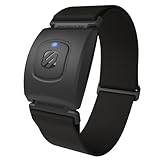
Overview: The Scosche Rhythm+ 2.0 positions itself as a comprehensive heart rate monitoring solution for serious athletes who demand both versatility and precision. This optical armband delivers real-time cardiac data during running, cycling, and gym sessions, while offering advanced recovery insights through HRV analysis.
What Makes It Stand Out: Unlike basic monitors, the Rhythm+ 2.0 captures RR interval data for heart rate variability tracking, compatible with specialized apps like HRV4Training and Morpheus. Its IP68 waterproof rating exceeds most competitors, ensuring reliability during intense sweat sessions and adverse weather. The dual Bluetooth and ANT+ connectivity provides universal device compatibility.
Value for Money: At $44.99, this monitor punches above its weight class. You’re getting premium features like HRV tracking and superior waterproofing typically found in $70+ units. The 24-hour battery life means less frequent charging compared to budget alternatives that often require daily top-ups.
Strengths and Weaknesses: Strengths include exceptional connectivity options, robust waterproof construction, comfortable breathable strap, and advanced recovery metrics. The lightweight design stays secure during vigorous movement. Weaknesses are minimal: the advanced HRV features may overwhelm casual users, and forearm placement takes adjustment for those accustomed to chest straps or wrist devices.
Bottom Line: The Scosche Rhythm+ 2.0 is an excellent choice for data-driven athletes seeking comprehensive cardiac insights without chest strap discomfort. Its combination of durability, advanced features, and reasonable pricing makes it a top contender in the armband category.
2. COROS Heart Rate Monitor, Comfort, Easy to wear, Auto-wear Detection, Advanced Sensor, Precise Data, Bluetooth, 38 Hours Battery Life, Connects up to 3 Devices at Once, for Run and Bike-Grey

Overview: The COROS Heart Rate Monitor targets serious athletes within the COROS ecosystem, delivering precise cardiac tracking through a thoughtfully designed armband. Unlike general-purpose trackers, this device focuses exclusively on sports performance, making it a specialized tool rather than an all-day wearable. Its sleek grey design houses advanced sensor technology in a compact package.
What Makes It Stand Out: The impressive 38-hour battery life leads its category, while simultaneous connection to three Bluetooth devices offers unparalleled versatility for multi-screen setups. The quick-clean fabric band provides superior comfort compared to silicone alternatives, and the auto-wear detection ensures instant activation without fumbling with buttons mid-workout. The textured surface keeps the band securely positioned during intense efforts.
Value for Money: At $79, this premium-priced monitor justifies its cost for dedicated athletes, particularly COROS watch owners. The extended battery life eliminates frequent charging hassles, while the robust build promises longevity. However, budget-conscious buyers might find better value elsewhere if they don’t need the multi-device capability or aren’t invested in the COROS ecosystem.
Strengths and Weaknesses: Strengths include exceptional battery endurance, comfortable breathable fabric, stable triple-device connectivity, and accurate optical sensing. The sleek design maintains low profile during activity. Significant weaknesses include Bluetooth-only connectivity (no ANT+), limiting compatibility with some gym equipment and Garmin devices, and its intentional lack of daily tracking features reduces utility for casual users seeking 24/7 monitoring.
Bottom Line: Ideal for COROS watch enthusiasts and athletes requiring extended battery life with multiple device connections. For those outside the COROS ecosystem or needing ANT+ compatibility, more versatile and affordable alternatives exist.
3. COOSPO Armband Heart Rate Monitor, Bluetooth ANT+ HR Optical Sensor for Sport, Rechargeable Dual Band IP67 HRM, Compatible with Peloton,Wahoo,Polar Beat,Strava,DDP Yoga

Overview: The COOSPO Armband Heart Rate Monitor delivers essential cardiac tracking capabilities and reliable performance at an entry-level price point. This dual-band optical sensor targets budget-conscious athletes who refuse to compromise on core connectivity features, supporting both Bluetooth and ANT+ protocols for broad device compatibility.
What Makes It Stand Out: Remarkably, COOSPO includes dual Bluetooth/ANT+ connectivity typically absent in sub-$45 monitors, enabling seamless pairing with Peloton bikes, Wahoo devices, and Garmin watches. The rechargeable battery eliminates ongoing costs of replaceable coin cells, while IP67 waterproofing handles sweat and rain adequately for most training scenarios.
Value for Money: At $43.99, this represents exceptional value. You’re getting protocol versatility that rivals $70+ competitors, extensive third-party app support including Strava and Polar Beat, and compatibility with major fitness platforms. The trade-offs in premium materials and advanced metrics are reasonable at this price.
Strengths and Weaknesses: Strengths include unbeatable price-to-connectivity ratio, rechargeable convenience, solid app ecosystem integration, and lightweight design. The dual-band support maximizes device compatibility. Weaknesses involve IP67 rating prohibiting swimming, potentially less durable construction than premium alternatives, and absence of advanced features like HRV tracking or customizable heart rate zones.
Bottom Line: The COOSPO Armband is a smart purchase for cost-conscious athletes needing reliable dual-connectivity without frills. While it lacks advanced metrics and swim-proofing, its core functionality and compatibility make it an outstanding value proposition for runners, cyclists, and gym enthusiasts.
4. COOSPO HW9 Heart Rate Monitor Bluetooth ANT+ Armband with Accurate HR Zones/Calories Burned Data, HRM Optical Sensor for Fitness Training/Cycling/Running,Compatible with Peloton,DDP Yoga,Wahoo APP
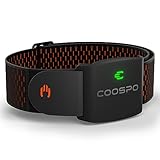
Overview: The COOSPO HW9 Heart Rate Monitor bridges the gap between budget sensors and premium trackers by packing advanced features into an affordable armband. This optical sensor delivers clinical-level accuracy claims alongside intuitive visual feedback, catering to performance-focused athletes who want actionable data without premium pricing.
What Makes It Stand Out: The five-color LED indicator provides instant heart rate zone visualization—eliminating the need to glance at screens during intense intervals. The ±1BPM accuracy claim rivals medical-grade devices, while HRV functionality and customizable maximum heart rate through the Heartool app enable personalized training zones that adapt to your true fitness level rather than age-based formulas.
Value for Money: At $44.79, the HW9 dramatically undercuts competitors offering similar features. The combination of Bluetooth 5.0, ANT+ support, visual zone training, and HRV capabilities typically commands $70-90. This makes it arguably the best feature-per-dollar ratio in the armband category.
Strengths and Weaknesses: Strengths include impressive accuracy specifications, intuitive LED zone feedback, dual connectivity with two simultaneous Bluetooth connections, HRV support, and personalized max HR calibration. The soft adjustable band ensures comfort. Weaknesses involve COOSPO’s lesser brand recognition compared to Polar or Scosche, potentially affecting long-term support, and the LED feature may drain battery faster than basic models.
Bottom Line: The COOSPO HW9 is a standout choice for serious athletes seeking premium features on a budget. Its visual feedback system and customization options make it particularly valuable for structured training programs, offering performance typically found in units twice its price.
5. Polar Verity Sense - Optical Heart Rate Monitor Armband - ANT+, Dual Bluetooth, Black, M-XXL

Overview: The Polar Verity Sense represents the premium tier of optical heart rate monitoring, leveraging decades of Polar’s cardiac tracking expertise in a versatile, minimalist armband. This device transcends traditional arm placement, offering innovative mounting options that cater to swimmers, triathletes, and athletes across virtually any sport discipline.
What Makes It Stand Out: Unmatched versatility defines the Verity Sense—it securely clips onto swimming goggles for aquatic training, slips under tight-fitting clothing for discreet wear, or fastens to upper/lower arms. The compact 3cm-wide design houses robust dual Bluetooth channels plus unlimited ANT+ connections, while Polar’s optical sensor technology ensures accuracy across all placement options, a feat few competitors achieve.
Value for Money: At $92.36, this is a significant investment. However, the premium pricing reflects Polar’s validated accuracy, exceptional build quality, and unique versatility that eliminates the need for separate sport-specific monitors. For multi-discipline athletes, it replaces several devices, ultimately proving cost-effective.
Strengths and Weaknesses: Strengths include industry-leading accuracy, revolutionary placement flexibility, premium construction, seamless multi-device connectivity, and comprehensive third-party app support. The one-button operation simplifies use. Weaknesses center on the premium price point, which may exceed casual users’ needs, and the lack of explicit HRV or recovery metrics that some competitors offer at lower prices.
Bottom Line: The Polar Verity Sense is the definitive choice for serious athletes demanding maximum versatility and proven accuracy. While expensive, its multi-sport adaptability and Polar’s reputation make it worth every penny for dedicated swimmers, triathletes, and data-driven competitors.
6. Heart Rate Monitor Armband HRM CHILEAF Heart Rate Sensor HR Sensor IP67 ANT+ Bluetooth 60H Long Battery Life Compatiable for Polar Beat,Wahoo Fitness,SportsTracker,Zwift,Nike+Run Club,X-Fitness, Etc

Overview: The CHILEAF Heart Rate Monitor Armband delivers reliable optical heart rate monitoring for athletes seeking chest strap alternatives. Using advanced PPG sensor technology and an accelerometer, this device captures real-time cardiac data during diverse activities from running to swimming. Its dual-mode Bluetooth 5.0 and ANT+ connectivity enables simultaneous pairing with two devices, seamlessly transmitting data to smartphones, sports watches, or bike computers.
What Makes It Stand Out: The exceptional 60-hour battery life sets this monitor apart, requiring only occasional magnetic charging via the included cable. The IP67 waterproof rating ensures stable operation during intense sweating, rain, or even swimming. This versatility makes it suitable for virtually any sport or training condition without performance degradation.
Value for Money: At $45.99, the CHILEAF positions itself as a mid-range optical monitor. It undercuts premium brands like Polar and Wahoo while offering comparable connectivity and superior battery life. The rechargeable design eliminates ongoing battery replacement costs associated with some competitors, providing long-term savings for regular users.
Strengths and Weaknesses: Strengths: Extended battery life; dual Bluetooth/ANT+ connectivity; IP67 waterproofing; broad app compatibility including Polar Beat, Wahoo Fitness, and Zwift; comfortable armband design. Weaknesses: Lesser-known brand may raise durability questions; optical sensors can be less accurate than chest straps during high-intensity intervals; limited to armband placement only.
Bottom Line: The CHILEAF HRM offers compelling value for fitness enthusiasts wanting reliable, versatile heart rate monitoring without chest strap discomfort. Its battery life and waterproofing make it ideal for multi-sport athletes, though data purists may still prefer ECG-based chest straps for maximum accuracy.
7. COOSPO Heart Rate Monitor Armband HW807, Bluetooth 5.0 ANT+ HRM with HR Zone LED Indicator, Tracking Heartbeat HRV for Fitness Training, Work with Peloton/Polar/Wahoo/Strava/DDP Yoga
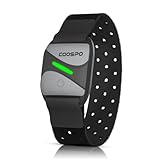
Overview: The COOSPO HW807 Heart Rate Monitor Armband targets serious athletes with its clinical-grade accuracy claims and intuitive visual feedback system. This optical sensor device promises ±1BPM precision during continuous monitoring, capturing training zones, calorie expenditure, and heart rate variability data. Bluetooth 5.0 and ANT+ connectivity ensure broad compatibility across smartphones, Garmin devices, Wahoo bike computers, and fitness equipment.
What Makes It Stand Out: The integrated LED indicator system provides real-time visual feedback on heart rate zones, eliminating the need to constantly check your watch during workouts. The HRV tracking capability offers deeper insights into recovery and training load, typically found only in higher-end devices. This combination of visual cues and advanced metrics creates a more intelligent training experience.
Value for Money: Priced at $59.99, the HW807 sits in the competitive mid-premium tier. It matches features of the $79 Polar OH1+ while offering unique LED indicators. For athletes who value instant visual feedback and HRV data, it delivers premium functionality without flagship pricing, representing strong value against both budget and premium alternatives.
Strengths and Weaknesses: Strengths: Exceptional accuracy claims; LED zone indicators for instant feedback; HRV tracking; dual connectivity; works with 200+ apps including Strava and Peloton; robust build quality. Weaknesses: Battery life not prominently specified; slightly bulkier than minimalist designs; LED may be distracting for some users; optical sensor limitations during extreme intensity.
Bottom Line: The COOSPO HW807 excels for data-focused athletes wanting visual training guidance. Its accuracy claims and HRV features rival premium brands, while LED indicators provide unique real-time feedback. Ideal for cyclists, runners, and gym enthusiasts who prioritize immediate heart rate zone awareness during structured workouts.
8. MOOFIT RA1 Heart Rate Monitor Replacement Armband Strap 24.5mm, Arm Belt Replacement Adjustable up to 400mm, Black, Compatible with Scosche, Polar, Wahoo, COOSPO, CATEYE, XOSS

Overview: The MOOFIT RA1 Heart Rate Monitor Replacement Armband addresses a common frustration among optical HRM users: worn-out or uncomfortable straps. This universal replacement band works with major brands including Polar OH1+, Scosche Rhythm+, Wahoo TICKR FIT, COOSPO, and over a dozen other popular monitors. Measuring 24.5mm wide with adjustable length from 20-40cm, it accommodates various arm sizes and wearing preferences.
What Makes It Stand Out: Unlike proprietary replacements, the RA1’s cross-brand compatibility makes it a versatile backup or upgrade. The upgraded construction uses nylon elastic braided tape with microfiber PU and imported Velcro, creating a skin-friendly, moisture-wicking surface that maintains signal sensitivity. This material upgrade often surpasses original equipment quality at a fraction of replacement cost.
Value for Money: At $9.99, this strap represents exceptional value. Original manufacturer replacements typically cost $15-25, making the RA1 a cost-effective solution for extending device lifespan. For users with multiple HRM brands, its universality eliminates the need to purchase separate straps, multiplying its value proposition.
Strengths and Weaknesses: Strengths: Universal compatibility across major brands; adjustable sizing (20-40cm); breathable, skin-friendly materials; cost-effective alternative to OEM parts; easy Velcro fastening. Weaknesses: Strap only—no sensor included; not suitable for wrist wear; sizing requires careful measurement; Velcro may wear over time; limited color options.
Bottom Line: The MOOFIT RA1 is an essential accessory for optical HRM owners. It breathes new life into aging monitors while often improving comfort over stock straps. Perfect for athletes wanting backup straps or those finding original bands too restrictive. Just verify your monitor’s compatibility and arm measurements before purchasing.
9. COROS Heart Rate Monitor, Comfort, Easy to wear, Auto-wear Detection, Advanced Sensor, Precise Data, Bluetooth, 38 Hours Battery Life, Connects up to 3 Devices at Once (Gray, Large)
Overview: The COROS Heart Rate Monitor Armband brings the brand’s reputation for precision and durability to optical heart rate monitoring. Designed specifically for sports performance rather than all-day tracking, this premium device combines advanced sensor technology with exceptional comfort. The large band accommodates arms 9.4 to 16.9 inches, while the fabric construction offers superior breathability compared to traditional chest straps or rubberized armbands.
What Makes It Stand Out: COROS implements auto-wear detection that automatically starts and stops monitoring, conserving battery and eliminating manual operation. The ability to connect to three devices simultaneously via Bluetooth exceeds most competitors’ two-device limit. The textured band surface prevents slippage during dynamic movements, maintaining consistent sensor contact without excessive tightness that could restrict circulation.
Value for Money: At $79.00, this monitor commands premium pricing justified by COROS’s established ecosystem and build quality. While more expensive than budget optical monitors, it undercuts the Wahoo TICKR FIT and matches Polar OH1+ pricing. The 38-hour battery life, though shorter than some rivals, balances performance with compact design. For athletes already using COROS watches, the seamless integration adds significant value.
Strengths and Weaknesses: Strengths: Superior comfort and breathability; auto-wear detection; triple device connectivity; accurate optical sensor; scratch-resistant design; trusted brand reputation. Weaknesses: Shorter 38-hour battery life; premium pricing; not designed for 24/7 tracking; limited to COROS ecosystem benefits; optical sensor limitations in water sports.
Bottom Line: The COROS HRM excels for serious athletes prioritizing comfort and reliability. Its auto-detection and multi-device connectivity streamline training workflows, while build quality ensures longevity. Best suited for COROS device owners or athletes wanting premium optical monitoring without chest strap constraints.
10. Sunny Health & Fitness Heart Rate Monitor Armband with LED Indicator, Step Counter - HR200

Overview: The Sunny Health & Fitness HR200 Heart Rate Monitor Armband distinguishes itself as a comprehensive fitness tracker rather than a simple heart rate monitor. This device combines precision optical pulse tracking with an integrated step counter and haptic feedback system, creating an all-in-one training companion. The vivid four-color LED display provides immediate heart rate zone feedback, while vibration alerts notify users when exceeding target ranges.
What Makes It Stand Out: The bundled SunnyFit app ecosystem delivers exceptional value, providing free access to 1,000+ trainer-led workouts and 10,000+ virtual scenic tours without subscription fees. The HR200 stores up to eight hours of BPM data locally, ensuring workout continuity even without a phone. The step counter integration eliminates needing a separate device for basic activity tracking, while customizable heart rate zones with haptic feedback offer personalized training guidance.
Value for Money: At $79.99, the HR200 competes with premium optical monitors but includes a content-rich app ecosystem that rivals subscription services costing $10-20 monthly. The Lycra armband provides durable comfort, while the feature set exceeds similarly priced competitors focused solely on heart rate. For users wanting guided workouts alongside heart rate monitoring, it delivers unmatched bundled value.
Strengths and Weaknesses: Strengths: Integrated step counter; haptic and LED zone alerts; 8-hour onboard data storage; extensive free app content; premium Lycra band; no subscription required. Weaknesses: Brand less established in HRM market; may be feature-overkill for simple HR tracking; app dependency for full functionality; battery life not specified; larger form factor.
Bottom Line: The Sunny HR200 suits fitness enthusiasts wanting more than basic heart rate data. Its step counting, haptic alerts, and exceptional free app content create a holistic training experience. Ideal for home gym users and beginners seeking guidance, though serious athletes may prefer dedicated HRMs with longer battery life.
Why Spin Class Purists Are Ditching Wristwear for Arm-Band Monitors
The biomechanics of indoor cycling create a perfect storm of measurement challenges. Wrist-worn devices suffer from extreme flexion and vibration transmitted through handlebars, creating motion artifacts that corrupt optical sensor readings. Meanwhile, chest straps, while accurate, can chafe during extended rides and often shift during aggressive lateral movements. Arm-band monitors occupy the sweet spot: positioned on the forearm or upper arm, they maintain stable contact with minimal soft tissue movement while staying clear of handlebar interference. This placement captures arterial blood flow with precision during both seated flats and standing climbs, where upper body tension remains relatively constant. For purists chasing zone-based training perfection, this stability translates to consistent, actionable data that doesn’t drop out when you’re 45 seconds into a brutal lactate threshold interval.
The Science of Accuracy: Optical PPG Sensors Explained
Photoplethysmography (PPG) technology—the optical heart rate detection method used in arm-band monitors—relies on LEDs that shine light into your tissue and photodiodes that measure the reflected signal, which fluctuates with blood volume changes. However, spin class environments expose the limitations of basic PPG implementations. High-end monitors deploy multi-wavelength LEDs (typically green, red, and infrared) to penetrate different skin depths and account for varying melanin levels and tattoo ink interference. More critically, they integrate accelerometer data at the algorithmic level to subtract motion noise from the optical signal. When evaluating options, look for mentions of “adaptive signal processing” or “motion artifact cancellation” rather than generic “optical heart rate” claims. The sampling rate matters too—premium sensors capture data points at 100Hz or higher, while budget options might sample at 25Hz, missing the rapid heart rate spikes characteristic of spin interval training.
ANT+ vs. Bluetooth: The Connectivity Battle for Studio Compatibility
Your monitor is useless if it can’t talk to your equipment. Most commercial spin bikes (Peloton, Stages, Schwinn AC Performance) support ANT+ connectivity, a low-power protocol that allows direct pairing with bike consoles without draining your phone’s battery. Bluetooth Smart (BLE) offers broader compatibility with smartphones, tablets, and smartwatches but can introduce latency in crowded studio environments where dozens of devices compete for bandwidth. The savviest approach? Prioritize monitors that broadcast both ANT+ and Bluetooth simultaneously. This dual-mode capability lets you display real-time heart rate on the bike console while simultaneously logging data to your smartphone app for post-ride analysis. Be wary of devices that only support Bluetooth 4.0—these may struggle with the rapid connection handoffs required when switching between studio bikes and home setups.
Comfort Is King: Arm-Band Design Elements That Matter During Intense Sprints
A monitor that shifts mid-ride is worse than no monitor at all. Evaluate band width carefully: 1.5-inch bands distribute pressure better for larger arms but can feel bulky on smaller frames, while 1-inch bands offer a lower profile but may require more precise tension adjustment. Material composition separates contenders from pretenders. Medical-grade silicone provides sweatproof grip without trapping heat, whereas fabric elastic bands absorb moisture and become breeding grounds for bacteria. Look for perforated designs or moisture-wicking channels that prevent the “slip-and-constrict” cycle that occurs when sweat saturates the band. The closure mechanism matters too—hook-and-loop fasteners offer infinite adjustability but degrade over time; magnetic closures provide clean aesthetics but can fail under extreme flexion. For spin purists who wear the monitor 5-7 times weekly, replaceable bands aren’t a luxury; they’re a longevity requirement.
Battery Longevity: Matching Your Monitor to Your Training Volume
Rechargeable lithium-ion batteries dominate the premium segment, offering 20-30 hours of active monitoring per charge. This translates to roughly 3-4 weeks for the average spin enthusiast (assuming 5 classes weekly). However, battery degradation is real—after 300 charge cycles, capacity can drop by 20-30%. Coin-cell batteries (CR2032) in some mid-tier models provide 6-12 months of life but require physical replacement, which can compromise waterproof seals if not done precisely. Consider your training volume: if you’re a daily spinner or teach classes, a rechargeable model with quick-charge capability (80% charge in 30 minutes) prevents downtime. For weekend warriors, the convenience of annual battery replacement might outweigh the eco-friendly appeal of rechargeables. Always verify the standby time—some monitors drain significantly when idle, requiring weekly top-offs even with minimal use.
Water Resistance and Sweatproofing: IP Ratings Decoded for Spin Enthusiasts
Spin studios are humidity chambers. A “sweat-resistant” claim without an IP (Ingress Protection) rating is marketing fluff. IP67 means protection against temporary immersion (up to 1 meter for 30 minutes)—sufficient for post-ride rinsing but not guaranteed against pressurized water jets. IP68 offers continuous immersion protection, while IPX7 specifically addresses water without dust protection. For spin, the critical number is the second digit (moisture protection). Avoid anything below IPX5, which only handles splashes. The real-world differentiator? Check if the rating specifies “fresh water only”—salt from sweat can corrode seals over time, and monitors rated for pool swimming (chlorine) typically use more robust gasketing. The charging port is the Achilles’ heel; magnetic charging eliminates port degradation, while rubber-sealed USB-C ports require meticulous drying to prevent mold and contact corrosion.
Real-Time Feedback: Display Options from Studio Consoles to Smartwatches
The best monitor in the world provides zero value if you can’t see the data when it matters. Direct-to-console pairing via ANT+ offers the cleanest experience—your heart rate displays prominently without needing to glance at a secondary screen. However, studio bike firmware varies wildly; some consoles only update HR data every 5 seconds, which is useless for zone-based intervals where you need sub-second responsiveness. Smartphone apps provide richer data visualization but require mounting your phone on the bike—a practice many studios discourage. Smartwatch integration offers the best of both worlds: wrist-based glanceability with the monitor handling the heavy lifting of accurate capture. When evaluating, confirm the monitor’s broadcast range. Some devices throttle signal strength to conserve battery, causing dropouts if your phone is in a gym bag more than 3 feet away. Look for “broadcast mode” settings that prioritize range over battery when connected to distant devices.
Heart Rate Zone Training: The Spin Class Purist’s Secret Weapon
Arm-band monitors shine brightest when paired with structured zone training, but the methodology matters. The classic 220-minus-age formula is laughably inaccurate for trained cyclists. Purists should insist on monitors that support individualized lactate threshold detection—either through built-in protocols or companion apps that analyze your historical data to auto-calculate zones. Five-zone models (recovery, aerobic, tempo, threshold, anaerobic) are standard, but some advanced systems support seven zones for nuanced training. The monitor’s algorithm should account for cardiac drift—the natural HR elevation during extended efforts—otherwise you’ll find yourself overshooting zones in the second half of 90-minute endurance rides. Look for “zone locking” features that provide haptic feedback when you exit your target range, allowing you to adjust cadence or resistance without staring at numbers. The ability to customize zone boundaries by 1% increments, rather than broad 10% ranges, separates serious training tools from casual fitness trackers.
Data Deep Dive: App Ecosystems and Third-Party Integration
Your ride data is only valuable if you can analyze it. Proprietary apps from monitor manufacturers often look polished but lock your data behind walled gardens. The gold standard is automatic export to platforms like Strava, TrainingPeaks, and intervals.icu in open formats (.FIT, .TCX). Check if the monitor supports fitness equipment protocol standards like FTMS (Fitness Machine Service) for seamless bike integration. API access is a hidden gem—some premium monitors allow direct data pulls into Google Sheets or custom dashboards for macro-level training analysis. For studio instructors, the ability to broadcast multiple users’ heart rates to a single tablet for class-wide monitoring requires specific “group training mode” support. Beware of subscription paywalls: some brands charge $5-10 monthly for advanced analytics that competitors include for free. The monitor’s onboard memory should store at least 10 hours of data; anything less risks data loss if your phone dies mid-ride.
Multi-Sport Versatility: Beyond the Spin Studio
While this guide focuses on spin, most purists cross-train. A monitor’s performance during running, rowing, or strength training reveals its true sensor quality. Running introduces intense arm swing artifacts that stress PPG algorithms differently than cycling’s handlebar vibration. Rowing requires the monitor to function under extreme forearm flexion. If the device claims multi-sport capability, verify it has distinct sport profiles that adjust algorithmic sensitivity accordingly. Some monitors automatically detect activity type, but this feature often lags during rapid transitions (like spin-to-strength circuits). Manual profile switching provides more reliable data tagging. For triathletes or hybrid athletes, consider whether the monitor can store multiple bike profiles—useful if you ride different studio bikes with varying power calibration. The band’s durability during non-cycling activities matters too; aggressive kettlebell swings can dislodge poorly designed bands, while rock climbing demands abrasion-resistant materials.
Size and Fit: Getting the Placement Right for Consistent Readings
Arm-band sizing is more nuanced than small/medium/large. The sensor module’s dimensions affect placement flexibility—bulky pods (over 2 inches long) limit positioning options on smaller forearms. Ideally, the sensor should sit 2-3 finger-widths below the elbow crease on the forearm’s flat surface, avoiding the brachioradialis muscle’s flexion point. For upper-arm placement, position it on the biceps’ inner aspect where tissue compression is minimal during arm bending. Most manufacturers provide printable sizing guides, but these don’t account for muscle pump during exercise. A band that feels snug at rest can become tourniquet-tight mid-ride, constricting blood flow and artificially depressing heart rate readings. Look for bands with 20-30% stretch capacity beyond the resting measurement. The sensor’s weight distribution matters too—top-heavy designs rotate during explosive movements, while balanced pods with centered batteries maintain orientation. For riders with tattoos, verify the monitor uses infrared wavelengths; dark ink can absorb green LED light, causing signal loss.
LED Indicators and Haptic Feedback: Staying in Zone Without Looking Down
Visual and tactile cues keep your eyes on the instructor, not your data. Multi-color LEDs that flash distinct patterns for each zone allow peripheral vision monitoring—critical during choreographed rides where looking down breaks rhythm. However, bright studio lighting can wash out LED visibility; premium monitors use high-intensity RGB LEDs that remain visible even under harsh fluorescents. Haptic feedback—vibration alerts—should be customizable: a gentle buzz for zone transitions, a distinct pulse pattern for threshold breaches. The vibration motor’s placement affects feel; side-mounted motors create localized buzz, while center-mounted units provide more diffuse, noticeable feedback. Some monitors offer “do not disturb” modes that suppress alerts during warm-up and cool-down periods. The alert lag time is crucial—if the monitor takes 5 seconds to vibrate after you exit a zone, you’ve already wasted valuable training time. Sub-2-second alert latency indicates a responsive algorithm and powerful processor. For instructors, the ability to disable all feedback for demo rides prevents distracting vibrations while teaching.
Memory and Data Storage: When Your Monitor Works Offline
Not every studio welcomes smartphones on the bike. Monitors with onboard memory become essential for “unplugged” training. Evaluate storage capacity by ride time, not just megabytes—16MB can store 100+ hours of HR data but only 10 hours if including HRV (heart rate variability) metrics. The data retention policy matters too; some devices overwrite oldest data first, while others stop recording when full. For structured training, look for monitors that store interval markers and zone time summaries directly on the device, not just raw HR numbers. The sync process post-ride should be seamless—NFC tap-to-sync is faster than manual Bluetooth pairing. A critical but overlooked feature: data integrity verification. If the monitor detects sensor dropout during recording, it should flag questionable segments rather than interpolating fake data. This honesty is vital for purists who base training decisions on trends. Cloud backup is non-negotiable; local-only storage means losing years of data if the device fails.
Price vs. Performance: Finding Your Sweet Spot
The arm-band monitor market segments into three distinct tiers. Budget ($40-70) offers basic HR tracking with single-mode connectivity (BLE only) and minimal water resistance (IPX4). These suffice for casual spinners but lack the algorithmic sophistication for reliable zone training. Mid-tier ($80-120) introduces dual-band connectivity, IPX7 ratings, and 20+ hour battery life—the sweet spot for most purists who train 4-6 times weekly. Premium ($130-200) justifies cost with multi-wavelength PPG, advanced HRV measurement, automatic threshold detection, and gym equipment integration via GymKit or similar protocols. The diminishing returns curve is steep; a $180 monitor isn’t 3x better than a $60 model, but it might be 10% more accurate during threshold intervals—that 10% can be the difference between optimal adaptation and overtraining. Consider cost-per-use: a $150 monitor used 200 times annually costs $0.75 per ride. Spread over a 3-year lifespan, premium features that prevent injury or improve training efficiency pay for themselves. Avoid “launch edition” pricing; first-generation products often have firmware bugs that get resolved in subsequent batches at the same price.
The Hidden Costs: Subscription Fees and Ecosystem Lock-In
The sticker price is a down payment. Many manufacturers subsidize hardware costs with mandatory subscription models. A $99 monitor requiring a $9.99 monthly subscription for zone customization becomes $220 in the first year alone. Evaluate whether advanced features are genuinely subscription-gated or just cloud-sync conveniences. Some apps allow local zone configuration but charge for “AI coaching” insights you may not need. Ecosystem lock-in extends beyond subscriptions. Monitors that only sync with proprietary apps may not export raw data, trapping your training history if you switch brands. Check for GDPR/CCPA data portability compliance—companies subject to these regulations must provide your data in machine-readable format upon request. Firmware update policies reveal long-term support intentions. Brands that provide updates 3+ years post-launch demonstrate commitment; those that abandon products after 12 months leave you vulnerable to connectivity issues as smartphone OSes evolve. The community factor matters too—active user forums and third-party app development indicate a healthy ecosystem that outlives any single company’s support.
Frequently Asked Questions
1. How does arm-band accuracy compare to chest straps during max-effort sprints?
During seated high-cadence sprints (120+ RPM), premium arm-band monitors achieve 95-98% accuracy compared to medical-grade ECG chest straps. The gap widens during violent out-of-saddle attacks where upper body tension and handlebar torque can introduce minor motion artifacts. For most spin protocols, this difference is negligible, but time-trial specialists may still prefer chest straps for absolute precision.
2. Can I wear my arm-band monitor on my upper arm instead of forearm?
Absolutely. Upper-arm placement (biceps area) often yields more stable readings for riders with very low body fat or prominent forearm veins that shift during flexion. The trade-off is reduced convenience for quick glances and potential interference with certain cycling jerseys. Ensure the band is sized for upper-arm circumference, as most default configurations target forearm placement.
3. Why does my heart rate spike 10-15 BPM during the first 5 minutes of class?
This “cardiac lag” is normal. Your cardiovascular system needs 3-5 minutes to fully respond to sudden demands. A quality monitor will detect this and some advanced models even auto-adjust your zones for the warm-up period. Don’t chase these early numbers; focus on perceived effort until your HR stabilizes.
4. Will tattoos affect my monitor’s accuracy?
Dark, dense tattoos can absorb green LED light, causing signal dropout or artificially low readings. Premium monitors mitigate this by using multi-wavelength arrays (red/infrared) that penetrate ink better. If you have extensive forearm tattoos, test placement on ink-free areas or prioritize monitors specifically marketed as “tattoo-compatible.”
5. How often should I clean my arm-band monitor?
After every single ride. Sweat salt corrodes charging contacts and degrades band elasticity. Rinse under fresh water, wipe the sensor window with a lint-free cloth, and allow to air dry completely before charging. Weekly, use a mild soap solution to remove body oil buildup. Never submerge monitors with open charging ports, regardless of IP rating.
6. Can I connect one monitor to multiple devices simultaneously?
Yes, if it supports dual-mode broadcasting. ANT+ allows unlimited connections, while Bluetooth typically supports 2-3 concurrent pairings. This lets you display HR on the bike console while recording to your phone and smartwatch. Check the specs—some devices require manual mode switching, which is impractical mid-class.
7. What’s the minimum battery life I should accept for daily spin classes?
For daily use, demand at least 16 hours of active monitoring. This provides a 2-week buffer between charges, accounting for real-world battery degradation. Quick-charge capability (50% charge in 20 minutes) is a lifesaver for back-to-back classes. Avoid coin-cell models unless you enjoy monthly battery replacements.
8. Why does my monitor disconnect when I leave the studio but my phone is in my locker?
Bluetooth range limitations. Consumer-grade BLE has a practical range of 3-5 meters through air, less through walls. Your monitor is likely still recording to onboard memory. Enable “store and forward” mode in the app to auto-sync when you return within range. For real-time locker-room tracking, you need a monitor with extended-range broadcast (up to 10 meters).
9. Is HRV (Heart Rate Variability) data useful for spin training?
For spin specifically, HRV is more valuable for recovery monitoring than in-class effort. High HRV indicates readiness for intense intervals; suppressed HRV suggests you should stick to endurance zones. Very few arm-band monitors capture HRV accurately during dynamic exercise; focus on resting HRV measurements taken immediately upon waking using the same device.
10. Can studio instructors see my heart rate if I don’t want them to?
Only if you actively pair to the studio’s system. Your monitor’s ANT+ signal is public, but most studio software requires you to input a device ID or accept a pairing request. For privacy, disable ANT+ broadcast and use Bluetooth-only mode connected solely to your personal device. Some monitors offer “private mode” that encrypts the broadcast, visible only to authorized apps.