Running an ultramarathon isn’t just a test of physical endurance—it’s a complex nutritional chess game where every move counts. While weekend warriors might get away with haphazard fueling during a marathon, ultramarathoners face a different beast entirely. Over 50, 100, or even 200 miles, your body becomes a furnace that demands constant, precise fueling. Energy gels have evolved from simple sugar packets into sophisticated endurance tools, but navigating the crowded market without a clear strategy is like trying to find the finish line in a whiteout blizzard.
This year, the conversation around ultramarathon fueling has shifted from “which gel tastes best” to “which formulation supports your unique physiology across 15+ hours of movement.” The modern ultramarathoner needs more than a generic recommendation—they need a comprehensive framework for evaluating gels based on science, personal tolerance, and race-day logistics. Whether you’re tackling your first 50-miler or planning a 200-mile mountain epic, understanding the nuanced world of energy gels will make the difference between a triumphant finish and a DNF rooted in nutritional failure.
Top 10 Energy Gels for Ultramarathoners
Detailed Product Reviews
1. MAURTEN Gel 100 Energy Gel - 12-Pack of 40g - 25g Carbohydrates per Serving - Stomach-Friendly Patented hydrogel Technology for Cycling and Running - Natural & Free of Color or preservatives

Overview: MAURTEN’s Gel 100 represents a scientific breakthrough in endurance fueling, delivering 25g of carbohydrates through innovative hydrogel technology. This 12-pack of 40g gels is specifically engineered for cyclists, runners, and triathletes who demand maximum absorption with minimal gastrointestinal distress during long-distance events.
What Makes It Stand Out: The patented hydrogel technology encapsulates carbohydrates, creating a smooth passage from stomach to intestine that dramatically reduces GI issues during intense efforts. Its unique 0.8:1 fructose-to-glucose ratio enables athletes to consume up to 100g of carbs per hour—far exceeding traditional gel capabilities. The formulation contains only natural ingredients with no added colors, flavors, or preservatives, appealing to purists seeking clean fuel.
Value for Money: At $3.75 per gel, this is a premium-priced product. However, the investment is justified for serious endurance athletes who’ve experienced stomach issues with conventional gels or need to maximize hourly carbohydrate intake. Compared to standard gels at $1.50-$2.00 each, you’re paying for patented technology and research-backed performance benefits that can make or break long-distance events.
Strengths and Weaknesses: Strengths include revolutionary hydrogel delivery, exceptional stomach tolerance, clean ingredient profile, and ability to fuel high-intensity endurance efforts. Weaknesses are the high cost, relatively bland taste due to lack of flavoring, and minimal electrolyte content requiring separate supplementation.
Bottom Line: MAURTEN Gel 100 is the gold standard for athletes prioritizing gastrointestinal comfort and maximum carbohydrate absorption. If you’re tackling marathons, Ironmans, or century rides where fueling is critical, this premium gel delivers science-backed performance that justifies its price.
2. GU Energy Original Sports Nutrition Energy Gels, 24-Count, Vegan, Gluten-Free, Kosher, and Dairy-Free On-the-Go Energy for Any Workout, Assorted Caffeine-Free Flavors Variety Pack

Overview: The GU Energy Original 24-Count Variety Pack delivers the iconic energy gel that launched a sports nutrition revolution. With four assorted caffeine-free flavors, this bulk pack provides 100 calories and essential electrolytes in each portable packet, making it a versatile choice for runners, cyclists, hikers, and skiers seeking reliable fuel.
What Makes It Stand Out: GU’s dual-source energy system utilizes maltodextrin and fructose through non-competing pathways, ensuring efficient absorption and sustained energy release. The variety pack format prevents flavor fatigue during long training blocks, while the vegan, gluten-free, kosher, and dairy-free certification makes it accessible to virtually any athlete. The brand’s decades-long presence in endurance sports lends proven reliability.
Value for Money: At approximately $1.02 per ounce, this bulk pack offers exceptional value—roughly half the cost of premium competitors. The 24-count format ensures you’re stocked for multiple training sessions or races, eliminating last-minute purchases. For athletes consuming gels regularly, this price point makes consistent fueling economically sustainable without sacrificing quality.
Strengths and Weaknesses: Strengths include proven dual-source energy formula, excellent dietary inclusivity, flavor variety, trusted brand reputation, and outstanding bulk pricing. Weaknesses involve a thicker texture some find challenging to consume without water, lower carbohydrate content (typically 20-22g) compared to newer formulations, and artificial flavors in certain varieties that may deter purists.
Bottom Line: This GU variety pack is the smart choice for cost-conscious athletes seeking reliable, versatile fueling. It balances performance, convenience, and value better than most competitors, making it ideal for both training and racing across multiple disciplines.
3. GU Energy Original Sports Nutrition Energy Gel, 8-Count, Vegan, Gluten-Free, Kosher, and Dairy-Free On-The-Go Energy for Any Workout, Raspberry Lemonade

Overview: The GU Energy Original 8-Count Raspberry Lemonade provides a convenient entry point into GU’s trusted energy gel system. Each caffeine-free packet delivers 100 calories with essential electrolytes and branched-chain amino acids, packaged in a tangy raspberry lemonade flavor that appeals to athletes seeking a refreshing taste profile without bulk commitment.
What Makes It Stand Out: This smaller pack includes the same proven dual-source carbohydrate blend as GU’s bulk offerings, but adds BCAAs to help decrease muscle damage and mental fatigue during prolonged efforts. The single-flavor format is perfect for athletes who know their preference and want to avoid committing to 24 gels. The raspberry lemonade flavor offers a crisp, non-cloying alternative to sweeter options.
Value for Money: At $1.60 per gel, this 8-pack sits in the mid-range price point—more expensive than bulk GU but cheaper than premium brands like Maurten. It’s an economical way to test flavor compatibility before investing in larger quantities. For occasional runners or cyclists who don’t need bulk supplies, this pack size prevents waste while maintaining quality.
Strengths and Weaknesses: Strengths include BCAA inclusion for muscle support, trusted GU formulation, convenient trial size, pleasant flavor profile, and vegan/gluten-free certification. Weaknesses are the higher per-unit cost versus bulk packs, limited flavor selection in small format, thicker texture requiring water, and modest electrolyte levels that may necessitate additional salt supplementation in hot conditions.
Bottom Line: This 8-pack is perfect for athletes new to GU or those wanting to sample raspberry lemonade before buying bulk. It offers the same reliable performance as larger packs with added BCAAs, making it a smart choice for occasional use or targeted training sessions where muscle preservation is key.
4. Neversecond C30+ Energy Gel + Caffeine, Performance Nutrition & Hydration, Never2 Energy Gel for Ultra Triathlons, Cycling & Marathons (Berry Flavor, 12-Count Pack)

Overview: Neversecond’s C30+ Energy Gel represents the new wave of precision sports nutrition, delivering 30g of fast-absorbing carbohydrates with 75mg of caffeine and 200mg of sodium in each berry-flavored packet. Founded in 2021 by competitive endurance athletes, this 12-pack is engineered for ultra-distance events where exact fueling strategy determines success.
What Makes It Stand Out: The thin, non-paste-like consistency makes consumption effortless with or without water—a game-changer during high-intensity efforts. The precise 2:1 glucose-to-fructose ratio optimizes fuel delivery while the substantial sodium content (200mg) facilitates rapid fluid absorption, addressing two critical needs simultaneously. The C-Series system approach allows athletes to easily calculate nutrition plans using 30g carbohydrate increments.
Value for Money: At $3.50 per gel, Neversecond positions itself as a premium alternative to Maurten, offering similar science-backed benefits at a slightly lower price point. The precise formulation eliminates guesswork, potentially saving money on separate electrolyte or caffeine supplements. For ultra-distance athletes, this precision justifies the cost over conventional gels.
Strengths and Weaknesses: Strengths include optimal 30g carb dose, balanced caffeine and electrolytes, easy-to-consume texture, no artificial additives, and systematic approach to fueling. Weaknesses involve the newer brand with less long-term user data, caffeine limiting intake to 4 gels daily, limited flavor options, and premium pricing that may deter casual athletes.
Bottom Line: Neversecond C30+ is ideal for data-driven endurance athletes competing in ultras, Ironmans, or marathons who demand precise nutrition. The thoughtful formulation and system-based approach make it a worthy competitor to established premium brands.
5. Honey Stinger Gold Energy Gel, Gluten Free & Caffeine Free, for Exercise, Running and Performance, Sports Nutrition for Home & Gym, Pre and Mid Workout, 12 Pack, 13.2 Ounce

Overview: Honey Stinger’s Gold Energy Gel harnesses the natural power of pure honey, delivering 24g of carbohydrates in a convenient 12-pack format. This caffeine-free gel combines honey with electrolytes and B vitamins, creating a simple, digestible fuel source trusted by over 1,500 professional and college teams for pre-workout and mid-activity energy boosts.
What Makes It Stand Out: The honey-based formulation provides a clean, recognizable energy source that many athletes find easier to digest than complex carbohydrate blends. The inclusion of B vitamins supports energy metabolism, while potassium helps replenish electrolytes lost through sweat. The non-GMO, gluten-free profile appeals to health-conscious athletes seeking minimal processing and transparent ingredient lists.
Value for Money: At $1.29 per ounce, Honey Stinger offers excellent value for a natural product, significantly undercutting premium brands while maintaining quality ingredients. The 12-pack format provides adequate supply for multiple training sessions without the bulk commitment of 24-count packages. For athletes prioritizing natural fuel sources, this price point is highly competitive.
Strengths and Weaknesses: Strengths include simple honey-based ingredients, easy digestibility, trusted by professional teams, good value, and B vitamin enrichment. Weaknesses are the lower carbohydrate content (24g) compared to optimized formulas, potentially excessive sweetness for some palates, limited electrolyte variety, and less scientific precision in carbohydrate ratios than newer competitors.
Bottom Line: Honey Stinger Gold is the go-to choice for athletes wanting natural, simple fuel without premium pricing. While it lacks the advanced technology of hydrogel or precise ratios, its digestibility, clean ingredients, and proven track record make it a reliable option for training and racing.
6. Huma Chia Energy Gel, Variety 12 Pack - Stomach Friendly, Real Food Energy Gels for Endurance Exercise

Overview: Huma Chia Energy Gel delivers a 12-pack variety box designed for endurance athletes seeking natural fuel alternatives. These gels distinguish themselves through whole-food ingredients like fruit puree, powdered chia seeds, and brown rice syrup, creating a digestible energy source free from synthetic additives that can cause gastrointestinal distress during long efforts.
What Makes It Stand Out: The chia seed base sets Huma apart, providing steady energy release through its 2:1 glucose-to-fructose ratio that maximizes carbohydrate uptake. The brand’s commitment to stomach-friendly formulations eliminates common irritants like dextrose and maltodextrin, making these gels ideal for sensitive athletes. With both caffeinated and non-caffeinated options in each variety pack, you can strategically plan your energy strategy across different training phases and race scenarios.
Value for Money: At $29.95 for 12 gels ($1.66 per ounce), Huma sits in the premium tier. While pricier than maltodextrin-based alternatives, the real-food ingredients and digestive comfort justify the cost for athletes who’ve struggled with traditional gels. You’re paying for ingredient quality and gastrointestinal peace of mind during critical performance moments.
Strengths and Weaknesses: Pros include exceptional taste using real fruit, superior digestibility, clean ingredient profile, and strategic caffeine options. The chia base provides omega-3s and fiber. Cons involve thicker texture than conventional gels, slightly slower initial energy delivery, higher price point, and limited retail availability compared to mainstream brands.
Bottom Line: Huma Chia Energy Gels excel for health-conscious endurance athletes prioritizing digestive comfort and natural ingredients. If you’ve experienced stomach issues with standard gels, the premium price delivers tangible performance benefits through better tolerance and sustained energy release.
7. Honey Stinger Organic Fruit Smoothie Energy Gel, Gluten Free & Caffeine Free, for Exercise, Running and Performance, Sports Nutrition for Home & Gym, Pre and Mid Workout, 12 Pack, 13.2 Ounce

Overview: Honey Stinger’s Organic Fruit Smoothie Energy Gel offers a budget-friendly entry into clean sports nutrition. This 12-pack provides 24 grams of carbohydrates per serving from organic ingredients, delivering quick energy without artificial additives or caffeine, making it versatile for any time of day or training session.
What Makes It Stand Out: The USDA Organic certification ensures quality sourcing, while the fruit smoothie flavor profile tastes genuinely good rather than medicinal. With over 2,000 professional and collegiate teams using Honey Stinger, the brand carries serious credibility. The potassium content helps replenish electrolytes, and the honey-based formula provides both quick and sustained energy release for consistent performance.
Value for Money: At $15.98 for 12 gels, this represents exceptional value at approximately $0.61 per ounce. It’s one of the most affordable organic options available, making it ideal for daily training when cost matters. You get pro-level nutrition without the premium price tag, allowing frequent use without budget strain.
Strengths and Weaknesses: Pros include organic certification, great taste, affordable pricing, easy digestibility, and trusted brand reputation. The caffeine-free formula suits any time of day and sensitive athletes. Cons involve fewer electrolytes than some competitors, less amino acid support for muscle protection, and some athletes may want caffeine options for competitive racing.
Bottom Line: Honey Stinger Organic Fruit Smoothie Gel delivers proven performance at an unbeatable price. For budget-conscious athletes seeking clean, reliable energy for training and racing, this 12-pack offers exceptional value without compromising quality or taste.
8. GU Energy Original Sports Nutrition Energy Gel, Vegan, Gluten-Free, Kosher, and Dairy-Free On-the-Go Energy for Any Workout, 24-Count, Assorted Fruity Flavors

Overview: GU Energy Original Sports Nutrition Gel pioneered the energy gel category and remains a trusted choice for athletes worldwide. This 24-count variety pack delivers 100 calories per packet with a proven dual-source energy formula and added electrolytes for comprehensive fueling support across all types of endurance activities.
What Makes It Stand Out: The maltodextrin and fructose blend uses non-competing pathways for efficient absorption, delivering rapid energy when you need it most. Branched-chain amino acids help reduce muscle damage and mental fatigue during long efforts. With decades of research backing the formulation, GU’s reliability is unmatched in the sports nutrition space, making it a go-to for serious competitors.
Value for Money: At $49.00 for 24 gels ($1.86 per ounce), the bulk pricing offers reasonable value for a performance-proven product. While not the cheapest option, the 24-count box reduces per-gel cost compared to single purchases, making it economical for regular training and racing when you need dependable fuel.
Strengths and Weaknesses: Pros include rapid energy delivery, BCAA support, essential electrolytes, extensive flavor variety, and decades of proven performance. The thin consistency goes down easily during high-intensity efforts. Cons involve artificial ingredients some athletes avoid, potential stomach sensitivity from maltodextrin, and higher sugar content than whole-food alternatives.
Bottom Line: GU Original remains the gold standard for no-fuss, reliable energy. If you prioritize performance over ingredient purity and want a gel that works in any condition, this 24-pack delivers proven results for serious athletes who train and race hard.
9. Honey Stinger Organic Salted Caramel Energy Gel, Caffeinated & Gluten Free, for Exercise, Running and Performance, Sports Nutrition for Home & Gym, Pre and Mid Workout, 12 Pack, 13.2 Ounce

Overview: Honey Stinger’s Organic Salted Caramel Energy Gel combines the brand’s trusted honey base with natural caffeine from green tea and electrolytes. This 12-pack delivers quick energy with a savory-sweet flavor profile that stands out from typical fruit-forward gels, providing variety in your nutrition strategy.
What Makes It Stand Out: The salted caramel flavor offers a welcome change from fruity options, while organic green tea caffeine provides a clean mental boost without jitters. The combination of carbs and caffeine makes it ideal for mid-race surges or overcoming energy lulls. Like all Honey Stinger products, it’s USDA Organic and trusted by thousands of professional athletes for its digestibility and effectiveness.
Value for Money: At $16.99 for 12 gels, this represents solid mid-range value. While slightly more expensive than Honey Stinger’s caffeine-free options, the added caffeine and unique flavor justify the modest premium. It’s an affordable way to incorporate caffeinated gels into your nutrition strategy without breaking your training budget.
Strengths and Weaknesses: Pros include delicious salted caramel taste, organic caffeine source, easy digestibility, potassium for electrolyte balance, and trusted brand reputation. The flavor variety prevents taste fatigue during long events. Cons involve moderate caffeine content may not suit all athletes, fewer amino acids than premium competitors, and limited to one flavor per box versus variety packs.
Bottom Line: Honey Stinger Salted Caramel Gel excels for athletes wanting organic caffeinated energy without stomach issues. The unique flavor and clean caffeine source make it perfect for long training sessions and race day when you need both physical and mental fuel.
10. GU Energy Roctane Ultra Endurance Energy Gel, Vegan, Gluten-Free, Kosher, and Dairy-Free On-The-Go Sports Nutrition for Running, Biking, Hiking or Skiing, Assorted Flavors,24-Count
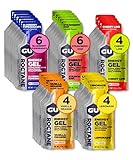
Overview: GU Roctane Ultra Endurance Energy Gel represents the premium tier of GU’s lineup, engineered for extreme efforts and long-duration activities. This 24-count variety pack delivers enhanced amino acid content and electrolytes for athletes pushing their limits in training and competition across multiple endurance disciplines.
What Makes It Stand Out: With 1,425mg of amino acids—significantly more than standard GU—Roctane actively combats muscle breakdown and mental fatigue during ultra-distance events. The formulation includes beta-alanine and taurine for additional performance benefits. The dual-source carbohydrate blend ensures sustained energy delivery, while the variety pack includes strategic caffeine levels across flavors for customized fueling.
Value for Money: At $59.59 for 24 gels ($2.26 per ounce), Roctane commands a premium price. However, for ultramarathoners, Ironman athletes, and mountain endurance competitors, the enhanced amino acid profile and targeted ingredients deliver value that justifies the cost during events where every advantage matters and nutrition can make or break performance.
Strengths and Weaknesses: Pros include superior amino acid content, excellent electrolyte balance, proven ultra-endurance formulation, flavor variety with strategic caffeine options, and reliable energy delivery. Cons involve high price point, thicker texture than Original GU, and overkill for short workouts where standard gels suffice.
Bottom Line: GU Roctane is purpose-built for ultra-distance athletes who need maximum support during extreme efforts. If you’re tackling events over 4 hours, the premium ingredients provide tangible benefits that outweigh the cost. For shorter races, stick with standard GU.
The Ultramarathon Nutrition Challenge: Why Standard Fueling Fails
Marathon fueling strategies collapse under ultramarathon demands for one simple reason: time. What works for 3-4 hours of running often becomes a gastrointestinal nightmare at hour 8, 12, or 24. Your digestive system begins to shut down as blood flow redirects to working muscles, enzyme production slows, and the sheer repetition of consuming the same product leads to flavor fatigue and nausea. Standard gels designed for shorter events typically deliver 20-25g of carbohydrates—adequate for a marathon, but potentially creating a consumption bottleneck when you need 60-90g of carbs per hour during an ultra. The osmolality, acidity, and ingredient simplicity that works for 26.2 miles can trigger a cascade of GI distress when multiplied across an entire day of running.
Energy Gels as Your Primary Fuel Source: Pros and Cons
Energy gels sit at the center of most ultramarathon nutrition plans for good reason. They deliver concentrated, fast-absorbing carbohydrates in a lightweight, portable format that requires no chewing—crucial when you’re barely maintaining consciousness at 3 a.m. on a remote trail. Unlike whole foods, gels minimize digestive energy expenditure and provide predictable macronutrient dosing you can track precisely. However, the convenience comes with trade-offs. Exclusive gel reliance can lead to “gel fatigue,” where even the thought of another sticky packet triggers revulsion. The simple sugar profile, while quickly absorbed, may cause energy spikes and crashes if not timed properly. Plus, the packaging waste accumulates quickly, creating environmental concerns and littering penalties in some races. Smart ultramarathoners view gels as their nutritional backbone, not their entire skeleton.
Decoding Gel Nutrition Labels: What Matters Most
The nutrition facts panel on an energy gel reveals a story—if you know how to read between the lines. Beyond the flashy marketing claims, three numbers dictate performance: total carbohydrates, sodium content, and ingredient order. A gel’s effectiveness hinges on its carbohydrate density (aim for 20-30g per packet), sodium levels (critical for replacing sweat losses that can exceed 1,500mg per hour in hot conditions), and whether simple sugars dominate the ingredient list. Watch for hidden volume-killers like excessive water content that forces you to carry more weight for the same carb payload. The presence of multiple carbohydrate sources often indicates better absorption rates, while protein or fat additions signal a product designed for longer-duration events where steady energy release trumps rapid spikes.
Carbohydrate Chemistry: Maltodextrin, Fructose, and Glucose
The carbohydrate source determines how quickly energy reaches your muscles and how much your gut can handle. Maltodextrin, a glucose polymer, dominates most formulations because it provides high carb density with minimal osmotic pressure—meaning it empties from your stomach faster while delivering more energy per gram. Fructose works through a separate absorption pathway, allowing you to push total carbohydrate intake beyond the 60g/hour glucose ceiling toward the coveted 90g/hour mark. However, fructose tolerance varies dramatically; some runners absorb it efficiently while others experience immediate GI distress. The latest trend involves specific maltodextrin:fructose ratios, typically 2:1 or 1:0.8, optimized for maximum absorption. Understanding your personal tolerance requires systematic testing, not race-day experimentation.
Electrolyte Essentials: Sodium, Potassium, and Magnesium
During a multi-hour ultramarathon, electrolyte imbalance poses as great a threat as bonking. Sodium reigns supreme—most gels contain 50-200mg per packet, but heavy sweaters may need 400-800mg per hour. Potassium supports muscle contraction and appears in smaller amounts (10-50mg), while magnesium aids in preventing cramps, though its inclusion is often more marketing than science at the doses gels can provide. The key is matching gel electrolytes to your sweat rate, which varies based on genetics, heat acclimation, and pace. Don’t fall for the “more is better” trap; excessive sodium can cause its own GI issues, while too little accelerates hyponatremia risk.
The Role of BCAAs and Protein in Long-Distance Fueling
Some ultramarathon-specific gels now branch-chain amino acids (BCAAs) or small amounts of protein, typically 1-3g per packet. The theory suggests this reduces muscle breakdown during events exceeding 6-8 hours. While research supports protein consumption during ultra-endurance events, the tiny amounts in gels may be more psychological than physiological. However, these additions can alter taste and texture, sometimes improving satiety and reducing the empty-calorie feeling that pure sugar gels create. Consider these hybrid gels for the back half of 100-milers when muscle damage accumulates, but don’t rely on them as your primary protein source.
Caffeine: Performance Enhancer or Pitfall?
Caffeine content in gels ranges from 25mg (a quarter cup of coffee) to 100mg (a strong espresso). Strategic use can boost alertness during night sections and enhance fat oxidation when glycogen stores deplete. The danger lies in cumulative dosing—alternating caffeinated and non-caffeinated gels every 30-45 minutes can quickly push you past the recommended 3-6mg/kg body weight limit. Late-race caffeine can also interfere with post-race sleep, impacting recovery. Build a caffeine schedule that peaks during your predicted low points, typically hours 8-12 and during night running, then tapers to avoid a post-finish crash.
Consistency Matters: From Liquid to Chewy
Gel viscosity dramatically impacts consumption ease and palatability. Liquid gels flow like syrup and require minimal water to swallow, ideal for runners who struggle with thicker textures. Standard gels offer a honey-like consistency that balances portability with quick consumption. Newer “chewable gels” or gel-blocks provide psychological satisfaction through chewing, though they demand more jaw effort when you’re dehydrated. Your choice should reflect personal preference and race conditions—cold weather thickens gels, while extreme heat can make them unpleasantly runny. Test consistency across temperature ranges, and consider that thicker gels may require more water to prevent that gut-slugging sensation.
Flavor Fatigue: Preventing Palate Burnout Over 50+ Miles
The best-tasting gel in hour one can become revolting by hour fifteen. Flavor fatigue is physiological—your taste buds become desensitized and your brain associates repetitive flavors with exertion distress. Combat this by rotating through 3-4 distinct flavor profiles: start with mild, neutral options like vanilla or plain, progress to tart citrus for a mid-race palate reset, and save strong flavors like espresso or chocolate for night sections when you need sensory stimulation. Savory options, though rare, can provide welcome relief from unrelenting sweetness. Avoid overly artificial or intensely sweet flavors that burn out quickly; subtlety wins over 24 hours.
GI Tolerance: The Make-or-Break Factor
The most scientifically advanced gel is worthless if it triggers stomach shutdown. GI tolerance depends on osmolality (particle concentration), acidity, and individual gut microbiome. Low-osmolality gels (under 300 mOsm/kg) empty from the stomach faster, reducing sloshing and nausea. pH levels around 4-5 (mildly acidic) aid absorption but can aggravate acid reflux. The only reliable test is repeated use during long training runs that simulate race pace and conditions. Start with small doses (half a gel every 30 minutes) and gradually increase to full gels every 20-45 minutes as your gut adapts. Never trust a gel that works fine at easy pace but causes issues at race effort.
Natural vs. Conventional: Ingredient Philosophy
The “natural” gel trend replaces maltodextrin with brown rice syrup, honey, or fruit purees, and uses sea salt instead of sodium chloride. These options appeal to clean-eating athletes and often provide subtle, less-cloying flavors. However, they typically contain less sodium and fewer carbs per packet, forcing you to carry more weight. Conventional gels offer precise formulation, higher electrolyte content, and proven performance through decades of use. The choice isn’t about morality—it’s about performance. If natural ingredients reduce your psychological stress and you can meet carb targets, they’re valid. If you need maximum efficiency and sodium delivery, conventional options may serve you better.
Packaging and Portability Considerations
A gel’s packaging affects race-day execution more than most runners admit. Standard 32-gram packets fit easily in handheld bottles, vests, and shorts pockets, but the tear-notch design varies—some open cleanly with teeth, others require fingers and create litter risk. Larger 45-60g “double-serving” packets reduce waste but can be unwieldy to carry and consume. Look for packaging with a small “litter leash” that keeps the torn top attached, preventing accidental dropping on trail races where litter penalties are strict. Practice opening and consuming while running at race pace; fumbling with packaging during a competitive moment can cost minutes and mental energy.
Strategic Caffeination: Timing Your Stimulant Intake
Developing a caffeine protocol transforms random gel consumption into a strategic advantage. Map your race timeline: for a 100-miler starting at dawn, plan non-caffeinated gels through mile 30, introduce 25-50mg caffeine doses from miles 30-60 as fatigue builds, then escalate to 75-100mg for night miles when sleep deprivation hits. Space caffeinated gels at least 45-60 minutes apart to avoid jitters and GI upset. Track your total caffeine load—reaching 500-600mg in a 24-hour race is common but should never exceed 800mg for most athletes. Always have a non-caffeinated backup plan if heart rate spikes or anxiety increases.
Personalizing Your Gel Intake: The 60-90g Carbohydrate Rule
The oft-cited 60-90g/hour carbohydrate target isn’t one-size-fits-all. Calculate your needs based on body size (0.7-1.0g carbs per kg body weight per hour), intensity (harder efforts burn more carbs), and event duration (longer races may allow slightly lower rates). A 70kg runner might target 70g/hour, requiring 2-3 standard gels depending on their carb content. Spread intake evenly—consuming 20-25g every 20-30 minutes maintains steadier blood glucose than bolus doses. Use your longest training runs to fine-tune this, weighing yourself pre- and post-run to gauge if you’re over- or under-fueling.
The Non-Negotiable: Training Your Gut
Gut training is as essential as mile repeats. Your intestinal tract adapts to habitual carbohydrate intake, increasing transporter proteins and improving tolerance. Dedicate 8-12 weeks before your goal race to practicing your gel strategy on at least 3-4 runs exceeding 4 hours. Start with lower carb concentrations and gradually increase to race levels. This adaptation reduces the likelihood of GI distress and teaches your body to efficiently absorb nutrients while under physical stress. Skip this step, and even the perfect gel becomes a liability.
Avoiding the Big Three Gel Mistakes in Ultras
First mistake: under-hydrating with gels. Each gel requires 3-6 ounces of water for optimal absorption; taking gels with electrolyte drink or insufficient water creates a hyper-concentrated gut slurry that delays emptying. Second: flavor monotony. Consuming only your favorite flavor for 12 hours guarantees mid-race aversion. Third: ignoring temperature effects. Gels stored against your body heat up, changing consistency and potentially accelerating ingredient degradation. Store gels in exterior vest pockets during hot races, and keep them close to your body in sub-freezing temperatures to prevent them from becoming gel-sicles.
Climate Considerations: Hot, Cold, and High Altitude
Environmental conditions transform gel performance. In heat above 80°F, prioritize gels with higher sodium content (150-200mg) and liquid consistency that requires less water to swallow. Cold below 40°F thickens gels—choose thinner formulations or store them in chest pockets to maintain pliability. At altitude above 8,000 feet, appetite suppression intensifies; smaller, more frequent gel doses with strong flavors can combat reduced intake. Humidity affects sweat sodium concentration, potentially requiring electrolyte-adjusted gel choices. Always test gels in conditions matching your race environment, not just comfortable training weather.
Layering Your Fuel: The Multi-Gel Approach
Elite ultramarathoners rarely rely on a single gel product. Instead, they layer 2-3 different formulations across race stages. Start with a standard maltodextrin-based gel for the first third, switch to a higher-electrolyte variant during the heat of the day, then transition to a BCAA-enhanced or slightly caffeinated option for the final push. This approach prevents flavor fatigue, addresses changing physiological needs, and reduces the risk of a single product causing cumulative GI issues. Create your layering strategy based on your race’s terrain, time of day, and personal sweat rate patterns.
Storage and Temperature Stability Concerns
A gel’s shelf life typically ranges from 12-24 months, but extreme temperatures accelerate degradation. Heat above 90°F can cause separation, especially in natural formulations without stabilizers. Freezing doesn’t ruin gels but alters texture permanently. Check the manufacturing date when purchasing—older gels may have compromised packaging seals. For races with mandatory gear checks, ensure gels are within expiration dates. Store your race-day supply in a cool, dark place, and never leave them in a hot car for weeks before an event. The chemical stability of vitamins and amino acids diminishes over time, reducing the effectiveness of enhanced formulations.
Frequently Asked Questions
How many gels should I actually carry for a 100-mile race? Carry 2-3 hours worth of gels (4-8 packets depending on your consumption rate) and plan to restock at aid stations. For remote races with 15-20 mile aid station gaps, you might need to carry 10-12 gels between drops. Always pack 2-3 extra beyond your calculated needs for getting lost or delayed.
Can I survive an ultramarathon on gels alone? Physically possible, but psychologically unwise. Most successful ultramarathoners use gels for 60-70% of calories, supplementing with easily digestible real foods like boiled potatoes, tortillas, or sports drinks for variety and mental satisfaction. Gels alone increase flavor fatigue and GI upset risk.
What’s the fastest way to resolve gel-related stomach issues mid-race? Immediately dilute with water—stop consuming gels and switch to plain water or weak electrolyte drink for 30-45 minutes. If nausea persists, reduce gel concentration by taking half-packets or switching to a lower-osmolality formulation. Walking while consuming can help by reducing the mechanical jostling of your stomach.
Should I use caffeinated gels during night running? Yes, strategically. Use 50-75mg caffeine doses every 60-90 minutes during night sections to combat sleep deprivation, but stop caffeine 3-4 hours before your expected finish to allow post-race sleep. Never introduce caffeine for the first time at night in a race—test extensively in training.
How do I prevent my gels from freezing in cold weather races? Store them in chest pockets against your base layer, or tuck them into gloves or mittens. Some runners use hand warmers in vest pockets. Choose thinner-consistency gels that remain semi-liquid even when cold. Never store gels in exterior pockets in sub-freezing temperatures.
Are expensive “premium” gels worth the price for ultramarathoners? Price often reflects ingredient sourcing and added components like BCAAs or organic certification, not necessarily performance. Standard formulations from established brands work exceptionally well. Premium gels may be worth it if you have GI issues with conventional options or prioritize clean ingredients for personal reasons.
How far in advance should I test new gels before my goal race? Start testing 12-16 weeks out, but finalize your choice no later than 8 weeks before race day. This allows 2-3 months of gut adaptation and ensures you can purchase your chosen gels in bulk. Never test a new gel in the final 4 weeks—this is for fine-tuning only.
What’s the best way to carry gels for easy access? Use a race vest with front shoulder strap pockets for gels you’ll consume in the next 1-2 hours. Store backup supply in rear pockets or drop bags. Practice the reach-grab-tear motion at race pace. Some runners use elastic loops on straps to hold opened gels for gradual consumption.
Do I need different gels for different race distances? Yes. For 50-milers, simple high-carb gels work well. For 100-milers and beyond, consider electrolyte-enhanced and BCAA-containing options for later stages. The longer the race, the more important flavor variety and higher sodium content become.
How do I avoid the “gel gut” feeling late in races? Rotate gel brands/flavors every 2-3 hours, ensure adequate water intake (3-6oz per gel), and consider switching to lower-volume “liquid” gels when your stomach becomes sensitive. Taking a 15-20 minute walking break while consuming a gel can also help reset your digestive system.