Your heart doesn’t send meeting invites before it skips a beat. In 2026, the line between consumer wellness gadgets and medical-grade cardiac surveillance has dissolved into something far more powerful: proactive cardiac safety that lives on your wrist, chest, or finger. With cardiovascular disease remaining the stealthiest health threat worldwide, ECG-enabled heart rate monitors have evolved from fitness novelties into essential health guardians. But not all devices are created equal, and navigating this sophisticated landscape requires more than a glance at a spec sheet.
Whether you’re managing a known condition, optimizing athletic performance, or simply refusing to let the “silent killer” catch you off guard, understanding what makes these devices truly effective is critical. This guide dives deep into the must-have features, emerging technologies, and critical considerations that will define cardiac monitoring in 2026—empowering you to make a decision that could literally save your life.
Top 10 Heart Rate Monitors with ECG
Detailed Product Reviews
1. AliveCor KardiaMobile 6-Lead Personal EKG Monitor – Six Views of The Heart – Detects AFib and Irregular Arrhythmias – Instant Results in 30 Seconds – Works with Most Smartphones

Overview:
The AliveCor KardiaMobile 6L represents the gold standard in personal EKG monitoring, delivering medical-grade six-lead electrocardiogram readings directly to your smartphone in just 30 seconds. As the world’s only FDA-cleared six-lead personal EKG device, it bridges the gap between clinical care and home monitoring for individuals managing cardiac concerns.
What Makes It Stand Out:
This device captures six times the cardiac data of single-lead alternatives, enabling detection of AFib, Bradycardia, Tachycardia, and Normal Sinus Rhythm with physician-trusted accuracy. The professional endorsement from cardiologists sets it apart from consumer-grade gadgets. Unlike competitors, it requires no subscription to access core EKG functionality, making it a transparent, one-time investment.
Value for Money:
At $129, the KardiaMobile 6L offers exceptional value for a medical-grade device. Hospital-grade EKG machines cost thousands, and even single-lead alternatives with FDA clearance typically run $80-$100. The six-lead capability provides substantially more diagnostic information for your doctor, potentially reducing unnecessary clinic visits.
Strengths and Weaknesses:
Strengths include FDA clearance, six-lead accuracy, zero subscription fees, broad smartphone compatibility, and professional credibility. Weaknesses involve the need to verify device compatibility before purchase, inability to detect heart attacks, and a learning curve for proper electrode placement. The device also lacks PC connectivity, limiting data export options.
Bottom Line:
For anyone requiring serious cardiac monitoring—especially those with known arrhythmias—the KardiaMobile 6L is the clear choice. Its medical-grade accuracy, professional validation, and comprehensive six-lead data make it worth every penny for peace of mind and proactive heart health management.
2. EMAY 6L Portable ECG Monitor | Record ECG and Heart Rate in 6 Channels | Compatible with Smartphone and PC | No Subscription Required

Overview:
The EMAY 6L Portable ECG Monitor brings clinical-style heart monitoring to your home with six-channel capability and versatile connectivity options. Designed for over-the-counter use, this device targets tech-savvy consumers seeking more comprehensive cardiac data than single-lead alternatives can provide.
What Makes It Stand Out:
Unlike many competitors, the EMAY 6L offers both Bluetooth smartphone integration and USB PC connectivity, enabling flexible data management and analysis across platforms. The built-in rechargeable lithium battery eliminates ongoing battery costs, while the six-channel recording provides a more complete cardiac picture for healthcare discussions.
Value for Money:
Priced at $169, the EMAY 6L sits at the premium end of personal ECG devices. While more expensive than the FDA-cleared AliveCor KardiaMobile 6L, its dual connectivity and PC software suite justify the cost for users wanting desktop analysis capabilities. However, the lack of FDA clearance for specific arrhythmia detection diminishes its clinical value proposition.
Strengths and Weaknesses:
Strengths include six-channel recording, versatile PC and mobile connectivity, rechargeable battery, and no subscription requirements. Notable weaknesses are the absence of FDA clearance for arrhythmia detection, making it less clinically validated than competitors, and limited information about specific cardiac condition detection. The higher price point may deter casual users.
Bottom Line:
The EMAY 6L suits technically inclined users who prioritize data export flexibility and six-channel recording over regulatory certification. For those needing doctor-trusted arrhythmia detection, alternatives offer better clinical validation, but the PC connectivity makes this ideal for detailed personal health record keeping.
3. EMAY Portable ECG Monitor | Record ECG and Heart Rate | Compatible with Smartphone and PC

Overview:
The EMAY Portable ECG Monitor delivers essential heart health tracking in an affordable, user-friendly package. Recording Lead I ECG signals and displaying heart rate data, this device serves as an entry-level solution for adults seeking basic cardiac monitoring without complex features or subscription fees.
What Makes It Stand Out:
This monitor distinguishes itself through straightforward functionality and dual connectivity options. It seamlessly pairs with smartphones via Bluetooth while offering USB PC connection for data backup and review. The built-in rechargeable battery provides convenience and cost savings over time, eliminating disposable battery expenses.
Value for Money:
At $79.98, this device positions itself as a mid-range option between basic single-lead monitors and advanced six-lead systems. While more expensive than budget alternatives, the PC connectivity and rechargeable battery add tangible value. However, it lacks the FDA clearance and multi-lead sophistication of similarly priced competitors.
Strengths and Weaknesses:
Strengths include affordable pricing, no subscription requirements, rechargeable battery, and dual PC/mobile connectivity. Weaknesses center on its single-lead limitation, which provides minimal cardiac data compared to six-lead devices. The absence of FDA-cleared arrhythmia detection reduces clinical confidence, and the brand lacks the professional endorsements of market leaders.
Bottom Line:
This EMAY monitor works best for health-conscious individuals wanting occasional heart rhythm checks without medical complexity. It’s a solid choice for fitness enthusiasts or anxious users seeking baseline data, but those with diagnosed cardiac conditions should invest in FDA-cleared alternatives with multi-lead capability for more reliable monitoring.
4. Fitbit Sense 2 Advanced Health and Fitness Smartwatch with Tools to Manage Stress and Sleep, ECG App, SpO2, 24/7 Heart Rate and GPS, Shadow Grey/Graphite, One Size (S & L Bands Included)

Overview:
The Fitbit Sense 2 transcends traditional ECG monitors by integrating single-lead heart assessment into a comprehensive health and fitness smartwatch. This advanced wearable tracks everything from stress and sleep to blood oxygen and GPS workouts, positioning itself as a lifestyle device with cardiac monitoring capabilities rather than a dedicated medical tool.
What Makes It Stand Out:
The Sense 2’s uniqueness lies in its holistic health ecosystem. Beyond ECG readings for atrial fibrillation assessment, it offers cEDA stress detection, personalized Sleep Profiles, and a Daily Readiness Score. With 6+ day battery life, on-wrist calls, Alexa built-in, and 40+ exercise modes, it merges cardiac monitoring with premium smartwatch convenience.
Value for Money:
At $199.95, the Sense 2 commands a premium price, but justifies it through multifunctionality. Comparable dedicated ECG monitors cost $80-$170, but lack the comprehensive activity tracking, sleep analysis, and smart features. For users wanting an all-in-one health device rather than single-purpose monitoring, the investment makes sense.
Strengths and Weaknesses:
Strengths include extensive health tracking suite, long battery life, water resistance, built-in GPS, and seamless smartwatch integration. The primary weakness is its single-lead ECG, which provides less cardiac detail than dedicated multi-lead devices. It’s also not FDA-cleared for as many conditions as specialized monitors, and the subscription-based advanced features create ongoing costs.
Bottom Line:
Choose the Sense 2 if you want a versatile health smartwatch with ECG capability as a secondary feature. For dedicated cardiac monitoring, specialized devices offer more clinical rigor. This excels for active users prioritizing overall wellness tracking over medical-grade heart diagnostics.
5. Monerr Portable ECG Monitor | Record and Store One-Lead ECG Signals | Monitor and Display Heart Rate for Home Health Care Use -White

Overview:
The Monerr Portable ECG Monitor offers budget-conscious consumers an accessible entry point into home heart health monitoring. Recording Lead I ECG signals in 30 seconds, this device focuses on delivering essential cardiac metrics without complexity or recurring fees, targeting adults seeking routine heart health checks.
What Makes It Stand Out:
Remarkably detailed metric tracking sets this apart from other budget monitors. It measures P-wave, PR-interval, QRS complex, and QTc alongside heart rate, providing deeper insights typically found in pricier devices. The inclusion of practical usage tips—like using alcohol for better conductivity—demonstrates thoughtful user experience design.
Value for Money:
At $68.89, this is the most affordable option reviewed, making cardiac monitoring accessible to nearly any budget. While single-lead devices with FDA clearance cost $30-$40 more, the Monerr’s comprehensive metric display and unlimited cloud storage deliver exceptional value. The rechargeable battery further reduces long-term costs.
Strengths and Weaknesses:
Strengths include unbeatable pricing, no subscription fees, detailed cardiac metrics, rechargeable battery, and unlimited data storage. Weaknesses involve its single-lead limitation, lack of FDA clearance, and lower brand recognition compared to established competitors. The device also requires careful technique for accurate readings, which may challenge less dexterous users.
Bottom Line:
The Monerr monitor is ideal for cost-conscious consumers wanting more than basic heart rate tracking. It suits fitness enthusiasts monitoring workout intensity and older adults performing routine checks. However, those with diagnosed arrhythmias should invest in FDA-cleared alternatives for medically reliable data.
6. Beurer Cardio Companion EKG Monitor - 3-Lead Portable ECG Machine, Detects Irregular Heart Rhythms, Fast Results in 30 Seconds, Bluetooth with App, Rechargeable Battery, FSA/HSA Eligible, ME75

Overview: The Beurer Cardio Companion ME75 is a German-engineered, FDA-cleared portable EKG monitor designed for home use. This compact device delivers clinical-grade heart rhythm analysis in under 30 seconds, making it an excellent tool for proactive cardiac health monitoring without frequent doctor visits.
What Makes It Stand Out: Unlike single-lead alternatives, this 3-lead system offers four measurement methods—hand-to-hand, hand-to-wrist, hand-to-leg, or hand-to-chest—providing flexibility for different user needs. The bright color display shows real-time results instantly, while optional Bluetooth connectivity allows unlimited storage via the companion app. The rechargeable battery eliminates ongoing costs, and FSA/HSA eligibility makes it financially accessible.
Value for Money: At $79.99, the ME75 costs less than a single cardiology consultation. It stores 100 readings locally without requiring a subscription, and unlimited cloud storage via the free app adds exceptional long-term value for those tracking chronic conditions or post-operative recovery.
Strengths and Weaknesses: Strengths include versatile measurement options, rapid results, German engineering credibility, and no mandatory subscription. The rechargeable design is eco-friendly and cost-effective. Weaknesses include incompatibility with pacemakers or metal implants, potential accuracy issues if skin contacts during measurement, and limited onboard storage for users preferring offline use.
Bottom Line: The Beurer ME75 is an excellent investment for anyone needing reliable, convenient heart rhythm monitoring at home. Its medical-grade accuracy and flexible measurement options justify the price, though users with implants should seek alternatives.
7. Garmin HRM 200 Heart Rate Monitor, Accurate Heart Rate and HRV Data, Comfortable Machine Washable Strap, M-XL

Overview: The Garmin HRM 200 is a premium chest strap heart rate monitor delivering professional-grade accuracy for serious athletes and fitness enthusiasts. It seamlessly integrates with Garmin’s ecosystem while offering broad compatibility with third-party devices, fitness equipment, and training apps.
What Makes It Stand Out: The exceptional one-year battery life from a user-replaceable CR2032 battery sets it apart from rechargeable competitors that require frequent charging. The machine-washable strap maintains hygiene effortlessly, while the 3 ATM water rating ensures durability during intense sweat sessions and swimming. Available in two sizes, it provides a secure, comfortable fit for extended wear.
Value for Money: Priced at $72.97, this monitor sits in the mid-range but delivers premium Garmin reliability and accuracy. The year-long battery life and washable design reduce long-term ownership costs significantly compared to models requiring proprietary replacements or frequent charging accessories.
Strengths and Weaknesses: Strengths include outstanding battery longevity, proven Garmin accuracy, durable water-resistant construction, and easy maintenance. The comfortable, adjustable strap accommodates various body types. Weaknesses include the chest strap format, which some users find uncomfortable for daily wear, and primary optimization for Garmin devices, potentially limiting functionality with some third-party apps.
Bottom Line: The HRM 200 is a top-tier choice for dedicated athletes seeking reliable, maintenance-free heart rate monitoring. Its durability and battery life make it worth the investment, particularly for those already invested in the Garmin ecosystem.
8. EKG Monitor Device, Personal Heart Rate Monitor with LCD Screen and Storage, Portable ECG Monitor Compatible with PC and Smartphone, Instant Results in 30 Seconds, FSA/HSA Eligible

Overview: The HaSoCare EKG Monitor is a portable cardiac assessment device offering medical-grade ECG data in a compact 60g form factor. It delivers instant 30-second readings through multiple measurement modes, bridging the gap between consumer gadgets and clinical equipment for home-based heart health monitoring.
What Makes It Stand Out: This device excels in connectivity flexibility, offering both Bluetooth smartphone integration and wired PC connection via cable. Users can customize sampling time and modes directly from their devices without subscriptions. The ability to easily share professional-quality data with healthcare providers makes it particularly valuable for managing ongoing cardiac concerns or pre-existing conditions.
Value for Money: At $79.99, it matches competitors’ pricing while eliminating subscription fees entirely. The dual connectivity options effectively provide two devices in one, and the lightweight portability ensures you can monitor your heart anywhere, maximizing utility for frequent travelers or those with active lifestyles.
Strengths and Weaknesses: Strengths include versatile connectivity, cable option for reliable PC data transfer, no subscription requirement, and extremely lightweight design. The multi-mode measurement increases accuracy potential. Weaknesses include a lesser-known brand reputation compared to medical-grade competitors, potential app stability issues, and the inconvenience of carrying a cable for PC connectivity.
Bottom Line: This EKG monitor is ideal for tech-savvy users needing flexible data management and easy doctor sharing. While brand recognition is limited, its feature set and subscription-free model make it a compelling choice for proactive cardiac care.
9. Fitbit Sense 2 Advanced Health and Fitness Smartwatch with Tools to Manage Stress and Sleep, ECG App, SpO2, 24/7 Heart Rate and GPS, Lunar White/Platinum, One Size (S & L Bands Included)
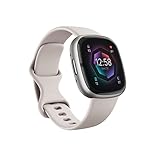
Overview: The Fitbit Sense 2 represents the pinnacle of consumer health technology, packing advanced medical sensors into an elegant smartwatch. It goes beyond basic fitness tracking to offer comprehensive stress management, sleep optimization, and cardiac health tools including ECG and irregular rhythm notifications.
What Makes It Stand Out: The continuous EDA (cEDA) sensor provides all-day stress detection, while the ECG app offers FDA-cleared atrial fibrillation assessment. With built-in GPS, SpO2 monitoring, and a 6+ day battery life, it eliminates the need for multiple devices. The integration of mindfulness content, sleep profiles, and readiness scores creates a holistic health ecosystem on your wrist.
Value for Money: At $189.95, the Sense 2 commands a premium price but justifies it by replacing a fitness tracker, GPS watch, sleep monitor, and stress management device. The extensive feature set and Fitbit’s polished user experience deliver strong value, though some advanced insights require Fitbit Premium subscription.
Strengths and Weaknesses: Strengths include unparalleled sensor array, exceptional battery life, comprehensive health dashboard, and robust smart features like contactless payments and voice assistants. The water-resistant design suits all activities. Weaknesses include the high upfront cost, potentially overwhelming feature set for casual users, and that full analytics require additional subscription fees.
Bottom Line: For users seeking a single device for complete health monitoring, the Sense 2 is unmatched. Its advanced sensors and long battery life justify the investment for serious wellness enthusiasts, though budget-conscious buyers may find it excessive.
10. CYCPLUS Heart Rate Monitor Chest Strap H2Pro, Bluetooth ANT+ Heart Rate Monitor Chest Sensor with 500h Battery, IPX7 Waterproof and Dustproof, HRM Works with Strava/Cycplus Fit App
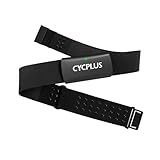
Overview: The CYCPLUS H2Pro chest strap delivers professional-grade heart rate and HRV tracking at a budget-friendly price point. Using ECG-based algorithms to filter motion artifacts and muscle interference, it provides reliable data for scientific training approaches without the premium brand markup.
What Makes It Stand Out: The staggering 500-hour battery life from a standard CR2032 battery provides nearly three years of use for typical athletes. At just 21g, it’s exceptionally lightweight, while IPX7 waterproofing ensures reliability in any conditions. The dual Bluetooth and ANT+ connectivity guarantees compatibility with virtually all fitness apps, cycling computers, and smartwatches.
Value for Money: At $29.99, the H2Pro dramatically undercuts competitors while matching their accuracy and exceeding their battery performance. This represents exceptional value for cyclists, runners, and triathletes who need reliable data without recurring costs or frequent battery replacements.
Strengths and Weaknesses: Strengths include unbeatable battery longevity, impressive water resistance, lightweight comfortable design, and universal connectivity. The ECG algorithm provides accurate HRV data for training load management. Weaknesses include CYCPLUS’s smaller brand presence compared to industry giants, a less polished companion app, and the chest strap format which may not suit all users.
Bottom Line: The H2Pro is a standout choice for cost-conscious athletes refusing to compromise on accuracy. Its remarkable battery life and robust connectivity make it a smart purchase for serious training regimens, despite the budget price tag.
Understanding ECG Technology in Consumer Wearables
The Evolution from Basic Heart Rate to Medical-Grade ECG
Remember when heart rate monitors simply counted beats per minute? Those days feel prehistoric. Modern ECG-enabled devices capture the heart’s electrical signature through single-lead electrocardiography, translating complex cardiac rhythms into actionable data. By 2026, sensor sensitivity has improved exponentially, with noise-canceling algorithms that can isolate your heart’s signal even during intense exercise or in electrically noisy environments. The key advancement lies in microelectrode arrays that maintain skin contact through sweat, movement, and varying temperatures—something early generations struggled with.
How Single-Lead ECG Differs from Clinical 12-Lead Systems
Don’t let the “single-lead” designation fool you into thinking these devices are simplistic. While hospital-grade 12-lead ECGs provide a comprehensive 360-degree view of cardiac electrical activity, a well-designed single-lead system captures the critical vector needed to detect the most common arrhythmias: atrial fibrillation, supraventricular tachycardia, and premature ventricular contractions. Think of it as a security camera pointed at your heart’s front door—it’s not every angle, but it’s the angle that catches 90% of break-ins. The sophistication comes from the software that interprets these waveforms, not just the number of leads.
Why Cardiac Safety Monitoring Matters More Than Ever in 2026
The Rising Prevalence of Silent Cardiac Events
Here’s the uncomfortable truth: 25% of heart attacks occur without any prior symptoms, and atrial fibrillation often goes undiagnosed for years while silently increasing stroke risk fivefold. The demographic shift is alarming—cardiac events in adults under 50 have risen 30% since 2020. Post-pandemic research has revealed viral triggers for arrhythmias and myocarditis that can linger for months. This isn’t about hypochondria; it’s about recognizing that our modern lifestyle—chronic stress, disrupted sleep, inflammatory diets—has turned our hearts into unpredictable timekeepers. Continuous ECG monitoring acts as an early warning system that catches anomalies between annual physicals.
From Fitness Tracking to Life-Saving Medical Intervention
The paradigm shift in 2026 is that these devices no longer just log data—they intervene. Advanced systems now feature AI that can distinguish between benign palpitations and concerning patterns, triggering protocols that range from calming breathing exercises to automatic emergency contact alerts. Integration with emergency services means your device can preemptively share your location and medical history if it detects a potentially life-threatening arrhythmia. This transforms the user from a passive data collector into an active participant in their cardiac safety network.
Key Features That Define Next-Generation Cardiac Monitors
Medical-Grade Accuracy and FDA Clearance
The gold standard in 2026 is FDA 510(k) clearance or equivalent regulatory approval—not just registration. This distinction means the device has undergone rigorous clinical validation against standard ECG machines, typically requiring 99% accuracy in R-R interval detection and specific sensitivity rates for arrhythmia identification. Look for published clinical validation studies in peer-reviewed journals. Devices should specify their accuracy metrics: ±1 bpm for heart rate at rest, and arrhythmia detection sensitivity above 95% with false positive rates below 5%. Anything less is just a toy with electrodes.
Continuous vs. On-Demand ECG Recording
This is perhaps the most critical decision point. On-demand recording requires you to actively initiate a 30-second ECG strip—useful for capturing intermittent symptoms but useless for nocturnal arrhythmias or asymptomatic events. Continuous monitoring, available in 2026 through advanced chest patches and ring sensors, captures every heartbeat but demands sophisticated power management and data filtering. The sweet spot for many users is hybrid systems that continuously monitor heart rate via PPG while performing periodic automatic ECG checks during rest periods. For cardiac safety, continuous always wins—but it comes with trade-offs in battery life and data management.
Arrhythmia Detection Capabilities
Not all arrhythmia detection is equal. Basic systems flag irregular rhythms; advanced systems in 2026 identify and classify over 20 different arrhythmia types, including rare variants like atrial flutter, AV block patterns, and ectopic beat origins. The differentiator is contextual analysis: the best devices correlate arrhythmia episodes with activity levels, sleep stages, hydration status, and even atmospheric pressure changes. They learn your personal baseline rather than applying generic thresholds. Ask whether the device’s AI has been trained on diverse populations—cardiac patterns vary significantly across age, sex, and ethnicity.
Advanced Sensors and Biometric Fusion
Photoplethysmography (PPG) Integration
The magic happens when ECG and PPG sensors work in concert. PPG provides high-frequency heart rate sampling and blood volume pulse analysis, while ECG delivers the electrical “why” behind those patterns. In 2026, leading devices use PPG to trigger automatic ECG recordings when anomalies are detected, preserving battery life while maintaining vigilance. The synergy also enables pulse wave velocity calculations—a proxy for arterial stiffness that predicts cardiovascular risk. Look for devices with multi-wavelength PPG (green, red, and infrared) for better accuracy across all skin tones.
Temperature and Blood Oxygen Synergy
Your heart doesn’t beat in isolation. Next-gen monitors integrate continuous temperature sensing and SpO2 monitoring to provide cardiac context. A fever can trigger tachycardia; dropping oxygen saturation can indicate pulmonary issues affecting cardiac function. In 2026, advanced algorithms correlate these metrics to reduce false alarms—a brief heart rate spike during a fever is expected, not alarming. The best systems create a multi-dimensional health fingerprint rather than isolated cardiac snapshots.
Data Security and Privacy in the Age of Health IoT
HIPAA Compliance and Data Encryption Standards
Your heart rhythm is protected health information, not just another data point. In 2026, true medical-grade devices offer end-to-end encryption with AES-256 standards, both in transit and at rest. Data should be stored in HIPAA-compliant cloud infrastructure with business associate agreements explicitly covering biometric data. Be wary of devices that anonymize data for “research purposes” without explicit opt-in consent. The fine print matters—some companies claim ownership of your ECG data, using it to train their algorithms. Your heartbeat belongs to you, full stop.
Cloud vs. Local Storage Considerations
While cloud storage enables physician sharing and long-term trend analysis, local storage gives you complete control. The optimal solution in 2026 is a hybrid model: 30-90 days of local storage on the device with optional encrypted cloud backup. Some privacy-focused devices now offer blockchain-based data ledgers, giving you granular control over who accesses your information. For cardiac safety, ensure your device can function offline during emergencies—if you’re in a remote area without connectivity, the monitor must still detect and alert you to critical events.
Battery Life and Power Management Innovations
Solar and Kinetic Charging Technologies
The Achilles’ heel of continuous monitoring has always been power consumption. In 2026, premium devices incorporate micro solar cells into watch faces and chest strap fabrics, extending battery life by 40-60% with just two hours of daily light exposure. Kinetic charging harnesses body movement through piezoelectric materials, particularly effective for athletes. The breakthrough is hybrid power management that intelligently switches between sources based on activity. A device that dies overnight can’t protect you—aim for minimum 7-day battery life with continuous heart rate monitoring, or 72 hours with continuous ECG.
Low-Power ECG Chipsets
The semiconductor revolution has produced ECG-specific chips that consume 80% less power than 2023 models. These chipsets perform edge computing—analyzing waveforms locally rather than streaming raw data—dramatically reducing transmission energy costs. Look for devices specifying their chipset architecture and power draw (ideally under 50µW during active monitoring). Some 2026 models feature “ECG sleep modes” that maintain baseline vigilance while consuming micropower, fully awakening only when anomalies exceed your personal threshold.
Wearable Form Factors and Comfort Considerations
Chest Straps vs. Smartwatches vs. Patches
Each form factor serves different cardiac safety needs. Chest straps remain the gold standard for medical-grade accuracy during exercise, maintaining stable electrode contact regardless of wrist movement. Smartwatches offer 24/7 convenience but can lose contact during sleep or weightlifting. Patches—disposable adhesive monitors worn for 7-14 days—provide the most comprehensive continuous data but at higher ongoing cost. In 2026, modular systems allow you to swap sensors between strap, watch, and patch formats depending on your activity. For true cardiac safety, consider a chest strap for high-intensity periods and a smartwatch for baseline monitoring.
Skin Sensitivity and Allergen-Free Materials
The best ECG monitor is useless if it triggers contact dermatitis. 2026 devices have moved beyond basic silicone to medical-grade thermoplastic elastomers and breathable fabric electrodes infused with silver-silver chloride for conductivity without irritation. Look for ISO 10993 biocompatibility certification and explicit statements about latex, nickel, and BPA-free construction. Some advanced patches now use hydrogel electrodes that maintain moisture balance, preventing the maceration that plagued early adhesive monitors. If you have sensitive skin, prioritize devices with removable, washable bands and electrode pads.
Software Ecosystem and Clinical Integration
AI-Powered Interpretation and False Positive Reduction
Raw ECG data is meaningless without intelligent interpretation. Next-generation AI in 2026 has been trained on millions of annotated ECGs, achieving cardiologist-level accuracy in rhythm classification. The key innovation is personalized baselines—the system learns your unique T-wave morphology, QRS axis, and heart rate variability patterns, reducing false positives by up to 70% compared to generic algorithms. Look for devices that explain their reasoning: “This appears to be atrial fibrillation because of irregular R-R intervals, absent P waves, and fibrillatory baseline.” Black-box alerts are unacceptable for cardiac safety.
Direct-to-Physician Data Sharing Protocols
The bridge between consumer tech and healthcare systems has finally been built. In 2026, leading devices integrate directly with electronic health records (EHR) through FHIR APIs, allowing your cardiologist to view your data within their existing workflow. The gold standard is automated report generation in PDF format that meets AHA/ACC guidelines for ambulatory ECG monitoring. Some systems now offer “cardiologist on demand” services where you can request professional interpretation within 24 hours for a fee. For post-surgical patients or those with active conditions, this integration transforms the device from a gadget into a legitimate medical tool.
Regulatory Landscape and Certification Standards
FDA 510(k) Clearance vs. CE Marking
Navigating regulatory claims requires scrutiny. FDA 510(k) clearance means the device is “substantially equivalent” to an existing medical device and has undergone clinical validation. CE marking indicates conformity with EU medical device regulations but involves less rigorous clinical testing. In 2026, look for devices with both certifications, as this indicates global medical acceptance. Be skeptical of “FDA registered” claims—this is simply a database listing, not approval. True clearance includes a publicly available 510(k) number you can verify on the FDA’s database.
Understanding Clinical Validation Studies
Marketing claims mean nothing without peer-reviewed evidence. Legitimate devices publish sensitivity and specificity data in journals like Circulation or the Journal of the American College of Cardiology. In 2026, the standard includes validation across diverse populations: minimum 500 subjects across different ages, sexes, ethnicities, and cardiac conditions. Pay attention to the reference standard used—comparison against a 12-lead Holter monitor is the gold standard, not just another consumer device. A device that can’t show you its clinical data doesn’t deserve your trust.
Price vs. Value: Investing in Your Cardiac Health
Subscription Models and Hidden Costs
The sticker price is just the beginning. Many 2026 devices operate on a freemium model: basic ECG recording is free, but AI interpretation, cloud storage, and physician sharing require monthly subscriptions ranging from $10 to $50. Calculate the total cost of ownership over three years—a $300 device with a $30/month subscription costs $1,380. Some premium devices now include lifetime services in the upfront price, offering better long-term value. Watch for “activation fees,” electrode replacement costs, and charges for firmware updates. For cardiac safety, the subscription must be optional, not mandatory for basic life-saving alerts.
Insurance Reimbursement Trends
Here’s a game-changer: several major insurers now reimburse ECG monitoring devices for patients with specific risk factors or post-cardiac event. In 2026, CMS guidelines allow reimbursement for remote cardiac monitoring when prescribed by a physician, treating these devices as durable medical equipment. Some devices come with pre-authorization support teams that handle insurance paperwork. If you have a qualifying condition, this can reduce your out-of-pocket cost to zero. Check whether the manufacturer provides a Letter of Medical Necessity template for your doctor.
Who Should Consider an ECG-Enabled Heart Rate Monitor?
High-Risk Individuals and Post-Cardiac Event Patients
If you have hypertension, diabetes, a family history of sudden cardiac death, or have survived a cardiac event, continuous ECG monitoring shifts from optional to essential. In 2026, cardiologists increasingly prescribe these devices as part of secondary prevention programs. The data helps titrate medications, assess intervention success, and detect recurrence before symptoms appear. For this population, prioritize devices with automated physician alerts and integration with cardiac rehabilitation programs.
Athletes and High-Performance Monitoring
Endurance athletes face unique cardiac stress. Exercise-induced arrhythmias, overtraining syndrome, and myocardial remodeling require sophisticated monitoring. Next-gen devices in 2026 offer “athlete modes” that adjust thresholds for bradycardia (low heart rate is normal in trained athletes) and detect patterns like heart rate decoupling that signal impending overtraining. Look for waterproofing beyond IP68—saltwater and chlorine resistance matters. The device should also track training load versus cardiac recovery, preventing you from pushing through dangerous fatigue.
The “Worried Well” and Health Optimization Enthusiasts
Maybe you’re 35, asymptomatic, but haunted by a family history. For this group, cardiac monitoring provides peace of mind and early baseline establishment. The risk is becoming a “cardiac hypochondriac,” obsessing over every minor variation. In 2026, the best devices for this demographic include wellness coaching features that contextualize data: “Your HRV is lower today, but this correlates with poor sleep and alcohol intake—not a cardiac emergency.” This prevents unnecessary ER visits while maintaining vigilance.
Limitations and When to Seek Professional Medical Care
What These Devices Can’t Detect
Let’s be brutally honest: single-lead ECG cannot reliably detect ischemia (heart attacks), conduction blocks in certain locations, or most structural heart diseases. They might miss brief paroxysmal arrhythmias if they occur outside the recording window. In 2026, manufacturers are ethically bound to include clear statements about these limitations. No device replaces a clinical evaluation when you have chest pain, unexplained syncope, or exertional shortness of breath. Use these tools to inform your healthcare, not to replace it.
The Danger of False Reassurance
The most insidious risk is the “clean ECG” that provides false confidence. You might have a normal 30-second recording while significant coronary artery disease lurks undetected. In 2026, responsible device manufacturers combat this through educational modules that explicitly state: “A normal ECG does not rule out heart disease.” The best systems include symptom tracking that prompts medical evaluation even when ECG appears normal: “You reported chest pressure but ECG was normal—please consult a physician as this could be non-ST-elevation MI.”
Future Trends Beyond 2026
Non-Invasive Blood Pressure Monitoring Integration
The holy grail arriving by late 2026 is cuffless blood pressure estimation through pulse transit time—the interval between ECG’s R-wave and PPG’s pulse arrival at the wrist. Early implementations show ±5 mmHg accuracy, sufficient for trending and hypertension management. When combined with ECG, this creates a complete hemodynamic profile: electrical activity, mechanical function, and vascular resistance. This will revolutionize cardiac safety by detecting dangerous BP-ECG mismatches that signal autonomic dysfunction.
Predictive Analytics and Heart Age Modeling
Tomorrow’s devices won’t just report today’s rhythm—they’ll forecast tomorrow’s risk. Using multi-year ECG data, AI models in development calculate “heart age” based on HRV trends, QT interval variability, and subtle T-wave changes. By 2027, these models will predict acute cardiac events 24-48 hours in advance with 80% accuracy by detecting pre-event autonomic shifts. The 2026 devices are already collecting the data needed for these algorithms, making them future-proof investments in predictive health.
How to Choose the Right ECG Monitor for Your Lifestyle
Assessing Your Specific Cardiac Risk Profile
Start with brutal honesty. Are you managing diagnosed atrial fibrillation? Recovering from myocardial infarction? Or simply health-conscious? Your risk level determines feature priorities. High-risk patients need continuous monitoring, physician integration, and emergency alerts. Fitness enthusiasts need exercise tolerance and recovery metrics. The “worried well” need reassurance features and wellness context. Create a checklist of your non-negotiables: battery life, comfort, data privacy, cost. Then eliminate any device that doesn’t meet all of them.
Trial Periods and Return Policies
Never commit to a cardiac monitor without a 30-day trial. In 2026, reputable manufacturers offer money-back guarantees because they understand that fit, comfort, and usability are personal. Use the trial period to test accuracy against a clinical ECG, assess skin tolerance, and evaluate whether the data actually helps you make better health decisions. Keep a log: Did it detect every workout? Did alerts arrive promptly? Did you charge it as often as promised? A device that ends up in your drawer after two weeks is worthless, regardless of its technical specs.
Frequently Asked Questions
How accurate are consumer ECG devices compared to hospital machines?
Top-tier 2026 devices achieve 99% accuracy in detecting normal sinus rhythm and 95-98% sensitivity for atrial fibrillation when compared to 12-lead Holter monitors. However, they cannot detect all cardiac conditions and should complement, not replace, professional medical assessment.
Can these devices predict a heart attack before it happens?
No device can reliably predict heart attacks, which involve ischemia (blood flow blockage) that single-lead ECG cannot detect. However, advanced systems can identify pre-event autonomic changes and arrhythmias that sometimes precede cardiac events, providing early warning for certain types of cardiac instability.
Do I need a prescription for an ECG monitor?
Most consumer ECG devices are available over-the-counter, but some advanced features require physician activation for regulatory compliance. If you plan to use the data for medical management, your doctor can prescribe it, potentially enabling insurance reimbursement.
How often should I take an ECG reading?
For cardiac safety, continuous monitoring provides the best protection. If using on-demand recording, take readings at consistent times daily plus whenever you experience symptoms. High-risk patients should prioritize continuous monitoring devices rather than periodic checks.
Will insurance cover my ECG device?
Many insurers now cover ECG monitors for patients with qualifying cardiac conditions when prescribed by a physician. Coverage varies widely, but major providers in 2026 reimburse $150-300 for approved devices under remote patient monitoring codes. Check with your insurer and device manufacturer for pre-authorization support.
Can I wear my ECG monitor while swimming or showering?
Most 2026 devices offer IP68 water resistance, but this doesn’t guarantee reliable ECG readings during swimming. Water disrupts electrode-skin contact. Dedicated waterproof chest straps with sealed electrodes provide the only truly accurate aquatic monitoring. Always verify the device’s specific water resistance rating for ECG function, not just the housing.
What happens to my data if the company goes out of business?
Reputable manufacturers offer data export in standard formats (HL7 FHIR, CSV) and commit to 90-day notice before service termination. In 2026, look for devices with local data storage capabilities that don’t depend on cloud servers. Your cardiac history is your property—ensure you can retrieve it.
How do I know if an alert is serious or a false alarm?
Advanced devices provide confidence scores and contextual explanations: “This appears to be atrial fibrillation with 94% confidence. Duration: 3 minutes. Recommended action: Rest and repeat ECG in 15 minutes. If sustained, contact physician.” The best systems learn your patterns over time, dramatically reducing false positives after a 2-week learning period.
Can children or teenagers use these devices?
Pediatric use requires separate clinical validation, as normal heart rates and rhythms differ significantly from adults. Few consumer devices are FDA-cleared for under-18 use in 2026. For children with suspected arrhythmias, consult a pediatric cardiologist about prescription-grade monitoring solutions designed for developing hearts.
How long should I keep my ECG monitor before upgrading?
Unlike smartphones, ECG monitors don’t become obsolete quickly. If your device has FDA clearance and receives regular algorithm updates, it can remain clinically relevant for 5-7 years. Upgrade when new features address your specific needs—like continuous monitoring if you initially bought on-demand, or when battery technology improvements make your current device impractical to maintain.