There’s nothing quite like the joy of watching your child splash through gentle rapids, eyes wide with wonder as they navigate a river tubing adventure. But beneath those giggles and sun-soaked memories lies a non-negotiable reality: safety comes first, always. River tubing presents unique challenges that calm lake swimming simply doesn’t—hidden currents, unexpected rocks, and the constant movement of water demand specialized protection. A properly fitted life vest isn’t just another piece of gear; it’s your child’s personal safety companion that works when you can’t reach them.
Choosing the right personal flotation device (PFD) for river tubing requires more than grabbing the brightest vest off the rack. Parents need to understand the nuanced features that separate a basic pool floatie from a true river-ready lifesaver. This guide walks you through everything you need to know to make an informed decision, ensuring your little adventurer stays safe while building confidence on the water.
Top 10 Kids’ Life Vests for River Tubing
Detailed Product Reviews
1. Stearns Kids Classic Life Vest, USCG Approved Type III Life Jacket for Kids Weighing Under 90lbs, Great for Boating, Swimming, Watersports, & More

Overview:
The Stearns Kids Classic Life Vest is a premium USCG-approved Type III personal flotation device designed for children weighing 50-90 pounds. Built with a rugged nylon shell and PE flotation foam, this vest prioritizes durability and safety for active young boaters and water sports enthusiasts. Its open-sided design with three adjustable buckles ensures a secure yet comfortable fit that doesn’t restrict movement during swimming or paddling.
What Makes It Stand Out:
This vest distinguishes itself through robust construction and thoughtful design. The open-sided architecture allows superior ventilation and mobility, preventing overheating common in closed-foam designs. Three heavy-duty buckles provide a customizable fit that grows with your child, while the PE foam maintains buoyancy even after repeated compression. Stearns’ reputation for reliable water safety equipment adds confidence for parents.
Value for Money:
At $44.53, this represents the higher end of the children’s PFD market. The investment is justified by commercial-grade materials that withstand seasons of heavy use. Compared to budget alternatives requiring replacement after a single summer, this vest delivers long-term value for families who boat regularly, averaging pennies per use over its lifespan.
Strengths and Weaknesses:
Strengths include USCG certification, durable nylon construction, excellent mobility, adjustable fit system, and trusted brand heritage. Weaknesses are the premium price point, limited color/style options for picky kids, and potential bulkiness for smaller-framed children at the lower weight limit.
Bottom Line:
Ideal for families serious about water safety who need a dependable, long-lasting vest for frequent boating and watersports. The quality justifies the price for regular users.
2. Speedo Unisex-Child Swim Flotation Classic Life Vest Begin to Swim UPF 50

Overview:
Speedo’s Unisex-Child Swim Flotation Classic Life Vest offers an affordable entry point into water safety for toddlers and young children aged 2-6 years (33-60 lbs). Combining UV protection with functional flotation, this vest is engineered for pool, beach, and calm water environments where sun exposure is a primary concern alongside buoyancy.
What Makes It Stand Out:
The standout feature is integrated UPF 50+ sun protection woven directly into the fabric, eliminating the need for separate rash guards. A safety leg strap prevents the vest from riding up—a critical feature for active toddlers. Speedo’s expertise in swimwear translates to a comfortable, chafe-resistant design that kids tolerate better than traditional bulky PFDs.
Value for Money:
At $22.95, this is exceptionally priced, making it accessible for occasional users or as a backup vest. While it lacks heavy-duty construction, it provides essential safety features at half the cost of premium models. The UV protection adds significant value, effectively combining two products in one.
Strengths and Weaknesses:
Strengths include affordable pricing, UPF 50+ protection, secure leg strap, lightweight comfort, and reputable swim brand. Weaknesses are the lower weight capacity, less durable materials not suited for rough waters, lack of detailed USCG certification information, and limited adjustability for growing kids.
Bottom Line:
Perfect for casual swimmers and beachgoers prioritizing sun protection and budget. Not recommended for serious boating or rough water conditions.
3. Stearns Kids Life Vest, USCG Approved Type III Life Jacket for Children Under 90lbs, Youth PFD for Boating, Swimming, Watersports, Pool, Beach, & More

Overview:
The Stearns Kids Life Vest provides USCG-approved Type III protection specifically engineered for younger children in the 30-50 pound weight range. This vest bridges the gap between toddler and youth sizes, offering professional-grade safety features in a scaled-down package. The combination of durable nylon shell and PE flotation foam ensures reliable performance across various water activities.
What Makes It Stand Out:
Unlike many competing vests in this weight class, this model includes both open-sided design and a leg strap—features typically reserved for larger sizes. The three adjustable buckles accommodate different body shapes, while the leg strap provides critical anti-slip security for children still developing swimming confidence. This dual-approach to fit security is rare in this category.
Value for Money:
Priced at $31.49, it sits in the sweet spot between budget and premium options. The inclusion of both buckle adjustments and leg strap at this price represents excellent value. Parents get Stearns’ trusted safety engineering without paying top-tier prices, making it accessible for families needing multiple vests.
Strengths and Weaknesses:
Strengths include USCG Type III certification, leg strap security, three-point adjustability, durable materials, and ideal weight range for preschoolers. Weaknesses are the relatively narrow weight window requiring earlier replacement, limited style options, and potential sizing inconsistencies for children near range limits.
Bottom Line:
An excellent choice for families with young children ready for water activities. The security features justify the moderate investment.
4. STEARNS Life Jacket for Kids Weighing 50-90lbs, USCG-Approved Type III Life Vest for Children, Youth PFD for Boating, Swimming, Beach, Pool, & Watersports

Overview:
STEARNS’ Life Jacket for Kids delivers USCG-approved Type III flotation for children weighing 50-90 pounds, targeting the critical youth segment where many recreational accidents occur. Engineered for versatility across boats, personal watercraft, and tow sports, this vest emphasizes both safety and practical maintenance features that appeal to active families.
What Makes It Stand Out:
A distinctive protective layer integrated into the design actively prevents odor buildup—a common complaint with frequently used PFDs. This antimicrobial treatment keeps the vest fresher between washes, extending its usable life. The vest’s multipurpose design seamlessly transitions from casual beach days to serious watersports without compromising safety standards.
Value for Money:
At $34.99, it offers compelling value for the 50-90 lb range, undercutting premium competitors while maintaining core safety features. The odor-resistant technology adds practical value that reduces maintenance time and replacement frequency. For families using vests multiple times weekly, this feature alone justifies the modest price premium over basic models.
Strengths and Weaknesses:
Strengths include odor-resistant technology, versatile application, USCG certification, durable construction, and competitive pricing. Weaknesses include less ventilated design than open-sided models, limited information on buckle count, and potentially less mobility for high-energy activities.
Bottom Line:
A smart choice for frequent users who value low-maintenance gear. The odor protection is genuinely useful for active families.
5. Stearns Kids Life Vest, USCG Approved Type III Life Jacket for Children Under 90lbs, Youth PFD for Boating, Swimming, Watersports, Pool, Beach, & More

Overview:
This Stearns Kids Life Vest represents the premium tier of USCG-approved Type III flotation for the youngest users, specifically children weighing 30-50 pounds. Engineered with the same rigorous standards as adult professional PFDs, it provides maximum security through a comprehensive fit system including three adjustable buckles and a leg strap, ensuring the vest stays properly positioned even in active water play.
What Makes It Stand Out:
The construction quality distinguishes this model, featuring reinforced stitching and high-grade PE foam that maintains buoyancy characteristics longer than standard recreational foam. The leg strap is robustly anchored, addressing the primary failure point in cheaper vests. This attention to structural integrity makes it exceptionally reliable for children still mastering water confidence.
Value for Money:
At $39.77, it’s priced at the upper end for this weight category. The premium reflects superior materials and construction longevity. While families can find cheaper alternatives, this vest’s durability means it can serve multiple children or be resold, offsetting the initial cost. For safety-critical equipment, the price premium is justified.
Strengths and Weaknesses:
Strengths include exceptional build quality, dual security systems, USCG certification, durable nylon shell, and reliable brand. Weaknesses are the higher price, limited weight range, and potential over-specification for casual pool use.
Bottom Line:
Worth the investment for safety-conscious parents wanting the most secure option for young children in varied water conditions.
6. Stohlquist Kids Life Jacket 50-90 lbs - Coast Guard Approved Life Vest - Type III PFD for Boys and Girls - Secure & Adjustable Fit for Swimming, Boating & Water Sports

Overview: The Stohlquist Kids Life Jacket represents four decades of water safety expertise, delivering a premium Type III PFD designed specifically for children weighing 50-90 pounds. This vest balances rigorous safety certification with thoughtful design elements that accommodate growing kids during extended water activities. Engineered for versatility across boating, jet skiing, and swimming scenarios, it prioritizes both protection and mobility for young water enthusiasts.
What Makes It Stand Out: Stohlquist’s 40-year heritage shines through in details like fully adjustable straps that expand with your child and a tailored fit that prevents riding up without restricting movement. Unlike generic options, this jacket is purpose-built for all-day comfort, featuring a secure wraparound design that instills confidence in both novice and experienced young swimmers. The dual-weight range availability (30-50 lbs and 50-90 lbs) ensures proper sizing across developmental stages.
Value for Money: At $44.99, this sits in the mid-to-premium tier, justified by superior construction quality and brand reliability. While more expensive than budget alternatives, the investment pays dividends in durability and peace of mind. For families who frequent waterways, the cost-per-use becomes negligible compared to cheaper vests that may need frequent replacement.
Strengths and Weaknesses: Pros: US Coast Guard certified Type III PFD; highly adjustable for growing children; excellent mobility retention; reputable brand with extensive water sports knowledge; comfortable for extended wear. Cons: Price point may deter occasional users; limited aesthetic variety mentioned; slightly heavier than minimal designs; over-engineered for pool-only use.
Bottom Line: This is an exceptional choice for active families prioritizing safety and longevity. The Stohlquist vest earns its premium price through proven reliability and child-friendly design, making it worth every penny for regular boaters and water sports enthusiasts.
7. Speedo Unisex-Child Swim Flotation Classic Life Vest Begin to Swim UPF 50
Overview: Speedo’s entry into child flotation leverages their swimwear expertise to create a pool-focused vest for toddlers and young children. Designed for the 33-60 pound range across two sizes (M: 2-4 years, L: 4-6 years), this vest emphasizes sun protection and swim training support rather than open-water boating safety. The integrated leg strap provides additional security for wiggly learners.
What Makes It Stand Out: The UPF 50+ UV protection distinguishes this from standard life jackets, shielding delicate skin during prolonged sun exposure. Speedo’s “Begin to Swim” philosophy means the design encourages proper body position and arm movement, functioning more as a training aid than a passive flotation device. The safety leg strap is a crucial addition that prevents the vest from riding up—a common issue with young swimmers.
Value for Money: Priced at $24.95, this offers solid value for pool and beach environments. It costs less than Coast Guard Type III alternatives while delivering brand-name quality. However, the value proposition shifts if you need certified boating protection, requiring an additional purchase for vessel compliance.
Strengths and Weaknesses: Pros: Superior UV protection; trusted swim brand engineering; leg strap security; comfortable materials; excellent for swim lessons. Cons: Not explicitly USCG Type III certified for boating; limited weight range; open-sided design lacks impact protection; less buoyant than purpose-built life jackets; unsuitable for most watercraft regulations.
Bottom Line: Perfect for swim training and beach play, but inadequate as your sole boating life jacket. Purchase this as a secondary vest for pool use, and invest in a certified PFD for any watercraft activities. The UV protection alone justifies the price for sunny climates.
8. Hardcore Coast Guard Type III PFD for Youth Child Teen Adult; Life Vest Flotation Device; Life Jacket Paddle Vest for Big Kids, Jet ski, Wakeboard, Hardshell Kayak Life Jacket Red Youth (50-90 lbs)
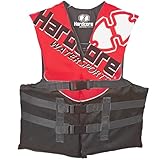
Overview: Hardcore Water Sports delivers a versatile, multi-generational PFD that transitions from youth to adult sizing with its highly adjustable universal design. The youth model (50-90 lbs) features open sides and classic color-blocking, targeting active paddlers and tow sports participants. This vest prioritizes mobility and breathability while maintaining strict UL listing and USCG Type III certification.
What Makes It Stand Out: The open-sided architecture provides exceptional ventilation and range of motion, making it ideal for paddle sports where arm rotation is critical. Unlike child-only designs, this grows with your family—potentially serving multiple children across years. The vibrant color options and distinctive styling appeal to image-conscious teens who might resist bulkier safety gear.
Value for Money: At $31.00, this strikes an excellent balance between performance and affordability. It undercuts premium brands while offering comparable certification and superior mobility features. For families with multiple water sport interests, this single vest covers kayaking, wakeboarding, and general boating without specialized equipment costs.
Strengths and Weaknesses: Pros: USCG Type III and UL listed; exceptional mobility for paddle sports; breathable open-side design; adjustable across size ranges; durable Cordura fabric; attractive color choices. Cons: “Hardcore” branding may not suit all families; minimal head support; open sides reduce impact protection; sizing can run small; lacks crotch strap for younger users.
Bottom Line: An outstanding versatile choice for active families engaged in multiple water sports. The mobility and breathability make it particularly suited for kayaking and paddle boarding, though parents of younger children may want additional security features. Excellent value for performance-oriented users.
9. Airhead Children’s General Purpose Life Vest, Coast Guard Approved, 30-50lbs

Overview: Airhead provides a budget-conscious entry point into certified safety with this no-frills Type III PFD for 30-50 pound children. The design embraces simplicity, featuring open sides for ventilation and a functional polyester shell. This vest focuses on meeting minimum safety requirements at an accessible price point, making it ideal for families needing spare vests or occasional-use equipment.
What Makes It Stand Out: The sub-$20 price point is this vest’s most compelling feature, delivering USCG certification at nearly half the cost of competitors. The inclusion of a crotch strap—a safety feature often omitted in budget models—demonstrates thoughtful value engineering. Open sides enhance cooling during hot summer days, addressing comfort complaints common with closed-foam designs.
Value for Money: At $19.99, this represents exceptional value for occasional boaters and as a backup vest. While materials and construction reflect the price, the safety certification is identical to premium options. For families on tight budgets or those needing multiple vests for guests, this enables compliance without financial strain.
Strengths and Weaknesses: Pros: Extremely affordable; US Coast Guard approved; includes crotch strap; lightweight and ventilated; stain-resistant shell; quick-release buckles. Cons: Thinner foam reduces buoyancy margin; less durable than premium brands; basic comfort features; no head support; sizing runs small; limited adjustability.
Bottom Line: A practical choice for infrequent water activities or as a secondary vest. While not built for daily abuse, it meets all legal safety requirements and includes essential features at an unbeatable price. Perfect for grandparents’ boat or vacation home where usage is sporadic.
10. Oceans7 US Coast Guard-Approved, Type III – Kids Life Jacket – Personal Flotation Device with Comfortable Flex-Form-Fit Open-Sided Design – Blue/White
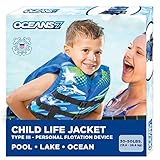
Overview: Oceans7 positions itself as a mid-market solution with its Flex-Form-Fit design targeting the 30-50 pound child segment. The open-sided architecture incorporates three adjustable straps and extended chest strap lengths to accommodate varying body shapes. This Type III PFD emphasizes comfort and adaptability for general boating and swimming applications, using durable nylon construction and EPE foam.
What Makes It Stand Out: The extended chest strap length is a notable design improvement, addressing the common issue of outgrowing vests too quickly. The Flex-Form-Fit system attempts to contour to a child’s torso, reducing chafing during active play. Three adjustment points provide better weight distribution than two-strap designs, while the open sides maintain ventilation for all-day wear.
Value for Money: At $33.99, this occupies the sweet spot between budget and premium tiers. The enhanced adjustability extends usable lifespan, improving cost-per-wear metrics. It includes features typically found in more expensive vests—like extended straps and quality foam—without brand-name markup.
Strengths and Weaknesses: Pros: USCG Type III certified; three adjustable straps for superior fit; extended strap length for growth; breathable open-side design; durable nylon shell; versatile for swimming and boating. Cons: Sizing confusion between child and youth ranges; packaging inconsistency; no crotch strap; limited color options; buoyancy foam density unspecified.
Bottom Line: A well-balanced option for growing children who need reliable, comfortable protection. The triple-strap system and extended sizing range justify the modest price premium over budget alternatives. Ideal for families seeking a primary vest that will last multiple seasons without breaking the bank.
Why River Tubing Demands Specialized Kids’ Life Vests
River environments operate by different rules than controlled swimming pools or calm lakes. The dynamic nature of moving water creates hazards that require specific design features in children’s safety equipment. Unlike stationary water activities, river tubing involves constant motion, potential obstacles, and the possibility of separation from the group.
The Unique Risks of River Environments
Rivers hide dangers beneath their sparkling surfaces. Submerged rocks, fallen branches, and sudden drop-offs create impact hazards that lake swimmers rarely face. Currents can separate a child from their tube in seconds, and water temperature fluctuations add another layer of risk. A river-specific life vest provides not just buoyancy but also impact protection and visibility features designed for these exact scenarios. The best vests account for the fact that kids might be floating feet-first, head-first, or sideways depending on the rapids.
How Tubing Differs from Other Water Activities
Tubing places children in a unique position—partially submerged, often reclining, and frequently separated from direct parental contact. Unlike swimming where kids are vertical and active, tubing involves passive floating with occasional paddling. This position requires different buoyancy distribution, with more emphasis on keeping the face out of water even when the child is relaxed or unconscious. The vest must also accommodate the tube itself, preventing ride-up while allowing freedom of movement for steering and self-rescue attempts.
Understanding Coast Guard Approval Ratings
The United States Coast Guard (USCG) classification system serves as your north star for safety verification. These ratings aren’t bureaucratic red tape—they’re scientifically tested standards that mean the difference between a toy and legitimate safety equipment.
Type III vs. Type V: What Parents Need to Know
For river tubing, Type III PFDs represent the gold standard for conscious swimmers in calm, inland waters. They provide excellent freedom of movement and are designed for activities where quick rescue is likely. Type V devices might seem appealing with their specialized features, but they’re often overkill for recreational tubing and may require specific conditions to perform optimally. Type III vests offer the right balance of buoyancy (minimum 15.5 pounds for youth sizes) and mobility that active kids need for a full day on the river.
The Importance of the “USCG Approved” Label
That small label inside the vest isn’t just a sticker—it’s your guarantee that the device has passed rigorous testing for buoyancy, performance in water, and durability. Look for the approval number printed directly on the material, not just a tag that can be removed. Counterfeit vests flood online marketplaces, and the USCG label is your only reliable defense. Check the approval number on the official Coast Guard database if you’re uncertain about a purchase.
Critical Safety Features That Save Lives
Certain features separate exceptional vests from merely adequate ones. When evaluating options, prioritize these non-negotiable elements that address specific river tubing scenarios.
Head Support and Collar Design
For children under 50 pounds, a well-designed collar provides crucial head support if they become tired or incapacitated. The collar should be substantial enough to keep the head tilted back and face out of water, but not so bulky that it restricts side-to-side movement for spotting obstacles. Look for segmented foam construction that allows flexibility while maintaining buoyancy. The collar should extend slightly behind the head to prevent it from being pushed forward into a dangerous face-down position.
Crotch Straps: The Non-Negotiable Feature
A single crotch strap prevents the vest from riding up over the head when entering the water or during a flip. For river tubing, where kids are constantly shifting positions, dual crotch straps offer even better security. The straps should be adjustable, padded to prevent chafing, and feature quick-release buckles that are easy for parents to operate but secure enough that kids can’t accidentally unbuckle them. Test the strap length—too loose defeats the purpose, too tight creates discomfort that leads to complaints and removal attempts.
Grab Handle Utility in Moving Water
That sturdy handle on the back of the vest serves multiple purposes. It allows you to quickly retrieve a child from the water, helps guide them around obstacles, and provides a grip point for rescue situations. The handle should be positioned high on the back, reinforced with double stitching, and large enough to accommodate a gloved hand. In river tubing scenarios, this handle becomes invaluable when you need to redirect a child who’s drifting toward a hazard faster than you can reach them.
Sizing Matters More Than You Think
An ill-fitting vest is a dangerous vest. Size charts provide a starting point, but proper fit testing reveals the true story of whether a PFD will protect your child when it matters most.
Weight-Based Sizing vs. Age Recommendations
Always prioritize weight ranges over age suggestions. A small 7-year-old and a large 7-year-old have vastly different flotation needs. Infant PFDs typically cover 8-30 pounds, child sizes 30-50 pounds, and youth sizes 50-90 pounds. These ranges overlap intentionally, but never size up hoping your child will grow into it. A vest that’s too large can slip off during water entry or fail to keep the face above water.
The “Lift Test” Every Parent Should Perform
Here’s the critical fit test: with the child wearing the vest, grasp the shoulder straps and lift straight up. If the vest moves more than 3 inches up the torso or the chin slips through the head opening, it’s too large. The vest should stay snug against the body, with the child’s ears and back of the head never passing through the head opening. Perform this test with your child wearing the clothing they’ll have on during tubing—wet suits and splash jackets change the fit dramatically.
Room for Growth vs. Secure Fit
While it’s tempting to buy a slightly larger vest for a growing child, this compromise creates genuine safety risks. Instead, look for vests with multiple adjustment points that provide some growth flexibility without sacrificing security. Side-entry designs with wide adjustment ranges offer better longevity than front-zip models with limited give. Plan on replacing the vest each season during rapid growth years, and budget accordingly—it’s cheaper than a tragedy.
Material and Construction Quality
River environments are harsh on gear. Rocks, branches, UV exposure, and repeated wet/dry cycles destroy cheap materials quickly. Quality construction ensures your investment lasts and performs consistently.
Durable Shell Fabrics for River Abuse
Look for 400-denier nylon or higher for the outer shell. This heavy-duty fabric resists tears from branches and scrapes against rocks without adding excessive weight. The material should feel substantial but not stiff, with a tight weave that prevents foam exposure even after minor abrasions. Avoid thin polyester fabrics that puncture easily and fade quickly under intense sun exposure common on river trips.
Foam Density and Buoyancy Distribution
Closed-cell PVC foam provides reliable flotation that doesn’t absorb water even if the shell is compromised. The foam should be segmented into panels rather than one solid piece, allowing the vest to conform to your child’s movements. Check the foam density by pressing firmly—it should spring back immediately without leaving an indentation. Quality vests distribute buoyancy strategically, with more foam in the chest and collar areas to promote face-up flotation.
Stitching and Hardware Integrity
Every seam should be double or triple-stitched with heavy-duty thread. Inspect the bartacking (reinforced stitching) at stress points like strap attachments and zipper ends. Buckles should be UV-resistant plastic from reputable manufacturers like ITW Nexus or Duraflex. Metal hardware, while seemingly durable, can rust in river water and become weak points. Give every buckle and zipper a firm tug test—they should feel solid, not flimsy.
Comfort Features That Keep Kids Compliant
The safest vest in the world is useless if your child refuses to wear it. Comfort directly impacts compliance, especially during long, hot days on the river.
Adjustable Straps and Buckle Placement
Multiple adjustment points allow customization for your child’s unique body shape. Look for vests with at least three adjustment zones: shoulder straps, side straps, and waist straps. Buckles should be positioned to avoid pressure points when your child is leaning back in their tube. Side-release buckles are easier for parents to adjust but harder for kids to accidentally open. The strap ends should have keepers or elastic bands to prevent flapping and catching on branches.
Breathability and Quick-Dry Materials
Mesh panels in the lower back and sides dramatically improve airflow, preventing the clammy, sweaty feeling that makes kids want to remove their vest. Quick-dry linings wick moisture away from the skin, reducing chafing during all-day wear. Some premium vests feature anti-microbial treatments in the lining to prevent that permanent “river smell” and reduce skin irritation. These comfort features aren’t luxuries—they’re essential for maintaining cooperation throughout the trip.
Freedom of Movement for Paddling
Your child needs to paddle effectively to steer around obstacles or reach shore. Overly bulky vests restrict arm movement, leading to fatigue and frustration. Test the vest by having your child make large circles with their arms and simulate paddling motions. The vest should stay in place without riding up or digging into the neck. Articulated armholes and segmented foam construction provide the best range of motion while maintaining buoyancy where it counts.
Visibility: Being Seen on the River
In an emergency, seconds count. High-visibility colors and reflective elements help you maintain visual contact with your child in churning water and dappled sunlight.
High-Visibility Colors and Patterns
Neon yellow, bright orange, and hot pink outperform traditional red and blue in natural river settings. These colors create high contrast against green water, brown rocks, and gray skies. Avoid camouflage patterns or earth tones that blend into the riverbank. Some vests incorporate color-blocking with bright panels on the shoulders and head support area, making it easier to spot a child from behind or when partially submerged.
Reflective Elements for Emergencies
Quality vests feature SOLAS-grade reflective tape on the shoulders, front, and back. This marine-grade material reflects light even in low-angle sunlight, making your child visible from much greater distances. Test the reflectivity by shining a flashlight on the vest in dim conditions—cheap reflective materials appear dim, while quality tape glows brightly. Some vests also include reflective zipper pulls and thread, adding visibility from multiple angles.
Ease of Use for Parents and Kids
When you’re managing multiple kids, tubes, and gear at the river put-in, complicated buckles and straps become a serious frustration. The best vests balance security with simplicity.
Front Zipper vs. Side Entry Designs
Front-zip vests are easiest for kids to put on independently, promoting self-sufficiency. However, side-entry designs often provide a more secure fit and better prevent ride-up. For younger children, side-entry with a front zipper offers the best compromise—parents can secure the side buckles for proper fit while kids can manage the front zip. Look for zipper garages (fabric flaps that cover the zipper pull) to prevent chin scrapes and snagging.
How Many Buckles Are Ideal?
Three buckles represent the sweet spot: one at the waist, one at the chest, and the crotch strap. More buckles add security but increase complexity and potential failure points. Each buckle should be easy to operate with cold, wet fingers—test this yourself before purchase. Quick-release buckles are essential for emergency removal, but they must be secure enough that a child can’t accidentally press the release while playing.
River-Specific Design Considerations
Standard pool vests fail in river conditions. Specialized features address the unique challenges of moving water and natural obstacles.
Impact Protection from Rocks and Branches
Strategically placed padding on the chest, back, and sides absorbs impact from collisions with submerged objects. This padding should be low-profile enough not to restrict movement but dense enough to provide real protection. Some vests incorporate abrasion-resistant panels on the shoulders and lower back—high-impact zones when sliding off tubes or navigating shallow sections. This protection gives kids confidence to push off obstacles rather than panicking.
Drainage Systems to Prevent Waterlogging
Quality river vests feature mesh drainage panels at the bottom and back that allow water to escape quickly. Without proper drainage, a vest can become waterlogged, heavy, and less buoyant. Test this by submerging the vest and lifting it out—water should stream out within seconds, not pool inside. This feature also helps the vest dry faster between trips, preventing mildew and extending its lifespan.
Age-Specific Buying Guidelines
Different developmental stages require different safety approaches. A vest that works perfectly for a preschooler could be dangerous for a toddler.
Toddler Vests (Under 30 lbs): Special Requirements
Infant and toddler vests must include a padded head support collar, grab handle, and crotch strap as mandatory features. The head support should be substantial enough to turn an unconscious child face-up and keep their mouth and nose clear of water. These vests should also have a “heads-up” design that naturally tilts the face away from the water. Never use inflatable vests for this age group—only foam-filled, inherently buoyant designs provide reliable protection.
Youth Vests: Transitioning to Adult Features
As kids approach 50-90 pounds, they can use youth-sized vests that mirror adult designs but with scaled-down buoyancy. These should still include a crotch strap (often removable for older youth) and maintain high visibility features. The cut becomes less bulky to accommodate more active paddling and swimming. At this stage, involve your child in the selection process—letting them choose between approved options increases buy-in and compliance.
Common Mistakes Parents Make
Even well-intentioned parents fall into these traps, often unknowingly compromising their child’s safety.
Buying Too Big “To Grow Into”
This is the most dangerous mistake in PFD selection. A vest that’s too large can slip off during water entry, ride up over the face, or fail to keep the mouth above water. The money saved by buying one vest instead of two is negligible compared to the risk. Children’s growth rates are unpredictable, and a vest that fits perfectly in June might be unsafe by August. Budget for proper fit each season rather than compromising on safety.
Ignoring the Try-On Test with Heavy Clothes
Always fit-test vests while your child wears the actual clothing they’ll have on during tubing. A rash guard and board shorts create a much slimmer profile than a fleece jacket and wetsuit. The vest that fits perfectly over a t-shirt can become dangerously tight when layered over cold-water gear. Bring their river clothes to the store and perform all fit tests with them fully dressed for the conditions.
Budget vs. Safety: Making Smart Investments
Price doesn’t always correlate with safety, but extremely cheap vests often cut corners where it matters most. Understanding where to invest helps you make smart decisions.
When to Save vs. When to Splurge
You can save money on color choice or brand name, but never compromise on USCG approval, proper fit, or crotch straps. Mid-range vests from reputable manufacturers often provide 90% of the safety features of premium models at half the price. Where premium vests justify their cost is in durability—if you tube frequently, the investment in better materials pays off over multiple seasons. For occasional once-a-year trips, a solid mid-range option provides adequate protection.
The Hidden Costs of Cheap Vests
A $20 vest might seem like a bargain until it fades, tears, or loses buoyancy after one season. More importantly, cheap hardware can fail when wet, and thin foam provides inconsistent flotation. Factor in replacement costs and the peace of mind that comes with reliable equipment. A quality vest retained value in the used market, while cheap ones become garage clutter after a single summer.
Maintenance and Long-Term Care
Proper maintenance extends vest life and ensures consistent performance. River water—especially with its minerals, algae, and potential pollutants—degrades materials faster than pool water.
Post-Trip Rinse Procedures
Never store a vest without rinsing it thoroughly with fresh water. Pay special attention to the interior foam and strap webbing where river grit accumulates. Unbuckle all straps and rinse the hardware to prevent salt or mineral buildup. Use a mild soap solution monthly to remove body oils and sunscreen residue that degrade fabrics. Hang to dry completely out of direct sunlight, which breaks down nylon fibers over time.
Proper Storage to Prevent Mold
Store vests unbuckled in a cool, dry place with good air circulation. Avoid stuffing them into sealed bins or leaving them in hot car trunks. Mildew not only creates an unpleasant smell but also weakens fabrics and can cause allergic reactions. Stuff the vest with towels or use a hanger that maintains its shape to prevent foam compression. Never place heavy objects on top of stored vests, as compressed foam loses buoyancy permanently.
Inspecting for Wear and Damage
Before each trip, perform a 60-second inspection: check for frayed straps, cracked buckles, exposed foam, and loose stitching. Pay special attention to high-stress areas like handle attachments and strap buckles. If you find damage, retire the vest immediately—DIY repairs compromise safety. Foam that feels crumbly, compressed, or has lost its resilience has reached end-of-life and won’t provide reliable flotation.
Knowing When to Retire a Life Vest
Life vests don’t last forever. Age, use, and storage conditions all impact performance, and an expired vest provides false security.
Visible Wear Indicators
Replace any vest with faded fabric (indicates UV damage), delaminating layers, or foam that feels less firm than when new. Stitching that has stretched or broken, even if repaired, signals structural weakness. Hardware that sticks or doesn’t click securely indicates internal corrosion. If the vest has been involved in a significant impact or has saved your child from a serious incident, replace it—internal damage isn’t always visible.
The Five-Year Rule
Even with perfect care, the materials in life vests degrade. Most manufacturers recommend replacement every 5-7 years, but river use accelerates this timeline. If you tube more than 10 days per season, plan on replacement every 3-4 years. Mark the purchase date inside the vest with permanent marker to track its age. Don’t hand down old vests to younger siblings—the safety standards and materials may be outdated.
Preparing for the River Trip
The best vest in the world can’t protect a child if it’s not used correctly. Pre-trip preparation ensures the vest performs as designed.
The Pre-Tubing Safety Check
At the put-in, before anyone touches the water, perform a final fit check. Have your child put on their vest and make all adjustments. Perform the lift test one more time. Check that all buckles are secure and straps are properly threaded. Ensure the grab handle is accessible and not caught under straps. This ritual takes two minutes but confirms that the vest will perform if needed.
What to Wear Under the Vest
The right base layers improve both comfort and safety. Quick-dry synthetic fabrics or merino wool work best—cotton stays wet and cold, increasing hypothermia risk. For cooler rivers, a thin wetsuit or neoprene top adds warmth without significantly affecting vest fit. Avoid bulky sweatshirts or jackets that compress when wet and change the vest’s buoyancy characteristics. Apply sunscreen before putting on the vest to ensure even coverage and prevent missed spots where straps cover the skin.
Frequently Asked Questions
What size life vest does my child need for river tubing?
Size by weight first, not age. Infant PFDs cover 8-30 lbs, child sizes 30-50 lbs, and youth sizes 50-90 lbs. Always perform the lift test: if you can pull the vest more than 3 inches up over their shoulders, it’s too big. Fit-test with the actual clothes they’ll wear tubing, as layers change the fit significantly.
Are inflatable life vests safe for kids on rivers?
No. The Coast Guard does not approve inflatable PFDs for children under 16, and for good reason. Inflatable vests require manual activation or water immersion to inflate, which fails if a child is unconscious or panicked. They also puncture easily on river obstacles. Only inherently buoyant foam vests provide reliable, instant flotation in river conditions.
How many life vests should I bring for a tubing trip?
Bring one properly fitted, USCG-approved vest per child, plus one spare youth-sized vest if you have multiple kids. The spare handles unexpected growth spurts, damage, or friends joining the trip. Never share vests between kids on the same day—proper fit is non-negotiable and can’t be achieved with shared equipment.
Can my child wear a life vest over a wetsuit?
Yes, and this is often recommended for cooler rivers. However, you must fit-test the vest over the wetsuit before the trip, as the neoprene adds bulk. You may need to loosen straps significantly. The wetsuit provides warmth and some additional buoyancy, but never rely on it as a substitute for a properly fitted PFD.
How do I clean a life vest after river tubing?
Rinse thoroughly with fresh water, unbuckling all straps to flush out grit. Use mild soap monthly to remove oils and sunscreen. Hang to dry completely out of direct sunlight. Never machine wash or dry, as agitators damage foam and heat degrades materials. Proper cleaning prevents mildew and extends the vest’s lifespan.
What if my child refuses to wear their life vest?
Involve them in the selection process, letting them choose between approved options in bright colors they like. Practice wearing it at home in short increments, gradually increasing time. Never negotiate on the river—make vest-wearing a non-negotiable rule from day one. Comfort features like quick-dry lining and proper fit eliminate most complaints.
How often should I replace my child’s life vest?
Replace every 3-5 years with regular river use, or immediately if you notice fading, fraying, compressed foam, or damaged hardware. Even without visible wear, materials degrade over time. Mark the purchase date inside the vest and set a calendar reminder to inspect it annually before tubing season begins.
What’s the difference between a life vest and swim vest?
Life vests (PFDs) are USCG-approved safety devices designed to keep a wearer’s face out of water, even when unconscious. Swim vests are buoyancy aids for learning to swim, not safety equipment. They lack the head support, buoyancy rating, and construction standards required for river tubing. Never substitute a swim vest for a PFD.
Should I buy a vest with a whistle attached?
Yes, whistles are excellent safety additions, but attach it to the vest’s shoulder strap, not the zipper pull where it can get caught. Teach your child that three sharp blasts means “I need help.” Ensure the whistle is pealess (works when wet) and test it regularly. It’s a simple, effective emergency communication tool.
Can siblings share life vests if they’re similar sizes?
No. Each child needs their own properly fitted vest. Slight size differences and individual body shapes mean a shared vest won’t fit either child correctly. Additionally, straps and buckles wear differently with multiple users. The cost savings don’t justify the safety compromise. Each child should have a vest fitted specifically to their current weight and body type.