The face-off X is where games are won and lost in the milliseconds it takes to clamp, rake, or plunger. As a face-off specialist, your shaft isn’t just equipment—it’s a direct extension of your reflexes, your technique, and your will to own possession. But here’s the reality: you don’t need to drop $200+ to get a shaft that performs at the highest level. The market has evolved dramatically, and today’s sub-$150 category is packed with technology that was exclusive to elite price points just a few seasons ago.
Finding the perfect balance between responsiveness, durability, and affordability requires more than just browsing online reviews. It demands an understanding of how material science, geometry, and flex profiles work together to create that magical connection between your hands and the ball. Whether you’re a high school FOGO grinding through summer tournaments or a college player looking for a reliable backup, this guide will walk you through everything that matters when selecting a face-off shaft without emptying your wallet.
Top 10 Lacrosse Shafts for Face-Off Specialists
Detailed Product Reviews
1. StringKing Composite 2 Pro Faceoff - Top and Bottom Lever - Men’s Lacrosse Shaft (155 Grams - White/Yellow)

Overview: The StringKing Composite 2 Pro Faceoff shaft is a specialized weapon for faceoff specialists, weighing just 155 grams. Engineered with an innovative double lever design and carbon fiber construction, it promises superior torque and control during contested draws. Pre-drilled for Mark 2F heads, it eliminates setup hassle and gets you on the field faster.
What Makes It Stand Out: The dual-lever system is revolutionary—bottom lever rotates the head while the top applies supplementary torque, creating unmatched mechanical advantage. Smart Taper Technology optimizes strength-to-weight ratio, and the ergonomic grip placement ensures maximum hand speed. This isn’t just a shaft; it’s a purpose-built faceoff engineering solution that translates directly to improved clamp performance.
Value for Money: At $139.99, it competes with premium composite shafts but offers faceoff-specific technology competitors lack. Traditional carbon shafts cost $100-$150 without specialized features. For FOGOs (Face-Off Get-Off) players, the performance advantage justifies the price. Recreational players may find it overkill, but elite specialists will see immediate ROI through won possessions.
Strengths and Weaknesses: Strengths include exceptional torque generation, lightweight durability, seamless Mark 2F compatibility, and enhanced grip security under pressure. Weaknesses: premium pricing limits accessibility, the specialized design offers little benefit for non-faceoff players, and the white/yellow colorway shows wear quickly. Compatibility is limited to specific heads, reducing versatility.
Bottom Line: A must-have for serious faceoff specialists seeking every legal advantage. The double-lever innovation translates directly to clamp speed and ball control. While over-engineered for field players, FOGOs will dominate the X with this shaft. Invest if you compete at high school varsity level or above.
2. STX unisex adult SPORTING_GOODS Lacrosse Handle Shaft Lock, White/Black, 1 US
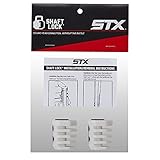
Overview: The STX Shaft Lock is a small but crucial accessory that eliminates the annoying head rattle plaguing many lacrosse sticks. This unisex component fits any standard 1-inch diameter handle, using a proprietary nylon-core, polymer-shell design to create a secure head-to-handle connection without adding significant weight or bulk.
What Makes It Stand Out: Unlike tape or DIY solutions, STX’s patented technology provides a professional-grade fix that maintains the stick’s balance. The innovative dual-material construction secures screws while adding negligible mass—critical for players sensitive to weight changes. It’s universally compatible across men’s and women’s sticks, making it remarkably versatile for team equipment managers.
Value for Money: At $14.99, this is an absolute steal. Replacing a wobbly shaft costs $60-$150, while this permanently solves the issue for less than a tournament entry fee. The durability ensures years of use across multiple stick setups. For the performance consistency it provides, it’s arguably underpriced and should be in every player’s bag.
Strengths and Weaknesses: Strengths include universal 1" fit, minimal weight addition, durable construction, and instant performance improvement. Weaknesses: requires proper installation (easy to cross-thread), doesn’t fit oversized shafts, and provides no benefit if your head already fits snugly. Some players may lose it during frequent head changes.
Bottom Line: Every serious player should own multiple STX Shaft Locks. It’s the cheapest performance upgrade in lacrosse, instantly transforming a rattling stick into a precision instrument. Keep one in your bag for emergencies. The negligible cost and massive stability improvement make this essential equipment, not just an accessory.
3. Burd Wood Works Hickory Lacrosse Attack Shaft

Overview: The Burd Wood Works Hickory Attack Shaft brings old-school craftsmanship to modern lacrosse. This solid wood shaft offers a traditional feel and natural flex pattern that synthetic materials struggle to replicate. At $25, it’s an entry-level option for players seeking authenticity, a rugged backup stick, or a practice shaft that improves fundamental skills.
What Makes It Stand Out: In a market dominated by alloys and composites, this hickory shaft stands apart with its organic construction. Wood provides unique vibration dampening and a warm tactile grip that improves in adverse weather. The material’s natural give creates a distinctive release feel, particularly beneficial for developing proper cradling mechanics and soft hands.
Value for Money: Exceptional value—wood shafts at this price point are nearly extinct. While aluminum shafts start at $40, this offers comparable durability for offensive players at 60% less cost. Its longevity with proper care makes it ideal for youth programs, schools, or players wanting an inexpensive yet effective primary shaft that outlasts budget alloys.
Strengths and Weaknesses: Strengths include unbeatable price, superior weather grip, natural flex, and traditional aesthetic. Weaknesses: heavier than modern shafts, potential for splintering, inconsistent weight between pieces, and lack of warranty. Not ideal for faceoff specialists due to flex variability. Requires maintenance (oiling) to prevent cracking and extend lifespan.
Bottom Line: Perfect for beginners, practice sessions, or purists. Don’t expect titanium performance, but anticipate reliable functionality and character. Youth programs should stock these for cost-effectiveness. Experienced players will appreciate it as a weatherproof backup. At $25, it’s a low-risk investment with high nostalgic returns and developmental benefits.
4. Silverfin Sc-Ti @516laxreels Lacrosse Shaft 30" | Lacrosse Stick for Men with End Cap | Lacrosse Shaft Attack: Lightweight, Durable & Comfortable Grip | Youth Boys Lacrosse Stick for All Levels

Overview: The Silverfin Sc-Ti shaft delivers premium scandium-titanium alloy performance at a mid-tier price. Measuring 30 inches and weighing approximately 150-160 grams, this attack/middie shaft targets players wanting elite-level strength-to-weight without the $100+ price tag. It includes a basic rubber butt end with optional two-piece upgrade for customization.
What Makes It Stand Out: Military-grade Sc-Ti alloy construction typically reserved for $120+ shafts distinguishes this offering. Silverfin engineered a versatile shaft equally capable on offense and defense, eliminating position-specific purchases. The included two-piece butt end upgrade option shows attention to player customization preferences rarely seen at this price point from lesser-known brands.
Value for Money: Outstanding value—comparable Sc-Ti shafts from major brands (Maverik, STX) cost $110-$140. At $64.99, you’re getting 90% of premium performance for 50% of the cost. The durability of scandium alloys ensures multi-season longevity, making the per-season cost extremely low for competitive players at all levels.
Strengths and Weaknesses: Strengths include pro-level material composition, excellent strength-to-weight ratio, versatile 30" length, defensive/offensive capability, and aggressive pricing. Weaknesses: lesser-known brand may have warranty concerns, generic grip finish lacks premium texturing, butt end requires upgrading for optimal feel, and limited color options restrict personalization.
Bottom Line: The best-value alloy shaft on the market. Competitive high school and collegiate players should strongly consider this over pricier alternatives. The performance differential versus $120 shafts is negligible for most skill levels. Invest the $50 saved in a premium head or mesh. Silverfin proves premium materials don’t require premium branding.
5. STX Lacrosse Duel 3 Face Off Head Strung with Memory Mesh

Overview: The STX Duel 3 represents the cutting edge of faceoff head technology, pre-strung with Memory Mesh for immediate use. Engineered specifically for FOGO specialists, it features Reflex material that maintains shape after thousands of clamps. The Speed Scoop and optimized flex profile deliver elite-level performance at the X right out of the box.
What Makes It Stand Out: Reflex material technology is game-changing—this head resists warping and maintains its designed flex characteristics far longer than standard nylon. The Duel flex profile provides the perfect balance of give and stiffness, while the Speed Scoop geometry aids both clamp speed and ground ball pickup efficiency in one seamless motion.
Value for Money: At $134.99 strung with premium mesh, this matches the price of unstrung competitors. Considering the Memory Mesh ($20 value) and proprietary Reflex technology, it’s competitively priced. For faceoff specialists who restring frequently, the durability reduces replacement frequency, offering long-term savings despite the premium initial investment.
Strengths and Weaknesses: Strengths include revolutionary Reflex material, excellent shape retention, pre-installed premium mesh, optimized flex for faceoffs, and superior scoop design. Weaknesses: faceoff-specific design limits versatility, premium price excludes casual players, may require break-in period, and works best with compatible stiff shafts. Not ideal for field players.
Bottom Line: The premier choice for dedicated faceoff athletes. The Duel 3’s durability means consistent performance season-long, eliminating mid-season head replacements. High school and college FOGOs should prioritize this over general-purpose heads. The technology justifies the cost for specialists, but field players should seek more versatile options. Pair with a stiff composite shaft for maximum effectiveness.
6. STX mens Sc-Ti Alloy Handle lacrosse shafts, Black, Attack Mid US

Overview: The STX Sc-Ti Alloy Handle delivers proven metal performance for attack and midfield players seeking durability without excessive weight. This Taiwanese-manufactured shaft utilizes a scandium-titanium alloy composition that balances strength and responsiveness for competitive high school and collegiate play. The sleek black finish resists visible wear while maintaining a professional appearance through rigorous seasons.
What Makes It Stand Out: The Sc-Ti alloy blend achieves an optimal strength-to-weight ratio that outperforms standard aluminum shafts while avoiding the premium cost of full-titanium models. Unlike entry-level options, this construction resists denting and maintains structural integrity under physical play. The Attack Mid sizing ensures proper length compliance for offensive players who frequently handle the ball in traffic.
Value for Money: At $129.99, this shaft occupies the sweet spot in alloy pricing—competitive with similar scandium-titanium blends but significantly less than carbon fiber alternatives. Players prioritizing season-long reliability over cutting-edge grip tech will find this a smart investment. The metal construction eliminates concerns about composite cracking or splintering.
Strengths and Weaknesses: Strengths include excellent impact resistance, consistent all-weather performance, and trusted STX engineering. The alloy won’t fail catastrophically like carbon might. Weaknesses involve the absence of specialized grip textures or flex technology, which may disappoint players seeking enhanced feel. The Taiwan origin, while industry-standard, may concern domestic-manufacturing advocates.
Bottom Line: Ideal for physical midfielders and attackmen who absorb checks regularly. This shaft excels as a dependable primary stick for players who value durability and straightforward performance over flashy features. It’s particularly suited for face-off specialists who need a shaft that won’t deform under pressure.
7. Burd Wood Works Hickory Lacrosse Defense Shaft
Overview: Burd Wood Works returns to lacrosse’s origins with this traditional hickory defense shaft, offering an authentic wood experience for purists and budget-conscious players. Crafted from dense hickory hardwood, this shaft provides natural flex characteristics and impact absorption that modern composites cannot replicate. The defense-length construction delivers the extended reach necessary for effective checking and intercepting passes.
What Makes It Stand Out: In a market saturated with synthetic materials, this wooden shaft distinguishes itself through organic construction and classic playing feel. Hickory’s natural density reduces vibration sting on checks while providing tactile feedback that improves stick awareness. The shaft appeals to environmentally conscious athletes seeking sustainable equipment alternatives.
Value for Money: At $50.00, this dramatically undercuts virtually all metal and composite competitors. It functions brilliantly as a backup stick, practice shaft, or primary option for recreational leagues. Beginners testing the sport and programs outfitting teams on limited budgets will find the price point exceptionally accessible.
Strengths and Weaknesses: Strengths include unmatched affordability, distinctive natural feel, and timeless aesthetics. Wood requires minimal maintenance and won’t dent like metal. Weaknesses involve substantially heavier weight compared to modern shafts, potential cracking in extreme weather, and lack of advanced grip features. Performance in wet conditions demands more care than synthetic materials.
Bottom Line: Perfect for defensemen developing proper technique without equipment crutches. This shaft suits players prioritizing tradition, cost savings, or training benefits. While competitive athletes may prefer it as a practice option, recreational players can confidently use it as their primary game shaft without sacrificing functionality.
8. STX mens SPORTING_GOODS lacrosse shafts, Black, A M US

Overview: STX’s carbon fiber shaft merges advanced materials with intelligent engineering for attack and midfield players demanding premium performance. The Nano Weave carbon construction delivers professional-grade durability while maintaining an exceptionally lightweight profile. Designed for precision, this shaft incorporates multiple proprietary technologies to enhance stick handling, passing accuracy, and shot control.
What Makes It Stand Out: Variable Flex Technology adapts to passing and shooting mechanics, optimizing energy transfer for improved accuracy. The X-Grip profile with targeted grip zones ensures consistent thumb and finger placement, eliminating slippage during crucial possessions. STX’s Elite End Cap replaces traditional tape with a durable, lightweight solution that won’t unravel or add unnecessary swing weight.
Value for Money: Priced at $109.20, this carbon shaft undercuts many premium competitors while offering comparable technology. Nano Weave construction typically commands higher prices, making this an aggressive value proposition. Players receive flex technology and advanced grip systems normally reserved for $150+ shafts, representing exceptional performance per dollar.
Strengths and Weaknesses: Strengths include the responsive Variable Flex system, superior grip ergonomics, lightweight carbon durability, and professional end cap design. Targeted grip zones provide confidence in all conditions. Weaknesses involve carbon’s vulnerability to catastrophic failure from severe impacts, and the black finish may show wear more visibly than raw metal. Some players prefer alloy’s consistent feel over carbon’s flex characteristics.
Bottom Line: This shaft targets performance-driven players ready to upgrade from alloy. The technology package rivals premium options at a mid-range price, making it ideal for competitive high school and collegiate athletes seeking every legal advantage. The grip system alone justifies the investment for players struggling with consistent hand placement.
9. Warrior Evo Lacrosse Attack Shaft
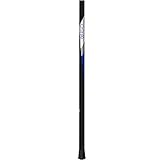
Overview: Warrior’s Evo Attack Shaft packages Krypto Pro alloy performance in a streamlined design built for offensive precision. The 30-inch length meets attack specifications perfectly, while the proprietary alloy composition keeps weight minimal for quick releases and rapid stick protection. Designed for developing players and budget-conscious competitors, this shaft prioritizes essential performance over superfluous features.
What Makes It Stand Out: The Diamond grip texture provides consistent tactile feedback regardless of weather, ensuring reliable control during rainy games or humid tournaments. Warrior’s Control Die shape engineering maximizes the strength-to-weight ratio through strategic geometry, creating a shaft that feels substantial without being heavy. The Krypto Pro alloy offers proven durability at an accessible price point.
Value for Money: At $72.19, this represents one of the best values in performance alloy shafts. It competes directly with entry-level composites while offering metal’s reliability and weather resistance. Players transitioning from beginner sticks or teams purchasing multiple shafts will find the price-to-performance ratio compelling. It delivers Warrior quality without premium pricing.
Strengths and Weaknesses: Strengths include excellent affordability, weatherproof diamond grip, lightweight Krypto Pro construction, and trusted brand engineering. The 30-inch length is perfect for attack positions. Weaknesses include the absence of advanced flex technology or specialized end caps found on higher-priced models. The grip, while effective, may wear faster than molded textures. Competitive players might outgrow its basic feature set as they advance.
Bottom Line: This shaft excels as a first performance upgrade or reliable backup. It’s ideal for youth players advancing to competitive play, high school athletes on tight budgets, or anyone wanting a dependable alloy shaft without overspending. The diamond grip makes it particularly suitable for regions with variable weather conditions.
10. STX Fiber O Lacrosse Shaft - Defense (Black)

Overview: STX’s Fiber O Defense Shaft targets elite defensemen with a feature-rich carbon composite designed for maximum ball control and checking power. Weighing just 380 grams, it defies expectations for defense shaft weight while maintaining structural integrity for physical play. The black finish and sophisticated engineering reflect its premium positioning in STX’s lineup.
What Makes It Stand Out: Exclusive Offset Technology creates a deeper offset than standard shafts, giving defensemen superior ball control during clears and transitions. The O-Grip concave octagon profile provides a traditional feel while optimizing hand positioning for checks and poke checks. A durable sand grit coating maintains consistent texture throughout the season, unlike tape that degrades. The Elite End Cap eliminates the need for heavy tape jobs.
Value for Money: At $199.99, this sits at the premium tier but justifies its price through specialized defense features and lightweight construction. Comparable defense-specific shafts often exceed this price, particularly those with offset technology. For serious defensemen, the enhanced clearing ability and checking precision translate to on-field value that outweighs the initial cost.
Strengths and Weaknesses: Strengths include the revolutionary offset design, season-long sand grit coating, ultralight 380-gram weight, and defense-optimized grip geometry. The Elite End Cap is a practical upgrade. Weaknesses involve the premium price point, which may stretch youth and recreational budgets. Carbon construction, while light, requires more care than alloy during travel and storage. The specialized design offers little benefit for non-defense players.
Bottom Line: This shaft suits committed defensemen playing at competitive levels where clearing and ball control differentiate good from great. The offset technology provides a measurable advantage, while the lightweight build reduces fatigue over four quarters. It’s a worthwhile investment for varsity, collegiate, or post-collegiate players who prioritize performance over cost.
Understanding the Face-Off Specialist’s Unique Demands
Face-off specialists operate in a different universe than attackmen or defensemen. Your shaft endures vertical compression, lateral torque, and sudden impact forces that would destroy standard offensive shafts. The moment the whistle blows, your equipment becomes a lever, a shield, and a precision instrument simultaneously.
The Physics of the Draw
Every face-off generates forces exceeding 200 pounds of pressure in less than half a second. Your shaft must resist bending during the clamp while providing enough feedback to feel the ball’s position. Unlike field players who value consistent flex for shooting, you need a shaft that maintains structural integrity under unpredictable stress vectors.
Why Standard Attack Shafts Fail at the X
Many players make the costly mistake of using repurposed attack shafts for face-offs. These shafts prioritize whip and release over torsional rigidity, leading to micro-fractures that compound over time. The result? Catastrophic failure during a crucial playoff game, often with no warning signs.
Key Features That Separate Good from Great
When evaluating shafts under $150, certain characteristics become non-negotiable. The best budget options don’t cut corners on these critical features—they simply optimize manufacturing to reduce costs elsewhere.
Torsional Stiffness Ratings
Look for shafts with reinforced sidewalls or proprietary layup patterns that resist twisting when you apply rotational force. This spec is rarely advertised but can be tested by gripping both ends and attempting to twist. Minimal give indicates a shaft that won’t “ovalize” after repeated draws.
Impact Resistance Zones
Premium budget shafts now incorporate thickened wall sections in high-stress areas—the throat region and lower third of the shaft. This targeted reinforcement adds minimal weight while dramatically extending lifespan.
Material Science: Getting Premium Performance on a Budget
The sub-$150 category has become a battleground for advanced materials. Understanding what you’re actually buying helps separate marketing hype from genuine performance gains.
Aluminum Alloys: The Smart Money Choice
Modern 7000-series aluminum alloys offer 95% of the performance of premium scandium-titanium blends at roughly 60% of the cost. Scandium-enhanced alloys in this price range often use minimal scandium content (0.5-1%) but benefit from improved manufacturing processes developed for higher-end lines.
Composite Considerations
Carbon fiber composites under $150 typically use intermediate-modulus fibers rather than high-modulus aerospace-grade materials. The secret is in the resin system—some manufacturers now use toughened epoxies that improve impact resistance without raising costs significantly.
Shaft Geometry: Shape Matters More Than You Think
While most players obsess over weight and material, the cross-sectional shape of your shaft directly influences grip security and rotational control during contested draws.
Traditional Octagonal vs. Concave Designs
Octagonal shafts provide predictable grip orientation but can feel “sharp” during prolonged use. Concave or “hourglass” geometries create natural finger channels that lock your hands in place during the push-pull motion of a draw, reducing slippage when sweat becomes a factor.
Teardrop and Asymmetrical Profiles
These specialized shapes position more material along the plane of maximum stress while reducing weight in low-stress areas. For face-off specialists, this means better vertical stiffness without the penalty of added ounces.
Flex Profile and Kick Point: The Hidden Performance Edge
The way a shaft bends—and where it bends—can either enhance or destroy your technique. Face-off flex requirements contradict everything field players look for in a shaft.
Zero-Flex vs. Controlled-Flex Debates
Traditional wisdom demands completely rigid shafts for face-offs. However, controlled micro-flex can provide a catapult effect during the plunger motion, adding velocity to your exit if timed correctly. The key is finding a shaft with flex concentrated in the upper third, away from the high-stress throat area.
Kick Point Location for FOGOs
A high kick point (closer to your top hand) translates more energy directly to the ball during the clamp. Avoid shafts marketed for “low kick point” or “whippy” performance—these are designed for shooters and will feel mushy under the forces generated at the X.
The Weight-Durability Paradox
Every face-off specialist faces the same dilemma: lighter shafts improve hand speed but often sacrifice longevity. Under $150, this trade-off becomes even more critical.
The Sweet Spot: 145-155 Grams
This range provides the optimal balance for face-off specialists. Below 145 grams, wall thickness becomes compromised, leading to premature failure. Above 155 grams, fatigue accumulates over the course of a game, slowing your second and third-quarter reaction times.
Wall Thickness Consistency
Run your fingers along the interior of the shaft (if possible) or check spec sheets for wall thickness variance. The best budget shafts maintain ±0.05mm consistency, while cheaper options might vary by ±0.2mm, creating weak points that fail unpredictably.
Grip and Texture: Control in the Clutch
When your hands are slick with sweat and the game hangs on one draw, grip becomes more important than any material specification.
Factory Texturing vs. Aftermarket Solutions
Many sub-$150 shafts now feature bead-blasted or chemically etched grip zones that outperform traditional smooth finishes. Avoid shafts that rely solely on stick tape or pine tar—these add weight inconsistently and become liabilities in wet conditions.
The Sandpaper Test
A simple evaluation method: run your thumb along the shaft surface with moderate pressure. If you feel consistent, fine-grain texture that doesn’t catch your skin, you’ve found a shaft that will maintain grip without destroying gloves.
Length Regulations and Personal Preference
NCAA and NFHS rules mandate specific length requirements, but within those parameters lies room for strategic customization.
Standard 30-Inch Shafts: The Versatile Choice
Most face-off shafts come in 30 inches, providing enough leverage for power while maintaining maneuverability. This length works perfectly for players who transition to offense after winning possession.
The 32-Inch Debate: Pros and Cons
Some specialists prefer 32-inch shafts for added leverage, especially against larger opponents. However, the extra length increases swing weight and can slow your clamp speed. Under $150, finding a quality 32-inch option often means sacrificing material quality elsewhere.
What “Under $150” Really Means in Today’s Market
The $100-$150 range represents a pricing sweet spot where manufacturers can deliver premium features without the marketing overhead of flagship models. Understanding this landscape helps you spot genuine value.
The $90-$110 Tier: Entry-Level Performance
Shafts in this bracket typically use standard aluminum alloys with basic geometry. They’ll perform adequately but may need replacement after one season of heavy use. Perfect for developing players still refining their technique.
The $110-$150 Tier: Pro Features, Budget Price
This is where the magic happens. Many shafts in this range share manufacturing lines with $180+ models but use slightly less expensive materials or simpler finishes. You’re getting 90% of the performance for 60% of the cost.
Smart Shopping Strategies for Budget-Conscious Players
Timing and research can stretch your equipment budget significantly without compromising quality.
Off-Season Buying Windows
Major retailers clear inventory in December and January, often discounting previous year’s models by 30-40%. These shafts feature identical technology to current models but with different paint schemes.
Team and Bulk Discounts
Many manufacturers offer FOGO-specific team packages that drop per-shaft costs below $120. Even if you’re buying solo, coordinating with teammates can unlock these savings.
Maintenance Tips to Maximize Your Investment
A $130 shaft that lasts three seasons costs less per use than a $90 shaft replaced annually. Proper maintenance is where budget-conscious players gain the real edge.
Post-Game Debris Removal
Sand and rubber pellets trapped between the head and shaft act like sandpaper, creating micro-scratches that weaken the throat. A quick spray with water and compressed air after each game adds months to your shaft’s lifespan.
The Freezer Trick for Composite Shafts
Composite fibers can “heal” minor delaminations when exposed to cold. Place your composite shaft in a freezer overnight once a month during season to help resin resettle and maintain structural integrity.
Red Flags: What to Avoid at All Costs
Not every sub-$150 shaft deserves your money. Some design choices indicate cost-cutting that directly impacts performance.
Unspecified Alloy Grades
If a product description says “aircraft-grade aluminum” without specifying the alloy number (like 7075-T6), it’s likely using lower-grade 6000-series material disguised with marketing language.
Excessive Paint or Graphics
Thick paint adds weight and can hide manufacturing defects. The best budget shafts use minimalist finishes or anodization rather than heavy powder coats.
Non-Standard Tapering
Shafts that taper dramatically toward the throat may look sleek but concentrate stress in a small area, creating a failure point. Consistent diameter shafts typically last longer for face-off applications.
The Decision-Making Framework
With dozens of viable options under $150, a systematic approach to selection prevents analysis paralysis.
Prioritize Your Top Three Features
Rank these in order of importance: durability, weight, grip, flex profile, geometry. The shaft that best matches your top three priorities will outperform a more expensive option that excels in areas you don’t value.
The 30-Second Field Test
When possible, mount your gamer head on the prospective shaft and perform 10 dry clamps. If your hands naturally find the same position every time and the shaft feels like an extension of your arms, you’ve found a winner.
Why Your Shaft Choice Defines Your Face-Off Game
The right shaft under $150 doesn’t just save money—it builds confidence. When you trust your equipment completely, you clamp harder, react faster, and win more draws. That psychological edge often matters more than any material specification.
Frequently Asked Questions
How long should a face-off shaft realistically last under heavy use?
With proper maintenance, a quality sub-$150 shaft should survive 80-100 games before showing structural fatigue. Composite shafts may develop micro-cracks sooner but often provide better performance during their lifespan. Aluminum shafts typically last longer but gradually lose stiffness through metal fatigue. Rotate two shafts during season to extend both their lifespans.
Is it better to buy one premium shaft or two budget shafts for the same total cost?
For face-off specialists, two budget shafts is the smarter play. Having a backup with identical specifications means you’re never competing with unfamiliar equipment after a mid-game failure. The performance gap between one $150 shaft and one $300 shaft is minimal compared to the security of a matched set.
What matters more for face-offs: shaft weight or head weight?
Shaft weight takes priority because it affects hand speed during the initial clamp. A 10-gram reduction in shaft weight improves reaction time more than a 20-gram reduction in head weight. However, the total system weight should stay under 550 grams for optimal performance.
Can I use a defensive shaft for face-offs to save money?
Defensive shafts are too long (60 inches) and heavy, violating NCAA/NFHS rules for face-off play. Even cut-down defensive shafts retain thick walls that create excessive swing weight. The geometry is optimized for checks, not the specific stresses of clamping and raking.
How do I know if a shaft is failing before it breaks catastrophically?
Perform a “ping test” weekly: tap the shaft with a screwdriver and listen for a clear, consistent ring. A dull thud indicates internal delamination or micro-fractures. Also, check for paint cracking around the throat and any new flexibility when torquing the shaft by hand.
Are composite shafts worth considering under $150, or should I stick to metal?
Modern composite shafts in the $130-$150 range use toughened resins that rival aluminum for durability while providing better vibration dampening. They’re absolutely worth considering, especially if you prefer a slightly softer feel during ball exit. Just avoid budget composites under $100.
What’s the ideal grip finish for players who don’t use tape?
Bead-blasted or fine-grit sandblasted finishes provide the best compromise between grip and glove preservation. Avoid heavily knurled textures that tear up gloves and create inconsistent grip pressure points. Matte anodization on aluminum shafts also performs excellently in wet conditions.
How important is shaft color for visibility during face-offs?
Color has minimal impact on performance but can affect psychological perception. Darker shafts create less visual distraction for some players, while brighter colors help coaches analyze hand positioning on film. Choose based on personal preference—performance differences are negligible.
Should I buy last year’s model or wait for new releases?
Last year’s models offer identical performance at 30-40% discounts. Shaft technology evolves slowly compared to heads, so a 2023 model will serve you just as well as a 2024 version. The only exception is if a manufacturer specifically redesigned their FOGO shaft geometry.
What’s the best way to test a shaft before committing to purchase?
Visit a local retailer and ask to mount your gamer head on the floor model. Perform 15-20 dry clamps, focusing on how naturally your hands find position and whether the shaft transmits ball feel effectively. Many online retailers also offer 30-day return policies specifically for this purpose.