Outfitting a youth lacrosse program with quality equipment doesn’t have to drain your budget. While elite-level gear can cost hundreds per player, the under-$150 category has evolved dramatically, offering surprising durability, performance, and safety features that are perfect for developing athletes. The key is knowing which specifications actually matter for young players versus which marketing claims you can safely ignore.
Whether you’re a program director building inventory from scratch, a coach supplementing team gear, or a parent navigating your child’s first season, understanding the intersection of value, safety, and skill development is critical. This guide breaks down the essential features, regulatory considerations, and strategic purchasing decisions that will stretch every dollar while giving your players equipment that enhances—rather than hinders—their growth in the sport.
Top 10 Lacrosse Sticks for Youth Programs
Detailed Product Reviews
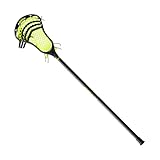
1. STX Lacrosse Stallion 200 Boys Complete Stick with Mesh Pocket, Attack/Midfielder, Black/Yellow
Overview:
The STX Stallion 200 Complete Stick positions itself as the premium entry point for boys entering lacrosse as attackmen or midfielders. At $54.99, it targets serious beginners not yet in high school who want equipment that won’t hold them back as skills develop.
What Makes It Stand Out:
This stick borrows DNA from STX’s elite-level Stallion heads, giving young players a taste of high-performance gear from day one. The STX 6000 series alloy shaft with tonal “memory marker” graphics provides durability and visual alignment aids that coaches love. The soft mesh pocket is particularly forgiving, helping novices master cradling and catching while building confidence.
Value for Money:
While priced above basic beginner sticks, the Stallion 200 justifies its $54.99 tag through exceptional build quality and forward-thinking design. Unlike disposable entry-level equipment, this stick grows with the player, potentially lasting several seasons before an upgrade becomes necessary. The brand reputation and resale value also offset the initial investment.
Strengths and Weaknesses:
Pros include professional-grade materials, excellent ball control, elite-inspired geometry, and durable construction. The memory markers aid proper hand placement. Cons are the premium price point for families unsure about long-term commitment, limited color customization, and it may be more stick than casual backyard players need.
Bottom Line:
For committed young athletes and families planning for multi-season play, the STX Stallion 200 delivers unmatched quality and performance at the beginner level, making it worth every penny.
2. Champro LRX7 Youth Lacrosse Stick

Overview:
The Champro LRX7 Youth Lacrosse Stick emerges as a budget-conscious champion for developing players at just $34.99. Designed specifically for youth with its 24.5" shaft and thinner diameter, this stick prioritizes proper mechanics over flashy features.
What Makes It Stand Out:
The molded nylon head delivers surprisingly responsive catch-and-release performance that rivals more expensive options. Champro engineered this stick with a shorter length and slimmer grip profile that fits smaller hands perfectly, reducing fatigue and encouraging correct technique. The soft mesh comes pre-broken-in, allowing immediate field readiness.
Value for Money:
At nearly $20 less than premium competitors, the LRX7 represents exceptional value. It sacrifices brand prestige for affordability without compromising core functionality. For families testing their child’s interest in lacrosse or needing equipment for multiple siblings, this price point removes financial barriers while providing legitimate performance.
Strengths and Weaknesses:
Strengths include youth-specific ergonomics, lightweight design, excellent price-to-performance ratio, and decent durability for recreational play. Weaknesses involve less robust materials than alloy-shafted competitors, limited advanced features for rapid skill progression, and minimal brand recognition for status-conscious young players.
Bottom Line:
The Champro LRX7 is a smart, economical choice for young beginners that delivers solid performance where it counts most, making it ideal for recreational leagues and first-time players.
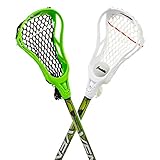
3. Franklin Sports Future Champs 2 Player Youth Lacrosse Sticks + Ball Set - Kids 32" Inch Beginner Backyard Practice Lax Sticks + Lightweight Soft Lacrosse Ball - Toy Kids Lax Set - Green and White
Overview:
The Franklin Sports Future Champs 2-Player Set reimagines lacrosse introduction for the youngest athletes at just $29.99 for two sticks and a ball. This set targets toddlers and early elementary children exploring backyard play rather than organized competition.
What Makes It Stand Out:
The complete package approach eliminates shopping complexity—everything needed for immediate sibling or parent-child games arrives in one box. At 32 inches, these sticks hit the sweet spot for small bodies, while the deep-pocket ABS heads make catching achievable for uncoordinated hands. The vibrant full-color graphics transform equipment into something kids actually want to pick up.
Value for Money:
Unbeatable for families with multiple children or those hosting playdates. The per-stick cost under $15 makes this disposable-friendly when kids inevitably outgrow or abandon the sport. While not built for longevity, the price reflects realistic expectations for equipment that might see only one season of use.
Strengths and Weaknesses:
Pros include instant gratification, age-appropriate sizing, colorful kid appeal, and minimal financial risk. Cons feature toy-grade ABS construction that won’t withstand competitive play, lack of performance features for skill development, and short product lifespan as children grow.
Bottom Line:
Perfect for introducing lacrosse fundamentals to children under 8 in casual settings, but plan to upgrade before joining any formal league or team.
4. STX Lacrosse Girls Crux Jr. Complete Stick, Green

Overview:
The STX Girls Crux Jr. Complete Stick fills a crucial niche for female players under seven years old at $49.99. STX translates its renowned Crux line performance into a package engineered for the smallest hands and earliest learning stages.
What Makes It Stand Out:
The Lock Pocket Jr. technology maintains consistent pocket shape without constant adjustments—a game-changer for parents and coaches tired of re-stringing youth sticks. The 24-inch alloy handle provides legitimate durability while remaining perfectly proportioned for pint-sized players. Drawing inspiration from STX’s elite Crux series gives young girls equipment they can be proud of from the first practice.
Value for Money:
Positioned between budget sets and premium gear, the Crux Jr. justifies its price through gender-specific engineering and STX’s quality assurance. The alloy shaft alone adds years of durability compared to plastic alternatives, while the proprietary pocket design accelerates skill acquisition.
Strengths and Weaknesses:
Advantages include perfect sizing for the target age group, consistent performance pocket, lightweight yet durable construction, and brand credibility. Drawbacks involve the narrow age range (under 7), girls-only design limiting hand-me-down potential, and premium pricing over unisex youth sticks.
Bottom Line:
The ideal first stick for young girls serious about lacrosse, offering professional-quality features sized specifically for early development.
5. Franklin Sports Boys + Mens Lacrosse Sticks - Youth Attack + Midfield Lax Stick - Lightweight Kids + Adults Aluminum Lacrosse Stick - Ambush - 26"

Overview:
The Franklin Sports Ambush Lacrosse Stick bridges the gap between beginner and intermediate play for youth attackmen and midfielders at $49.99. The 26-inch aluminum shaft targets players ready for more serious equipment without jumping to premium pricing.
What Makes It Stand Out:
The Neo-Grip surface texture provides tangible stick control improvement during cradling and quick stick adjustments—features rarely seen at this price point. The 10-diamond semi-soft mesh creates a deeper pocket that enhances ball retention while remaining game-legal. Franklin ships this fully assembled and ready for immediate field use, eliminating setup frustration.
Value for Money:
Competing directly with STX’s entry-level offerings, the Ambush delivers comparable materials and innovative grip technology at the same price. The ready-to-play pocket saves time and potential stringing costs, adding hidden value for families without equipment expertise.
Strengths and Weaknesses:
Pros feature excellent grip texture, quality mesh pocket, lightweight aluminum build, and versatile beginner-to-intermediate design. Cons include a 26-inch shaft that may be short for taller youth players, less brand prestige than legacy manufacturers, and limited documentation on long-term durability.
Bottom Line:
A feature-packed youth stick that punches above its weight class, perfect for committed players seeking performance enhancements without the premium brand tax.
6. The Starter - 19.5" Mini Complete Lacrosse Stick for Beginners - PVC Plastic Shaft Perfect Fiddle Stick by Signature Lacrosse

Overview: The Signature Lacrosse 19.5" Mini Complete Stick targets the youngest aspiring players, offering a scaled-down fiddle stick designed for introducing basic lacrosse fundamentals. At just under 20 inches, this PVC plastic shaft stick provides an ultra-lightweight option for toddlers and small children to develop hand-eye coordination without the burden of regulation-sized equipment.
What Makes It Stand Out: The exclusive Lifetime Warranty sets this apart from typical toy-grade equipment, promising replacement if anything goes wrong. The Signature Pro-Strung Pocket delivers surprisingly good ball control for a mini stick, while the hard-wearing PVC construction balances durability with minimal weight. It’s specifically engineered for tiny hands and short arms.
Value for Money: At $29.99, this sits in the mid-range for mini sticks. The warranty significantly enhances its value proposition, as most comparably priced alternatives lack any guarantee. While more expensive than basic plastic toys, it outperforms them in pocket quality and durability, making it a smarter investment for families with serious interest in the sport.
Strengths and Weaknesses: Pros include the unmatched lifetime warranty, genuinely lightweight design, and professional-style pocket that teaches proper feel. The 19.5" length is perfect for the smallest players. However, the PVC shaft lacks the durability of alloy alternatives, and the extremely short length means kids will outgrow it quickly. It’s also unsuitable for any organized play.
Bottom Line: Ideal for introducing lacrosse to children under five, this mini stick bridges the gap between toy and training tool. The warranty justifies the price, making it a worthwhile purchase for parents committed to early skill development.
7. Franklin Sports Future Champs Youth Lacrosse Stick + Ball Set - Kids 32" Inch Beginner Backyard Practice Lax Stick + Lightweight Soft Lacrosse Ball - Toy Kids Lax Set - Blue

Overview: Franklin Sports delivers an entry-level backyard set designed purely for introducing young children to lacrosse basics. This 32-inch ABS plastic stick comes with a soft rubber ball, positioning itself as a toy rather than sports equipment. The bright blue design and included ball make it an attractive package for parents testing their child’s interest in the sport.
What Makes It Stand Out: The ultra-affordable price point and complete set inclusion make this immediately accessible. The extra-deep pocket design genuinely helps beginners learn catching mechanics, while the thin shaft profile accommodates smaller hands better than many toy alternatives. At 32 inches, it provides more realistic handling than mini sticks.
Value for Money: At $14.99, this represents the cheapest viable entry point into lacrosse. The included ball eliminates additional purchases. However, the toy-grade ABS construction means limited durability. It’s perfect for determining interest before investing in real equipment, but offers no long-term value for committed players.
Strengths and Weaknesses: Pros include unbeatable price, deep pocket for easier catching, lightweight design, and the convenience of an included ball. The 32" length suits a wide age range. Cons are significant: ABS plastic lacks durability, the “toy” classification means poor performance, and it cannot be used in any organized setting. The soft ball doesn’t replicate real lacrosse feel.
Bottom Line: A solid choice for backyard play and initial interest testing, but families should view this as a disposable toy rather than a training tool. Upgrade immediately if your child shows genuine interest.
8. The Starter - 28" Complete Lacrosse Stick for Beginners - Signature Lacrosse Beginner’s Boys and Girls Entry Level Stick for Aspiring Players

Overview: Signature Lacrosse’s 28-inch Starter model serves as a step-up training tool for developing players not yet ready for regulation equipment. This complete stick features a hardwearing plastic shaft and pro-strung pocket, designed for skill development in recreational settings. The moderate length suits elementary-aged children building confidence in their abilities.
What Makes It Stand Out: The Lifetime Warranty remains a standout feature, rare in beginner equipment. The quality pro-strung pocket provides consistent performance without constant adjustments, letting players focus on technique development. At 28 inches, it bridges the gap between mini sticks and full-sized equipment, making it versatile for various drills.
Value for Money: Priced at $34.99, this is a premium training stick. The warranty adds value, but the plastic shaft limits its competitive viability. It’s best viewed as a specialized training tool rather than all-purpose equipment. For dedicated practice sessions, it justifies the cost, but families needing game-ready gear should look elsewhere.
Strengths and Weaknesses: Pros include the excellent warranty, properly strung pocket, ideal length for transitional players, and lightweight design. The recreational-use-only designation is both a strength (safety) and weakness (limited utility). The plastic shaft, while durable, cannot match alloy performance, and the price approaches entry-level competitive sticks.
Bottom Line: A quality training aid for focused skill development, but the recreational-use limitation and plastic construction make it a niche purchase. Consider only if you need a safe, indoor practice option.
9. STX Lacrosse Stallion 200 Boys Complete Stick with Mesh Pocket, Attack/Midfielder, White
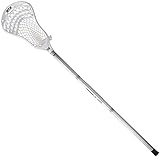
Overview: The STX Stallion 200 represents a legitimate entry into competitive lacrosse equipment for boys. This complete stick features an alloy handle and soft mesh pocket, meeting NCAA and NFHS rules for organized play. Inspired by the elite Stallion U550 head, it offers authentic performance for beginner-to-intermediate players ready for real game action.
What Makes It Stand Out: STX’s reputation for quality shines through with the 6000 series alloy handle featuring memory marker graphics for proper hand placement. The soft mesh stringing provides excellent ball control and easy catching for entry-level players. Meeting official regulations means this stick can transition from backyard practice to competitive play seamlessly.
Value for Money: At $54.99, this is a true investment piece. While more expensive than plastic alternatives, it’s actual sports equipment, not a toy. The alloy shaft durability and brand reputation justify the premium. Comparable starter sticks from other major brands cost similarly, making this competitively priced for legitimate gear.
Strengths and Weaknesses: Pros include the professional-grade alloy shaft, official rule compliance, superior brand quality, and soft mesh pocket optimized for beginners. The stick performs well for attack and midfield positions. The main con is price, which may be steep for families unsure of their child’s commitment. It’s also heavier than plastic training sticks.
Bottom Line: The best choice for boys ready for serious lacrosse. This regulation-compliant stick eliminates the need for immediate upgrades, making it worth every penny for committed players.
10. STX Lacrosse Girls Crux Jr. Complete Stick, Pink

Overview: STX specifically designed the Crux Jr. for female players under seven years old, offering a scaled-down, high-quality introduction to girls’ lacrosse. The 24-inch alloy handle and Lock Pocket Jr. technology provide authentic equipment feel in a size appropriate for the youngest athletes. The pink color scheme targets the intended demographic.
What Makes It Stand Out: The Lock Pocket Jr. maintains consistent pocket shape with minimal maintenance, a crucial feature for parents unfamiliar with stringing. STX’s Crux lineage ensures quality construction, while the shortened alloy handle provides proper weight and durability. The stick is sized precisely for small hands, promoting correct technique from day one.
Value for Money: At $49.99, this positions as premium equipment for the youngest age group. The alloy construction and brand reputation justify the cost over plastic alternatives. While expensive for a first stick, it eliminates the frustration of poor-quality equipment hindering skill development. The durability means it can be passed down to siblings.
Strengths and Weaknesses: Pros include STX’s proven quality, properly sized alloy handle, consistent pocket performance, and appropriate length for under-7 players. The gender-specific design is thoughtful. Cons include the limiting pink color scheme that may not appeal to all girls, the restricted age range, and the price point that’s high for a first stick.
Bottom Line: An excellent investment for young girls showing genuine interest in lacrosse. The quality construction and proper sizing make it superior to toy alternatives, despite the narrow target demographic.
Why Equipment Quality Matters for Youth Lacrosse Development
Youth players develop muscle memory and fundamental mechanics during their most formative years. Subpar equipment with improper weight distribution, inconsistent pocket depth, or fragile materials can ingrain bad habits that take seasons to unlearn. A stick that’s too heavy slows hand speed and discourages proper cradling technique. A pocket that bags inconsistently teaches players to compensate rather than execute correct throwing mechanics.
Budget constraints are real for most youth programs, but “budget-friendly” shouldn’t mean “developmentally detrimental.” The under-$150 range now includes options with aircraft-grade alloys, strategically engineered heads, and factory pockets designed by actual stringers—not machines. The difference between a $40 stick and a $120 stick often isn’t just durability; it’s the difference between a player who develops confidence and one who fights their equipment every practice.
Understanding Youth Lacrosse Stick Anatomy
Before evaluating any purchase, you need to understand the three core components that determine performance. Each element contributes differently to how a stick handles, and youth-specific designs prioritize different features than elite gear.
The Head: Your Control Center
The head is where ball control, passing accuracy, and shot power originate. For youth players, look for heads with a slightly wider face shape—this provides a more forgiving catching surface for developing hand-eye coordination. Scoop design matters immensely; a flatter, more rounded scoop helps young players pick up ground balls without perfect technique, building confidence during drills.
Sidewall stiffness is another critical factor. Youth heads should have enough flex to absorb errant passes and checks without warping, but not so much that the pocket becomes unpredictable. Avoid heads with excessive aggressive pinch near the throat; while popular for elite attackmen, this design narrows the sweet spot and frustrates beginners. Instead, prioritize heads with a gradual taper that maintains a consistent channel.
The Shaft: Balancing Weight and Durability
The shaft impacts everything from stick handling speed to checking safety. For youth programs, the sweet spot typically falls between 500-600 grams complete weight. Anything heavier fatigues developing arm muscles, while ultralight shafts often sacrifice durability and can feel “whippy,” reducing control during passes.
Material selection under $150 usually comes down to alloy blends versus entry-level carbon composites. Alloys like 7000-series aluminum offer exceptional durability against the inevitable drops, throws, and bench impacts of youth practices. Carbon shafts in this price range may be tempting for their light weight, but often use lower-grade resin systems that crack under temperature fluctuations and routine abuse. For program longevity, alloy shafts provide better ROI.
The Pocket: Where Magic Happens
The pocket is the most misunderstood yet most important element for youth players. Factory pockets in budget sticks have improved dramatically, but consistency varies widely. A proper youth pocket should have a medium depth that holds the ball securely during basic cradling but releases cleanly on passes without excessive whip.
Look for pockets strung with synthetic leathers and nylon laces rather than true leather. Traditional leather stretches unpredictably in rain and humidity, creating maintenance nightmares for coaches managing 20+ sticks. The shooting string setup should include at least two straight shooters or one straight and one U-shaped nylon; this provides enough hold without creating a “ramp” that causes inconsistent release points. Avoid pockets with excessive whip (the ball hooking down) or hold (the ball sticking), as both teach compensatory throwing motions.
Key Features to Evaluate in Youth Sticks
Beyond the basic anatomy, several specific features determine whether a stick will serve your program for multiple seasons or end up in the equipment graveyard by mid-season.
Length Regulations and Age Appropriateness
Youth lacrosse governing bodies (US Lacrosse, USA Lacrosse) mandate specific length requirements by age division. Attack and midfield sticks must measure 37-42 inches complete length for players under 14. Defense sticks range from 37-72 inches, but most youth programs should avoid the longest poles for players under 12—the leverage is difficult to control and increases accidental slash penalties.
Many sticks in the under-$150 category come at 40-inch default length, which works for most 10-14 year olds. For younger players (8U), you may need to cut shafts, which is only advisable on alloy models. Always verify that the shaft includes a removable butt end cap; some budget sticks have fixed caps that complicate length modifications.
Weight Considerations for Growing Players
The complete stick weight should be proportional to player size. A good rule: the stick shouldn’t exceed 15% of the player’s body weight. For a 70-pound 10-year-old, that’s a maximum of 10.5 ounces (about 300 grams). Most quality youth sticks in our target range weigh 14-18 ounces complete, making them suitable for players 80 pounds and up.
Balance point matters as much as total weight. The stick should balance within 12-14 inches of the head, creating a neutral feel that doesn’t strain wrists during extended cradling. Test this by balancing the stick on one finger; if it dips heavily toward the head, players will fatigue faster and develop poor posture.
Material Durability for Program Longevity
Youth programs need equipment that survives being left in hot cars, stepped on in locker rooms, and used on abrasive turf. Head material should be a tough nylon polymer with some flex—overly brittle heads crack in cold weather, while too-soft heads warp in heat. Look for heads with reinforced sidewalls near the scoop and throat, stress points that fail first.
For shafts, anodized aluminum alloys resist corrosion and paint chipping better than raw finishes. Check the shaft’s end cap design; threaded caps stay secure longer than press-fit versions that loosen and fall out. Some budget shafts now include a light texture coating or tacky finish that improves grip without adding tape weight—this is a valuable feature that reduces maintenance.
The $150 Budget Sweet Spot Explained
Why $150? This price point represents the intersection where manufacturing quality, performance features, and durability converge for youth applications. Below $50, you’re typically looking at toy-grade materials that warp within weeks and can’t be restrung. Between $50-100, you start seeing legitimate heads on generic shafts—functional but often unbalanced.
The $100-150 range unlocks several critical upgrades: pre-broken-in pockets strung by experienced professionals, shafts with alloy blends that maintain structural integrity, and heads with geometry designed specifically for developing players rather than stripped-down elite models. This is where you find sticks that last 2-3 seasons of youth play rather than 2-3 months.
For programs, this means you can allocate roughly $3,000-4,500 to outfit a 30-player roster with game-ready sticks that promote proper development. When you factor in the cost of restringing cheaper sticks or replacing failed heads mid-season, the $150 stick often delivers better total cost of ownership.
Complete Sticks vs. Custom Setup: What Youth Programs Need
The debate between buying complete sticks versus separate heads and shafts is particularly relevant for budget-conscious programs. Complete sticks dominate the under-$150 market for good reason: manufacturers achieve price points through pre-packaged bundles that eliminate customization costs.
For youth programs, complete sticks offer three distinct advantages. First, they arrive game-legal with properly strung pockets, eliminating the labor and expertise required to string multiple sticks consistently. Second, warranty claims are simpler—one manufacturer handles the entire product. Third, bulk purchasing programs from major brands often only apply to complete sticks, unlocking deeper discounts.
Custom setups become viable only if you have access to a skilled stringer who can volunteer time and can source team-priced shafts and heads separately. Even then, staying under $150 requires buying last-year’s models or taking advantage of deep clearance sales, which creates inventory inconsistency. For most youth programs, the uniformity and time-savings of quality complete sticks outweigh the theoretical benefits of customization.
Attack/Midfield Sticks: Versatility for Skill Development
Youth attack and midfield sticks should prioritize versatility since young players often rotate through positions. The ideal head features a mid-to-low pocket placement that works for both feeding and shooting. A moderate flare at the top of the head improves catching without sacrificing ball retention during dodges.
For shafts, avoid overly grippy or textured finishes that lock hands into one position—youth players need to slide their hands for different skills. A smooth alloy shaft with a light clear coat provides the right balance of control and adaptability. Some models include a subtle raised texture only at the bottom hand position; this is acceptable as it aids grip without restricting movement.
The shooting string setup should create a smooth, gradual release. Two straight nylon shooters with a slight downward angle (not U-shaped) provide consistency for both short passes and long clears. Avoid heads marketed as “hold-heavy” or with “maximum whip”—these are designed for elite players who have already mastered fundamentals and will frustrate youth athletes.
Defensive Sticks: Building Proper Fundamentals
Youth defense requires a different approach than elite-level long-stick midfield or close defense. For players under 14, consider starting with a shorter defensive stick (48-52 inches) rather than the maximum 72-inch pole. This allows young defenders to develop proper footwork and body positioning without relying on stick checks as a crutch.
The head should be slightly stiffer than attack models to withstand poke checks, but not so rigid that it becomes a weapon. A wider face shape helps with intercepting passes, a key skill for youth defenders. The pocket should be mid-depth with a quick release—defenders need to clear the ball effectively, and a baggy pocket causes turnovers during transition.
Shaft weight becomes even more critical with defensive sticks. A 72-inch pole that’s too heavy slows defensive recovery and teaches reaching instead of moving feet. Look for alloy defensive shafts that use butted construction (thicker at the ends) to reduce weight while maintaining stiffness. Some budget defensive sticks now include a second, shorter shaft in the package—this is an excellent value for programs, allowing coaches to adjust length as players develop.
Goalie Sticks: Specialized Features on a Budget
Youth goalie sticks present unique challenges. The heads are larger and more expensive to manufacture, but young goalies need the right tool to develop proper saving mechanics. The key is finding a head with the right balance between surface area and weight—oversized heads that are too heavy slow hand speed, which is the foundation of goaltending.
Look for goalie heads with reinforced sidewalls but strategic cutouts that reduce weight. The pocket should be relatively shallow compared to elite goalie setups; deep pockets in youth sticks create rebound control issues and mask proper catching technique. A single straight shooter with a U-shaped nylon provides enough hold without creating unpredictable ball exit.
The shaft should be a standard attack-length shaft (30 inches for the shaft, 40 inches complete) rather than a specialized goalie shaft. This keeps costs down and allows for standardization across your program. Some manufacturers offer “goalie complete” packages under $150 that include the head, shaft, and a basic stringing kit—this is often the best value proposition for programs.
Women’s Lacrosse Sticks: Unique Considerations
Women’s lacrosse sticks differ fundamentally from men’s, with shallower pockets and different head geometry. The under-$150 category has improved significantly for women’s sticks, but you must be more selective. The key metric is the pinch and flair of the head—women’s sticks must meet specific width requirements that change by age level.
For youth girls, prioritize sticks with a gradual sidewall design that creates a natural channel without violating pocket depth rules. The pocket should be strung with traditional leather and cross-lace or synthetic equivalent that maintains consistent depth when wet. Avoid mesh pockets, which are illegal in women’s lacrosse and teach improper technique.
Shaft weight and diameter are crucial for young female players, who typically have smaller hands. Look for shafts with a 7/8-inch diameter rather than the standard 1-inch men’s shaft. Some manufacturers now offer composite shafts in the under-$150 range specifically for women’s sticks—these provide excellent vibration dampening and are worth the slight durability trade-off for developing players.
Lacrosse Balls: The Unsung Heroes of Your Program
While sticks get all the attention, the quality and quantity of lacrosse balls in your program directly impact skill development. A youth program should plan for 50-100 balls per team for effective drills. At $3-5 per ball, this represents a significant portion of your equipment budget, making bulk purchasing strategies essential.
NOCSAE Standards and Safety Compliance
All lacrosse balls used in sanctioned play must meet NOCSAE ND200 standards, which govern compression and material consistency. This isn’t just a bureaucratic requirement—non-compliant balls can become dangerously hard in cold weather or excessively soft in heat, creating injury risks and unpredictable play. Always verify NOCSAE certification, even for practice balls.
Some manufacturers produce “practice-grade” balls that meet all performance standards but may have cosmetic blemishes. These are ideal for youth programs, offering the same safety and performance at 30-40% savings. However, avoid “mini” balls or “soft” trainer balls for regular practice—they teach incorrect release points and catching technique.
Practice Balls vs. Game Balls
Smart programs differentiate between practice and game balls. Practice balls can be any NOCSAE-certified color and will inevitably get lost, waterlogged, or chewed by dogs. Game balls should be white (men’s) or yellow (women’s) and reserved for scrimmages and games to maintain consistency.
Consider buying practice balls in high-visibility colors like orange, pink, or lime green. These are easier to spot in grass, reducing time lost to ball retrieval during drills. Some coaches use color-coding to designate ball age or condition—brighter balls for newer inventory, faded balls for backup.
Color Coding for Drills and Organization
Advanced programs use ball color to organize drills and teach situational awareness. For example, red balls might indicate man-down situations, blue balls for fast breaks, and green for standard even-strength scenarios. This visual system speeds up drill transitions and builds cognitive recognition skills.
For youth players, consider balls with slight texture variations or grip patterns. These help developing players feel the ball better in their stick, improving cradling confidence. However, ensure any textured balls still meet NOCSAE standards and aren’t so tacky that they create unrealistic release characteristics.
Bulk Purchasing Strategies for Youth Programs
Maximizing a limited budget requires strategic bulk purchasing. Most manufacturers offer team pricing starting at 12-24 sticks, with discounts of 15-25% off retail. Timing is critical—order during the fall and winter months when retailers clear inventory before new model releases in spring.
Consider forming a buying cooperative with neighboring programs to hit higher quantity tiers. A 100-stick order might unlock 30% discounts and free shipping, dropping per-stick costs significantly. Some manufacturers offer “program starter packs” that include 12 sticks, 24 balls, and a equipment bag for under $1,500.
Don’t overlook last-year’s models. Lacrosse equipment evolves incrementally; a stick from the previous season often has 95% of the current model’s performance at 60% of the cost. The key is ensuring the model wasn’t discontinued due to structural issues—check online reviews from the original release year.
Maintenance and Longevity: Maximizing Your Investment
A $150 stick can last three seasons or three months depending on maintenance. Implementing a simple care protocol across your program dramatically extends equipment life and maintains consistent performance.
Proper Stringing and Pocket Care
Pockets stretch and bag out, especially in wet conditions. Teach players to store sticks indoors and loosen shooting strings after rainy practices. Provide each team with a pocket-stretching tool—a simple wooden block that maintains pocket shape during storage.
Establish a restringing schedule rather than waiting for failures. Mid-season, have your most experienced player or volunteer check each stick’s pocket depth and whip. A simple shooting string adjustment can restore a stick to game-ready condition. Budget $10-15 per stick annually for stringing supplies—this preventative maintenance is far cheaper than replacing heads.
Storage Solutions for Team Equipment
Transport and storage cause more damage than actual gameplay. Invest in stick bags that separate heads rather than dumping sticks in a pile. Store sticks horizontally or with heads up—vertical storage with heads down warps pockets over time.
Climate control matters more than you’d think. Don’t store equipment in uninsulated sheds or hot cars. Extreme heat softens head plastic and stretches pockets; cold makes materials brittle. A simple equipment room with a dehumidifier extends stick life by 30-40%.
Red Flags: What to Avoid When Buying Budget Equipment
Certain cost-cutting measures manufacturers use create equipment that’s worse than useless—it’s actively harmful to development. Learn to spot these red flags before purchasing.
First, avoid sticks marketed as “tournament ready” or “elite-level” at suspiciously low prices ($30-50). These use ultra-thin sidewalls and low-grade alloys that fail quickly. The head geometry is often copied from legitimate designs but executed with poor tolerances, creating inconsistent pockets.
Second, be wary of sticks with pre-strung pockets using rubber or plastic “synthetic” leathers. These materials don’t break in properly and create a “trampoline” effect that teaches incorrect release timing. Quality pockets use woven nylon or polyester shooting strings and actual synthetic leather runners.
Third, skip sticks with gimmicky features like “adjustable” heads or “collapsible” shafts. These add failure points and weight. Youth players need simple, robust equipment that performs consistently.
Warranty and Return Policies: Protecting Your Program’s Investment
Even quality sticks break. A strong warranty can mean the difference between a one-season write-off and a free replacement. Most reputable manufacturers offer 6-month warranties on heads and 30-day warranties on shafts for manufacturing defects.
Read warranty terms carefully. Normal wear and tear isn’t covered, but structural failures like cracked sidewalls or bent shafts typically are. Some manufacturers offer extended warranties for programs that register their equipment purchases—this is worth the 15 minutes of paperwork.
Keep detailed purchase records. When a stick fails, you’ll need the original receipt and photos of the damage. Many manufacturers now handle warranty claims via email with photo documentation, speeding up the process. For program purchases, consider designating one person as the warranty coordinator to track claims and maintain consistency.
Building a Tiered Equipment Strategy
Rather than buying identical sticks for every player, smart programs implement a tiered approach. New players receive durable, forgiving sticks in the $80-100 range that prioritize ease of use over advanced features. As players develop, they graduate to sticks in the $120-150 range with more specialized geometry and lighter weight.
This strategy does two things: it controls initial costs for families who aren’t sure if lacrosse will stick, and it creates a natural equipment upgrade path that rewards commitment. Keep the entry-level sticks as backup inventory for mid-season additions or emergencies.
Consider implementing a “stick library” where players can check out different models to find their preference before purchasing their own. This is particularly valuable for defensemen deciding between pole lengths or attackmen experimenting with different head shapes. The data you gather helps future purchasing decisions and demonstrates program sophistication to parents.
Frequently Asked Questions
What’s the minimum number of sticks a youth program should own?
A well-equipped program needs at least 15-18 sticks for a 20-player roster. This allows for backups when sticks break, players forget equipment, and enables position-specific drills requiring extra long poles or goalie sticks. For programs with frequent new player turnover, 20-25 sticks provides better flexibility.
How often should youth lacrosse sticks be replaced?
With proper maintenance, quality youth sticks last 2-3 seasons of regular practice and game play. Replace sticks when heads develop significant cracks, shafts bend beyond 5 degrees, or pockets can no longer hold adjustment. Players growing 6+ inches in height may need length adjustments before sticks wear out.
Can girls use boys’ lacrosse sticks and vice versa?
No. Women’s lacrosse sticks have shallower pockets and different head geometry required by rule. Using the wrong stick type in games results in penalties and equipment violations. However, for backyard catch or basic stick skills practice, either type works—though it teaches incorrect muscle memory.
What’s the best way to break in a new youth stick?
Have players cradle with a ball while watching TV for 20-30 minutes daily for one week. This gentle break-in shapes the pocket without over-stretching. Avoid the “putting a ball in a wet pocket overnight” trick—it creates a baggy, illegal pocket that needs restringing. Some newer sticks come with pre-broken-in pockets that are game-ready immediately.
How many lacrosse balls does a team lose per season?
Plan on losing 30-40% of your practice balls annually. Balls get lost in woods, stolen by dogs, or become waterlogged and unusable. Buying 100 balls for a season’s practice is standard for most youth programs. Game balls, properly cared for, can last multiple seasons.
Should youth programs buy offset or straight heads?
Offset heads, where the head sits below the shaft centerline, are now standard and recommended for youth players. They create a natural pocket depth and improve ball control. Straight heads are largely obsolete and teach outdated mechanics. Ensure the offset isn’t so extreme that it makes ground balls difficult for small hands.
What’s the difference between NFHS and NCAA head specifications for youth?
Youth leagues typically follow NFHS (high school) rules, which allow slightly wider heads than NCAA. Most sticks under $150 are NFHS-legal. The key difference is the minimum width measurements at the scoop and throat. For players under 14, this rarely matters—buy standard youth sticks and they’ll be legal across all youth leagues.
How do I know if a pocket is too deep or has too much whip?
A legal pocket must allow the ball to be seen above the sidewall when placed in the pocket. For whip testing, have a player throw 10 passes—if most go straight into the ground, there’s too much whip. If passes sail high, there’s too little hold. A proper pocket releases level with a slight downward trajectory on passes.
Are composite shafts worth the extra cost over aluminum for youth?
Generally no. Quality aluminum shafts in the $40-60 range outperform entry-level composites for youth players. Composites under $100 often use lower-grade carbon and resin that crack easily. The vibration dampening benefits of composites are minimal for youth players who don’t shoot at elite velocities. Save composites for high school varsity players.
What’s the most cost-effective way to restring multiple sticks?
Buy stringing supplies in bulk kits (sidewall, shooting strings, mesh) and designate one experienced person as your program’s stringer. A $50 stringing kit can restring 8-10 sticks. Host a “stringing party” where older players learn to string while helping maintain team equipment. This builds skills and saves $15-25 per stick in professional restringing costs.