The silence beneath a frozen lake or the eerie beauty of a kelp forest in 40°F water is something no warm-water diver can truly understand. Cold-water diving opens up an entirely different underwater universe—but it comes with a catch. Your life support system faces challenges that simply don’t exist in tropical waters. Regulator freeze-up isn’t just an inconvenience; it’s a potentially fatal failure mode that demands respect, understanding, and the right equipment.
Choosing a regulator for cold-water environments isn’t about grabbing the most expensive model or the one your dive buddy swears by. It’s about understanding the specific engineering features that keep air flowing when temperatures plummet and ice crystals threaten to form in your first stage. This guide breaks down everything you need to know to make an informed decision, whether you’re planning your first arctic adventure or upgrading from a warm-water setup that’s been pushed beyond its limits.
Top 10 Scuba Regulators for Cold-Water Dives
Detailed Product Reviews
1. SCUBAPRO MK2 Evo Int/R105 Dive Regulator System for Scuba Diving

Overview: The SCUBAPRO MK2 Evo Int/R105 is a robust entry-to-mid-level regulator system built for divers seeking reliability in varied conditions. This classic downstream piston design combines a chrome-plated brass first stage with a durable second stage, delivering consistent performance for recreational diving. Its EN250A certification for extreme cold water makes it a versatile choice for divers exploring temperate and cooler environments.
What Makes It Stand Out: The oversized piston in the MK2 EVO first stage significantly boosts airflow, improving breathing performance beyond typical entry-level regulators. The reversible hose attachment is a standout feature for technical divers using sidemount, pony, or deco tank configurations. The extended thermal insulating system provides exceptional cold-water resistance by isolating mechanical components from freezing temperatures without compromising breathing quality.
Value for Money: At $449, this regulator punches above its weight class. It offers cold-water capabilities and technical diving features typically found in more expensive systems. While not as refined as premium balanced models, it provides exceptional durability and reliability for the price. For recreational divers seeking their first cold-water-capable regulator or tech divers needing a dependable backup system, the value proposition is compelling compared to competitors in the $500-$600 range.
Strengths and Weaknesses: Strengths: EN250A certified for extreme cold water; reversible hose attachment for technical configurations; oversized piston improves airflow; durable chrome-plated brass construction; excellent price point for certified cold-water performance. Weaknesses: Downstream piston design less smooth than air-balanced systems; limited adjustability compared to premium models; heavier than titanium alternatives; basic second stage features.
Bottom Line: The MK2 Evo Int/R105 is an excellent choice for budget-conscious divers who refuse to compromise on cold-water safety and reliability. Ideal as a primary recreational regulator or technical backup system.
2. SCUBAPRO MK25 EVO/S620 Ti Diving Regulator System for Scuba Diving, INT
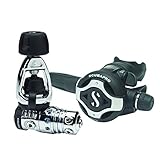
Overview: The SCUBAPRO MK25 EVO/S620 Ti represents the pinnacle of regulator technology, engineered for discerning divers who demand flawless performance in any environment. This flagship system pairs an air-balanced flow-through piston first stage with a full titanium barrel second stage, creating one of the smoothest breathing experiences available. It’s designed for serious recreational and technical divers who prioritize precision and durability.
What Makes It Stand Out: The air-balanced titanium barrel second stage delivers unmatched corrosion resistance while reducing jaw fatigue during extended dives. The first stage’s thermal insulation system actively delays ice formation in extreme cold. Diver-adjustable controls—including inhalation effort knob and VIVA lever—allow personalized breathing resistance. The swivel turret with five low-pressure ports offers unparalleled hose routing flexibility, while the external intermediate pressure adjustment enables technicians to fine-tune performance without disassembly.
Value for Money: With no listed price, this regulator clearly targets the premium market segment. Based on SCUBAPRO’s pricing structure, expect an investment exceeding $800-900. While expensive, the titanium construction, exceptional cold-water performance, and extensive adjustability justify the cost for serious divers. The durability and serviceability mean lower long-term ownership costs compared to replacing mid-tier regulators every few years.
Strengths and Weaknesses: Strengths: Ultra-smooth air-balanced performance; titanium barrel eliminates corrosion concerns; excellent freezing resistance; highly adjustable; superior hose routing flexibility; compact yet high-flow design. Weaknesses: Premium pricing may exceed recreational diver budgets; titanium requires specialized servicing; overkill for warm-water-only diving; availability may be limited.
Bottom Line: For dedicated divers seeking the ultimate breathing performance and longevity, the MK25 EVO/S620 Ti is a worthwhile investment. Best suited for cold-water enthusiasts, frequent divers, and technical applications where reliability is paramount.
3. Dive Rite Open Water Scuba Diving Regulator Package XT (Yoke)

Overview: The Dive Rite XT Yoke Package is a mid-to-high-end regulator system designed for serious recreational and technical divers who demand consistent performance across diverse diving conditions. Featuring a pneumatically balanced second stage and DLC-coated brass first stage, this package delivers professional-grade breathing comfort. Its environmental sealing and five LP ports make it suitable for both open water and advanced configurations.
What Makes It Stand Out: The black DLC (Diamond-Like Carbon) coating on the XT1 first stage provides superior corrosion resistance beyond standard chrome plating, making it ideal for harsh marine environments. The pneumatically balanced XT2 second stage ensures effortless breathing at any depth, automatically compensating for tank pressure changes. The environmentally sealed first stage prevents ice buildup and contamination, delivering reliable cold-water performance without the premium price of titanium systems.
Value for Money: At $755, the XT Package occupies a competitive middle ground. It offers technical-grade features—like DLC coating and environmental sealing—typically found in regulators costing $900+. The five LP ports provide excellent hose routing flexibility for doubles or stage bottles. While pricier than entry-level cold-water regulators, the enhanced durability and balanced performance justify the investment for divers progressing beyond basic recreational diving.
Strengths and Weaknesses: Strengths: DLC coating for exceptional corrosion resistance; pneumatically balanced second stage; environmentally sealed for cold water; five LP ports for versatile configuration; stable 140 PSI intermediate pressure; professional-grade construction. Weaknesses: Heavier than titanium alternatives; limited brand recognition compared to SCUBAPRO/Apeks; second stage adjustability less refined than premium competitors; may require specialized service centers.
Bottom Line: The Dive Rite XT Package delivers exceptional value for technical divers seeking cold-water capability and durability without flagship pricing. Perfect for divers transitioning to advanced recreational or light technical diving.
4. OCEANIC Delta 5 (2nd Stage) + EDX (1st Stage) | Breathing Regulator for Scuba Diving | Strong Cold-Water Performance | Available in Yoke or DIN Version | Yoke, Black
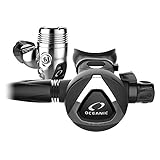
Overview: The OCEANIC Delta 5/EDX regulator system is a versatile, all-purpose setup that excels in cold-water conditions while maintaining affordability. This rugged combination features a balanced diaphragm first stage with a high-performance second stage, delivering consistent airflow from shallow reefs to deep wrecks. Its availability in both Yoke and DIN configurations, plus nitrox compatibility, makes it highly adaptable for divers at any level.
What Makes It Stand Out: The integrated heat exchanger on the hose connection significantly enhances already impressive cold-water performance by warming the second stage, reducing freeze risk. The dive/pre-dive switch and dynamic airflow adjustment provide real-time breathing control typically absent in this price range. Nitrox compatibility up to 40% oxygen eliminates upgrade costs for divers progressing to enriched air. The rugged construction withstands harsh conditions while maintaining a streamlined profile.
Value for Money: Priced at $614.95, this regulator offers remarkable features for the cost. The heat exchanger and nitrox readiness alone provide value exceeding the price premium over basic regulators. It competes directly with systems costing $700+ while delivering comparable cold-water performance. For divers wanting a single regulator for warm and cold water, plus future nitrox capability, the Delta 5/EDX eliminates the need for a second purchase.
Strengths and Weaknesses: Strengths: Excellent cold-water performance with heat exchanger; nitrox compatible to 40%; available in Yoke or DIN; dynamic airflow adjustment; rugged, reliable construction; strong brand reputation; competitive pricing. Weaknesses: Heavier than titanium models; less refined breathing than air-balanced systems; limited port configuration compared to technical regulators; plastic second stage components may wear over time.
Bottom Line: The OCEANIC Delta 5/EDX is a smart choice for divers seeking a versatile, cold-water-capable regulator with nitrox readiness. Ideal as a do-it-all primary regulator that grows with your diving ambitions.
5. Dive Rite XT Advanced Open Water Regulator Package, Yoke or DIN, PSI or BAR (DR XT Reg AOW Package, w/PSI, Yoke)

Overview: The Dive Rite XT Advanced Package is a premium regulator system engineered for demanding divers who require maximum adjustability and reliability. This package features a balanced diaphragm first stage in black chrome-plated marine brass paired with a pneumatically balanced second stage. With extensive diver controls and high-quality materials including carbon fiber and Teflon-coated components, it’s built for technical and advanced recreational diving in challenging conditions.
What Makes It Stand Out: The adjustable second stage offers both inhalation effort control and a dive/pre-dive Venturi lever, allowing precise customization for varying depths and workloads. The balanced diaphragm first stage provides consistent performance regardless of tank pressure or orientation. High-end materials—including carbon fiber components and Teflon-coated brass internals—enhance durability while reducing maintenance requirements. The five LP ports and two HP ports accommodate complex hose routing for doubles, stages, and multiple accessories.
Value for Money: At $779, this package competes directly with premium recreational and entry-level technical regulators. The extensive adjustability and technical-grade materials justify the price over simpler systems. While similar in cost to some SCUBAPRO models, the XT Advanced offers more user controls and superior port configuration. For divers planning to progress into technical diving, this single purchase eliminates the need for a regulator upgrade, representing long-term savings.
Strengths and Weaknesses: Strengths: Highly adjustable second stage; balanced diaphragm first stage; premium materials (carbon fiber, Teflon coating); excellent port configuration for technical diving; available in Yoke/DIN and PSI/BAR; suitable for advanced and technical diving. Weaknesses: Price may exceed casual diver budgets; heavier than titanium alternatives; requires more diligent maintenance due to complexity; brand service network smaller than major manufacturers.
Bottom Line: The Dive Rite XT Advanced Package is an excellent investment for serious divers planning technical progression. Its adjustability and robust construction make it ideal for challenging dives where performance customization is essential.
6. OCEANIC Delta 5 (2nd stage) + EDX (1st stage) | Breathing regulator for scuba diving | Strong cold-water performance | Available in Yoke or DIN version | DIN, White
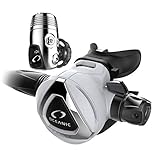
Overview: The OCEANIC Delta 5 and EDX combo delivers a rugged, reliable all-purpose regulator system built for divers who venture into varied conditions. This mid-tier performer balances professional-grade features with accessibility, making it suitable for both advancing recreational divers and seasoned enthusiasts who demand consistent performance from tropical reefs to thermocline-rich coastal waters.
What Makes It Stand Out: The standout feature is its cold-water prowess, enhanced by a dedicated heat exchanger at the second stage hose connection that combats freeze-up in frigid conditions. The dynamic airflow adjustment control and dive/pre-dive switch provide real-time breathing customization rarely found at this price point. Versatility shines through the DIN/Yoke interchangeability option, while 40% Nitrox compatibility comes standard without requiring special servicing.
Value for Money: At $599.95, this regulator sits in the sweet spot between entry-level units and premium technical systems. You’re paying for legitimate cold-water capability and brand heritage without the $700+ price tag of fully sealed alternatives. For divers who need one regulator to handle Caribbean vacations and Pacific Northwest exploration, it eliminates the need for two separate systems.
Strengths and Weaknesses: Strengths: Excellent cold-water performance for the price; adjustable airflow; reputable brand support; travel-friendly versatility; Nitrox ready out of the box. Weaknesses: Not environmentally sealed like dedicated ice-diving regulators; slightly heavier than warm-water specific models; price may exceed casual diver budgets.
Bottom Line: The Delta 5/EDX is an intelligent investment for divers serious about expanding their environmental range. It performs admirably where most all-purpose regulators falter, making it the ideal “do everything” workhorse for the committed enthusiast.
7. Hanperal 145 PSI Explorer Scuba Diving Dive 2nd Stage Regulator Octopus Hookah, Hookah Dive Regulator
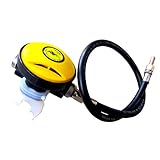
Overview: This ultra-budget second stage serves as a backup octopus or dedicated hookah diving regulator for shallow applications. At a fraction of typical regulator costs, it provides basic breathing functionality for surface-supplied diving or as an emergency alternate air source rather than a primary scuba system. The design prioritizes simplicity and affordability over advanced performance features.
What Makes It Stand Out: The shockingly low price point is the primary differentiator—this is among the most affordable CE-rated regulators available. The mechanically balanced design is surprising at this cost, offering smoother inhalation than expected. The under-chin exhaust system directs bubbles sideways effectively, while the free-flow resistant construction provides basic reliability for hookah systems where constant airflow isn’t critical.
Value for Money: At $24.50, value is undeniable for its intended niche. You cannot compare this to primary scuba regulators costing 20x more. For hookah diving in shallow depths or as a redundant backup for pool training, it delivers functional performance that justifies every penny. However, expecting primary regulator reliability would be misguided and unsafe.
Strengths and Weaknesses: Strengths: Unbeatable price; functional for hookah/surface-supplied diving; silicone mouthpiece included; lightweight; mechanically balanced. Weaknesses: Not suitable as primary scuba regulator; questionable long-term durability; limited depth rating; no environmental sealing; lacks brand reputation for life support.
Bottom Line: Purchase this for its intended purpose—hookah diving or emergency backup—and it represents exceptional value. Do not mistake it for a primary regulator. It’s a specialized tool for shallow, low-risk applications where absolute reliability isn’t life-critical.
8. Sherwood Scuba Blizzard Pro Cold Water and Ice Diving Regulator

Overview: Purpose-built for the harshest underwater environments, the Blizzard Pro is Sherwood’s dedicated cold-water regulator that has earned respect among ice diving communities. This system addresses the primary failure point of standard regulators in freezing conditions through complete environmental isolation, making it a specialist tool for divers who refuse to let winter limit their access to the underwater world.
What Makes It Stand Out: The fully dry and environmentally sealed first stage is the headline feature—absolutely no water contacts internal components, eliminating freeze-up risks. Sherwood backs this with their acclaimed Free Parts For Life warranty program, demonstrating confidence in longevity. As a Nitrox-ready system (up to 40%) out of the box, it combines technical flexibility with bulletproof cold-water engineering from a brand with 70+ years of life support manufacturing.
Value for Money: At $445.45, the Blizzard Pro undercuts many premium cold-water competitors by $200-300 while offering superior freeze protection. The lifetime parts warranty adds significant long-term value, essentially eliminating maintenance costs. For divers in northern climates, this single purchase replaces the need for cheaper warm-water regulators that fail when temperatures drop.
Strengths and Weaknesses: Strengths: Superior environmental sealing for ice diving; proven cold-water reliability; lifetime parts warranty; American brand heritage; Nitrox compatible. Weaknesses: Over-engineered for tropical diving; slightly heavier than non-sealed alternatives; limited color options; annual service still required.
Bottom Line: For cold-water and ice diving, this is arguably the best value proposition available. It delivers specialist performance at a mid-range price while the lifetime warranty ensures decades of reliable service. Warm-water divers should look elsewhere, but for polar and temperate region divers, it’s nearly perfect.
9. Sherwood Scuba Oasis Pro Diving Regulator

Overview: The Oasis Pro tackles a common yet overlooked diver complaint: cottonmouth and dehydration from dry compressed air. This warm-water focused regulator employs innovative moisture-retaining vanes to recycle humidity from exhaled breath, creating a more comfortable breathing experience during extended dives. It positions itself as an affordable solution to a genuine comfort issue that affects many recreational divers.
What Makes It Stand Out: The proprietary moisture retention system is unique in this price class, capturing condensate without compromising breathing performance. Unlike gimmicky solutions, the vane design maintains smooth airflow while noticeably reducing dry mouth. It shares Sherwood’s reputable Free Parts For Life warranty program, typically reserved for premium models, and includes Nitrox compatibility up to 40% as standard equipment.
Value for Money: At $243.85, this is an entry-level regulator with a specialized comfort feature that works. Divers plagued by dry mouth often spend more on expensive hydration systems or simply suffer through dives. The Oasis Pro solves this for less than the cost of a typical dive trip, making it exceptional value for those affected by this issue.
Strengths and Weaknesses: Strengths: Effectively reduces dry mouth; very affordable; lifetime parts warranty; Nitrox ready; lightweight for travel. Weaknesses: Not suitable for cold water; lacks advanced adjustment controls; basic performance otherwise; not environmentally sealed.
Bottom Line: If dry mouth ruins your diving enjoyment, the Oasis Pro is a game-changer at a bargain price. For warm-water recreational divers seeking comfort over technical features, it’s a smart purchase. Cold-water or technical divers should consider Sherwood’s Blizzard or other sealed alternatives instead.
10. Dive Rite FT Advanced Open Water Package DIN Regulator

Overview: The FT Advanced Open Water Package represents Dive Rite’s technical diving heritage distilled into a premium recreational regulator system. Engineered for divers who demand precision control and uncompromising reliability, this package combines a balanced diaphragm first stage with a pneumatically balanced second stage, creating a breathing system that performs consistently at any depth or workload encountered in advanced recreational diving.
What Makes It Stand Out: The adjustable second stage offers fine-tuned inhalation effort control and Venturi switching typically found on regulators costing significantly more. The included right-angle adapter revolutionizes hose routing, eliminating the traditional “regulator yank” and creating a streamlined profile that technical divers appreciate. Construction quality is evident in the black chrome-plated marine brass first stage and rugged ABS second stage, built to withstand aggressive diving schedules.
Value for Money: At $745.00, this sits in the premium recreational tier but delivers technical-grade features. Comparable performance from brands like Scubapro or Apeks often exceeds $900. For divers progressing toward technical certifications or those diving 50+ times annually, the durability and adjustability justify the investment over mid-range options that lack customization.
Strengths and Weaknesses: Strengths: Fully balanced performance; exceptional adjustability; superior hose routing; technical-grade construction; consistent deep-water breathing. Weaknesses: Price exceeds casual diver needs; complexity may overwhelm beginners; DIN only (requires adapter for yoke tanks); over-specified for vacation-only divers.
Bottom Line: This is a regulator that grows with your diving ambitions. If you’re committed to advancing your skills and need equipment that won’t limit your progression, the FT Package is worth every dollar. Occasional divers will find better value in simpler systems, but serious enthusiasts get technical performance without the full technical price tag.
Why Cold-Water Diving Demands Specialized Regulators
The Science Behind Freezing Risk
When compressed air expands through your regulator, it cools dramatically through the Joule-Thomson effect. In water below 50°F (10°C), this temperature drop can cause moisture in your breath or surrounding water to freeze inside the mechanism. A standard regulator’s design allows water to enter the first stage spring chamber, where it can crystallize and lock up the valve. Cold-water regulators use environmental sealing to prevent this intrusion, but the engineering goes far beyond a simple O-ring.
Environmental Factors That Amplify Cold-Water Challenges
Depth, breathing rate, and water movement all compound freezing risk. Deeper dives mean higher pressure drops and greater cooling. Hard breathing creates more turbulence and moisture. Strong currents force cold water through the regulator body more rapidly, stripping away any residual heat. Understanding these variables helps you appreciate why features like heat exchangers and specialized finning aren’t just marketing fluff—they’re essential safety components.
Key Features That Define Cold-Water Performance
Environmental Sealing: Your First Line of Defense
True cold-water regulators feature a dry-sealed first stage that prevents water from contacting internal components. Look for models using sealed spring chambers filled with silicone grease or proprietary fluids. This isn’t the same as “environmentally protected” warm-water regulators that merely resist corrosion. The seal must remain effective at depth under pressure, requiring robust engineering and high-quality materials that won’t compress or fail when you need them most.
Heat Exchange Systems: Preventing Freeze-Up
Extended yokes, ribbed first stage bodies, and metal second stage housings aren’t aesthetic choices—they’re heat sinks. These features absorb thermal energy from the surrounding water and transfer it to the expanding gas. The most effective designs position the heat exchanger between the first and second stages, where temperature drops are most extreme. Some advanced models incorporate specialized alloys with high thermal conductivity, turning the entire regulator body into a thermal battery.
First Stage Design Considerations
Piston vs. diaphragm first stages each offer cold-water advantages. Diaphragm designs naturally lend themselves to environmental sealing and are generally more cold-water friendly out of the box. However, modern sealed piston designs can perform exceptionally well, often with superior airflow rates. The key is the sealing mechanism itself—how many O-rings, their placement, and whether the design includes redundant seals. Balanced designs maintain consistent performance as tank pressure drops, crucial when you’re deep and working hard.
Second Stage Optimization for Frigid Conditions
The second stage must resist both external ice formation and internal freezing from moisture in your exhaled breath. Large, metal front covers with integrated heat exchangers outperform plastic alternatives. Internal components should be minimized and streamlined to reduce ice nucleation sites. Some designs incorporate special coatings on critical surfaces to prevent ice adhesion. The exhaust valve placement also matters—models that direct bubbles away from the regulator body prevent cold water from being drawn back across the mechanism.
Understanding CE Standards and Cold-Water Ratings
EN250A Certification Explained
The EN250A standard represents the gold standard for cold-water regulator testing. It requires regulators to perform at 50°F (10°C) at depths of 50 meters while simulating two divers breathing simultaneously at 62.5 liters per minute. That’s an extreme scenario that exceeds most real-world conditions. If a regulator carries this certification, you can trust it’s been torture-tested for cold-water performance. Be wary of manufacturers who claim “cold-water capable” without providing specific certification details.
What “Cold-Water Rated” Really Means
Marketing departments love vague terminology. A true cold-water rating should specify temperature ranges and testing conditions. Look for explicit statements about performance in water below 45°F (7°C). Some manufacturers provide additional ratings for ice diving (below 32°F/0°C), which involves even more stringent requirements. Understanding these distinctions prevents you from purchasing a regulator that’s merely “cold-water tolerant” rather than “cold-water engineered.”
Materials Matter: Construction Choices for Extreme Conditions
Brass vs. Titanium vs. Stainless Steel
Brass remains the industry standard for first stages due to its excellent thermal conductivity and machinability. However, titanium offers superior strength-to-weight ratio and corrosion resistance, beneficial for travel and saltwater ice diving. Stainless steel components in high-stress areas provide durability but can be heavier. The real difference lies in the internal finishes—chrome plating thickness, polishing quality, and whether the manufacturer uses lead-free brass for environmental compliance.
Polymer Components in Sub-Zero Temperatures
Not all plastics are created equal in cold water. Standard polymers become brittle and can crack when flexed below 40°F. Cold-water regulators use specialized thermoplastics with glass fiber reinforcement and low-temperature plasticizers. The second stage diaphragm material is particularly critical—silicone rubbers maintain flexibility where standard neoprene fails. Even small components like exhaust valve seats use cold-resistant compounds that won’t harden and leak.
Balanced vs. Unbalanced Systems in Cold Water
The Performance Difference
Balanced regulators maintain consistent breathing effort regardless of tank pressure or depth. In cold water, this consistency is vital because you’re often wearing thick gloves and can’t easily adjust your breathing pattern. Unbalanced regulators become progressively harder to breathe as tank pressure drops, which can lead to increased work of breathing and greater moisture production—exactly what you want to avoid in freezing conditions.
When Balance Becomes Critical
For dives deeper than 60 feet or using stage bottles, balanced systems aren’t just preferred—they’re essential. The performance degradation of unbalanced systems at depth becomes dangerous when combined with cold-water stress. Some manufacturers offer “over-balanced” designs that actually decrease breathing effort with depth, compensating for increased gas density. This feature shines in deep, cold-water technical diving.
Hose Configuration Strategies for Cold Environments
Primary Hose Length Considerations
Cold-water diving often means drysuits, thick undergarments, and bulky BCs. A standard 28-inch primary hose may route awkwardly, creating strain on the second stage and increasing the risk of jaw fatigue. Many cold-water divers prefer 32-40 inch hoses that allow more natural head movement and reduce stress on the regulator body. The extra length also positions the second stage further from the first stage, spreading thermal load.
Octopus Placement in Cold Water
The alternate air source requires special consideration. In freezing conditions, you want it accessible but protected from free-flows caused by current or accidental purging. Many cold-water configurations use a longer octopus hose (40+ inches) routed under the arm and clipped to a D-ring, keeping it close to your body heat. Some divers opt for a completely redundant system with a separate first stage, eliminating the risk of a single-point failure.
The Role of Adjustable Second Stages
Venturi Assist: Friend or Foe in Cold Water?
Venturi assist can prevent free-flows by directing airflow away from the diaphragm, but it can also make purging more difficult when ice forms. The best cold-water regulators feature adjustable venturi controls that let you fine-tune performance throughout the dive. Start with minimal assist to prevent free-flow on the surface, then increase it as you descend and water pressure helps prevent accidental flow. Some advanced models automatically adjust venturi effect based on depth.
Breathing Resistance Adjustments
Being able to increase cracking pressure (the effort required to start airflow) helps prevent free-flows in extremely cold water or when swimming into current. However, this must be balanced against the increased work of breathing when you’re already stressed. Look for regulators with tool-free adjustment knobs that can be operated with thick gloves. The adjustment range should be wide enough to accommodate both leisurely photography dives and high-stress swimming scenarios.
Maintenance Protocols for Cold-Water Regulators
Pre-Dive Inspection Routines
Cold-water dives don’t forgive skipped steps. Before each dive, manually vent your tank to clear moisture from the valve, then slowly pressurize the regulator while listening for leaks. Check all O-rings for nicks or flattening—cold makes them less pliable, so minor damage becomes critical. Inspect heat exchanger fins for damage and ensure adjustable knobs turn freely. In freezing air temperatures, keep your regulator in a cooler with warm water until the last possible moment to prevent pre-dive ice formation.
Post-Dive Care in Freezing Conditions
The walk back to your vehicle is where most cold-water regulator damage occurs. Never breathe from a regulator after exiting the water—your warm breath will freeze inside the mechanism. Keep the dust cap secure and rinse the entire system in lukewarm (not hot) water as soon as possible. Hot water can cause rapid expansion and damage O-rings. Purge all water from the second stage before storage, and never hang regulators by their hoses in freezing temperatures; water trapped inside can expand and crack internal components.
Annual Servicing Requirements
Cold-water regulators need professional service annually, regardless of dive count. The environmental seals and specialized lubricants degrade faster under thermal stress. Insist on a technician certified by the manufacturer—cold-water regulators often have specific torque specifications and proprietary parts. After servicing, request a cold-water performance test if available. Some service centers can simulate freezing conditions to verify proper function before you trust your life to the regulator again.
Common Cold-Water Regulator Failure Modes
First Stage Freeze-Up Symptoms
The first sign is often increased breathing resistance or a “crackling” sensation. You may notice the pressure gauge needle dropping unexpectedly as the valve sticks open. In severe cases, you’ll hear a high-pitched squeal as ice fragments pass through the system. If you suspect first stage freeze-up, switch to your alternate source immediately and begin your ascent. Continuing to breathe from a failing first stage can cause catastrophic free-flow or complete shutdown.
Second Stage Icing and How to Recognize It
Second stage ice typically forms on the exhaust valve or inside the mouthpiece, causing persistent free-flow or complete blockage. You might see frost on the outside of the regulator body, or feel ice crystals hitting your tongue. A sudden change in breathing effort—either much easier (indicating a free-flow) or much harder (indicating blockage)—requires immediate action. Practice regulator switches regularly so the movement becomes muscle memory when your fingers are numb and your mind is focused on survival.
Traveling with Cold-Water Regulators
Altitude Considerations
Flying with a recently serviced regulator can cause issues. Pressure changes at altitude can affect the environmental seal’s internal pressure. Some manufacturers recommend partially pressurizing the first stage during flight or waiting 24 hours after landing before first use. High-altitude destinations present additional challenges—regulators perform differently at 10,000 feet above sea level than at sea level, and the dry air can affect O-ring lubrication.
Transport Best Practices
Never check your regulator in luggage if you can avoid it. The cargo hold’s extreme cold can damage seals and lubricants. If you must check it, remove the second stages and carry them on, and pack the first stage in a hard case with foam padding. For road trips to cold destinations, keep regulators inside the heated cabin rather than the trunk. Allow regulators to acclimate slowly to destination temperatures—don’t take them from a warm vehicle directly into freezing water.
Budget vs. Performance: Making Smart Investment Choices
Entry-Level Cold-Water Options
You don’t need to spend a fortune to get cold-water capability, but be realistic about limitations. Entry-level cold-water regulators often use proven diaphragm designs with basic environmental sealing. They’ll perform reliably in moderately cold conditions (45-55°F) but may lack the advanced heat exchange features needed for ice diving or extreme depths. These regulators are perfect for divers building experience in cold water without committing to technical diving profiles.
Professional-Grade Features Worth the Premium
For those pushing limits—deep wrecks, cave systems under ice, or commercial work—professional features justify their cost. Look for swiveling turrets that reduce hose strain, multiple low-pressure ports for complex configurations, and metal second stages with substantial heat exchangers. The ability to service the regulator in the field without special tools can be invaluable on expedition dives. Consider the total cost of ownership: a $600 regulator that needs $200 annual service is more expensive over five years than an $800 regulator with $100 service costs.
The Impact of Breathing Gas Mixtures
Nitrox in Cold Water
Higher oxygen percentages in nitrox mean different gas expansion characteristics. While nitrox doesn’t freeze at different temperatures than air, the higher oxygen partial pressures can accelerate oxidation of internal components. Ensure your regulator is oxygen-clean compatible, even if you don’t plan to exceed 40% O2. The cleaner internal surfaces and specialized O-rings provide an extra margin of safety in cold conditions where material degradation is accelerated.
Trimix Considerations
Technical divers using helium blends face unique challenges. Helium’s high thermal conductivity strips heat from regulator components faster than nitrogen. This makes heat exchange systems even more critical. Additionally, the lower gas density reduces cooling from expansion, which can actually help prevent freeze-up. However, the increased flow rates needed for helium demand regulators with exceptional volumetric efficiency. Not all cold-water regulators are suitable for trimix, even if they’re technically rated for the temperature.
Environmental Responsibility in Cold-Water Diving
Sustainable Manufacturing Choices
Cold-water regulators require more resources to manufacture due to specialized materials and complex sealing systems. Look for manufacturers using recycled metals, lead-free brass alloys, and bio-based lubricants. Some companies now offer trade-in programs where old regulators are fully disassembled and components recycled rather than ending up in landfills. The most environmentally friendly regulator is one that lasts decades with proper maintenance.
Longevity and Waste Reduction
A regulator that fails in cold water often becomes unrepairable due to ice damage. Investing in quality reduces waste. Choose models with modular designs where individual components can be replaced rather than discarding the entire regulator. Consider the availability of spare parts—regulators from manufacturers with long production runs mean you won’t be forced to upgrade due to parts obsolescence. Your purchasing decision directly impacts the environments you’re diving to explore.
Frequently Asked Questions
What temperature range defines “cold-water” diving for regulator purposes?
Most manufacturers define cold water as anything below 50°F (10°C), though regulators specifically rated for ice diving are tested at 28-32°F (-2 to 0°C). The EN250A standard tests at 50°F, which represents a realistic threshold where standard warm-water regulators begin to experience increased failure rates.
Can I modify my existing warm-water regulator for cold-water use?
Generally, no. Environmental sealing requires fundamental design changes to the first stage that can’t be retrofitted. While you can add features like heat exchangers to some models, the core risk of water entering the spring chamber remains. It’s safer and more cost-effective to invest in a purpose-built cold-water regulator.
How often should I service my cold-water regulator compared to warm-water use?
Cold-water regulators require annual professional service regardless of dive count, whereas warm-water regulators can sometimes go 18-24 months between servicing. The thermal cycling, seal compression, and specialized lubricant breakdown in cold conditions accelerate wear significantly.
Does a cold-water regulator breathe differently than a warm-water model?
A properly tuned cold-water regulator should breathe the same as its warm-water counterpart under normal conditions. However, the additional mass from heat exchangers and metal components can make it feel slightly heavier in your mouth. The breathing resistance adjustment range is typically wider to accommodate extreme conditions.
Are diaphragm regulators always better than piston regulators for cold water?
Not necessarily. While diaphragm designs are inherently easier to environmentally seal, modern sealed piston regulators can perform equally well. The key is the quality of the sealing system, not the underlying mechanism. Some of the most reliable cold-water regulators use piston designs with multiple redundant seals.
Can I use my cold-water regulator in warm water?
Absolutely, and it will perform excellently. Cold-water regulators are over-engineered for tropical conditions, which often means they breathe more smoothly and last longer. The only downside is the additional weight and bulk, which matters more when traveling.
What’s the most common cause of cold-water regulator failure?
Pre-dive contamination is the leading cause. Moisture in the tank valve or first stage before pressurization freezes immediately when exposed to cold water. Always purge your tank valve before connecting your regulator, and keep your dust cap secure until the last moment.
How do I know if a regulator is truly EN250A certified?
Ask for the certification documentation. Reputable manufacturers provide test reports showing the specific serial number ranges that were tested. Be suspicious of vague claims like “meets EN250A standards” without actual certification, as this may mean the design was tested but your specific unit wasn’t verified.
Is a redundant regulator system necessary for recreational cold-water diving?
For dives in water below 45°F, a redundant first stage (or completely independent pony bottle) is highly recommended rather than just an octopus. The risk of complete system freeze-up, while low with proper equipment, is high enough consequence to warrant true redundancy beyond a simple alternate second stage.
Can altitude affect my cold-water regulator’s performance?
Yes, significantly. High altitude reduces ambient pressure, which changes the pressure differential across regulator seals and can cause minor free-flows. More importantly, altitude diving often involves colder water sources (mountain lakes). Always have your regulator serviced specifically for altitude use if you plan to dive above 3,000 feet elevation.