Step onto any modern turf field and you’ll immediately notice the difference—faster play, truer bounces, and a surface that demands more from your equipment than natural grass ever did. While most players obsess over cleats, the soccer ball itself becomes the most critical piece of gear on artificial surfaces. A standard grass ball will degrade quickly, perform unpredictably, and cost you more in replacements than investing in the right tool for the job.
This season, understanding what separates a generic training ball from a turf-specific performer can transform your game. Whether you’re a club coach outfitting an entire team, a parent navigating youth soccer requirements, or a serious player seeking consistent touch, the nuances of ball construction directly impact control, shooting accuracy, and durability. Let’s break down everything you need to know before making your selection.
Top 10 Soccer Balls for Turf Fields
Detailed Product Reviews
1. Select Numero 10 Turf Match Soccer Ball, Yellow/Orange/Purple NFHS V25, Size 5
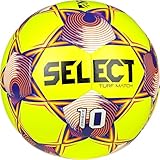
Overview:
The Select Numero 10 Turf Match Soccer Ball represents decades of refinement in match-quality equipment. This NFHS/NCAA-approved Size 5 ball features hand-stitched 32-panel construction using improved PU synthetic leather with a distinctive granulated texture. Engineered for consistent performance across all surfaces, it maintains reliable control even in challenging wet conditions, making it a trusted choice for competitive high school and college play.
What Makes It Stand Out:
The granulated surface texture sets this ball apart, providing exceptional grip and touch regardless of weather. Its 32-panel hand-stitched construction isn’t just traditional—it’s engineered for optimal aerodynamics and durability. The golf-structured PU surface creates predictable flight patterns that serious players demand. Having been used globally for decades, this ball carries a pedigree that few competitors can match at this price point.
Value for Money:
At $55.26, this ball sits in the sweet spot between budget training balls and premium $80+ match balls. You’re getting genuine hand-stitched craftsmanship and NFHS approval—features typically reserved for more expensive options. For teams and serious players, the durability and consistent performance justify every penny over cheaper machine-stitched alternatives that degrade quickly.
Strengths and Weaknesses:
Strengths include superior all-weather control, official NFHS/NCAA approval, durable hand-stitched panels, and excellent flight stability. The granulated PU cover performs exceptionally on turf and natural grass alike. Weaknesses are few: the price may deter casual players, and the vibrant yellow/orange/purple design might not suit traditionalists. It’s also over-engineered for recreational kickabouts.
Bottom Line:
For competitive players seeking match-quality performance without breaking the bank, this is an exceptional investment. The Numero 10 delivers professional-grade consistency and durability that justifies its mid-range price tag.
2. Select Numero 10 Turf Match Soccer Ball, White/Orange/Purple V25, Size 5

Overview:
The Select Numero 10 Turf Match Soccer Ball in White/Orange/Purple offers identical performance to its colorful sibling at a slightly lower price point. This Size 5, NFHS/NCAA-approved match ball features the same legendary 32-panel hand-stitched construction and improved PU synthetic leather. The granulated surface ensures reliable control in all conditions, making it suitable for both competitive matches and intensive training sessions.
What Makes It Stand Out:
Beyond the distinctive color scheme, this ball delivers the same granulated texture and golf-structured PU surface that provides exceptional grip and aerodynamic stability. The hand-stitched craftsmanship ensures durability that machine-stitched balls simply cannot match. Its white panel design offers better visibility under stadium lights while maintaining the same global reputation that has made the Numero 10 a training ground staple for decades.
Value for Money:
Priced at $52.30, this represents a modest savings over the yellow variant while delivering identical performance credentials. You’re still getting premium hand-stitched construction and official approvals that make it game-ready for high school and collegiate competition. This pricing undercuts many comparable match balls by $20-30, making it a smart choice for budget-conscious programs.
Strengths and Weaknesses:
Strengths mirror the Numero 10 line: excellent wet-weather performance, NFHS/NCAA certification, durable hand-stitched panels, and consistent flight characteristics. The white panels may show dirt more readily but offer superior visibility. The main weakness is the same—casual players don’t need this level of engineering, and the price reflects premium features rather than recreational simplicity.
Bottom Line:
Choose this white variant if you prefer traditional aesthetics or need enhanced visibility. It delivers the same outstanding match-quality performance as other Numero 10 balls at a slightly more attractive price.
3. SELECT Turf Soccer Ball, Yellow V20, Size 4

Overview:
The SELECT Turf Soccer Ball V20 in Size 4 is engineered specifically for the demands of artificial turf and hard ground surfaces. At $25.37, this youth-oriented ball prioritizes durability and affordability without sacrificing official approval status. The 1.0mm grain PU cover combined with a 7-wing bladder delivers reliable bounce characteristics, while its construction is designed to withstand the abrasive nature of synthetic fields.
What Makes It Stand Out:
This ball’s turf-specific engineering is its primary differentiator. Unlike general-purpose balls that wear quickly on abrasive surfaces, the V20 is reinforced to outlast competitors on artificial fields. Its NFHS/NCAA approval is remarkable at this price point, making it legal for youth competition. The availability in convenient 6-ball and 8-ball packs with bags and pumps addresses team needs directly—a thoughtful touch for coaches.
Value for Money:
Exceptional value defines this offering. At less than half the price of premium match balls, you’re getting a training ball that meets official standards. The durability on turf surfaces means fewer replacements, translating to long-term savings for clubs and schools. For youth programs on a budget, this is arguably the best cost-to-performance ratio available.
Strengths and Weaknesses:
Strengths include outstanding turf durability, official approvals, affordable pricing, and convenient bulk purchasing options. The 1.0mm cover provides adequate protection for its intended surface. Weaknesses include a thinner cover than premium balls, making it less ideal for rough grass fields, and it’s only available in Size 4, limiting its appeal to youth players. The feel may lack the softness of higher-end PU leather.
Bottom Line:
For youth teams training primarily on turf, this is the smart, economical choice. It delivers approved performance where it matters most—durability and affordability.
4. Select Numero 10 Match Turf Soccer Ball, Yellow V23, Size 4

Overview:
The Select Numero 10 Match Turf Soccer Ball in Yellow V23 brings premium match-ball quality to Size 4 players. This youth-sized ball maintains the legendary Numero 10 standards with hand-stitched 32-panel construction and improved PU synthetic leather featuring a granulated surface. NFHS/NCAA approved, it’s designed for competitive youth matches and high-level training on all surfaces, including turf.
What Makes It Stand Out:
Finding genuine match-quality construction in Size 4 is rare—most youth balls sacrifice craftsmanship for cost. This ball defies that trend with the same 32-panel hand-stitched design and aerodynamic golf-structured surface as its adult counterparts. The granulated texture provides superior control in wet conditions, giving developing players professional-grade touch and feedback that accelerates skill development.
Value for Money:
At $59.99, this is a significant investment for a Size 4 ball—often more expensive than adult premium balls. However, for competitive youth clubs and serious young players, the durability and performance consistency justify the cost. It eliminates the need to replace cheaper balls mid-season and provides the true flight characteristics necessary for proper technique development. The price reflects match-ready quality, not toy-level construction.
Strengths and Weaknesses:
Strengths include authentic match-ball construction, official approvals, excellent all-weather performance, and durability that survives youth play. The granulated PU cover performs reliably on both turf and grass. Weaknesses are primarily the high price point for a ball players will outgrow, and the premium features may be unnecessary for recreational youth leagues. The yellow V23 color scheme is functional but less traditional.
Bottom Line:
For competitive youth players and clubs prioritizing proper development over short-term savings, this is the Size 4 ball to beat. The quality justifies the premium price.
5. American Challenge Brasilia Soccer Ball – Sizes 5, 4, 3 & 2 – Youth & Adult Training Soccer Ball for Practice, Games & Grass Fields

Overview:
The American Challenge Brasilia Soccer Ball offers a budget-friendly, versatile option for recreational and training play across all age groups. Available in sizes 3, 4, and 5, this machine-stitched ball features a 3.25mm TPU outer casing with dual poly/cotton lining and a Hybrid SR bladder. Since 1973, the brand has focused on delivering dependable performance for grass fields at an accessible price point.
What Makes It Stand Out:
The size variety and legacy branding distinguish this offering. While most balls target specific age groups, the Brasilia line covers everyone from toddlers to adults. The Hybrid SR bladder provides decent air retention and shape maintenance. At under $25, it’s one of the few balls that doesn’t force buyers to choose between affordability and proper sizing for youth development.
Value for Money:
At $24.80, this is the most economical option reviewed. You’re getting a functional, multi-size soccer ball from an established brand for recreational use. However, the machine-stitched construction and TPU material won’t match the durability or touch of hand-stitched PU balls costing twice as much. It’s designed for value, not longevity under intense use.
Strengths and Weaknesses:
Strengths include unbeatable price, multiple size options, trusted brand heritage, and adequate performance for practice. The TPU cover withstands normal grass play reasonably well. Weaknesses include machine-stitched seams that are less durable than hand-stitching, TPU material that lacks premium feel, and it ships deflated requiring a pump. Not suitable for competitive match play or abrasive turf surfaces.
Bottom Line:
Perfect for families, recreational leagues, and practice sessions where budget trumps premium features. Don’t expect match quality, but expect reliable backyard fun.
6. American Challenge Paisley Soccer Ball – Sizes 5, 4 & 3 – Youth & Adult Training Soccer Ball for Practice, Games & Grass Fields
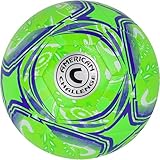
Overview: The American Challenge Paisley Soccer Ball represents nearly five decades of brand heritage, offering a reliable training companion for players across all age groups. Available in sizes 3, 4, and 5, this ball is specifically engineered for grass field performance, making it versatile for youth leagues and adult practice sessions alike. The machine-stitched construction combines a 3.25mm TPU outer casing with dual poly/cotton lining layers, creating a durable structure that withstands regular use while maintaining consistent play characteristics.
What Makes It Stand Out: The distinctive paisley pattern offers visual flair on the pitch, but the real innovation lies in the Hybrid SR bladder technology, which delivers reliable air retention and responsive touch. Unlike many budget alternatives, this ball features a proper two-layer backing system that prevents deformation and maintains shape integrity through countless training sessions. The brand’s longevity since 1973 speaks to its commitment to quality, providing peace of mind for coaches and parents investing in equipment that must survive team environments.
Value for Money: At $22.50, this ball sits comfortably in the mid-range training ball category. It outperforms generic department store options while costing significantly less than premium match balls. The multi-size availability means families can purchase appropriately sized balls for different children without compromising on quality, effectively future-proofing their soccer equipment investment.
Strengths and Weaknesses: Strengths include excellent durability from the TPU casing, consistent flight pattern, good air retention from the Hybrid bladder, and trusted brand heritage. The grass-specific design optimizes performance on natural surfaces. Weaknesses include the initial inconvenience of shipping deflated (requiring a pump), limited suitability for turf or hard surfaces, and machine stitching that may not match hand-stitched longevity for high-intensity play.
Bottom Line: The American Challenge Paisley delivers exceptional value for grass-field training. It’s an ideal choice for youth teams, school programs, and dedicated individuals seeking reliable performance without premium pricing. While not a professional match ball, it exceeds expectations for its intended training purpose and represents a smart investment for regular practice.
7. American Challenge Brasilia Soccer Ball – Sizes 5, 4, 3 & 2 – Youth & Adult Training Soccer Ball for Practice, Games & Grass Fields

Overview: The American Challenge Brasilia Soccer Ball carries the same trusted DNA as its Paisley counterpart, offering robust training performance for players of all ages. With sizing options from 2 through 5, it covers the full spectrum from toddler introduction to adult play. The ball’s construction features a 3.25mm TPU outer casing reinforced by two layers of poly/cotton lining, specifically optimized for natural grass surfaces where most youth and amateur soccer occurs.
What Makes It Stand Out: The Brasilia designation evokes classic soccer heritage while delivering modern performance through its Hybrid SR bladder system. This technology ensures the ball maintains proper inflation and responsive feel throughout extended training sessions. The machine-stitched panels create a uniform surface that promotes predictable ball behavior—crucial for developing technical skills. The brand’s half-century legacy since 1973 provides confidence that this isn’t another disposable training ball.
Value for Money: Priced at $24.80, the Brasilia represents a modest step up from budget options while remaining accessible for families and teams purchasing multiple units. The comprehensive size range means you can standardize equipment across an entire youth program. While slightly more expensive than the Paisley variant, the potential inclusion of size 2 makes it particularly valuable for academies serving very young players.
Strengths and Weaknesses: Key strengths include durable TPU construction, reliable Hybrid SR bladder, consistent performance on grass, and extensive size options. The machine stitching offers good durability for recreational use. Notable weaknesses are the deflated shipping requirement, grass-only optimization limiting versatility, and some confusion in the product listing regarding size 2 availability. The machine stitching, while adequate, won’t match hand-stitched alternatives for elite play.
Bottom Line: The Brasilia is a solid workhorse training ball ideal for grass-field practice across all age groups. Its slightly higher price is justified by the potential broader size range. Coaches and parents seeking reliable, consistent equipment for youth development will find this an excellent compromise between durability, performance, and cost.
8. American Challenge Brasilia Soccer Ball – Sizes 5, 4, 3 & 2 – Youth & Adult Training Soccer Ball for Practice, Games & Grass Fields

Overview: The American Challenge Brasilia Soccer Ball delivers proven training performance backed by a brand heritage spanning five decades. Engineered for grass field dominance, this ball accommodates players from early youth through adult competition with its comprehensive size range. The technical specification includes a 3.25mm TPU outer shell coupled with dual poly/cotton backing layers, creating a resilient structure that withstands the rigors of daily practice while delivering predictable play characteristics essential for skill development.
What Makes It Stand Out: This model shares the same Hybrid SR bladder technology found across American Challenge’s training line, ensuring superior air retention compared to basic recreational balls. The machine-stitched construction provides a consistent surface texture that promotes accurate passing and shooting. The brand’s commitment since 1973 to producing reliable soccer equipment means this ball benefits from generations of material science refinement, resulting in a training tool that maintains its integrity through hundreds of hours of use.
Value for Money: At $24.80, this ball positions itself as a mid-tier training option that bridges the gap between disposable recreational balls and expensive match-grade equipment. The investment makes particular sense for soccer programs needing uniform equipment across multiple age divisions. While requiring an initial pump purchase for inflation, the long-term durability prevents frequent replacement costs that cheaper alternatives inevitably incur.
Strengths and Weaknesses: Strengths encompass robust TPU construction, reliable bladder performance, grass-specific optimization, and trusted brand longevity. The machine-stitched panels offer adequate durability for training environments. Weaknesses include the inconvenient deflated shipping, limited versatility on artificial surfaces, and the product description’s ambiguity regarding size 2 availability. The construction, while durable, doesn’t match the refined feel of hand-stitched premium balls.
Bottom Line: The Brasilia training ball excels as a dependable grass-field practice companion for serious youth players and adult recreationalists. Its balanced performance-to-price ratio makes it ideal for team purchases and individual players committed to regular training. While not tournament-grade, it provides the consistency and durability necessary for effective skill development.
9. Adidas Unisex Starlancer Club Soocer Ball, Lucid Lemon/White, 5

Overview: The Adidas Starlancer Club Soccer Ball brings the iconic three-stripe brand credibility to the recreational market in a vibrant Lucid Lemon and White colorway. As a size 5 ball, it’s designed for regulation play among players aged 12 and up. The machine-stitched construction prioritizes durability and a soft touch, making it approachable for casual games and beginner training sessions. Adidas positions this as an entry-level ball that doesn’t compromise on the brand’s quality standards.
What Makes It Stand Out: The resilient butyl bladder is the Starlancer’s key technical feature, delivering exceptional air retention that keeps the ball game-ready for weeks rather than days. This addresses a primary frustration with cheap recreational balls that constantly need reinflation. The machine-stitched panels are engineered to provide a softer touch than typical budget options, helping newer players develop proper technique without fighting an overly hard surface. The bold color scheme improves visibility during twilight practice sessions.
Value for Money: At $18.00, the Starlancer represents remarkable value for an authentic Adidas product. It undercuts most branded competitors while delivering superior bladder technology. This pricing makes it accessible for families purchasing their child’s first regulation ball or for schools needing multiple balls for physical education programs. The long-term cost savings from reduced inflation needs further enhance its economic appeal.
Strengths and Weaknesses: Major strengths include the excellent butyl bladder retention, soft-touch construction, brand reliability, and high-visibility design. The machine stitching provides adequate durability for recreational use. Weaknesses include flat shipping without included pump, limited performance features for competitive play, and basic construction that won’t satisfy advanced players seeking premium touch and flight characteristics. It’s optimized for casual use rather than intensive training.
Bottom Line: The Starlancer Club is an outstanding choice for recreational players and beginners seeking brand quality at an accessible price. Its superior air retention and soft touch make it ideal for casual games, youth introduction to regulation play, and family use. While not suitable for serious training, it excels as a reliable, low-maintenance ball for enjoying the beautiful game.
10. Select X-Turf Soccer Ball, Yellow/Blue/Green V25, Size 4

Overview: The Select X-Turf Soccer Ball addresses the specific challenges of artificial turf and hard ground surfaces that destroy conventional balls. Engineered for size 4 players (typically ages 8-12), this premium training ball features a newly developed synthetic leather cover with a textured surface that grips turf fibers rather than sliding uncontrollably. The hand-stitched construction using 32 panels ensures true flight characteristics, while five layers of special lining provide structural integrity that withstands abrasive turf surfaces.
What Makes It Stand Out: Select’s turf-specific engineering is the defining feature, with a PU cover formulated to resist the accelerated wear and unpredictable behavior common on artificial surfaces. The latex bladder, while requiring more frequent inflation than butyl alternatives, delivers the responsive touch and lively rebound that advanced players demand. The hand-stitched construction represents a significant upgrade from machine-stitched alternatives, providing superior shape retention and a more predictable trajectory during aerial play.
Value for Money: At $42.16, the X-Turf commands a premium price that reflects its specialized design and superior materials. For players training primarily on turf, this investment quickly pays dividends through extended lifespan and consistent performance. The 1-year guarantee demonstrates manufacturer confidence rarely seen in soccer balls. Compared to replacing cheaper balls every few months due to turf damage, the X-Turf offers compelling long-term value despite the higher initial cost.
Strengths and Weaknesses: Strengths include exceptional turf durability, hand-stitched quality, true flight trajectory, and premium materials throughout. The textured PU cover provides excellent grip on artificial surfaces. Weaknesses include the need for frequent air top-offs (typical of latex bladders), the premium price point that may deter casual buyers, and specialization that makes it less ideal for natural grass play. The size 4 limitation restricts its audience.
Bottom Line: The Select X-Turf is the definitive choice for serious young players who train predominantly on artificial surfaces. Its specialized construction justifies the premium price through superior durability and performance where standard balls fail. While not a budget option, it’s an essential investment for turf-based development programs and competitive players seeking consistent training equipment.
Why Turf Fields Demand Specialized Soccer Balls
Artificial turf creates friction levels 30-40% higher than natural grass, generating heat and abrasion that shred standard soccer balls. The synthetic blades act like sandpaper on a ball’s surface, while the harder base layer produces a faster, more energetic rebound. Turf-specific balls counter these challenges with reinforced covers, optimized panel bonding, and bladder systems designed to maintain shape under intense, repetitive impact. Using the wrong ball doesn’t just shorten its lifespan—it actively changes how the ball moves, forcing you to adjust your technique unnecessarily.
The Science Behind Turf-Specific Ball Construction
Panel Configuration and Seam Technology
Traditional 32-panel designs give way to more advanced configurations on premium turf balls. Thermally bonded (heat-sealed) panels create a seamless surface that resists moisture penetration and eliminates the weak points where machine-stitched seams typically fail. For turf play, fewer panels with stronger bonds reduce the number of failure points. Look for balls advertising “thermally bonded” or “seamless” construction—these maintain structural integrity even after 500+ hours on abrasive surfaces.
Bladder Types and Air Retention
Butyl bladders dominate the turf ball market for one reason: air retention. Unlike latex bladders that require frequent inflation, a quality butyl bladder holds pressure for weeks, maintaining consistent performance. Some high-end models incorporate carbon-latex hybrids that balance responsiveness with retention. The bladder’s weight also matters; heavier bladders create more stable flight in windy conditions common on exposed turf fields.
Key Features to Look for in Turf Soccer Balls
Durability: The Non-Negotiable Factor
Durability on turf isn’t about thickness—it’s about material density and abrasion resistance. A ball’s “turf rating” depends on its cover’s ability to resist fibrillation (the splitting of synthetic material fibers). Premium balls use multi-layer TPU (thermoplastic polyurethane) with cross-linking technology that creates a molecular barrier against the cutting action of artificial grass. Check for reinforced outer coatings; matte finishes typically outperform glossy ones for longevity on turf.
Surface Texture and Grip
The ball’s outer texture directly affects your ability to generate spin and maintain control on fast turf surfaces. Micro-textured surfaces with 0.3-0.5mm depth patterns provide optimal grip without collecting rubber infill. Avoid completely smooth balls—they’ll slide off your foot during wet conditions. The ideal texture feels slightly grippy to the touch but doesn’t pick up debris from the field.
Water Resistance and All-Weather Performance
Turf fields drain differently than grass, often leaving a film of water that changes ball behavior. Quality turf balls feature hydrophobic coatings that bead water rather than absorbing it. This prevents the 5-10% weight gain that waterlogged balls experience, which dramatically alters flight paths and player fatigue levels. Look for balls specifying “all-weather” or “water-resistant” construction—these maintain consistent weight regardless of conditions.
Understanding Soccer Ball Sizes and Weight Standards
Size Breakdown by Age Group
FIFA mandates three primary sizes, but turf considerations add nuance to these standards. Size 3 (23-24 inches, 300-320g) suits players under 8, while Size 4 (25-26 inches, 350-390g) serves ages 8-12. Size 5 (27-28 inches, 410-450g) is the adult standard. On turf, consider dropping down one size for technical training—many coaches use Size 4 balls with U14 players to develop closer ball control before transitioning to full-size match play.
Weight Considerations for Turf Play
Turf balls should hit the higher end of weight tolerances. A slightly heavier ball (430-450g for Size 5) resists wind better and maintains truer flight on fast surfaces. However, avoid overweight balls that exceed FIFA standards—they increase injury risk and alter mechanics. The sweet spot balances FIFA compliance with turf-specific mass distribution.
Material Matters: Cover Stock Deep Dive
Polyurethane vs. TPU vs. PVC
Polyurethane offers the softest touch and best performance but sacrifices durability on turf. PVC provides maximum abrasion resistance at the cost of feel. TPU represents the modern compromise—combining PU’s responsiveness with PVC’s toughness. For turf, prioritize TPU covers with thickness between 1.8-2.2mm. Anything thinner wears too quickly; thicker becomes unresponsive.
Foam Backing Layers Explained
The unseen hero of ball performance lies beneath the cover. Foam backing layers (typically EVA or polyester foam) control energy return and soften impact. Turf balls need 3-5mm of medium-density foam to absorb the harder surface’s shock without deadening the feel. Premium balls use multiple foam densities—firmer foam directly under the cover for durability, softer foam near the bladder for touch.
The Importance of Proper Inflation for Turf Performance
PSI Recommendations
Turf demands 0.5-1.0 PSI lower inflation than grass fields. Target 8.5-9.5 PSI for optimal performance. Overinflated balls on turf become erratic, bouncing unpredictably off the harder surface. Underinflated balls drag and strain leg muscles. Invest in a quality pressure gauge and check before every session—temperature fluctuations on exposed turf fields cause more pressure variance than grass.
Temperature Effects on Ball Pressure
Black rubber infill absorbs heat, raising surface temperatures 20-30°F above ambient air. This heat transfers to your ball, increasing internal pressure by approximately 0.5 PSI per 10°F rise. A ball inflated to 9 PSI at 70°F could reach 10.5 PSI on a 90°F turf field, becoming dangerously hard. Compensate by inflating to the lower end of recommendations during hot weather.
Color and Visibility: Seeing the Ball on Synthetic Surfaces
High-Visibility Designs
Turf’s uniform green background and bright lighting conditions demand high-contrast colors. While traditional white balls work, neon yellow, orange, or multi-color designs improve tracking significantly. Matte finishes outperform glossy ones by reducing glare from field lights and sun reflection. For evening play under lights, avoid solid white balls—they create ghosting effects. Opt for designs with dark panel accents that help your eyes track spin and trajectory.
Budget vs. Premium: What Extra Dollars Actually Buy You
Entry-Level Turf Balls ($20-40)
These machine-stitched PVC balls survive recreational play but lack consistent flight characteristics. The bladder quality varies, requiring weekly inflation. Suitable for youth practice where ball loss is common, but they’ll degrade visibly within a single season of heavy turf use. Expect visible scuffing after 10-15 hours and seam failure around 30-40 hours.
Mid-Range Options ($40-70)
This sweet spot delivers 80% of premium performance. Thermally bonded TPU covers with butyl bladders provide reliable durability and consistent feel. These balls maintain shape and performance for 60-80 hours of turf play before showing significant wear. Ideal for serious training and competitive youth soccer where performance matters but budgets remain realistic.
Premium Match Balls ($70+)
FIFA Quality Pro certified balls represent the pinnacle—tested for circumference, sphericity, rebound, water absorption, and pressure retention. They use micro-textured PU covers with 5-7 layers of backing foam. While overkill for daily training, they deliver unmatched consistency for matches. On turf, they last 100+ hours while maintaining like-new performance. The investment pays off for clubs that prioritize predictable ball behavior.
How to Test a Soccer Ball Before Buying
Never purchase blind. Perform these checks: First, bounce the ball from shoulder height onto a hard floor. It should rebound to waist level consistently. Next, press your thumbs into the surface—quality balls depress slightly then spring back, while cheap ones feel hard or mushy. Rotate the ball slowly, checking for visual wobble that indicates bladder imbalance. Finally, feel the seams; they should be flush or slightly recessed, never raised. If buying online, verify the seller’s return policy and check for FIFA certification numbers.
Maintenance Tips to Extend Your Ball’s Lifespan
Cleaning Protocols
Turf infill clings to ball surfaces, embedding into pores and accelerating wear. After each use, wipe down with a damp microfiber cloth to remove rubber particles. Monthly, wash with mild soap and water, then dry completely before storage. Never use harsh chemicals or pressure washers—they strip protective coatings. For stubborn infill embedded in texture, use a soft-bristled brush in circular motions.
Storage Best Practices
Heat is the enemy. Store balls in a cool, dry place at 50-70°F. Never leave them in car trunks or direct sunlight, which degrades TPU and causes pressure fluctuations. Store partially deflated (2-3 PSI below playing pressure) during off-season to reduce bladder stress. Use a ball bag rather than stacking heavy items on top, which can deform shape over time.
When to Replace Your Turf Soccer Ball
Replace when you notice these signs: Visible panel separation, loss of texture depth (surface becomes smooth), inconsistent bounce, or permanent deformation when rolled. Performance degradation precedes visual failure—if the ball feels “different” or your touch suddenly feels off, trust your instincts. For competitive teams, rotate match balls out of training use after 30 hours to preserve performance integrity. A ball that looks fine but has lost its coating will absorb water and behave unpredictably.
Frequently Asked Questions
How long should a quality turf soccer ball last with regular use?
With 3-4 training sessions weekly, a mid-range thermally bonded TPU ball should maintain optimal performance for 60-80 hours of pure turf time. Premium match balls extend to 100+ hours. Entry-level balls often show critical failure around 30-40 hours. Track usage hours rather than months—two teams sharing a ball daily will wear it faster than a single player.
Can I use a turf-specific ball on natural grass without damaging it?
Absolutely. Turf balls excel on grass, offering superior durability and all-weather performance. The reverse isn’t true—grass balls degrade rapidly on turf. If you play mixed surfaces, invest in turf-rated balls exclusively. The only minor trade-off: the extra durability adds slight weight, which some purists notice on perfectly manicured natural fields.
Why does my ball feel overinflated after playing on hot turf?
Black rubber infill absorbs solar radiation, creating a microclimate 20-30°F hotter than air temperature. This heat transfers to the ball’s air bladder, increasing pressure by roughly 0.5 PSI per 10°F rise. Compensate by inflating to the lower end of recommended PSI (8.5 PSI for Size 5) during summer months and check pressure at halftime during tournaments.
What’s the difference between “FIFA Quality” and “FIFA Quality Pro” certifications?
FIFA Quality Pro represents the highest tier, requiring balls to pass rigorous tests for weight, circumference, sphericity, bounce, water absorption, and pressure loss at both 20°C and 5°C. FIFA Quality is the second tier with slightly broader tolerances. For turf play, both certifications ensure reliable performance, but Quality Pro balls maintain consistency longer under abrasive conditions.
How do I remove turf pellets stuck in my ball’s surface texture?
First, let the ball dry completely—wet pellets cling worse. Use a soft, dry toothbrush in gentle circular motions to dislodge embedded rubber. For stubborn cases, a handheld vacuum with a brush attachment works wonders. Avoid picking with metal tools or knives, which damage the cover. Regular post-game wiping prevents most embedding issues.
Is machine-stitched construction ever acceptable for turf?
Only for recreational youth play where ball loss is frequent and budgets are extremely tight. Machine-stitched balls last 30-40% less time on turf compared to thermally bonded alternatives. The exposed stitching acts like a suture, catching on turf fibers and unraveling. If you must go machine-stitched, choose models with recessed seams and plan for replacement every season.
Why do some turf balls have odd panel shapes or fewer panels?
Fewer panels mean fewer seams—which means fewer failure points on abrasive turf. Modern geometries like 6-wing or 24-panel designs use larger, thermally bonded sections that distribute stress more evenly. These configurations also create more predictable flight patterns by reducing aerodynamic drag from seam edges. The trade-off is higher manufacturing cost, but the durability gains justify it for serious turf play.
How does altitude affect turf ball performance compared to grass?
Altitude impacts both surfaces equally—less air density means less drag and slightly livelier bounce. However, turf’s inherent speed amplifies these effects. At elevations above 3,000 feet, reduce inflation by an additional 0.5 PSI to maintain familiar touch. The combination of turf’s fast surface and altitude’s reduced drag means balls travel 5-7% farther with the same power input.
Can I repair a turf ball that’s losing panels or has a small puncture?
Panel separation is a death sentence—the adhesive failure indicates the entire ball’s structural integrity is compromised. Small punctures in butyl bladders can be repaired with standard ball patch kits, but the repair rarely holds long-term on turf due to constant flexing. For match balls, professional reconditioning services exist but cost 60% of replacement. Training balls should be replaced.
What’s the ideal ball color for evening games under turf field lights?
Neon yellow with dark panel accents provides optimal contrast against both the green turf and dark sky background. Avoid pure white balls—they create halos and ghosting under LED lights, making spin tracking difficult. Matte finishes outperform glossy ones by 40% in reducing glare. Some players prefer two-tone designs where dark panels help visually track ball rotation for judging curl and dip.