Every dawn patrol session and epic sunset surf comes with an invisible trade-off: the sunscreen protecting your skin is likely devastating the underwater ecosystems you love. As surfers, we’re directly connected to ocean health in ways most beachgoers aren’t—we’re immersed in it, sometimes for hours. The harsh reality is that an estimated 14,000 tons of sunscreen wash into our oceans annually, with surfers contributing disproportionately due to our extended water time and frequent reapplication.
The good news? The market for genuinely reef-safe sunscreens has exploded with innovative formulations that actually perform in heavy conditions without compromising marine ecosystems. But navigating this space requires more than grabbing a bottle with a green leaf on the label. This guide cuts through the marketing noise to equip you with the knowledge to choose high-performance, ocean-friendly protection that works as hard as you do in the water.
Top 10 Surf Sunscreens for Reefs
Detailed Product Reviews
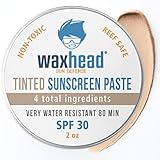
1. Waxhead Tinted Zinc Oxide Surf Sunscreen SPF 30 for Face, 4 Ingredient Reef Safe Zinc Paste, Waterproof Sunblock for Swimming, Sensitive Skin and Eczema, Tinted Scar and Tattoo Protection, 2oz Tin
Overview:
Waxhead delivers a minimalist powerhouse for water enthusiasts and those with hyper-sensitive skin. This four-ingredient tinted zinc paste provides SPF 30 protection in a thick, stay-put formula designed for extended surf sessions and open-water swimming. The 2-ounce metal tin packs easily into any beach bag while offering versatile protection for scars, tattoos, and post-procedure skin.
What Makes It Stand Out:
The food-grade ingredient list—zinc oxide, coconut oil, beeswax, and cocoa powder—eliminates any chemical concerns for eczema sufferers and parents of young children. The cocoa tint solves the classic mineral sunscreen white cast problem while letting users see exactly where they’ve applied it, crucial for protecting high-risk areas like ears and the nose bridge. Its exceptional water resistance goes beyond standard 80-minute ratings, making it ideal for marathon ocean sessions.
Value for Money:
At $13 per ounce, this is a premium-priced sunscreen. However, the concentration means a little covers a lot, and the multi-purpose scar/tattoo protection eliminates need for separate products. For serious water athletes who’ve suffered sunscreen failures, the reliability justifies the cost. Casual beachgoers may find more economical options elsewhere.
Strengths and Weaknesses:
Strengths: Ultra-pure formula perfect for reactive skin; superior water resistance; visible tint ensures complete coverage; protects healing skin and ink; compact travel-friendly tin.
Weaknesses: Tint suits only light to medium skin tones; thick paste texture requires warming; may stain light clothing; SPF 30 lower than some competitors; not ideal for full-body application.
Bottom Line:
This is the go-to choice for surfers, swimmers, and anyone with severe skin sensitivities who need bulletproof protection. The premium price pays for unmatched purity and performance in extreme conditions.
2. Badger Biodegradable Reef Safe Sunscreen, SPF 50 Mineral Sunscreen, 98% Organic Ingredients, Unscented, Water Resistant Adventure Sport Sun Cream, Travel Size 2.4 oz Tin

Overview:
Badger’s SPF 50 mineral sunscreen offers robust broad-spectrum protection using just four certified organic ingredients. This unscented, biodegradable formula targets eco-conscious adventurers who refuse to compromise between environmental responsibility and serious sun protection. The 2.4-ounce tin provides ample product for extended trips while meeting Hawaii and Mexico reef-safe regulations.
What Makes It Stand Out:
The 98% organic certification sets a high bar for purity, using mineral zinc oxide, sunflower oil, beeswax, and vitamin E. Unlike many mineral sunscreens that leave a ghostly residue, Badger’s sunflower oil base rubs in surprisingly clear for a zinc formula. The brand’s commitment extends beyond ingredients to 100% solar-powered manufacturing and women-owned family business credentials, appealing to values-driven consumers.
Value for Money:
At $7.50 per ounce, this mid-range sunscreen delivers excellent value for an SPF 50 organic formula. The 2.4-ounce tin lasts longer than expected due to efficient coverage. Compared to chemical sunscreens at similar prices, you’re getting superior environmental credentials without sacrificing protection. The travel size eliminates checked-bag fees, adding hidden value for flyers.
Strengths and Weaknesses:
Strengths: High SPF 50 protection; certified organic ingredients; clear application for mineral sunscreen; strong ethical manufacturing; true unscented formula; exceeds reef-safe standards.
Weaknesses: 80-minute water resistance is standard, not exceptional; tin packaging can be messy in sand; thicker texture than chemical alternatives; may require reapplication after heavy sweating.
Bottom Line:
Perfect for environmentally conscious travelers and outdoor enthusiasts seeking maximum protection with minimal environmental impact. The organic certification and ethical production justify the modest premium over conventional sunscreens.
3. Thrive Natural Care Reef Safe Sunscreen SPF50 - Hawaii 104 Reef Act Compliant - Mineral Sunscreen Non-Nano Zinc Oxide - Vegan, (5.8 Oz (Pack of 1))

Overview:
Thrive Natural Care delivers a high-performance vegan sunscreen that combines robust SPF 50 protection with regenerative agriculture support. This 5.8-ounce tube provides substantial quantity for regular users, featuring a sophisticated formula centered on 23.5% non-nano zinc oxide. The inclusion of Costa Rican super-plants distinguishes it from simpler mineral sunscreens, targeting users who want skincare benefits alongside protection.
What Makes It Stand Out:
The antioxidant-rich botanical blend—Juanilama, Fierrillo, and Coralillo—claims to restore sun-damaged skin while providing protection, a unique dual-action approach. At $6.03 per ounce, it’s surprisingly affordable for such an advanced formula. The vegan, cruelty-free credentials appeal to ethically minded consumers, while the recycled plastic tube demonstrates environmental consideration beyond just reef safety.
Value for Money:
This offers the best cost-per-ounce ratio in the lineup at under $6. The larger size eliminates frequent repurchasing, making it economical for daily users. While pricier upfront, the 5.8-ounce volume stretches your dollar further than travel-size competitors. The regenerative farming support adds intangible value for socially conscious buyers.
Strengths and Weaknesses:
Strengths: Excellent price per ounce; high zinc concentration; vegan and cruelty-free; supports regenerative agriculture; minimal white cast; large size for regular use.
Weaknesses: Subtle citrus scent may irritate ultra-sensitive users; tube less durable than metal tins for rugged use; plant extracts could trigger rare allergies; brand recognition lower than established competitors.
Bottom Line:
Ideal for daily wearers and eco-conscious consumers wanting vegan, high-performance protection at an excellent price point. The larger size and skin-restoring ingredients make it a smart long-term investment.
4. Reef Safe Mineral Sunscreen Travel Lotion SPF 50 - Mexico & Hawaii 104 Reef Act Compliant, Biodegradable, Zinc Oxide, Oxybenzone & Octinoxate Free, Water Resistant, Natural Ingredients, by Coral Safe

Overview:
Coral Safe’s travel lotion targets active beachgoers with a straightforward, compliant mineral sunscreen that balances performance and portability. This SPF 50 formula emphasizes a “raw texture” that promises smooth application with minimal white cast—a common complaint with zinc-based products. The compact packaging and lightweight feel position it as a grab-and-go solution for travelers and athletes alike.
What Makes It Stand Out:
The brand’s focus on a Korean sunscreen-inspired lightweight texture attempts to bridge the gap between effective mineral protection and pleasant wearability. The vitamin E infusion provides antioxidant benefits, while the Hawaii and Mexico compliance ensures hassle-free travel to regulated destinations. The raw consistency is marketed as a feature rather than a flaw, suggesting authenticity in formulation.
Value for Money:
At $7.72 per ounce, this sits in the mid-range sweet spot. The pricing reflects its specialized compliance and travel-friendly positioning without reaching premium levels. For vacationers heading to Hawaii or Mexico, avoiding rental or destination markup provides immediate value. However, the relatively standard ingredient list doesn’t justify costs above simpler alternatives like Badger.
Strengths and Weaknesses:
Strengths: Dual destination compliance; lightweight, non-greasy feel; vitamin E antioxidant boost; travel-optimized packaging; minimal white cast when applied correctly; competitively priced.
Weaknesses: “Raw texture” may be inconsistent batch to batch; brand less established than competitors; standard 80-minute water resistance; limited size options; fragrance-free but lacks organic certification.
Bottom Line:
A reliable travel companion for Hawaii and Mexico vacations, offering compliant protection without the tourist-trap price tag. Best for active users prioritizing feel and convenience over ultra-pure ingredient minimalism.
5. Badger Reef Safe Sunscreen, Unscented SPF 40 Sport Mineral Sunscreen, 98% Organic, Water Resistant Zinc, Approved for Hawaii & Mexico Reefs, 2.9 fl oz

Overview:
Badger’s SPF 40 Sport variant refines their trusted formula for athletic performance, offering slightly higher protection than their original while maintaining the brand’s signature four-ingredient purity. This 2.9-fluid-ounce tube provides a convenient middle ground between travel tins and full-size bottles, targeting runners, hikers, and weekend warriors who need reliable, compliant protection that won’t irritate skin or harm reefs.
What Makes It Stand Out:
The sport-specific formulation maintains Badger’s commitment to just zinc oxide, organic sunflower oil, organic beeswax, and vitamin E while optimizing for sweat resistance. The 98% organic certification remains a key differentiator, as does the women-owned, solar-powered manufacturing. The tube format offers easier application than tins, particularly for mid-activity reapplication when hands may be sandy or sweaty.
Value for Money:
At $6.20 per fluid ounce, this represents excellent value for a certified organic sport sunscreen. The slightly larger size than the tin version reduces cost per use while remaining TSA-compliant. For regular athletes, the price point makes frequent reapplication economically feasible, unlike premium surf-specific pastes. You’re paying for ethical production without a luxury markup.
Strengths and Weaknesses:
Strengths: Certified organic sport formula; ethical manufacturing; tube applicator superior for sports; Hawaii/Mexico approved; true unscented; excellent price for quality.
Weaknesses: SPF 40 not the highest available; 80-minute water resistance adequate but not exceptional; can feel heavy in extreme humidity; requires thorough rubbing to avoid white streaks.
Bottom Line:
The smart choice for ethically minded athletes wanting proven, uncomplicated protection. Badger’s sport formula delivers certified organic reliability at a price that encourages proper, liberal application.
6. Project Reef SPF 50 Mineral Sunscreen Stick – Compact SPF Stick, Hawaii Reef Act 104 Compliant, Vegan, Ocean-Friendly, Water-Resistant, 0.5 oz

Overview: Project Reef’s SPF 50 Mineral Sunscreen Stick offers premium mineral protection in a pocket-sized 0.5-ounce format. Formulated with non-nano zinc oxide, this vegan sunscreen meets Hawaii Reef Act 104 standards—the strictest environmental regulations for sun protection. It provides 80 minutes of water resistance, making it ideal for surfers, hikers, and travelers who need reliable, eco-conscious sun defense in a convenient package.
What Makes It Stand Out: The stick format excels for precise, mess-free application on high-risk areas like the nose, ears, and around eyes. Its Hawaii Reef Act 104 compliance ensures zero harmful chemicals enter ocean ecosystems. The packaging, made from ocean-bound and post-consumer recycled materials, showcases exceptional sustainability. The twist-up design allows for clean, controlled dispensing without spillage, perfect for active lifestyles where traditional lotions are impractical.
Value for Money: At $44.00 per fluid ounce, this is undeniably expensive. However, the premium reflects its dual-purpose design: sun protection plus environmental stewardship. For targeted facial touch-ups and travel convenience, it offers reasonable value compared to other eco-luxury sticks. It’s not cost-effective for full-body application but serves a specific niche where portability is paramount.
Strengths and Weaknesses: Strengths include ultimate portability, precise application, rigorous environmental compliance, sustainable packaging, and clean ingredient profile. Weaknesses are the extremely high price per ounce, small size requiring frequent repurchases, limited coverage area, and potential for tugging on cooler skin. The 0.5-ounce quantity diminishes quickly with regular use.
Bottom Line: Ideal for eco-conscious adventurers needing spot protection and travel-friendly convenience. Purchase for targeted use, but supplement with a lotion for comprehensive coverage.
7. Reef Safe Sunscreen SPF 50 Facestick - Biodegradable, Hawaii & Mexico Approve, Zinc, Vitamin E, Oxybenzone & Octinoxate Free, Water Resistant, Natural Ingredients, Made in USA by Coral Safe

Overview: Coral Safe’s SPF 50 Facestick provides biodegradable sun protection in a convenient stick format. Made in the USA with natural ingredients, this mineral sunscreen uses zinc oxide and Vitamin E to shield skin while earning approvals from both Hawaii and Mexico. The 80-minute water-resistant formula targets active beachgoers seeking eco-friendly options without compromising performance.
What Makes It Stand Out: Dual approval from Hawaii and Mexico demonstrates exceptional environmental credentials across different regulatory standards. The biodegradable formulation breaks down naturally, reducing long-term ecosystem impact. Enriched with Vitamin E, it offers antioxidant benefits alongside sun protection. The non-greasy, lightweight texture—reminiscent of Korean sunscreens—sets it apart from traditionally heavy mineral sticks.
Value for Money: At $36.38 per ounce, it sits in the mid-to-high range for stick sunscreens. The Made in USA quality, dual certifications, and biodegradable properties justify the premium over conventional sticks. While not cheap, it’s more economical than some eco-luxury competitors, offering solid performance for environmentally conscious consumers who prioritize domestic manufacturing.
Strengths and Weaknesses: Strengths include biodegradable formula, dual Hawaii/Mexico approval, Vitamin E enrichment, non-greasy finish, domestic manufacturing, and 80-minute water resistance. Weaknesses include the high price per ounce, limited quantity for full-body use, and potential application streaking if not properly warmed and blended. Stick format inherently provides less coverage than lotions.
Bottom Line: An excellent choice for eco-minded consumers wanting biodegradable protection with international compliance. Best for face and spot applications rather than whole-body coverage.
8. Happy Ocean SPF 45 Biodegradable Reef Safe Sunscreen for Face & Body, Non-Nano Zinc Oxide, Natural Fragrance Free Non Toxic Organic Mineral Sunscreen, Travel Size Reef Friendly Mineral Based 2.5 Fl Oz

Overview: Happy Ocean SPF 45 delivers comprehensive sun protection in a generous 2.5-ounce tube. This biodegradable mineral sunscreen uses non-nano zinc oxide to create a physical barrier against UVA/UVB rays. Formulated with organic ingredients and free from fragrances and toxins, it caters to sensitive skin while maintaining reef-safe credentials. The sugarcane resin packaging underscores its environmental commitment.
What Makes It Stand Out: This product offers the best value per ounce in the eco-friendly mineral sunscreen category at just $9.44/fl oz. Its 45% better performance after swimming claim exceeds typical water resistance standards. The organic, fragrance-free formula suits all skin types, including the most sensitive. Sugarcane resin packaging provides a renewable alternative to petroleum-based plastics, demonstrating innovation in sustainable packaging.
Value for Money: Exceptional value. The 2.5-ounce size provides ample product for regular face and body use at a price comparable to conventional sunscreens. Organic ingredients and reef-safe formulation typically command premiums, yet Happy Ocean remains accessible. This is arguably the best budget-friendly eco-conscious option available for consumers who don’t want to compromise on ingredients or environmental impact.
Strengths and Weaknesses: Strengths include outstanding price per ounce, organic ingredients, fragrance-free formula, superior post-swim performance, generous size, and innovative sugarcane packaging. Weaknesses include SPF 45 (not 50), potential white cast typical of mineral formulas, and less established brand recognition. The “travel size” description may be misleading given the 2.5-ounce volume slightly exceeds TSA limits.
Bottom Line: The top choice for value-conscious consumers seeking organic, reef-safe protection for daily use. Ideal for families and frequent beachgoers wanting maximum coverage without environmental compromise.
9. Safe Sea Zinc Oxide Sunscreen SPF30 | Clear Mineral Face And Body Reef Safe Sunscreen Without White Cast | Anti-Jellyfish Sting Protective Lotion | 3.4Oz (100ml) (1 Pack)

Overview: Safe Sea’s SPF 30 mineral sunscreen distinguishes itself with unique anti-jellyfish sting technology. This clear-formula lotion provides broad-spectrum protection using zinc oxide without the typical white cast. At 3.4 ounces, it offers substantial product for face and body application. The reef-safe formulation protects marine ecosystems while addressing a specific concern for ocean swimmers beyond sun damage.
What Makes It Stand Out: The anti-jellyfish and sea lice sting protection is a rare and valuable feature for open-water swimmers, surfers, and divers. The clear, no-white-cast formula solves the primary complaint against mineral sunscreens. At $5.72 per ounce, it’s the most budget-friendly option in this category. The combination of sting protection and cosmetic elegance makes it uniquely suited for serious ocean enthusiasts who spend extended time in the water.
Value for Money: Outstanding value. The low price per ounce, combined with the unique sting protection feature and clear finish, makes this a standout budget option. While SPF 30 is lower than competitors, the specialized protection offers additional value for specific aquatic activities. The 3.4-ounce size provides generous coverage for extended use, making it economical for regular ocean-goers.
Strengths and Weaknesses: Strengths include anti-jellyfish sting technology, completely clear application, lowest price per ounce, good product size, and reef-safe formulation. Weaknesses include lower SPF 30 rating, unspecified water resistance duration (potentially less than 80 minutes), and limited brand recognition. The SPF 30 may require more frequent reapplication for fair skin or intense sun exposure, and the anti-sting claim needs independent verification.
Bottom Line: Essential for ocean swimmers concerned about jellyfish stings. A budget-friendly, innovative formula that prioritizes specialized protection over maximum SPF.
10. Project Reef SPF 50 Mineral Sunscreen Lotion – Hawaii Reef Act 104 Compliant Zinc Sunscreen with Natural Ingredients, Vegan, Ocean-Friendly, Water-Resistant, 3.4 fl oz

Overview: Project Reef’s SPF 50 Mineral Sunscreen Lotion provides the same rigorous environmental protection as their stick in a more versatile lotion format. This 3.4-ounce tube uses non-nano zinc oxide to deliver broad-spectrum coverage while meeting Hawaii Reef Act 104 standards. Vegan, ocean-friendly, and water-resistant for 80 minutes, it caters to eco-conscious families and travelers needing reliable full-body protection without compromising marine health.
What Makes It Stand Out: The lotion format offers superior coverage compared to sticks, making it practical for full-body application. TSA-compliant sizing and safety for all ages (with pediatric consultation for infants) enhance its versatility. The sustainable packaging, made from ocean-bound and post-consumer recycled plastic, maintains environmental integrity throughout the product lifecycle. It balances high-performance sun protection with comprehensive eco-credentials.
Value for Money: At $7.65 per ounce, this represents excellent value within the premium eco-friendly segment. It’s significantly more economical than Project Reef’s stick version while maintaining identical environmental standards. The price aligns with other high-quality mineral lotions but offers superior sustainability credentials, making it a smart investment for regular users who prioritize both performance and planetary health.
Strengths and Weaknesses: Strengths include SPF 50 protection, Hawaii Reef Act 104 compliance, sustainable packaging, TSA-friendly size, all-age safety, vegan formulation, and 80-minute water resistance. Weaknesses include potential white cast common to zinc oxide lotions, higher upfront cost than conventional sunscreens, and the need for thorough rubbing to minimize residue. The brand’s premium positioning may deter budget shoppers despite reasonable per-ounce pricing.
Bottom Line: The best choice from Project Reef’s lineup for most consumers. It delivers professional-grade eco-protection with practical usability for daily wear and travel.
Why Reef-Safe Sunscreen Is Non-Negotiable for Surfers
Your relationship with the ocean is intimate. Unlike casual swimmers, you’re submerged up to your neck, duck-diving through waves, and spending cumulative hours with sunscreen actively leaching into the water. Traditional chemical sunscreens don’t just wash off—they dissolve directly into the marine environment you’re playing in. Research from marine biologists reveals that surfers in high-traffic breaks can introduce up to three times more sunscreen chemicals per capita than regular beachgoers. This isn’t about guilt; it’s about recognizing your unique impact and leveraging it for positive change.
The Direct Path from Skin to Coral
When you paddle out, your sunscreen begins a rapid migration from skin to sea. The combination of friction from your wetsuit or board, saltwater absorption, and constant water movement accelerates the release of active ingredients. Studies tracking sunscreen dispersion show that within 20 minutes of entering the water, up to 25% of applied sunscreen has washed off. For surfers doing three-hour sessions, this creates a continuous stream of chemicals directly onto reef systems we cherish.
Understanding the Science Behind Reef Damage
Coral reefs aren’t just pretty underwater landscapes—they’re living organisms with complex biological processes that certain sunscreen ingredients brutally disrupt. Oxybenzone and octinoxate, the two most notorious chemical filters, cause coral bleaching at concentrations as low as 62 parts per trillion. To put that in perspective, that’s equivalent to a single drop of water in six Olympic-sized swimming pools. These chemicals damage coral DNA, deform juvenile coral, and accelerate bleaching even at temperatures below typical stress thresholds.
The Nano-Particle Problem
Even mineral sunscreens aren’t automatically innocent. Zinc oxide and titanium dioxide in nanoparticle form (smaller than 100 nanometers) can be ingested by coral polyps and zoo-plankton, causing oxidative stress and cellular damage. The tiny size that makes them apply transparently is precisely what makes them bioavailable to marine life. Non-nano formulations stay on your skin’s surface, creating a physical barrier that’s too large for coral to absorb.
What “Reef-Safe” Actually Means (and Doesn’t Mean)
Here’s the uncomfortable truth: “reef-safe” is a marketing term with zero legal definition or FDA regulation. A brand can slap this label on anything that doesn’t contain oxybenzone and octinoxate, while still including a cocktail of other reef-toxic ingredients. This greenwashing loophole means you can’t trust front-label claims—you must become an ingredient detective.
The Certification Gap
Unlike organic food or fair-trade coffee, there’s no universal governing body certifying reef safety. Some companies self-certify, others use third-party labs, and a few adhere to stringent voluntary standards. This regulatory wild west puts the burden squarely on you, the consumer, to understand what makes sunscreen truly ocean-friendly. The most reliable approach is ignoring the marketing and going straight to the active and inactive ingredients list.
The Problem with Traditional Chemical Sunscreens
Chemical sunscreens work by absorbing UV rays and converting them to heat. This requires synthetic compounds that are inherently unstable in aquatic environments. Avobenzone, homosalate, octisalate, and octocrylene—the常见的 chemical filters—don’t just harm coral. They accumulate in fish tissues, disrupt hormone function in marine mammals, and have been detected in sea turtle eggs. These ingredients are also photo-unstable, breaking down in sunlight and creating free radicals that damage both your skin and marine organisms.
The Estrogenic Effect
Many chemical filters mimic estrogen in marine life. Octinoxate has been shown to cause reproductive abnormalities in mussels and fish at environmentally relevant concentrations. For species already stressed by climate change and pollution, this endocrine disruption can be the tipping point toward population collapse. When you consider that a single surfer using chemical sunscreen daily contributes approximately 4-6 ounces of these compounds to the ocean monthly, the collective impact is staggering.
Mineral vs. Chemical: The Reef-Safe Divide
Mineral sunscreens using non-nano zinc oxide and titanium dioxide create a physical shield that sits on top of your skin, reflecting UV rays away. This mechanism is inherently more stable and doesn’t require the same toxic chemical soup. Zinc oxide offers superior broad-spectrum protection, covering both UVB and the full range of UVA rays, while most chemical filters protect against only portions of the spectrum.
Why Zinc Oxide Reigns Supreme for Surfers
Non-nano zinc oxide provides the most reliable reef-safe protection with several surfer-specific advantages. It’s photostable, meaning it won’t break down in intense tropical sun. It’s also anti-inflammatory, soothing wind-chapped and salt-irritated skin. The key is ensuring it’s truly non-nano—quality brands will explicitly state particle size (look for >100nm) and often provide third-party testing data.
Key Ingredients to Avoid in Surf Sunscreen
Your blacklist should extend far beyond the two banned chemicals. Avoid anything containing benzophenone-1 through benzophenone-12, which are oxybenzone relatives. Parabens (methylparaben, propylparaben, butylparaben) kill beneficial bacteria that coral need for nutrient cycling. Cyclopentasiloxane and other silicones bioaccumulate in marine sediments.
The Inactive Ingredient Trap
Don’t just scan the active ingredients list. Inactive components often make up 70% of the formula and can be equally harmful. Phenoxyethanol, a common preservative, is lethal to fish larvae. Synthetic fragrances contain phthalates that disrupt marine reproduction. Even “natural” essential oils like oxybenzone-containing ylang-ylang or eucalyptus can be problematic in high concentrations.
SPF Ratings: What Surfers Actually Need
The SPF number indicates protection against UVB rays (burning), but surfers need broad-spectrum coverage that includes UVA (aging and deeper damage). SPF 30 blocks 97% of UVB rays, while SPF 50 blocks 98%—that 1% difference isn’t worth the trade-off of potentially heavier, greasier formulations that might tempt you to apply less.
The Broad-Spectrum Non-Negotiable
Always choose “broad-spectrum” protection. UVA penetrates deeper, causing long-term skin damage and contributing to skin cancer. It also reflects off water surfaces, increasing exposure. For surf sessions, SPF 30-50 broad-spectrum with non-nano zinc oxide hits the sweet spot of protection, performance, and environmental responsibility.
Water Resistance: The 80-Minute Rule Explained
No sunscreen is waterproof—only water-resistant for either 40 or 80 minutes. The 80-minute rating is determined by FDA testing where subjects swim in a controlled pool, then have SPF remeasured. However, this testing doesn’t account for surf-specific factors: abrasive wetsuits, high-velocity water from duck dives, or towel rubbing.
Real-World Reapplication Strategy
Treat 80-minute resistance as a baseline, not a guarantee. For serious surf sessions, reapply every 60-90 minutes of water time, and immediately after any aggressive wipeout or wetsuit removal. Apply your first coat 15 minutes before paddling out to allow proper bonding with your skin. Consider using a stick formulation for your face and a lotion for your body to optimize both protection and performance.
Physical Performance Features for Surfers
A reef-safe sunscreen that runs into your eyes during a critical bottom turn is useless. Surfer-specific formulations prioritize adhesion, using natural waxes and polymers that create a tenacious bond with skin. These create a slightly thicker texture that resists flushing but still allows your skin to breathe.
The Visibility Factor
Many mineral sunscreens leave a ghostly white cast. While this can be a fashion drawback on the beach, it’s actually a performance feature in the water—it makes your face visible to other surfers, reducing collision risk in crowded lineups. Some formulations use iron oxides to create subtle tints that blend with skin tones while maintaining visibility benefits.
Application Techniques for Maximum Protection
The average person applies only 25-50% of the sunscreen needed for full protection. For your face and neck alone, you need a nickel-sized amount. For full body coverage in boardshorts, aim for a full shot glass (1.5 ounces). Apply in dots to each area, then blend thoroughly to avoid streaking.
The Layering Method
For all-day surf sessions, use a layered approach. Start with a base layer of lotion, let it absorb for 10 minutes, then apply a thicker stick formulation to high-exposure areas like your nose, cheekbones, and ears. This creates a redundant system where if the top layer washes off, the base layer remains. Don’t forget often-missed spots: earlobes, back of neck, and the “sunroof” where your wetsuit neck opening exposes skin.
Beyond the Face: Full-Body Protection Strategies
Your face gets the most attention, but surfers experience unique full-body exposure patterns. The backs of your calves and thighs get hammered while sitting on your board. Your hands—constantly wet and re-wetted—lose protection fastest. Your scalp, especially if you have thinning hair, burns brutally through wet hair.
Complementary UPF Solutions
The most reef-safe approach combines mineral sunscreen with UPF-rated surf gear. A UPF 50+ surf shirt reduces sunscreen need by 70% on your torso. Boardshorts with integrated UPF protection, surf hats with chin straps, and UPF gloves for long sessions create a system where sunscreen handles only exposed areas, minimizing total ocean introduction while maximizing protection.
The Environmental Certification Maze
Several third-party certifications offer reliable verification beyond marketing claims. The Haereticus Environmental Laboratory’s “Protect Land + Sea” certification tests for a comprehensive list of harmful chemicals, not just the two common ones. This stringent standard bans over 70 ingredients and requires batch testing.
Decoding the Seals
Look for the “Reef Safe” seal from the Reef Safe Council, which requires biodegradability testing. The “Ocean Positive” certification from Reef Repair goes further, evaluating packaging and carbon footprint. Be wary of vague “reef-friendly” statements without backing seals—these are often meaningless. True certifications cost companies significant money, so brands that invest in them are usually committed, not just opportunistic.
Packaging Considerations for Eco-Conscious Surfers
Your commitment shouldn’t end at the formula. Over 70 million plastic sunscreen bottles end up in landfills and oceans annually. Many “reef-safe” brands paradoxically use virgin plastic packaging that contributes to ocean pollution. Look for aluminum tubes, which are infinitely recyclable and protect formula integrity better than plastic.
The Refill Revolution
Emerging brands offer refillable systems where you buy a durable aluminum dispenser once, then purchase compostable refill pouches. Some companies use ocean-bound plastic—collecting waste before it reaches the sea and recycling it into packaging. While not perfect, this creates a net-positive impact. Avoid aerosol sprays entirely; they waste up to 60% of product through airborne dispersal and contaminate sand where sea turtles nest.
Cost vs. Value: Investing in Quality Reef-Safe Protection
Quality reef-safe sunscreen costs $3-5 per ounce compared to $1-2 for conventional chemical formulas. However, the value equation shifts when you factor in performance. A $20 tube that stays on for a full session without reapplication costs less per hour of protection than a $10 tube that washes off halfway through.
The True Cost of Cheap Alternatives
Budget “reef-safe” options often cut corners with nano-particles, questionable inactive ingredients, or minimal water resistance. They also encourage over-application because they fail quickly. Investing in premium formulations with proven adhesion means using less product overall, reducing both financial and environmental cost. Consider it part of your essential surf kit, like a quality leash or wetsuit.
Common Myths About Reef-Safe Sunscreens Debunked
Myth #1: “All mineral sunscreens are reef-safe.” False. Nano-minerals and toxic inactive ingredients can make mineral formulas equally harmful. Myth #2: “Waterproof sunscreen exists.” No sunscreen is waterproof, and claiming so violates FDA regulations. Myth #3: “I have dark skin, so I don’t need strong protection.” Melanin provides some protection, but UV damage and reef impact are independent of skin tone.
The Performance Myth
Many surfers believe reef-safe sunscreens don’t perform as well as chemical versions. This was true five years ago, but modern formulations using advanced waxes, silicon-alternatives, and antioxidant complexes now outperform traditional options. The key is selecting surf-specific formulas rather than general mineral sunscreens designed for casual beachgoers. Professional surfers now exclusively use reef-safe options in competition, proving performance parity.
Frequently Asked Questions
Will reef-safe sunscreen prevent me from getting enough vitamin D? No. You only need 10-15 minutes of midday sun exposure, 2-3 times weekly on limited skin areas to produce adequate vitamin D. Extended surf sessions far exceed this, making protection essential. Plus, UVB rays penetrate sunscreen to some degree, so you’ll still synthesize vitamin D with proper application.
How do I know if a sunscreen is truly non-nano? Reputable brands provide particle size testing data, often on their website or via customer service. Look for explicit “non-nano” claims and particle sizes specified as “>100nm.” The Haereticus certification also verifies non-nano status. If a brand is vague about particle size, assume it’s nano.
Can I make my own reef-safe sunscreen at home? DIY sunscreens are dangerous and ineffective. Proper formulation requires precise particle dispersion, stability testing, and SPF verification in FDA-approved labs. Homemade versions provide false confidence, often with inadequate protection and inconsistent coverage. They also lack water resistance testing, washing off immediately and leaving you burned.
Does reef-safe sunscreen expire faster than chemical sunscreen? Mineral sunscreens are inherently more stable and typically last 2-3 years unopened, similar to chemical options. However, once opened, use them within 12 months as natural preservatives can degrade. Store them in cool, dark places—glove compartments and beach bags accelerate degradation. Expired sunscreen loses efficacy but doesn’t become reef-toxic.
Why does my reef-safe sunscreen leave a white cast, and can I prevent it? The white cast is from non-nano zinc oxide particles reflecting visible light. It’s a visual confirmation of reef safety. While some formulations blend better than others, completely eliminating it requires nanoparticles. Embrace the slight tint as proof of protection and a performance feature that increases facial visibility in the lineup.
Is tinted reef-safe sunscreen better for surfing? Tinted formulas using iron oxides provide additional protection against visible light and HEV blue light, which reflects off water. The tint also reduces white cast while maintaining non-nano particle size. Ensure the tint comes from mineral sources, not synthetic dyes, which can be marine pollutants.
How does sunscreen affect freshwater ecosystems and rivers? The same chemicals harming oceans devastate lakes and rivers. Oxybenzone has been detected in fish from inland waterways, proving it travels through wastewater and runoff. Using reef-safe sunscreen protects all aquatic ecosystems, including those at your local river mouth break or after surfing rain-generated swell.
Can I use reef-safe sunscreen on my kids during surf lessons? Absolutely, and you should. Children’s skin is more permeable, absorbing higher concentrations of chemicals. Mineral sunscreens are gentler on sensitive skin and don’t cause the hormonal disruption concerns associated with chemical filters. For kids, the water-resistant sticks are ideal as they’re less likely to rub eyes.
What’s the environmental impact of sunscreen manufacturing? This is the next frontier in sustainability. Some brands now use solar-powered facilities, carbon-neutral shipping, and ingredient sourcing that doesn’t deplete marine resources. Look for B-Corp certification or published sustainability reports. Manufacturing impact can exceed the product’s direct ocean effect, so holistic evaluation matters.
Will Hawaii’s sunscreen ban protect its reefs? Hawaii’s ban on oxybenzone and octinoxate is a crucial first step but insufficient. It doesn’t address other harmful chemicals, nano-particles, or the massive sunscreen load from visitors. True protection requires comprehensive chemical screening, visitor education, and systemic reduction in overall sunscreen use through UPF clothing adoption. The ban raises awareness but isn’t a complete solution.