That perfect morning session can turn sour fast when you notice a fresh ding on your prized board. Water seeping into foam cores is every surfer’s nightmare, and the clock starts ticking the moment your board’s skin is breached. While professional repairs have their place, the reality is that most dings happen when you’re far from the shaping bay—on remote beaches, during travel, or right before a swell hits. This is where ding repair putties become your first line of defense, transforming potential board-ruining disasters into minor hiccups.
But not all putties are created equal. The difference between a repair that lasts for years and one that fails after a few sessions often comes down to understanding what you’re working with. Whether you’re a weekend warrior or a seasoned charger, knowing how to select and apply the right repair putty isn’t just about saving money—it’s about preserving the performance and longevity of your equipment. Let’s dive deep into what makes these materials tick and how to choose the perfect solution for your specific needs.
Top 10 Surfboard Ding Repair Putties
Detailed Product Reviews
1. Phix Doctor Surfboard Ding Repair Putty Stick

Overview: The Phix Doctor Rapid Repair Putty Stick offers a streamlined solution for quick surfboard fixes. This single-component repair medium lets you address dings without complex mixing or measuring—simply knead the putty, press it into the damaged area, and smooth with your fingers. Designed for convenience, it cures in approximately 20 minutes, making it ideal for emergency repairs between sessions.
What Makes It Stand Out: The putty format eliminates guesswork and mess, perfect for beachside repairs. Its universal compatibility with both EPS/STYROFOAM and polyester boards makes it exceptionally versatile. Unlike many quick-fix products, it cures lighter in color than competitors like Session Savor, providing more professional-looking results that blend better with most board finishes.
Value for Money: At $13.80, this putty stick delivers excellent value for surfers seeking rapid, minor repairs. It’s significantly cheaper than full resin kits while offering comparable strength for small dings. The no-waste format means you use only what you need, making it economical for occasional repairs.
Strengths and Weaknesses: Pros: Extremely easy to use; no mixing required; rapid 20-minute cure time; works on all board types; portable for travel; minimal odor. Cons: Limited to smaller repairs; single-use nature; color matching isn’t perfect for all boards; less structural integrity than fiberglass repairs.
Bottom Line: The Phix Doctor Putty Stick is perfect for surfers who need quick, reliable fixes for minor dings. While not suitable for major damage, its convenience and universal compatibility make it an essential item in any surfer’s travel bag or garage for emergency repairs.
2. Ding All 4 Oz All SUPER Polyester Repair Kit for Medium to Large Sized Polyester Surfboards Repairs

Overview: This comprehensive kit from Ding All addresses medium to large polyester surfboard repairs with professional-grade materials. Containing 4 ounces of Silmar 250A UV Polyester Sanding Resin—the industry’s gold standard—plus all necessary application tools, it provides everything needed for substantial ding restoration. The kit cures in 45-60 minutes at 77°F, delivering durable, sandable results.
What Makes It Stand Out: The inclusion of genuine Silmar 250A resin sets this kit apart from generic alternatives. It comes complete with fiberglass cloth, measuring cups, mixing sticks, Q-Cell filler, and a bonus 1oz Sun Cure fiberfill tube for smaller repairs. The non-tacky finish sands smoothly, and the UV-stable formula resists yellowing over time.
Value for Money: Priced at $28.98, this kit offers strong value considering the premium resin quality and comprehensive components. Professional repairs cost $50-100, making this a cost-effective DIY solution. The bonus Sun Cure tube adds versatility, essentially providing two repair systems in one package.
Strengths and Weaknesses: Pros: Professional-grade Silmar resin; complete kit for large repairs; bonus Sun Cure included; non-yellowing formula; easy to sand; detailed instructions; made in USA. Cons: Higher price point; polyester boards only; requires careful mixing; longer cure time than UV products; more complex for beginners.
Bottom Line: For serious surfers with polyester boards needing quality repairs, this kit is unmatched. The premium resin and comprehensive components justify the cost, making it ideal for those comfortable with traditional resin repair techniques who want professional results.
3. Solarez Polyester Mini Travel Kit ~ Surfboard Ding Repair - Paddle Board Wakeboard Repair ~ Kit Includes: Poly and Microlite Fast Cure Resins, Sanding Pad, Spreader, Alcohol Pad, in Watertight Capsule

Overview: The Solarez Mini Travel Kit delivers UV-cured ding repair capability in an ultra-portable package. Housed in a crush-proof, watertight capsule, this kit includes two 0.5oz tubes of specialized putty—Fiberfill and Microlite—plus essential tools. Its standout feature is the rapid 5-10 minute cure time under sunlight, making it perfect for on-the-go repairs.
What Makes It Stand Out: The rugged travel capsule protects contents from water and impact, a feature unique among repair kits. Solarez pioneered UV-cure surfboard products, and this kit represents their expertise in miniaturized form. The dual putty types address different repair scenarios, while the included alcohol prep pad ensures proper surface preparation anywhere.
Value for Money: At $16.74, this kit offers exceptional value for traveling surfers. The convenience of having a complete repair system in your car or board bag is invaluable. While quantities are limited, the ability to fix dings and return to the water within minutes justifies the price over cheaper, slower alternatives.
Strengths and Weaknesses: Pros: Ultra-portable watertight case; extremely fast UV cure; eco-friendly formula; made in USA; includes surface prep; dual putty types; no mixing required. Cons: Very small quantities (0.5oz each); limited to minor/medium dings; UV light required; travel-size tools less durable; not for EPS boards.
Bottom Line: This kit is essential for any surfer who travels or wants peace of mind at the beach. Its compact size and rapid cure time make it perfect for emergency repairs, though it’s best supplemented with a larger kit for home use. The watertight capsule alone makes it worth the investment.
4. Ding All 2 Oz Polyester Repair Kit for Small to Medium Sized Polyester Surfboards Repairs

Overview: Ding All’s 2oz kit provides a scaled-down solution for small to medium polyester surfboard repairs. Featuring the same Silmar 250A Polyester Sanding Resin as their larger kits, this package includes 2 ounces of resin with catalyst, lightweight fiberglass cloth, and all necessary application tools. It cures in 60 minutes at 77°F, delivering professional-quality results for routine maintenance.
What Makes It Stand Out: This kit maintains the premium resin quality of Ding All’s professional line in a more manageable size for casual repairs. The reusable measuring cup (resin pops out when hardened) demonstrates thoughtful design. Born in 1985, this formula remains the industry standard for polyester repairs, offering a proven track record of durability and performance.
Value for Money: At $19.99, this kit hits the sweet spot for surfers needing quality repairs without the bulk of larger kits. It provides enough material for several small dings or one medium repair. The inclusion of professional-grade resin justifies the price over budget alternatives that may yellow or weaken over time.
Strengths and Weaknesses: Pros: Premium Silmar resin; proven 35+ year formula; non-yellowing; easy to sand; reusable measuring cup; complete tool set; made in USA; clear instructions. Cons: Polyester boards only; 60-minute cure slower than UV options; limited fiberglass cloth size; requires precise catalyst measurement; not for major damage.
Bottom Line: This is the go-to kit for polyester board owners who perform regular maintenance. It balances quality, quantity, and price perfectly, making it ideal for DIY enthusiasts who want professional results without the complexity of larger repair systems. A reliable staple for any surfer’s workshop.
5. Ding All Sun Cure 1oz Epoxy Fiberfilled Repair Kit for fast ding repairs on polyester and epoxy surfboards.

Overview: Ding All’s Sun Cure Epoxy Kit revolutionizes quick repairs with its universal compatibility and lightning-fast UV cure. This 1oz package contains pre-mixed, fiber-filled epoxy resin that works on both polyester and epoxy surfboards—a rare versatility. The resin requires no mixing; simply apply in shade, then expose to sunlight for a full cure in just 4-6 minutes.
What Makes It Stand Out: The universal formula eliminates the need for separate kits for different board types, making it perfect for surfers with quivers. The fiber-filled resin includes integrated fiberglass strands for strength without requiring separate cloth. Its non-yellowing, odorless formula cures exceptionally clear, and the upgraded formula works in all temperatures.
Value for Money: At $15.49, this kit offers outstanding value for its versatility alone. The ability to repair any board type with one product saves money and storage space. The speed of UV curing means less downtime and more time surfing, providing intangible value that outweighs the small quantity.
Strengths and Weaknesses: Pros: Works on polyester AND epoxy; ultra-fast 4-6 minute UV cure; no mixing required; fiber-filled for strength; non-yellowing; odorless; easy to sand; made in USA. Cons: Small 1oz quantity limits repair size; requires bright sunlight; UV cure inconsistent in cloudy conditions; epoxy formula may be overkill for minor poly dings.
Bottom Line: This is the ultimate quick-fix solution for surfers with multiple board types. Its universal compatibility and rapid cure make it indispensable for emergency repairs. While not a substitute for major repairs, it’s the perfect companion for any surf session, ensuring you’re never sidelined by a ding regardless of your board’s construction.
6. Phix Doctor Surfboard Instant Patch Ding Repair Tape

Overview: The Phix Doctor Instant Patch Ding Repair Tape offers surfers a quick, no-fuss solution for minor board damage. This tape-based system eliminates the messy, time-consuming traditional resin repairs, providing five 2"x3" waterproof, UV-resistant patches ready for immediate application. Designed for emergency situations, this kit gets you back in the water within minutes rather than hours.
What Makes It Stand Out: Unlike liquid resin kits requiring mixing and curing time, this tape provides truly instant repairs. The UV-resistant, waterproof adhesive creates a reliable seal without sanding or catalysts. The product comes in multiple pack configurations, including a travel pack with varied sizes (2"x3", 3"x4", and 3"x6"), making it adaptable to different ding sizes and board types from shortboards to SUPs.
Value for Money: At $8.75 for five patches ($1.75 each), this represents excellent value for emergency repairs. Traditional resin kits cost $15-25 and require additional materials. While not a permanent solution, the cost-per-repair is significantly lower for minor dings, and the time saved is invaluable during surf trips.
Strengths and Weaknesses: Pros: Instant application with no curing wait; extremely portable and travel-friendly; no mess or mixing required; waterproof and UV-resistant; multiple size options available. Cons: Temporary fix that may peel over time; noticeable appearance on board; limited to smaller dings; not as structurally sound as resin repairs; adhesive may fail in extreme conditions.
Bottom Line: Perfect for surfers seeking a fast, temporary fix to stay in the water. Keep a pack in your car or travel bag for emergencies, but pair it with a permanent resin solution for home repairs.
7. Emergency Ding Patch Repair Kit for Surfboard, Paddle Board - Fiberglass Patch with Resin Epoxy - Includes Alcohol Pads and Sandpaper - Waterproof Finish, Chip Resist for Marine Board Restoration

Overview: This comprehensive Emergency Ding Patch Repair Kit delivers a portable workshop for surfboard and paddleboard repairs. Priced at $16.95, it includes two 3.5"x3.5" fiberglass patches, alcohol prep pads, and sandpaper—everything needed for proper field repairs. The kit addresses the complete repair process from surface preparation to finishing, making it more thorough than simple tape solutions.
What Makes It Stand Out: The inclusion of alcohol pads for surface cleaning and sandpaper for finishing demonstrates thoughtful design. This ensures maximum patch adhesion and professional-looking results. The compact packaging makes it ideal for travel, fitting easily into a backpack or car glove compartment for on-the-spot repairs during surf trips or outdoor adventures.
Value for Money: At under $17, this kit offers solid mid-range value. While tape patches cost less, this provides proper fiberglass reinforcement that lasts longer. Compared to professional repairs ($50-100), it’s a bargain. However, with only two patches included, frequent travelers might need restocking supplies.
Strengths and Weaknesses: Pros: Complete repair system with prep and finishing materials; proper fiberglass patches for durability; highly portable; works on multiple board materials; clear, straightforward process. Cons: Only two patches included; 3.5"x3.5" size limits repair scope; requires more time than instant tape; minimal instructions for beginners; patches may be too small for significant damage.
Bottom Line: An excellent compromise between quick fixes and professional repairs. Ideal for traveling surfers who want reliable, semi-permanent repairs without carrying a full workshop.
8. Phix Doctor SunPowered Dura Resin Mondo Dual Formula Universal Resin Epoxy & Polyester Safe Surfboard Ding Repair Kit (2 oz)

Overview: The Phix Doctor SunPowered Dura Resin represents advanced repair technology in a compact 2-ounce package. This dual-formula resin works safely on both epoxy and polyester boards, making it universally compatible. With a one-minute cure time powered by sunlight and fiber-filled ultra-clear composition, it delivers professional-grade repairs for serious surfers who demand quality.
What Makes It Stand Out: The dual compatibility (epoxy/poly safe) eliminates the need to stock multiple resins. Its one-minute fast cure under sunlight dramatically reduces repair time compared to traditional 24-hour cures. The fiber-filled formula provides structural strength without additional cloth, and the soap-and-water cleanup is revolutionary compared to acetone requirements. The “endless shelf life” guarantee ensures product viability.
Value for Money: At $18.70 for 2 oz, this premium resin costs more per ounce than basic polyester resins. However, its versatility across board types, rapid cure time, and included dual-grit sand pad justify the price. For surfers owning multiple boards or uncertain about their board’s construction, it’s cost-effective compared to buying two separate resins.
Strengths and Weaknesses: Pros: Universal compatibility; incredibly fast sunlight curing; easy soap-water cleanup; fiber-filled for strength; endless shelf life; includes sand pad. Cons: Small 2 oz quantity limits repair count; requires direct sunlight; may need practice for optimal application; higher upfront cost; not ideal for large repairs.
Bottom Line: A game-changer for surfers wanting professional results without the wait. Perfect for home repairs and essential for those with mixed quivers of epoxy and poly boards.
9. All Fix H20 Underwater EPOXY Putty Pool Marine Repair Cracks Leaks Seal Bond (24 oz. Unit) Surfboard Kayak Canoe DING Chips Cracks LEAKS
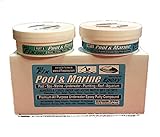
Overview: All Fix H20 Underwater Epoxy Putty is a heavy-duty, professional-grade repair compound designed for extreme marine environments. This 24-ounce unit cures underwater and bonds to virtually any material—concrete, plastic, wood, metal, and fiberglass. While marketed for pools and marine applications, it’s highly effective for substantial surfboard, kayak, and canoe repairs where other products would fail.
What Makes It Stand Out: The ability to apply and cure underwater is revolutionary, allowing repairs without drying the board completely. Once cured rock-hard, it can be drilled, sanded, and shaped like the original material. The 24-ounce quantity provides ample supply for multiple major repairs or several boards. Its infinite color-mixing capability ensures aesthetic matching.
Value for Money: At $41.99, this is a significant investment, but the 24-ounce size offers excellent cost-per-ounce value (approximately $1.75/oz) compared to smaller specialty resins. For surf shops or owners of multiple watercraft, it’s economical. For a single surfboard owner, it may be overkill unless dealing with major damage.
Strengths and Weaknesses: Pros: Underwater application and curing; permanent, structural repairs; massive 24 oz quantity; bonds to any material; versatile beyond surfboards; can be tinted. Cons: Overkill for minor dings; higher total cost; requires kneading and proper application; messy to work with; longer cure time than UV resins.
Bottom Line: Best suited for serious watermen, surf shops, or those with multiple boards needing substantial repairs. Overkill for casual surfers but unbeatable for major damage and versatility.
10. Ding All Polyester Sanding Resin with Catalyst - Smooth and Non-Tacky Product for Surfboard Repairs - 8 oz

Overview: Ding All Polyester Sanding Resin is the industry-standard repair material used by 80% of American board builders. This 8-ounce kit includes Silmar 250A polyester sanding resin and liquid catalyst, delivering professional-quality repairs for polyurethane foam/polyester resin surfboards. It cures to a non-tacky, sandable finish that restores boards to original structural integrity.
What Makes It Stand Out: Containing the legendary Silmar 250A resin, this product offers the same material professionals use. The wax-additive formula ensures a tack-free surface that’s easy to sand without gumming up sandpaper. UV stability and non-yellowing properties maintain board aesthetics. The included catalyst allows controlled cure timing, and the MADE IN USA quality ensures consistency.
Value for Money: At $22.08 for 8 ounces, this provides professional-grade material at a consumer-friendly price. While requiring separate fiberglass cloth (not included), it’s significantly cheaper than professional repairs. The 8-ounce size handles multiple small to medium dings, making it economical for regular maintenance.
Strengths and Weaknesses: Pros: Professional-grade Silmar resin; non-tacky, easy-sanding finish; UV stable and non-yellowing; trusted by industry; made in USA; controlled catalyst curing. Cons: Not safe for epoxy/EPS boards; requires separate fiberglass cloth; needs careful catalyst measurement; 6-10 minute working time demands skill; acetone cleanup required.
Bottom Line: The gold standard for polyester board owners comfortable with traditional repair methods. Essential for PU board maintenance but unsuitable for epoxy boards.
Why Every Surfer Needs Ding Repair Putty in Their Arsenal
Surfboards are engineered precision tools, but they’re remarkably fragile. A minor impact with a fin, a bump against a car door, or even dropping your board on the pavement can compromise the waterproof shell that protects the delicate foam core. Professional repairs require time, expertise, and often leave you boardless for days during the curing process. Ding repair putties offer an immediate, user-friendly alternative that keeps you in the water while preventing catastrophic waterlogging.
The beauty of modern repair putties lies in their accessibility. You don’t need a dust mask, respirator, or years of laminating experience to execute a functional repair. Most formulations cure at room temperature, require minimal tools, and can be sanded to a smooth finish that maintains your board’s hydrodynamics. For traveling surfers, a small tin of quality putty is as essential as spare leashes and extra fins.
The Real Cost of Ignoring Small Dings
That quarter-sized crack might seem insignificant, but every wave you catch forces water deeper into the foam structure. EPS cores act like sponges, absorbing moisture that adds weight and breeds bacteria. Polyurethane cores can delaminate, creating massive bubbles that separate the fiberglass from the foam. What starts as a five-minute putty fix can evolve into a $200 professional repair requiring foam replacement and extensive fiberglass work. The math is simple: address dings within 24 hours, or pay exponentially more later.
Understanding Ding Repair Putty Chemistry
Repair putties are thermosetting polymers specifically formulated for adhesion to fiberglass, epoxy, and cured polyester resins. Unlike standard hardware store epoxies, surfboard-specific putties contain additives that enhance flexibility, UV resistance, and compatibility with foam substrates. The chemistry determines everything from working time to final hardness.
Epoxy vs. Polyester Formulations
Epoxy-based putties bond to both epoxy and polyester surfboards, making them the universal choice for mixed quivers. They cure through a chemical reaction between resin and hardener, creating cross-linked polymers with excellent water resistance and structural integrity. Epoxy putties typically take 60-120 minutes to set and reach full strength in 24 hours.
Polyester putties, often called “filler” or “bondo,” cure through a catalyst reaction and are generally less expensive. However, they only properly adhere to polyester boards and can create compatibility issues with epoxy constructions. The styrene content can also attack EPS foam if not used carefully. For most modern surfers riding epoxy boards, polyester putties are a risky choice.
UV-Cure Technology Explained
UV-cure putties contain photoinitiators that trigger polymerization when exposed to ultraviolet light. These formulations eliminate mixing errors and offer infinite working time in shade, but require direct sunlight or a UV lamp to cure. They’re ideal for tropical surf trips but problematic during overcast winter months. The cure is typically surface-first, meaning thick applications may remain tacky underneath without proper light penetration.
Key Performance Characteristics to Evaluate
Selecting the right putty requires understanding which performance metrics matter most for your specific situation. A putty that excels in one area may compromise in another.
Curing Time: Balancing Speed and Workability
Fast-cure putties set in 15-30 minutes, perfect for emergency repairs between sessions but offering minimal time for shaping. Standard formulations provide 60-90 minutes of working time, allowing you to sculpt the repair to match your board’s contours. Consider your skill level and the ding’s complexity. Beginners benefit from longer working times, while experienced repairers can leverage quick-cure products for efficiency.
Adhesion Strength and Material Compatibility
The strongest putty in the world is worthless if it doesn’t bond to your board. Look for formulations explicitly tested for fiberglass, carbon fiber, and various resin systems. Shear strength ratings above 500 psi indicate reliable performance under flex stress. For EPS boards, verify the putty is “EPS-safe” to prevent foam melt. Some putties include coupling agents that chemically bridge the gap between dissimilar materials, crucial for repairs near fin boxes or leash plugs.
Sandability and Cosmetic Finish
A repair that sands like concrete but feathers like butter is the holy grail. Quality putties achieve 70-80 Shore D hardness while remaining sandable with standard 220-400 grit paper. The best formulations contain microballoons or other lightweight fillers that reduce density without sacrificing strength. This allows you to blend the repair into the original contour without creating a heavy, noticeable patch. Avoid putties that gum up sandpaper or leave pinholes that require multiple applications.
Water Resistance and Long-Term Durability
Marine-grade putties should maintain integrity after prolonged submersion. Look for water absorption rates below 1% after 24 hours. Premium formulations include hydrophobic additives that actively repel water, preventing osmotic blistering. The repair should withstand repeated flex cycles without cracking—a critical factor for high-performance shortboards that experience significant torsional loads during turns.
Application Environment Factors
Your local conditions dramatically influence putty performance. A formulation that works perfectly in Southern California might fail in tropical humidity or frigid NorCal winters.
Temperature Sensitivity
Most putties cure optimally between 65-80°F (18-27°C). Below 60°F, curing slows exponentially and may never reach full strength. Above 90°F, working time vanishes, and the putty can cure before you finish shaping. Cold-weather formulations exist with accelerated catalysts, while tropical-grade putties include retarders to prevent premature curing. Always check the manufacturer’s temperature range and consider seasonal adjustments to hardener ratios.
Humidity and Salt Air Considerations
High humidity can interfere with epoxy curing, causing blush—a waxy film that compromises adhesion. Quality marine putties include blush-resistant formulations. Salt air introduces contaminants that bond weakly to surfaces. Always clean dings with fresh water and denatured alcohol before applying putty in coastal environments. Some putties contain corrosion inhibitors that protect underlying materials from salt penetration.
Professional Application Techniques
Executing a repair that lasts requires more than squeezing putty into a crack. Professional results come from understanding the material’s behavior throughout the curing process.
Surface Preparation: The Foundation of Success
Sand a 2-inch radius around the ding with 80-grit paper to create a mechanical bond. Remove all loose fiberglass, wax residue, and salt crystals. For cracks, grind a V-groove along the entire length to ensure the putty penetrates fully. Clean with acetone or denatured alcohol, but avoid oversaturating EPS foam. Any contamination left behind becomes a failure point where water can migrate underneath the repair.
Mixing Ratios and Working Time
Two-part putties require precise ratios—typically 1:1 or 2:1 by volume. Use a digital scale for accuracy; off-ratio mixing creates soft spots or brittleness. Mix thoroughly for 2-3 minutes, scraping the container sides and bottom. Unmixed pockets won’t cure properly. For UV-cure putties, keep the container closed until application to prevent premature skinning. Work in small batches; you can always mix more, but you can’t un-cure rushed work.
Sculpting and Shaping While Wet
Apply putty slightly proud of the surface, then shape with a flexible putty knife or razor blade dipped in rubbing alcohol to prevent sticking. For complex contours, use masking tape to create a dam that holds the putty in place while curing. Work from the center outward, feathering edges to a razor-thin margin. This minimizes sanding later and ensures the repair flexes with the board rather than creating a stiff spot that cracks under load.
Sanding Progressions for Invisible Repairs
Start with 120-grit to knock down the high spots, then progress through 220, 320, and 400-grit for a seamless blend. Always sand with a flexible block that conforms to the board’s rocker. Dry sand to shape, then wet sand above 320-grit to eliminate scratches. For color-matched repairs, add pigment to the final skim coat or use tinted putty. Finish with a UV-resistant clear coat to protect the repair from sun damage and maintain board flex.
Common Pitfalls That Compromise Repairs
Even quality putties fail when applied incorrectly. The most frequent mistake is applying putty too thick—exceeding 1/4 inch in a single application traps uncured material underneath. Multiple thin layers cure more reliably. Another killer is moving the board before full cure, which creates stress cracks at the repair margin. Let the putty cure for the full recommended time, not just until it feels hard. Rushing to surf on a partially cured repair guarantees failure.
Storage and Shelf Life Best Practices
Unopened two-part putties typically last 12-24 months when stored below 75°F. Once opened, transfer to airtight containers to prevent hardener evaporation. UV-cure putties degrade with light exposure—store in opaque containers inside a dark kit. Catalyst-based polyester putties can auto-catalyze if contaminated with resin dust; keep lids sealed. Write the purchase date on every container and discard putty that becomes rubbery, separated, or develops crystals.
Budget vs. Premium: What You’re Paying For
Economy putties ($5-10) use basic fillers and standard hardeners, adequate for small cracks on beat-up boards. Mid-range options ($12-20) offer improved sandability, better UV inhibitors, and consistent curing. Premium formulations ($25+) include advanced adhesion promoters, ultra-lightweight fillers, and temperature-stable catalysts. For high-performance boards or repairs near rails and fins, the premium is justified. For travel kits where weight and space matter, concentrate your budget on a single high-quality epoxy putty rather than multiple mediocre options.
Eco-Conscious Options for Sustainable Surfers
Traditional putties contain petroleum-based resins and volatile compounds. Biobased epoxies derived from plant oils offer 30-50% renewable content with comparable performance. Water-based putties eliminate solvent fumes, crucial for indoor repairs or surfers with chemical sensitivities. While these green options cure slightly slower and cost more, they reduce your environmental footprint without sacrificing durability. Look for third-party certifications like Green Seal or USDA BioPreferred when evaluating eco-claims.
Putty vs. Professional Repair: Making the Right Call
Putty excels at filling cracks, covering exposed foam, and reinforcing minor impacts. When the damage involves delamination larger than a silver dollar, crushed foam, or structural cracks through the stringer, professional intervention is necessary. A good rule: if you can flex the damaged area and see movement, the board’s integrity is compromised. Putty masks symptoms; professional repair restores structure. For boards under warranty, any DIY repair may void coverage—check manufacturer policies first.
Building Your Ultimate Ding Repair Kit
A comprehensive kit includes: 60ml of epoxy putty, 30ml of UV-cure putty for emergencies, mixing cups and sticks, 80/220/400 grit sandpaper, a flexible sanding block, denatured alcohol, a razor blade, masking tape, and nitrile gloves. Add fiberglass cloth for reinforcing deep dings, and pigment paste for color matching. Store everything in a waterproof case with desiccant packs to prevent moisture contamination. This kit handles 95% of field repairs and weighs under 2 pounds—small insurance for protecting your $800+ investment.
Frequently Asked Questions
How long does ding repair putty typically last on a surfboard?
With proper application and UV protection, quality epoxy putty repairs last 2-5 years of regular surfing. UV-cure repairs may yellow faster but maintain water resistance. Premature failure usually stems from inadequate surface prep or applying before complete cure, not material degradation.
Can I use the same putty on both epoxy and polyester boards?
Epoxy putties universally bond to both constructions, making them the safe choice for mixed quivers. Polyester putties only reliably adhere to polyester boards and can melt EPS foam. When in doubt, choose marine-grade epoxy putty—it’s chemically inert to both resin systems.
What’s the difference between repair putty and fiberglass resin?
Putty is pre-thickened with fillers, ready to apply without adding cloth, ideal for filling voids. Resin is a liquid that saturates fiberglass cloth for structural repairs. Use putty for quick, cosmetic fixes; use resin and cloth for rebuilding strength in high-stress areas.
How do I know if a ding is too large for putty alone?
If the damage exceeds a half-dollar coin size, penetrates through to the stringer, or shows foam compression, putty becomes a temporary bandage. Large repairs need fiberglass cloth reinforcement. Putty fills; cloth provides tensile strength to prevent flex cracks.
Is UV-cure putty better than two-part epoxy?
UV-cure offers convenience and infinite working time but requires sunlight and cures surface-first. Two-part epoxy cures consistently throughout, works in any light condition, and generally achieves stronger bonds. For travel and small dings, UV is unbeatable. For critical repairs, two-part is superior.
Can I surf immediately after applying repair putty?
Never. Even fast-cure putties need 2-4 hours to achieve water resistance, and 24 hours for full strength. Surfing prematurely causes putty washout and traps water underneath. Patience separates successful repairs from expensive do-overs.
Why is my repair putty still tacky after the recommended cure time?
Incomplete mixing, incorrect ratios, low temperature, or contaminated surfaces prevent full cure. Try warming the area to 80°F. If it remains tacky after 48 hours, remove the uncured material and reapply, ensuring precise mixing and clean surfaces.
How do I achieve an invisible repair that matches my board’s color?
Add pigment paste to epoxy putty before mixing, testing on wax paper first. For complex colors, apply a neutral putty base, then airbrush or use colored resin pens after sanding. The key is applying the final skim coat thin enough to sand flush without cutting through to the original glass.
Are there putties that work underwater for emergency repairs?
Specialized underwater epoxy putties exist that displace water and cure submerged. These are thicker, cure slower, and aren’t cosmetic solutions. They’re emergency tools to stop water intrusion until you can perform a proper repair on dry land. Keep a stick in your car kit for worst-case scenarios.
What’s the shelf life difference between opened and unopened putty?
Unopened epoxy putty lasts 2 years stored cool and dark. Once opened, hardener begins oxidizing—use within 6 months for reliable results. UV-cure putties degrade with any light exposure; replace annually if opened. Write the open date on the container and trust your nose—rancid-smelling hardener has gone bad.