If you’ve been grinding in the gym for more than a few months, you’ve probably noticed that elite lifters don’t mess around when it comes to their gear. That belt cinched around their core isn’t just for show—it’s a precision tool that can be the difference between hitting a PR and nursing a slipped disc. But here’s what separates the dedicated from the truly informed: not all weightlifting belts are created equal, and the quick-release steel buckle system represents one of the most significant evolutionary leaps in lifting technology.
Traditional prong belts served us well for decades, but they come with a frustrating trade-off. Getting that perfect intra-abdominal pressure requires the belt to be tight—really tight—which means fumbling with multiple prong holes between sets, especially when you’re gassed. The quick-release steel buckle eliminates this bottleneck entirely, offering security that matches or exceeds traditional designs while adding a level of convenience that, once experienced, becomes non-negotiable. Let’s dive deep into what makes these belts essential and how to choose the right one for your specific needs.
Top 10 Weightlifting Belts with Quick-Release Steel Buckle
Detailed Product Reviews
1. Powerlifting Belts Lever Belt For Men and Women 9mm IPF Thick Leather Weight Lifting Belt Ideal for Gym Belts Training Weightlifting and Bodybuilding Squats and Deadlifts (Small (26"-32"))

Overview: The POZTEV lever belt enters the market as a versatile powerlifting accessory designed for both men and women tackling heavy compound movements. Despite the title’s confusing specification of “9mm,” the product description confirms a substantial 10mm thickness with 4-inch vertical back support. Constructed from pre-broken high-quality leather, this belt promises immediate comfort without the typical weeks-long break-in period that plagues new leather gear, making it ideal for lifters who want to train hard from day one.
What Makes It Stand Out: The lever mechanism enables millisecond adjustments between sets, eliminating the tedious pinching and pulling of traditional prong belts. POZTEV’s standout feature is their lifetime customer support with 24/7 availability and a compelling one-year free replacement warranty—exceptional backing for a sub-$50 belt. The pre-broken leather construction directly addresses the stiffness complaint common with budget leather alternatives, offering premium comfort at a mid-range price point.
Value for Money: At $44.99, this belt occupies the sweet spot between flimsy nylon options and $100+ premium leather belts. You receive genuine leather construction with convenient lever functionality typically commanding higher prices. The lifetime support infrastructure transforms this from a simple purchase into a long-term training investment, particularly valuable for lifters progressing through different strength phases requiring consistent equipment reliability.
Strengths and Weaknesses: Strengths include rapid lever adjustments, durable tear-resistant leather, substantial lumbar support, and exceptional warranty coverage. The primary weakness is the product title’s thickness discrepancy, which may cause initial distrust. Additionally, POZTEV lacks the brand recognition of established powerlifting gear manufacturers, though their warranty compensates for this concern.
Bottom Line: For lifters wanting leather durability with lever convenience without premium cost, the POZTEV belt delivers outstanding value. The lifetime support makes it a risk-free entry into serious powerlifting gear.
2. Lever Lifting Belt for Man and Women, Weightlifting with Adjustable Heavy Duty Buckle, Professional Weight Lifting Belt

Overview: The MANUEKLEAR Upgrade Lever Lifting Belt targets serious athletes with its patent-pending buckle design and professional-grade construction. At 10mm thick, this belt delivers robust support for heavy lifts, featuring an upgraded heavy-duty lever system that the manufacturer has specifically enhanced for superior safety and stability. Positioned at a premium price point, it’s engineered for lifters who prioritize innovation and uncompromising reliability in their training equipment.
What Makes It Stand Out: The proprietary quick-locking lever mechanism distinguishes this belt from generic alternatives, with an applied-for patent indicating genuine engineering innovation. The buckle allows instant adjustments between exercises, crucial for varied training sessions involving different movements. MANUEKLEAR emphasizes “professional grade quality” with robust materials engineered to withstand years of intense training, setting it apart from budget options that compromise on hardware longevity and overall durability.
Value for Money: At $69.99, this belt commands a premium but justifies the cost through patented technology and professional-tier materials. While significantly more expensive than entry-level options, the investment pays dividends for competitive athletes requiring reliable performance under maximum loads. The 7-day free return policy provides brief trial protection, though longer warranties would enhance the value proposition for cautious buyers.
Strengths and Weaknesses: Strengths include the innovative patented buckle, excellent 10mm support, heavy-duty construction, and professional aesthetic suitable for competitive environments. Weaknesses center on the higher price point and relatively short 7-day return window compared to competitors offering year-long warranties. The brand’s marketing focus on “upgrade” suggests evolution from previous models, though specific technical improvements remain unspecified.
Bottom Line: For dedicated lifters seeking cutting-edge buckle technology and professional build quality, the MANUEKLEAR belt warrants its premium price. It’s ideal for competitors who value innovation and are willing to invest in top-tier equipment.
3. Gymreapers Quick Locking Weight Lifting Belt for Men Gym Belt for Powerlifting Deadlift Belt with 4 Inch Neoprene Metal Buckle Back Support Weightlifting Belt Women (Medium, Black - Patch)

Overview: The Gymreapers Quick Locking Belt offers a performance-focused nylon alternative to traditional leather powerlifting belts. Despite the title mentioning “neoprene,” the description confirms 100% high-grade nylon construction with a quick-locking metal buckle. Designed for functional cross-training and competitive lifting, this belt emphasizes lightweight mobility while maintaining a consistent 4-inch width throughout for uniform intra-abdominal pressure during dynamic movements.
What Makes It Stand Out: This belt excels in versatility, having been tested across Olympic lifting, bodybuilding, powerlifting, and CrossFit competitions. The quick-locking mechanism enables rapid transitions between exercises, essential for high-intensity functional workouts. Gymreapers’ performance-driven design eliminates bulky padding and mesh coverings that create pressure inconsistencies, delivering a streamlined tool for serious athletes who refuse to compromise between speed and support.
Value for Money: At $39.97, this belt offers exceptional affordability for competition-tested gear. It’s significantly cheaper than leather lever belts while providing approved competition functionality across multiple disciplines. The reinforced stitching and heavy-duty buckle suggest durability that belies the budget price, making it an intelligent choice for athletes prioritizing speed and versatility over traditional leather rigidity.
Strengths and Weaknesses: Strengths include lightning-fast adjustments, lightweight portability, competition approval, and reinforced construction that withstands grueling workouts. The main weakness is material confusion in the listing (neoprene vs. nylon), which may concern detail-oriented buyers. Nylon flexibility, while excellent for dynamic movements, may not satisfy powerlifters seeking maximum rigid support for absolute one-rep max attempts.
Bottom Line: Perfect for functional fitness athletes and CrossFit competitors seeking an affordable, competition-approved belt that moves with them. Traditional powerlifters may prefer leather alternatives for maximal load attempts.
4. Beast Power Gear Weight Lifting Belt Lever Buckle 10MM 13MM Thick & 4 Inches Free Strap Weightlifting, Powerlifting, Deadlifts, Squats Men Women

Overview: The Beast Power Gear Lever Belt enters the market with premium suede leather construction and heavy-duty steel lever hardware. The confusing title references both 10mm and 13mm thickness, though the features specify 10mm—still substantial for serious lifting. This belt targets powerlifters and strength athletes wanting genuine leather feel with modern lever convenience, offering top and bottom non-slip suede surfaces for enhanced grip during heavy squats and deadlifts where belt stability is paramount.
What Makes It Stand Out: The exclusive genuine suede leather provides a luxurious feel and durability that synthetic materials cannot replicate. The heavy-duty steel lever buckle promises compression levels “no prong can match,” appealing to lifters obsessed with maximum tightness. The included free strap adds tangible value, potentially serving as a secondary training tool or immediate replacement option. The non-slip suede surfaces directly address a common complaint of belts shifting during intense lifts.
Value for Money: At $59.90, this belt competes directly with mid-tier leather options, offering suede—a premium leather variant—at a standard leather price point. The free strap and robust hardware enhance the package’s overall value proposition. While not the cheapest option available, the material quality justifies the cost for lifters who appreciate leather’s longevity and traditional feel without paying premium brand markups.
Strengths and Weaknesses: Strengths include premium suede construction, powerful lever buckle, non-slip surfaces, and the practical bonus strap. Weaknesses include the title’s thickness confusion and the brand’s lesser-known status compared to established powerlifting gear companies. Suede requires more maintenance than finished leather and can absorb moisture more readily, potentially affecting longevity in humid training environments.
Bottom Line: An excellent choice for lifters seeking suede leather’s premium feel with lever convenience without paying premium brand prices. The non-slip design and sturdy hardware make it a reliable training partner.
5. Self-Locking Weight Lifting Belt - Premium Weightlifting Belt for Serious Functional Fitness, Power Lifting, and Olympic Lifting Athletes - Training Belts for Men and Women (Medium, Black)

Overview: The Element 26 Self-Locking Belt revolutionizes the budget category with its innovative non-lever locking mechanism and competition-approved design. Constructed from 100% premium nylon with a full metal self-locking buckle, this belt eliminates the common failure point of Velcro straps while maintaining the uniform 4-inch profile recommended by powerlifters and Olympic lifters. At $34.97, it’s the most affordable competition-legal option in this lineup, removing financial barriers for serious athletes.
What Makes It Stand Out: The self-locking technology provides security that “will never wear down and risk injury,” addressing a critical flaw in strap-based belts. Unlike lever belts requiring precise sizing, this mechanism offers infinite adjustability within the size range. The belt’s competition approval across multiple disciplines means you won’t need separate belts for different events—a significant cost and convenience advantage for multi-sport athletes competing in various federations.
Value for Money: Unbeatable at $34.97 for a competition-approved belt with patented technology. This price point typically yields basic Velcro belts prone to failure, making the self-locking metal buckle a remarkable value engineering achievement. For functional fitness athletes entering competitions, it removes the financial barrier to legal, reliable equipment without sacrificing performance capabilities.
Strengths and Weaknesses: Strengths include the innovative self-locking buckle, competition legality, uniform pressure distribution, and incredible affordability. The metal buckle’s immediate release function ensures safety while preventing accidental opening under load. Weaknesses include nylon’s lack of traditional powerlifting rigidity and potential skepticism toward the self-locking mechanism’s long-term durability despite manufacturer claims.
Bottom Line: The ultimate budget champion for competition-bound functional fitness athletes. If you need legal, reliable gear without premium cost, this self-locking innovation delivers unmatched value.
6. Gymreapers Quick Locking Weight Lifting Belt for Men Gym Belt for Powerlifting Deadlift Belt with 4 Inch Neoprene Metal Buckle Back Support Weightlifting Belt Women (Black, X-Large)

Overview:
The Gymreapers Quick Locking Belt offers versatile support for functional fitness enthusiasts and recreational lifters. This 4-inch nylon belt features a metal quick-lock buckle enabling rapid transitions between exercises, making it ideal for CrossFit-style training. The uniform width design provides consistent core pressure, while reinforced stitching ensures durability for sub-maximal efforts.
What Makes It Stand Out:
The intuitive quick-lock mechanism eliminates downtime during circuit training, a game-changer for multi-discipline workouts. Its competition-tested status across Olympic lifting, powerlifting, and CrossFit demonstrates surprising versatility for a budget nylon belt. The brand’s explicit sizing guidance—measuring at the navel rather than waist—prevents common fit errors that compromise support.
Value for Money:
At $34.97, this belt delivers exceptional accessibility for beginners exploring belt training without committing to premium leather. While it can’t match the rigidity of $100+ leather lever belts, it provides adequate support for loads up to 85% of maximum effort, making it perfect for general strength training and metabolic conditioning.
Strengths and Weaknesses:
Strengths include lightning-fast adjustments, lightweight comfort during dynamic movements, multi-sport versatility, and reinforced nylon durability. The primary weakness is material rigidity—nylon lacks the granite-like stability of thick leather for maximal powerlifting. The quick-lock mechanism, while convenient, may exhibit wear faster than traditional prongs under extreme daily loading.
Bottom Line:
Perfect for CrossFitters and recreational lifters prioritizing convenience and versatility. Competitive powerlifters requiring absolute rigidity for maximal attempts should invest in leather, but this belt excels brilliantly for its intended functional training purpose.
7. MANUEKLEAR Tapered Lever Weight Lifting Belt, 10MM Quick Locking Lever Belt Weightlifting Men, Lifting Belt Lever for Powerlifting & Deadlifts (Enigmatic Black, L (34-40inches))

Overview:
The MANUEKLEAR Tapered Lever Belt targets serious strength athletes with its robust 10mm thickness and precision-engineered design. Crafted for powerlifting and heavy deadlifts, this belt provides exceptional lumbar support while the tapered front eliminates rib and hip discomfort during deep squats. The quick-lock lever system ensures instant security and release between maximal efforts.
What Makes It Stand Out:
The 10mm thickness delivers pro-grade rigidity that stabilizes your core under extreme loads, while the tapered silhouette offers a rare blend of comfort and performance. The lever mechanism locks with absolute certainty yet releases effortlessly post-set—critical for efficient training sessions. Shock-absorbing properties distribute internal pressure evenly, reducing injury risk during grinding reps.
Value for Money:
At $75.99, this belt sits in the mid-premium tier, offering substantial savings over $120+ competition belts while delivering comparable thickness and functionality. The investment is justified for dedicated lifters regularly handling 90%+ intensity, where equipment failure isn’t an option.
Strengths and Weaknesses:
Strengths include superior 10mm rigidity, ergonomic tapered fit, bombproof lever action, and competition-ready construction. Weaknesses include a higher price point that may deter casual lifters, and the tapered design—while comfortable—may feel less stable than straight-cut belts for some purists. Sizing is limited to large, potentially excluding smaller or larger athletes.
Bottom Line:
An excellent choice for committed powerlifters and strength athletes seeking premium thickness without flagship pricing. The tapered design suits those who’ve experienced rib bruising from straight belts, making it a smart compromise between comfort and maximal support.
8. IBRO Powerlifting Lever Gym Belt – Power 8MM Extreme Heavy Duty Genuine Leather Belts - Squats Deadlifts Bodybuilding Weight Lifting IPF Power Lifting Strongman for Men 8mm AllBlack M

Overview:
The IBRO Powerlifting Lever Belt brings genuine leather construction to the mid-range price segment with its 8mm thick, contoured design. Featuring a steel lever buckle and IPF-compliant specifications, this belt targets intermediate to advanced lifters seeking durable back support for squats, deadlifts, and heavy training. The pre-broken Amara suede interior offers immediate comfort without the usual leather break-in period.
What Makes It Stand Out:
The genuine leather build with reinforced double-stitching ensures longevity that nylon alternatives simply cannot match. The lever system allows micro-adjustments up to 4 inches tighter than prong belts, creating a custom fit that maximizes intra-abdominal pressure. Its competition-ready status means you can train and compete with the same equipment, while the one-year warranty demonstrates manufacturer confidence.
Value for Money:
At $54.99, this belt represents exceptional value for genuine leather construction. Comparable leather lever belts typically start at $80+, making this an accessible entry point for lifters ready to upgrade from nylon. The 8mm thickness hits the sweet spot for most lifters—substantial support without the bulk of 10mm or 13mm monsters.
Strengths and Weaknesses:
Strengths include real leather durability, easy lever operation, IPF compliance, immediate suede comfort, and outstanding warranty coverage. The 8mm thickness, while versatile, may lack the absolute rigidity demanded by elite powerlifters handling 600+ pound loads. Leather requires more maintenance than nylon and has a longer break-in period than the suede interior suggests.
Bottom Line:
The best value leather lever belt for serious lifters wanting durability and competition specs without premium pricing. Perfect for intermediate lifters transitioning to heavier loads who prioritize equipment longevity.
9. Gymreapers Quick Locking Weightlifting Belt for Bodybuilding, Powerlifting, Cross Training - 4 Inch Neoprene with Metal Buckle - Adjustable Olympic Lifting Back Support (Black, 2X-Large)
Overview:
The Gymreapers Quick Locking Belt in 2XL size mirrors its smaller counterpart’s functional design for larger athletes. This 4-inch neoprene belt with metal quick-lock buckle serves CrossFitters and recreational lifters who need rapid adjustability between varied movements. The uniform width provides consistent core support while maintaining the lightweight profile essential for dynamic training.
What Makes It Stand Out:
The quick-lock mechanism remains the defining feature, enabling seamless transitions during circuit workouts where seconds matter. Its competition-tested pedigree across multiple disciplines validates performance beyond its budget classification. The extended sizing range demonstrates inclusive design, ensuring larger athletes access proper core support without compromising on features. The explicit navel-measurement sizing guidance is particularly crucial for 2XL users where improper fit dramatically reduces effectiveness.
Value for Money:
At $34.97, this belt democratizes quality support equipment for athletes of all sizes. While premium leather belts offer superior rigidity, this nylon alternative provides adequate stability for sub-maximal efforts at a fraction of the cost. The price point allows beginners in larger size categories to experiment with belt training without financial barrier.
Strengths and Weaknesses:
Strengths include size inclusivity, lightning-fast adjustments, lightweight comfort, and multi-sport versatility. The nylon construction, while durable, cannot match leather’s compressive strength for maximal lifts. The quick-lock hardware may develop play over years of heavy use, and the uniform width—though stable—lacks the ergonomic contouring of tapered designs.
Bottom Line:
An excellent entry-level belt for larger athletes engaged in functional fitness or general strength training. Competitive powerlifters should eventually upgrade to leather, but this belt delivers impressive versatility and value for its target audience.
10. MANUEKLEAR 10mm Thick & 4inch Wide Weight Lifting Belt Lever, Lever Belt Weightlifting for Men and Women, Powerlifting Lever Gym Belt for Squat Deadlift Workout (Green, M(29-35inches))
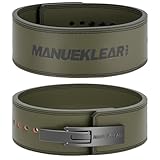
Overview:
The MANUEKLEAR 10mm Lever Belt combines premium thickness with an aggressive price point, offering serious support for strength athletes. This 4-inch wide leather belt features an adjustable lever buckle and non-slip surface, delivering professional-grade stability for squats, deadlifts, and heavy compound movements. The robust construction targets lifters who demand maximum rigidity without paying flagship prices.
What Makes It Stand Out:
The 10mm thickness at $59.99 undercuts most competitors by $20-40, making elite-level support surprisingly accessible. The adjustable lever buckle allows effortless customization between 35.4-47.2 inches, accommodating weight fluctuations and different tightness preferences. The non-slip leather surface ensures the belt stays anchored during explosive movements, while the pro-grade designation means it’s built for consistent heavy loading.
Value for Money:
This belt redefines value in the premium thickness category. While most 10mm leather lever belts command $80-120, MANUEKLEAR delivers comparable specifications at just $59.99. The investment pays dividends for lifters regularly training above 85% intensity, where core stability directly impacts performance and safety. Customer support commitment adds intangible value.
Strengths and Weaknesses:
Strengths include exceptional thickness-to-price ratio, adjustable lever convenience, non-slip leather security, and versatile sizing range. The green colorway, while distinctive, may not suit all gym aesthetics. As a newer brand, long-term durability data is less established than legacy manufacturers. The leather requires break-in and maintenance unlike nylon alternatives.
Bottom Line:
Outstanding choice for intermediate to advanced lifters seeking maximum thickness without premium pricing. The adjustable lever and robust construction make it a smart investment for serious strength training goals.
Why Quick-Release Steel Buckles Revolutionized Weightlifting Belts
The shift from traditional prong systems to quick-release mechanisms didn’t happen overnight. It emerged from competitive powerlifters and Olympic weightlifters who needed to make weight class adjustments rapidly without compromising on support. The steel buckle’s engineering solves a fundamental problem: how do you create a system that holds 600+ pounds of intra-abdominal pressure while allowing instant removal?
The Mechanics Behind the Quick-Release System
Unlike lever belts that require tools to adjust or prong belts that demand wrestling with leather straps, quick-release steel buckles operate on a cam-and-roller principle. When you pull the release lever, it disengages a locking mechanism that normally grips the belt tongue under tension. The beauty lies in the load distribution—under pressure, the buckle actually becomes more secure rather than less. The steel construction prevents the microscopic flexing that aluminum or plastic alternatives suffer from, which can lead to catastrophic failure under max loads.
Steel vs. Other Materials: What Makes the Difference
Steel’s tensile strength isn’t just marketing jargon. A properly forged steel buckle maintains its structural integrity at loads exceeding 1,000 pounds, while aluminum alloys begin to deform around the 600-pound mark. The difference becomes critical during heavy squats and deadlifts where belt tension reaches its peak. Powder-coated steel offers additional corrosion resistance, but raw stainless steel provides unmatched durability for lifters who train in humid environments or sweat buckets.
Understanding Belt Width and Thickness Specifications
Walk into any serious powerlifting gym and you’ll see belts ranging from three to four inches wide, but the thickness variations are where the real decisions happen. The International Powerlifting Federation mandates specific dimensions for competition, but your training needs might differ.
The 4-Inch Standard: Is It Right for Everyone?
The ubiquitous 4-inch width works brilliantly for most male lifters over 5'8" with average torso lengths. However, shorter lifters or those with particularly short torsos often find that a 4-inch belt digs into their ribs and hip bones during deadlifts. Women frequently report better comfort and performance with 3-inch belts, especially during overhead movements where the belt can impinge on the costal cartilage. The key is measuring the distance between your iliac crest and lower rib cage—if it’s less than 4 inches, consider a narrower option.
Tapered vs. Uniform Width: Which Design Suits Your Needs?
Tapered belts (wider in back, narrower in front) gained popularity in bodybuilding circles for their comfort during dynamic movements. However, for pure strength training, uniform width provides consistent feedback and pressure distribution. The quick-release mechanism shines with uniform-width designs because the buckle engagement remains predictable regardless of belt rotation. Tapered designs can sometimes cause uneven wear on the release mechanism over time.
Leather Quality Grading: What Serious Lifters Need to Know
That $40 belt on Amazon might look identical to a $150 premium option in product photos, but the leather quality tells a completely different story under the bar. Leather grading directly impacts longevity, stiffness, and the all-important break-in period.
Full-Grain vs. Top-Grain Leather in Weightlifting Belts
Full-grain leather includes the entire hide, including the dense fiber structure of the corium. This creates a belt that feels like cardboard initially but molds to your exact body shape over months, eventually becoming a custom-fit piece of equipment. Top-grain leather has the top surface sanded down, making it softer out of the box but compromising long-term durability. For quick-release systems, full-grain leather is non-negotiable because the buckle’s gripping teeth need dense material to bite into without tearing.
The Break-In Period: What to Expect
A premium full-grain belt with a steel quick-release buckle will feel brutally stiff for the first 20-30 training sessions. You’ll question your purchase. Around week six, something magical happens—the leather begins to conform to your specific anatomy while maintaining its vertical stiffness. This is when the quick-release mechanism truly comes alive, allowing micro-adjustments that weren’t possible with the rigid, unbroken leather. Plan for an 8-12 week break-in before the belt reaches optimal performance.
Suede Lining: Performance Benefit or Just Comfort?
That fuzzy interior isn’t just about feeling nice against your skin. Suede serves multiple functional purposes that directly impact lifting performance, especially when paired with a quick-release system.
How Suede Affects Grip and Stability
Suede’s natural texture creates friction against cotton and polyester blend shirts that prevents belt slippage during heavy pulls. This becomes crucial with quick-release buckles because the system relies on the belt staying put once cinched. Unlined leather can shift slightly under load, requiring readjustment between sets. The suede also wicks moisture away from the contact surface, maintaining grip even during marathon squat sessions.
Maintenance Considerations for Suede-Lined Belts
The trade-off for suede’s performance benefits is maintenance. Sweat and chalk accumulate in the suede’s nap, eventually creating a hardened, slippery surface. Monthly brushing with a suede brush and occasional treatment with a leather-safe deodorizing spray keeps the lining functional. Never use regular leather conditioner on suede—it’ll mat the fibers and destroy the grip characteristics you paid for.
Sizing Accuracy: The Most Critical Factor
More lifters return belts due to sizing errors than any other issue. The quick-release system adds complexity because the buckle mechanism occupies space that traditional sizing charts often ignore.
Measuring Your Core Correctly
Wrap a flexible measuring tape around your waist at the exact spot where you’ll wear the belt—typically over your belly button for squats and slightly lower for deadlifts. Take the measurement while braced as if you’re about to lift. This braced measurement can be 2-4 inches larger than your relaxed waist. Most manufacturers size their quick-release belts based on the middle hole of a traditional belt, but the buckle housing adds 1-2 inches of effective length.
Why Belt Sizing Differs From Clothing Sizes
Your 34-inch jeans have nothing to do with your belt size. Clothing sizes account for hip placement and vanity sizing, while belt sizing reflects your actual circumference under tension. A lifter with a 32-inch pant size might need a medium or large lifting belt depending on their build and braced measurement. When in doubt, contact the manufacturer with your braced measurement and specify you’re choosing a quick-release model—they’ll account for the buckle offset.
IPF and IWF Approval: Do You Need It?
Federation approval becomes a binary decision for competitive lifters but remains largely irrelevant for garage gym warriors. Understanding the distinction saves money and prevents competition-day disasters.
Understanding Federation Standards
The International Powerlifting Federation (IPF) and International Weightlifting Federation (IWF) have specific requirements for belt width, thickness, and buckle type. Quick-release steel buckles are permitted in most powerlifting federations but remain banned in IWF-sanctioned Olympic weightlifting events. The approval process costs manufacturers thousands of dollars, which gets passed to consumers. A non-approved belt might be identical in quality to an approved one—just without the expensive paperwork.
When Approval Matters for Your Training
If you’re 18 months out from your first meet, buying an approved belt now makes sense. It becomes part of your competition ritual. However, if you train purely for strength and aesthetics, that approval stamp adds zero performance benefit. Some of the best quick-release belts on the market aren’t approved simply because the manufacturers focus on durability over bureaucracy.
Price vs. Performance: Finding Your Sweet Spot
The weightlifting belt market spans from $30 budget options to $300 custom pieces. Understanding what you gain at each price point helps avoid both false economy and unnecessary extravagance.
The $50-$100 Range: What You Actually Get
In this bracket, you’ll find genuine leather belts with steel quick-release buckles, but compromises exist. The leather might be top-grain rather than full-grain, and the steel hardware could be cast rather than forged. These belts work excellently for loads up to 400 pounds and typically last 2-3 years of heavy use. The quick-release mechanism functions reliably but may develop slight play in the hinge after 18 months. For intermediate lifters, this represents the sweet spot of value.
Premium Belts Over $150: Justified Investment or Overkill?
Once you cross the $150 threshold, you’re paying for full-grain leather, forged steel buckles with replaceable pins, and meticulous craftsmanship. These belts don’t just last longer—they maintain consistent performance characteristics for a decade or more. The quick-release action stays crisp after thousands of cycles, and the leather develops that perfect balance of pliability and support. For lifters handling 500+ pounds regularly, this isn’t luxury—it’s insurance against equipment failure.
Quick-Release Buckle Maintenance and Longevity
That steel buckle will outlast the leather if you treat it right. Neglect leads to sticky releases and premature wear that defeats the purpose of the system.
Cleaning and Lubricating Your Steel Buckle
Chalk dust works its way into the cam mechanism, creating abrasive paste that scores the internal surfaces. Every three months, remove the buckle from the belt (most quality models allow this) and soak it in warm, soapy water. Use a toothbrush to clean the cams, then apply a single drop of dry Teflon lubricant to each pivot point. Avoid oil-based lubricants—they attract more dust and create a gummy residue.
Signs Your Buckle Needs Replacement
Listen for clicking sounds during engagement—that indicates wear on the locking teeth. If the release lever requires noticeably more force to operate, the internal springs may be fatiguing. Most quality steel buckles have replaceable wear components, but budget options are sealed units. When in doubt, contact the manufacturer; many offer rebuild services for their premium buckles at a fraction of replacement cost.
Common Mistakes When Switching to Quick-Release Belts
Veterans of traditional belts face a learning curve that can temporarily hurt performance if not understood. The quick-release system rewards proper technique but punishes bad habits inherited from prong belts.
Over-Tightening: The Number One Error
The ease of cinching a quick-release belt tempts lifters to go tighter than necessary. This restricts diaphragmatic breathing and reduces intra-abdominal pressure rather than enhancing it. The belt should allow you to push your abs out against it, not squeeze you like a corset. A good rule: you should be able to force two fingers between the belt and your belly when fully braced, but not easily slide them around.
Transitioning From Prong to Lever: What to Expect
Lifters moving from traditional prong belts often set their quick-release belt to the same tightness, which is a mistake. The mechanical advantage of the quick-release system means you need one notch looser to achieve the same effective pressure. Give yourself two weeks of submaximal training to re-learn your bracing pattern. Your old belt taught you to fight against the belt; the quick-release system teaches you to work with it.
Frequently Asked Questions
How long should a quality quick-release weightlifting belt last?
With proper care, the steel buckle mechanism itself can last indefinitely. The leather portion typically endures 5-10 years of heavy training before the fibers begin to lose their vertical stiffness. Professional lifters often replace belts every 3-4 years not because they fail, but because the subtle softening affects maximal performance. Recreational lifters can expect a decade or more from a premium full-grain leather belt.
Can I use a quick-release belt for both powerlifting and Olympic weightlifting?
While the quick-release mechanism excels for powerlifting movements, the belt’s width often makes it impractical for Olympic lifts. The 4-inch standard powerlifting belt restricts the deep overhead squat position and can catch on the bar during cleans. If you train both disciplines, consider a 3-inch quick-release belt or accept that you’ll need separate specialized belts for each sport.
Why does my new belt feel slippery and not grip my shirt?
Fresh leather and suede have manufacturing residues that need removal. Wipe the interior with a damp cloth, then lightly roughen the suede with fine-grit sandpaper if it feels too smooth. The grip improves dramatically after 2-3 weeks of use as the fibers break in and absorb some sweat and chalk. Avoid using grip aids on the belt itself—they’ll just attract more grime.
Is a quick-release belt safer than a traditional prong belt?
Safety is less about the buckle type and more about proper usage. However, quick-release belts reduce the risk of uneven prong engagement, which can cause the belt to twist under load. The steel mechanism also provides more consistent release pressure—important if you need to ditch the belt quickly due to discomfort or injury. For solo trainers, this feature adds a small but meaningful safety margin.
How do I know if I’m wearing my belt at the correct tightness?
Perform this test: put on the belt and take a deep diaphragmatic breath, pushing your abs out. You should feel immediate, uniform pressure around your entire midsection. Exhale completely—the belt should feel slightly loose now. If you can’t get a full breath or feel pinching, it’s too tight. If the belt shifts when you exhale, it’s too loose. The quick-release system makes micro-adjustments between sets easy, so fine-tune until it feels like a natural extension of your brace.
Will a quick-release belt help me lift more weight immediately?
No equipment magically adds plates to the bar. What the quick-release system does is remove barriers to consistent, proper bracing. Many lifters report feeling more confident under heavy loads within 2-3 weeks because they can achieve optimal tightness without the hassle of prong adjustment. This psychological benefit, combined with better rest between sets, can translate to performance gains over time—but it’s a tool, not a shortcut.
Can I travel with my quick-release belt?
Absolutely, but pack it in your checked luggage. The steel buckle can trigger TSA scrutiny in carry-on bags. For frequent travelers, consider a belt with a removable buckle—this also makes cleaning easier. The leather will develop character from temperature and humidity changes, but avoid leaving it in hot cars where extreme heat can temporarily soften the structure.
What’s the ideal belt thickness for a quick-release system?
Most quality quick-release belts use 10mm or 13mm leather. The 10mm option provides excellent support for lifters under 200 pounds bodyweight or those who prioritize comfort during high-volume training. The 13mm thickness offers maximum rigidity for superheavyweight lifters or those handling extreme loads, but requires a longer break-in period. The quick-release mechanism handles both thicknesses equally well, so choose based on your body size and lifting style.
How do I clean chalk out of the quick-release mechanism without damaging it?
Use compressed air to blow out loose chalk weekly. For deep cleaning, disassemble the buckle if possible and soak in warm water with a drop of dish soap. A soft toothbrush works wonders on the cams. Never use metal tools to scrape out packed chalk—this scores the surfaces and accelerates wear. Dry thoroughly and apply dry lubricant before reassembly.
Are quick-release belts worth the extra cost over basic prong belts?
If you train alone, value your time between sets, or compete in powerlifting, the answer is yes. The time saved over a year of training adds up to hours. For athletes who share equipment or train casually, a quality prong belt remains perfectly serviceable. The quick-release system shines brightest under heavy, frequent use where its durability and convenience compound into a meaningful advantage.