Casting a line from the stable platform of a sit-on-top kayak has revolutionized how anglers access hidden honey holes and untouched fishing grounds. Unlike their sit-inside counterparts, these unsinkable workhorses offer unmatched freedom of movement, self-bailing confidence, and the versatility to rig multiple rod holders exactly where you need them. Whether you’re stalking redfish in skinny flats or trolling for lake trout in open water, the right fishing kayak becomes a silent partner in your pursuit of the catch.
But not all sit-on-top kayaks with rod holders are created equal. The difference between a frustrating day of tangled lines and wet gear versus a seamless fishing experience often comes down to subtle design choices most manufacturers gloss over in their marketing. This comprehensive guide cuts through the noise, equipping you with the expert-level knowledge to evaluate hull designs, rod holder configurations, and critical features that separate true fishing platforms from recreational boats with token rod holders bolted on.
Top 10 Sit-on-Top Kayaks with Rod Holders
Detailed Product Reviews
1. Pelican Catch Classic 100 Angler - Sit-on-Top Fishing Kayak - Ergocast Dual Position Seating System - 10 ft - Outback

Overview: The Pelican Catch Classic 100 Angler is a 10-foot sit-on-top fishing kayak built for anglers prioritizing stability and comfort. Weighing 58 pounds with a 350-pound capacity, it features Pelican’s signature tunnel hull that provides exceptional primary stability for standing and casting. The Ergocast Classic dual-position seating system lets you adjust your vantage point during long sessions.
What Makes It Stand Out: The tunnel hull creates a secure platform that makes entry, exit, and standing remarkably confidence-inspiring. The dual-position seat offers both elevated sightlines and lower stability, more sophisticated than typical fixed-height seats. Multiple rigging tracks, two flush-mount rod holders, and a front quick-lock hatch provide genuine fishing functionality rarely seen at this price.
Value for Money: At $599.99, it competes with the Lifetime Muskie Angler while offering superior seating adjustability and a more refined hull. It includes premium features like rigging tracks and a quick-lock hatch, justifying the slight premium. For anglers wanting stability without stepping up to $700+ models, this represents excellent value.
Strengths and Weaknesses: Strengths include outstanding stability for standing, versatile dual-position seating, lightweight RAM-X construction, and comprehensive fishing features. The 350-pound capacity accommodates most anglers plus gear. Weaknesses include only two rod holders, no included paddle, and the 10-foot length may sacrifice tracking. The tunnel hull can be slower than V-hulled designs.
Bottom Line: Ideal for anglers in calm lakes and slow rivers who prioritize stability and comfort over speed. The Catch Classic 100 delivers premium features at a mid-range price, making it an excellent choice for both beginners and experienced kayak fishermen seeking a reliable platform.
2. Lifetime Muskie Angler Sit-On-Top Kayak with Paddle, Tan, 120"

Overview: The Lifetime Muskie Angler Sit-On-Top Kayak offers a complete entry-level fishing package at 10 feet long. Constructed from UV-protected high-density polyethylene, it includes an adjustable padded seat back, multiple footrest positions, and notably, a paddle in the box. With a sharp bow design and tracking skeg, it balances affordability with performance features that help new anglers get on the water immediately.
What Makes It Stand Out: The included paddle and shock-cord paddle keeper provide immediate out-of-the-box usability rare in this price range. The combination of two flush-mounted and one top-mount rod holder offers versatility for different fishing techniques. The skeg and deep hull tracking channels demonstrate thoughtful engineering for straight-line paddling, addressing a common frustration with budget kayaks.
Value for Money: At $599.29, this represents exceptional value for beginners who need a complete setup. Competing kayaks often require separate paddle purchases ($50-100). While it lacks some premium features of the Pelican Catch Classic, the all-inclusive package and proven HDPE construction make it a smart budget choice. You’re getting functional fishing capability without hidden costs.
Strengths and Weaknesses: Strengths include the included paddle, superior tracking from the skeg, three rod holders, stable flat bottom, and front/rear T-handles for transport. The UV-protected construction ensures durability. Weaknesses are the basic padded seat (less comfortable than Ergocast systems), small 6" storage compartments limiting gear capacity, absence of rigging tracks for accessories, and no dedicated tackle storage.
Bottom Line: Perfect for budget-conscious beginners or casual anglers wanting a ready-to-fish package. The Lifetime Muskie Angler delivers essential features without frills. If you prioritize tracking and value over premium seating and storage, this kayak gets you fishing immediately with minimal additional investment.
3. Perception - Outlaw 11.5 Fishing Kayak - Sit on Top - Fold Away Lawn Chair Seat - 4 Rod Holders - Integrated Tackle Trays - 11.5 ft - Dapper
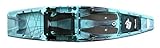
Overview: The Perception Outlaw 11.5 is a premium fishing kayak built for serious anglers demanding maximum capacity and organization. At 11.5 feet with an impressive 425-pound weight limit, this made-in-the-USA kayak features a unique fold-away lawn chair-style seat that provides exceptional comfort during marathon fishing sessions. It’s designed for robust performance with superior stability and expansive storage.
What Makes It Stand Out: The fold-away frame seat genuinely transforms comfort, functioning like a portable lawn chair rather than a typical kayak seat. Four integrated rod holders enable multi-rod setups that serious anglers demand. The integrated tackle trays represent thoughtful design, keeping lures and tools within arm’s reach without adding aftermarket accessories. The massive rear tankwell and front storage area accommodate crates, coolers, and extensive gear.
Value for Money: At $929, the Outlaw 11.5 commands a premium but delivers proportional value. Compared to the $600 class, you’re gaining 75 pounds of capacity, superior seating, additional rod holders, and built-in tackle storage. For dedicated anglers who fish weekly, this investment pays dividends in comfort and organization. However, casual weekend anglers may find the $300+ premium harder to justify.
Strengths and Weaknesses: Strengths include exceptional 425-pound capacity, unparalleled lawn chair seat comfort, four rod holders, integrated tackle trays, and abundant storage for serious expeditions. The made-in-USA construction inspires confidence. Weaknesses are the significantly higher price, increased weight and length making transport more challenging, and potential overkill for beginners or occasional anglers.
Bottom Line: Best suited for dedicated anglers who prioritize comfort, capacity, and organization. The Perception Outlaw 11.5 justifies its premium price through thoughtful fishing-specific features. If you’re upgrading from a basic kayak or want a tournament-ready platform, this is your answer. Casual anglers should consider the value tier instead.
4. Pelican Sentinel 100XP - Angler Sit on top Fishing Kayak - Iris - Lightweight - Ergocast XP™ Seating System - 10 ft

Overview: The Pelican Sentinel 100XP Angler positions itself as a lightweight, versatile fishing kayak at an accessible $499.99 price point. This 10-foot sit-on-top features the innovative Ergocast XP seating system that removes completely from the kayak to function as a beach chair. With a front storage platform, rear tankwell with ripstop cover, and basic fishing amenities, it targets value-conscious anglers seeking flexibility.
What Makes It Stand Out: The removable beach chair seat is genuinely unique in this category, providing dual-use value that extends beyond the water. The ripstop cover on the rear tankwell offers better gear protection than open bungee systems common at this price. Four-inch rigging tracks allow for basic accessory customization, while the lightweight design ensures easy car-topping and storage.
Value for Money: At $499.99, this is Pelican’s budget-friendly angler offering, sitting below the Catch Classic 100. You sacrifice some features (single-position seat, fewer rod holders) but gain the versatile removable seat. Compared to the Lifetime Muskie, it’s similarly priced but offers superior seating innovation. For casual anglers wanting a multi-purpose seat solution, this provides clever value.
Strengths and Weaknesses: Strengths include the innovative removable seat, lightweight construction, covered rear tankwell for gear protection, rigging tracks for accessories, and stable hull design. The price point is attractive for beginners. Weaknesses include only two flush-mount rod holders, no included paddle, limited storage compartments, and the seat may be less stable than fixed options when removed frequently.
Bottom Line: An excellent choice for casual anglers and multi-sport users who value versatility. The Sentinel 100XP’s beach chair feature makes it perfect for those who fish, then camp or relax on shore. While it lacks premium fishing features, its innovative seat and solid construction make it a smart budget buy for recreational fishermen.
5. Pelican Sentinel 100X Angler Fishing KayakSit-on-Top KayakLightweight one Person Kayak9.6 ft

Overview: The Pelican Sentinel 100X Angler is the most compact and affordable option in this lineup at just 9'6" and 44 pounds. Priced at $439.99, this ultra-lightweight kayak features a multi-chine flat bottom hull designed for stability and the patented Ram-X material for durability. The innovative ExoPak removable storage compartment fits neatly in the tank well, offering clever gear management for minimalists.
What Makes It Stand Out: At 44 pounds, this is exceptionally easy to transport, car-top, and store—ideal for apartment dwellers or those with limited lifting ability. The 9'6" length makes it highly maneuverable in tight creeks and small ponds. The ExoPak system provides modular storage that can be pre-packed and dropped into the tankwell, a unique organizational feature. Despite its small size, it includes essential fishing amenities.
Value for Money: This is the budget champion at $439.99, making kayak fishing accessible to the tightest budgets. You compromise on capacity (275 pounds) and length, but gain unbeatable portability. For smaller anglers or those prioritizing transport over capacity, this delivers remarkable value. However, larger anglers or those needing extensive gear should consider the capacity limitations carefully.
Strengths and Weaknesses: Strengths include exceptional lightweight portability, stable hull design, low price point, durable Ram-X construction, and clever ExoPak storage. It’s perfect for small water bodies. Weaknesses are the limited 275-pound capacity restricting gear and larger anglers, shorter length reducing tracking and speed, basic seating, and minimal included features compared to pricier models.
Bottom Line: Ideal for smaller-statured anglers, urban fishermen with storage constraints, or those needing a highly portable option. The Sentinel 100X sacrifices capacity and features for unmatched maneuverability and weight savings. Choose this if portability is your top priority; otherwise, invest $60 more in the Sentinel 100XP for enhanced features.
6. Brooklyn 9.2 Sit-On-Top Single Fishing Kayak by BKC, Lightweight Solo Kayak with Dry Hatches, Rod Holders & Accessory Rails for Lakes & Rivers (Upright Alumnium Seat)

Overview: The Brooklyn 9.2 from BKC delivers a purpose-built fishing platform in a compact, manageable package. At just 46 pounds and 9.2 feet, this sit-on-top kayak prioritizes portability without sacrificing core angling functionality. Designed specifically for solo paddlers navigating lakes, rivers, and calm coastal waters, it combines stability with thoughtful gear management.
What Makes It Stand Out: The upright aluminum frame seat sets this kayak apart from competitors at this price point, offering elevated visibility and superior posture during long fishing sessions. The integrated accessory rails provide exceptional customization potential, allowing anglers to mount fish finders, cameras, or additional rod holders without drilling. Multiple dry hatches and a rear bungee cargo area demonstrate serious attention to gear protection.
Value for Money: At $620.25, the Brooklyn 9.2 sits in the mid-range fishing kayak category. The aluminum seat alone justifies the premium over basic models, while the included rod holders and rail systems eliminate immediate upgrade costs. For anglers seeking a complete package without the $800+ price tag of premium brands, this represents solid value.
Strengths and Weaknesses: Strengths include exceptional portability, stable 30-inch beam, angler-focused features out-of-the-box, and water-resistant storage. Weaknesses are the shorter length reducing tracking efficiency, limited to two rod holders, and suitability only for calm waters. The compact size may feel cramped for taller anglers.
Bottom Line: Perfect for shore-bound anglers wanting a lightweight, feature-rich fishing kayak that doesn’t require a trailer. Ideal for small lakes and slow rivers, though serious offshore anglers should consider longer models.
7. Lifetime Tamarack Sit-On-Top Kayak, Tan, 120", Model:90237

Overview: Lifetime’s Tamarack 120" provides a dependable entry into fishing kayaks with proven durability. Constructed from UV-protected high-density polyethylene, this 10-foot sit-on-top emphasizes stability through its flat bottom design and tracking channels. It targets budget-conscious anglers seeking a no-frills, reliable platform.
What Makes It Stand Out: The industry-leading 5-year limited warranty distinguishes it from competitors offering 1-2 year coverage. Multiple footrest positions accommodate various paddler sizes, while the three-rod holder configuration (two flush-mounted, one top-mount) provides versatility rarely seen at this price. The shock cord straps and storage compartments offer practical gear management.
Value for Money: At $579.99, this represents exceptional value. The warranty alone provides long-term peace of mind, while the robust HDPE construction ensures durability. Comparable fishing kayaks typically start at $650+, making this an intelligent choice for beginners not ready to invest heavily.
Strengths and Weaknesses: Strengths include outstanding warranty coverage, stable flat-bottom hull, multiple rod holders, adjustable padded seat, and UV protection. Weaknesses include a heavier 52-pound weight limiting portability, basic seat comfort compared to premium models, and limited advanced fishing features like accessory rails.
Bottom Line: An excellent starter fishing kayak that doesn’t cut corners on essentials. Best for casual anglers and recreational paddlers who prioritize durability and warranty over premium comfort features. The Tamarack delivers reliable performance without breaking the bank.
8. Perception Kayaks Outlaw 11.5 - Sit on Top Fishing Kayak - Fold Away Lawn Chair Seat - 4 Rod Holders - Integrated Tackle Trays - 11.5 ft - Moss Camo
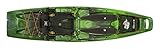
Overview: The Perception Outlaw 11.5 redefines fishing kayak comfort and functionality. This 11.5-foot behemoth boasts a 425-pound capacity and positions itself as a premium angling platform. Made in the USA, it targets serious fishermen who spend full days on the water and demand uncompromising gear organization.
What Makes It Stand Out: The fold-away lawn chair-style seat delivers unparalleled comfort, elevating the angler for better casting and visibility. Four integrated rod holders enable multi-rod strategies, while built-in tackle trays keep essentials within arm’s reach. The massive rear tankwell and front storage accommodate crates, coolers, and extensive gear collections.
Value for Money: At $929.00, the Outlaw commands a premium price but justifies it with professional-grade features. The seat design alone rivals $200+ aftermarket upgrades, and the integrated storage solutions eliminate the need for expensive accessories. For dedicated anglers, this represents long-term value over buying a basic kayak and upgrading piecemeal.
Strengths and Weaknesses: Strengths include exceptional comfort, massive storage capacity, high weight limit, superior stability, and integrated fishing features. Weaknesses include premium pricing, heavier weight affecting transport, and potential overkill for occasional paddlers. The length requires more storage space.
Bottom Line: The ultimate choice for serious anglers treating kayak fishing as a primary pursuit. While overkill for casual users, the Outlaw 11.5’s comfort and features make it worth every penny for those logging 50+ days on water annually.
9. Perception Access | Sit on Top Kayak for Adults | Recreational Kayak | 9’ | Dapper
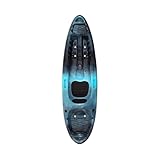
Overview: The Perception Access 9’ offers a streamlined entry into recreational kayaking, emphasizing simplicity and comfort. This compact sit-on-top targets adults seeking casual paddling experiences on lakes, bays, and slow rivers. Its design prioritizes user-friendliness over specialized features, making it ideal for beginners and occasional paddlers.
What Makes It Stand Out: Perception’s reputation for quality construction shines through in this budget-friendly model. The contoured, cushioned high-back seat provides ergonomic support uncommon in sub-$600 kayaks. Five footrest positions ensure proper fit for various paddler heights, while the open storage with bungees offers practical gear security without complexity.
Value for Money: At $559.00, the Access hits a sweet spot for recreational users. It undercuts fishing-specific models while delivering superior comfort and brand reliability. For those not needing rod holders or premium angling features, this avoids paying for unnecessary extras while maintaining build quality.
Strengths and Weaknesses: Strengths include lightweight portability, comfortable seating, stable performance, reputable brand, and straightforward design. Weaknesses include lack of fishing features, basic storage without dry hatches, and shorter length reducing speed and tracking. Not suitable for rough waters or dedicated anglers.
Bottom Line: Perfect for recreational paddlers wanting a reliable, comfortable kayak without fishing-specific premiums. Excellent for families, beginners, and those prioritizing simplicity. Choose this if your goal is peaceful exploration rather than hardcore angling.
10. Pelican Seek 100X - Recreational Sit on top Kayak - Neptune - Lightweight Smart Design - Adjustable Ergoform™ Seating System - 10 ft

Overview: Pelican’s Seek 100X delivers exceptional value in the recreational kayak segment. This 10-foot sit-on-top emphasizes safety and comfort through innovative hull design and ergonomic seating. Targeting beginners and casual paddlers, it combines stability with user-friendly features at an accessible price point.
What Makes It Stand Out: The twin-arched multi-chine hull provides superior stability, while the Ergobar system with slip-resistant standing area enhances safety during entry and exit—a unique feature in this class. The three-piece removable design stays clear of paddle strokes, demonstrating thoughtful engineering. The adjustable Ergoform seating system offers customization typically reserved for pricier models.
Value for Money: At $454.76, this is the most affordable option reviewed, yet it doesn’t feel cheap. The stability features and seating system rival $600+ kayaks, while included accessories like tankwell cover and bow bag add immediate value. For budget-conscious buyers, this delivers premium comfort and safety without the premium price tag.
Strengths and Weaknesses: Strengths include unbeatable price, stable hull design, excellent seating adjustability, safety-focused features, and included accessories. Weaknesses include basic storage without dry hatches, no fishing features, and Pelican’s typically shorter warranty period compared to Lifetime’s 5-year coverage.
Bottom Line: The ideal starter kayak for safety-conscious beginners. If budget is primary concern but you refuse to compromise on stability and comfort, the Seek 100X is unbeatable. Perfect for calm water recreation and learning proper paddling technique.
Why Sit-on-Top Kayaks Dominate the Fishing Scene
The fishing kayak market has overwhelmingly embraced sit-on-top (SOT) designs for compelling reasons that go beyond simple convenience. These vessels prioritize angler safety, gear accessibility, and customization in ways that traditional kayaks simply cannot match. The open deck architecture eliminates the confinement of a cockpit, allowing you to swing rods freely, fight fish aggressively, and exit quickly if needed—a critical advantage when landing large fish in challenging conditions.
The Self-Bailing Advantage for Anglers
Self-bailing scupper holes represent the single most important safety feature for fishing applications. Water that splashes aboard from waves, fish flopping, or your own movements drains automatically, keeping you afloat even when swamped. For anglers, this means you can beach launch through surf, handle unexpected weather, and land thrashing fish without manually bailing. Look for kayaks with recessed scupper holes that won’t snag fishing lines, and consider models with one-way valves that prevent backflow in rough conditions while maintaining drainage efficiency.
Stability vs. Speed: Finding Your Balance
The eternal trade-off in kayak design becomes especially critical when rod holders enter the equation. Primary stability—the boat’s initial resistance to tipping—keeps you casting confidently while reaching for gear. Secondary stability, its resistance to capsizing at greater lean angles, matters when you’re fighting a fish that pulls you off-center. Wide-beam kayaks (34+ inches) offer exceptional primary stability for stand-up fishing but sacrifice glide efficiency. Narrower touring-influenced designs (28-30 inches) track better for covering distance but demand constant attention to balance when reaching for rod holders mounted behind the seat.
Decoding Rod Holder Configurations
Rod holder placement determines your fishing effectiveness more than any other feature. Poor positioning creates line tangles, interferes with paddling, and forces awkward reaches that compromise stability. Quality fishing kayaks integrate rod holders into the initial mold design rather than bolting them on as afterthoughts.
Flush Mount vs. Adjustable: Which Reigns Supreme?
Flush-mount rod holders, molded directly into the hull behind the seat, offer zero-profile storage and clean lines. They excel for trolling and transport but lock you into fixed angles. Adjustable rod holders mounted on gear tracks provide infinite positioning for casting, trolling, or spider rigging, though they add snag points and require periodic tightening. The sweet spot for serious anglers includes two flush mounts behind the seat for trolling rods plus at least one adjustable mount forward of the cockpit for active casting.
Track-Mounted Systems: The Ultimate in Customization
Integrated gear tracks along the gunwales transform your kayak into a modular fishing platform. These aluminum or reinforced plastic channels accept rod holders, fish finders, camera mounts, and accessories that slide and lock anywhere along their length. When evaluating track systems, examine the T-bolt dimensions—some proprietary tracks limit you to expensive brand-specific accessories. Universal tracks accepting standard 1/4"-20 bolts provide maximum flexibility for mounting third-party rod holders from Scotty, RAM, or YakAttack.
Hull Design Deep Dive: What Matters Most
The hull shape beneath the waterline dictates everything from tracking to turning radius to how the kayak handles chop while you’re focused on your rod tip. Understanding these nuances prevents costly purchasing mistakes.
Pontoon Hulls: The Stability Kings
Twin-hulled pontoon designs create an ultra-stable platform that feels nearly impossible to capsize. The pronounced tunnel between hulls traps air for additional buoyancy and creates a surprisingly dry ride. However, this stability comes at the cost of speed and maneuverability—pontoon kayaks require more effort to paddle distances and resist quick turns when you need to reposition on a fish. They shine for stationary techniques like bottom fishing or vertical jigging where stability trumps mobility.
Displacement Hulls: Speed Demons of the Kayak World
Single-hulled displacement designs with pronounced keels track straighter and slice through water efficiently, crucial for reaching distant structure. The rounded hull profile reduces wetted surface area, increasing glide between paddle strokes. The trade-off? Reduced initial stability that can feel twitchy when simultaneously paddling and managing rods. These hulls favor anglers who cover miles of shoreline, troll large lakes, or fish moving water where tracking prevents constant correction.
Weight Capacity: The Hidden Dealbreaker
Manufacturers’ weight ratings rarely reflect real-world fishing loads. That 400-pound capacity must accommodate not just your body weight but also gear, fish, batteries for electronics, anchor systems, and the weight of water absorbed by gear bags. A conservative rule: multiply your body weight by 1.5 to determine minimum capacity needed. For example, a 200-pound angler should target kayaks rated for at least 300 pounds to maintain performance and freeboard. Overloaded kayaks sit lower, reducing stability and causing waves to lap over the deck—defeating the purpose of a self-bailing design.
Storage Solutions Beyond the Cooler
Rod holders represent just one piece of the storage puzzle. Effective fishing kayaks provide dedicated, water-resistant storage for tackle, personal items, and catch without cluttering the deck.
Dry Hatches vs. Tank Wells: Strategic Gear Placement
Bow and stern hatches with rubber gaskets protect valuables and electronics from spray and rain, but opening them on the water requires reaching forward—a stability challenge. Open tank wells with bungee rigging provide quick access to tackle crates and coolers but expose gear to elements. Premium designs incorporate both: sealed hatches for essentials and tank wells with scupper drainage for wet storage. Look for hatches with recessed lids that won’t catch fishing line and feature secondary locking mechanisms that prevent accidental opening when rolling over waves.
Seating Systems: Your All-Day Command Center
A rod holder’s effectiveness diminishes rapidly if you’re shifting constantly to relieve pressure points. Elevated seating positions improve casting leverage and visibility but raise your center of gravity, demanding wider hulls for compensation. The best fishing kayak seats feature multiple adjustment points—fore/aft positioning to balance load, lumbar support for lower back comfort, and adjustable height for different fishing techniques. Mesh fabric that drains and breathes prevents the swampy feeling that leads to chafing during eight-hour tournament days.
Propulsion Options: Paddles, Pedals, and Motors
Rod holder positioning must coordinate with how you move through the water. Paddle kayaks require clear side-to-side stroke zones, meaning rod holders must stay clear of your paddle arc—typically behind the seat or forward of the footwells.
Pedal-drive systems free your hands for fishing but occupy prime real estate in the center hull, often limiting flush-mount rod holder placement. They also add 15-20 pounds of weight and require maintenance of moving parts exposed to salt, sand, and fish slime.
Motorized kayaks demand even more planning—trolling motor batteries consume storage space and shift weight distribution dramatically. If considering motorization, verify the kayak includes dedicated battery compartments and reinforced transom areas. Rod holders on motorized platforms work best on elevated rails to keep lines clear of the propeller.
Material Matters: Polyethylene vs. Composite
The vast majority of fishing kayaks rotomold from polyethylene plastic, prized for durability and affordability. However, not all polyethylene equals equal—linear low-density polyethylene (LLDPE) offers better impact resistance than standard high-density formulations, crucial when bouncing off oyster beds or dragging over launch ramps. UV inhibitors molded into the plastic prevent sun degradation that leads to brittleness after seasons of exposure.
Composite kayaks (fiberglass, carbon fiber) deliver significant weight savings and performance gains but sacrifice the carefree durability anglers need. A dropped fishing weight cracks composite gel coats, while the same impact on polyethylene leaves barely a mark. Unless you’re portaging long distances or car-topping without assistance, the durability of quality polyethylene outweighs the performance benefits of composites for fishing applications.
Essential Accessories to Complete Your Setup
Rod holders function as anchor points for a broader ecosystem of fishing accessories. Anchor trolleys allow you to position your kayak perpendicular to current or wind while keeping rods accessible. Gear leashes prevent losing expensive rods overboard when a fish strikes unexpectedly. Consider rod holder extensions that elevate rod butts above deck level, improving line clearance and reducing tangles when using multiple setups. Many anglers overlook paddle clips positioned near rod holders—securing your paddle within reach prevents drift when you need both hands for landing a fish.
Budget Breakdown: What to Expect at Each Price Point
Entry-level fishing kayaks ($500-$900) typically include two flush-mount rod holders and basic seating. The rod holders may lack reinforcement and the kayak probably uses a simpler hull design prioritizing stability over speed. Mid-range options ($900-$1,800) introduce gear tracks, better seating, and thoughtfully positioned rod holders integrated into the deck design. Premium fishing kayaks ($1,800-$3,500) feature interchangeable rod holder systems, standing platforms, and hulls optimized for both stability and efficiency. Beyond $3,500, you’re paying for pedal drives, premium electronics integration, or specialized designs for offshore conditions.
Seasonal Considerations for Year-Round Anglers
Your rod holder setup must adapt to changing conditions. Winter fishing demands rod holders positioned for easy access while wearing bulky gloves—oversized openings and simple locking mechanisms matter more than sleek aesthetics. Summer kayak fishing requires rod holders that accommodate shorter rods used for precise casting in heavy vegetation. Cold-water anglers should prioritize kayaks with rod holders positioned away from splash zones, as ice formation can lock rods in place. For hot climates, consider rod holder placement that prevents prolonged sun exposure to reel handles and line, which degrades both over time.
Frequently Asked Questions
1. How many rod holders do I actually need on a fishing kayak?
Most successful kayak anglers use three to four rod holders: two rear flush mounts for trolling, one adjustable forward mount for active casting, and potentially one additional mount for specialty techniques like spider rigging or planer boards. More than five creates deck clutter and increases tangle risks. Focus on strategic positioning rather than sheer quantity.
2. Can I add rod holders to a kayak that doesn’t come with them?
Yes, but with important caveats. Aftermarket installation requires access to the hull interior for backing plates and stainless steel hardware. Kayaks without factory rod holders often lack the necessary reinforcement, making DIY installations prone to leaks and structural failure. Gear tracks offer the best retrofit solution, as they distribute stress across multiple mounting points.
3. What’s the ideal rod holder angle for trolling versus casting?
For trolling, position rod holders at 15-30 degrees from horizontal to keep rod tips low and reduce wind resistance while maintaining good line angle to the water. For casting setups, vertical or 45-degree angles allow quickest rod retrieval. Adjustable rod holders provide the flexibility to experiment with angles based on lure type, line weight, and target species.
4. Will rod holders interfere with my paddle stroke?
Improperly positioned rod holders absolutely create paddle interference, leading to frustration and potential rod damage. Test the paddle arc before purchasing—quality fishing kayaks position flush mounts behind the seatback or forward of the footwells, keeping the primary paddle zone clear. Track-mounted holders can slide to optimal positions once you determine your natural stroke path.
5. Are flush-mount rod holders strong enough for large fish?
Factory-installed flush mounts in quality fishing kayaks feature reinforced tubes extending through the hull with backing plates distributing load. These handle fish well into the 50+ pound class when used correctly. The weak link is usually the rod holder’s internal diameter—oversized reel seats may not fit securely, creating leverage points that damage rods during heavy strikes.
6. How do I prevent rod holders from filling with water?
Most quality rod holders include drainage channels connecting to the kayak’s scupper system. If yours don’t, drill small weep holes (1/8") in the lowest point of each holder, ensuring they drain into the hull’s interior rather than onto your deck. In freezing conditions, use foam pipe insulation plugs to block water entry while keeping rods accessible.
7. Should rod holders be positioned on the same side as my casting arm?
Contrary to intuition, positioning active rod holders on your non-casting side often works better. This keeps your dominant hand free for paddle control while the non-dominant hand retrieves rods. For right-handed casters, a left-side forward rod holder allows seamless transitions between paddling and casting without crossing your body.
8. Do pedal kayaks limit rod holder placement options?
Pedal drive systems occupy central hull space, reducing flush-mount locations. However, they free up side gunwales completely since you never paddle. This creates excellent opportunities for track-mounted rod holders along the entire length of the kayak. Many pedal kayaks compensate with elevated rails behind the seat that accommodate multiple rod holders without interfering with the drive mechanism.
9. How does standing capability affect rod holder positioning?
Stand-up fishing platforms require rod holders positioned for access from an elevated position—typically 6-8 inches higher than seated height. This means longer rod holder extensions or track-mounted systems with vertical adjustment. Flush mounts molded for seated anglers become awkwardly low when standing, forcing dangerous bending that compromises balance.
10. Can rod holders damage my fishing rods during transport?
Yes, if you leave rods in holders while car-topping or trailering. Vibration and wind cause rods to bounce against holder edges, creating stress fractures and guide damage. Always transport rods inside your vehicle or in protective tubes. For short trips at low speeds, use foam inserts in rod holders and secure rods with Velcro straps to minimize movement.