If you’re looking to inject explosive power, raw strength, and metabolic fire into your HIIT workouts, few tools deliver the impact of a slam ball. Unlike traditional weights that move in controlled, predictable patterns, slam balls thrive on velocity, aggression, and full-body coordination—making them the perfect marriage of strength training and cardiovascular conditioning. Whether you’re launching them overhead with maximum force or incorporating them into complex movement patterns, these versatile spheres transform any high-intensity session into a dynamic, functional assault on your fitness goals.
But not all slam balls are created equal. The difference between a tool that becomes your go-to training partner and one that leaves you frustrated (or injured) often comes down to subtle construction details most buyers overlook. From the density of the fill material to the integrity of the outer shell, every component plays a crucial role in performance, safety, and longevity. This guide cuts through the marketing noise to equip you with the knowledge to select slam balls that will withstand your most brutal HIIT sessions while accelerating your strength gains.
Top 10 Slam Balls for HIIT Strength Training
Detailed Product Reviews
1. Amazon Basics Slam Medicine Balls for Exercise, 15lb, Black

Overview: The Amazon Basics 15lb Slam Ball delivers no-frills functionality for home fitness enthusiasts seeking an affordable entry into high-intensity training. This black medicine ball features heavy-duty PVC construction with a sand-filled core designed to absorb impact without bouncing. The textured surface provides reliable grip during sweaty sessions, making it suitable for CrossFit-style workouts, HIIT routines, and core strengthening exercises. Its dead weight design ensures controlled movements for dynamic exercises.
What Makes It Stand Out: The slam ball’s primary distinction is its dead weight engineering that eliminates rebound, crucial for safe slam exercises. The sand-filled core prevents unwanted bouncing that could cause injury or property damage. Its textured non-slip surface maintains grip integrity during intense training, while the balanced weight distribution supports both controlled movements and explosive power development. The 15-pound weight hits a sweet spot for versatile training applications.
Value for Money: At $21.02, this represents exceptional value in the slam ball market. Comparable products from fitness brands typically cost 40-60% more. While it lacks premium features, the price point makes it accessible for beginners and home gym builders. The heavy-duty PVC construction offers reasonable durability for the cost, though serious athletes may eventually upgrade.
Strengths and Weaknesses: Pros include outstanding affordability, effective no-bounce design, secure grip texture, and versatility for multiple workout styles. Cons involve potential longevity concerns under extreme daily use, basic aesthetic design, and limited weight progression options within the product line. The PVC construction may show wear faster than rubber alternatives.
Bottom Line: Perfect for budget-conscious buyers starting their functional fitness journey. It delivers core functionality without premium cost, making it an intelligent first purchase for home gym setups.
2. Yes4All Slam Balls (Orange) 12lbs for Strength and HIIT Workout – Slam Medicine Ball (YRHJ)

Overview: The Yes4All 12lb Slam Ball in vibrant orange offers a middle-ground option between budget and premium slam balls. This medicine ball features a threaded design that maintains consistent shape and balance during intense workouts. The textured surface ensures secure handling for overhead slams, chest passes, and rotational exercises. With high-density sand filling and a hard shell construction, it prevents leakage and eliminates bounce for safe training sessions.
What Makes It Stand Out: The ball’s threaded internal structure distinguishes it by preserving shape integrity even after repeated impacts. Unlike basic slam balls that may deform over time, this maintains consistent performance. The extensive weight range (10-40lbs) allows for progressive training as strength improves. Its textured grip pattern provides superior hold during high-intensity intervals.
Value for Money: Priced at $28.85, this sits in the mid-range category. It’s $7-8 more than basic alternatives but offers enhanced durability claims and better shape retention. The availability of multiple weights adds long-term value for users planning to expand their equipment collection. For the quality improvements over entry-level options, the premium is justified.
Strengths and Weaknesses: Strengths include excellent shape retention, superior grip texture, wide weight selection, leak-proof design, and vibrant visibility. Weaknesses include higher cost than budget options, the orange color may clash with some gym aesthetics, and at 12 pounds, it may be too light for advanced strength training. The price gap to premium options remains significant.
Bottom Line: A solid choice for serious beginners who want durability without breaking the bank. The shape retention technology and weight variety make it worth the modest premium over basic models.
3. ABMAT Medicine Ball (10) - Indestructible Med Ball for Weighted Wall Balls, slam Balls, HIIT Exercises, Strength Training and Balance Training
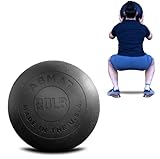
Overview: The ABMAT 10lb Medicine Ball positions itself as the premium, indestructible option for dedicated athletes tired of replacing worn equipment. This American-made ball boasts extraordinary durability claims, having supposedly survived being run over by a 20-ton truck, shot with arrows, and set on fire. The textured foam material resists moisture while maintaining consistent form through med ball tosses, wall balls, and high-intensity slams.
What Makes It Stand Out: The “virtually indestructible” construction is the headline feature. Unlike PVC balls that may crack or leak, this uses premium foam that withstands extreme abuse. The moisture-resistant textured surface provides comfortable grip without degradation. Being Made in USA ensures quality manufacturing standards and supports domestic production. The company emphasizes employee-friendly facilities.
Value for Money: At $110, this commands a premium price that’s 5x more than basic alternatives. The value proposition hinges entirely on longevity—if it truly lasts forever, the cost-per-use becomes reasonable. For commercial gyms or serious home athletes who break standard balls annually, it may justify the investment. Casual users will find this overpriced.
Strengths and Weaknesses: Pros include exceptional durability, premium moisture-resistant materials, consistent performance, versatile applications, and American manufacturing. Cons are the extremely high price point, potential overkill for light home use, and the 10lb weight may be insufficient for strength-focused athletes. The marketing claims, while impressive, are difficult to verify independently.
Bottom Line: Best suited for commercial facilities or serious athletes who prioritize longevity over cost. For most home users, the price premium exceeds practical benefits.
4. Amazon Basics Slam Medicine Balls for Exercise, 25lb, Black
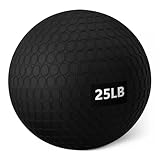
Overview: The Amazon Basics 25lb Slam Ball scales up the brand’s budget-friendly formula for stronger athletes needing heavier resistance. It maintains the same heavy-duty PVC construction and sand-filled core as its lighter sibling, designed to absorb maximum impact without bouncing. The textured non-slip surface ensures grip security during demanding workouts, while the dead weight design supports controlled, powerful movements for advanced strength and conditioning.
What Makes It Stand Out: This ball offers heavy resistance at a remarkably low price point. The 25-pound weight significantly increases training intensity for explosive power development and core strengthening. The dead weight design becomes even more valuable at heavier weights, preventing dangerous rebound that could cause injury. It brings commercial-gym weight options to budget-conscious home users.
Value for Money: At $29.79, the price-to-weight ratio is outstanding. Most 25lb slam balls cost $50-70 from established fitness brands. This makes advanced training accessible to home gym owners on tight budgets. While construction quality matches the 15lb version, the value proposition strengthens with the heavier weight, offering more resistance per dollar spent.
Strengths and Weaknesses: Advantages include unbeatable price for the weight, effective no-bounce design, reliable grip surface, and versatility for high-intensity training. Drawbacks mirror the lighter version: potential durability limits under daily heavy use, basic aesthetics, and the PVC material may show wear faster than premium rubber. At 25lbs, it’s too heavy for beginners and may stress lower-quality flooring.
Bottom Line: An exceptional value for intermediate to advanced athletes building home gyms. It delivers heavy resistance without the heavy price tag, making it a smart upgrade from lighter balls.
5. ABMAT Medicine Ball (14) - Indestructible Med Ball for Weighted Wall Balls, slam Balls, HIIT Exercises, Strength Training and Balance Training
Overview: The ABMAT 14lb Medicine Ball represents the middle weight in the brand’s premium, indestructible lineup. Engineered for athletes who demand equipment that outlasts their training career, this American-made ball features the same extreme durability claims as its lighter counterpart—surviving being run over, shot, and burned. The textured foam construction resists moisture and maintains consistent form through the most demanding workouts, from wall balls to high-intensity slams.
What Makes It Stand Out: The 14-pound weight hits the optimal range for versatile functional training while maintaining the “virtually indestructible” reputation. The premium foam material differs fundamentally from standard PVC, offering superior impact absorption and longevity. The moisture-resistant textured surface provides secure grip that won’t degrade. Made in USA quality control ensures each ball meets rigorous standards.
Value for Money: At $125, this commands a substantial premium over conventional options. The value case rests on lifetime durability—if you never need to replace it, the investment pays off for serious athletes. For commercial gyms or high-volume home users who destroy standard balls, it may be economical long-term. Casual fitness enthusiasts will find better value elsewhere.
Strengths and Weaknesses: Strengths include unmatched durability claims, premium moisture-resistant foam, optimal 14lb weight for most exercises, American manufacturing, and consistent performance. Weaknesses are the extremely high price, over-engineered for average users, and significant cost barrier. The 14lb weight, while versatile, may still be light for pure strength work.
Bottom Line: Ideal for dedicated athletes and commercial facilities prioritizing longevity. Most home users should consider whether they’ll actually use it enough to justify the premium.
6. ABMAT Medicine Ball (20) - Indestructible Med Ball for Weighted Wall Balls, slam Balls, HIIT Exercises, Strength Training and Balance Training
Overview: The ABMAT Medicine Ball positions itself as the ultimate indestructible training tool for serious athletes. This 20-pound model boasts extraordinary durability claims, having supposedly survived extreme torture tests including being run over by a 20-ton truck and stabbed repeatedly. Constructed from textured foam rather than traditional rubber, it targets users who want a single medicine ball to last a lifetime of wall balls, slams, and HIIT workouts.
What Makes It Stand Out: The “last med ball you’ll buy” marketing isn’t just talk—this American-made product uses premium moisture-resistant foam that maintains its shape while providing a unique grip feel. Unlike rubber slam balls that can split at seams, the seamless foam construction eliminates common failure points. The company’s transparency about manufacturing in USA facilities with healthy employee environments adds ethical appeal for conscious consumers.
Value for Money: At $145.00, this sits firmly in the premium tier—nearly triple the cost of basic rubber alternatives. However, if it truly outlasts 3-4 cheaper balls that fail within a year, the lifetime value proposition becomes compelling. The limited weight options (10, 14, 20 lbs) restrict progression, making it best for targeted work rather than comprehensive strength progression.
Strengths and Weaknesses: Strengths include exceptional durability claims, moisture-resistant foam grip, USA manufacturing, and seam-free construction. Weaknesses are the high upfront cost, limited weight range for progressive overload, and foam’s unproven long-term slam performance compared to rubber.
Bottom Line: For functional fitness enthusiasts tired of replacing equipment and willing to invest in American-made quality, the ABMAT justifies its premium price. Casual users should opt for more economical choices.
7. REP Weighted Slam Balls | 20 lb | Exercise and Fitness Balls for Strength Training, Soft Rubber Grip, Non-Bounce Medicine Ball | Crossfit, Home Gym, Fitness, and Core Workouts | Black

Overview: The REP 20lb Weighted Slam Ball delivers professional-grade performance for home and commercial gyms seeking reliable, no-bounce functionality. Engineered for high-impact training, this ball features a rugged textured rubber shell designed to withstand repeated slams without splitting or leaking, making it ideal for CrossFit-style workouts, core training, and explosive strength development.
What Makes It Stand Out: The dead-weight non-bounce design ensures maximum energy transfer and controlled workouts, eliminating dangerous rebounds during intense circuits. Its soft rubber grip surface performs exceptionally well even with sweaty hands, providing secure handling for fast transitions between squats, lunges, twists, and overhead slams. With availability from 5 to 70 pounds, users can progressively scale their training.
Value for Money: At $49.99, this slam ball hits the sweet spot for quality and affordability. It undercuts many commercial gym suppliers while maintaining durability standards that rival balls costing twice as much. The extensive weight range means you won’t need to switch brands as you advance.
Strengths and Weaknesses: Strengths include excellent grip texture, true non-bounce performance, durable rubber construction, and comprehensive weight options. The 70-pound upper limit may not satisfy elite power athletes, and the rubber surface can scuff floors if not used on appropriate matting.
Bottom Line: The REP 20lb Slam Ball represents outstanding value for most fitness enthusiasts. Its combination of durability, performance, and price makes it a smart foundation for any functional training program.
8. REP Weighted Slam Balls for Home Gym Fitness | 20 lb Soft Textured Medicine Ball Sizes | Heavy Sand-Filled Workout Weights for Strength, Core Training, Crossfit, Conditioning & Slam Ball Exercises

Overview: The REP 20lb Slam Ball for Home Gym Fitness distinguishes itself with a sand-filled core and expanded weight range, catering to serious trainees planning long-term progression. While sharing the REP brand’s reputation for durability, this variant emphasizes dead-weight stability and offers options up to 100 pounds, making it suitable for advanced strength and conditioning protocols.
What Makes It Stand Out: The sand-filled construction creates a uniquely stable, non-bouncing performance that feels different from traditional rubber shells. The grippy, sand-textured surface provides exceptional control during high-speed movements, while the extended 5-100lb range supports everything from beginner rehab to elite power development. This versatility makes it a one-brand solution for entire training cycles.
Value for Money: Priced at $89.99, this model commands a $40 premium over the standard REP slam ball. The additional cost buys you the sand-core technology and access to heavier weights. For users who anticipate progressing beyond 70 pounds, the investment prevents needing to repurchase later.
Strengths and Weaknesses: Strengths include superior dead-weight feel, excellent grip texture, future-proof weight range, and reliable REP construction. Weaknesses are the higher price point for entry-level weights and potential for sand leakage if the shell is compromised (though durable).
Bottom Line: Choose this sand-filled variant if you’re committed to progressive overload and want a single brand to grow with. For casual use, the standard rubber model offers better value.
9. Yes4All Slam Balls, 10-40lb Weighted Ball Weight, Durable PVC Sand Filled Workout Dynamic Slam Ball for Strength Training, Tread, Orange, 25lbs
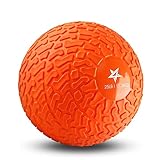
Overview: The Yes4All 25lb Slam Ball (available in 10-40lb options) offers budget-conscious athletes an accessible entry point into medicine ball training. Constructed from durable PVC with a heavy-duty textured shell, this orange sand-filled ball delivers non-bounce performance for slams, throws, and core work without the premium price tag of rubber competitors.
What Makes It Stand Out: The aggressive tread pattern and bright orange color provide visual appeal and functional grip enhancement. The PVC construction, while different from rubber, resists splitting and maintains shape under typical home gym conditions. The sand-filled core ensures true dead-weight performance for controlled slams.
Value for Money: At $38.13 for 25 pounds, this represents exceptional value—nearly 30% less than comparable REP models. For beginners testing the waters or building a diverse weight collection without breaking the bank, Yes4All makes medicine ball training financially accessible.
Strengths and Weaknesses: Strengths include unbeatable price, effective non-bounce design, secure tread grip, and sufficient weight variety for most users. Weaknesses are PVC’s potentially shorter lifespan than premium rubber, limited 40-pound max for advanced training, and less brand recognition for warranty support.
Bottom Line: The Yes4All Slam Ball is the smart choice for budget-focused buyers and beginners. While serious athletes may eventually upgrade, this ball removes financial barriers to starting functional training.
10. REP Weighted Slam Balls | 30 lb | Exercise and Fitness Balls for Strength Training, Soft Rubber Grip, Non-Bounce Medicine Ball | Crossfit, Home Gym, Fitness, and Core Workouts | Black

Overview: The REP 30lb Weighted Slam Ball extends the brand’s reliable line for athletes ready to increase training intensity. Maintaining the same rugged textured rubber shell and non-bounce engineering as its 20-pound sibling, this heavier option targets users building explosive power and core strength through progressive overload.
What Makes It Stand Out: REP’s consistent quality across weight increments allows seamless progression without adjusting to new grip textures or balance points. The 30-pound weight hits the sweet spot for intermediate athletes—heavy enough to challenge metabolic conditioning yet manageable for technical movements like rotational throws and overhead slams. The soft rubber grip ensures safety as fatigue sets in.
Value for Money: At $59.99, the 30-pound model offers fair pricing that scales appropriately with weight. The $10 increase from the 20-pound version reflects material costs while maintaining the brand’s value proposition. Given the durability expectations, this represents reasonable long-term investment for dedicated trainees.
Strengths and Weaknesses: Strengths include proven REP durability, familiar grip feel, true non-bounce performance, and ideal weight for progression. The 70-pound series limit remains a potential ceiling for advanced users, and proper storage is required to prevent rubber degradation over years.
Bottom Line: For those who’ve outgrown lighter balls, the REP 30lb Slam Ball delivers reliable performance at a fair price. It’s a natural next step in building a comprehensive functional training arsenal.
Why Slam Balls Are Essential for HIIT Workouts
Slam balls fundamentally change the energy equation of your training. Where dumbbells and kettlebells rely on gravitational load, slam balls introduce a ballistic component that forces your nervous system to recruit muscles in rapid-fire sequences. This explosive patterning builds what’s known as “power endurance”—the ability to generate high force repeatedly with minimal rest. In HIIT protocols where work periods typically last 20-45 seconds, this quality separates good athletes from great ones.
The magic lies in the eccentric overload. When you heave a slam ball overhead and accelerate it downward, your muscles must suddenly decelerate the mass at the bottom of the movement. This creates microtrauma that stimulates fast-twitch fiber growth while simultaneously spiking your heart rate into the anaerobic zone. You’re essentially getting a strength stimulus and cardio response in a single, efficient movement that translates directly to real-world athleticism.
Understanding Slam Ball Construction and Durability
The internal architecture of a slam ball determines how it responds to abuse. Premium models feature a multi-layer design: a dense, weighted core (typically sand or steel shot) surrounded by cushioning material, all encased in a thick, flexible shell. This construction prevents the fill from shifting during impact, maintaining a consistent feel and preventing the “wobble” that cheaper balls develop after repeated slams.
Cheaper alternatives often use a single-chamber design where loose fill moves freely. While lighter on your wallet initially, these balls develop dead spots and irregular weight distribution within weeks of intense use. The outer shell may look identical, but the internal chaos creates unpredictable rebounds and increases injury risk during high-velocity movements.
The Importance of Double-Stitched Seams
Look closely at any slam ball’s construction and you’ll notice a seam running around its equator. Single-stitched seams represent a critical failure point, especially when you’re performing rotational slams or lateral throws where shear forces concentrate along this line. Double-stitched or reinforced seamless construction distributes impact stress across a wider surface area, dramatically extending the ball’s lifespan.
This reinforcement matters most during the “catch phase” of exercises like squat-to-slams, where the ball contacts your body at odd angles. A weak seam can split without warning, sending sand or shot cascading across your training space—not just inconvenient, but potentially dangerous if you’re mid-movement.
Material Matters: PVC, Rubber, and Synthetic Leather
The outer shell material directly impacts grip, durability, and surface interaction. Thermoplastic polyurethane (TPU) and heavy-duty PVC offer the best balance of tackiness and toughness, maintaining their grippy texture even when slick with sweat. These materials also absorb impact energy rather than transferring it to your floor—a crucial consideration for home gym owners.
Rubber slam balls provide exceptional durability but can become slippery when wet and may mark certain flooring types. Synthetic leather options deliver a premium feel and superior grip in dry conditions but often lack the weather resistance for outdoor training. For HIIT’s high-sweat environment, textured PVC or TPU with molded grip patterns typically outperform smooth surfaces.
Weight Selection: Finding Your Perfect Slam Ball
Choosing the right weight isn’t about ego—it’s about maintaining movement quality at speed. A ball that’s too heavy slows your tempo, turning explosive slams into grinding lifts that defeat HIIT’s metabolic purpose. Conversely, a ball that’s too light fails to provide adequate resistance for strength adaptation.
Starting Light: When to Choose 5-15 Pounds
Beginners or those returning from injury should start in this range, focusing on perfecting movement mechanics at velocity. A 10-pound ball allows you to maintain 20-30 repetitions per 30-second work interval while preserving form. This weight range excels for metabolic conditioning and learning complex patterns like rotational slams or single-arm variations.
Even advanced athletes benefit from lighter slam balls for speed-focused protocols. When programming EMOMs (every minute on the minute) or Tabata intervals, dropping to a 15-pound ball can increase power output by 15-20% compared to heavier options, training your nervous system to fire faster rather than just grinding against load.
Progressive Overload: Scaling to 20-40 Pounds
This is the sweet spot for most HIIT practitioners. A 25-pound slam ball provides enough resistance to challenge your posterior chain during overhead slams while allowing 12-15 quality reps per interval. The 30-40 pound range introduces significant strength stimulus without requiring excessive rest between sets.
Consider your movement selection when choosing in this range. For ballistic exercises like backward tosses or rotational throws, stay on the lighter end. For vertical slams and squat-to-press combinations, you can handle heavier loads. Many athletes build a collection: a 20-pounder for speed work and a 35-pounder for strength-focused HIIT circuits.
Advanced Training: 50+ Pound Slam Balls
These heavy-hitters serve a specific purpose: maximal power development and grip strength. A 50-pound slam ball transforms the exercise into a near-maximal effort, limiting you to 5-8 explosive reps per set. This makes them ideal for strength-biased HIIT protocols with longer rest periods (45-60 seconds) or for finishing circuits after lighter metabolic work.
The grip demand alone makes heavy slam balls valuable. Holding onto a 60-pound sphere while performing dynamic movements builds crushing grip strength that transfers to deadlifts, pull-ups, and strongman events. Just ensure your floor can handle the impact—heavy slams generate significant force.
Size and Diameter: How Dimensions Impact Performance
Standard slam balls range from 9 to 14 inches in diameter, and this variation isn’t arbitrary. Smaller diameters (9-10 inches) allow for a tighter grip, beneficial for athletes with smaller hands or for exercises requiring precise control like single-arm slams. They also store more compactly, a practical consideration for home gyms.
Larger diameters (12-14 inches) spread the impact over a greater surface area, reducing floor stress and providing a more stable platform for exercises like plank rollouts or push-up variations. However, oversized balls can feel unwieldy during rapid transitions, slowing down HIIT’s pace. For most users, a 10-11 inch diameter offers the best versatility across exercise selection.
Grip and Texture: Maintaining Control During Intense Workouts
When your heart rate hovers near max and sweat pours down your forearms, grip becomes everything. Look for slam balls with deeply embossed patterns or raised dimples that create mechanical friction against your skin. Smooth balls, regardless of material quality, will slip when wet, forcing you to grip harder and prematurely fatiguing your forearms.
Some premium models feature segmented panels with recessed grooves that channel sweat away from contact points. This design maintains grip integrity during extended HIIT sessions where you might perform 200+ slams. Test the texture with slightly damp hands if possible—what feels grippy dry can become treacherous when wet.
Bounce vs. No-Bounce: Which is Right for Your Training?
Traditional slam balls are “dead bounce”—they thud and stay put, requiring you to squat down and retrieve them between reps. This built-in inefficiency is actually a feature, forcing a full squat movement that increases total work and prevents cheating. For pure HIIT, dead bounce balls reign supreme.
Low-bounce options offer a middle ground, rebounding 6-12 inches. This reduces transition time in high-rep protocols but still requires you to stay engaged. Avoid high-bounce medicine balls for overhead slams—they can rebound unpredictably, creating a concussion risk. If you want bounce for wall balls or partner drills, buy a separate medicine ball; don’t compromise your slam ball’s design.
Slam Ball Exercises for Maximum HIIT Impact
The overhead slam forms the foundation, but true HIIT mastery comes from combining movements into flowing complexes that target multiple energy systems. A well-designed slam ball circuit should challenge your posterior chain, rotational power, anti-rotation stability, and grip endurance—all while keeping your heart rate elevated.
The Classic Overhead Slam
Stand with feet shoulder-width, ball at chest level. Dip into a quarter squat, then violently extend hips, knees, and ankles while pressing the ball overhead. At full extension, actively pull the ball down, slamming it 12-18 inches in front of your feet. The key is generating power from your hips, not just your arms. This movement alone can drive heart rates above 90% max within 20 seconds.
Rotational Slams for Core Power
Start in an athletic stance holding the ball at your right hip. Pivot on your right foot, rotate your hips left, and swing the ball diagonally across your body, slamming it down left of center. This movement trains transverse plane power critical for sports performance. Perform 10 reps per side in HIIT intervals to build rotational resilience and oblique strength.
Squat to Slam Combos
Hold the ball at chest height, perform a full squat, then explode up into an overhead slam. As the ball hits, immediately drop into your next squat to retrieve it. This combination creates a brutal lower body and cardio stimulus. For advanced protocols, add a jump at the top of the squat before the slam, increasing power demand.
Burpee Slam Integrations
Perform a standard burpee, but instead of a jump at the top, grab your slam ball and execute an overhead slam. This eliminates the impact of jumping while adding upper body pushing power. The ball’s weight also increases the difficulty of the plank position, challenging core stability. String together 8-10 reps for a full-body finisher that leaves no muscle untouched.
Programming Slam Balls Into Your HIIT Sessions
Randomly tossing slams into your workout yields random results. Strategic placement maximizes their unique stimulus. Use them during the metabolic conditioning portion of your session, typically after your dynamic warm-up but before heavy strength work. This sequencing ensures you’re fresh enough to maintain explosive form while pre-fatiguing muscles for subsequent loaded movements.
Work-to-Rest Ratios for Optimal Results
For power development, use 1:3 or 1:4 work-to-rest ratios—20 seconds of max-effort slams followed by 60-80 seconds of recovery. This preserves movement quality and ensures each rep is explosive. For metabolic conditioning, shift to 1:1 or 2:1 ratios, like 40 seconds of work to 20 seconds of rest, focusing on consistent pace rather than maximal power.
Tabata protocols (20 seconds on, 10 seconds off for 8 rounds) work exceptionally well with slam balls, but choose a lighter weight than you think you need. The cumulative fatigue will make that 10-pound ball feel like 30 pounds by round six.
Combining Slam Balls with Other HIIT Equipment
Slam balls pair beautifully with kettlebells for contrast training. Alternate 30 seconds of overhead slams with 30 seconds of kettlebell swings to target similar movement patterns with different resistance profiles. This prevents overuse injuries while providing comprehensive posterior chain development.
For a brutal complex, create a circuit: 10 slam ball overheads, 10 battle rope slams, 10 box jumps. The slam ball taxes your grip and shoulders, the ropes finish your forearms, and the jumps challenge your explosive capacity under fatigue. Rest 90 seconds and repeat for 5 rounds.
Common Mistakes That Shorten Slam Ball Lifespan
The number one killer of slam balls? Slamming them on abrasive surfaces. Concrete, asphalt, and even rough rubber flooring create micro-tears in the shell that expand with each impact. Always use a dedicated slam mat or train on smooth rubber flooring. Even the most durable ball will fail prematurely on harsh surfaces.
Another silent destroyer is temperature fluctuation. Storing slam balls in freezing garages then bringing them into heated spaces causes the shell material to expand and contract, weakening seams. If you must train outdoors in cold weather, keep balls inside until workout time. Never leave them in direct sunlight, as UV radiation degrades PVC and rubber compounds.
Maintenance and Care Tips for Longevity
After each session, wipe your slam ball with a damp cloth to remove sweat and chalk residue, which can dry out the shell material over time. For deeper cleaning, use mild soap and water—never harsh chemicals that break down polymers. Inspect seams monthly for early signs of separation; catching a small tear early allows for repair before catastrophic failure.
Store slam balls off the ground on a rack or shelf to prevent moisture absorption from concrete floors. If you notice a ball developing a “soft spot” where the fill has shifted, rotate it regularly during storage to redistribute the internal material. Some premium models allow you to add or remove fill through a plug system—check this monthly and tighten if loose.
Space Considerations: Where to Use Your Slam Ball
A 6x6 foot clear space is the absolute minimum for safe slam ball training. Overhead slams require vertical clearance of at least 12 inches above your maximum reach—so if you’re 6 feet tall, you need a 7.5-foot ceiling. Low ceilings force you to modify the movement, reducing power output and increasing injury risk from crouched positions.
For outdoor training, choose level ground free of rocks and debris. Even a small pebble under the ball during impact can puncture the shell. Grass provides ideal impact absorption but can transfer moisture and dirt to the ball’s surface. Consider a portable 4x6 foot exercise mat for outdoor sessions—it protects both your equipment and your training surface.
Budget vs. Premium: What You’re Paying For
Entry-level slam balls ($20-40) typically use single-chamber construction and thinner shells. They’re fine for occasional use or lighter weights (under 20 pounds) but will fail quickly under frequent, heavy slamming. The cost-per-use often exceeds premium options when factoring in replacement frequency.
Mid-range balls ($40-70) offer double-stitched seams and better fill consistency. This is the sweet spot for most home gym owners who train 3-4 times weekly. Premium slam balls ($70-120) feature seamless construction, calibrated weight accuracy within 1%, and warranties exceeding two years. For commercial gyms or serious athletes slamming daily, the investment pays for itself in durability and performance consistency.
Safety First: Proper Form and Injury Prevention
The explosive nature of slam balls makes proper warm-up non-negotiable. Perform 5-7 minutes of dynamic mobility focusing on thoracic spine rotation, hip flexor activation, and shoulder stability before your first slam. Cold muscles forced into rapid acceleration are primed for strains.
Never chase a bouncing ball. If your slam ball rebounds unexpectedly, let it go and step away. Trying to catch a heavy, unpredictable projectile risks finger fractures and facial injuries. Maintain a neutral spine during the pick-up phase—rounding your back to grab a heavy ball after fatigue sets in is a recipe for disc herniation. When fatigue compromises form, the set is over.
Frequently Asked Questions
What’s the difference between slam balls and medicine balls? Slam balls are specifically designed for high-impact throwing exercises with minimal bounce and ultra-durable construction. Medicine balls typically have more rebound and are intended for partner passes, wall balls, and rotational throws where catching is involved. Using a medicine ball for overhead slams will cause it to bounce unpredictably and likely rupture the shell.
How heavy should my first slam ball be? Most men should start with 20-25 pounds, while most women begin with 10-15 pounds. This allows you to maintain explosive speed for 15-20 reps while learning proper hip-driven technique. If you can’t perform 10 consecutive slams with good form, the ball is too heavy. Remember, you can always add weight later, but ingraining poor movement patterns with excessive load is hard to unlearn.
Can slam balls be used outdoors? Yes, but with precautions. Use them on level grass or dirt surfaces free of rocks and debris. Avoid concrete and asphalt, which damage the shell. Bring them inside after training—UV exposure and temperature extremes degrade materials. Consider a weather-resistant model with UV inhibitors in the shell if outdoor training is your primary use case.
Will slam balls damage my floor? They can. A 30-pound slam ball dropped from 7 feet generates over 200 pounds of force on impact. Use a dedicated slam mat (minimum 3/4-inch thick rubber) or train on rubber flooring designed for weight rooms. Wood floors, tile, and thin carpet will sustain damage. Some athletes use two stacked horse stall mats for a budget-friendly solution.
How long do slam balls typically last? With proper care on appropriate surfaces, quality slam balls last 2-5 years of regular use. Commercial-grade balls in gym settings might need replacement every 12-18 months due to constant use. Cheaper models often fail within 3-6 months of frequent training. The most common failure point is seam splitting, which is why double-stitched construction is worth the investment.
Can beginners use slam balls safely? Absolutely, but start with lighter weights and master the hip hinge pattern first. Practice the movement slowly without releasing the ball—perform the overhead press and controlled lowering to build neuromuscular control. Once you can maintain a neutral spine throughout, introduce actual slams. Consider working with a coach for 1-2 sessions to dial in technique.
What’s the difference between bounce and no-bounce slam balls? Dead-bounce slam balls absorb nearly all impact energy, staying where they land. This forces you to squat and retrieve them, increasing total work. Low-bounce balls rebound 6-12 inches, slightly reducing transition time. High-bounce balls are essentially medicine balls and should never be used for overhead slams due to unpredictable rebounds and injury risk.
How do I clean and maintain my slam ball? Wipe down with a damp cloth after each use to remove sweat and chalk. Monthly, clean with mild soap and water, avoiding harsh chemicals. Inspect seams for tears, store off the ground, and rotate regularly to prevent fill settling. If your ball has a fill plug, check it monthly for tightness. Never submerge in water, as moisture can seep inside and cause mold.
Can slam balls replace traditional weights? For certain training goals, yes. They excel at building explosive power, rotational strength, and metabolic conditioning. However, they can’t replicate maximal strength work like heavy squats or deadlifts. Think of them as a complement, not replacement. A well-rounded program uses slam balls for power endurance while reserving barbells for pure strength development.
Are slam balls worth the investment for home gyms? If you train HIIT regularly, absolutely. One quality slam ball replaces multiple pieces of equipment for metabolic conditioning and costs less than a monthly gym membership. They require minimal space, store easily, and provide unique training stimulus unavailable with dumbbells or kettlebells. For under $100, you add a dimension of explosive training that elevates your entire program.