Living in a small apartment or home doesn’t mean you have to sacrifice your cardiovascular fitness goals. The modern fitness industry has evolved dramatically, creating innovative cardio solutions that defy traditional bulky equipment stereotypes. Today’s space-conscious exercisers can access full-spectrum heart-pumping workouts with gear that tucks away in closets, slides under beds, or hangs on walls—all while weighing less than a packed suitcase.
The magic number of 50 pounds represents a sweet spot where portability meets performance. At this weight threshold, equipment becomes manageable for single-person setup and storage while maintaining the structural integrity needed for effective, safe workouts. Whether you’re a renter navigating narrow staircases, a digital nomad building a travel gym, or simply someone who values minimalist living, understanding what to look for in lightweight cardio equipment transforms your fitness possibilities without overwhelming your living space.
Top 10 Cardio Equipment Under 50 lbs
Detailed Product Reviews
1. Niceday Stepper Exercise Equipment with Resistance Bands

Overview: The Niceday Stepper delivers a compact cardio solution targeting lower body toning and fat burning. Weighing just 16 pounds and requiring only 1.29 square feet, this hydraulic stepper fits seamlessly into apartments, offices, or bedrooms. The integrated resistance bands add upper body engagement, creating a more comprehensive workout experience for users seeking convenience without sacrificing effectiveness.
What Makes It Stand Out: The whisper-quiet operation at just 25 dB sets this apart from noisy fitness equipment, making it ideal for early morning or late-night sessions. Its intelligent hydraulic system maintains peak resistance for 30 minutes before gradually decreasing, optimizing fat burn while preventing overexertion. The silicone cushioning pads ensure smooth stepping that won’t disturb family members or neighbors.
Value for Money: At $59.99, this stepper undercuts most hydraulic models while delivering premium features. Comparable gym-quality steppers often exceed $100, and the included resistance bands eliminate additional equipment costs. For less than two months of a gym membership, you get unlimited at-home cardio that pays for itself within weeks of regular use.
Strengths and Weaknesses: Pros include near-silent operation, space-saving footprint, ready-to-use assembly, and effective lower body targeting. The 30-minute resistance cycle encourages proper workout duration. Cons: unspecified weight capacity may limit some users, hydraulic systems can wear over time, and the narrow step platform might feel unstable for beginners. Resistance bands offer only light upper body work.
Bottom Line: This stepper excels for apartment dwellers and time-pressed individuals needing efficient cardio without noise complaints. While not a replacement for heavy-duty gym equipment, it delivers excellent value for low-impact lower body training and basic toning. Perfect for beginners or as a supplemental workout tool.
2. Sunny Health & Fitness Dual-Function Under-Desk Mini Bike, Portable Cardio Peddler in Home & Office, Indoor Arm / Leg Cycle Machine, Pedal Exerciser for Seniors, Free SunnyFit App Bluetooth Connection

Overview: This versatile mini bike transforms any chair into a low-impact cardio station for both upper and lower body training. The 3.3-pound flywheel with belt drive mechanism offers eight magnetic resistance levels suitable for seniors, office workers, and rehabilitation patients. Bluetooth connectivity to the free SunnyFit app expands functionality beyond basic pedaling.
What Makes It Stand Out: The dual-function design allows seamless switching between leg and arm workouts, maximizing equipment utility. Its magnetic resistance system operates virtually silently, making it perfect for conference calls or TV time. The free SunnyFit app provides over 1,000 trainer-led workouts and scenic routes without subscription fees—a rare value in connected fitness.
Value for Money: Priced at $79.99, this peddler competes favorably with basic models while adding premium features. The included app access alone would typically cost $10-15 monthly with competitors. For seniors avoiding expensive rehab equipment or workers replacing gym memberships, the ROI becomes apparent within two months of consistent use.
Strengths and Weaknesses: Pros: whisper-quiet belt drive, joint-friendly low-impact motion, dual exercise capability, comprehensive app integration, and stable base design. The 8 resistance levels accommodate various fitness levels. Cons: lightweight flywheel limits intensity for advanced athletes, may drift on smooth floors without a mat, and the compact size might not suit users over 6'2" comfortably.
Bottom Line: An exceptional choice for sedentary workers, seniors, and rehabilitation patients needing gentle cardio. While serious athletes may find the resistance insufficient, it perfectly serves its target audience with thoughtful design and unmatched app value. The quiet operation alone justifies the price premium over basic peddlers.
3. Sunny Health & Fitness Grey 250 lbs. Max Weight Twist Stair Stepper Machine with Handlebar – SF-S020027
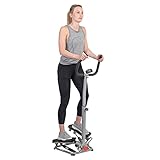
Overview: This twist stepper combines lateral motion technology with sturdy handlebar support for a stable, low-impact cardio experience. The unique side-to-side stepping action engages glutes and inner thighs differently than traditional steppers, while the robust handlebar system ensures balance for users of all abilities. An integrated LCD monitor tracks essential metrics in real-time.
What Makes It Stand Out: The twisting step motion targets often-neglected stabilizer muscles, creating a more dynamic lower body workout. The handlebar isn’t just a safety feature—it enables more intense sessions by allowing users to engage their core while maintaining proper posture. Quiet hydraulic pistons deliver smooth resistance without the mechanical noise of cheaper spring-based models.
Value for Money: At $88.97, this model sits in the sweet spot between basic steppers and full-size machines. The added stability features justify the $20-30 premium over handlebar-less alternatives, potentially preventing injury-related costs. For users concerned about balance or recovering from injury, the handlebar transforms this from risky to accessible.
Strengths and Weaknesses: Pros: enhanced safety from handlebar support, unique muscle-targeting twist motion, comprehensive metrics display, quiet hydraulic operation, and 250-pound weight capacity. The compact 16x12x14-inch frame fits most spaces. Cons: handlebar may restrict some exercise variations, lateral motion has a learning curve, and hydraulic resistance can’t match magnetic systems for consistency.
Bottom Line: Ideal for beginners, seniors, or anyone prioritizing safety without sacrificing workout quality. The twist action effectively combats workout monotony while targeting multiple muscle groups. Though slightly pricier than basic models, the stability and tracking features make it worth the investment for long-term home fitness success.
4. 4-in-1 Rowing Machine, Ab Machine – Foldable Full Body Workout Equipment with Resistance Bands for Home Cardio, Strength, and Core Training – Black

Overview: This foldable unit delivers four exercise modalities—rowing, ab crunches, leg lifts, and resistance band training—in one compact package. Supporting up to 330 pounds, the steel frame provides commercial-grade stability at a fraction of the size. Weighing just 25 pounds with integrated carry handles, it redefines home gym versatility for space-conscious users.
What Makes It Stand Out: The transformative design collapses flat in seconds for under-bed storage, solving the primary drawback of most home fitness equipment. Unlike single-function machines, this allows seamless transitions between cardio rowing and targeted strength work. The adjustable backrest and dual resistance bands accommodate both rehabilitation needs and advanced training.
Value for Money: At $139.99, purchasing four separate machines would cost $400+. The heavy-duty construction and high weight capacity rival $200+ equipment, while the space-saving design eliminates the need for a dedicated workout room. For apartment dwellers or budget-conscious families, this single investment replaces an entire starter gym.
Strengths and Weaknesses: Pros: exceptional versatility, 330-pound capacity exceeds most home equipment, tool-free folding mechanism, multiple resistance options, and non-slip base. The padded seat ensures comfort during extended sessions. Cons: band resistance lacks the feel of magnetic or water rowers, assembly instructions could be clearer, and the lightweight design may shift during vigorous rowing.
Bottom Line: A brilliant solution for total-body fitness in minimal space. While it won’t satisfy rowing purists seeking water-resistance authenticity, it excels as a multifunctional trainer for beginners to intermediate users. The folding capability alone makes it unbeatable for small apartments. Perfect for those wanting variety without equipment clutter.
5. Sunny Health & Fitness Smart Motorized Mini Exercise Bike, Dual Function Portable Under-Desk Pedal Trainer for Low-Impact Cardio Home Workout, Free SunnyFit App Connection – SF-B024041

Overview: This motorized mini bike revolutionizes passive exercise with 18-speed automatic pedal assistance for both arm and leg workouts. Designed specifically for rehabilitation and limited mobility users, it provides gentle cycling motion that can be powered manually or automatically. The compact design fits under desks or on tabletops for versatile placement.
What Makes It Stand Out: The motorized two-way cycling assists users who can’t pedal independently, making it unique among home fitness equipment. Six pre-tuned rehabilitation programs offer structured therapy sessions without professional supervision. The SunnyFit app integration provides real-time metrics and guided routines specifically designed for motorized use, a feature absent in standard peddlers.
Value for Money: At $149.99, the motorized assist justifies the $70 premium over manual peddlers. For post-surgery patients or those with severe arthritis, this costs significantly less than clinical rehab equipment. The lifetime app access adds ongoing value that competitors charge monthly for, making it a sound long-term investment for mobility maintenance.
Strengths and Weaknesses: Pros: motorized assistance aids circulation during passive recovery, 18 speeds accommodate all ability levels, whisper-quiet operation, dual-direction cycling prevents muscle imbalance, and compact storage. The manual mode provides active exercise options. Cons: requires electrical outlet, higher price point, not suitable for high-intensity training, and may feel slow for able-bodied users seeking vigorous workouts.
Bottom Line: An essential tool for rehabilitation patients, seniors with limited mobility, or anyone needing gentle circulation assistance. While too specialized for general fitness enthusiasts, it perfectly serves its niche with thoughtful features unmatched in the category. The motorized assistance transforms this from exercise equipment to medical-grade therapy aid.
6. FitDesk Mini Elliptical Machine, Compact Under Desk Cycle for Home Office, Quiet Magnetic Pedal Exerciser for Smooth Seated Cardio, Fitness Equipment for Desk Workouts, Bike Trainer Compatible

Overview: The FitDesk Mini Elliptical Machine addresses sedentary workplace lifestyles with a compact under-desk design. At just 8 inches tall, it fits under desks as low as 25 inches, making it ideal for remote workers seeking discreet cardio solutions during work hours. This pedal exerciser transforms idle sitting time into active calorie-burning sessions without requiring dedicated workout space.
What Makes It Stand Out: This unit’s magnetic resistance system with eight levels operates whisper-quiet, ensuring distraction-free use in shared offices. The innovative foot-shifter allows hands-free resistance adjustments without interrupting workflow. A six-function digital display tracks essential metrics, while wide textured pedals provide stable footing for extended sessions. The design specifically accommodates seniors and all-day users.
Value for Money: Priced at $66.39, this mini elliptical sits in the mid-range for under-desk exercisers. It offers better stability and quieter operation than budget spring-resistance models, while costing significantly less than premium alternatives with similar magnetic systems. For office workers, it pays for itself by reducing sedentary health risks.
Strengths and Weaknesses: Strengths include its low profile, silent operation, stable pedal design, and convenient foot-controlled resistance. The magnetic system provides smooth, consistent tension. Weaknesses include a limited range of motion that may not satisfy advanced users, a basic display without app connectivity, and resistance levels that might feel light for fitness enthusiasts. The compact size also means no upper body engagement.
Bottom Line: For office workers wanting to combat sitting-related health risks, the FitDesk delivers reliable, quiet cardio. It’s best suited for beginners and intermediate users prioritizing convenience over intense workouts. While not a gym replacement, it’s an excellent productivity-friendly fitness tool.
7. Foldable Ski Machine for Home Workouts – 4-Level Adjustable Cardio Fitness Equipment with Non-Slip Pedals & Armrest, Supports 550 lbs – Full Body, Leg & Pelvic Floor Muscle Trainer

Overview: This Foldable Ski Machine brings alpine-inspired cardio to home fitness at an entry-level price point. Simulating skiing motions, it targets legs, core, and upper body while claiming pelvic floor benefits, making it a versatile option for full-body conditioning. At just 11.9 pounds, it challenges conventional expectations for portable fitness equipment.
What Makes It Stand Out: Remarkably lightweight yet supporting 550 pounds, this machine defies conventional weight-to-capacity ratios. Its four-level height adjustment requires no tools, while dual handrails and anti-slip pedals enhance safety for beginners. The foldable design collapses to 11.5×8×22 inches for storage under beds or in closets, with built-in wheels for portability.
Value for Money: At $28.72, this is one of the most affordable full-body cardio machines available. It costs less than most yoga mats while providing a legitimate workout modality, making it virtually risk-free for budget-conscious buyers. The price point allows experimentation without financial commitment.
Strengths and Weaknesses: Strengths include exceptional affordability, portability, high weight capacity, and space-saving design. The skiing motion offers unique lateral training benefits. Weaknesses involve questionable long-term durability at this price point, potentially flimsy construction, limited resistance options, and a lack of digital tracking features. The ultra-lightweight frame may feel unstable during vigorous use.
Bottom Line: This ski machine excels as a low-commitment introduction to full-body cardio. It’s perfect for beginners, seniors, or those with severe space constraints. However, serious fitness enthusiasts should view it as a supplemental tool rather than primary equipment. The price makes it an easy experiment, but manage expectations regarding longevity.
8. OWLSKY Air Walk Elliptical Exercise Machine for Home Gym – Compact Elliptical Cross Trainer with LCD Monitor, Device Holder, Low-Impact Cardio Workout, Full Body Fitness Equipment 400LBS
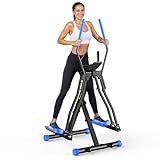
Overview: The OWLSKY Air Walk Elliptical offers a compact cardio solution with multi-directional movement capabilities. Designed for home gyms with space constraints, it provides forward, backward, and side-to-side motion patterns in a single device. The 400-pound weight capacity indicates robust construction despite its compact footprint.
What Makes It Stand Out: This machine’s sub-20db noise level makes it exceptionally quiet for apartment living. The side-to-side motion differentiates it from traditional ellipticals, engaging stabilizer muscles and adding workout variety. An integrated device holder keeps entertainment accessible, while the LCD monitor tracks pulse, time, and calories burned for progress monitoring.
Value for Money: At $239.99, it occupies the mid-range home elliptical market. The price is justified by its versatile movement patterns and whisper-quiet operation, though it lacks the resistance sophistication of magnetic systems in similarly priced competitors. The 400-pound capacity adds value for larger users.
Strengths and Weaknesses: Strengths include silent operation, compact footprint, multi-directional training, device holder, and solid 400-pound capacity. The air walk motion is gentle on joints and suitable for rehabilitation. Weaknesses include potentially insufficient resistance for advanced users, unclear stride length specifications, and basic display features without app connectivity. Assembly may challenge some users despite “minimal tools” claims.
Bottom Line: This elliptical suits users prioritizing quiet operation and movement variety over high-intensity training. It’s ideal for apartments, early morning workouts, or rehabilitation scenarios. While not built for elite athletic training, it delivers excellent low-impact cardio for general fitness. Consider your resistance needs before purchasing.
9. Sunny Health & Fitness Heavy-Duty Smart Elliptical Trainer, 300LB Load Equipment for Indoor Cardio Exercise, Adjustable Resistance for Full-Body Cross Training, Free SunnyFit App Bluetooth Connection
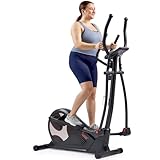
Overview: Sunny Health & Fitness delivers a connected cardio experience with this heavy-duty smart elliptical. Designed for tech-savvy users, it combines traditional elliptical training with digital coaching through the SunnyFit app. The industrial-grade Q235 steel frame promises durability for consistent home use.
What Makes It Stand Out: The free SunnyFit app provides over 1,000 trainer-led workouts and 10,000 virtual scenic tours without subscription fees—a rare value proposition. Fifteen levels of magnetic resistance paired with a belt drive system ensure whisper-quiet operation. The moving handlebars enable comprehensive full-body engagement with a 12-inch stride length.
Value for Money: At $341.99, this represents a premium home elliptical investment. However, the included app content alone would cost hundreds annually through competitors, making it financially attractive for users who value guided training. The heavy-duty construction supports long-term use.
Strengths and Weaknesses: Strengths include extensive app integration, quiet magnetic resistance, sturdy construction, and comprehensive full-body engagement. The 12-inch stride accommodates most users comfortably. Weaknesses include a 300-pound capacity that lags behind some competitors, potential future app monetization, and a price point that may exceed casual users’ budgets. Assembly can be time-consuming despite claims.
Bottom Line: This elliptical excels for users wanting professional guidance without gym membership costs. It’s best suited for intermediate to advanced home exercisers who will utilize the app’s robust features. If you’ll ignore the connectivity, cheaper alternatives exist. For digital fitness enthusiasts, it’s a compelling, future-proof investment.
10. Marcy Water Rowing Machine Cardio Training Equipment, 300-lb Capacity NS-6070RW, Black
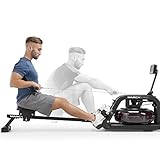
Overview: The Marcy Water Rowing Machine brings authentic on-water resistance to home cardio training. Using a water-filled flywheel, it replicates the dynamic feel of outdoor rowing while providing a full-body, low-impact workout. The NS-6070RW model emphasizes realistic rowing mechanics for serious training.
What Makes It Stand Out: Water resistance automatically adjusts to user effort—harder pulls create more resistance, creating a natural, responsive training experience. Vertical storage capability saves valuable floor space, while the monitor tracks essential metrics including pulse rate (with optional chest strap). Large pedals with secure loops ensure foot stability during intense sessions.
Value for Money: At $424.99, this sits in the mid-to-high range for water rowers. It undercuts premium wooden models while delivering comparable resistance mechanics, making it a solid value for rowing purists. The space-saving design adds practical value for home gym owners.
Strengths and Weaknesses: Strengths include realistic water resistance, space-saving vertical storage, sturdy 300-pound capacity, and comprehensive metric tracking. The variable resistance suits all fitness levels without manual adjustment. Weaknesses include required water maintenance (treatment tablets, occasional refilling), a heart rate monitor that’s not included, and heavier weight compared to magnetic rowers. The monitor lacks advanced connectivity features.
Bottom Line: This rower serves fitness enthusiasts seeking an authentic rowing experience without commercial-grade pricing. It’s ideal for users who appreciate natural resistance curves and have space for vertical storage. While requiring more maintenance than magnetic alternatives, the realistic feel and full-body benefits justify the investment for serious rowers. Casual users may prefer simpler magnetic models.
Why Weight and Size Matter in Home Cardio Equipment
The 50-Pound Threshold Explained
The 50-pound benchmark isn’t arbitrary—it represents the maximum weight most individuals can comfortably maneuver without assistance or risk of injury. Equipment under this weight typically features advanced materials like aircraft-grade aluminum, reinforced polymers, and strategic design engineering that distributes stress efficiently. This weight class allows you to reposition your workout station from living room to bedroom, or even transport it between home and office, eliminating the need for dedicated gym rooms.
Space Constraints vs. Performance Trade-offs
Lightweight cardio equipment forces a fascinating design challenge: how to deliver commercial-gym intensity without commercial-gym mass. Engineers achieve this through clever folding mechanisms, hydraulic resistance systems, and compact footprints that sacrifice unnecessary bulk while preserving biomechanical effectiveness. The key is identifying which features you can trim without compromising your specific fitness objectives—whether that’s HIIT intervals, steady-state cardio, or low-impact rehabilitation work.
Understanding Cardio Equipment Categories
Low-Impact vs. High-Impact Options
Your joints will thank you for understanding this distinction before purchasing. Low-impact equipment like ellipticals, rowing machines, and pedal exercisers keep feet in constant contact with surfaces, reducing stress on knees and ankles. High-impact options such as jump ropes and vertical climbers involve ballistic movements that build bone density but require proper form. Under 50 pounds, both categories exist, but low-impact machines often use sophisticated magnetic or hydraulic systems to achieve smooth motion without heavy flywheels.
Resistance Mechanisms in Lightweight Designs
Traditional cardio equipment relies on heavy metal flywheels for momentum. Portable alternatives replace these with hydraulic cylinders, magnetic resistance, or pure bodyweight mechanics. Hydraulic systems use fluid compression to create resistance, offering infinite adjustability in featherweight packages. Magnetic resistance employs eddy currents between magnets and conductive wheels, providing whisper-quiet operation perfect for apartment dwellers. Understanding these mechanisms helps you predict maintenance needs, noise levels, and workout smoothness.
Jump Ropes: The Ultimate Portable Cardio Tool
Weighted vs. Speed Ropes for Different Goals
Speed ropes with thin cables and ball-bearing handles turn your cardio session into a coordination masterclass, burning up to 10 calories per minute while weighing mere ounces. Weighted ropes, typically 1-5 pounds, transform the humble jump rope into a strength-endurance hybrid that challenges shoulders and core while providing rhythmic cardio. The beauty lies in their dual-weight nature—the rope itself might weigh 2 pounds, but the total package including handles stays well under 5 pounds, making it the lightest serious cardio tool available.
Cable Materials and Handle Technology
Modern jump ropes feature coated steel cables, PVC cords, or innovative polymer blends that resist kinking and maintain shape. Handles have evolved from simple plastic tubes to ergonomically designed grips with 360-degree ball bearings that prevent wrist strain. Some advanced models incorporate removable weights and adjustable length mechanisms, allowing multiple users to share one rope while customizing the feel for different workout intensities.
Mini Steppers: Big Workouts in Small Packages
Hydraulic Resistance Systems
Mini steppers compress hydraulic fluid through cylinders with each step, creating smooth, adjustable resistance without electricity or heavy components. The hydraulic action naturally increases resistance as you step faster, creating an intuitive workout that scales with effort. Quality steppers under 50 pounds use dual hydraulic cylinders rated for millions of compressions, with resistance knobs allowing you to simulate everything from casual stair climbing to intense mountain hiking.
Balance and Stability Features
The best mini steppers include resistance bands that attach to the base, transforming a lower-body workout into a full-body cardio session. These bands challenge your stability, engaging core muscles and increasing caloric burn by up to 30%. Look for non-slip pedals with adjustable straps and wide bases that prevent tipping during aggressive stepping. Some models incorporate twist actions, allowing lateral hip movement that targets obliques and improves functional fitness.
Folding Treadmills: When Portability Meets Running
Deck Cushioning in Lightweight Models
Engineers have revolutionized treadmill design using honeycomb polymer decks and elastomer shock absorbers that provide excellent cushioning without metal-heavy frames. These decks flex slightly underfoot, reducing impact forces by 15-30% compared to road running. The trick is finding models that maintain deck integrity while keeping total weight under 50 pounds—typically achieved with aluminum side rails and minimalist consoles that strip away non-essential features.
Motor Power Considerations Under 50 Pounds
Lightweight treadmills often use DC motors in the 1.0-1.5 HP range, which suffices for walking and light jogging but may struggle with sustained running. The motor itself weighs only 8-12 pounds, with the remaining weight distributed across the belt, deck, and frame. Pay attention to continuous duty rating rather than peak horsepower, and consider that manual treadmills eliminate motors entirely, using your leg drive to move the belt and creating a more intense workout per minute.
Compact Exercise Bikes: Pedal Power Anywhere
Upright vs. Recumbent in Lightweight Designs
Upright bikes under 50 pounds typically feature minimalist frames that fold flat like ironing boards, with magnetic resistance systems hidden in the flywheel housing. Recumbent versions, while rarer in this weight class, use clever cantilever designs where the seat itself becomes part of the structural support. Upright models excel for high-intensity intervals and smaller footprints, while recumbents offer back support and easier mounting for users with mobility concerns.
Magnetic Resistance in Portable Models
Magnetic resistance shines in lightweight bikes because it requires no friction parts that wear down. A small magnetic flywheel (weighing just 3-5 pounds) creates resistance through proximity to conductive elements, with silent operation and infinite adjustability. The resistance mechanism’s efficiency means you can achieve 20+ intensity levels in a package that weighs less than a car tire, making it ideal for shared living spaces where noise travels.
Portable Rowing Machines: Full-Body Cardio
Hydraulic vs. Magnetic Rowing Systems
Hydraulic rowers dominate the under-50-pound category with piston-based resistance that mimics water’s natural feel. Two hydraulic arms attach to a central rail, allowing independent arm movement that engages stabilizing muscles. Magnetic rowers provide smoother, quieter strokes but typically require heavier frames to maintain stability. The hydraulic design’s simplicity means fewer moving parts and easier maintenance, though the stroke feel differs from air or water rowers.
Foldability and Storage Angles
Quality portable rowers fold to just 20 inches long, standing upright in closets or sliding under beds. Look for models with quick-release pins and automatic locking mechanisms that prevent accidental unfolding. The seat rail often becomes the primary structural element when folded, so examine how locking mechanisms distribute stress. Some designs allow horizontal storage under couches, while others stand vertically like vacuum cleaners, giving you flexibility based on your apartment’s layout.
Under-Desk Ellipticals: Multi-Tasking Cardio
Stride Length Limitations
The compact nature of under-desk ellipticals restricts stride length to 6-10 inches versus 18-20 inches on full-sized machines. This limitation actually benefits desk workers by preventing excessive knee elevation that would bang against desk undersides. The shortened stride engages calves and shins more intensely while maintaining a circular motion that protects joints. Advanced models use angled pedals to simulate incline walking, compensating for the reduced stride with varied muscle recruitment.
Whisper-Quiet Operation Features
Magnetic resistance and belt-driven mechanisms eliminate the mechanical noise that would disrupt conference calls. High-quality models operate below 40 decibels—quieter than a library—using precision bearings and balanced flywheels that minimize vibration. Some units include remote controls or smartphone apps, letting you adjust resistance without bending under your desk, maintaining productivity while sneaking in calorie-burning movement.
Vertical Climbers: Maximum Burn, Minimum Footprint
Folding Mechanisms and Stability
Vertical climbers epitomize space efficiency, using your body weight as resistance while occupying less than 2 square feet of floor space. The folding mechanism typically involves collapsing the vertical rails together like scissors, reducing width to 12-15 inches for storage. Stability comes from wide, non-slip base bars and your own weight distribution—when you climb, your downward pressure actually increases stability, a brilliant example of functional design where user movement enhances safety.
Height Adjustments for Different Users
Adjustable handlebars and footholds accommodate users from 4'10" to 6'5", making these machines family-friendly. The adjustment system uses pinned holes or quick-release clamps that must support your full body weight plus dynamic forces. Check that adjustment points have reinforced sleeves to prevent metal fatigue. Some climbers include resistance bands that attach to the frame, adding upper-body work that transforms the machine into a total-body cardio blaster.
Battle Ropes: Dynamic Space-Efficient Training
Anchor Solutions for Apartments
The challenge with battle ropes isn’t the rope weight—quality 30-foot ropes weigh just 15-20 pounds—but anchoring them in rental-friendly ways. Door anchors with protective pads distribute force across door frames without damage, while weighted sandbag anchors provide freestanding options for open spaces. The key is finding anchor systems that handle 100+ pounds of dynamic force without requiring permanent installation or wall damage that would jeopardize security deposits.
Rope Length and Thickness Options
Thinner 1.5-inch ropes suit beginners and high-speed intervals, while 2-inch ropes demand serious grip strength and shoulder endurance. Length determines wave amplitude—shorter ropes (30 feet) fit apartments but require faster movements to maintain wave patterns. Material matters too: poly dacron blends resist fraying and maintain flexibility, while nylon ropes can be too slippery for consistent grip. The rope’s weight distribution should feel even, with no heavy spots that would create unpredictable wave patterns.
Suspension Trainers: Bodyweight Cardio Innovation
Anchor Point Requirements
Suspension trainers weigh under 3 pounds but require sturdy anchor points capable of supporting your bodyweight plus dynamic forces. Door anchors work for pulling exercises but limit cardio potential. Ceiling mounts or exposed beam wraps enable explosive movements like mountain climbers and jump squats that elevate heart rate into true cardio zones. The anchor hardware itself often weighs less than a pound but must be rated for at least 300 pounds to ensure safety during ballistic movements.
Exercise Versatility Beyond Strength
While known for strength training, suspension trainers excel at cardio when you string exercises into continuous circuits. Movements like atomic push-ups, pike jumps, and lateral lunges create metabolic stress that rivals traditional cardio machines. The instability forces constant micro-adjustments, increasing caloric expenditure by 20% compared to stable surfaces. Advanced users can perform “rope training” simulations by adjusting strap length and creating wave patterns, turning the trainer into a dual-purpose cardio-strength tool.
Agility Ladders: Cardio Meets Coordination
Surface Compatibility and Durability
Quality agility ladders weigh under 5 pounds but must withstand outdoor concrete and indoor carpet without breaking rungs or tangling. Look for flat, pro-style rungs that won’t trip you and adjustable spacing that lets you customize drills from 15 to 20 inches apart. The ladder should include carry bags and ground stakes for outdoor use, with rung materials that resist UV degradation if you plan backyard workouts. Some advanced ladders feature numbered rungs for drill programming and memory.
Drills for Cardiovascular Benefits
Agility ladder cardio isn’t about slow, deliberate footwork—it’s about high-knee runs, lateral sprints, and plyometric hops that drive heart rates into Zone 4 and 5. Complex patterns like the “Ickey Shuffle” or “Ali Shuffle” force rapid direction changes that challenge your cardiovascular system differently than linear machines. A 20-minute ladder session can burn 300+ calories while improving neuromuscular coordination, making it one of the most efficient cardio tools per pound of equipment.
Portable Pedal Exercisers: Rehabilitation to HIIT
Tension Control Systems
These desk-sized units use magnetic or friction resistance to provide smooth pedaling against adjustable tension. Magnetic systems offer quieter operation and more precise control, with some models providing 8-16 resistance levels that range from physical therapy-level light to quad-burning heavy. The resistance mechanism’s placement matters—units with flywheels on top provide better stability but slightly more noise, while bottom-mounted systems stay quieter but may rock during intense efforts.
Digital Tracking in Compact Designs
Despite weighing 12-18 pounds, many pedal exercisers include LCD monitors tracking revolutions, time, and estimated calories. Advanced models feature Bluetooth connectivity that syncs with fitness apps, turning a simple pedaling motion into data-driven training. The display should be angle-adjustable for visibility whether you’re using it under a desk or on a tabletop for arm cycling. Battery life becomes crucial—look for models with auto-shutoff features that preserve battery during storage.
Slide Boards: Lateral Movement Cardio
Surface Materials and Boot Compatibility
Slide boards consist of a slick polymer surface (weighing 8-12 pounds) and special booties that reduce friction to near zero. The board material must balance slipperiness for smooth sliding with grip to prevent dangerous speeds. High-density polyethylene (HDPE) boards offer the best durability-to-weight ratio, with some featuring adjustable lengths from 6 to 8 feet. Booties should have neoprene exteriors and smooth polymer soles that fit over athletic shoes, allowing you to slide laterally in a low-impact motion that torches calories while protecting knees.
Space Requirements for Effective Use
While the board itself is compact, you need 3-4 feet of clearance on either side for safe movement. This makes slide boards ideal for hallways or cleared living room spaces. The workout involves continuous lateral shuffles that engage hip abductors and adductors rarely targeted by traditional cardio machines. A 15-minute session can improve skating-specific fitness or provide cross-training for runners, with the board rolling up like a yoga mat for storage in seconds.
Smart Features in Lightweight Equipment
Bluetooth Connectivity and App Integration
Modern portable cardio equipment increasingly includes smart features that punch above their weight class. Bluetooth-enabled machines sync with apps providing virtual coaching, performance tracking, and social competition. This technology adds minimal weight—usually just a few ounces for sensors—while dramatically increasing workout engagement. Look for equipment compatible with multiple apps rather than proprietary systems, ensuring your gear stays relevant as technology evolves.
Battery vs. Outlet Power Considerations
Battery-powered equipment offers true portability but requires periodic charging or battery replacement. Most quality units use 2-4 AA batteries lasting 6-12 months with regular use. Outlet-powered machines provide consistent performance but tether you to walls, reducing placement flexibility. Some hybrid models use kinetic charging, where your movement powers the display—an elegant solution that eliminates batteries while keeping weight minimal.
Durability Concerns with Lightweight Designs
Material Engineering Advances
Carbon fiber composites and aircraft-grade aluminum alloys enable strength-to-weight ratios unimaginable a decade ago. These materials resist fatigue and corrosion while keeping equipment featherlight. However, weight limits often decrease proportionally—a 45-pound treadmill might support only 200 pounds user weight versus 300+ pounds for heavier models. Always check user weight ratings, which indicate structural integrity more accurately than equipment weight alone.
Weight Capacity vs. Equipment Weight
The ratio of user weight capacity to equipment weight reveals engineering quality. A machine weighing 35 pounds that supports 250 pounds demonstrates efficient force distribution. Look for reinforced stress points, welded rather than bolted joints in critical areas, and warranties that cover frame integrity for at least one year. Equipment that flexes excessively during use may be too light for your intensity level, regardless of its portability benefits.
Making Your Final Decision
Assessing Your Primary Cardio Goals
Match equipment to your training style: HIIT enthusiasts need quick resistance adjustments and stable platforms for explosive movements, making jump ropes and vertical climbers ideal. Endurance trainers benefit from steady-state machines like folding bikes or pedal exercisers that maintain consistent resistance for 30+ minutes. Rehabilitation users should prioritize hydraulic steppers and slide boards that offer controlled, low-impact motion.
Budget Allocation for Quality Features
In the sub-50-pound category, expect to pay $50-150 for manual equipment like ropes and ladders, $150-300 for hydraulic steppers and basic bikes, and $300-600 for advanced magnetic resistance machines with smart features. Don’t skimp on resistance system quality—a $200 hydraulic stepper with smooth cylinders outperforms a $100 model with jerky motion that ruins workout rhythm and risks injury. Allocate budget toward the resistance mechanism and frame stability rather than fancy displays or app features you might not use.
Frequently Asked Questions
Can equipment under 50 pounds really provide an effective cardio workout?
Absolutely. The effectiveness depends on resistance quality and your effort level, not equipment mass. A jump rope or hydraulic stepper can drive your heart rate into Zone 4-5 just as effectively as a 200-pound treadmill. The key is choosing equipment with smooth, consistent resistance that matches your fitness goals.
How do I prevent lightweight equipment from moving during intense workouts?
Look for non-slip rubber feet or bases that grip surfaces without damaging them. For equipment like steppers or bikes, place them on exercise mats designed for cardio equipment. Some users add weight plates or sandbags to base bars for extra stability, though this defeats the portability benefit. Proper form also reduces rocking—explosive movements should be controlled rather than ballistic.
What’s the best storage solution for multiple pieces of portable cardio equipment?
Vertical storage racks designed for dumbbells work perfectly for stacking steppers, pedal exercisers, and slide boards. Wall-mounted hooks hold suspension trainers and jump ropes. Under-bed storage containers protect equipment from dust while keeping it accessible. The goal is creating a “fitness zone” that consolidates gear in one area rather than scattering it throughout your living space.
Are there weight limits I should be concerned about with lightweight equipment?
Yes, always check manufacturer specifications. Most sub-50-pound equipment supports 200-250 pounds, though some heavy-duty models reach 300 pounds. The weight limit reflects frame stress capacity, not just static load. Dynamic forces during jumping or sprinting can exceed body weight by 2-3 times, so choose equipment rated at least 50 pounds above your body weight for high-intensity use.
How noisy is portable cardio equipment in apartments?
Magnetic resistance systems are nearly silent, operating below 40 decibels. Hydraulic systems produce soft hissing sounds from fluid compression. Jump ropes create minimal noise on carpet but can be loud on hard floors—use jump rope mats. Avoid friction-based resistance mechanisms that squeak or grind. Most modern portable equipment is designed specifically for apartment noise concerns.
Can I really get a full-body workout with equipment that weighs less than my suitcase?
Definitely. Rowing machines and vertical climbers engage 80-90% of muscles during use. Suspension trainers and steppers with resistance bands add upper-body engagement to lower-body cardio. Even jump ropes work shoulders, core, and calves intensely. The limitation isn’t weight but exercise selection—choose versatile equipment and learn compound movement patterns.
How does durability compare between lightweight and traditional cardio equipment?
Quality lightweight equipment lasts 5-10 years with proper care, though heavy daily use may wear hydraulic seals or magnetic components faster than traditional machines. The trade-off is cost and portability—replacing a $200 stepper every 3 years might be more practical than dedicating permanent space to a $1,000 machine. Look for replaceable parts like hydraulic cylinders or resistance bands to extend lifespan.
What maintenance do portable cardio machines require?
Hydraulic equipment needs occasional cylinder lubrication and seal checks. Magnetic resistance systems are virtually maintenance-free beyond cleaning. All equipment benefits from regular bolt tightening and inspection of stress points. Store indoors to prevent material degradation from temperature fluctuations. Most maintenance takes minutes monthly versus the complex servicing heavy equipment demands.
Are smart features worth the extra cost in lightweight equipment?
Smart features add minimal weight but significant engagement. If you struggle with workout motivation, app connectivity and performance tracking can double adherence rates. However, basic timers and manual resistance adjustment suffice for self-motivated users. Consider whether you’ll actually use data analytics or virtual classes before paying premiums for Bluetooth-enabled models.
How do I know if I’m buying quality equipment or a flimsy gimmick?
Check for specific engineering details: hydraulic cylinders should have brand names like “HYDRAULIC SYSTEMS” rather than generic labels. Frames should use aluminum or steel with visible welds at stress points. Read reviews focusing on long-term use (6+ months) rather than initial impressions. Warranty length indicates manufacturer confidence—quality equipment offers at least one year on frames and six months on moving parts. Avoid anything with vague “fitness technology” claims without explaining the actual resistance mechanism.