When winter’s fury drops temperatures into the bone-chilling negatives, your feet become the frontline soldiers in the battle against cold. While insulated boots provide the first layer of defense, the unsung hero often hiding beneath your toes determines whether you enjoy a comfortable day on the ice or suffer through hours of numbness. Thermal insoles aren’t just comfort accessories—they’re sophisticated pieces of cold-weather engineering that can make or break your sub-zero experience.
The difference between mediocre and exceptional thermal insoles extends far beyond marketing claims. Understanding the interplay of materials, physics, and proper fit transforms you from a casual winter enthusiast into someone who can confidently select the right foot-warming technology for any extreme condition. Whether you’re ice fishing at twenty below, working construction in a polar vortex, or summiting a windswept peak, the principles of effective foot insulation remain constant—and surprisingly complex.
Top 10 Thermal Insoles for Sub-Zero Boots
Detailed Product Reviews
1. Yaktrax Thermal Cold Weather Insoles for Men and Women, 1 Pair
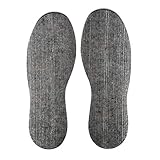
Overview: The Yaktrax Thermal Insoles deliver reliable cold-weather protection for both men and women, rated to withstand temperatures down to -13 degrees Fahrenheit. Constructed from a blend of fray-resistant, moisture-wicking woolen polar felt and recycled blended felt, these trim-to-fit insoles provide targeted insulation for boots and shoes. Designed to accommodate women’s size 6 through men’s size 12, they feature a specialized Radiantex thermal layer that redirects body heat back toward your feet.
What Makes It Stand Out: The Radiantex thermal layer sets these apart from standard felt insoles by actively reflecting body heat rather than just providing passive insulation. The combination of woolen polar felt with recycled materials creates an eco-conscious product that doesn’t compromise performance. The trim-to-fit design offers universal compatibility across an extensive size range, making them versatile for households with multiple users.
Value for Money: At $9.59 per pair, these insoles represent excellent value for cold-weather protection. Comparable thermal insoles typically retail for $15-20, making Yaktrax an affordable entry point. The durable, fray-resistant construction ensures longevity through multiple seasons, while the moisture-wicking properties prevent odor buildup, reducing replacement frequency.
Strengths and Weaknesses: Strengths:
- Radiantex technology actively reflects heat
- Wide size range (Women’s 6 to Men’s 12)
- Moisture-wicking and odor-resistant
- Eco-friendly recycled materials
- Easy trim-to-fit customization
Weaknesses:
- Passive insulation only (no active heating)
- Limited cushioning compared to premium options
- May compress over extended heavy use
Bottom Line: The Yaktrax Thermal Insoles offer exceptional cold-weather value for under ten dollars. While they won’t replace battery-powered options for extreme conditions, their heat-reflective technology and quality materials make them ideal for everyday winter activities, commuting, and moderate outdoor work.
2. Wool Felt Warm Insoles,Soft Insert Insoles for Boots and Shoes,Wool Insoles for Men Women (Men’s 8/Women’s 9)
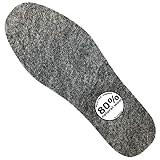
Overview: These Wool Felt Warm Insoles prioritize natural insulation through high-density lambs wool felt, delivering superior warmth compared to synthetic alternatives. With a 6mm ergonomic thickness, they provide comfortable cushioning while maintaining a low profile in footwear. Designed for men’s size 8/women’s size 9, these washable insoles can be trimmed for customization and promise superlative warmth for cold winter conditions.
What Makes It Stand Out: The premium lambs wool felt construction offers exceptional thermal properties that surpass standard wool fur insoles. The 6mm thickness hits the sweet spot between comfort and bulk, providing noticeable cushioning without compromising shoe fit. Their washability extends lifespan significantly—simply hand wash and air dry to maintain freshness and performance throughout the season.
Value for Money: Priced at $9.99, these insoles compete directly with the Yaktrax offering while emphasizing natural materials. The washable feature adds long-term value, as most thermal insoles require replacement when soiled. For users prioritizing natural fibers over synthetic blends, the slight premium is justified. However, the lack of advanced heat-reflective technology means performance relies solely on material insulation.
Strengths and Weaknesses: Strengths:
- Premium lambs wool felt insulation
- Washable and reusable design
- 6mm thickness provides excellent cushioning
- Trim-to-fit versatility
- Natural moisture-wicking properties
Weaknesses:
- No heat-reflective technology layer
- Single base size requires trimming for most users
- Hand wash only (not machine washable)
- May take time to dry completely
Bottom Line: These wool felt insoles are perfect for natural material enthusiasts seeking washable, reusable foot warmth. While they lack advanced thermal technology, the quality lambs wool and practical thickness make them a solid choice for everyday winter wear, especially at this accessible price point.
3. Little Hotties Thermal Insole 2-Pk - Versatile Trim-to-Fit Design, Cold-Resistant, Comfortable Cushioning, One Size Fits Most, for Winter Footwear
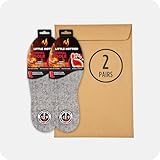
Overview: The Little Hotties Thermal Insole 2-Pack delivers dual pairs of professional-grade cold protection rated to -13°F. Featuring a multi-layer design with a reflective Radientex layer, durable felt base, and moisture-wicking brushed felt top, these trim-to-fit insoles accommodate women’s size 6 to men’s size 12. The quarter-inch profile ensures compatibility with most footwear while providing exceptional cushioning for extended wear.
What Makes It Stand Out: The 2-pack configuration offers immediate backup pairs or the ability to equip multiple shoes simultaneously—a practical advantage over single-pair packages. The engineered multi-layer construction combines passive insulation with active heat reflection, while the moisture-wicking top layer actively manages sweat during high-activity winter sports or work. This thoughtful layering creates a comprehensive thermal management system.
Value for Money: At $24.98 for two pairs ($12.49 each), these insoles provide solid mid-range value. While more expensive per pair than budget options, the 2-pack convenience factor and proven multi-layer technology justify the cost. Users effectively receive a 25% discount compared to purchasing two single pairs of comparable quality, making it economical for those needing multiple pairs.
Strengths and Weaknesses: Strengths:
- Two pairs included for value and convenience
- Multi-layer design with Radientex heat reflection
- Wide size compatibility
- Effective moisture management
- Professional cold-weather rating (-13°F)
Weaknesses:
- Higher upfront cost than single-pair options
- 1/4-inch thickness may feel bulky in tight-fitting shoes
- No active heating element
- Limited color/style options
Bottom Line: The Little Hotties 2-Pack excels for users needing multiple pairs of reliable thermal insoles. The proven multi-layer technology and convenient dual-packaging make it a smart investment for serious winter enthusiasts or workers requiring consistent protection across different footwear.
4. Little Hotties Thermal Insole,13 in. L x 4-1/4 in. W,PR 07216-1 Each

Overview: This single Little Hotties Thermal Insole represents the Canadian-made counterpart to the 2-pack variant, offering identical multi-layer cold protection in an individual package. Measuring 13 inches by 4-1/4 inches, this trim-to-fit insole delivers the same -13°F rating and Radientex heat-reflective technology. The durable felt construction with moisture-wicking brushed felt top layer ensures reliable performance for single-pair purchasers.
What Makes It Stand Out: The “Made in Canada” designation signals quality manufacturing standards and cold-weather expertise from a country known for harsh winters. This single-pair option allows users to try the technology without committing to a multi-pack purchase. The specific dimensional specifications provide clarity for buyers needing to assess fit in unusually shaped footwear before trimming.
Value for Money: At $14.75 for a single pair, this represents a premium over the 2-pack’s per-unit cost but offers flexibility for those needing only one pair. The Canadian manufacturing quality and proven multi-layer technology command a higher price point than budget alternatives. For users uncertain about the product, purchasing a single pair reduces initial investment risk while delivering the same performance as the twin pack.
Strengths and Weaknesses: Strengths:
- Premium Canadian manufacturing quality
- Same proven Radientex technology as 2-pack
- Specific dimensional transparency
- Trim-to-fit versatility
- Professional cold-weather performance
Weaknesses:
- Higher per-pair cost than bulk options
- Single pair may not be sufficient for rotating footwear
- Limited value compared to 2-pack offering
- No quantity discount benefit
Bottom Line: Ideal for first-time buyers or those needing a single premium pair, this Canadian-made option delivers proven Little Hotties performance without multi-pack commitment. While costlier per unit than the 2-pack, it offers quality assurance and flexibility for specific footwear needs.
5. Dr.warm 3 Heating Levels Heated Insoles USB Electric Power Thermal Soles for Men and Women Winter Boots Shoes Sneaker Ice Fishing Camping
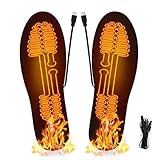
Overview: The Dr.warm Heated Insoles revolutionize foot warmth with active USB-powered heating technology, offering three adjustable temperature settings from 55-78°C (131-172°F). At just 4mm thick, these ultra-slim insoles integrate seamlessly into any footwear without bulk. Constructed from elastic EVA-foam and polyester, they combine moisture-wicking comfort with customizable warmth for activities ranging from office work to ice fishing.
What Makes It Stand Out: Unlike passive insoles, Dr.warm provides active heating with three precise temperature levels controlled via an external controller. The ultra-slim 4mm profile is remarkable for a heated insole, eliminating the bulk typically associated with electronic foot warmers. Universal USB power compatibility means users can connect to power banks, laptops, or adapters, providing unprecedented flexibility for indoor and outdoor applications.
Value for Money: At $19.77, these heated insoles cost less than many premium passive options while delivering active heating—a remarkable value proposition. Comparable battery-powered heated insoles often exceed $50, making the USB-powered approach significantly more affordable. The ability to use existing power banks further reduces total ownership costs, though users must purchase a separate power source for portable use.
Strengths and Weaknesses: Strengths:
- Active heating with three temperature settings
- Ultra-slim 4mm design fits any footwear
- USB power compatibility with multiple sources
- Full-foot heating coverage
- Affordable entry into heated insole technology
Weaknesses:
- Requires external power source (not included)
- Wired connection may limit mobility
- Durability concerns with electronic components
- Not truly wireless or self-contained
Bottom Line: Dr.warm Heated Insoles democratize active foot warming at an unbeatable price. While the tethered power requirement limits ultimate portability, the slim profile, customizable heat, and USB flexibility make them perfect for stationary outdoor activities, commuting, and anyone seeking affordable heated comfort without premium pricing.
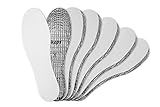
6. Kaps Alu Super Thermal and Insulating Insole Inserts for Shoes Boots, 6 Pairs of Cut to Fit Winter Shoe Insoles for Adults Unisex, Warm and Comfy, 6 Pair Pack
Overview:
The Kaps Alu Super Thermal insoles deliver a practical, bulk solution for winter foot warmth. This six-pair pack provides insulating inserts for multiple shoes simultaneously, eliminating the hassle of swapping insoles between footwear. Designed for universal adult sizing up to US Men’s 13, these European-made inserts feature a clever three-layer construction aimed at blocking cold from the ground up.
What Makes It Stand Out:
The standout feature is undoubtedly the six-pair quantity at a budget price point, making it easy to winterize an entire shoe collection. The unique three-layer design combines a cozy fabric top, insulating polyethylene foam middle, and reflective aluminum foil bottom that acts as a thermal barrier against frigid surfaces. The cut-to-fit design with printed guidelines ensures a customized fit across various shoe types.
Value for Money:
At $13.99 for six pairs, each insole costs approximately $2.33—exceptional value compared to single-pair alternatives. This bulk packaging eliminates repetitive purchases and allows dedicated winterization of work boots, casual shoes, and athletic footwear simultaneously. For households in cold climates, the per-pair cost is hard to beat.
Strengths and Weaknesses:
Strengths: Six pairs per pack; excellent price-to-quantity ratio; effective three-layer insulation; trim-to-fit versatility; European manufacturing quality.
Weaknesses: 4mm thickness may lack cushioning for all-day standing; aluminum layer can crinkle when cut; not ideal for extreme sub-zero conditions; durability may be limited with heavy use.
Bottom Line:
These Kaps insoles are a smart, economical choice for moderate winter climates. While not designed for arctic expeditions, they provide reliable everyday warmth across multiple pairs of shoes, making them perfect for budget-conscious consumers who value convenience and versatility.
7. Oboz Unisex Thermal Trail Insole, Orange, M

Overview:
The Oboz Thermal Trail Insole represents a premium approach to winter foot comfort, engineered for serious outdoor enthusiasts who demand technical performance. Unlike bulk-pack budget options, this single-pair insole focuses on advanced materials and biomechanical support for trail hiking, snowshoeing, and cold-weather adventures where foot stability matters as much as warmth.
What Makes It Stand Out:
The integration of aerogel thermal insulator—a NASA-inspired material—provides exceptional warmth-to-weight ratio without bulk. Combined with Oboz’s proprietary ACT PU foams in both heel/forefoot (for protection) and open-cell construction (for cushioning), these insoles deliver targeted support. The medium-high arch support addresses fatigue during extended wear, distinguishing it from flat, unsupportive alternatives.
Value for Money:
At $40.00 for a single pair, this is a significant investment. However, for dedicated hikers and winter athletes, the aerogel technology and arch support justify the premium. Comparable technical insoles with aerogel often exceed this price point, positioning Oboz as a competitive option in the performance category.
Strengths and Weaknesses:
Strengths: Aerogel insulation for superior warmth; dual-density PU foam system; excellent arch support; durable construction; ideal for technical footwear.
Weaknesses: High price for single pair; limited sizing options; orange color may show dirt; not trim-to-fit; overkill for casual urban use.
Bottom Line:
For outdoor adventurers prioritizing performance, the Oboz Thermal Trail Insole justifies its premium price through advanced aerogel insulation and supportive design. It’s an investment in foot health and warmth for serious winter activities, though casual users may find better value elsewhere.
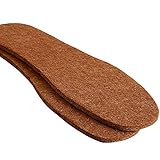
8. Soft Alpaca Wool Felt Winter Warm Shoe Boot Insoles - Natural Wool Felt Insert for Men and Women (Men 12)
Overview:
These Soft Alpaca Wool Felt insoles offer a natural, minimalist approach to winter warmth. Crafted from an 80/20 alpaca-to-wool blend, they prioritize sustainable materials and breathability over synthetic technologies. At approximately 1/5-inch thick, they provide cushioning without significantly altering shoe fit, making them ideal for those seeking a low-profile, eco-conscious insulation solution.
What Makes It Stand Out:
The alpaca wool blend delivers exceptional warmth-to-weight ratio while naturally resisting moisture, odors, and dirt. Unlike treated synthetic insoles, these maintain breathability and quick-drying properties even when wet. The natural fiber construction is gentle on skin and provides resilient cushioning that doesn’t compress permanently over time, offering a unique “from animal to feet” authenticity.
Value for Money:
Priced at $9.99 for a single pair, these occupy the budget-friendly natural product niche. They compete directly with basic wool insoles while offering alpaca’s superior softness and thermal properties. For consumers prioritizing natural materials, the price represents solid value, though synthetic options may provide more aggressive insulation for less.
Strengths and Weaknesses:
Strengths: Natural alpaca/wool blend; excellent moisture and odor resistance; lightweight; quick-drying; eco-friendly; soft, non-irritating texture.
Weaknesses: Single pair only; limited size range; minimal arch support; not trim-to-fit; less effective in extreme wet conditions; thinner than some winter options.
Bottom Line:
Perfect for eco-conscious consumers wanting natural foot warmth, these alpaca felt insoles excel in everyday cold conditions. They won’t replace technical insoles for Arctic adventures but provide comfortable, odor-free insulation for casual winter wear at an attractive price point.
9. JobSite Warm Feet Thermal Insoles – 3M Thinsulate Insulation - Men 8-13 - 2 Pairs

Overview:
JobSite’s Warm Feet Thermal Insoles leverage the trusted 3M Thinsulate brand to deliver reliable cold-weather protection in a practical two-pair package. Designed for men sizes 8-13, these insoles focus on efficient heat retention through microfiber technology while maintaining a low-profile fit that won’t compromise shoe comfort or require extensive break-in periods.
What Makes It Stand Out:
The 3M Thinsulate insulation is the key differentiator, using microfibers that trap body heat more effectively than traditional insulations while allowing moisture vapor to escape. This prevents the dampness that often leads to cold feet. The pillow-top cover adds cushioning comfort, and the thin, lightweight design ensures compatibility with most footwear without creating tightness.
Value for Money:
At $17.99 for two pairs, the per-pair cost is approximately $9.00—positioned as a mid-range option. The 3M brand recognition adds confidence, while the two-pair pack offers better value than single-pair competitors. For users wanting proven insulation technology without premium pricing, this strikes a practical balance.
Strengths and Weaknesses:
Strengths: Genuine 3M Thinsulate insulation; effective moisture management; pillow-top cushioning; two pairs included; low-profile design; wide size range.
Weaknesses: Not trim-to-fit; limited arch support; durability concerns with heavy use; may compress over time; synthetic materials less breathable than natural options.
Bottom Line:
A solid, brand-backed choice for everyday winter protection, JobSite’s Thinsulate insoles deliver reliable warmth and moisture control. The two-pair value and proven insulation technology make them ideal for workers and casual users in moderate to cold climates seeking hassle-free performance.
10. ELOS Heated Insoles Starter Pack – Trim-to-Fit Shoe Insoles for Women & Men | Reusable Heated Shoe Inserts + 2 Pairs Air-Activated Heat Packs | Comfort Insoles for Standing All Day, Skiing & Running

Overview:
The ELOS Heated Insoles Starter Pack introduces active heating to the insole market through air-activated heat packs. This innovative system combines reusable foam insoles with replaceable warmers, delivering consistent heat for outdoor activities without batteries or wires. The kit includes one pair of trim-to-fit insoles and two pairs of heat packs, targeting athletes and workers in extreme cold.
What Makes It Stand Out:
Unlike passive insulators, these provide active heat for up to 8 hours via chemical warmers that fit into built-in cavities. The trim-to-fit design ensures universal compatibility, while the reusable insole base reduces waste compared to disposable foot warmers. Tested in skiing and hunting scenarios, they offer targeted warmth where passive insoles fall short.
Value for Money:
At $19.99 for the starter kit with two heat pack pairs, initial value is strong. Replacement heat packs represent ongoing costs, but the reusable insole design remains economical long-term. For extreme cold exposure, this hybrid approach costs less than battery-powered alternatives while delivering comparable performance.
Strengths and Weaknesses:
Strengths: Active heating capability; trim-to-fit versatility; reusable insole base; no batteries/wires; proven athletic performance; includes multiple heat packs.
Weaknesses: Ongoing heat pack costs; limited heat pack lifespan; bulkier than standard insoles; not suitable for daily use without heat packs; environmental impact of disposables.
Bottom Line:
ELOS Heated Insoles excel for specific cold-weather activities where passive insulation proves insufficient. The hybrid design offers flexibility for extreme conditions, making them a smart investment for winter athletes and outdoor workers, though daily users may prefer traditional insulated insoles.
Understanding Thermal Insole Technology
Thermal insoles operate on principles that would make a physicist proud. At their core, they’re designed to solve a deceptively simple problem: preventing the heat your body generates from escaping into the frozen ground while simultaneously stopping the cold from conducting upward. This battle happens on a microscopic level, where air pockets, material density, and moisture content determine victory or defeat.
How Heat Retention Works in Sub-Zero Conditions
Your feet lose heat through three primary mechanisms: conduction (direct contact with cold surfaces), convection (air movement around your feet), and radiation (heat emitting from your body). In sub-zero environments, conduction becomes your greatest enemy. Frozen ground, ice, and even the frozen sole of your boot actively pull heat away from your feet at an alarming rate. Effective thermal insoles create a barrier with extremely low thermal conductivity—essentially, they resist the flow of heat from warm to cold. This is achieved through materials that trap millions of microscopic air pockets, since still air is one of nature’s best insulators.
The Science Behind Thermal Insulation Materials
The R-value, a measure of thermal resistance, becomes critically important when selecting sub-zero insoles. However, unlike home insulation, insoles must balance R-value with compressibility, moisture management, and durability. When you step down, you compress the insole, potentially squeezing out those precious air pockets that provide insulation. Premium materials maintain their loft—their ability to spring back and preserve air space—even after thousands of steps in freezing conditions. This compression resistance separates serious winter gear from fair-weather products that fail when temperatures plummet.
Key Features That Define Premium Thermal Insoles
Not all thermal insoles deserve a place in your sub-zero boots. The market overflows with products making bold claims, but certain features separate genuinely effective options from expensive pieces of foam. Recognizing these characteristics helps you cut through marketing noise and invest in technology that delivers real warmth.
Insulation Materials: From Wool to Aerogel
The insulation material forms the heart of any thermal insole. Merino wool offers natural moisture-wicking and temperature regulation, maintaining warmth even when damp. Synthetic Thinsulate traps air in microfibers, providing excellent warmth-to-thickness ratio. Aerogel, the lightest solid material on Earth, delivers space-age insulation that blocks cold from frozen surfaces with remarkable efficiency. Each material performs differently under compression and moisture exposure, making your choice dependent on specific activity types and conditions.
Moisture-Wicking Properties: The Hidden Warmth Factor
Moisture represents the silent killer of foot warmth. Even minimal perspiration can reduce insulation effectiveness by up to 70% as water fills air pockets and increases conductive heat loss. Premium thermal insoles incorporate multi-layer moisture management systems: a top layer that wicks sweat away from your foot, a middle layer that transports moisture toward the boot’s ventilation system, and a bottom layer that prevents external moisture from seeping upward. This three-part system keeps the insulation dry and functional throughout long exposure.
Reflective Heat Technology: Metallic Layers Explained
Some advanced insoles integrate thin metallic films—often aluminum or mylar—that reflect radiant heat back toward your foot. These layers work like the emergency blankets used by search and rescue teams, bouncing your body’s own infrared radiation back to its source. While not a substitute for proper insulation, reflective technology can boost overall warmth by 10-15% without adding bulk. The key lies in placement: the reflective layer must sit below the main insulation but above any moisture barrier to remain effective.
Compression Resistance: Maintaining Loft in Extreme Cold
An insole that compresses permanently under your body weight becomes useless in sub-zero conditions. Premium options use materials with high compression resistance ratings, measured in kilopascals (kPa). These materials spring back to their original thickness even after hours of standing or walking, ensuring consistent insulation throughout your activity. Cold temperatures make many materials stiffer and more brittle, so testing compression resistance at actual sub-zero temperatures—not just room temperature—reveals true performance.
Material Deep Dive: What Works Best for Sub-Zero Temperatures
Selecting the right insulation material requires understanding how each option behaves when the mercury drops below zero. The theoretical warmth rating means nothing if the material collapses under pressure or becomes saturated with moisture.
Natural vs Synthetic Insulation: Pros and Cons
Natural materials like wool and felt offer excellent breathability and maintain some insulating properties when damp. They conform beautifully to foot shape and resist odors naturally. However, they dry slowly and can pack down permanently over time. Synthetic options like closed-cell foams and specialized polyester fibers dry quickly, resist compression better, and often provide higher R-values for their thickness. The trade-off? They can feel less comfortable and may develop odors without proper treatment. For sub-zero applications, many experts recommend hybrid designs that layer natural and synthetic materials to capture the best of both worlds.
The Role of Merino Wool in Extreme Cold
Merino wool deserves special attention for sub-zero applications. Unlike regular wool, merino fibers are incredibly fine—about one-third the diameter of human hair—creating more air pockets per inch. This structure traps body heat efficiently while wicking moisture away from the skin. In extreme cold, merino can absorb up to 30% of its weight in moisture without feeling wet, maintaining insulation during low-activity periods like sitting in a hunting blind or ice fishing hut. The natural crimp in merino fibers also provides excellent compression recovery, though not quite matching the best synthetics.
Aerogel Insulation: Space-Age Technology for Your Boots
Aerogel represents the pinnacle of thermal insulation technology. Composed of 95% air trapped in a silica matrix, aerogel insoles block cold from frozen surfaces more effectively than any other material of comparable thickness. NASA uses this technology to insulate spacecraft, and now it’s available for your feet. The primary advantage? Aerogel performs exceptionally well under compression, maintaining its insulating properties even when stepped on repeatedly. The downside: cost and slight crinkling noise that some users find annoying. For stationary activities on ice or frozen ground, aerogel insoles provide unmatched protection from conductive heat loss.
Sizing and Fit: The Critical Factor for Maximum Warmth
Even the most advanced thermal insole fails completely if it doesn’t fit properly. Fit affects not just comfort but directly impacts thermal performance through compression patterns, air circulation, and contact with boot insulation.
How Improper Sizing Can Compromise Insulation
An insole that’s too small leaves gaps around the edges where cold can infiltrate and where your foot’s weight doesn’t compress the insulation evenly. This creates pressure points and cold spots that defeat the purpose of thermal protection. Conversely, an insole that’s too large buckles and folds, creating hard ridges that reduce blood circulation—your body’s natural heating system. Proper sizing ensures even weight distribution across the entire insole surface, maximizing the insulation’s effectiveness and maintaining consistent warmth.
Trimming Guidelines for Custom Fit
Most quality thermal insoles come with trim-to-fit guidelines, but there’s an art to proper trimming. Always trim less than you think you need, testing the fit after each small cut. Use the original insole from your boot as a template, but remember that thermal insoles often have different thicknesses that affect volume. Leave a small gap—about 2mm—around the perimeter to allow for material expansion in cold conditions and to prevent bunching. Never trim the toe area too short; this is where insulation is most critical as toes are farthest from your warm core and most vulnerable to frostbite.
Volume Considerations for Different Boot Types
Sub-zero boots come in various designs: mountaineering boots with rigid shells, pack boots with thick felt liners, and pac boots with removable insulation. Each design offers different internal volume. A thick, heavily insulated insole might improve warmth but could make your boots too tight, restricting blood flow and actually making your feet colder. Measure your boot’s internal height at the toe box and compare it to the insole’s compressed thickness. For tight-fitting technical boots, consider low-profile aerogel options. For roomy pack boots, thick wool or synthetic lofted insoles provide maximum warmth.
Activity-Specific Considerations
Your thermal insole needs change dramatically depending on whether you’re standing still on a frozen lake or generating heat through vigorous activity. One size definitely doesn’t fit all when it comes to sub-zero foot insulation.
Stationary Activities: Hunting, Ice Fishing, and Observation
When you’re sitting motionless in a hunting blind or staring at an ice fishing hole, your feet generate minimal metabolic heat. In these scenarios, maximum insulation value takes priority over breathability. Thick, high-R-value insoles with aerogel layers or dense wool felt work best. The goal is to create the most effective barrier against conductive heat loss to the frozen surface beneath you. Consider double-layering: a thin reflective insole beneath a thick insulated one for stationary cold-weather activities where you won’t be moving enough to generate significant body heat.
High-Movement Activities: Winter Hiking and Mountaineering
Active pursuits generate substantial heat but also produce sweat—lots of it. Here, moisture management becomes equally important as insulation. Look for insoles with excellent wicking properties and quick-dry materials. Thinner, high-performance synthetic insoles often outperform thick, heavy options because they prevent overheating and manage moisture effectively. Overheating leads to sweat, which eventually leads to cold, wet feet when you stop moving. The ideal insole for active use balances insulation with temperature regulation, preventing both heat loss and heat buildup.
Work Boots: Balancing Safety and Warmth
Steel-toe and composite-toe work boots present unique challenges. The safety toe cap creates a cold bridge—an area where insulation is compressed or absent, allowing cold to penetrate directly. Specialized thermal insoles for work boots often feature reinforced insulation in the forefoot area and are designed to work with safety footwear’s unique internal geometry. They must also resist compression from heavy loads and long hours of standing. For sub-zero work environments, consider insoles with anti-microbial treatments since you’ll likely be wearing them for 8-12 hours straight, generating significant moisture.
Common Mistakes That Kill Insole Effectiveness
Even premium thermal insoles fail when used incorrectly. Understanding these common errors saves you money, discomfort, and potentially dangerous cold exposure.
Over-Tightening Laces: The Circulation Killer
The most frequent mistake is cranking boot laces too tight, especially with thick thermal insoles. Tight laces compress the insole excessively, squeezing out air pockets and reducing insulation. Worse, they restrict blood flow to your feet—your internal heating system. In sub-zero conditions, maintain a looser fit than you would in summer boots. Your feet should feel secure but not compressed. If you can wiggle your toes freely and see slight compression marks on your socks rather than deep indentations, you’ve found the right balance.
Ignoring Moisture Management
Putting thermal insoles into wet boots is like trying to heat a house with the windows open. Always remove insoles after use and allow them to dry completely. Many users make the mistake of leaving insoles in boots overnight, where trapped moisture freezes and compromises the next day’s performance. For multi-day trips, carry two sets of insoles, alternating them daily to ensure complete drying. Never place thermal insoles directly on a heat source like a radiator or campfire; excessive heat damages insulation fibers and reflective layers, permanently reducing effectiveness.
Using the Wrong Insole for Your Activity Level
That ultra-thick, maximum-warmth insole perfect for ice fishing becomes a liability during a winter hike. Excess insulation causes overheating, leading to sweat-soaked insoles that freeze when you stop moving. Conversely, a thin, breathable hiking insole leaves you with numb toes during stationary activities. Match your insole to your primary activity, and consider owning multiple pairs for different winter pursuits. The investment pays dividends in comfort and safety.
Maintenance and Longevity Tips
Thermal insoles represent an investment in winter comfort. Proper care extends their lifespan and maintains performance through multiple seasons of sub-zero exposure.
Cleaning Protocols for Different Materials
Never machine wash thermal insoles unless the manufacturer explicitly approves it. For wool insoles, hand wash in cool water with a gentle detergent designed for wool, then air dry flat. Synthetic insoles can be wiped with a damp cloth and mild soap. Aerogel insoles require only surface cleaning with a dry brush or slightly damp cloth—never submerge them. For all types, avoid harsh chemicals and detergents that can strip natural oils from wool or degrade synthetic fibers.
Drying Techniques That Preserve Insulation
The best drying method is slow and natural. Remove insoles from boots and place them in a warm, dry area with good air circulation. A boot dryer set to low heat works well for synthetic insoles but can damage wool and aerogel. Never use high heat or direct sunlight, which can break down materials and cause shrinkage. For expedited drying, stuff insoles with newspaper, which absorbs moisture from both sides. Replace the newspaper every few hours until completely dry.
When to Replace Your Thermal Insoles
Even the best thermal insoles have a limited lifespan. Replace them when you notice permanent compression marks that don’t spring back, when the material feels brittle or breaks apart, or when odor becomes impossible to remove despite proper cleaning. For heavy users, this might be every season; for occasional winter adventurers, quality insoles can last 2-3 years. Mark the purchase date on your insoles with a permanent marker to track their age accurately.
The Interplay Between Socks and Insoles
Your thermal insoles don’t work in isolation. The socks you choose can either amplify or completely negate their effectiveness.
Sock Thickness Strategies
The old advice to “just wear thicker socks” often backfires in sub-zero conditions. Overly thick socks compress thermal insoles, reducing their loft and insulation value. They also restrict circulation and can create pressure points. Instead, choose medium-weight socks made from high-quality materials like merino wool, which provide their own insulation while allowing the insole to function properly. The combined system—sock plus insole—should fill your boot comfortably without tightness.
Material Compatibility: Avoiding the Wrong Combinations
Some material combinations create problems. Cotton socks wick poorly and hold moisture against the insole, destroying its insulating properties. Synthetic socks that don’t breathe can trap moisture between sock and insole. The gold standard is a high-quality merino wool sock paired with a complementary insole material. If using wool insoles, consider synthetic blend socks to prevent excessive friction and moisture retention. For synthetic insoles, merino socks provide optimal moisture management.
Budget vs Premium: What You’re Paying For
Thermal insoles range from $15 drugstore options to $50+ specialty products. Understanding the real differences helps you make informed purchasing decisions.
The $15 vs $50 Insole: Real Differences
Budget insoles typically use simple foam with basic fabric covers. They provide initial warmth but compress permanently within weeks and offer minimal moisture management. Premium insoles invest in advanced materials like aerogel, multi-layer construction, and sophisticated moisture-wicking systems. They maintain performance over multiple seasons and often include anti-microbial treatments, reinforced stress points, and precise engineering for specific boot types. For occasional use in moderately cold conditions, budget options suffice. For regular sub-zero exposure, premium insoles cost less per use and provide significantly better protection.
Long-Term Cost Analysis
A $50 pair of thermal insoles lasting three seasons costs about $16.67 per season. A $15 pair requiring annual replacement costs $45 over three years—and likely provides inferior warmth each season. Factor in the cost of cold-related discomfort, potential frostbite, and ruined winter experiences, and premium insoles become a bargain. Additionally, quality insoles can extend the life of expensive winter boots by reducing moisture and providing consistent support.
DIY Enhancements and Pro Tips
Sometimes you need to optimize what you have rather than buying new. These professional tricks can boost any thermal insole’s performance.
Boosting Your Existing Insoles
Add a thin reflective emergency blanket layer beneath your current insoles for an instant 10-degree warmth boost. Cut the material slightly smaller than your insole to prevent crinkling and noise. For wool insoles that have packed down, gently steam them over a kettle to help fibers expand, then allow them to dry with a shoe tree inserted to restore loft. Apply a DWR (durable water repellent) spray to the bottom of insoles to prevent moisture absorption from wet boot floors.
Layering Strategies That Actually Work
Double-layering insoles can work if done correctly. Place a thin, reflective insole directly on the boot’s footbed, then add your primary insulated insole on top. This creates an air gap between layers that adds insulation without excessive compression. Never stack two thick insoles, which reduces circulation and creates instability. The bottom layer should be thin and non-compressible; the top layer provides the primary insulation and comfort.
Environmental and Ethical Considerations
Modern consumers increasingly consider the environmental impact of their gear choices. Thermal insoles present unique considerations.
Sustainable Insulation Options
Recycled polyester insulation offers warmth comparable to virgin materials while reducing plastic waste. Some manufacturers now use recycled wool from textile industry waste, creating high-performance insoles with minimal environmental impact. Natural cork, harvested sustainably from cork oak trees, provides excellent insulation and compression resistance while being completely renewable. These eco-friendly options sometimes cost more but appeal to environmentally conscious consumers who refuse to compromise on performance.
Recyclability and End-of-Life Disposal
Most thermal insoles end up in landfills because they combine multiple materials that are difficult to separate. Some forward-thinking companies now offer take-back programs, recycling old insoles into new products. When purchasing, check if the manufacturer provides end-of-life disposal guidance. Wool insoles can be composted if they’re 100% natural, while synthetic options might be partially recyclable through specialized textile recycling programs. Choosing brands with clear environmental policies encourages industry-wide sustainability improvements.
Testing and Validation: What Claims Actually Mean
Thermal insole marketing brims with impressive-sounding claims. Learning to interpret these statements separates fact from fiction.
Understanding Temperature Ratings
Many insoles claim effectiveness at specific temperatures, but these ratings lack standardization. A “-40°F rating” might mean the insole won’t physically crack at that temperature, not that it will keep your feet warm. Look for insoles tested according to ASTM D3389 standards for abrasion resistance and compression set, which indicate durability in cold conditions. More importantly, search for user reviews from people in your specific climate and activity type. Real-world testing in actual sub-zero conditions provides more reliable data than manufacturer claims.
ASTM Standards and Certifications
Legitimate thermal insoles often carry certifications for material safety and performance. OEKO-TEX certification ensures no harmful chemicals in materials that contact your skin. ASTM compression set testing reveals how well the insole maintains thickness after repeated use. Some premium insoles undergo thermal conductivity testing according to ISO standards, providing actual R-value measurements rather than marketing hype. While not mandatory, these certifications indicate a manufacturer’s commitment to transparency and quality.
Integration with Boot Features
Your thermal insoles must work harmoniously with your boots’ existing features. Mismatched combinations create problems that no insole can solve alone.
How Insoles Work with Insulated Liners
Many pack boots feature removable felt liners. Adding thermal insoles to these systems requires careful consideration. Remove the liner and place the thermal insole directly on the boot’s footbed, then reinsert the liner. This positions the insole where it blocks cold from the ground most effectively. Some users make the mistake of placing insoles inside the liner, which reduces effectiveness and can cause the liner to fit improperly. For boots with non-removable insulation, choose thinner insoles that don’t excessively tighten the fit.
Compatibility with Heated Boot Systems
Battery-powered heated boots have become increasingly popular, but they require specific insole considerations. Thick, heavily insulated insoles can block heat from reaching your feet, while overly compressible insoles might damage heating elements. Look for low-profile insoles specifically designed for use with heated boots, or use the manufacturer’s included insoles. If adding aftermarket options, choose thin, heat-conductive materials that distribute warmth evenly without creating hot spots that could damage the heating system.
Troubleshooting Cold Feet: Beyond the Insole
Sometimes even the best thermal insoles don’t solve cold foot problems. Understanding broader issues helps identify the real culprit.
Circulation Issues and Medical Considerations
Raynaud’s phenomenon, diabetes, and certain medications can severely restrict blood flow to extremities, making feet cold regardless of insulation quality. If your feet remain cold despite proper boots, socks, and insoles, consult a medical professional. For those with circulation issues, prioritize insoles that don’t compress easily and consider chemical toe warmers as a supplement. Avoid anything that further restricts blood flow, including overly tight boots or excessive sock layering.
Boot Fit and Shell Construction
A boot that’s too tight in the toe box compresses insoles and restricts circulation. Boots with poorly designed toe caps create cold bridges where insulation is thin. Shell construction matters too: single-wall boots transfer cold faster than double-wall designs, requiring more robust insole insulation. Before blaming your insoles, evaluate whether your boots are appropriate for your activity and properly fitted. Sometimes the solution isn’t a better insole but boots with more internal volume or better overall insulation.
Frequently Asked Questions
How do I know if my thermal insoles are actually working?
You’ll notice consistent warmth across your entire foot, not just hot spots. Effective insoles maintain comfort during both activity and rest periods. If your feet feel warm while moving but quickly become cold when stationary, your insoles may lack sufficient insulation for your activity level. Properly functioning insoles also keep your feet dry, not just warm.
Can I use the same thermal insoles for both hiking and ice fishing?
Generally, no. Hiking requires breathability and moisture management for active use, while ice fishing demands maximum stationary insulation. Using hiking insoles for stationary activities risks cold injury; using heavy ice fishing insoles for hiking causes overheating and excessive sweating. Invest in activity-specific pairs for optimal performance and safety.
How often should I replace thermal insoles used in sub-zero conditions?
With regular use (several times per week during winter), replace them annually. For heavy daily use in extreme cold, consider replacement every season. Signs it’s time: permanent compression marks, loss of loft, persistent odors, or noticeable decrease in warmth compared to when they were new. Mark the purchase date to track age accurately.
Do thicker insoles always provide more warmth?
Not necessarily. Excessive thickness can compress too much under body weight, reducing air pockets and insulation. It can also make boots too tight, restricting blood flow. The best insoles balance appropriate thickness with compression resistance and proper fit. Sometimes a thinner, higher-tech material outperforms a thick, basic foam insole.
Should I remove my boot’s original insoles before adding thermal ones?
Usually, yes. Most thermal insoles are designed to replace, not supplement, factory insoles. Keeping both creates a too-tight fit that reduces circulation and compresses the thermal insole’s insulation. However, some thin reflective insoles are meant to be used as a base layer beneath the primary insole. Always check the manufacturer’s recommendations.
Can thermal insoles make my feet too hot and cause sweating?
Yes, if you choose the wrong type for your activity level. Heavy insulation during vigorous activity causes overheating and sweating, which eventually leads to cold feet. Match insole insulation to your expected activity level. For variable conditions, consider modular systems where you can adjust insulation thickness based on the day’s activities.
Are expensive thermal insoles really worth the investment for occasional winter use?
For occasional use in moderately cold conditions (above 0°F), mid-range insoles ($25-35) provide adequate performance. For sub-zero exposure, even occasional, premium insoles are worth the investment given the risk of frostbite and the cost of ruined winter experiences. The performance and durability differences become more pronounced as temperatures drop.
How do I prevent my insoles from sliding around inside my boots?
Proper sizing is the first defense—trimmed correctly, they should fit snugly. Some insoles have adhesive strips or textured bottoms that grip the boot floor. If slipping persists, apply a few small dots of removable fabric tape between the insole and boot. Never use permanent adhesives, which damage both insoles and boots and prevent proper drying.
Can I trim thermal insoles to fit without ruining them?
Most quality thermal insoles are designed for trimming. Use the original insole as a template and trim conservatively with sharp scissors. Cut only the toe area and sides; never trim the heel cup, as this affects fit and stability. Some aerogel insoles cannot be trimmed without exposing the fragile aerogel core, so check manufacturer guidelines before cutting.
What’s the best way to dry thermal insoles in the field during multi-day trips?
Carry two sets and alternate them daily, allowing one pair to dry while you wear the other. Dry used insoles in your sleeping bag at night—your body heat provides gentle, effective drying. You can also place them between your backpack frame and pack bag during hiking; the slight warmth and air movement helps drying. Never place them directly on a stove or near intense heat sources, which damages materials.