Picture this: It’s a sun-drenched Saturday morning at the lake, and instead of the usual chorus of “I’m bored” from the backseat, your kids are practically vibrating with anticipation. The boat’s gassed up, the cooler is stocked, and strapped to the swim platform is the one piece of equipment that transforms a good lake day into an unforgettable one: a gleaming towable tube ready to deliver squeals of delight. Towable tubes have evolved from simple inflatable donuts into sophisticated watercraft engineered for safety, comfort, and pure adrenaline—but only if you know what to look for.
Choosing the right towable tube isn’t just about picking the brightest color or the biggest size. It’s about understanding your family’s unique dynamics: the ages of your riders, your boat’s capabilities, and the kind of experience you want to create. Whether you’re aiming for gentle cruises that build your toddler’s confidence or heart-pounding slingshots that’ll have your teenagers talking for weeks, the perfect tube exists. This guide will walk you through everything you need to know to make an informed decision that pays dividends in laughter and memories for seasons to come.
Top 10 Towable Tubes for Family Lake Days
Detailed Product Reviews
1. Airhead Big Mable, 1-2 Rider - Inflatable Towable Tube for Boating and Water Sports, Heavy Duty Full Nylon Cover & Zipper with EVA Foam Padding, Easy Inflating & Deflating
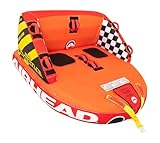
Overview: The Airhead Big Mable is a premium 1-2 rider towable tube built for boating enthusiasts seeking durability and comfort. This inflatable water sports accessory combines robust construction with user-friendly features, making it ideal for families and recreational boaters who want a reliable tube for summers of fun. Its design accommodates solo or tandem riders comfortably.
What Makes It Stand Out: The patented Kwik-Connect Tow System sets this tube apart, eliminating frustrating rope attachments with a quick-connect mechanism that gets you on the water faster. The double-stitched full nylon cover provides exceptional durability against abrasion and UV damage, while strategically placed EVA foam padding delivers superior cushioning that minimizes fatigue and absorbs impact from choppy water. The Speed Safety Valve is genuinely innovative—allowing rapid inflation and deflation without the usual valve struggles.
Value for Money: At $324.99, the Big Mable sits in the premium tier, but justifies its price through proven Airhead quality and patented features. Comparable tubes without Kwik-Connect or premium valves typically run $250-280, making the extra investment worthwhile for frequent users. The heavy-duty construction translates to multiple seasons of use, reducing replacement costs.
Strengths and Weaknesses: Strengths include the quick-connect tow system, durable double-stitched nylon cover, comfortable EVA padding, and efficient speed valve. The 1-2 rider capacity is perfect for couples or parent-child outings. Weaknesses include the premium price point and limited capacity compared to 3-rider models. Some users may find the patriotic design options limited with this standard version.
Bottom Line: For serious recreational boaters who prioritize convenience and durability, the Airhead Big Mable delivers excellent performance. The Kwik-Connect system alone saves enough setup time to justify the cost. Highly recommended for those who tube regularly and want a hassle-free experience.
2. Airhowowaqsp Super Sofa Towable Tubes for Boating 1-2 Person,Tubes for Boats,Inflatable Pull Boats/Boat Tube/Water Tube,Front&Back Tow Points with Heavy-Duty Thick Nylon Cover for Water Sports

Overview: The Airhowowaqsp Super Sofa offers budget-conscious boaters a feature-rich towable tube for 1-2 riders. With a generous 510-pound weight capacity and inflated dimensions of 77x71x35 inches, this tube provides ample space for adults or parent-child combinations. The vibrant color scheme ensures high visibility on busy waterways, adding a safety element to its aesthetic appeal.
What Makes It Stand Out: The high backrest and wide sidewalls distinguish this model from basic donuts, providing crucial stability that prevents riders from being thrown during high-speed runs. This makes it particularly suitable for younger children or nervous riders. The double webbing foam handles with joint protection demonstrate thoughtful engineering, minimizing elbow rash—a common complaint among tubing enthusiasts. The 840D double-stitched nylon cover wrapped around a 0.8mm heavy-duty PVC bladder shows surprising durability at this price.
Value for Money: At $179.98, this tube represents exceptional value, undercutting premium brands by $100-150 while delivering comparable features. The 510-pound capacity exceeds many competitors, and the stability-focused design adds significant safety value. While the brand lacks Airhead’s recognition, the construction specs suggest comparable longevity for casual to moderate use.
Strengths and Weaknesses: Strengths include high weight capacity, stability-enhancing design, comfortable EVA padding, protective handle design, and attractive pricing. The Speed Air Valve enables quick setup. Weaknesses include an unknown brand with unproven long-term durability, potentially less refined valve quality than patented systems, and fewer established customer support channels.
Bottom Line: Perfect for families seeking maximum features on a budget. The stability design makes it ideal for beginners and children. If you’re willing to gamble on a newer brand, the Airhowowaqsp delivers impressive specifications at an entry-level price point.
3. Airhead Super Mable Towable Tube | 1-3 Rider Towable Tube for Boating and Water Sports | Dual Tow Points | Full Nylon Cover | EVA Foam Pads | Patented Speed Valve | Boat Tubes and Towables

Overview: The Airhead Super Mable elevates the towable tube experience with 1-3 rider capacity and innovative dual tow points. This versatile water sports platform allows riders to choose between chariot-style or sit-in configurations, effectively providing two tubes in one. Built with Airhead’s signature durability, it’s designed for families and groups who want maximum flexibility from their boating accessories.
What Makes It Stand Out: The dual tow point system is the standout feature, offering completely different riding experiences from a single tube. The unique backrest/front riser construction provides ergonomic support regardless of orientation. Multiple grab handles with knuckle guards enhance safety and control, while the full double-stitched nylon cover with zipper ensures durability and easy maintenance. The patented Speed Safety Valve maintains Airhead’s reputation for hassle-free setup.
Value for Money: At $389.99, this is a premium investment, but it replaces the need for two separate tubes. Considering single-configuration 3-rider tubes cost $300-350, the dual-functionality represents genuine value for versatile boaters. The robust construction and brand reliability justify the price for frequent users who entertain varying group sizes and skill levels.
Strengths and Weaknesses: Strengths include versatile dual tow points, 3-rider capacity, premium construction, comfortable EVA padding, and the trusted Airhead brand. The ability to switch riding styles keeps the experience fresh. Weaknesses include the highest price in this comparison, larger storage requirements, and potentially more complex handling for boat operators unfamiliar with dual-point towing.
Bottom Line: The ultimate choice for boating families wanting variety without buying multiple tubes. The dual tow points provide excellent entertainment value. If your budget allows and you regularly host groups, the Super Mable’s versatility makes it worth every penny.
4. Airhead Big Mable, 1-2 Rider - Inflatable Towable Tube for Boating and Water Sports, Heavy Duty Full Nylon Cover & Zipper with EVA Foam Padding, Easy Inflating & Deflating - USA Stars & Stripes
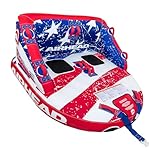
Overview: This USA Stars & Stripes edition of the Airhead Big Mable combines patriotic styling with the same trusted performance as the standard model. Designed for 1-2 riders up to 340 pounds, this towable tube delivers Airhead’s premium features at a more accessible price point. The eye-catching design makes it perfect for holiday weekends and summer celebrations on the water.
What Makes It Stand Out: Beyond the distinctive patriotic graphics, this model retains the game-changing Kwik-Connect Tow System that makes rope attachment effortless. The patented Speed Safety Valve provides rapid inflation/deflation, while double-stitched nylon ensures durability. The 340-pound capacity accommodates most adult pairs comfortably, and the EVA padding delivers the comfort expected from Airhead products.
Value for Money: At $238.56, this represents the sweet spot in Airhead’s lineup—premium features without premium pricing. You’re getting the same Kwik-Connect system and Speed Valve as the $325 standard Big Mable, saving nearly $90 for a cosmetic variation. Compared to non-branded competitors at this price, the Airhead warranty and proven durability provide significant peace of mind.
Strengths and Weaknesses: Strengths include the quick-connect tow system, efficient speed valve, durable construction, patriotic aesthetics, and trusted brand backing. The 340-pound capacity suits most users. Weaknesses include slightly lower weight capacity than some competitors and limited design options if patriotic theme doesn’t appeal. The capacity is adequate but not exceptional.
Bottom Line: An excellent value proposition for those wanting Airhead quality without paying full freight. The patriotic design is a bonus for holiday boaters. If you need a reliable 1-2 rider tube and appreciate quick setup, this special edition offers premium features at a mid-range price.
5. KMJETNIVY Towable Tubes for Boating Person,Pull Tube, Super Sofa Tubes for Boats,Inflatable Boat Tube,Front&Back Tow Points w/Heavy-Duty Thick Nylon Cover for Water Sports (3)

Overview: The KMJETNIVY Super Sofa positions itself as a budget-friendly 1-3 rider alternative to premium brands, offering impressive 510-pound capacity and stability-focused design. Measuring 77x71x35 inches, it provides ample space for families or groups of friends. The vibrant color scheme enhances water visibility while the high-back design prioritizes rider security during aggressive towing.
What Makes It Stand Out: The combination of 3-rider capacity and stability features at this price point is remarkable. High backrests and wide sidewalls prevent ejection during high-speed runs, making it safer for children and beginners. Double webbing foam handles with joint protection show attention to rider comfort, while the 840D double-stitched nylon cover and 0.8mm PVC bladder suggest durability that belies the affordable price.
Value for Money: At $227.89, this tube challenges budget expectations by offering premium capacity and safety features for mid-range pricing. Comparable 3-rider tubes from established brands cost $300-400, making this an attractive option for cost-conscious buyers. The specifications match or exceed many pricier competitors, though long-term brand reliability remains unproven.
Strengths and Weaknesses: Strengths include exceptional weight capacity, stability-enhancing design, protective handle features, quick inflation valve, and vibrant aesthetics. The 3-rider capacity maximizes fun per dollar. Weaknesses include lesser-known brand with limited track record, potentially inferior valve durability compared to patented systems, and uncertain customer support. The design may lack refinement of premium competitors.
Bottom Line: Ideal for families wanting maximum capacity on a modest budget. The stability features make it particularly suitable for younger riders. If you’re willing to accept some brand risk for significant savings, KMJETNIVY delivers impressive specifications that rival tubes costing twice as much.
6. Airhead Mach 2, 1-2 Rider Towable Tube for Boating, 69"L x 69"W, Blue

Overview: The Airhead Mach 2 is a classic round towable tube designed for one to two riders, measuring 69 inches square. Built by a reputable watersports brand, this tube promises reliable performance for casual boating adventures. Its partially covered design balances comfort with durability, making it suitable for families and recreational users who want a dependable option without unnecessary frills. The vibrant blue color ensures high visibility on the water, adding a safety element for riders and spotters alike.
What Makes It Stand Out: The Mach 2 features Airhead’s proprietary Kwik-Connect tow system, allowing rope attachment in seconds without knot-tying frustration. The patented Speed Safety Valve enables remarkably fast inflation and deflation, saving valuable time on the water. The double-stitched nylon partial cover provides targeted durability where it matters most, while foam-filled nylon-wrapped handles offer comfortable grip points for riders hanging on during wild rides. This combination of convenience features sets it apart from entry-level competitors.
Value for Money: At $148.82, the Mach 2 sits in the mid-range category, offering excellent value for buyers prioritizing brand reliability and convenient features. While basic tubes can be found for under $100, they lack the Kwik-Connect and Speed Valve innovations. Premium alternatives with full covers and dual tow points often exceed $200, making this a smart compromise between cost and functionality for recreational boaters.
Strengths and Weaknesses: Strengths include quick setup, durable construction, comfortable padded handles, and a proven brand reputation. The partial cover design keeps costs down while protecting high-stress areas. Weaknesses include limited rider positions compared to deck-style tubes, no dual tow points for varied riding experiences, and the partial cover may be less comfortable for extended sessions than fully padded models.
Bottom Line: The Airhead Mach 2 is an excellent choice for recreational boaters seeking a no-fuss, reliable towable tube. Its user-friendly features and solid construction make it ideal for families who value convenience and durability over specialized performance. A dependable workhorse for weekend watersports.
7. 2-3 Person Towable Tubes for Boating, Sofa Style Boat Tube, Water Sports Inflatable Towables Tubes for Boats to Pull, Dual Tow Points, Durable Nylon Cover, Ideal for Kids & Adults (Waverider 3P)

Overview: The Waverider 3P is a sofa-style towable tube accommodating up to three riders, designed for families and groups seeking a stable, comfortable watersports experience. With a 510-pound capacity and supportive backrest, this tube prioritizes safety and relaxation while delivering excitement. Its generous dimensions provide ample space for riders to sit securely during high-speed runs, making it an ideal choice for multi-generational family outings.
What Makes It Stand Out: This tube’s standout feature is its sofa-style design with a full backrest, offering unprecedented comfort and security compared to traditional deck tubes. Dual tow points allow both forward-facing sofa rides and chariot-style towing, doubling the fun. The premium 840D double-stitched nylon cover and 28-gauge PVC bladder ensure exceptional durability against abrasion and impact, while neoprene-knuckle-protected handles provide comfortable grip points that prevent chafing during long sessions.
Value for Money: Priced at $247, the Waverider 3P commands a premium, but justifies it through three-rider capacity and versatile towing options. Comparable three-person tubes often exceed $300, while two-person models with similar features run $180-220. For families regularly hosting multiple riders, the extra investment pays dividends in shared experiences and reduced need for multiple tubes, making it economically sensible for group use.
Strengths and Weaknesses: Strengths include superior stability, versatile dual-tow configuration, comfortable backrest and padded armrests, high weight capacity, and robust materials. The sofa design significantly reduces rider fatigue. Weaknesses include higher price point, bulkier storage requirements, and reduced maneuverability compared to smaller deck tubes. The larger size also demands more powerful boats for optimal performance.
Bottom Line: The Waverider 3P is an outstanding family-oriented towable that excels in comfort and versatility. While pricier than basic options, its three-rider capacity and dual towing modes make it a worthwhile investment for boating families who prioritize safety, comfort, and shared adventures on the water.
8. WOW Sports – Big Thriller Towable Deck Tube for Boating – 1-2 Person 340 lbs Capacity – Inflatable Boat Tube for Water Sports – Youth & Adults

Overview: The WOW Sports Big Thriller is a performance-focused deck tube for one to two riders, engineered for thrill-seekers who crave speed and agility on the water. With a 340-pound capacity, this tube emphasizes fuel-efficient towing and responsive handling, making it ideal for boaters wanting maximum excitement without excessive fuel consumption. Its design caters to experienced tubers who appreciate technical performance features.
What Makes It Stand Out: This tube’s hydrodynamic design minimizes drag, allowing boats to maintain speed with less throttle. The Easy-Connect towing system simplifies rope attachment, while double webbing foam handles with knuckle guards ensure secure, comfortable grip during aggressive maneuvers. The tapered design prevents submarining—a common issue with lesser tubes—while the high-speed valve enables rapid inflation. WOW Sports backs it with a one-year warranty, demonstrating confidence in durability.
Value for Money: At $159.99, the Big Thriller offers compelling value for performance-oriented buyers. It undercuts many premium deck tubes while delivering fuel-saving design and warranty protection. Basic tubes lack the hydrodynamic shaping and anti-submarine features, while comparably engineered models often cost $180-220. The included warranty adds peace of mind rarely found at this price, making it a smart purchase for serious enthusiasts.
Strengths and Weaknesses: Strengths include excellent fuel efficiency, secure towing connector, comfortable knuckle-guarded handles, anti-submarine design, and reliable warranty coverage. The performance-oriented shape delivers thrilling rides. Weaknesses include the deck style’s inherent instability for beginners, limited rider positions, and no backrest for support during longer sessions. The streamlined design may feel less secure to novice riders.
Bottom Line: The WOW Big Thriller is a top-tier choice for experienced tubers and performance-minded boaters. Its fuel-efficient design and anti-submarine features deliver exceptional value, while the warranty provides confidence. Best suited for thrill-seekers rather than families with young children.
9. RAVE Sports Razor Inflatable Towable Tube, 1-2 Riders, Unique Skim-Fast Bottom Coating, Nylon Cover, Four Foam-Filled Reinforced Handles, Quick Connect Tow Point, Boat Tubes and Towables

Overview: The RAVE Sports Razor is a compact, steerable trick tube designed for one to two riders seeking an agile, responsive watersports experience. With a 340-pound capacity and unique skim-fast bottom coating, this tube excels at carving turns and performing maneuvers that traditional tubes cannot match. Its low-profile design makes it perfect for adventurous riders wanting more control over their ride.
What Makes It Stand Out: The Razor’s steerability sets it apart—riders can lean into turns to influence direction, creating an interactive experience. The Skim-Fast PVC-coated bottom reduces surface friction for quicker planing and better glide across wakes. Four foam-filled reinforced handles with neoprene guards provide secure grip points, while the self-bailing vent prevents waterlogging. The quick-connect tow point and Boston valve ensure hassle-free setup and storage.
Value for Money: At $69.99, the Razor is an exceptional budget-friendly entry into trick tubing. Traditional deck tubes at this price point lack steerability and specialized bottom coatings. While premium trick tubes can exceed $150, the Razor delivers core performance features at less than half the cost, making it ideal for casual users testing the waters of maneuverable tubing without significant financial commitment.
Strengths and Weaknesses: Strengths include incredible affordability, unique steerability, lightweight portability, quick planing, and self-bailing design. The low profile aids easy boarding. Weaknesses include thinner 24-gauge PVC bladder (less durable than 28-gauge), lower-denier nylon cover (420D/600D vs. 840D on premium models), and limited stability at very high speeds. Not suitable for riders preferring passive experiences.
Bottom Line: The RAVE Razor is a fantastic value for adventurous riders wanting more than a standard towable. Its steerable design and bargain price make it perfect for teenagers and adults exploring trick tubing without major investment. While not built for extreme durability, it delivers exceptional fun per dollar for casual use.
10. VEVOR Towable Tubes for Boating 2 Person, Inflatable Boat Tubes and Towables with 2 Cockpits, 340lbs Water Sport Tubes for Boat to Pull - with 840D Full Nylon Cover, Padded Grab Handles & Safety Valve

Overview: The VEVOR 2-Person Towable Tube features a unique dual-cockpit design with high backrests, prioritizing safety and stability for two riders up to 340 pounds. This tube caters to families with children and beginners who value secure seating over high-performance maneuvers. Its design offers a confidence-inspiring platform for introductory watersports experiences while maintaining excitement.
What Makes It Stand Out: The twin cockpit configuration with supportive backrests provides exceptional security, preventing riders from sliding off during turns. The 840D nylon bottom and 420D backrest cover offer impressive material quality at this price point, while four padded grab handles ensure comfortable grip. The streamlined shape disperses wave impact, and a front drainage opening prevents water accumulation that can slow the tube or cause submarining, features rarely seen in budget models.
Value for Money: At $108.99, this VEVOR tube delivers remarkable value, undercutting most dual-cockpit competitors by $30-50. While premium cockpit tubes exceed $200, this model provides essential safety features—high backrests, quality nylon covers, and drainage system—without the premium price tag. The material specifications rival tubes costing significantly more, making it an economical choice for safety-conscious buyers.
Strengths and Weaknesses: Strengths include superior stability and safety for beginners, comfortable cockpits with backrests, durable nylon construction, effective drainage system, and attractive price. The design reduces rider anxiety and fatigue. Weaknesses include limited maneuverability compared to deck tubes, restrictive seating positions, and potential for slower performance due to increased drag. The VEVOR brand lacks the watersports pedigree of established competitors.
Bottom Line: The VEVOR 2-Person Tube is an outstanding budget-conscious choice for families prioritizing safety and stability. Its cockpit design excels for kids and nervous beginners, while quality materials ensure durability. Though not built for extreme thrills, it provides secure, enjoyable rides that build confidence on the water.
Why Towable Tubes Are the Ultimate Family Lake Day Upgrade
There’s something magical about the shared experience of a towable tube ride. Unlike individual water sports like skiing or wakeboarding, tubing is inherently communal—it levels the playing field so that a 7-year-old and a 45-year-old can experience the same thrill simultaneously. The multi-rider capacity encourages teamwork as everyone grips the handles and leans into turns together, creating inside jokes and shared stories that become family lore. From a practical standpoint, modern tubes offer versatility that single-person towables simply can’t match. You can adjust speeds for different thrill levels, switch from a relaxed chariot-style ride to a wild deck tube experience, and accommodate varying comfort levels—all with the same piece of equipment. This adaptability means your investment continues to serve your family as kids grow and confidence builds.
Understanding Towable Tube Styles and Configurations
The world of towable tubes has exploded with innovation, and understanding the distinct categories is your first step toward making the right choice. Each style delivers a fundamentally different riding experience, and what works for one family might disappoint another.
Deck Style Tubes
Deck tubes are the flat, circular or rectangular platforms that most people picture when they think of tubing. Riders lie on their stomachs, gripping handles along the perimeter, and experience the full force of every wave and turn. These are the thrill-seeker’s choice, offering maximum speed potential and the wildest rides. The flat design means riders feel every bump and bounce, which translates to high excitement but can be intimidating for younger children or those with back sensitivity. Most deck tubes accommodate 1-4 riders, with larger models providing more stability but sacrificing some of the “slingshot” effect that makes these tubes so exciting.
Cockpit Style Tubes
Cockpit tubes feature recessed seating areas that cradle riders in a more secure, chair-like position. These are the family-friendly workhorses that prioritize safety and comfort without eliminating fun. The sidewalls provide a psychological sense of security that helps nervous riders relax, while the seated position reduces impact on joints and spines. Many cockpit designs include backrests and higher sidewalls, making them ideal for families with children under 10 or multi-generational groups where grandparents might want to join the fun. The trade-off is slightly less speed potential and a more controlled ride experience.
Banana and Multi-Rider Designs
Shaped like their namesake fruit or featuring multiple connected cockpits, these tubes are built for 3-10+ riders and transform tubing into a team sport. The elongated design creates a unique whip effect where riders in the back experience exponentially more action than those in front. This natural gradient means you can have cautious riders up front and thrill-seekers bringing up the rear—all on the same tube. The social aspect is unmatched; kids can face each other, share reactions, and build camaraderie. However, these larger tubes require more powerful boats and careful weight distribution to prevent submarining (when the front dips underwater).
Specialty and Hybrid Options
The innovation doesn’t stop at the basics. You’ll find tubes with standing platforms for “chariot” style riding, tubes that convert from seated to deck-style configurations, and even tubes with built-in coolers or shade canopies. Hybrid designs attempt to split the difference between categories, offering removable seat pads that transform a cockpit tube into a deck style in minutes. These versatile options are perfect for families who want to experiment with different riding styles without buying multiple tubes, though they sometimes compromise on specialized performance.
Key Capacity Considerations for Family Fun
Capacity isn’t just a number printed on the box—it’s a critical safety and performance factor that directly impacts your lake day success. Always look for the manufacturer-rated rider capacity, which accounts for both weight and physical space. A “three-rider” tube might technically fit three adults, but if those adults are tall or broad-shouldered, they’ll be cramped and uncomfortable. Conversely, a four-rider tube might be perfect for two adults and two small children.
Consider your family’s growth trajectory. If you have a 6-year-old and a 9-year-old, that three-rider tube might work perfectly now, but in three years when they’re both teenagers, you’ll wish you’d opted for a four-rider model. Think about friends, cousins, and neighbors who inevitably get invited along. Having one extra capacity slot beyond your immediate family prevents the awkward “who has to sit out” conversation and makes you the hero of group gatherings.
Weight capacity is equally crucial and often misunderstood. The listed maximum weight isn’t a suggestion—it’s a structural limit based on seam strength, material durability, and inflation requirements. Exceeding it dramatically increases the risk of blowouts, especially on hot days when air expands. As a rule of thumb, calculate your family’s combined weight and add 20% to ensure you’re well within safe operating parameters.
Material Matters: What Your Tube Is Made Of
The difference between a tube that lasts one season and one that becomes a hand-me-down to the next generation often comes down to material quality. Most towable tubes use heavy-duty PVC or nylon, but the specifics matter enormously.
Look for 30-gauge PVC or higher for the main bladder—the thicker the material, the better it resists punctures from dock edges, fishing hooks, or hidden debris. The exterior cover should be made from denier nylon, with 840D being the industry standard for durability. Cheaper tubes might use 420D nylon, which is more prone to abrasion and UV damage. Double-stitching with reinforced tow points isn’t just marketing fluff; it’s what prevents catastrophic failures when you’re mid-ride and hitting maximum speed.
Pay attention to the valve system. Boston valves are common and reliable, but Speed Safety Valves (SSV) allow for much faster inflation and deflation—crucial when you’re eager to get on the water or pack up at the end of a long day. Some premium tubes feature multiple chambers, so if one section gets punctured, the entire tube doesn’t deflate. This redundancy is worth its weight in gold when you’re miles from the launch ramp.
UV resistance is another overlooked factor. Prolonged sun exposure degrades materials, causing them to become brittle and prone to cracking. Quality tubes include UV inhibitors in their material formulation. While you should always store tubes in shade when possible, this protection provides crucial backup for those inevitable days when the tube bakes on the swim platform for hours.
Safety Features That Should Be Non-Negotiable
When you’re trusting a piece of vinyl to keep your loved ones safe at 20+ mph, cutting corners on safety features is simply not an option. Modern towable tubes incorporate engineering that would have seemed like science fiction a decade ago.
Multi-Point Towing Systems
A single tow point creates a fixed pivot that concentrates stress and can cause the tube to submarine or flip unpredictably. Multi-point systems distribute force across the tube’s front edge, providing stability and preventing the dreaded nose-dive. These systems often include a “quick connect” feature that lets you attach the tow rope in seconds without fumbling with knots. The best designs use Kevlar-reinforced straps that run through the tube’s interior, connecting to multiple anchor points rather than just the exterior cover.
Quick Connect Tow Points
The connection between rope and tube sees more stress than any other component. Quick-connect tow points with heavy-duty carabiner-style clips eliminate the need for knots that can loosen or fail under load. Look for stainless steel hardware that won’t corrode in lake water, and inspect these connections regularly for wear. The tow point should be recessed or padded to prevent rope abrasion and protect fingers during connection.
Visibility Enhancements
Bright colors aren’t just for style—they’re a safety feature. Neon yellows, oranges, and greens make your riders highly visible to other boaters, especially in choppy water or during early morning/evening sessions. Some tubes incorporate reflective strips or even LED light mounts for dusk riding. While you should never tube after dark, these features dramatically improve visibility during overcast conditions or in busy waterways.
Comfort Features That Make or Break a Day on the Water
A tube can be perfectly safe but still ruin the experience if it’s uncomfortable. After an hour of riding, small discomforts become major complaints, especially for kids. The difference between a tube that gets used weekly and one that collects dust often comes down to ergonomic details.
Foam Padding and EVA Decks
Continuous foam padding along the riding surface prevents the “water rash” that comes from sliding across nylon covers. EVA foam (the same material used in yoga mats) provides superior grip when wet and doesn’t absorb water, preventing that squishy, waterlogged feeling. Look for full-coverage padding rather than just strips—your riders’ elbows, knees, and chins will thank you after a bumpy ride.
Backrests and Support
For cockpit-style tubes, contoured backrests with lumbar support transform the riding experience from tolerable to luxurious. These should be firm enough to provide support but cushioned enough to absorb impacts. Adjustable backrests are a premium feature that lets you customize the ride for different-sized riders. For deck tubes, raised front edges or “bolsters” give riders something to brace their chests against, reducing arm fatigue during long rides.
Grab Handles and Knuckle Guards
Handles should be plentiful and strategically placed. For a four-rider tube, you want at least 12 handles so everyone can find a comfortable grip regardless of their position. The handles should be padded with neoprene knuckle guards—hard plastic handles will leave your hands raw after a single session. The best designs use floating handles that stay on the tube’s surface rather than sinking, making them easy to grab during water starts.
The Importance of Proper Inflation and Valves
An under-inflated tube handles like a soggy pancake, while an over-inflated one risks catastrophic failure. The sweet spot is firm to the touch with just enough give to absorb impacts. Most manufacturers recommend inflating to 2.5-3 PSI, but this varies by model. Invest in a pressure gauge specifically designed for towable tubes—your bicycle pump gauge won’t be accurate enough.
Valve quality directly impacts your sanity. Boston valves are reliable but slow. Speed Safety Valves (SSV) use a one-way design that lets air in but not out, allowing you to remove the pump and close the cap without losing pressure. Some premium tubes feature multiple valves for different chambers, letting you fine-tune firmness in specific areas. For example, you might want the side bolsters firmer than the main deck for better support.
Consider the deflation process too. After a long day on the water, wrestling a tube that won’t release air quickly is exhausting. Large dump valves that open with a quarter-turn can empty a tube in seconds rather than minutes. Some tubes include compression straps that help squeeze out residual air, making packing more compact.
Towing Equipment: What You Need Beyond the Tube
Your tube is only as good as the system pulling it. A proper tow rope for tubing is not the same as a water ski rope. Tubing ropes are specifically designed with less stretch (to prevent dangerous recoil) and higher break strengths. For a 1-2 rider tube, you need a rope rated for at least 2,375 pounds. For 3-4 riders, bump that up to 3,350 pounds. The rope should be 50-65 feet long—any shorter and riders risk hitting the boat’s wake; any longer and you lose control and visibility.
Never attach a tow rope directly to your boat’s transom eye. Use a dedicated tow harness that spreads the load across two stern cleats and includes a shock-absorbing bungee section. This prevents damage to your boat and provides a smoother pull. The harness should include a float to keep the rope away from your propeller when riders fall off.
Your boat’s tow point height matters more than you might think. A high tow point (like a ski pylon or wakeboard tower) lifts the tube’s front edge, preventing submarining and creating a more stable ride. If you’re towing from low stern cleats, consider a booster ball—a floating device that lifts the rope several feet off the water. This simple addition can transform a mediocre tube experience into a great one.
Weight Limits and Distribution: The Physics of Safe Towing
Understanding weight dynamics prevents the most common tubing accidents. Weight distribution affects everything from how the tube rides to how easily it flips. For multi-rider tubes, place the heaviest rider in the center or front position. This anchors the tube and prevents the front from lifting and catching air, which leads to unstable flight and hard landings.
Never exceed the combined weight rating, but also consider individual rider weight disparities. A 200-pound adult and a 50-pound child on a two-rider tube creates an imbalance that can cause the tube to spin unpredictably. Some tubes address this with asymmetric designs or adjustable seating positions that help balance uneven loads.
Hot weather physics can bite you. Air expands as temperature rises, so a tube inflated to perfect pressure at 70°F morning air can be dangerously over-pressurized by noon when it’s 90°F. Inflate to about 80% of recommended pressure on cool mornings, then top off after the tube warms up. Conversely, if you’re tubing in mountain lakes where air and water are cold, you may need slightly higher initial inflation as the air inside will contract.
Age-Appropriate Considerations for Every Family Member
The perfect family tube grows with your kids, but you need to match the design to developmental stages. For toddlers and preschoolers (ages 2-5), look for cockpit tubes with high sidewalls, secure five-point harnesses (similar to car seat straps), and a maximum speed recommendation of 8-10 mph. These tubes essentially function as floating playpens, letting little ones experience the water safely.
School-aged children (6-12) have the widest range of options. They’re typically ready for cockpit tubes with lower sidewalls that allow them to feel more action, or small deck tubes where they can ride on their knees. This age group thrives on the Banana-style tubes where they can sit facing friends. Maximum speeds can gradually increase to 15 mph as confidence and swimming ability improve.
Teenagers and adults will push your equipment to its limits. They want deck tubes that launch them airborne or massive multi-rider tubes that create a party atmosphere. For this group, prioritize durability and high weight capacities. They’ll test the seams, yank on the handles, and beg you to “go faster” until your boat can’t give any more. A tube that withstands teenage abuse will last forever with younger kids.
Storage and Portability: Real-World Practicality
That massive 6-rider tube looks impressive in the store, but consider where you’ll store it. Fully inflated tubes take up enormous space—measure your boat’s storage compartments or garage before buying. Many families opt for slightly smaller tubes simply because they can be deflated and stored in a dock box or under a seat.
Look for tubes that include a quality storage bag with ventilation. Stowing a damp tube in an airtight bag breeds mildew and degrades materials. Mesh panels or breathable fabric prevent this while keeping everything organized. Some bags include backpack straps, which are invaluable when you’re hauling gear from parking lot to launch ramp.
Quick-connect fittings should be flush or recessed when not in use. Protruding hardware snags on everything during storage and transport, risking damage to both the tube and your boat’s upholstery. The best designs hide hardware within protective pockets or under padded covers.
Maintenance and Longevity: Protecting Your Investment
A quality towable tube should last 5-7 years with proper care, but neglect can kill it in a single season. Rinse your tube with fresh water after every use, especially if you’re in saltwater or algae-heavy lakes. Salt crystals and organic matter degrade materials and stitching. Use a mild soap solution and soft brush monthly to remove grime buildup.
Inspect before each outing. Check tow points for fraying, seams for separation, and the entire surface for punctures or abrasion. Small leaks often start as pinholes that are easy to patch if caught early. Keep a repair kit on board with patches, adhesive, and a small hand pump—most punctures happen on the water, not in storage.
UV damage is cumulative. Even with UV inhibitors, prolonged sun exposure weakens materials. When not in use, drape a towel over the tube or store it in shade. During off-season, deflate completely, ensure it’s bone-dry, and store in a climate-controlled space. Extreme cold can make PVC brittle, while heat can cause slow leaks through valve seals.
Budget Considerations: Getting the Best Value
Towable tubes range from $150 to $800+, and price generally correlates with durability and features. Budget tubes ($150-$250) work fine for occasional use but use thinner materials and simpler valve systems. They’re perfect for families who tube 3-5 times per summer and store gear indoors. Mid-range options ($250-$450) hit the sweet spot for most families, offering 840D nylon covers, multiple handles, and better warranties.
Premium tubes ($450+) justify their cost through multi-chamber designs, commercial-grade materials, and innovative safety features. If you’re on the water 20+ times per summer or have teenagers who will push equipment hard, this tier saves money long-term by avoiding replacements. Consider the cost-per-use: a $500 tube used 50 times costs $10 per use, while a $200 tube that fails after 15 uses costs $13 per use and leaves you tubeless mid-season.
Don’t forget to budget for accessories. A quality tow rope and harness ($50-$100), electric pump ($40-$80), and repair kit ($15) are essential add-ons that protect your main investment. Skimping here is like buying a sports car and putting cheap tires on it.
Where to Buy and What to Avoid
Specialty watersports retailers offer expertise that big-box stores can’t match. Their staff actually use the equipment and can provide real-world feedback on durability and performance. They also typically offer better warranty support and may include free first-season inspections. Online marketplaces provide convenience and competitive pricing, but verify you’re buying from authorized dealers—counterfeit tubes with fake safety ratings are a real problem.
Avoid buying used tubes unless you can fully inflate and inspect them first. Hidden punctures, weakened seams, and UV damage aren’t always visible when deflated. If you do go the used route, check the manufacturing date (usually stamped on the valve) and avoid anything over three years old.
Be wary of “too good to be true” pricing on unknown brands. Legitimate tubes undergo extensive safety testing and carry certifications. Off-brand tubes may skip these tests, using inferior materials that fail under stress. The few dollars saved aren’t worth the risk of a blowout at high speed.
Setting Up for Success: First-Time Towable Tube Tips
Your first outing sets the tone for the entire season. Start with a dry run on land—fully inflate the tube, have everyone practice climbing on and finding handles, and walk through hand signals. Establish clear communication: thumbs up for faster, thumbs down for slower, hand across throat for stop. Practice these signals in the water before anyone gets on the tube.
Begin with short, conservative rides. Even confident swimmers can be surprised by the sensation of a tube’s initial pull. Start at 5 mph, make gentle S-turns, and build speed gradually as riders get comfortable. For the first few runs, have an adult ride along with young children to provide reassurance and demonstrate proper riding position.
Choose your location wisely. Avoid crowded areas, shallow zones, and spots with heavy boat traffic. A smooth, open stretch of water with minimal chop gives beginners the best experience. As skills progress, you can introduce small wakes and gentle turns to add excitement without overwhelming riders.
Frequently Asked Questions
What’s the difference between a deck tube and a cockpit tube?
Deck tubes are flat platforms where riders lie on their stomachs, offering maximum thrill and speed. Cockpit tubes have recessed, seat-like areas that cradle riders in a more secure, upright position, prioritizing comfort and safety—ideal for younger children or those who prefer less intense rides.
How many people can safely ride a towable tube at once?
Always follow the manufacturer’s rated capacity, which considers both weight and physical space. A general rule is that a “three-rider” tube works best for two average adults, while a “four-rider” tube comfortably fits two adults and two children. Never exceed the posted weight limit, as this risks blowouts and loss of control.
What speed should I tow a tube at for kids vs adults?
For children under 8, keep speeds between 8-12 mph. Kids aged 8-12 can handle 12-15 mph once they’re confident swimmers. Teenagers and adults typically enjoy 15-20 mph, with experienced thrill-seekers pushing to 25 mph on smooth water. Always start slow and increase speed based on rider comfort and hand signals.
How do I properly inflate my towable tube?
Use an electric pump with a pressure gauge, inflating to the manufacturer’s recommended PSI (usually 2.5-3). Inflate until the tube is firm with slight give when pressed. In cool morning air, inflate to about 80% capacity and top off after the tube warms in the sun. Never use an air compressor, as it can overinflate and damage seams.
What type of rope should I use for towing?
Use a rope specifically designed for tubing, not water skiing. Tubing ropes have less stretch to prevent dangerous recoil. For 1-2 riders, choose a 2,375-pound break strength rope; for 3-4 riders, use 3,350-pound rope. Length should be 50-65 feet for optimal safety and performance.
Can I use any boat to pull a towable tube?
Most boats with at least 50 horsepower can pull a tube, but performance varies. You need enough power to plane quickly and maintain speed through turns. Pontoons work well for cockpit tubes at moderate speeds but struggle with large deck tubes. Always check your boat’s towing capacity and use a proper tow harness rather than attaching directly to cleats.
How do I store my towable tube between lake days?
Rinse with fresh water after each use and allow to dry completely. Store partially inflated in a cool, shaded area if possible. For long-term storage, deflate fully, ensure it’s completely dry, and keep in a ventilated bag in a climate-controlled space. Avoid storing in direct sunlight or extreme temperatures, which degrade materials.
What safety equipment is required besides life jackets?
Beyond Coast Guard-approved life jackets, carry a throwable flotation device, a whistle or air horn, and a first-aid kit. A rearview mirror for the driver is essential for monitoring riders. Consider a spotter whose sole job is watching the tube, as required by law in many states. Keep a repair kit and spare valve on board for emergencies.
How long should a towable tube last with proper care?
A quality tube should last 5-7 years with regular use and proper maintenance. Budget tubes may last 2-3 seasons, while premium commercial-grade tubes can exceed 10 years. Lifespan depends on usage frequency, storage conditions, and how aggressively it’s used. Regular inspection and prompt repair of small issues dramatically extend useful life.
Are more expensive tubes really worth the investment?
For families who tube more than 10 times per season, yes. Premium tubes offer better materials (30-gauge PVC vs 20-gauge), reinforced seams, multi-chamber safety designs, and superior comfort features that keep riders happy longer. When you calculate cost-per-use, a durable $500 tube used 50 times costs less than renting or replacing cheaper alternatives that fail prematurely.