If you’ve ever felt that sharp, compromising twinge in your wrists during a heavy bench press or struggled to keep your joints stacked during overhead presses, you’re not alone. Wrist stability is one of the most overlooked aspects of upper body strength training, yet it can make or break both your performance and long-term joint health. The right pair of wrist wraps doesn’t just add compression—they transform your entire pressing mechanics by creating a solid foundation that allows force to travel efficiently from your chest, shoulders, and triceps directly into the bar.
But here’s the challenge: walk into any serious gym or browse online, and you’ll encounter dozens of options with confusing terminology about stiffness levels, material blends, and length variations. Choosing the wrong pair can leave you with inadequate support or, worse, wraps so restrictive they hinder your natural movement patterns. This comprehensive guide cuts through the marketing noise to equip you with everything you need to know about selecting and using wrist wraps that will genuinely stabilize your strength training presses—whether you’re chasing a new PR on the platform or building resilient shoulders for life.
Top 10 Wrist Wraps for Strength Training
Detailed Product Reviews
1. Gymreapers Weightlifting Wrist Wraps (Competition Grade) 18" Professional Quality Wrist Support with Heavy Duty Thumb Loop - Best Wrap for Powerlifting, Strength Training, Bodybuilding(Black,18")

Overview: The Gymreapers Competition Grade Wrist Wraps deliver professional-level wrist support for serious strength athletes. These IPF-approved 18-inch wraps are engineered to provide maximum stability for powerlifting, bodybuilding, and heavy strength training movements. Built with proprietary elastic material and featuring reinforced thumb loops, they offer the rigid support needed to immobilize wrists during maximal lifts like bench press, shoulder press, and cleans.
What Makes It Stand Out: IPF approval sets these apart, ensuring they’re competition-legal and meet the highest standards. The true 18-inch length provides superior tightness and customization compared to shorter wraps, while the heavy-duty construction has been tested by world champion powerlifters and IFBB pro athletes. The reinforced thumb loops maintain position and allow precise tension control without circulation cutoff.
Value for Money: At $19.99, these wraps sit in the sweet spot for competition-grade equipment. Comparable IPF-approved wraps often cost $25-35, making these an excellent investment for competitive lifters. The durability ensures they’ll last through years of heavy training, representing strong long-term value.
Strengths and Weaknesses: Strengths include IPF approval, exceptional wrist immobilization, premium construction, versatility across push movements, and true competition sizing. Weaknesses include potential overkill for casual gym-goers, and the stiff support may limit wrist mobility for Olympic lifts or CrossFit WODs requiring more movement.
Bottom Line: Ideal for competitive powerlifters and serious strength athletes who need maximum wrist stability for heavy pressing movements. The IPF approval, robust construction, and competitive price make these a top-tier choice for breaking PRs safely.
2. FITFIV Weight Lifting Wrist Strap, Double Leather Weightlifting Wrist Straps for Gym Strength Training, Neoprene Padded Wrist Wraps - for Men & Women (Pair)

Overview: FITFIV’s Double Leather Weightlifting Wrist Straps take a different approach, combining leather durability with neoprene comfort for strength training enthusiasts. These wraps feature a unique double-leather design with substantial 5mm neoprene padding, targeting lifters who prioritize grip support and wrist cushioning during pulls and heavy lifts.
What Makes It Stand Out: The double-leather construction provides exceptional grip security, virtually eliminating slippage during deadlifts, rows, and pull-ups. The generous 5mm neoprene padding offers superior comfort for extended training sessions, while the 14.96-inch adjustable strap ensures a customized fit for various wrist sizes. The hybrid design bridges traditional wraps and lifting straps.
Value for Money: Priced at $19.99, these offer solid value for the leather construction and thick padding. While not competition-grade, they compete well with other premium training wraps in the $15-25 range. The durability of leather suggests a longer lifespan than cotton alternatives, justifying the mid-range price point.
Strengths and Weaknesses: Strengths include excellent grip support, superior comfort from thick neoprene, durable leather construction, and versatility for pulling exercises. Weaknesses include lack of IPF approval for competition, shorter length limiting maximum tightness, and leather requiring more break-in time. The design may not provide enough rigidity for heavy pressing movements needing complete wrist immobilization.
Bottom Line: Excellent choice for recreational lifters focused on pulling movements and grip support. The leather construction and plush padding make them ideal for high-volume training, though competitive powerlifters should look elsewhere for meet-legal gear.
3. FITFIV Lifting Straps for Weightlifting, Lifting Wrist Straps for Gym Strength Training, Neoprene-padded Wrist Cushion - Men & Women

Overview: FITFIV’s budget-friendly Lifting Straps offer accessible wrist support for beginning and intermediate lifters. At under $10, these cotton-based straps with neoprene padding provide fundamental grip assistance and wrist protection without breaking the bank. The 20.8-inch length allows multiple wraps around the barbell for secure lifting.
What Makes It Stand Out: The aggressive $9.95 price point makes quality lifting straps accessible to everyone. High-density cotton construction with 4mm chloroprene rubber padding balances durability with comfort. The anti-slip design and optimal length accommodate various wrist sizes while providing reliable bar security for deadlifts, rows, and shrugs.
Value for Money: Exceptional value—most comparable straps cost $15-20. These deliver 80% of the functionality at 50% of the price, making them perfect for lifters testing whether straps fit their training style. The cotton construction keeps costs down while maintaining adequate performance for sub-maximal loads.
Strengths and Weaknesses: Strengths include unbeatable price, comfortable cotton material, adequate length for secure wrapping, and included padding. Weaknesses include cotton’s tendency to stretch over time, lack of competition approval, and potentially shorter lifespan than premium alternatives. The softer material doesn’t provide the rigid wrist support needed for heavy pressing.
Bottom Line: Perfect entry-level option for lifters exploring strap-assisted training. While not suitable for competitive powerlifting, they excel for bodybuilding, general strength training, and lifters prioritizing affordability. Upgrade to leather or competition wraps as you advance.
4. Gymreapers Weightlifting Wrist Wraps (IPF Approved) 18" Professional Quality Wrist Support with Heavy Duty Thumb Loop - Best Wrap for Powerlifting Competition, Strength Training, Bodybuilding (Lilac, 18")

Overview: The Gymreapers IPF Approved Wrist Wraps in Lilac offer identical performance to their black competition-grade counterparts, delivering professional wrist support with a distinctive aesthetic. These 18-inch wraps provide the same heavy-duty construction and IPF-legal specifications for powerlifting, strength training, and bodybuilding applications.
What Makes It Stand Out: Beyond the IPF approval and competition-grade construction, the lilac colorway provides aesthetic variety without compromising functionality. The wraps feature the same proprietary elastic tested by elite athletes, reinforced thumb loops, and true 18-inch length that allows maximum tightness for wrist immobilization during heavy presses and jerks.
Value for Money: At $19.99, these mirror the black version’s excellent value proposition. Competition-grade wraps typically retail for $25-35, making these budget-friendly for IPF-legal gear. The color option adds personalization at no premium, representing strong value for lifters wanting gear that stands out on the platform.
Strengths and Weaknesses: Strengths include full IPF approval, robust wrist support, premium construction, competition-legal dimensions, and aesthetic variety. The lilac color resists fading and maintains a professional appearance. Weaknesses match the black version—potentially excessive rigidity for functional fitness, and over-engineered for casual lifters not needing competition specs.
Bottom Line: Functionally identical to the black version, choose these if you want IPF-approved wraps with personality. Perfect for competitive powerlifters and serious strength athletes who appreciate equipment that performs at the highest level while reflecting individual style. The lilac colorway proves performance gear can be both functional and distinctive.
5. Gymreapers Strength Wrist Wraps for Cross Training, Olympic Lifting, Strength Training, WOD Workouts - Strong Wrist Support for Men and Women - Fits All Wrist Sizes | Men and Women (Ranger Green)

Overview: Gymreapers Strength Wrist Wraps target the functional fitness athlete with their extended 36-inch design. Built for CrossFit, Olympic lifting, and WODs, these wraps prioritize versatility and quick adjustability over maximum rigidity. The extra length allows customized support levels while maintaining wrist mobility for complex movements.
What Makes It Stand Out: The 36-inch length eliminates athletic tape dependency, providing on-the-fly adjustability between exercises. This adaptability shines during varied WODs requiring different support levels for cleans, muscle-ups, and handstand push-ups. The reinforced stitching and quality materials ensure durability despite frequent adjustments, while the design preserves range of motion.
Value for Money: At $16.99, these are priced competitively for specialized functional fitness gear. Standard wraps in this category range $15-25, making these an attractive mid-range option. The versatility replaces multiple support tools, offering good value for CrossFit athletes needing one solution for diverse movements.
Strengths and Weaknesses: Strengths include exceptional versatility, quick adjustability, sufficient support for Olympic lifts, elimination of tape need, and durable construction. The longer length provides more wrapping options. Weaknesses include non-IPF approval for powerlifting, potential excess length for some users, and less rigidity than competition wraps for maximal pressing. Not ideal for bench-only specialists.
Bottom Line: Perfect for CrossFit athletes, Olympic lifters, and functional fitness enthusiasts needing adaptable wrist support. The 36-inch design excels in varied workouts where support needs change rapidly. Competitive powerlifters should opt for the 18-inch IPF-approved version instead.
6. Gymreapers Strength Wrist Wraps for Cross Training, Olympic Lifting, WOD Workouts - Strong Wrist Support for Men and Women -| (Black/Black)
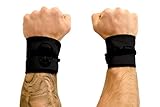
Overview: Gymreapers delivers a robust 36-inch wrist wrap designed for dynamic training environments. These wraps target athletes who need quick transitions between movements in WODs, Olympic lifting, and general strength training. The extended length provides ample support while maintaining adjustability for varied exercises.
What Makes It Stand Out: The standout feature is the generous 36-inch length, eliminating the need for athletic tape while offering superior customization. Unlike rigid competition wraps, these balance support with mobility, letting you loosen them for skill work and tighten for heavy lifts. The reinforced stitching and quality materials ensure they withstand constant adjustments during intense metcons.
Value for Money: At $16.99, these sit in the mid-range but outperform budget options in durability. The versatility across multiple disciplines means one pair replaces both tape and shorter wraps, saving money long-term. Comparable products from premium brands often cost $25+, making these a smart investment for serious cross-training athletes.
Strengths and Weaknesses: Strengths include exceptional length for customizable support, durable construction, quick adjustability for WODs, and strong brand reputation. Weaknesses: the 36-inch length may feel excessive for lifters wanting minimalist support, and the single color option limits personalization.
Bottom Line: Ideal for CrossFit athletes and Olympic lifters who need adaptable wrist support that transitions seamlessly between movements. The quality and versatility justify the investment.
7. Gymreapers Weightlifting Wrist Wraps (IPF Approved) 18" Professional Quality Wrist Support with Heavy Duty Thumb Loop - Best Wrap for Powerlifting Competition, Strength Training, Bodybuilding (Desert Sand, 18")
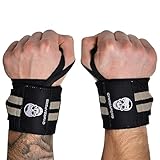
Overview: These IPF-approved 18-inch wrist wraps from Gymreapers are built for competitive powerlifters and serious strength athletes. Designed to meet strict competition standards, they provide maximum wrist immobilization for heavy pressing movements while maintaining comfort through proprietary elastic materials.
What Makes It Stand Out: The IPF approval is the crown jewel, ensuring these wraps are legal for sanctioned competition. Tested by world champion powerlifters and IFBB pros, they feature heavy-duty thumb loops and true-to-size 18-inch length that delivers competition-level tightness without circulation restriction. The reinforced edges prevent the painful digging common in lesser wraps.
Value for Money: Priced at $19.99, these cost slightly more than training wraps but remain affordable for competition-grade gear. Most IPF-approved wraps start at $25+, making these an exceptional value. For athletes competing in powerlifting, the price is negligible compared to the confidence of using legal, proven equipment.
Strengths and Weaknesses: Strengths include official IPF approval, professional athlete endorsement, heavy-duty thumb loops, accurate sizing, and competition-ready stiffness. Weaknesses: the 18-inch length may be too short for lifters preferring extra wrap material, and they lack the versatility of longer wraps for dynamic workouts.
Bottom Line: A must-have for competitive powerlifters seeking IPF-legal wrist support. The quality and approval status make them worth every penny for serious competitors.
8. BREAKING LIMITS Set of Lifting Straps & Wrist Wraps - 2 Wrist Bandages, 2 Lifting Aids - Strength Training, Weight Lifting, Bodybuilding, Lift Training, Powerlifting, One Size | (Black)

Overview: BREAKING LIMITS offers a comprehensive four-piece set combining two wrist wraps and two lifting straps, addressing both wrist support and grip strength in one package. This all-in-one solution targets beginners and intermediate lifters looking to equip their gym bag without multiple purchases.
What Makes It Stand Out: The unbeatable value of receiving both wraps and straps simultaneously sets this apart. While most brands sell these separately, this set ensures you have the right tool for both pressing and pulling movements. The inclusion of neoprene padding on straps and reinforced seams on wraps shows attention to durability despite the budget price.
Value for Money: At just $12.95 for four pieces, this represents exceptional value. Purchasing wraps and straps separately typically costs $30-40. The one-size approach simplifies ordering, though it may sacrifice some custom fit. For lifters starting their journey, this is arguably the best budget entry point available.
Strengths and Weaknesses: Strengths include complete package coverage, affordable pricing, quality cotton/nylon/neoprene materials, and gift-ready presentation. Weaknesses: “One size fits all” may not suit very small or large wrists, and the brand lacks the athlete endorsements of premium competitors. The wraps are likely less rigid than competition-grade options.
Bottom Line: Perfect for beginners wanting maximum utility at minimum cost. The set covers all basic lifting needs admirably for the price.
9. PULLUP & DIP Wrist Wraps, Professional Wrist Support for Weightlifting, Calisthenics, Bodybuilding & Strength Training, Stabilizing & Protective for Women & Men (Pullup & Dip Branding)
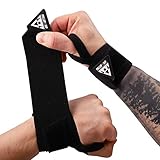
Overview: PULLUP & DIP delivers specialized wrist wraps engineered for the unique demands of calisthenics and functional fitness. These wraps prioritize breathability and versatility while maintaining the stability needed for handstands, dips, and heavy presses. The brand’s focus on bodyweight disciplines shows in the thoughtful design.
What Makes It Stand Out: The breathable nylon-elastane blend prevents overheating during long bodyweight sessions—a common complaint with traditional wraps. Left-right markings enable lightning-fast application between exercises, crucial for superset-heavy workouts. Their thinner profile reduces bulk while maintaining stability, perfect for movements requiring wrist flexion and extension.
Value for Money: At $16.90, these compete directly with mainstream wraps while offering calisthenics-specific features. The 30-day money-back guarantee and reputation among 40,000+ customers in 60 countries demonstrate brand confidence. Compared to generic wraps, you’re paying for sport-specific optimization that pays off in comfort during long sessions.
Strengths and Weaknesses: Strengths include breathable material, quick-identification markings, versatile application across multiple sports, money-back guarantee, and global customer satisfaction. Weaknesses: thinner design may feel less supportive for maximal powerlifting loads, and the calisthenics branding might deter traditional weightlifters despite universal functionality.
Bottom Line: Excellent choice for calisthenics athletes and functional fitness enthusiasts who prioritize breathability and quick transitions without sacrificing support.
10. Gymreapers Lifting Wrist Straps for Weightlifting, Bodybuilding, Powerlifting, Strength Training, & Deadlifts - Padded Neoprene with 18" Cotton (Black)
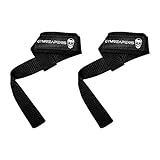
Overview: Gymreapers Lifting Wrist Straps are premium grip aids, not to be confused with wrist support wraps. These 18-inch cotton straps with neoprene padding help lifters overcome grip limitations on pulling movements like deadlifts, rows, and shrugs. The design focuses on durability and comfort during heavy back days.
What Makes It Stand Out: The extended length allows 2-3 wraps around the bar, creating a virtually unbreakable grip connection. Neoprene padding prevents the wrist digging common with bare cotton straps, while endorsements from world record powerlifters validate their effectiveness. The no-slip design maintains security even with sweaty hands or chalk buildup.
Value for Money: At $14.95, these are competitively priced for premium straps. Basic straps cost $8-10 but lack padding and length. The durability means replacing them less frequently, saving money over time. For lifters whose grip limits their back development, these pay dividends in muscle growth and progressive overload.
Strengths and Weaknesses: Strengths include superior padding, extended length for security, elite athlete endorsement, durable construction, and versatility across pulling exercises. Weaknesses: they serve only one purpose (grip aid) and may hinder natural grip strength development if overused. The product name could confuse buyers seeking wrist support wraps.
Bottom Line: Essential for lifters hitting grip-failure before muscle-failure on pulls. The quality and padding make them worth the investment for serious back training.
Why Wrist Stability Matters in Pressing Movements
Your wrists are the critical link between your powerful upper body muscles and the weight you’re moving. When this connection is compromised, force leaks from the kinetic chain and your risk of injury skyrockets.
The Anatomy of a Strong Press
During any pressing movement—bench press, overhead press, push press, or jerk—your wrists should maintain a neutral, stacked position directly under the bar. This alignment allows the radius and ulna bones to transfer force efficiently through the carpal bones and into your hands. When your wrists bend backward (into extension), you create a mechanical disadvantage that places excessive stress on the smaller extensor tendons and compresses the joint capsule. Quality wrist wraps act as an external ligament system, providing passive support that helps maintain this optimal alignment even when fatigue sets in or loads become maximal.
Common Wrist Injuries in Strength Training
The most frequent wrist issues in pressing include extensor tendinopathy, TFCC (triangular fibrocartilage complex) tears, and impingement syndromes. These injuries typically develop from repetitive microtrauma when the wrist is forced into excessive extension under load. A 2018 study in the Journal of Strength and Conditioning Research found that lifters using appropriate wrist support during heavy presses reduced peak wrist extension by an average of 15 degrees, significantly decreasing shear forces on the joint. This isn’t about avoiding wrist strengthening—it’s about providing support when your structural integrity is most vulnerable.
What Are Wrist Wraps and How Do They Work?
Wrist wraps are specialized compression bands designed to reinforce the wrist joint during heavy or repetitive loading. Unlike basic athletic tape, they’re reusable, adjustable, and engineered specifically for the demands of strength sports.
The Science Behind Compression Support
The principle behind wrist wraps is proprioceptive enhancement combined with mechanical support. The elastic tension creates constant sensory feedback to your brain about wrist position, improving your body’s awareness of joint alignment. Simultaneously, the material resistance provides external opposition to unwanted movement, particularly extension. The best wraps achieve a balance—they’re tight enough to limit excessive motion but flexible enough to allow necessary movement for proper technique.
Stabilization vs. Immobilization: Understanding the Difference
Here’s a crucial distinction: effective wrist wraps stabilize without immobilizing. Your wrists need to move through some range during presses to accommodate bar path and individual anthropometry. Wraps that completely lock the joint can cause compensatory stress upstream at the elbows or shoulders. Think of them as a coiled spring rather than a rigid cast—they provide increasing resistance as you approach end-range extension, but still permit the functional movement patterns that keep your lifts efficient and safe.
Key Features to Look For in Quality Wrist Wraps
When evaluating wrist wraps, four primary characteristics determine their performance: material composition, dimensions, attachment method, and stiffness profile.
Material Matters: Cotton, Polyester, and Elastic Blends
The fabric blend directly impacts both support level and comfort. Pure cotton wraps breathe well and feel soft against skin but stretch excessively under heavy loads, making them better suited for moderate training than maximal attempts. Polyester-elastane blends dominate the serious strength market because they resist deformation while maintaining elasticity. Premium wraps often feature a proprietary weave that increases stiffness with each layer of overlap. Avoid wraps with high nylon content unless you want a slick, less grippy feel that can shift during sets.
Length and Width: Finding Your Perfect Fit
Wrap lengths typically range from 12 inches (30cm) to 36 inches (91cm). Shorter wraps (12-18") work well for athletes with smaller wrists or those seeking minimal support for dynamic movements. The sweet spot for most serious pressers is 24 inches (61cm), which provides 3-4 full wraps around the joint for substantial support without excessive bulk. Thirty-six inch wraps create a cast-like rigidity favored by elite powerlifters but require careful technique to avoid cutting circulation. Width is equally important—most quality wraps measure 3 inches (7.6cm) wide, which adequately covers the wrist joint without interfering with hand position on the bar.
Thumb Loop vs. No Thumb Loop: Which is Better?
Thumb loops help anchor the wrap during application, ensuring consistent tension and preventing slippage. They’re particularly valuable when you’re wrapping yourself without a partner. However, some lifters find loops uncomfortable or distracting during the lift itself. Modern designs allow you to tuck the loop under the wrap or remove it entirely after wrapping. Loop-less designs rely on friction and proper technique to stay secure, which can work well with tackier materials but may shift during sweaty sessions. For pressing movements where wrist position is static, loops provide an advantage in setup consistency.
Stiffness Levels: From Flexible to Cast-Like Support
Manufacturers often rate stiffness on a 1-5 scale, though this isn’t standardized. Flexible wraps (1-2) feel more like thick elastic bands and suit bodybuilding-style training where you want some support without compromising mind-muscle connection. Medium-stiff wraps (3-4) represent the most versatile option, providing substantial support for working sets while allowing enough give for proper bar placement. Cast-like wraps (5) feel almost like a plaster cast and are reserved for 1RM attempts and competition settings where absolute rigidity trumps comfort.
Stiffness Ratings: What They Mean for Your Training
Understanding stiffness ratings helps you match wrap selection to your specific training context rather than just buying the “strongest” option available.
Flexible Wraps (Level 1-2): Mobility-Focused Support
These wraps typically contain higher elastic content and lower thread density. They stretch significantly during application, meaning you can wrap them tightly without creating excessive rigidity. For pressing movements, they’re ideal for hypertrophy phases using moderate weights (60-75% 1RM) where you want to protect joints during higher volume without becoming dependent on support. They also work well for push presses and jerks where wrist mobility is crucial for the catch position.
Medium-Stiff Wraps (Level 3-4): The Versatile Middle Ground
This category represents the workhorse wraps that belong in most lifters’ bags. They feature dense weaving with moderate elasticity, creating what engineers call “progressive resistance”—they give slightly under load but become increasingly firm as tension increases. For bench press and overhead press work in the 75-90% range, these wraps provide the sweet spot of support. They’ll keep your wrists neutral during the drive phase while allowing just enough flexion to find your optimal grip width and bar position.
Cast-Like Wraps (Level 5): Maximum Support for Heavy Lifting
Level 5 wraps use minimal stretch material with maximum thread density, often incorporating stiffening agents in the weave. When properly applied, they can reduce wrist extension to less than 5 degrees. This extreme support benefits competitive powerlifters attempting maximal presses where any wrist deviation could mean a missed lift or injury. The trade-off is reduced proprioceptive feedback and potential discomfort during extended wear. Use these sparingly—save them for singles and doubles above 90% to avoid developing weak stabilizer muscles.
How to Choose the Right Wraps for Your Training Style
Your primary training discipline should heavily influence your wrap selection, as each sport places different demands on wrist function.
Powerlifters: Maximum Support for Competition Presses
If you compete in powerlifting, your wraps need to meet federation specifications (typically maximum length allowed) and provide extreme stiffness for the bench press. Most competitive lifters choose 24-36 inch wraps rated level 4-5. The key is finding wraps that create a rigid platform without causing hand numbness. Many powerlifters own two pairs: medium-stiff wraps for training volume and competition-grade wraps for heavy singles and meet day. Pay attention to break-in period—stiff wraps often require 5-10 sessions to soften slightly and mold to your wrist anatomy.
Bodybuilders: Balanced Support and Hypertrophy
Bodybuilders need wraps that support heavy presses without interfering with the mind-muscle connection crucial for pec and delt development. A 18-24 inch level 2-3 wrap works perfectly here. The moderate support protects joints during heavy incline presses and shoulder work while allowing enough wrist movement to perform exercises like reverse-grip bench presses or behind-the-neck presses safely. Avoid overly stiff wraps that might limit your ability to squeeze the bar and create peak contraction.
CrossFit Athletes: Versatility and Quick Transitions
Your wraps must handle everything from heavy thrusters to handstand push-ups. This demands a unique combination of support and rapid adjustability. Look for 12-18 inch level 2-3 wraps with thumb loops and Velcro that won’t snag on equipment. The material should wick moisture effectively since you’ll be transitioning between movements. Some CrossFit-specific designs feature a tapered end that makes quick wrapping between WOD segments possible. The ability to loosen wraps without fully removing them is a valuable feature for varied workouts.
General Fitness Enthusiasts: Entry-Level Considerations
If you’re new to serious strength training, start with a versatile 18-inch level 2-3 wrap. Your wrists are still adapting to loading, and overly stiff wraps could mask developing strength imbalances. Focus on learning proper pressing technique first, using wraps as insurance for heavier sets rather than a crutch for every rep. Budget-friendly options in this category often provide excellent value, but avoid the cheapest wraps with poor Velcro that fails after a few months. Look for reinforced stitching at stress points and a return policy that lets you test the stiffness.
Proper Wrapping Technique for Optimal Support
Even the best wrist wraps provide minimal benefit if applied incorrectly. The wrapping method dramatically influences the support level and comfort.
Step-by-Step Guide to Wrapping Your Wrists
Start with your wrist in neutral alignment, hand relaxed. Loop the thumb loop over your thumb and position the wrap’s starting edge just below your wrist crease on the palm side. Wrap toward your body (counter-clockwise for right wrist, clockwise for left), keeping each overlap covering 50% of the previous layer. Apply maximum tension during the first full revolution to anchor the wrap, then moderate tension for subsequent wraps. Cover the wrist joint completely—typically 3-4 layers—ending about 1 inch above the wrist crease on the forearm. Secure the Velcro firmly, ensuring it faces outward to avoid bar interference. The wrap should feel snug but not painful, and your fingers shouldn’t tingle or change color.
Common Wrapping Mistakes That Reduce Effectiveness
The number one error is wrapping too low, covering the hand instead of the joint itself. This provides minimal support and interferes with grip. Conversely, wrapping too high on the forearm misses the carpal bones entirely. Another mistake is inconsistent tension—starting loose then tightening, which creates pressure points rather than uniform support. Avoid twisting the wrap during application; keep it flat against your skin for even compression. Finally, don’t wrap over clothing or sweaty wrists without toweling off first—moisture reduces friction and causes slippage mid-set.
When to Use Wrist Wraps in Your Training
Strategic wrap usage maximizes benefits while preserving wrist strength development. Overuse creates dependency and weakens the very stabilizers you’re trying to protect.
Percentage-Based Guidelines for Wrap Usage
A practical approach: avoid wraps for any press under 70% of your 1RM. This ensures your wrist extensors and flexors get adequate training stimulus. Between 70-85%, use moderate support (level 2-3 wraps) for your heaviest work sets. Above 85%, or when attempting PRs, deploy maximum support (level 4-5). This tiered system builds resilient wrists while providing protection when the stakes are highest. For bodybuilding-style training with reps above 12, you might skip wraps entirely unless you have a pre-existing wrist condition.
Warm-Up Sets vs. Working Sets: Strategic Application
Your warm-up sets serve a crucial purpose beyond just preparing muscles—they activate neuromuscular pathways and reinforce proper movement patterns. Wrapping too early masks proprioceptive feedback that helps you dial in technique. Start all pressing sessions with bare wrists for your first 2-3 warm-up sets. As you approach 60% of your working weight, consider a light wrap if you’re rehabbing an injury. Save substantial support for your top sets only. This approach maintains the health benefits of training while providing targeted protection where it matters most.
Caring for Your Wrist Wraps: Maintenance and Longevity
Quality wraps are an investment that can last years with proper care, but neglect them and they’ll lose support rapidly.
Cleaning and Washing Best Practices
Sweat and chalk buildup degrades elastic fibers and creates odor. After each session, unwrap your wraps completely and let them air dry before storing. Once monthly, hand wash them in cold water with mild detergent—never use fabric softener, which coats the fibers and reduces elasticity. For heavily soiled wraps, a gentle machine wash in a delicates bag is acceptable, but always air dry. Heat from dryers breaks down elastane and causes shrinkage. If your wraps develop a permanent crease or the Velcro no longer grips securely, it’s time for replacement.
Storage Tips to Prevent Material Degradation
Store wraps fully extended, not rolled or bunched. Rolling creates permanent memory in the fibers that leads to uneven tension during application. Keep them in a breathable bag away from direct sunlight, which degrades polyester and elastic. Avoid leaving them in your hot car between sessions—temperature extremes accelerate material breakdown. If you train in a humid environment, consider silica gel packets in your gym bag to prevent mildew. With proper care, quality wraps maintain their performance characteristics for 12-18 months of regular use.
The Psychology of Lifting with Wrist Wraps
The mental aspect of using supportive equipment is often underestimated but profoundly impacts performance.
Confidence Boost and Proprioceptive Feedback
There’s a psychological phenomenon where external support translates to internal confidence. Knowing your wrists are reinforced allows you to attack heavy weights without hesitation. The consistent pressure also serves as a tactile cue, helping you maintain awareness of wrist position throughout the lift. Many lifters report feeling “more connected” to the bar when using wraps, particularly during the descent phase of bench press where control is paramount. This isn’t placebo—it’s enhanced proprioception creating a more stable motor pattern.
Avoiding Over-Dependence on Equipment
The danger lies in becoming psychologically unable to lift without wraps. If you find yourself reaching for them on every set, including warm-ups, you’ve crossed into dependency. This not only weakens wrist stabilizers but creates mental fragility. Periodically train “raw” on submaximal days to maintain wrist strength and confidence. Some coaches recommend deload weeks without any wraps to recalibrate your baseline and ensure your support gear enhances rather than replaces your natural capabilities.
Alternatives and Complementary Tools
Wrist wraps are one tool in the joint support arsenal. Understanding their relationship to other options helps you build a comprehensive approach.
Wrist Straps vs. Wrist Wraps: Clearing the Confusion
These are entirely different tools serving opposite purposes. Wrist straps (or lifting straps) loop around the bar to reinforce your grip, doing nothing for wrist stability. Wrist wraps support the joint itself without assisting grip. Some lifters mistakenly use the terms interchangeably, leading to poor purchasing decisions. If your wrists hurt during pressing, you need wraps. If your grip fails during deadlifts or rows, you need straps. Some athletes use both simultaneously—wraps under straps for heavy rack pulls—but this is advanced equipment usage requiring careful application.
Combining Wraps with Other Joint Support
Wrist wraps work synergistically with other support gear. For heavy benching, many lifters pair wraps with elbow sleeves to create a stable upper extremity platform. The compression from sleeves enhances blood flow and warmth while wraps handle joint alignment. For overhead work, combining wraps with proper shoulder stabilization (scapular retraction, thoracic mobility) creates a bulletproof pressing structure. Never use wraps to compensate for poor mobility—address range of motion limitations first, then add wraps as a performance enhancer, not a band-aid.
Frequently Asked Questions
What’s the difference between wrist wraps and wrist straps?
Wrist wraps support the wrist joint itself, preventing excessive extension and providing stability during pressing movements. Wrist straps (lifting straps) reinforce your grip on the bar by creating a tether between your hand and the weight, primarily used for pulling exercises like deadlifts and rows where grip strength is the limiting factor. They serve completely different functions—wraps for joint support, straps for grip assistance.
How tight should wrist wraps be for optimal support?
Wraps should feel snug and compressive but not painfully tight. A good test: after wrapping, your fingers shouldn’t tingle or change color, and you should be able to make a fist without severe discomfort. For pressing, aim for tension that prevents backward wrist bend but still allows you to flex your wrist slightly to find optimal bar position. If you lose feeling in your hands or see skin discoloration, they’re dangerously tight.
Can I wear wrist wraps for every single set of presses?
No, this creates dependency and weakens your natural wrist stabilizers over time. Use a tiered approach: no wraps for warm-ups and sets under 70% 1RM, moderate wraps for 70-85% work, and maximum support for sets above 85% or PR attempts. This preserves wrist strength development while providing protection when loads become structurally challenging. Bodybuilders might use wraps more frequently during heavy phases but should still train raw periodically.
What length wrist wraps should I buy for general strength training?
For most lifters, 24-inch (61cm) wraps offer the perfect balance of support and convenience. They provide 3-4 full revolutions around the wrist joint, creating substantial stability without excessive bulk. Shorter 12-18 inch wraps work for smaller wrists or CrossFit-style training requiring quick transitions. Thirty-six inch wraps create maximum rigidity for competitive powerlifting but are overkill for general fitness and can be difficult to manage alone.
Are thumb loops necessary on wrist wraps?
Thumb loops aren’t mandatory but provide significant advantages for pressing movements. They anchor the wrap during application, ensuring consistent starting position and tension. This is especially valuable when wrapping yourself between heavy sets. Many designs allow you to tuck the loop under the wrap after securing it, eliminating any discomfort during the lift. For quick CrossFit workouts, loop-less designs enable faster application, but for dedicated pressing sessions, loops improve consistency.
How often should I replace my wrist wraps?
With proper care, quality wrist wraps last 12-18 months of regular training. Replace them when you notice diminished support—the wrap feels stretchier than when new, the Velcro fails to grip securely, or permanent creases develop that prevent even wrapping. If they develop a persistent odor despite cleaning or the material starts fraying at stress points, it’s time for new ones. Competitive lifters often replace wraps annually to ensure consistent performance.
Can wrist wraps completely prevent wrist injuries?
No equipment can guarantee injury prevention. Wraps significantly reduce risk by limiting excessive wrist extension and providing proprioceptive feedback, but they can’t compensate for poor technique, excessive loading, or underlying mobility issues. Think of wraps as risk reduction tools, not magic shields. You still need proper pressing mechanics, appropriate progression, and adequate recovery. Wraps work best as part of a comprehensive approach to joint health.
Should beginners use wrist wraps when starting strength training?
Beginners should first develop baseline wrist strength and proper pressing technique without wraps. Training raw for your first 3-6 months builds resilient stabilizers and teaches you to maintain neutral wrist alignment naturally. Once you can press significant weight (bodyweight bench press or above) and have solid form, introduce level 2-3 wraps for your heaviest sets only. Starting too early creates dependency and masks technique flaws that should be addressed first.
Can I machine wash my wrist wraps?
Hand washing in cold water with mild detergent is ideal, but you can machine wash occasionally on a gentle cycle in a delicates bag. Never use fabric softener, bleach, or hot water, as these degrade elastic fibers. Always air dry completely—dryer heat destroys elastane and causes shrinkage. Wash them monthly if you train regularly, or when they develop visible chalk buildup or odor. More frequent washing extends lifespan by removing corrosive sweat salts.
Are expensive wrist wraps worth the investment over budget options?
Premium wraps ($30-50) typically offer superior materials, consistent stiffness, and durable Velcro that justifies the cost for serious lifters. Budget wraps ($10-20) can work well for beginners or occasional use but often stretch out faster and may have inconsistent tension. The sweet spot for most lifters is mid-range wraps ($25-35) that provide professional-grade support without premium pricing. Consider your training frequency and intensity—competitive powerlifters benefit most from expensive wraps, while general fitness enthusiasts can achieve excellent results with mid-tier options.