The backcountry doesn’t care about your Instagram following or how many powder days you’ve logged this season. When the mountain decides to move, your avalanche transceiver becomes the most important piece of gear you’ve ever owned—period. As we push further into 2026, the technology packed into these palm-sized lifelines has evolved from simple beep-and-seek devices into sophisticated rescue computers that can mean the difference between a successful recovery and a tragedy.
But here’s the uncomfortable truth: even the most advanced transceiver is worthless without a skilled operator. The market is flooded with impressive-sounding features, marketing buzzwords, and specifications that can make your head spin faster than a slab fracture. This guide cuts through the noise to focus on what actually matters when you’re standing at the trailhead, patting your chest pocket to confirm your beacon is on and ready. We’re diving deep into the critical features, emerging technologies, and timeless principles that define the best avalanche transceivers for backcountry skiers in 2026.
Top 10 Avalanche Transceivers for Backcountry Skiers
Detailed Product Reviews
1. BCA Backcountry Access Tracker S Avalanche Beacon Transceiver

Overview: The BCA Tracker S Avalanche Beacon Transceiver is a streamlined, user-friendly avalanche safety device designed for recreational backcountry enthusiasts. Operating at the standard 457 kHz frequency, it delivers a 55-meter maximum range with a 50-meter search strip width, providing reliable performance for most rescue scenarios. The battery life specification indicates a minimum of one hour in search mode following 200 hours in transmit mode, ensuring dependable power management during typical multi-day tours.
What Makes It Stand Out: The Tracker S distinguishes itself through deliberate simplicity—BCA has stripped away professional-grade complexities while retaining core functionality. The 50-meter search strip width matches many premium beacons, and the real-time display provides immediate visual feedback during searches. BCA’s reputation as the most widely used LVS brand in North America lends confidence to its reliability and interface design.
Value for Money: At $279.95, the Tracker S sits in the sweet spot for entry-level digital beacons. It undercuts feature-rich models by $80-150 while delivering the essential performance recreational users need. Compared to analog beacons or outdated digital units, this price represents modern three-antenna technology without premium costs for motion-sensing or software upgrades that casual users rarely utilize.
Strengths and Weaknesses: Strengths include intuitive interface, proven reliability, competitive search range, and excellent battery longevity. The lightweight design integrates seamlessly with BCA harnesses. Weaknesses are the lack of motion-sensing auto-revert, no upgradeable firmware, and fewer advanced features for complex multiple-burial scenarios. Professionals may find it limiting, but recreational users benefit from its focused design.
Bottom Line: The Tracker S is an ideal choice for weekend warriors and those new to backcountry travel. It delivers trustworthy performance without overwhelming complexity, making it a smart investment for anyone prioritizing simplicity and reliability over advanced features.
2. BCA BACKCOUNTRY ACCESS Tracker S Avalanche Beacon Rescue Package

Overview: The BCA Tracker S Rescue Package bundles the popular Tracker S transceiver with two essential companion tools: the Stealth 270 avalanche probe and Dozer 1T shovel. This complete three-piece kit provides everything needed for effective avalanche response in one purchase. The aluminum probe extends to 270 centimeters, while the lightweight shovel features a durable aluminum blade and telescoping handle for efficient snow removal.
What Makes It Stand Out: Convenience defines this package—eliminating guesswork about gear compatibility and ensuring all components meet BCA’s quality standards. The Stealth 270 probe offers quick deployment with depth markings, and the Dozer 1T shovel balances weight and digging efficiency. Purchasing as a bundle ensures your rescue system works cohesively from day one.
Value for Money: At $369.00, the package saves approximately $40-60 compared to purchasing each item separately (beacon $280, probe $60, shovel $50). This represents solid value for newcomers building their first kit. More importantly, it removes psychological barriers to complete preparedness—no temptation to delay buying a probe or shovel.
Strengths and Weaknesses: Strengths include seamless integration, cost savings, trusted BCA construction, and the psychological benefit of owning a complete system. Everything matches in quality and design philosophy. Weaknesses include limited customization—you’re locked into BCA’s specific probe and shovel models, which may not suit users with strong preferences for longer probes or different shovel geometries.
Bottom Line: This rescue package is perfect for those entering backcountry travel or replacing outdated gear across the board. It delivers professional-grade reliability with consumer-friendly convenience, making it the most practical path to complete avalanche preparedness.
3. BCA Backcountry Access Tracker S Avalanche Beacon + Avalanche Probe
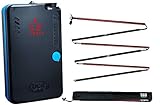
Overview: This hybrid package pairs the BCA Tracker S avalanche beacon with a SnowBigDeal 260cm aluminum probe, creating a two-thirds solution for avalanche rescue preparedness. The bundle targets users who already own a shovel or prefer selecting one separately while still benefiting from combined purchasing power on the core detection and pinpointing tools.
What Makes It Stand Out: The package acknowledges that many backcountry enthusiasts acquire gear incrementally. By bundling the beacon with a probe, it covers the most technically complex and time-sensitive rescue phases—initial transceiver search and pinpoint probing. The included SnowBigDeal probe features clear centimeter depth markings and reliable aluminum construction.
Value for Money: Priced at $299.95, this bundle saves roughly $30-40 versus separate purchases. While less dramatic than the full three-piece package savings, it still delivers value. However, the incomplete kit messaging—explicitly noting the shovel omission—creates a slightly awkward value proposition requiring an additional $50+ investment for full preparedness.
Strengths and Weaknesses: Strengths include covering the two most technically demanding rescue tools, modest cost savings, and flexibility for users with shovel preferences. The Tracker S remains wonderfully intuitive. Weaknesses involve the non-BCA probe brand potentially raising quality questions, the psychological incompleteness, and marginal savings that may not justify losing customization options.
Bottom Line: This bundle suits experienced users replacing a beacon and probe simultaneously or those with specific shovel requirements. For newcomers, the full rescue package makes more sense. Consider this option only if you have strong opinions about your shovel or already own a reliable one.
4. BCA Tracker S Avalanche Beacon Transceiver

Overview: The BCA Tracker S Avalanche Beacon Transceiver represents the evolution of digital avalanche safety, building on BCA’s legacy as the inventor of the first digital multi-antenna LVS device. This model delivers the core performance of the professional-grade Tracker3—real-time display, three-antenna precision, and intuitive interface—while removing advanced features like motion detection and upgradable software that casual users rarely need.
What Makes It Stand Out: BCA’s market dominance ensures the Tracker S benefits from the most refined user interface in the industry. The beacon’s “instant real-time display” provides immediate distance and direction feedback during searches, reducing cognitive load in high-stress situations. Its status as North America’s most widely used transceiver creates a network effect—more users familiar with its operation means more effective rescues.
Value for Money: At $289.95, this variant positions itself $10 above the base Tracker S model, essentially charging a premium for the brand’s historical narrative and market position. The identical hardware specifications mean you’re paying for reputational assurance rather than enhanced capability—a worthwhile investment for those prioritizing psychological confidence.
Strengths and Weaknesses: Strengths include peerless ease of use, proven reliability, extensive user base familiarity, and the same robust search range as premium models. The interface is practically muscle memory for many backcountry veterans. Weaknesses mirror the standard Tracker S: no motion-sensing auto-revert, non-upgradeable firmware, and limited multiple-burial functionality compared to the Tracker4 or competitors’ high-end models.
Bottom Line: Choose this beacon for its psychological advantage—knowing you own the industry standard can boost confidence and competence. Functionally identical to less expensive Tracker S variants, it’s ideal for users who value brand reputation and interface familiarity above marginal cost savings.
5. BCA Backcountry Access Tracker 4 Avalanche Beacon Transceiver
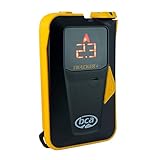
Overview: The BCA Tracker 4 advances the series with professional-grade features including Signal Suppression, Big Picture mode, and Motion-Sensing Auto-Revert. Weighing just 7.6 ounces including batteries, this transceiver addresses complex rescue scenarios while maintaining BCA’s renowned user-friendly interface. The five-year limited warranty underscores its durability for daily professional use.
What Makes It Stand Out: Signal Suppression allows users to mask a located transceiver during multiple-burial searches, preventing signal overlap confusion. Big Picture mode displays all buried signals simultaneously, providing critical situational awareness. The Motion-Sensing Auto-Revert automatically switches the beacon back to transmit mode if the searcher becomes stationary, protecting rescuers from secondary slides.
Value for Money: At $361.46, the Tracker 4 commands an $80+ premium over the Tracker S. This price delta purchases genuine professional capabilities that can dramatically improve outcomes in complex accidents. For guides, patrollers, and frequent backcountry travelers, these features aren’t luxuries but necessities justifying every dollar. Recreational users may find the additional cost harder to rationalize.
Strengths and Weaknesses: Strengths include cutting-edge multiple-burial management, automatic safety revert, comprehensive warranty, and professional-grade construction. The interface remains intuitive despite advanced capabilities. Weaknesses involve higher price, slightly steeper learning curve for feature mastery, and weight marginally above ultra-light competitors. Some users may never utilize the advanced modes, making the investment partially dormant.
Bottom Line: The Tracker 4 is the logical choice for snow professionals and serious enthusiasts who regularly travel in avalanche terrain with multiple partners. Its advanced features provide tangible safety benefits that justify the premium. Recreational weekend warriors should weigh whether their exposure level warrants the additional investment over the capable Tracker S.
6. BCA Backcountry Access T4 Turbo Avalanche Beacon Kit Rescue Package - Includes The Tracker 4 Transceiver, 300 Centimeter Avalanche Probe, and Shovel with Saw.

Overview:
The BCA T4 Turbo Avalanche Beacon Kit is a comprehensive rescue package designed for serious backcountry enthusiasts. This all-in-one solution bundles BCA’s flagship Tracker 4 transceiver with a Stealth 300 probe and a versatile Dozer 2H-S shovel featuring an integrated saw. Weighing just under 3 pounds total, the kit provides professional-grade tools for avalanche response without excessive bulk. Everything needed for a complete rescue is matched and ready for immediate deployment.
What Makes It Stand Out:
This kit’s standout feature is its completeness—every critical rescue tool in one purchase. The Tracker 4 beacon represents BCA’s latest technology, while the Dozer 2H-S shovel’s unique hoe mode dramatically increases snow-moving efficiency during excavation. The integrated saw in the shovel shaft adds utility for snow science or shelter building. The 300cm probe offers superior depth reach compared to standard 240cm models, providing confidence in deep snowpack scenarios.
Value for Money:
At $501.49, the package saves approximately $50-80 compared to purchasing components separately. For dedicated backcountry skiers and snowmobilers who venture into avalanche terrain regularly, this investment in premium, integrated gear is easily justified when measured against the cost of individual rescue tools. The convenience of a matched system eliminates compatibility concerns and ensures all components meet professional standards.
Strengths and Weaknesses:
Strengths include professional-grade components, the innovative hoe-mode shovel, and the convenience of a matched system. The 300cm probe offers excellent depth reach. Weaknesses center on the premium price point, which may exceed beginner budgets, and the kit’s completeness might be unnecessary for casual users who already own some components. The total weight, while reasonable, is still noticeable on long tours.
Bottom Line:
This is the ideal choice for serious backcountry riders seeking a complete, professional rescue kit. The quality and integration justify the price for those who prioritize reliability and efficiency in emergency situations.
7. BCA Tracker 3 Avalanche Transceiver Beacon

Overview:
The BCA Tracker 3 Avalanche Transceiver Beacon is a streamlined, three-antenna digital transceiver that balances advanced functionality with user-friendly operation. Positioned as BCA’s mid-tier offering, it provides reliable signal detection and multiple burial identification for backcountry travelers seeking proven technology without premium complexity. The 7.6-ounce unit includes a comfortable harness and batteries for immediate field use.
What Makes It Stand Out:
The Tracker 3 distinguishes itself with an intelligent Auto Revert mode that automatically switches back to transmit if the searcher becomes motionless—critical if a secondary slide occurs. Its Multiple Burial Indicator provides clear visual guidance when multiple victims are buried, helping prioritize rescue efforts in complex scenarios. The simplicity of BCA’s interface remains a hallmark, reducing training time while maintaining professional capability.
Value for Money:
Priced at $299.97, the Tracker 3 occupies a sweet spot between budget single-antenna beacons and $400+ premium models. It delivers essential professional features—three antennas, multiple victim detection, and auto-revert—at a price accessible to dedicated recreational users, representing strong value for its capability set. The included harness and batteries add convenience worth approximately $25-30.
Strengths and Weaknesses:
Strengths include BCA’s renowned reliability, straightforward interface, lightweight design, and the critical auto-revert safety feature. The harness and batteries included add convenience. Weaknesses involve a more basic LCD display compared to newer graphical interfaces, and the lack of included probe or shovel requires separate purchases for a complete rescue kit. The display can be slightly harder to read in bright sunlight than premium alternatives.
Bottom Line:
The Tracker 3 is an excellent choice for intermediate to advanced backcountry users who want reliable, proven technology with key safety features. It’s a smart investment for those prioritizing function over flashy displays.
8. The Ski Guide Manual: Advanced Techniques for the Backcountry

Overview:
“The Ski Guide Manual: Advanced Techniques for the Backcountry” is an authoritative reference text for experienced backcountry skiers seeking to elevate their technical and decision-making skills. Unlike gear-focused products, this manual delivers expert knowledge on route finding, snow assessment, and rescue leadership essential for safe mountain travel. It serves as a continuing education tool for those beyond basic certification, transforming theoretical knowledge into practical field wisdom.
What Makes It Stand Out:
This manual stands apart by offering guide-level expertise in a portable format. It covers advanced topics like complex terrain management, professional-level snow stability analysis, and team leadership protocols that basic avalanche courses rarely address. The content transforms reactive rescue thinking into proactive risk management, making it unique among backcountry resources. Real-world scenarios and decision frameworks provide actionable intelligence rather than generic advice.
Value for Money:
At $32.95, this manual represents exceptional value—costing less than a ski ticket while providing knowledge that could prevent accidents. Compared to $300+ beacons or $500+ kits, investing in education delivers disproportionate safety returns. It’s a permanent reference that gains value with each re-reading as experience grows, making it a one-time investment for lifelong learning that pays dividends across every backcountry tour.
Strengths and Weaknesses:
Strengths include comprehensive expert instruction, portability, and applicability across all backcountry disciplines. It complements rather than replaces physical gear. The primary weakness is that knowledge requires study and field application to become effective; passive reading alone won’t improve safety. Some beginners may find advanced concepts overwhelming without foundational experience, making it better suited to intermediate and advanced users.
Bottom Line:
Every serious backcountry traveler should own this manual. Pair it with proper training and essential gear for a complete safety system. It’s the most cost-effective safety investment you’ll make.
9. Black Diamond Recon X Beacon | Digital Search Accuracy | Multiple Victim Detection | Reliable Avalanche Safety Transceiver
Overview:
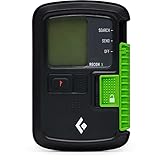
The Black Diamond Recon X Beacon is a high-performance digital transceiver engineered for serious backcountry users who demand advanced signal processing and rugged reliability. This premium beacon leverages powerful DSP technology to enhance search accuracy in complex, multi-victim avalanche scenarios where seconds count and signal interference challenges rescue efforts. Built to guide and patroller standards, it delivers professional-grade performance in a compact package.
What Makes It Stand Out:
The Recon X’s digital signal processing capabilities set it apart, filtering noise and resolving overlapping signals more effectively than many competitors. Its ruggedized housing withstands extreme cold and impacts, while the intuitive visual and audio feedback system reduces cognitive load during high-stress searches. The interface balances simplicity with advanced capability, providing clear multi-burial indicators without overwhelming the user.
Value for Money:
At $324.88, the Recon X positions itself competitively against BCA’s Tracker 4 and Ortovox’s Diract. You’re paying for sophisticated signal processing and Black Diamond’s reputation for durability. For guides, patrollers, and frequent backcountry travelers, this premium delivers tangible benefits in complex rescue scenarios that justify the cost over basic three-antenna models. The performance in marginal signal conditions alone warrants the investment.
Strengths and Weaknesses:
Strengths include exceptional signal processing, robust construction, clear multi-burial indicators, and professional-grade reliability. The interface balances simplicity with advanced capability. Weaknesses include a slightly heavier profile than minimalist beacons and a price point that may exceed recreational user needs. The learning curve is steeper than basic models, requiring practice to master advanced features fully.
Bottom Line:
The Recon X excels for professionals and dedicated enthusiasts facing complex avalanche terrain. Its processing power and durability make it worth the premium for those who need maximum search performance.
10. Bundle Backcountry Access BCA Tracker 3 Avalanche Beacon Avalanche Transceiver + 270cm Avalanche Rescue Snow Probe Avy Package for Backcountry ski + Snowmobile
Overview:
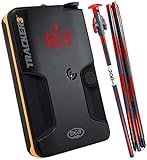
This BCA Tracker 3 bundle packages the popular three-antenna Tracker 3 beacon with a 270cm avalanche rescue probe, creating a ready-to-go rescue kit for backcountry skiers and snowmobilers. The package includes essential search and pinpointing tools, batteries, harness, and instructions—everything needed except a shovel. It eliminates compatibility guesswork while providing cost savings over individual component purchases.
What Makes It Stand Out:
The bundle’s convenience stands out, providing matched components from a trusted brand in a single purchase. The Tracker 3’s proven multiple-burial signal suppression technology provides confidence in complex scenarios, and the 270cm probe offers reasonable depth reach for most recreational terrain without the weight penalty of longer probes. The inclusion of batteries and harness means it’s field-ready immediately upon arrival.
Value for Money:
At $364.95, this package saves approximately $30-50 compared to buying the beacon and probe individually. It represents a smart middle ground between basic beacon-only purchases and comprehensive $500+ kits. For users who already own a quality shovel or want to select one separately, this bundle provides core search tools at an attractive price point. The cost-per-use becomes negligible over a typical backcountry season.
Strengths and Weaknesses:
Strengths include the trusted Tracker 3 beacon, cost savings, immediate usability, and the 270cm probe’s balance of weight and functionality. The three-antenna design and multiple burial suppression are proven effective. Weaknesses include the absence of a shovel, requiring an additional purchase for a complete kit. The 270cm probe may prove short in exceptionally deep snowpacks or professional applications where 300cm+ probes are standard, potentially limiting effectiveness.
Bottom Line:
This bundle is perfect for intermediate backcountry users upgrading from older gear or building their first serious kit. Pair it with a quality shovel for a complete, reliable rescue system without overspending on unnecessary components.
The Evolution of Avalanche Transceiver Technology in 2026
The landscape of avalanche transceiver technology has shifted dramatically in recent years. We’ve moved beyond the basic digital vs. analog debate into an era where artificial intelligence-assisted signal processing, enhanced user interfaces, and robust connectivity features are becoming standard. In 2026, manufacturers are focusing less on incremental range improvements and more on reducing user error—the single biggest factor in failed rescue attempts. Modern devices now anticipate common mistakes, guide users through complex scenarios, and provide feedback that helps refine technique even during practice sessions.
Understanding the Three Antenna Standard
If you’re still skiing with a dual-antenna transceiver, it’s time for an immediate upgrade. The three-antenna configuration has been the non-negotiable baseline since the mid-2010s, but understanding why it matters helps you appreciate what happens during a search. Two antennas handle the coarse search and directional indicators, while the third resolves the frustrating “spike” that occurs when you’re close to the victim—eliminating the 360-degree fine-search dance that wasted precious seconds in older models. In 2026, antenna placement and signal processing algorithms have been optimized to reduce null points and improve accuracy in challenging terrain.
Digital vs. Analog Signal Processing: What’s the Difference?
The digital vs. analog conversation isn’t about old-school versus new-school anymore—it’s about complementary technologies working in harmony. Digital processing excels at speed, providing rapid distance and direction updates that keep you moving efficiently through the coarse search. Analog signals, however, remain superior for hearing subtle signal variations that indicate multiple burials or edge cases where digital algorithms might struggle. The best 2026 transceivers seamlessly blend both, allowing you to toggle between modes or using hybrid processing that leverages the strengths of each approach without forcing you to choose.
Key Features to Evaluate Before Buying
Range and Signal Strength
Manufacturers love to boast about maximum range, but those numbers are measured in ideal conditions—flat, open terrain with fresh batteries and no electronic interference. Real-world performance matters more. Focus on the effective range in complex scenarios: dense trees, convex rolls, and deep burials. Signal strength consistency as you close in is more valuable than an extra five meters of initial pickup distance. Look for devices that maintain stable readings below 10 meters, where precision becomes critical.
Multiple Burial Detection Capabilities
The harsh reality is that slides often involve more than one victim. Modern transceivers handle multiple signals through sophisticated marking functions that allow you to isolate and suppress located victims while continuing to search for others. In 2026, the focus has shifted from simply detecting multiple signals to intelligently prioritizing them based on signal strength, depth, and proximity. Some advanced models now offer triage suggestions, though this remains a controversial feature among purists who insist human judgment must lead.
Flagging and Marking Functions
Flagging—temporarily suppressing a located signal to search for others—has become remarkably refined. The best implementations prevent accidental unflagging and provide clear visual confirmation of how many victims have been marked. In 2026, look for systems that allow you to unflag individual signals if you realize an error, rather than resetting the entire search. The button interface should be glove-friendly and require deliberate action to avoid mistakes in high-stress situations.
Display Clarity and User Interface
Your transceiver’s display needs to be readable in blinding sunlight, during a snowstorm, and while you’re hyperventilating from adrenaline. High-contrast OLED screens with large, simple icons dominate 2026 models. The best interfaces reduce cognitive load by showing only the information you need at each search phase. Avoid cluttered displays with unnecessary data that can distract from the primary task: following the arrow and watching the distance count down.
Battery Life and Power Management
Cold temperatures murder batteries. Premium transceivers in 2026 feature intelligent power management that extends battery life by 30-40% compared to 2023 models. Look for devices that run efficiently on disposable lithium batteries—their cold-weather performance remains superior to rechargeable options for multi-day tours. Some models now include battery health diagnostics that warn you when power delivery might become inconsistent, even if the meter shows sufficient charge.
The Importance of Real-Time Signal Analysis
The newest generation of transceivers doesn’t just receive signals—it analyzes them in real-time to provide feedback on your search technique. If you’re moving too fast and overshooting the flux line, the device will alert you. If your fine search pattern is too large or your bracketing is inconsistent, you’ll get subtle haptic feedback or visual cues. This coaching function transforms practice sessions into skill-building exercises, helping you internalize proper technique through immediate feedback rather than waiting for a partner to critique your performance.
Group Check Functions and Why They Matter
The group check at the trailhead is your last line of defense against human error and equipment failure. Modern transceivers have automated this process beyond simple transmit/receive tests. In 2026, advanced group check modes verify not just that everyone’s beacon is transmitting, but that frequencies are accurate, battery levels are adequate, and software versions are current. Some models can even log the check results with timestamps, creating a digital record that could be valuable for incident analysis or legal protection.
Bluetooth Connectivity and App Integration
Bluetooth connectivity has evolved from gimmick to genuine utility. While you shouldn’t be fiddling with your phone during a search, the ability to update firmware, customize settings, and review practice session data through a companion app is invaluable. In 2026, leading manufacturers offer apps that analyze your search patterns, identify weaknesses in your technique, and provide personalized drills. Just ensure the transceiver functions perfectly without the app—your phone should be a training tool, not a rescue requirement.
Durability and Weather Resistance Standards
Your transceiver lives in a harsh environment—swinging temperatures, moisture, impact, and constant vibration. The IP rating matters, but so does the overall construction. Look for devices tested to military standards for shock resistance and waterproofing beyond the minimum IP67 rating. The switch mechanism should be robust enough to prevent accidental power-down yet smooth enough to operate with cold fingers. In 2026, manufacturers are using reinforced polymers and gasket systems that maintain integrity after years of abuse.
Weight and Ergonomics: Finding Your Perfect Fit
Twenty grams might seem insignificant until you’re wearing your transceiver for a 12-hour dawn-to-dusk tour. Modern devices have trimmed weight without sacrificing durability, with premium models hovering around 150 grams including batteries. More important than raw weight is how the device sits against your body. The harness system should keep the transceiver secure and positioned correctly whether you’re skinning, bootpacking, or tomahawking through trees. Test the ergonomics with your actual touring pack and layers—comfort equals compliance.
Software Updates and Future-Proofing Your Investment
A transceiver is a long-term investment, and software update policies vary wildly between manufacturers. Some offer free lifetime updates, others charge after the warranty period, and a few have abandoned older models entirely. In 2026, the best brands commit to at least five years of software support and have a track record of delivering meaningful updates—not just bug fixes, but genuine feature improvements. Check the manufacturer’s history before buying; a company that abandons last year’s model is a red flag.
Training and Practice: Your Transceiver is Only as Good as Your Skills
The most sophisticated transceiver in the world won’t compensate for poor technique. The 2026 models can help, but they can’t replace regular, realistic practice. Professional guides recommend at least four dedicated practice sessions per season, including at least one in challenging conditions (deep burial simulation, multiple victims, interference). Modern transceivers with practice modes that simulate realistic scenarios—including signal overlap and interference—make these sessions far more valuable than the simple hide-and-seek drills of the past.
The Role of Interference and How Modern Transceivers Handle It
Electronic interference from smartphones, cameras, heated gloves, and even other transceivers can wreak havoc on search accuracy. The 2026 generation includes advanced filtering that identifies and mitigates interference sources. Some models will alert you to move your phone farther away or warn when multiple searchers are too close together. Look for devices that actively measure background noise and adjust sensitivity accordingly, rather than just hoping for the best.
Price vs. Performance: Making Smart Investment Decisions
The price spread between entry-level and premium transceivers has widened, with top-tier models commanding nearly double the cost of basic units. The question isn’t whether the expensive option is better—it’s whether you can leverage the advanced features. A novice skier might perform better with a simple, intuitive interface than a feature-rich device that adds complexity. Conversely, experienced backcountry travelers who practice regularly will benefit from the enhanced capabilities. Be honest about your skill level and commitment to training before splurging on premium features you’ll never master.
Warranty, Support, and Brand Reputation
When your life depends on a device, customer support becomes a critical feature. Investigate the manufacturer’s reputation for standing behind their products. Do they offer expedited replacement for devices involved in actual rescues? How quickly do they respond to technical questions? In 2026, leading brands provide 24/7 emergency support lines and have streamlined processes for warranty claims. Check community forums and talk to guides—reputation among professionals is the best indicator of real-world reliability.
Pre-Season Checklist: Ensuring Your Transceiver is Rescue-Ready
Before that first tour of the season, your transceiver deserves more than a quick battery check. Run through a comprehensive inspection: test range against a known device, verify software is current, check the harness for wear, clean contacts with isopropyl alcohol, and perform a full burial simulation. Practice the group check protocol with your regular partners until it becomes muscle memory. Document your practice sessions and note any inconsistencies. A transceiver that sits idle for months can develop quirks that only reveal themselves when you need it most.
Frequently Asked Questions
How often should I replace my avalanche transceiver?
Most manufacturers recommend replacing your transceiver every 5-7 years, but this depends heavily on usage, technological advances, and software support. If your device is no longer receiving updates or lacks modern features like three antennas and reliable multiple burial marking, it’s time for an upgrade regardless of age. Devices involved in actual incidents should be replaced immediately, as the shock and moisture exposure can compromise internal components.
What’s the realistic range I can expect during a search?
While manufacturers advertise ranges of 40-60 meters, real-world conditions typically reduce this to 25-40 meters. Terrain features, burial depth, device orientation, battery strength, and electronic interference all impact effective range. Focus on mastering efficient search patterns within 30 meters rather than counting on maximum advertised distances.
Can I use rechargeable batteries in my transceiver?
Most manufacturers strongly recommend against standard rechargeable batteries due to their voltage drop in cold temperatures and inconsistent power delivery as they drain. If you prefer rechargeables, use only manufacturer-approved lithium rechargeable cells designed for cold-weather performance. For multi-day trips, carry spare disposable lithium batteries—they’re lightweight, reliable, and perform predictably in extreme cold.
How do I know if my transceiver’s software is up to date?
Check the manufacturer’s website or companion app at the start of each season. Most companies release updates in late fall before the winter season begins. Some 2026 models feature automatic update notifications when connected to the app. Never skip updates, as they often include critical bug fixes and performance improvements based on real-world rescue data.
What’s the difference between marking and flagging a victim?
These terms are often used interchangeably, but “marking” typically refers to temporarily suppressing a located signal to search for others, while “flagging” can imply a more permanent action. Modern transceivers use sophisticated marking that allows you to isolate signals without losing them permanently. Always check your device’s manual—understanding the specific implementation prevents dangerous confusion during a real rescue.
Should I practice with my transceiver in ‘analog mode’ even if I primarily use digital?
Absolutely. Analog mode teaches you to hear signal nuances that digital processing might mask. Practice switching between modes during training to understand how your device interprets signals differently. This skill becomes invaluable in complex scenarios like deep burials or signal overlap, where digital algorithms can struggle and analog listening provides critical context.
How does my smartphone affect my transceiver’s performance?
Smartphones are significant interference sources, especially when searching. Keep your phone at least 50cm from your transceiver in search mode, and enable airplane mode during practice and actual rescues. Some 2026 transceivers can detect phone interference and alert you to increase separation. Never use your phone as a primary rescue tool—companion apps are for training and data review only.
What’s the best way to practice for multiple burial scenarios?
Use your transceiver’s practice mode to simulate overlapping signals, or train with friends who bury multiple devices close together. Focus on systematic marking, maintaining situational awareness, and communicating clearly with other rescuers. Professional-level practice includes timed drills with increasing complexity: add depth, interference sources, and limited visibility to mirror real avalanche conditions.
Can I travel internationally with my avalanche transceiver?
Yes, avalanche transceivers operate on the international standard 457 kHz frequency and are legal worldwide. However, airline regulations require you to carry them in your carry-on luggage, never in checked bags. Remove batteries before flying to prevent accidental activation, and carry spare batteries in their original packaging. Some countries have specific requirements for backcountry equipment, so research local regulations before traveling.
How do I clean and maintain my transceiver after a season of use?
At season’s end, remove batteries to prevent corrosion. Wipe the housing with a damp cloth and mild soap—never submerge the unit. Clean battery contacts with isopropyl alcohol and a cotton swab. Inspect the harness for fraying and test the power switch for smooth operation. Store in a cool, dry place with the battery door slightly open to allow air circulation. Perform a full function test before the next season begins.