The home fitness revolution isn’t slowing down as we head into 2026—it’s evolving to be smarter, more efficient, and increasingly mindful of one precious resource: space. If you’re living in an apartment, condo, or simply refuse to dedicate an entire room to bulky equipment, you’re part of a massive shift toward compact, budget-conscious workout solutions. Rowing machines have emerged as the undisputed champion for full-body cardio that doesn’t demand square footage or a four-figure investment. The sweet spot? compact rowing machines under $500 that deliver legitimate performance without turning your living room into a crowded gym floor.
But here’s the challenge: not all budget rowers are created equal. The market is flooded with models that promise Olympic-level training yet deliver wobbly frames, unrealistic resistance, and monitors that seem to run on 1990s technology. As we look toward 2026, manufacturers are finally cracking the code on what budget-conscious, space-restricted fitness enthusiasts actually need—quieter operation, smarter folding mechanisms, and connectivity that doesn’t require a second mortgage. This guide cuts through the marketing noise to equip you with the expert knowledge to identify which features matter, which compromises are acceptable, and how to spot a machine that’ll still be pulling strong years from now.
Top 10 Compact Rowing Machines Under $500
Detailed Product Reviews
1. YPOO Rowing Machine for Home, 350 LB Capacity, 16-Level Silent Resistance, Magnetic Rowing Machines for Home Foldable, Full-Body Workout Compact Rowing Machine for Cardio & Strength with APP Support

Overview: The YPOO Rowing Machine is a magnetic rower designed for home use, offering a 350-pound weight capacity and 16 levels of silent resistance. It accommodates users from 4'5" to 6'3" on its 46-inch dual slide rail, making it suitable for most households.
What Makes It Stand Out: Operating at less than 25dB, this machine is exceptionally quiet—perfect for early morning workouts or apartments. The innovative 6.5% incline design simulates uphill rowing, intensifying your training without additional noise. App compatibility with YPOOFIT and Kinomap provides access to guided workouts and virtual training sessions.
Value for Money: At $179.99, the YPOO delivers magnetic resistance, high weight capacity, and smart features typically found in more expensive models. The incline feature and near-silent operation provide exceptional value, bridging the gap between basic hydraulic rowers and premium magnetic machines.
Strengths and Weaknesses: Pros: Whisper-quiet operation, sturdy steel construction, app integration, space-saving vertical storage, comfortable ergonomic seat, 16 resistance levels. Cons: Assembly can be time-consuming, resistance may not satisfy advanced athletes despite 99-pound claims, tablet holder stability could be improved.
Bottom Line: A fantastic choice for families and apartment residents seeking a quiet, feature-packed magnetic rower. The YPOO combines solid build quality, smart technology, and innovative design at a competitive price point.
2. YOSUDA Magnetic Rowing Machine 350 LB Weight Capacity - Rower Machine for Home Use with LCD Monitor, Tablet Holder and Comfortable Seat Cushion-New Version
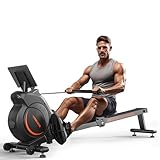
Overview: YOSUDA brings 20 years of fitness equipment expertise to this magnetic rowing machine, supporting up to 350 pounds with a commercial-grade steel frame. The 48-inch range of motion accommodates users from 4'5" to 6'2", making it ideal for family use across multiple body types.
What Makes It Stand Out: The dual silent system combines non-contact magnetic resistance with high-density steel construction for an exceptionally quiet workout. The 12-pound flywheel and 12×12 magnetic configuration provide smooth, consistent resistance across all fitness levels. YOSUDA’s reputation, with over 3 million families served, adds credibility and trust in their commitment to quality.
Value for Money: At $259.99, this is a premium home rower justified by commercial-quality 5mm-thick steel construction and decades of brand reliability. While $80 more than the YPOO, it offers superior durability and the peace of mind that comes with an established manufacturer. The long-term warranty support adds further value.
Strengths and Weaknesses: Pros: Exceptionally quiet dual silent system, commercial-grade durability, proven brand track record, smooth magnetic resistance, easy upright storage. Cons: Fewer resistance levels (12 vs 16) than some competitors, higher price point, basic LCD display without app integration.
Bottom Line: Perfect for buyers prioritizing durability and brand reputation over cutting-edge tech. The YOSUDA is a long-lasting, whisper-quiet workhorse that will serve your family for years, making the higher investment worthwhile.
3. Sunny Health & Fitness Smart Compact Adjustable Rowing Machine, 12 Levels Adjustable Resistance, Complete Body Workout, Connect via Bluetooth with Exclusive SunnyFit App - SF-RW1205SMART

Overview: The Sunny Health & Fitness Smart Rowing Machine offers hydraulic resistance in an ultra-compact, lightweight package. Weighing just 22.4 pounds, this rower provides a full-body workout with Bluetooth connectivity and free app access, targeting legs, glutes, back, arms, shoulders, and core with low-impact motion.
What Makes It Stand Out: Every purchase includes free lifetime access to the SunnyFit App with 1,000+ trainer-led workouts and 10,000+ virtual scenic tours—no subscription fees. The hydraulic resistance system is incredibly compact, making this ideal for small spaces or users who need portability between rooms. The integrated device holder keeps your phone secure during workouts.
Value for Money: At $107.99, this is the most affordable smart rower available. The free app access alone provides thousands in value compared to subscription-based competitors. For budget-conscious buyers or beginners, it’s unbeatable and removes financial barriers to consistent fitness.
Strengths and Weaknesses: Pros: Extremely affordable, free comprehensive app, Bluetooth connectivity, ultra-lightweight and portable, compact storage, smooth hydraulic resistance. Cons: Hydraulic resistance is less smooth than magnetic, 12 levels may not challenge advanced users, lower durability than steel-framed models, unspecified weight capacity limits user confidence.
Bottom Line: An excellent entry-level option for beginners, apartment dwellers, or those prioritizing portability and budget over maximum resistance. While it won’t match magnetic rowers’ smoothness, the free app and unbeatable price make it a smart starting point for home fitness.
4. Foldable Rowing Machine for Home Use, Hyper-Quiet Rower with LCD Monitor, 300LBS Capacity Compact Home Rowing Machines

Overview: The LUBBYGIM Foldable Rowing Machine is a budget-friendly magnetic rower designed for home use with a 300-pound capacity. It features a 32-inch rail with an oversized ergonomic seat for comfortable sessions, tracking time, counts, REPS/min, and calories on its LCD monitor. The anti-slip foot pedals with adjustable straps ensure secure footing during intense workouts.
What Makes It Stand Out: This machine offers exceptional customer support with a 12-month component replacement service and risk-free trial—rare in this price range. The pre-installed parts and simple instructions make assembly remarkably easy, while built-in transport wheels enhance portability. The oversized ergonomic seat provides comfort during extended workouts.
Value for Money: At $85, it’s the most affordable magnetic rower available, undercutting even hydraulic models. For users wanting magnetic resistance on a tight budget, it delivers essential features without frills. The satisfaction guarantee minimizes purchase risk, making it an accessible entry point for those new to home fitness equipment.
Strengths and Weaknesses: Pros: Extremely affordable magnetic resistance, easy assembly, good customer support, foldable design, quiet operation, ergonomic seat, adjustable foot straps. Cons: 300-pound capacity lower than competitors, 32-inch rail shorter than ideal for taller users, basic LCD display, no app connectivity, less durable than premium models.
Bottom Line: A solid choice for budget-conscious buyers wanting magnetic resistance basics without breaking the bank. While it lacks advanced features and robust construction, the price and support make it a low-risk entry into home rowing for users under 6 feet tall.
5. Merach Rowing Machine, Magnetic Rower Machine for Home, 16 Levels of Quiet Resistance, Dual Slide Rail with Max 350lb Weight Capacity, App Compatible with LCD Monitor, Q1S
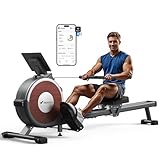
Overview: The Merach Q1S Rowing Machine is a magnetic rower offering 16 resistance levels and a 350-pound capacity. Its dual slide rail design provides enhanced stability, while app compatibility brings smart training features home. The machine accommodates a wide range of users with its sturdy construction and 48-inch rail.
What Makes It Stand Out: The dual slide rail system mimics wooden rower designs, preventing flip-over and providing superior stability compared to single-rail models. The MERACH app offers structured courses and KINOMAP integration for immersive virtual rowing experiences. Visualized workout data including heart rate and cadence enhances training feedback.
Value for Money: At $199.99, it positions itself between budget and premium magnetic rowers. The dual rail design and app compatibility justify the price, offering features comparable to $250+ machines while remaining accessible. The 30-minute assembly saves time and frustration, adding convenience value.
Strengths and Weaknesses: Pros: Stable dual rail system, 16 resistance levels, quiet magnetic operation, app integration with KINOMAP, 350-pound capacity, easy assembly, visualized workout data. Cons: Brand less established than YOSUDA, app ecosystem not as robust as competitors, basic LCD monitor, limited user reviews.
Bottom Line: A strong mid-range option for users wanting stability and smart features without premium pricing. The dual rail design makes it especially suitable for intense workouts, offering excellent value for safety-conscious buyers seeking a balance of features, durability, and affordability.
6. Rowing Machine for Home Row Rower Machine with 16-Level Adjustable Resistance, LCD Monitor, 350 lbs Capacity, Whisper Quiet, Compact & Space-Saving with Transport Wheels for Home, Office, Apartment

Overview: This budget-friendly magnetic rowing machine delivers impressive performance for home users seeking quiet operation without breaking the bank. Designed specifically for apartments and shared spaces, it combines essential features with thoughtful engineering at an accessible price point.
What Makes It Stand Out: The sub-30dB noise level is remarkable for this price tier, making it genuinely apartment-friendly. The 16-level magnetic resistance system provides smooth, no-contact operation that reduces mechanical wear while offering sufficient range for beginners through intermediate users. At 85% pre-assembled, setup is refreshingly straightforward.
Value for Money: At $119.99, this represents exceptional value in the magnetic rower category. Comparable machines typically start around $180, making this an ideal entry point. The 350-pound weight capacity and robust alloy steel frame punch well above its weight class, though long-term durability remains to be proven at this aggressive price point.
Strengths and Weaknesses: Strengths include whisper-quiet operation, easy assembly, compact footprint with transport wheels, and high weight capacity. The ergonomic seat and sweat-resistant handles enhance comfort during extended sessions. Weaknesses are the basic LCD monitor lacking advanced metrics, potentially shorter rail length limiting very tall users, and no Bluetooth connectivity for app integration.
Bottom Line: Perfect for apartment dwellers and budget-conscious buyers prioritizing quiet operation and simplicity. While it lacks advanced tech features, its core performance and build quality make it a smart first rowing machine that won’t disturb neighbors or roommates.
7. YPOO Rowing Machines for Home, Magnetic Row Machine Foldable, 16 Levels Quiet Resistance Rowing Machine with Dual Slide Rail, Folding Indoor Rowers Compact with Max 350lb Weight Capacity

Overview: YPOO’s mid-range magnetic rower balances stability, technology, and space efficiency for serious home fitness enthusiasts. The dual-rail design distinguishes it from single-rail competitors, providing enhanced durability and a smoother rowing experience.
What Makes It Stand Out: The dual slide rail system dramatically improves stability compared to budget single-rail models, while Bluetooth connectivity to YPOOFIT and Kinomap apps adds modern training versatility. The 10-minute assembly is genuinely achievable, and upright storage saves 70% floor space—crucial for small homes.
Value for Money: Priced at $179.99, it sits in the sweet spot between basic and premium rowers. The dual-rail construction and app compatibility justify the $60 premium over entry-level models, though it faces stiff competition from similarly priced alternatives offering heavier flywheels.
Strengths and Weaknesses: Key strengths include the stable dual-rail frame, five-metric LCD display, extensive 63.58-inch slide rail accommodating users 4'5" to 6'2", and seamless app integration. The compact 1.29 sq ft storage footprint is excellent. Weaknesses include a relatively light flywheel that may feel less substantial to advanced users, and the plastic components may show wear over time.
Bottom Line: An excellent choice for tech-savvy users wanting data-driven workouts without premium pricing. The dual-rail stability and app support make it ideal for intermediate users committed to regular training.
8. FEIERDUN Compact Adjustable Rowing Machine for Home, Foldable Hydraulic Rower with 12 Resistance Levels, 300LBS Capacity, Full Body Workout Equipment
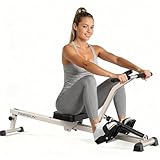
Overview: FEIERDUN’s hydraulic rower prioritizes portability and affordability above all else. Weighing just 22.4 pounds, this is the most lightweight option in the roundup, designed for users with extremely limited space or those needing a transportable workout solution.
What Makes It Stand Out: The hydraulic resistance system and featherweight design create unmatched portability. Five-minute, tool-free assembly is the fastest here, while the 12 resistance levels provide adequate variety for basic fitness needs. Its compact footprint fits virtually anywhere.
Value for Money: At $99.99, this is the most budget-friendly option, but the hydraulic mechanism represents older technology with inherent limitations. While suitable for beginners testing commitment to rowing, magnetic alternatives offer smoother operation for only $20 more.
Strengths and Weaknesses: Strengths include exceptional portability, lightning-fast setup, low price, and small storage footprint. The cushioned seat provides decent comfort. Weaknesses are significant: hydraulic resistance creates jerky motion unlike magnetic systems, the 300-pound capacity is lower than competitors, and the shorter rail restricts taller users. Long-term durability is questionable.
Bottom Line: Only recommended for absolute beginners with severe space constraints or those needing a portable option. Serious fitness enthusiasts should invest $20-$50 more for magnetic resistance’s superior feel and longevity.
9. YPOO Rowing Machine for Home, 350 LB Capacity, 16-Level Silent Resistance, Magnetic Rowing Machines for Home Foldable, Full-Body Workout Compact Rowing Machine for Cardio & Strength with APP Support
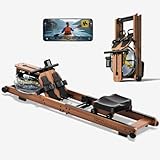
Overview: YPOO’s premium offering combines elegant aesthetics with advanced functionality, featuring a wooden frame and innovative folding design. This model targets design-conscious users unwilling to compromise on performance or space efficiency.
What Makes It Stand Out: The 180° flat-fold design is genuinely innovative, reducing storage to just 2.9 square feet—smaller than most competitors. The wooden construction offers superior vibration dampening and aesthetic appeal, while enlarged oar blades create water-like resistance feel. Comprehensive app compatibility includes guided workouts and virtual training.
Value for Money: At $199.99, it’s the priciest option reviewed, but the wood construction and unique folding mechanism justify the premium. Comparable wooden rowers typically exceed $300, making this relatively accessible for the category.
Strengths and Weaknesses: Strengths include stunning wooden design, extreme space efficiency, robust 350-pound capacity, excellent app integration, and natural rowing feel. The quick-fold mechanism operates without tools. Weaknesses are the highest price point, potential wood maintenance requirements, and the 77-inch height limit may exclude very tall users.
Bottom Line: Ideal for users prioritizing aesthetics and space savings alongside performance. If you want a rower that complements home décor while delivering full functionality, this is your best choice despite the premium price.
10. Dripex Rowing Machines for Home Use, Rowing Machine Max 350 LBS, Magnetic Rower with 16 Levels of Workout Resistance, Dual Slide Rail, Bluetooth App Supported, LCD Monitor,Row Machine for Gym Exercise

Overview: Dripex delivers impressive power and whisper-quiet operation at a competitive mid-range price. The upgraded 12-pound flywheel generating 66 pounds of resistance makes this the most robust option under $160.
What Makes It Stand Out: The sub-15dB noise level is the quietest claimed here, while the dual-slide rail system provides stability typically reserved for higher-priced models. The 48.8-inch rail accommodates an exceptionally wide height range from 4'5" to 6'5", making it the most versatile for households with multiple users.
Value for Money: At $152.99, this offers the best performance-to-price ratio. The heavy-duty resistance and dual-rail construction rival $200+ machines, while Bluetooth app support adds modern training capabilities without inflating cost.
Strengths and Weaknesses: Strengths include powerful magnetic resistance, extremely quiet operation, stable dual-rail design, comprehensive height accommodation, and app connectivity. The partially pre-assembled construction enables 20-minute setup. Weaknesses include a basic LCD monitor compared to app graphics, and the heavier weight reduces portability despite transport wheels.
Bottom Line: The best all-around value for serious home workouts. If you want gym-quality resistance and stability without premium pricing, Dripex outperforms competitors. Perfect for households with varied user heights and those demanding substantial resistance for strength training.
Why Compact Rowing Machines Dominate Home Fitness in 2026
The convergence of hybrid work schedules, urban density, and advanced manufacturing has created a perfect storm for compact fitness equipment. In 2026, the average home gym shopper isn’t asking “Which rower has the most features?” but rather “Which rower can I store under my bed and still get a pro-level workout?” This shift has forced manufacturers to innovate in ways previously reserved for premium models. We’re seeing hydraulic systems with smoother pulls, magnetic resistance that rivals air rowers for realism, and folding mechanisms that actually work with one hand.
Space efficiency has become the primary design driver, not an afterthought. The latest generation of sub-$500 rowers prioritizes vertical storage footprints under 2 square feet and horizontal profiles that slide under standard bed frames. But compact doesn’t mean compromised—2026 models are integrating Bluetooth connectivity, app synchronization, and data tracking that was unheard of at this price point just two years ago.
The Evolution of Budget-Friendly Rowing Technology
Remember when budget rowing machines felt like glorified toy springs? Those days are officially over. The technological leap in entry-level rowers stems from trickle-down engineering from commercial models and the rise of direct-to-consumer brands cutting out retail markups. In 2026, we’re witnessing magnetic resistance systems with neodymium magnets providing 16+ tension levels—previously a $800+ feature. Hydraulic cylinders now incorporate dual-piston designs that create a more continuous resistance curve, eliminating the jerky “dead spots” that plagued older models.
The real game-changer is miniaturization of components. Smarter circuit boards and more efficient power systems mean monitors can now display stroke rate, calories, distance, and heart rate zones without driving up costs. Some manufacturers are even using smartphone tethering to offload processing power, letting your phone handle the heavy lifting while the machine’s display shows core metrics.
Space-Saving Design Trends Reshaping the Market
The “fold-and-roll” concept has been reimagined for 2026. Instead of simply hinging in the middle, premium compact designs now feature telescoping rails that retract into the main body, reducing length by up to 40% without sacrificing stroke length. Look for models with caster wheels integrated directly into the frame rather than add-on dollies—these provide stability during workouts and mobility during storage.
Another emerging trend is the “dual-position” design where the rower converts into a strength training station. By locking the rail at an incline, some models allow for seated cable rows, bicep curls, and other resistance exercises, effectively replacing multiple pieces of equipment. This hybrid functionality is particularly valuable when every square foot counts.
Understanding Rowing Machine Types Within Your Budget
At the sub-$500 price point, you’ll encounter three primary resistance systems: hydraulic, magnetic, and air. Each comes with distinct trade-offs that directly impact your workout experience, noise level, and maintenance requirements. Understanding these differences is non-negotiable for making an informed decision that aligns with your living situation and fitness goals.
Hydraulic Resistance Systems: Pros and Cons
Hydraulic rowers use pistons filled with fluid (or air) to create resistance, making them the most affordable and compact option. In 2026, dual-piston models have largely replaced single-piston designs, providing a more balanced pull and independent resistance adjustment for each arm—great for addressing muscle imbalances.
Pros: Whisper-quiet operation, smallest footprint, typically the lowest price point, adjustable resistance on the fly.
Cons: Resistance can feel “artificial” compared to water or air, pistons may heat up during long sessions requiring cool-down periods, shorter maximum stroke length (often 32-36 inches), and potential for fluid leakage over time (though modern seals have improved dramatically).
For apartment dwellers prioritizing silence and space, hydraulics remain the top choice, but serious fitness enthusiasts might find the stroke feel limiting for long-term progression.
Magnetic Resistance: The Quiet Champion
Magnetic rowers use a metal flywheel and magnetic brakes to create tension—the same principle as exercise bikes. In 2026, this category has exploded in popularity for budget buyers because manufacturers have solved the “weak resistance” problem that plagued early models. Newer systems use multiple magnet arrays and heavier flywheels (up to 8-10 lbs in this price range) to create a smooth, strong pull that challenges even experienced rowers.
The key advantage is consistency. Unlike air rowers, resistance doesn’t depend on how hard you pull—you set the level, and it stays constant. This makes magnetic rowers excellent for steady-state cardio and interval training where precise control matters. They’re also nearly silent, with only the whisper of the seat rolling on the rail.
Air Resistance: Performance vs. Practicality
Traditional air rowers use a fan flywheel where resistance increases with pulling speed—creating that authentic on-water feel. While true air rowers rarely dip below $500, 2026 has seen hybrid designs that incorporate air resistance with supplemental magnetic systems. These “air-magnetic” combos attempt to deliver dynamic resistance at a budget price.
The reality? Pure air rowers under $500 typically cut corners on build quality to compensate for the expensive fan mechanism. You’ll find narrower rails, shorter decks, and monitors with limited functionality. The noise factor also can’t be ignored—air rowers are significantly louder, which may violate apartment lease agreements or wake sleeping family members. Unless you’re a purist chasing the exact feel of a Concept2, magnetic or hydraulic systems offer better value in this budget tier.
Key Features That Define Quality in Sub-$500 Models
Price constraints force manufacturers to prioritize certain features while cutting others. Knowing which specs indicate smart engineering versus cheap shortcuts separates the gems from the junk. In 2026, several features have become non-negotiable even at budget prices.
Build Quality and Weight Capacity Considerations
Don’t trust the advertised weight capacity at face value. A 250-pound limit on a frame that weighs only 35 pounds is a red flag. Quality compact rowers in this category should weigh between 45-65 pounds, indicating a steel or aluminum frame rather than hollow tubing. Look for welded joints at stress points instead of bolted connections, which can loosen over time.
The seat rail deserves special attention. It should be extruded aluminum or steel with a clear anodized finish to prevent corrosion. Plastic rails are a hard pass—they flex under load and develop grooves that ruin the smooth glide. Test (or research) the seat rollers: they should use sealed bearings, not plastic bushings, for longevity.
Monitor Technology: What Data Actually Matters
Fancy color displays are marketing fluff at this price point. What matters is data accuracy and readability. Your monitor must track: time, distance, stroke rate (SPM), and calories. Anything beyond that is bonus. In 2026, look for monitors with Bluetooth Smart connectivity—even if the display is basic, Bluetooth allows you to sync with free apps like Kinomap or EXR for richer data visualization.
Avoid monitors that require constant button batteries. Quality models now use coin-cell batteries that last 12+ months or are USB-rechargeable. Backlit displays are rare under $500, but high-contrast LCD screens with large numbers are perfectly functional for most home environments.
Foldability and Storage Innovations
The gold standard for 2026 is the “stand-up” fold where the rail pivots vertically and locks in place, reducing the footprint to roughly 20" x 20". Some models now include wall-mount brackets for vertical storage, getting the machine completely off the floor. Check the folding mechanism—quick-release pins are superior to bolts that require tools.
Wheels are critical but often overlooked. They should be at least 2 inches in diameter with rubber treads, not plastic. The rower should roll smoothly on carpet and hard floors without tipping. A transport handle integrated into the front stabilizer makes moving the folded unit much easier.
Performance Metrics That Separate Good from Great
Beyond the spec sheet, certain performance characteristics determine whether a rower will collect dust or become your daily ritual. These metrics are rarely advertised but make or break the user experience.
Stroke Length and Rail Design for Tall Users
Compact doesn’t have to mean cramped. The inseam length (distance from seat at full extension to footplates) should be at least 38 inches to accommodate users up to 6'2". Some 2026 models achieve this through telescoping rails that extend for use and retract for storage. The rail should be angled slightly upward (5-10 degrees) to naturally return the seat to the starting position, reducing strain on your hamstrings.
Footplates must be fully adjustable with secure straps—velcro wears out, so look for buckle systems or heavy-duty velcro rated for 10,000+ cycles. The heel support should pivot to allow natural ankle flexion, preventing premature fatigue.
Resistance Levels and Progression Potential
A common complaint with budget rowers is outgrowing the resistance too quickly. In 2026, quality models offer at least 8 distinct resistance levels, with magnetic systems pushing 16-20 levels. More importantly, the top level should feel genuinely challenging at a 20-24 stroke-per-minute pace. If you can maintain 30+ SPM at maximum resistance, the machine won’t serve you long-term.
Check for resistance progression curves. The best magnetic systems increase tension exponentially, not linearly, meaning level 8 is significantly harder than level 7. This provides room to grow. Hydraulic systems should allow independent arm adjustment—setting one piston higher than the other can simulate uneven water conditions and engage stabilizing muscles.
Smart Connectivity and App Integration in 2026
The line between budget and premium has blurred significantly in the connectivity department. While you won’t get built-in touchscreens, Bluetooth integration is now standard on better sub-$500 models, opening a universe of training possibilities.
Bluetooth vs. Wi-Fi Connectivity
Bluetooth Smart (BLE) is the practical choice for this price tier. It pairs directly with your phone or tablet without requiring a separate subscription or home network. Wi-Fi connectivity, while appearing more advanced, often requires proprietary subscriptions and adds cost without meaningful benefit for most users. BLE allows you to use the rower with popular apps like Zwift, Kinomap, and EXR, some of which offer free tiers with basic functionality.
When evaluating Bluetooth capability, check the app store reviews for the manufacturer’s companion app. If the app hasn’t been updated in six months or has sub-3-star ratings, the connectivity is likely an afterthought rather than a fully-baked feature.
Compatible Apps and Subscription Models
The subscription model debate rages on, but 2026 has seen a shift toward “freemium” apps. The machine’s basic monitor works standalone, while the app adds video workouts, data tracking, and social features. Avoid rowers that lock core functionality behind a paywall. The best models in this category work perfectly without ever downloading an app, but offer enhanced experiences if you choose to connect.
Look for app compatibility with Apple Health, Google Fit, and Strava for seamless data integration. Some manufacturers partner with specific apps to offer 3-6 month free trials—valuable for beginners who need structured workouts to build consistency.
Assembly, Maintenance, and Longevity
A rower that’s easy to assemble and maintain will see far more use than one requiring engineering degrees and constant tinkering. Modern manufacturing has simplified both processes, but significant differences remain between resistance types.
Tool-Free Assembly Features
Quality 2026 models advertise “15-minute assembly” and mean it. The best designs use snap-lock frame connections and pre-assembled resistance units. You should only need to attach the seat rail, seat, and monitor arm—everything else arrives ready to row. Be wary of models requiring you to thread cables through the frame or align piston shafts; these steps indicate a design that prioritizes shipping efficiency over user experience.
The included tools (if any) should be minimal—a single Allen wrench is standard. If the box includes a full toolkit, the manufacturer expects assembly to be complicated enough to require it.
Maintenance Requirements for Different Resistance Types
Hydraulic: Check piston seals monthly for oil residue. Wipe clean and avoid storing in extreme temperatures. Most pistons are self-lubricating but may require occasional silicone spray on the shaft. Plan for piston replacement every 3-5 years with heavy use.
Magnetic: Virtually maintenance-free. The magnetic brake never touches the flywheel, so there’s no wear. Occasionally vacuum dust from the flywheel housing and wipe the rail with a damp cloth. Check belt tension annually—if the handle feels slack, the belt may need adjustment.
Air: Clean the fan housing monthly to prevent dust buildup that impairs resistance. The chain or strap requires occasional lubrication. Air rowers are the most maintenance-intensive in this category, which is why they’re rare under $500.
Warranty and Customer Support Realities
Budget rowers will never match commercial warranties, but 2026 standards have improved. Look for at least a 1-year warranty on the frame and 90 days on parts and electronics. Some manufacturers now offer extended warranties for registration, pushing frame coverage to 2-3 years.
Customer support quality is crucial. Before purchasing, test the manufacturer’s support line or email with a simple question. Response time and helpfulness during the pre-sale phase are strong indicators of post-purchase support. Check Reddit and fitness forums for real-world warranty claim experiences—some brands are notorious for ghosting customers after the sale.
Common Mistakes to Avoid When Shopping
The biggest mistake is prioritizing “features” over fundamentals. A rower with 20 resistance levels and a color monitor is worthless if the seat wobbles or the rail flexes. Focus on frame integrity, stroke smoothness, and storage convenience first.
Another pitfall is ignoring the folded dimensions. Always measure your intended storage space and compare it to the product specs. Account for the extra 6-12 inches needed to maneuver the folded unit into place.
Don’t be swayed by inflated weight capacities. A 300-pound rating on a 40-pound machine is marketing fiction. Instead, look at the base width and leg design—wider bases with angled legs provide real stability, not inflated numbers.
Finally, avoid “all-in-one” machines that combine rowing with other exercises. These hybrids excel at nothing and often have compromised rowing mechanics. A dedicated rower that stores compactly beats a mediocre multi-gym every time.
Maximizing Your Rowing Machine Investment
Your relationship with a rower doesn’t end at purchase. To extract maximum value, establish a maintenance routine from day one. Wipe down the rail after each use to prevent sweat corrosion. Store it unfolded if space allows—constant folding/unfolding stresses the pivot mechanism over time.
Consider complementary accessories that enhance the experience without breaking the budget. A quality exercise mat (under $30) protects floors and dampens vibration. A tablet holder that clamps to the monitor arm (not the handle) lets you follow workouts without compromising form. And a simple heart rate monitor chest strap ($25-40) provides the most important workout metric that built-in monitors often miss.
Join online rowing communities for form checks and workout ideas. Proper technique prevents injury and ensures you’re targeting the right muscle groups. Even 15 minutes of daily rowing, when done correctly, delivers cardiovascular benefits that rival running without the joint impact.
Frequently Asked Questions
Are sub-$500 rowing machines durable enough for daily use?
Absolutely, provided you select a model with a steel frame, sealed bearing rollers, and appropriate weight capacity. Daily use for 30-45 minutes is realistic for hydraulic and magnetic models with proper maintenance. The key is respecting the machine’s limits—avoid explosive starts and always check bolts monthly for tightness. Most quality budget rowers will last 5-7 years with regular home use before requiring major component replacement.
What’s the quietest resistance type for apartments?
Magnetic resistance is the clear winner, operating at 30-45 decibels—roughly the volume of a quiet conversation. Hydraulic systems are nearly as quiet but may produce occasional clicking sounds as pistons engage. Air resistance exceeds 60 decibels and is unsuitable for shared walls or nighttime workouts. For true silence, pair a magnetic rower with a rubber exercise mat to eliminate floor vibration.
Can tall people use compact rowing machines?
Yes, but you must verify the inseam length specification. Many 2026 models accommodate users up to 6'3" through telescoping rail designs. Look for a minimum rail length of 44 inches and an inseam capacity of 38+ inches. If you’re over 6'4", consider models marketed as “extra-long rail” variants, which are becoming more common in the compact category.
How much floor space do I really need?
For active use, budget 8 feet long by 3 feet wide to accommodate the full stroke and your body movement. For storage, the best compact models fold to 20" x 20" and stand vertically. Some slide under beds, requiring only 8-10 inches of clearance. Always add 2 feet of clearance behind the rower for safe mounting/dismounting, especially in folded vertical storage.
Is magnetic resistance better than hydraulic?
“Better” depends on your priorities. Magnetic offers smoother, more consistent resistance and requires zero maintenance—ideal for taller users and those wanting a realistic stroke feel. Hydraulic wins on absolute compactness, price, and silence, with the trade-off being slightly less natural resistance progression. For most buyers in 2026, magnetic represents the best overall value under $500.
Do I need a subscription to use the monitor?
No. Quality rowers function perfectly as standalone devices, displaying all essential metrics without any app connection. Subscriptions are optional enhancements for video workouts, data tracking, and social features. Avoid any model that locks basic functionality like distance tracking behind a paywall—this is a predatory practice in the budget market.
How difficult is assembly typically?
With modern tool-free designs, assembly takes 15-30 minutes for one person. You’ll typically attach the seat rail, seat, footplates, and monitor. The resistance unit comes pre-assembled. Watch for models requiring piston alignment or cable threading—these indicate outdated designs. Most 2026 models include clear pictorial instructions; video assembly guides on the manufacturer’s website are a good sign of customer-centric design.
What’s the realistic weight limit for these machines?
Ignore advertised capacities over 300 pounds in this price range. Instead, focus on the machine’s own weight and base width. A quality compact rower weighing 50+ pounds with a 20-inch base can safely support 220-250 pounds. For users near these limits, prioritize models with center support legs under the rail, which prevent flexing. Always distribute weight evenly when mounting and dismounting to avoid stressing the frame.
Can I get a full-body workout on a budget rower?
Yes, rowing is inherently full-body, engaging 86% of muscles when performed correctly. Budget rowers provide the same biomechanical benefits as expensive models. The difference lies in resistance consistency and data accuracy, not muscle activation. Focus on proper form: 60% legs, 30% core, 10% arms. Even a basic hydraulic rower delivers an exceptional workout if you maintain technique. Add bodyweight exercises off the rower for a complete routine.
How do I know if a rower will fit my fitness level long-term?
Test the resistance at level 5-6 (mid-range). At a 20 SPM pace, you should feel challenged but able to maintain conversation. If you can easily exceed 30 SPM at maximum resistance, you’ll outgrow the machine. Look for exponential resistance curves where each level increases difficulty by 15-20% rather than linear 5% jumps. Models with 12+ levels and strong top-end resistance provide 2-3 years of progression for most users before upgrades become necessary.