The urban running landscape is evolving faster than ever, and by 2026, the intersection of GPS tracking technology and onboard music storage will be non-negotiable for serious city athletes. As metropolitan areas become more connected and runners increasingly seek phone-free experiences, the modern GPS watch has transformed from a simple pace tracker into a comprehensive training hub that lives on your wrist. Urban environments present unique challenges—skyscraper canyons that interfere with satellite signals, complex street grids requiring turn-by-turn navigation, and the ever-present need for safety awareness while staying motivated through crowded pathways.
What separates next-generation GPS tracking watches from their predecessors isn’t just incremental battery improvements or sleeker designs—it’s the seamless integration of precise location tracking with robust music storage that lets you leave your phone behind without sacrificing the beats that power your stride. For urban runners navigating 2026’s smart cities, these devices must deliver accurate metrics despite signal interference, store enough music for marathon training cycles, and provide safety features that connect you to emergency services when every second counts. Understanding what makes these watches truly exceptional requires looking beyond marketing specs to the real-world features that transform city running from a logistical headache into a liberating experience.
Top 10 GPS Tracking Watches with Music Storage for Urban Runners
Detailed Product Reviews
1. Garmin Forerunner® 255 Music, GPS Running Smartwatch with Music, Advanced Insights, Long-Lasting Battery, Black - 010-02641-20

Overview: The Garmin Forerunner 255 Music is a premium GPS running smartwatch designed for serious athletes who demand comprehensive training insights and phone-free entertainment. This sleek device combines advanced performance metrics with robust music storage in a lightweight package.
What Makes It Stand Out: The 14-day smartwatch battery life and 30-hour GPS endurance are exceptional, outlasting most competitors. The Morning Report feature consolidates sleep, HRV, and workout suggestions into one glanceable screen. With capacity for 500 songs and race prediction algorithms that factor in course terrain and weather, it’s built for dedicated runners.
Value for Money: At $327, it’s a significant investment but undercuts higher-end models while delivering pro-level features. Compared to the Apple Watch Ultra or Fenix series, you’re getting 90% of the functionality for 60% of the price.
Strengths and Weaknesses: Strengths include outstanding battery life, sunlight-readable always-on display, comprehensive training analysis, and generous music storage. Weaknesses are the premium price point, requirement for music subscriptions, and potential feature overload for casual users.
Bottom Line: The Forerunner 255 Music is ideal for committed runners and triathletes who want deep training insights without jumping to the Fenix price tier. The battery life alone justifies the cost for ultramarathoners and outdoor enthusiasts.
2. Garmin 010-02120-20 Forerunner 245 Music, GPS Running Smartwatch with Music and Advanced Dynamics, Black

Overview: The Garmin Forerunner 245 Music hits the sweet spot for dedicated runners seeking advanced training metrics and music integration without flagship pricing. This reliable workhorse delivers core Garmin performance features in a durable, everyday package.
What Makes It Stand Out: Its training status evaluation intelligently monitors your load to prevent overtraining, while free adaptive Garmin Coach plans provide personalized guidance. The advanced running dynamics offer deep biomechanical analysis when paired with compatible sensors, giving you professional-level feedback.
Value for Money: At $284.99, it positions itself as a mid-range champion. You’re getting legitimate training science and music storage, though the 7-day smartwatch and 6-hour GPS battery life trail newer models significantly.
Strengths and Weaknesses: Strengths include accurate GPS, robust training features, strong community through Garmin Connect, and proven durability with Gorilla Glass 3. Weaknesses are the relatively short battery life, requirement for separate sensors to unlock full dynamics, and lack of newer features like morning reports.
Bottom Line: The Forerunner 245 Music remains a compelling choice for serious runners who prioritize training intelligence over extended battery life. It’s a proven performer that delivers Garmin’s ecosystem at a reasonable price point.
3. baoinse Military Smart Watch with GPS Tracker, Pressure/Altitude/Compass, Rugged Smartwatch with 90 Days Battery, 1ATM Waterproof, Answer/Make Call, 100+ Sport Modes Fitness Tracker for Android iOS

Overview: The baoinse Military Smart Watch is a budget-friendly rugged wearable built for outdoor adventurers who need essential navigation tools without breaking the bank. At under $40, it promises military-grade durability and an impressive 90-day standby battery life that defies its price point.
What Makes It Stand Out: The quad-GPS system (GPS, BeiDou, Galileo, GLONASS) plus altimeter, barometer, and compass create a formidable navigation suite. Its 650mAh battery dwarfs competitors, and the 7H hardness screen withstands serious abuse in harsh environments.
Value for Money: At $39.99, this is entry-level pricing for surprisingly feature-rich hardware. You’re getting sensors and battery life that cost 5-10x more from premium brands, though software polish and accuracy will inevitably vary.
Strengths and Weaknesses: Strengths include unbeatable price, exceptional standby battery life, genuine durability, and comprehensive environmental sensors. Weaknesses involve an unproven brand, potentially slower GPS lock times (8-40 seconds), limited 1ATM water resistance, and basic smartwatch functionality compared to Garmin or Apple.
Bottom Line: Perfect for hikers, construction workers, or outdoor enthusiasts on a tight budget who prioritize durability and navigation over advanced training metrics. Don’t expect flagship performance, but it’s an incredible value for specific use cases.
4. Garmin Forerunner 245 Music, GPS Running Smartwatch with Music and Advanced Dynamics, Black (Renewed)
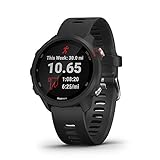
Overview: The renewed Garmin Forerunner 245 Music offers the same trusted performance as the new model at a $35 discount. This certified refurbished unit provides serious runners with advanced training features and music storage while easing the budget impact significantly.
What Makes It Stand Out: You get Garmin’s proven training status evaluation and adaptive Coach plans without paying full retail. The refurbishment process ensures full functionality while being environmentally conscious. It’s the most affordable entry into Garmin’s advanced running ecosystem.
Value for Money: At $249.99, this represents the best value proposition in the Garmin lineup. You’re sacrificing only cosmetic perfection for access to features that normally command $285+. For budget-conscious athletes, the savings are substantial and meaningful.
Strengths and Weaknesses: Strengths include significant cost savings, identical feature set to new model, Garmin’s reliable performance, and eco-friendly choice. Weaknesses are limited warranty compared to new, potential cosmetic imperfections, and the same limitations as the standard 245 (short battery life, sensor requirements).
Bottom Line: If you’re comfortable with refurbished electronics, this is a no-brainer for serious runners. You get legitimate Garmin training intelligence and music for the price of a basic fitness tracker. Inspect warranty terms carefully, but the savings make this an intelligent purchase.
5. Garmin vivoactive 4, GPS Smartwatch, Features Music, Body Energy Monitoring, Animated Workouts, Pulse Ox Sensors and More, Black

Overview: The Garmin vivoactive 4 positions itself as a versatile lifestyle smartwatch that balances fitness tracking with everyday wellness features. Unlike the Forerunner’s running focus, this device caters to broader health-conscious users seeking guidance across multiple activities and daily life management.
What Makes It Stand Out: Body Energy monitoring provides holistic fatigue management throughout your day, while animated on-screen workouts deliver personal training without a coach. Pulse Ox and menstrual cycle tracking offer comprehensive health insights beyond basic fitness metrics, creating a complete wellness picture that adapts to your lifestyle.
Value for Money: At $284.99, it matches the Forerunner 245’s price but targets different users entirely. You’re paying for lifestyle integration rather than hardcore training analysis, which is perfect for gym-goers, yoga enthusiasts, and casual athletes who want balance.
Strengths and Weaknesses: Strengths include diverse activity tracking (20+ sports), excellent wellness features, animated workouts, and solid 8-day battery life. Weaknesses are fewer advanced running metrics, no training status evaluation, and limited appeal for competitive athletes who need deep performance data.
Bottom Line: Choose the vivoactive 4 if you want a wellness-focused smartwatch that handles fitness casually rather than competitively. It’s ideal for health-conscious users who appreciate guided workouts and energy management over marathon training plans.
6. TomTom Runner GPS Watch Special Edition - Black
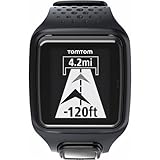
Overview:
The TomTom Runner GPS Watch Special Edition in black delivers essential running metrics in a sleek, distraction-free package. Designed for purists who prioritize function over flashy tech, this watch captures pace, distance, time, and route data through built-in GPS without requiring a smartphone tether. The monochrome display and single-button control system exemplify simplicity, making it ideal for runners who want to focus on their stride rather than fiddling with complex menus.
What Makes It Stand Out:
This special edition’s understated black finish offers a more refined aesthetic than the standard model, while TomTom’s QuickGPSfix technology ensures rapid satellite acquisition—often under a minute. The watch’s standout feature is its exceptional battery life, providing up to 10 hours in GPS mode, far exceeding many contemporary budget trackers. Its waterproof construction and intuitive interval training modes cater specifically to dedicated runners rather than casual fitness enthusiasts.
Value for Money:
At $49.95, this represents remarkable value for a dedicated GPS running watch. Comparable entry-level Garmin models typically start at $150+, while fitness bands with connected GPS lack the accuracy and independence of built-in satellite tracking. Though discontinued, it remains a steal for runners needing reliable core metrics without subscription fees or premium pricing for unnecessary smartwatch features.
Strengths and Weaknesses:
Strengths: Built-in GPS with quick signal acquisition; exceptional 10-hour GPS battery life; waterproof 50m rating; straightforward one-button navigation; no ongoing subscription costs; accurate distance tracking.
Weaknesses: Discontinued product with limited support; no optical heart rate monitor; basic Bluetooth syncing; dated mobile app; no smart notifications; monochrome display lacks modern vibrancy; limited third-party app integration.
Bottom Line:
The TomTom Runner Special Edition is an unbeatable budget option for runners who value accurate GPS tracking and marathon-ready battery life above all else. While it lacks the advanced metrics and connectivity of modern watches, its $49.95 price point makes it a smart choice for beginners, backup watch seekers, or anyone tired of charging devices daily. If you need reliable run data without the smartwatch premium, this is your watch.
Why Urban Runners Need GPS Watches with Music in 2026
City running demands a different breed of technology. Unlike trail runners who battle elevation and isolation, urban athletes face a distinct set of challenges that make integrated GPS and music storage essential rather than optional. The constant stop-and-go at intersections, the psychological boost needed to push through crowded sidewalks, and the desire to track accurate metrics despite urban interference all point to one solution: a self-contained wrist computer that keeps you connected to your performance while disconnecting you from digital distractions.
The Phone-Free Running Revolution
The shift toward leaving smartphones at home represents more than convenience—it’s a performance philosophy. Running unencumbered changes your biomechanics, reduces mental load, and eliminates the temptation to check notifications mid-workout. Modern GPS watches with substantial music storage (8GB minimum for 2026 standards) let you carry thousands of songs, podcasts, and audiobooks without the weight or distraction of a phone bouncing in your pocket.
Essential GPS Features for City Running
Urban canyons created by tall buildings have historically been the Achilles’ heel of GPS accuracy. The 2026 generation of watches addresses this through multi-band GNSS support and advanced algorithms that maintain lock even when satellite signals reflect off glass facades.
Multi-Band GNSS and Urban Accuracy
Look for watches supporting not just GPS but also GLONASS, Galileo, and BeiDou systems simultaneously. Multi-band capability means the watch receives multiple frequencies from each satellite constellation, dramatically improving accuracy in dense urban environments. This technology reduces the “GPS drift” that plagues city runners, ensuring your 10K through downtown actually measures 10K, not 10.8K due to signal bouncing.
Adaptive Tracking Modes
The best urban GPS watches offer intelligent tracking that adjusts sampling rates based on your environment. When you emerge from a subway station or run through a tunnel, these devices use accelerometer data and predictive algorithms to bridge GPS gaps seamlessly, maintaining route integrity without those frustrating straight-line shortcuts across city blocks that appear in your post-run map.
Music Storage Capabilities: What to Look For
Music integration has moved far beyond simple playlist sync. In 2026, we’re looking at sophisticated audio management systems that understand running contexts and adapt accordingly.
Storage Capacity and File Management
While 4GB might have cut it in 2024, urban runners in 2026 should target watches offering 16GB to 32GB of internal storage. This isn’t just about hoarding songs—it’s about storing high-quality audio files, offline podcast episodes, and even guided meditation tracks for cool-downs. More importantly, consider how the watch manages this storage: Does it automatically sync your “run” playlist from streaming services? Can it intelligently cache your most-played tracks?
Streaming Integration vs. Offline Ownership
The debate between offline music ownership and streaming integration continues to evolve. Premium watches now offer hybrid models—permanent storage for your owned music library plus temporary caching for streaming playlists. For urban runners, this matters because subway portions of your run might cut cellular connectivity, and you don’t want your music stuttering just as you’re hitting a tempo segment.
Battery Life Considerations for Urban Athletes
Battery anxiety peaks during long runs through unfamiliar neighborhoods. The 2026 standard demands watches that can handle GPS tracking, music playback, and heart rate monitoring simultaneously for at least 8-10 hours.
Real-World Battery Expectations
Manufacturers’ battery claims often reflect ideal conditions—minimal GPS use, no music, and low display brightness. For urban runners, the reality involves constant GPS searching in challenging conditions, frequent display illumination at stoplights, and continuous music streaming. A watch rated for 20 hours of GPS might only deliver 12 hours in Manhattan’s financial district. Always look for “all-systems-on” battery ratings rather than best-case scenarios.
Fast-Charging and Battery Health
Urban runners often charge opportunistically—during showers, commutes, or work meetings. Watches that reach 80% charge in 45 minutes or less fit this lifestyle. Additionally, 2026 models should include battery health management that prevents degradation from frequent top-offs, ensuring your watch maintains 90% of its original capacity after two years of daily charging.
Display and Visibility in Urban Environments
City running throws harsh sunlight, sudden shadows, and nighttime street lighting at your watch face. The display technology makes or breaks your ability to check stats without breaking stride.
AMOLED vs. MIP: The Urban Runner’s Dilemma
AMOLED screens offer stunning contrast and vibrant colors that pop against city backdrops, making them ideal for quick glances during daytime runs. However, they consume more battery. Memory-in-Pixel (MIP) displays, conversely, remain perpetually visible with minimal power draw but lack the visual punch for complex data screens. For 2026, consider watches with hybrid display modes—AMOLED for activity tracking that switches to MIP for always-on timekeeping.
Adaptive Brightness and Gesture Sensitivity
Your watch should automatically adjust to lighting conditions without you fumbling with settings mid-run. More importantly, gesture sensitivity must be tuned for running—too sensitive, and the display activates with every arm swing, draining battery; too sluggish, and you’re shaking your wrist like a malfunctioning slot machine at every mile marker.
Safety Features for City Running
Running through city streets presents safety considerations that trail runners rarely face. The 2026 GPS watch serves as a digital guardian angel.
Incident Detection and Emergency SOS
Advanced accelerometers and heart rate algorithms can now detect falls, sudden stops, or cardiac anomalies with remarkable accuracy. When triggered, these watches should automatically send your location to emergency contacts after a brief countdown. For urban runners, this feature must differentiate between a hard stop at a traffic light and a genuine emergency—look for watches that combine GPS cessation with unusual biometric patterns.
Live Tracking and Beacon Features
Sharing your real-time location with trusted contacts provides peace of mind for early morning or late evening runs. The key differentiator in 2026 watches is the ability to share location only during actual activity, preserving privacy while ensuring safety. Some advanced models even allow contacts to request your location mid-run, triggering a subtle vibration that lets you approve or deny the request without stopping.
Connectivity and Smart Features
Urban running doesn’t happen in isolation—it’s part of a connected lifestyle where your watch must communicate with city infrastructure, payment systems, and public transportation.
NFC Payments and Transit Integration
The ability to tap your watch for post-run coffee or subway fare eliminates the need to carry a wallet. In 2026, leading watches integrate directly with city transit systems, storing your metro card digitally and automatically topping up when balance runs low. This feature transforms your watch from a fitness device into an urban survival tool.
Wi-Fi and Cellular Connectivity
Built-in cellular connectivity lets you stream music, receive important calls, and send messages without your phone. However, for urban runners, the real value lies in seamless Wi-Fi handoff—your watch automatically connecting to known networks (your office, gym, favorite café) to sync data and download updates without manual intervention.
Design and Comfort Factors
A watch that feels like a burden by mile three will end up in a drawer, regardless of its technical capabilities. Urban running demands specific design considerations.
Case Size and Wrist Fit
The trend toward massive watch faces has created a backlash among runners with smaller wrists. The 2026 market offers more size options, but the key is proportional design—a 45mm case that sits flat against your wrist without overhanging the edges. Pay attention to lug-to-lug distance, which determines how the watch fits across your wrist bone, not just case diameter.
Band Materials and Quick-Change Systems
Urban running exposes bands to sweat, sunscreen, pollution, and frequent cleaning. Silicone remains the practical choice, but new hybrid materials offer better breathability and odor resistance. Quick-release systems are now standard, letting you switch from a sport band to a metal bracelet for the office without tools—a crucial feature for runners who wear their watch 24/7.
Training Metrics That Matter
Beyond pace and distance, 2026 watches provide insights specifically valuable for city running environments.
PacePro and Urban Route Planning
Advanced pacing strategies now account for stoplights, elevation changes from bridges and overpasses, and even predicted foot traffic patterns based on time of day. These systems learn your regular routes and suggest when to push pace before upcoming obstacles, optimizing your overall effort rather than just showing current speed.
Running Power and Form Metrics
Running power—a metric measuring mechanical output in watts—proves especially useful in urban environments where pace becomes unreliable due to frequent stops. Power remains consistent whether you’re sprinting through a crosswalk or maintaining tempo on an open stretch. Look for watches that combine power with vertical oscillation and ground contact time to help you maintain form despite urban terrain variability.
Price vs. Performance: Finding Your Sweet Spot
The 2026 market spans from $150 budget options to $800 premium models. Understanding where your needs intersect with your budget prevents overspending on features you’ll never use.
The Mid-Range Sweet Spot
For most urban runners, the $300-$450 range hits the optimal balance: multi-band GNSS, 16GB+ music storage, reliable battery life, and essential safety features. Watches below this price point typically compromise on GPS accuracy or durability, while premium models above $500 add features like solar charging or advanced mapping that offer diminishing returns for city-only runners.
Total Cost of Ownership
Factor in subscription costs for music services, advanced analytics platforms, and potential cellular plans. A $350 watch might require $15/month in subscriptions, making it more expensive over two years than a $500 watch with included services. Always calculate the 24-month total cost when comparing options.
Compatibility with Running Apps and Ecosystems
Your watch doesn’t exist in isolation—it must play nice with the platforms where you analyze data, share achievements, and connect with running communities.
Native vs. Third-Party App Support
Some watches lock you into proprietary ecosystems with limited export options, while others embrace open standards like FIT files and API access. For urban runners who use multiple platforms (Strava for social, TrainingPeaks for coaching, MyFitnessPal for nutrition), a watch that syncs seamlessly across all services saves hours of manual data management.
Social Features and Urban Challenges
Modern running watches incorporate location-based social features—virtual routes you can “race” against friends, segment leaderboards for popular city loops, and community safety alerts. The best platforms anonymize and aggregate data to show real-time foot traffic heatmaps, helping you discover new routes or avoid crowded paths during peak hours.
Durability and Water Resistance Standards
City running exposes watches to unexpected hazards: sudden rainstorms, sweat-soaked subway rides, and the occasional scrape against brick walls or metal railings.
IP Ratings and Real-World Protection
While IP68 has become table stakes, the rating system doesn’t tell the full story. Look for watches tested to military standards (MIL-STD-810) for shock and temperature resistance. For urban runners who transition from freezing winter streets to overheated subway cars, thermal shock resistance proves more valuable than raw water depth ratings.
Scratch Resistance and Display Protection
Sapphire crystal displays offer superior scratch resistance but add cost and can shatter on hard impact. New hybrid glass composites provide 80% of sapphire’s scratch protection with better impact resistance—ideal for navigating tight urban spaces where your wrist might catch on doorways or equipment.
Mapping and Navigation for Urban Exploration
Getting lost in an unfamiliar neighborhood disrupts training and creates safety concerns. Advanced mapping features transform how urban runners explore new areas.
Turn-by-Turn Directions and Route Import
The ability to create routes on your phone and sync them to your watch with turn-by-turn vibration alerts changes how you approach city running. In 2026, leading watches offer “urban route mode” that prioritizes well-lit streets, running paths, and areas with high foot traffic, automatically adjusting your planned route for safety and runner-friendliness.
Points of Interest and City Integration
Top-tier watches integrate city-specific data layers: water fountain locations, public restroom availability, and even real-time construction updates that might block your usual path. Some models partner with city tourism boards to offer “discovery routes” that combine training with urban exploration, guiding you past historical landmarks or street art installations.
Audio Quality and Connectivity Options
Music storage means nothing if the audio experience falls flat. Urban environments present unique acoustic challenges that 2026 watches have finally addressed.
Bluetooth Multipoint and Codec Support
Running with wireless headphones shouldn’t mean dropped connections when you pass through electromagnetic interference zones. Watches with Bluetooth 5.3 and multipoint connectivity maintain stable links to headphones while simultaneously connecting to your phone for emergency calls. Support for high-quality codecs like LDAC or aptX Adaptive ensures your music retains depth and clarity even at high volumes needed to overcome city noise.
Internal Speaker and Haptic Feedback
While not for music playback, a subtle internal speaker provides audible alerts for navigation cues or safety notifications without requiring headphones. Paired with refined haptic feedback that creates distinct vibration patterns for different alerts, you can stay informed without constantly looking at your wrist or blocking out ambient sounds crucial for situational awareness.
Making Your Final Decision
Choosing the right GPS tracking watch with music storage for urban running requires balancing technical specifications against your specific city environment, running style, and daily routine. A watch perfect for Chicago’s grid system might struggle with London’s winding streets. A device ideal for Tokyo’s transit-oriented running might be overkill for Los Angeles’s car-centric culture.
Test Runs and Return Policies
Never commit to a watch without a trial period. Most quality retailers offer 30-day returns—use them. Test the watch on your actual routes, during your typical running times, with your specific headphones. Pay attention to GPS accuracy on your most challenging segments, battery drain during your longest runs, and how easily you can navigate the interface while fatigued.
Future-Proofing Your Investment
Technology moves fast, but a quality GPS watch should serve you for 3-4 years. Prioritize watches with firmware update histories showing consistent feature additions rather than just bug fixes. Consider brands that have committed to supporting older models with new software features, ensuring your purchase doesn’t become obsolete when the next model year arrives.
Frequently Asked Questions
How much music storage do I realistically need for urban running?
For most runners, 16GB provides ample space for approximately 3,000-4,000 songs in standard quality, enough for several weeks of daily runs without repetition. If you prefer lossless audio files or want to store podcasts and audiobooks, target 32GB. Remember that streaming integration reduces the need for massive local storage, but having a core offline library ensures uninterrupted playback during subway segments or connectivity dead zones.
Will multi-band GNSS really improve my tracking in downtown areas?
Absolutely. Multi-band GNSS can reduce position errors by up to 70% in dense urban environments. By receiving multiple satellite frequencies, your watch can differentiate between direct signals and those reflected off buildings—a phenomenon called multipath interference that causes GPS tracks to zigzag across city blocks. While no system is perfect, multi-band technology transforms GPS accuracy from “ballpark estimate” to “race-measurement ready.”
Can I stream music directly from my watch without my phone?
Yes, but with caveats. Watches with cellular connectivity can stream from major platforms like Spotify, Apple Music, or Deezer. However, this drains battery 40-60% faster than playing stored music and may incur monthly data fees. For urban runners, the hybrid approach works best: store your essential playlists locally and reserve streaming for discovering new music during easy runs when battery life is less critical.
How do I know if a watch’s battery life claims are accurate for my usage?
Focus on “all-systems-on” ratings that specifically mention GPS + music + heart rate monitoring. Independent testing sites often publish real-world battery tests under various conditions. As a rule of thumb, expect 60-70% of the manufacturer’s stated GPS battery life when music playback is active. If you run 90 minutes daily, ensure the watch can handle at least 6-7 hours of continuous use to avoid daily charging anxiety.
Are safety features like incident detection reliable enough to trust?
Modern incident detection has become remarkably sophisticated, with false positive rates below 5% for running activities. However, they work best when combined with manual SOS triggers you can activate if you feel threatened. Test the feature in a safe environment before relying on it, and always inform emergency contacts that they might receive automated alerts. Remember that no technology replaces situational awareness and trusting your instincts.
What’s the difference between water resistance ratings for runners vs. swimmers?
For urban runners, IP68 or 5ATM ratings provide sufficient protection against rain, sweat, and accidental submersion. These ratings mean the watch can handle depths of 50 meters for limited periods. True swimming watches need 10ATM+ ratings and specific swim tracking modes. Unless you’re cross-training with pool sessions, don’t pay extra for dive-level water resistance that adds bulk without practical running benefits.
How important is watch weight for daily urban running?
Every gram matters over thousands of strides. Aim for watches under 50 grams for daily training runs, with premium models hitting 38-42 grams. Heavier watches (60+ grams) can alter your running form over time, especially during longer efforts. However, don’t sacrifice durability or battery capacity for extreme lightness—a poorly constructed 35-gram watch that breaks in six months is heavier on your wallet than a reliable 50-gram option.
Can I use third-party headphones with any GPS watch?
Most modern GPS watches support standard Bluetooth audio devices, but compatibility varies. Some features—like automatic volume adjustment based on ambient noise or seamless device switching—only work with the manufacturer’s proprietary headphones. Before purchasing, verify that your preferred earbuds support the same Bluetooth codecs as the watch for optimal audio quality and connection stability.
How do I evaluate a watch’s durability without long-term testing?
Check for MIL-STD-810 certification, which indicates testing for shock, vibration, temperature extremes, and humidity. Read user reviews specifically mentioning accidental impacts or exposure incidents. Examine the warranty terms—brands offering 2+ year warranties with accidental damage coverage typically engineer their products to survive real-world abuse. The presence of user-replaceable screen protectors in the accessory ecosystem also signals a device built for longevity.
Will my running watch become obsolete in 2026?
Quality GPS watches have extended lifespans thanks to firmware updates. Brands like Garmin, Coros, and Polar consistently add features to 3-4 year old models. To future-proof, choose watches with announced support for upcoming standards like Bluetooth LE Audio and Galileo’s High Accuracy Service. Avoid first-generation features that haven’t proven their value, and prioritize core competencies—GPS accuracy, battery life, and reliable music playback—that age gracefully regardless of new gimmicks.