Casting off from the shoreline in a kayak that doesn’t drain your bank account is the modern weekend angler’s dream. As we look toward 2026, the sub-$800 fishing kayak market has evolved into a competitive arena where smart design trumps flashy brand names, offering surprising performance for those who know what to look for. Whether you’re sneaking into backwater bass holes or trolling suburban lakes for crappie, understanding how to evaluate these budget-friendly vessels separates frustration from fishing success.
The truth is, you don’t need a mortgage-payment kayak to enjoy productive days on the water. Weekend anglers—those who hit the water 20-30 times per season—need reliability, stability, and smart storage without the professional-grade price tag. This guide cuts through marketing hype to examine the engineering decisions, feature trade-offs, and hidden value propositions that define the best fishing kayaks under $800 in 2026.
Top 10 Kayaks Under $800 for Weekend Anglers
Detailed Product Reviews
1. Lifetime Muskie Angler Sit-On-Top Kayak with Paddle, Tan, 120"

Overview: The Lifetime Muskie Angler is a 10-foot sit-on-top fishing kayak built for durability and stability. Constructed from UV-protected high-density polyethylene, it accommodates various rider sizes with multiple footrest positions. This ready-to-fish package includes a paddle and three rod holders, making it an excellent choice for beginners and intermediate anglers seeking a reliable, no-fuss vessel for casual fishing trips on lakes and calm rivers.
What Makes It Stand Out: The kayak’s flat-bottom design delivers exceptional stability while the sharp bow and integrated skeg maintain respectable tracking performance. Three rod holders (two flush-mounted, one top-mounted) provide versatile fishing configurations. Thoughtful touches like the paddle keeper with shock cords and dual 6-inch storage compartments demonstrate Lifetime’s understanding of practical angler needs on the water during full-day excursions.
Value for Money: At $599.29, this kayak hits the sweet spot for price-conscious buyers. The included paddle ($50-75 value) and robust HDPE construction ensure longevity, making it more economical than inflatables long-term. While lacking premium amenities, the core fishing features and durable build justify the investment for recreational anglers who prioritize function over frills and want a hassle-free setup.
Strengths and Weaknesses: Pros:
- Durable UV-protected HDPE construction
- Excellent stability for fishing
- Includes paddle and three rod holders
- Good tracking with skeg design
- Multiple footrest positions
Cons:
- Heavier than composite models
- Basic seating system
- Limited storage capacity
- No standing platform
Bottom Line: The Lifetime Muskie Angler delivers solid performance for casual fishing enthusiasts. Its durability, stability, and included accessories make it a smart purchase for those prioritizing value over advanced features.
2. Pelican Seek 100XP - Sit on top Fishing Angler Kayak - Forest Mist - Twin-Arched Multi-Chine Hull - Lightweight - 10 ft

Overview: The Pelican Seek 100XP is a 10-foot sit-on-top fishing kayak featuring Pelican’s innovative Twin-Arched Multi-Chine hull for superior stability. Designed with the angler in mind, it incorporates the Ergobar system for easy entry and exit, plus a slip-resistant standing area for casting. The Forest Mist colorway provides a sleek aesthetic appeal that stands out on the water while maintaining practical functionality.
What Makes It Stand Out: The Ergobar system is genuinely innovative, positioning grab bars strategically to avoid interfering with paddle strokes while simplifying entry and exit. The removable ErgoFlip bow bag offers unique convenience—simply flip it over while seated for easy access. Combined with the textured standing platform, this kayak prioritizes user experience in ways competitors don’t, making it exceptionally angler-friendly.
Value for Money: Priced at $562.32, the Seek 100XP offers excellent value. The advanced hull design and ergonomic features typically found in more expensive models make it a bargain. The quality of the seating system and included storage solutions rival kayaks costing $200 more, representing strong value for feature-conscious buyers who want premium design without premium pricing.
Strengths and Weaknesses: Pros:
- Exceptionally stable hull design
- Innovative Ergobar entry system
- Comfortable Ergobreeze seating
- Slip-resistant standing area
- Convenient removable bow bag
Cons:
- Paddle not included
- Limited onboard storage
- Heavier than advertised by some users
- No transducer mounting option
Bottom Line: The Pelican Seek 100XP is an excellent choice for anglers seeking stability and innovative design. Its user-friendly features and competitive pricing make it ideal for both beginners and experienced kayakers wanting a secure, stable platform.
3. Pelican Argo 100X - Angler Sit in Fishing Kayak - Vapor Black Lime - Lightweight Stable - Ergoform™ Padded seat - 10 ft

Overview: The Pelican Argo 100X Angler is a 10-foot sit-in fishing kayak offering a traditional enclosed cockpit design. Featuring Pelican’s Ergoform padded seating and adjustable footrests, it provides a secure, comfortable paddling experience. The Vapor Black Lime color scheme gives it a sporty, modern appearance that stands out on the water while delivering reliable performance for budget-minded anglers.
What Makes It Stand Out: As a sit-in model, the Argo 100X offers better protection from elements compared to sit-on-top designs. The swivel rod holder is a premium feature rarely found at this price point, allowing dynamic fishing angles. The front storage hatch with bungee cords provides secure gear storage that stays dry, addressing a common complaint with open deck designs and adding versatility for longer trips.
Value for Money: At $487.77, this is the most affordable hard-shell fishing kayak in the lineup. The sit-in design and swivel rod holder offer unique value propositions. While it lacks some premium features of pricier models, it delivers core fishing functionality at an entry-level price, making it accessible to budget-conscious anglers who don’t want to compromise on essential features.
Strengths and Weaknesses: Pros:
- Most affordable hard-shell option
- Swivel rod holder included
- Sit-in design for weather protection
- Comfortable Ergoform padding
- Secure front storage hatch
Cons:
- Sit-in design limits mobility
- Less stable for stand-up fishing
- No paddle included
- Limited deck space for gear
Bottom Line: The Pelican Argo 100X is perfect for budget-minded anglers who prioritize weather protection and traditional kayak feel. It’s an excellent entry point into kayak fishing without compromising essential features, ideal for calm water excursions.
4. Lifetime Fishing Kayak, Yukon Angler 116
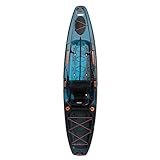
Overview: The Lifetime Yukon Angler 116 is a feature-rich fishing kayak designed for serious anglers. Measuring 116 inches, it offers an adjustable frame seating system with two positions—high for fishing and reclining for relaxation. The kayak includes numerous premium features like a molded-in fish ruler, universal track mounting, and scupper holes for drainage, making it a professional-grade vessel.
What Makes It Stand Out: The dual-position seating system is exceptional, allowing anglers to switch between active fishing and comfortable lounging. The stability strap enables confident stand-up casting, while the transducer-ready scuppers and rudder-ready design accommodate serious electronics and upgrades. The integrated ruler and multiple rod storage options demonstrate angler-focused engineering that rivals more expensive brands.
Value for Money: At $711.30, this is the premium option in the lineup, but it justifies the price with professional-grade features. Comparable kayaks with similar feature sets often exceed $900. The inclusion of advanced mounting options, superior seating, and stand-up capability makes it a worthwhile investment for dedicated anglers seeking a tournament-ready platform without breaking the bank.
Strengths and Weaknesses: Pros:
- Versatile dual-position seating
- Stand-up stability strap
- Transducer and rudder ready
- Multiple rod storage options
- Integrated fish ruler
Cons:
- Paddle not included
- Highest price point
- Heavier construction
- May be overwhelming for beginners
Bottom Line: The Lifetime Yukon Angler 116 is a top-tier fishing kayak for serious anglers. Its premium features and professional design justify the higher price for those committed to kayak fishing and seeking a feature-complete platform.
5. AQUAGLIDE Noyo 90 Inflatable 9 FT Kayaks for Adults Packable Family Friendly Adaptable 1 Person Single Rider Blow Up Touring Kayaking for Recreational Angler Fishing Hunting

Overview: The AQUAGLIDE Noyo 90 is a 9-foot inflatable kayak designed for recreational anglers seeking ultimate portability. Weighing just 21 pounds, it packs down into a compact size for easy transport and storage. The covered design offers protection from splashes, while the 250-pound capacity accommodates most single riders comfortably for day trips and casual fishing excursions.
What Makes It Stand Out: The Noyo 90’s packability is its defining feature—inflatable convenience without sacrificing performance. The quick-release fin and Boston valve simplify setup and breakdown to under 10 minutes. Zip-open dry compartments provide secure storage uncommon in inflatables. At under $160, it democratizes kayak fishing for those lacking storage space or vehicle racks, making it uniquely accessible.
Value for Money: At $159.99, this is by far the most economical option. The included seat and storage bag add value, while the 1-year warranty provides peace of mind. While it can’t match hard-shell performance, it delivers 80% of the functionality at 25% of the cost, making it unbeatable for budget and space-conscious buyers who prioritize convenience over advanced features.
Strengths and Weaknesses: Pros:
- Extremely lightweight and portable
- Most affordable option
- Quick setup with Boston valve
- Included seat and storage bag
- Covered design for splash protection
Cons:
- Less durable than hard-shell
- Vulnerable to punctures
- Lower stability in rough water
- Limited fishing-specific features
- Not suitable for standing
Bottom Line: The AQUAGLIDE Noyo 90 is ideal for beginners or anglers with limited storage. Its portability and unbeatable price make it a practical choice for casual fishing adventures where convenience and budget are primary concerns.
6. Lifetime Tamarack Angler Sit-On-Top Kayak, Olive, 120"

Overview: The Lifetime Tamarack Angler delivers serious fishing capability in a 10-foot sit-on-top package. Constructed from UV-protected high-density polyethylene, this olive-green vessel prioritizes stability for anglers of all skill levels. Multiple footrest positions accommodate different rider sizes, while the adjustable padded seat back ensures reasonable comfort during long days on the water. Designed specifically for fishing, it includes thoughtful features like front and rear shock cord straps for gear security and paddle cradles to keep your paddle tethered.
What Makes It Stand Out: Three dedicated fishing rod holders—two flush-mounted and one top-mount—distinguish this from recreational models. Deep hull tracking channels and stability chine rails improve straight-line performance and prevent tipping, crucial when fighting fish. Two 6-inch storage compartments provide secure spaces for tackle, while the 5-year limited warranty demonstrates confidence in the durable HDPE construction. The flat bottom design offers exceptional primary stability for casting and landing fish.
Value for Money: At $579.55, the Tamarack Angler sits in the entry-level fishing kayak category. This pricing is competitive when considering the dedicated rod holders, tracking enhancements, and comprehensive warranty. Comparable fishing kayaks often exceed $700 without offering significantly more features. The robust construction ensures longevity, making this a smart one-time investment for budget-conscious anglers.
Strengths and Weaknesses: Strengths include exceptional stability on flat water, multiple rod holder configurations, good tracking for its length, and generous warranty coverage. The flat bottom inspires confidence when moving around. Weaknesses center on basic seat padding that may require upgrading for all-day comfort. The 6-inch storage hatches are small for larger tackle boxes, and at 52 pounds, it’s moderately heavy for solo portaging to remote launch sites.
Bottom Line: The Lifetime Tamarack Angler excels as a first fishing kayak or stable platform for casual anglers. While comfort upgrades may be necessary for extended trips, its fishing-specific features and reliable performance make it an excellent value proposition worth serious consideration.
7. Bombrooster Fishing Tool Kit – 4PCS Landing Net, Pliers, Fish Gripper & Hook Remover for Kayak, Saltwater & Freshwater Anglers

Overview: The Bombrooster Fishing Tool Kit consolidates essential angling accessories into one convenient 4-piece package. Designed for both saltwater and freshwater kayak fishing, this set includes a foldable landing net, stainless steel pliers, an ergonomic fish gripper, and a hook remover. The kit addresses core catch-and-release needs while prioritizing compact storage—critical for space-limited kayak decks. Every tool serves a specific purpose in landing, handling, and releasing fish safely.
What Makes It Stand Out: The triangular foldable net features a non-absorbent coating that prevents waterlogging and reduces weight. Its anti-slip handle ensures secure handling during critical landing moments. The pliers’ 180° rotating hidden blade offers versatility for cutting lines and opening split rings without separate tools. The T-handle fish gripper enables one-handed operation with a secure EVA grip and attached lanyard, preventing costly drops overboard. The hook remover’s stainless steel construction allows for safe, efficient single-handed hook extraction.
Value for Money: At $22.94, this kit represents exceptional value, costing less than many individual tools of similar quality. Purchasing these items separately would easily exceed $40-50, making this economical for beginners or as a backup set. The stainless steel construction suggests reasonable durability despite the budget price point, though long-term performance remains to be tested.
Strengths and Weaknesses: Strengths include comprehensive tool coverage, space-saving foldable design, corrosion-resistant materials, and thoughtful safety features like lanyards. The kit makes an excellent gift for new anglers. Weaknesses involve uncertain long-term durability from a lesser-known brand, potentially lighter-duty construction compared to premium alternatives, and the net’s triangular shape may be less effective for very large fish exceeding 24 inches.
Bottom Line: For under $23, the Bombrooster Kit delivers remarkable functionality and convenience. While serious anglers may eventually upgrade to heavy-duty versions, this set provides everything needed for successful kayak fishing trips, making it a smart purchase for budget-minded or entry-level fishermen.
8. Perception Kayaks Sound Sit Inside for Recreation

Overview: The Perception Kayaks Sound bridges recreational paddling and kayak fishing for larger paddlers seeking stability. Proudly made in the USA, this sit-inside kayak features a tri-keel hull design that delivers exceptional stability and smooth steering across lakes, ponds, slow rivers, and calm coastal waters. The sit-inside configuration offers protection from elements while maintaining fishing functionality, making it versatile for year-round use. Extra cushy ergonomic Zone Seat provides superior comfort for extended outings.
What Makes It Stand Out: The innovative tri-keel hull creates three points of water contact, dramatically improving stability compared to traditional designs—particularly valuable when casting or landing fish. Quick-adjust footrests accommodate paddlers of varying heights, while two molded-in fishing rod holders keep lines ready. The large rear open storage area easily fits a cooler or fishing crate. American manufacturing quality ensures consistent construction standards and supports domestic production.
Value for Money: Priced at $649.00, the Sound commands a premium over entry-level kayaks but justifies this through domestic manufacturing quality and advanced hull design. Similar domestically-produced kayaks often retail for $750+, making this competitively priced. The durable construction and versatile design eliminate the need for separate recreational and fishing kayaks, providing long-term value.
Strengths and Weaknesses: Strengths include outstanding stability from the tri-keel hull, excellent comfort from the Zone Seat, quality American craftsmanship, and versatile performance across water types. The sit-inside design offers weather protection. Weaknesses include limited rod holders (only two) compared to dedicated fishing kayaks, the enclosed cockpit complicates entry/exit when fighting fish, and the higher price may deter budget buyers seeking maximum features.
Bottom Line: The Perception Sound excels for larger paddlers wanting a do-everything kayak. While not as fishing-focused as sit-on-top models, its stability, comfort, and build quality make it an excellent choice for anglers who prioritize versatility and American-made durability over specialized features.
9. emotion Spitfire Sit-On-Top Kayak, Glacier Blue, 9’
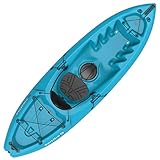
Overview: The Emotion Spitfire delivers compact performance in a lightweight 9-foot sit-on-top package. Weighing just 45 pounds, this glacier-blue kayak prioritizes portability without sacrificing stability. UV-protected high-density polyethylene construction ensures durability against sun and impact damage. Self-bailing scupper holes automatically drain water from the cockpit and tankwell, keeping paddlers dry and secure in choppy conditions. Molded-in paddle keepers and side carry handles demonstrate thoughtful convenience features.
What Makes It Stand Out: The built-in padded CRS + UltraLite Seat provides surprising comfort for a kayak in this price range, while molded-in Freedom Footwells offer multiple foot positions without adjustment hardware. The rear tankwell with cargo net lacing and under-deck storage hatch provide ample gear capacity despite the compact size. The hull geometry delivers impressive tracking and stability for such a short platform, making it approachable for beginners while remaining capable for experienced paddlers.
Value for Money: At $419.99, the Spitfire competes aggressively in the entry-level category. Its lightweight design reduces transportation barriers, while included features like the padded seat and self-bailing system often cost extra on comparably priced models. This represents strong value for recreational paddlers and casual anglers seeking an easy-to-handle vessel without breaking the bank.
Strengths and Weaknesses: Strengths include exceptional portability at 45 pounds, stable and predictable handling, self-bailing design, comfortable integrated seating, and attractive pricing. The compact length suits smaller paddlers and tight waterways. Weaknesses involve the 9-foot length limiting speed and tracking efficiency over long distances, minimal fishing-specific features (no rod holders), and reduced weight capacity compared to longer kayaks, potentially limiting gear for overnight trips.
Bottom Line: The Emotion Spitfire excels as a lightweight, user-friendly recreational kayak perfect for beginners or those prioritizing portability. While not ideal for serious fishing or long-distance touring, its stability, comfort, and ease of handling make it an outstanding value for casual paddlers seeking hassle-free water access.
10. Plano PLAB88140 Weekend Series Kayak Crate Soft Bags, Grey, One Size
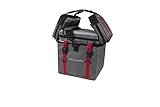
Overview: The Plano Weekend Series Kayak Crate Soft Bag revolutionizes on-board tackle management for serious kayak anglers. Designed to fit securely in a standard milk crate or function as a freestanding unit, this grey bag measures 12" x 17.5" x 12.5" and includes two 3600 StowAway utility boxes. The four-panel design offers customizable storage configurations while maintaining a relatively compact footprint suitable for most kayak tankwells. Durable water-resistant fabric protects valuable tackle from splashes.
What Makes It Stand Out: The versatile mounting system allows anglers to use existing milk crates or deploy the bag independently, maximizing flexibility across different kayak models. The innovative four-panel design features removable sections with attachment points, enabling users to adapt storage to specific trips. Side panels double as sturdy carry handles, while numerous D-rings and two integrated tool holders keep pliers and hook removers instantly accessible. The lid features a large storage area and additional zippered pocket for quick-access items.
Value for Money: At $81.99, this bag sits in the mid-range for specialized kayak storage. The inclusion of two StowAway boxes adds immediate value, while the durable construction and modular design justify the investment over cheaper, less adaptable alternatives. Comparable systems often exceed $100 without offering the same versatility, making this a smart long-term purchase for frequent anglers.
Strengths and Weaknesses: Strengths include versatile mounting options, robust water-resistant construction, modular customization, included utility boxes, and thoughtful accessibility features. The design maximizes storage density without wasting space. Weaknesses include the milk crate not being included, potential bulkiness on smaller kayaks with limited tankwell space, and the price being steep for casual anglers who might not need modular functionality or already own storage solutions.
Bottom Line: The Plano Weekend Series Kayak Crate is an essential upgrade for dedicated kayak fishermen seeking organized, accessible tackle storage. Its adaptability and quality construction make it worth every penny for frequent anglers, though recreational paddlers may find simpler solutions sufficient for occasional use.
Why $800 is the Sweet Spot for Weekend Anglers
The $800 threshold represents a fascinating inflection point in kayak manufacturing. Below this price, you’re often sacrificing critical fishing-specific features or durability. Above it, you encounter diminishing returns for casual use. At the $800 mark, manufacturers leverage economies of scale and refined production techniques to deliver rotomolded polyethylene hulls, integrated accessory tracks, and comfortable seating systems that were premium features just five years ago.
Weekend anglers benefit most here because these kayaks prioritize “good enough” engineering over professional tournament-grade perfection. You get 90% of the performance at 50% of the cost, with hulls designed for stability over speed—a perfect trade-off for casting and retrieving. The key is recognizing which features are genuinely valuable versus those that sound impressive but rarely see use during Saturday morning outings.
Sit-On-Top vs. Sit-Inside: Making the Right Choice
Sit-on-top (SOT) designs dominate the sub-$800 fishing category for good reason. Their self-bailing scupper holes, open deck layout, and easier re-entry after a fish-fighting lean make them practical for anglers who prioritize safety and convenience. The elevated seating position common in modern SOT fishing kayaks improves casting ergonomics and visibility while keeping you drier in calm conditions.
Sit-inside kayaks (SIK) offer better protection from wind and water, making them viable for early spring and late fall fishing in cooler climates. However, the enclosed cockpit complicates gear access and creates a wet-exit scenario if you capsize. For weekend anglers fishing primarily in warmer months on calm to moderate waters, the versatility of sit-on-top designs typically outweighs the weather protection of sit-inside models.
The Inflatable Option: Modern Advances Explained
Drop-stitch technology has revolutionized budget inflatables, creating rigid floors that rival hard-shell stability. In the sub-$800 range, high-quality inflatable fishing kayaks now feature reinforced PVC construction, multiple air chambers for safety, and mounting points for rod holders and fish finders. They deflate to fit in a car trunk, eliminating roof rack expenses and storage headaches.
The trade-off comes in setup time and vulnerability to sharp hooks or catfish spines. While modern materials resist punctures remarkably well, you’ll need to exercise more caution than with rotomolded plastic. For apartment dwellers, those with limited storage, or anglers who fly to fishing destinations, inflatables represent a legitimate contender that sacrifices some convenience on the water for massive advantages off it.
Stability: Your Foundation for Success
Stability isn’t a single metric—it’s a dynamic characteristic that changes with your center of gravity, gear distribution, and water conditions. For weekend anglers, the ability to cast sidearm, land a thrashing fish, or reach for a tackle box without swimming should be your primary concern. Budget kayaks achieve stability through width (typically 30-34 inches), flat hull sections, and chine designs that resist initial tipping.
Test stability practically: can you sit with your legs dangling over one side while rigging a rod? Can you pivot 180 degrees to access rear tank wells? These real-world movements matter more than the manufacturer’s weight capacity numbers. Many sub-$800 kayaks achieve remarkable primary stability by using pontoon-style hulls that sacrifice tracking but create floating platforms perfect for fishing.
Understanding Primary and Secondary Stability
Primary stability describes how stable the kayak feels when sitting flat on calm water—crucial for casting confidence. Secondary stability refers to its resistance to capsize when leaned on edge, important for handling boat wakes or entering/exiting. Weekend anglers should prioritize primary stability, as you’ll spend 90% of your time flat and fishing.
Budget kayaks often maximize primary stability through wide, flat bottoms that feel rock-solid initially but can feel “tippy” when edged aggressively. This design philosophy perfectly matches the weekend angler’s needs: predictable, stable platforms for fishing rather than agile craft for navigating rapids. Don’t be swayed by talk of superior secondary stability unless you regularly fish in choppy conditions where leaning into waves becomes necessary.
Hull Design: Matching Water Conditions to Your Needs
Hull shape determines tracking (how straight it paddles), maneuverability, and stability. At under $800, you’ll encounter three primary designs: pontoon, modified-V, and flat-bottom. Pontoon hulls offer maximum stability but paddle like barges, making them ideal for small ponds and slow rivers where casting position matters more than covering distance.
Modified-V hulls strike the best balance for versatile weekend anglers. The V-shape forward cuts through chop and improves tracking, while flatter sections aft provide stability for fishing. Flat-bottom hulls excel in perfectly calm water but get pushed around by wind and struggle in anything but glassy conditions. Consider your primary fishing environment: small waters favor pontoons, while larger lakes benefit from modified-V designs that help you reach distant coves efficiently.
Storage Strategy: Packing for a Full Day on Water
Weekend fishing trips require more gear than casual paddling—multiple rods, tackle boxes, lunch, safety equipment, and possibly camping gear. Smart storage design separates usable fishing kayaks from recreational boats with rod holders bolted on. Look for open tank wells large enough for milk crates or tackle management systems, with bungee rigging that’s easily replaceable when it sun-rots in two years.
The best sub-$800 designs incorporate gear tracks or mounting plates that accept aftermarket accessories without drilling. This modularity lets you add rod holders, fish finder mounts, and camera booms as your skills grow. Pay attention to hatch placement—forward hatches should be reachable while seated, and center hatches shouldn’t impede standing if the kayak supports it.
Dry Storage vs. Open Tank Wells
Dry hatches protect electronics, keys, and wallets but rarely stay completely dry in heavy rain or if the kayak flips. Use dry bags inside hatches for critical items rather than trusting the hatch seals alone. Open tank wells offer unlimited flexibility—milk crates, buckets, or custom storage systems adapt to your specific gear loadout.
For weekend anglers, a hybrid approach works best: one dry hatch for essentials, supplemented by open storage for bulky items. The $800 price point typically includes one or two hatches with decent sealing systems, but always test them at home with paper towels inside before trusting them on the water. Some manufacturers waterproof test each hatch; others achieve “water-resistant” status through minimal gaskets.
Rod Management Systems: Integrated vs. Add-On
Rod holders separate fishing kayaks from recreational boats. At the sub-$800 level, you’ll find molded-in rod holders behind the seat, flush-mounted holders on the gunwales, and gear tracks for adding aftermarket holders. The magic number is four: two for trolling or storing rigged rods, plus two for active fishing or backups.
Integrated rod holders cost nothing to add during molding and rarely leak, but their fixed angles might not suit your fishing style. Gear tracks offer infinite adjustability but add cost. The sweet spot in this price range combines two molded-in holders with a short gear track section near the seat for a flexible mounting point. Avoid kayaks with zero rod holders—even the cheapest models should include basic molded-in options.
Seating: The Difference Between 2 Hours and 8 Hours
A $500 kayak with a terrible seat becomes expensive physical therapy. Weekend anglers need support for 6-8 hour days, and the sub-$800 category now includes elevated frame seats that were premium features in 2020. Look for seats with breathable mesh, adjustable backrest height, and the ability to fold down for transport or stand-up fishing.
Seat attachment points matter more than the seat itself. Molded-in channels or sliding tracks let you adjust seating position based on load—a critical feature when you’re solo one weekend and bringing a child or dog the next. Avoid permanently fixed seats; they limit versatility and make cleaning difficult. The best budget designs allow quick seat removal for storage or replacement if you decide to upgrade later.
Weight Capacity: Calculating Your Real-World Load
Manufacturers list maximum capacity, but fishing comfortably requires staying below 70% of that number. A 400-pound capacity kayak handles 280 pounds of paddler, gear, and fish safely while maintaining performance. Weekend anglers typically carry 50-75 pounds of gear—rods, tackle, cooler, safety equipment, and electronics—so a 350-pound capacity kayak suits most 200-pound paddlers perfectly.
Consider the “gear creep” phenomenon: you start with a minimalist setup, then add a fish finder, bigger tackle selection, and perhaps a second cooler. Buying a kayak with 50 pounds of extra capacity costs nothing at this price point but extends your kayak’s useful life as your ambitions grow. Always calculate using your heaviest-season weight (winter clothing, boots) plus maximum gear load, not your summer shorts weight.
Transport Solutions: From Garage to Launch
The best fishing kayak is useless if you can’t get it to the water. Sub-$800 kayaks typically weigh 55-75 pounds—manageable for car-topping by one strong person or two average adults. Look for multiple grab handles: bow and stern toggles for carrying, plus side handles for lifting onto roof racks. Molded-in side handles don’t degrade like rope handles and provide secure lifting points.
Consider your vehicle situation. A 12-foot kayak fits most roof racks, but longer boats may require bow and stern tie-downs that add $30-50 to your setup cost. Some budget models include these; others assume you already own them. If you have a pickup truck, look for kayaks with flat bottoms that slide easily into the bed without requiring expensive bed extenders.
Car-Top Carrying vs. Trailer Transport
Car-topping saves money but demands physical effort and proper technique. Foam block kits ($40-60) work for occasional use, while dedicated roof racks ($200-400) provide security for frequent anglers. At the $800 kayak price point, investing in proper transport makes more sense than upgrading the kayak itself—secure transport prevents damage and theft.
Trailers eliminate lifting but add registration, maintenance, and storage costs. For weekend anglers, a simple utility trailer with kayak cradles often costs less than a premium roof rack system and allows transport of two kayaks for family outings. The hidden advantage: trailers keep your vehicle’s fuel economy intact and reduce wind noise during highway driving.
Propulsion: Paddle Power vs. Budget Pedal Systems
Paddle kayaks dominate the sub-$800 category, and modern paddle designs have evolved significantly. Lightweight aluminum paddles ($50-80) suffice for short trips, but fiberglass shafts ($100-150) reduce fatigue on 8-hour days. The key is paddle length: wider fishing kayaks require longer paddles (240-250cm) to clear the gunwales without banging your knuckles.
Pedal drives under $800 exist but involve significant compromises. These systems typically use simple push-pedal designs rather than rotational cycling motions, providing less power and no reverse capability. They’re also heavier, adding 15-20 pounds to the kayak’s weight. For weekend anglers fishing waters under 100 acres, a quality paddle and proper paddling technique outperforms a budget pedal drive while leaving money for essential accessories.
Timing Your Purchase for Maximum Value
Kayak retailers clear inventory in late August through October to make room for next year’s models. This “paddle season” end clearance can slash prices 20-40% on current-year models, effectively moving a $999 kayak into your $800 budget. Presidents’ Day weekend in February also brings aggressive sales as retailers target tax refund season buyers.
Avoid buying in April and May when demand peaks and selection is limited. If you must buy during spring, look for package deals that include paddles and PFDs—the bundled accessories often represent 30% savings over individual purchases. Some retailers offer “demo model” sales in June, selling lightly used display kayaks with full warranties at 15-25% discounts.
Must-Have Accessories Under $200
Your $800 kayak budget should reserve $150-200 for essential accessories. A comfortable PFD designed for paddling ($60-90) includes pockets for pliers and line cutters—don’t repurpose an old boating PFD that restricts arm movement. An anchor trolley system ($30-50) lets you position your kayak perfectly in wind or current, a game-changer for controlled drift fishing.
A milk crate with PVC rod holders ($20 DIY) organizes tackle better than most built-in systems. Dry bags ($15-30) protect electronics and spare clothes. A quality paddle leash ($10-15) prevents disaster when you drop your paddle during a fish fight. These accessories transform a basic kayak into a fishing machine without pushing you over budget.
Maintenance: Protecting Your Investment
Rotomolded polyethylene, the material used in most sub-$800 kayaks, is remarkably durable but not invincible. UV radiation degrades plastic over time, causing fading and brittleness. A $15 bottle of 303 Protectant applied quarterly adds years to your kayak’s life. Store your kayak out of direct sunlight, ideally indoors or under a tarp—sun damage voids more warranties than manufacturing defects.
Scratches are cosmetic and don’t affect performance, but deep gouges that expose white plastic need attention. Plastic welding kits ($30) repair serious damage, while marine-grade sealant ($8 tube) fixes minor cracks around hardware. Rinse your kayak with fresh water after saltwater use, especially metal hardware, to prevent corrosion. The 30 seconds this takes after each trip prevents hours of restoration work later.
Avoiding the 5 Critical Buying Errors
First, don’t buy based on color. That camo pattern looks cool but adds nothing to fishing performance. Second, avoid kayaks under 10 feet for serious fishing—they’re toys, not tools. Third, never skip the sit-test: sit in the kayak for 20 minutes in the store, mimicking casting motions. Fourth, don’t underestimate weight—if you can’t lift it comfortably in the showroom, you won’t enjoy launching it solo at 5 AM. Fifth, resist the urge to buy the cheapest option that “gets you on the water.” A $500 kayak lacking rod holders or a decent seat costs more long-term when you upgrade six months later.
Final Thoughts: Stretching Every Dollar
The sub-$800 fishing kayak market in 2026 rewards educated buyers who prioritize stability, storage, and comfort over speed and brand prestige. Focus on hull designs that match your primary fishing environment, seating that supports full days, and storage that accommodates your gear loadout. Remember that accessories and transport solutions are part of the total cost—budgeting $950 total ($800 kayak + $150 essentials) prevents disappointing compromises.
Your kayak is a tool, not a status symbol. The best anglers in any lake are often in the simplest boats, using skill and local knowledge rather than equipment to catch fish. A well-chosen budget kayak, properly outfitted and maintained, will serve you for 5-7 years of weekend adventures, providing ROI that expensive boats can’t match. The money you save buys gas to explore new waters, quality tackle, or maybe that fishing trip you’ve been dreaming about.
Frequently Asked Questions
What’s the realistic lifespan of a sub-$800 fishing kayak with weekend use?
With proper care—UV protection, indoor storage, and rinsing after use—a rotomolded polyethylene kayak lasts 7-10 years. Weekend anglers typically see 5-7 years before wear items like seat fabric or hatch seals need replacement, but the hull itself remains functional indefinitely if protected from sun damage.
Can I stand and fish in kayaks under $800?
Some wider models (33+ inches) support cautious standing, but most lack dedicated stand-assist straps or reinforced standing platforms found on premium kayaks. If stand-up fishing is a priority, look for models with flat standing areas and consider adding a traction pad. Practice in shallow water first—stability when seated doesn’t guarantee stability when standing.
Are pedal drive kayaks under $800 worth considering?
Budget pedal drives sacrifice quality, weight, and often reverse capability. For the same money, a paddle kayak with better hull design and seating provides superior value. Pedal drives shine in large open water where covering distance matters, but most weekend anglers fish smaller waters where paddling is perfectly adequate.
How do I know if a kayak has enough stability for my size?
Check the width (32+ inches for larger paddlers) and look for pontoon or multi-chine hull designs. Sit in the kayak and lean side-to-side—the resistance should feel progressive, not sudden. If possible, test paddle with your typical gear load. A 250-pound paddler should target kayaks with 400+ pound capacity to stay in the comfortable 70% range.
What’s more important: length or width for fishing?
For weekend anglers, width (stability) trumps length (speed). A 10.5-foot kayak that’s 33 inches wide handles better for fishing than a 12-foot kayak that’s 30 inches wide. The shorter length improves maneuverability in tight spots while extra width provides casting stability. Only prioritize length if you regularly paddle more than a mile to fishing spots.
Can I install a fish finder on a budget kayak?
Absolutely. Most sub-$800 kayaks include mounting plates or flat areas for transducer installation. Battery storage is the real challenge—look for dry hatches large enough for a small 12V battery, or mount a waterproof battery box in the tank well. Many anglers run wires through the scupper holes for clean installation without drilling.
Is a longer paddle really necessary for fishing kayaks?
Yes. Fishing kayaks run 32-34 inches wide compared to 28-30 inches for recreational kayaks. A 240-250cm paddle clears the gunwales during low-angle paddling and prevents knuckle-banging when making quick steering strokes. The extra length also helps when paddling while fighting a fish on your lap.
Should I buy a kayak with a rudder?
Rudders help tracking in wind and assist with boat control while fighting fish, but add $50-100 to the price. For weekend anglers on smaller waters, proper paddling technique eliminates the need. Consider a rudder if you fish large, windy lakes or coastal areas where wind constantly pushes your bow off course. Some kayaks include rudder mounting points but not the rudder itself, allowing later addition.
How many rod holders do I actually need?
Three is the practical minimum: two for trolling or storing rigged rods, plus one for your active rod. Four provides better versatility—allowing two active rods (casting and spinning setups) plus backups. More than four often becomes clutter. Focus on quality placement: holders should be within easy reach but not interfere with paddling or landing fish.
What’s the best way to transport a kayak without a roof rack?
Foam block kits ($40-60) with cam straps work for occasional transport but require careful bow and stern tie-downs. Pool noodles slit lengthwise create DIY foam blocks in a pinch. For frequent transport, a basic roof rack system pays for itself in security and fuel savings. Always use bow and stern lines—wind lift can rip a kayak off even quality racks if not properly secured.