There’s a moment every water-skiing parent lives for—that split second when your child transitions from being towed face-down in the water to standing tall, confident, and grinning behind the boat. The rope tightens, the spray flies, and suddenly they’re not just trying to ski; they’re skiing. But here’s what seasoned instructors know: that breakthrough moment has less to do with raw talent and almost everything to do with equipment engineered specifically for deep-water starts. As we look toward 2026, the evolution in junior ski design isn’t about flashy graphics or marketing hype—it’s about physics adapted for growing bodies, psychology that builds confidence, and safety features that protect both child and investment.
Choosing the right setup for deep-water starts means understanding how every component—from ski width to binding angle—either fights against or works with a young skier’s natural movements. Unlike beach starts or training bars, deep-water begins demand equipment that compensates for lower body strength, smaller hands that struggle with rope grip, and developing balance systems that haven’t yet mastered fine motor control. This guide dismantles the technical complexity into actionable insights, helping you identify the invisible features that transform frustrating face-plants into celebratory rides.
Top 10 Kids’ Water Skis for Learning Deep-Water Starts
Detailed Product Reviews
1. O’Brien Junior Vortex Widebody Combo Waterskis, 54", Aqua

Overview: The O’Brien Junior Vortex Widebody Combo Waterskis are designed for young skiers ready to tackle the water with confidence. At 54 inches, these aqua-colored skis provide a stable platform for juniors transitioning from beginner to intermediate skill levels. The widebody design ensures easier deep-water starts and better overall stability, making them ideal for children who have mastered the basics and want to progress.
What Makes It Stand Out: The Jr. X-7 adjustable bindings accommodate an impressive size range from Kids 2 to Men’s 7, allowing these skis to grow with your child for multiple seasons. The included stabilizer bar is crucial for beginners, providing lateral stability during those first critical pulls. Plastic fins offer durable performance without the maintenance concerns of fiberglass alternatives, while the 54-inch length provides ample surface area for larger juniors.
Value for Money: At $159.97, these skis sit in the sweet spot for junior equipment. You’re getting premium adjustable bindings and a stabilizer bar—features often sold separately—making this a cost-effective package. Comparable junior combos without the widebody design typically run $180+, offering solid savings for families seeking quality without premium pricing.
Strengths and Weaknesses: Strengths include exceptional binding adjustability, widebody stability, included stabilizer bar, and durable construction. The 54" length works well for larger juniors. Weaknesses: The unspecified weight limit may concern some buyers, and the length could be cumbersome for very small children under 60 pounds.
Bottom Line: An excellent choice for growing kids who need stability and room to progress. The adjustable bindings alone justify the investment for families with multiple children or rapidly growing skiers.
2. O’Brien Children All-Star Trainers Kids Combo Waterskis, Green, One Size
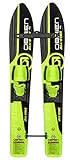
Overview: The O’Brien Children All-Star Trainers are purpose-built entry-level skis for young water sports enthusiasts. Designed for skiers up to 85 pounds, these green combo skis prioritize safety and ease of learning. The package includes essential training accessories to get kids on the water quickly and build foundational skills without overwhelming them.
What Makes It Stand Out: This set includes both a stabilizer bar and a dedicated trainer rope—two critical components for beginner success that many competitors sell separately. The clear 85-pound weight limit ensures parents select appropriately sized equipment, preventing frustration from oversized gear. Adjustable bindings provide flexibility within the target age group, while the “One Size” designation simplifies the buying decision.
Value for Money: At $159.90, this is the most budget-friendly option in O’Brien’s trainer lineup. The inclusion of the trainer rope adds $20-30 in value compared to basic ski-only packages. While lacking some advanced hull features of pricier models, it delivers core learning tools at an accessible price point for families testing their children’s interest in watersports.
Strengths and Weaknesses: Strengths include affordability, complete training package, clear weight guidance, and adjustable bindings. The simple design focuses on fundamentals. Weaknesses: The basic construction lacks performance features like tunnel hulls or molded fins, and the 85-pound limit means kids will outgrow them relatively quickly.
Bottom Line: Perfect for families seeking a no-fuss, affordable introduction to waterskiing for young children. The included rope and stabilizer bar make this a turnkey solution for beginners under 85 pounds.
3. O’Brien All-Star Water Skis with Trainer Bar & Rope— Combo Waterskis for Kids & Beginners Learning to Ski

Overview: The O’Brien All-Star Water Skis represent a premium training solution for young beginners. These 46-inch skis feature advanced hull technology typically found on adult equipment, scaled down for skiers up to 85 pounds. The complete package includes everything needed for immediate water sessions, eliminating guesswork for parents.
What Makes It Stand Out: The Dual Tunnel Design with V-entry tips cuts through chop effortlessly, providing a remarkably stable ride that builds confidence. Dual molded-in fins enhance tracking and control, while the pinch-slide binding system allows quick, secure entry—crucial for impatient young skiers. The comprehensive package includes trainer rope, handle, and stabilizer bar for a complete learning system.
Value for Money: Priced at $179.99, these skis offer significant technological upgrades over basic trainers. The advanced hull design and molded fins justify the $20 premium over entry-level models, delivering performance that helps beginners progress faster. The included accessories eliminate additional purchases, making the total investment reasonable for serious learners.
Strengths and Weaknesses: Strengths include superior stability from tunnel design, excellent tracking from dual fins, secure pinch-slide bindings, and complete accessory package. The 46" length is ideal for small children. Weaknesses: Limited to 85-pound skiers and costs more than basic trainers without addressing the weight capacity.
Bottom Line: A top-tier training ski that accelerates learning through superior engineering. Worth the extra investment for serious young skiers who will benefit from the advanced stability features.
4. O’Brien Kids All-Star Trainer Combo Waterskis, 46"
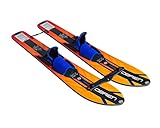
Overview: The O’Brien Kids All-Star Trainer Combo Waterskis are 46-inch beginner skis engineered for young learners up to 85 pounds. With identical features to the All-Star model, these skis prioritize stability and control through advanced hull design and comprehensive training accessories included in the package.
What Makes It Stand Out: The Dual Tunnel Design with V-entry tips provides exceptional stability in rough water conditions, while dual molded-in fins deliver precise tracking. The pinch-slide binding system ensures quick entry and a secure fit. The complete set includes trainer rope, handle, and stabilizer bar—everything needed for successful first sessions without requiring additional purchases.
Value for Money: At $199.99, these skis are priced $20 higher than the nearly identical All-Star model, which may reflect different retail channels or packaging variations. The advanced features still justify the cost, but savvy shoppers should compare listings carefully. The technology package remains competitive with similar premium trainers from other brands.
Strengths and Weaknesses: Strengths mirror the All-Star model: excellent stability, superior tracking, secure bindings, and complete accessories. The 46" size is perfect for small children. Weaknesses include the unexplained price premium over feature-identical models and the 85-pound weight limitation that restricts long-term use.
Bottom Line: Outstanding performance for young beginners, but verify pricing against similar O’Brien models. If this is your only option with these features, the quality still warrants recommendation for serious young skiers.
5. OBrien Water Skis with X7 Bindings, Jr. Vortex Combo, 54", Green/Black - Waterski Sports Equipment for Training - Ideal for Young Ages and Beginners

Overview: The O’Brien Jr. Vortex Combo Waterskis are robust 54-inch trainers designed for a broader range of young skiers. With a wide forebody and parabolic shape, these green and black skis accommodate riders up to 140 pounds, making them ideal for growing kids and larger beginners who need stability and room to develop skills.
What Makes It Stand Out: The impressive 140-pound weight capacity extends usability through teenage years, while the wide forebody and parabolic shape ensure easy deep-water starts. Dual-density X7 bindings adjust from Kids 2 to Men’s 7, providing years of service. The high-gloss coating and plastic fin withstand saltwater and heavy use for extended durability.
Value for Money: At $200.79, these are the most expensive option but offer the highest weight capacity and durability. The extended size range eliminates the need to purchase new skis as kids grow, potentially saving money long-term. Comparable widebody skis with similar capacity typically exceed $220, making this a smart investment.
Strengths and Weaknesses: Strengths include exceptional weight capacity, stable widebody design, highly adjustable bindings, durable construction, and included stabilizer bar. Weaknesses: The higher upfront cost and 54" length may be intimidating for very small or lightweight children under 70 pounds.
Bottom Line: The best investment for families wanting one pair of skis to last multiple seasons. The extended weight range and durable build make these the most versatile and cost-effective long-term choice for growing water sports enthusiasts.
6. Airhead Watermelon 47" Combo Water Skis with Removable Training bar with Double Handle Rope and Adjustable bindings US Child Size 5-12

Overview: The Airhead Watermelon 47" Combo Water Skis offer a playful introduction to waterskiing for young riders. Designed specifically for children in US sizes 5-12 and under 100 pounds, these skis feature a vibrant watermelon graphic that immediately captures kids’ attention. The 47-inch wood construction provides a responsive feel on the water while maintaining stability for beginners.
What Makes It Stand Out: The removable cross-bar training system is the star feature, allowing kids to start with maximum stability and transition to independent skiing without buying new equipment. The included double-handle rope assembly gives instructors better control for quick starts and stops. Fiberglass-reinforced nylon fins deliver precise tracking, while the colorful design eliminates the intimidation factor many children feel with traditional skis.
Value for Money: At $124.99, these skis sit in the mid-range for children’s training equipment. The wood construction offers better performance than pure plastic alternatives at this price point, and the included rope and removable bar add significant value. Comparable composite skis often cost more without the training accessories.
Strengths and Weaknesses: Pros: Child-friendly watermelon design, progressive training system with removable bar, included rope, adjustable bindings, wood construction for better feel. Cons: 100-pound weight limit restricts longevity, wood requires more maintenance than composite, 47" length may be short for taller children approaching the weight limit.
Bottom Line: An excellent investment for families introducing young children to waterskiing. The fun design and smart training features make learning enjoyable while providing a clear progression path.
7. O’Brien Celebrity Combo Waterskis 58", Green

Overview: The O’Brien Celebrity Combo Waterskis provide a traditional approach to learning in a versatile 58-inch package. The green skis feature durable composite construction and are designed to accommodate a wide range of riders from children’s size 2 up to men’s size 7, making them ideal for families with multiple kids or growing children.
What Makes It Stand Out: The X-7 adjustable binding system offers exceptional sizing flexibility, eliminating the need to purchase new skis as kids grow. The included stabilizer/trainer bar provides initial stability, while the padded rear toe plate ensures comfort during long learning sessions. The 58-inch length strikes a balance between stability and maneuverability.
Value for Money: Priced at $139.97, these skis offer strong value for families seeking longevity. The composite construction requires minimal maintenance compared to wood, and the wide size range extends the product’s usable life by several years. However, the lack of an included rope reduces the overall package value slightly.
Strengths and Weaknesses: Pros: Extremely versatile sizing, durable composite build, trainer bar included, comfortable padded toe plate, stable 58" platform. Cons: No rope included, longer length may challenge very small beginners, conservative green color lacks kid-specific appeal, price is slightly higher than basic plastic trainers.
Bottom Line: A smart, durable choice for families prioritizing long-term use over flashy design. The adjustable bindings make these skis a practical investment that grows with your child.
8. AIRHEAD EZ SKI Towable Tube Water Ski Trainer,White/Blue/Yellow
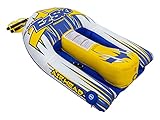
Overview: The AIRHEAD EZ SKI Trainer revolutionizes waterski instruction by combining inflatable tube stability with integrated wooden ski trainers. This hybrid design creates a nearly tip-proof platform for the youngest riders, supporting up to 70 pounds on its 46x34-inch surface. The bright white, blue, and yellow color scheme enhances visibility on the water.
What Makes It Stand Out: The inflatable base eliminates the fear factor and frustration of traditional ski training, allowing children to focus on balance and body position. Integrated wooden water ski trainers provide the proper foot positioning and binding experience, creating a seamless transition to real skis. This unique approach builds confidence faster than conventional methods.
Value for Money: At $232.96, this is a premium-priced trainer. The innovative design justifies the cost for parents of anxious beginners, but the 70-pound weight limit means children may outgrow it within a season or two. The inflatable nature also introduces potential durability concerns compared to solid ski construction.
Strengths and Weaknesses: Pros: Exceptional stability and safety, reduces learning anxiety, integrated wooden ski trainers, highly visible colors, unique hybrid design. Cons: Premium price point, limited 70-pound capacity, risk of punctures, bulky when inflated, short usable lifespan as kids progress quickly.
Bottom Line: Best suited for very young or fearful beginners where confidence is the primary barrier. The high cost is offset by its unique ability to make learning stress-free, though families should consider how quickly their child will outgrow it.
9. O’Brien Jr. Celebrity Combo Water Skis, 58", Aqua (2191118)

Overview: The O’Brien Jr. Celebrity Combo Water Skis deliver the same proven learning platform as the standard Celebrity model in a vibrant aqua colorway. These 58-inch composite skis target young learners with features designed to simplify the learning curve while providing room to grow. The aqua finish offers a fresh aesthetic alternative to traditional ski designs.
What Makes It Stand Out: The X-7 adjustable binding system accommodates an impressive range from children’s size 2 through men’s size 7, ensuring these skis remain usable for years. The included stabilizer/trainer bar provides essential stability for first-timers, while the padded rear toe plate maintains comfort during extended practice sessions. The durable composite construction withstands typical beginner impacts and abuse.
Value for Money: At $204.09, these skis command a significant premium over the nearly identical green Celebrity model. The only major difference is the aqua color scheme, making the price difference difficult to justify for budget-conscious buyers. The core value remains solid—versatile sizing and durable construction—but the cost is harder to defend.
Strengths and Weaknesses: Pros: Wide size range accommodates growing kids, trainer bar included, comfortable padded binding, stable 58-inch length, durable composite build. Cons: Substantially overpriced compared to identical green model, no rope included, length may intimidate smallest riders, limited color appeal for some children.
Bottom Line: Functionally excellent but financially questionable unless you specifically prefer the aqua color. Compare prices with the green version before purchasing, as they offer identical performance.
10. HO Sports Hot Shot Kids Water Ski Trainers with Bar & Rope - Ultimate Training Water Skis System, 48”, Youth and Kids up to 70 lbs - Ocean

Overview: The HO Sports Hot Shot Training System reimagines kids’ waterski instruction with a parent-centric approach. These 48-inch skis support young riders up to 70 pounds and feature bright ocean-themed graphics for maximum water visibility. The system prioritizes safety and control above all else, making it ideal for cautious parents and first-time skiers.
What Makes It Stand Out: The innovative parent handheld rope system gives adults direct control over the child’s ride, allowing instant speed adjustments and immediate assistance. The wide body design with center V-bottom ridge provides exceptional stability, while the removable stabilizer bar and tail strap keep skis properly aligned. Adjustable horseshoe bindings grow with your child.
Value for Money: At $179.99, the Hot Shot sits in the upper mid-range. The unique parent-control feature and HO Sports’ reputation for quality justify the premium over basic trainers. The included rope system adds value, though the 70-pound weight limit restricts the product’s usable lifespan to a few seasons.
Strengths and Weaknesses: Pros: Parent handheld rope for maximum control, excellent stability features, bright safety graphics, adjustable bindings, quality construction, tail strap prevents ski separation. Cons: 70-pound weight capacity limits longevity, requires active adult participation, higher price than standard trainer skis, kids may outgrow quickly.
Bottom Line: Perfect for safety-focused parents teaching nervous beginners. The parent-control feature is a game-changer for building confidence, making it worth the investment despite the limited weight capacity.
Why Deep-Water Starts Matter for Young Skiers
Deep-water starts aren’t just a rite of passage—they’re the foundation of every advanced skill a child will later develop on the water. When a young skier learns to rise from the water instead of starting on shore, they internalize critical body positioning, weight distribution, and edge control that carries through to slalom and trick skiing. The equipment they use during this phase literally shapes their muscle memory.
The Psychology Behind Successful First Attempts
Every failed start chips away at a child’s confidence, creating a mental barrier that can take weeks to dismantle. Skis designed for deep-water success reduce the number of variables a child must control simultaneously. Wider surface areas create natural lift at slower boat speeds, meaning less frustration and more positive reinforcement. The right equipment whispers “you’ve got this” before the boat even begins to pull, turning psychological warfare into a series of achievable micro-wins.
Building Blocks of Proper Technique
Deep-water starts teach children to align their hips, shoulders, and ski tips while managing rope tension—a complex coordination task for any age. Junior skis engineered for this specific maneuver feature tapered tails that prevent diving and subtle rocker profiles that encourage natural planing. These design elements act as invisible coaches, guiding little knees into the correct bent position and preventing the dreaded “splits” that occur when skis wander independently.
Key Design Features That Transform Learning
Not all junior skis are created equal, and the differences matter exponentially more for deep-water starts. The 2026 design philosophy prioritizes “forgiving performance”—equipment that corrects common mistakes without the child realizing they’re being helped.
Ski Width and Surface Area Explained
For children learning deep-water starts, width is more critical than length. A ski with 7.5 to 8.5 inches of width under the bindings provides upward lift at speeds as low as 12 mph, reducing the strength required to break water tension. Surface area calculations should roughly match 1.5 square inches per pound of skier weight. This ratio ensures the ski planes efficiently without feeling sluggish or unresponsive during turns.
Rocker Profiles and Their Impact on Starts
Rocker—the subtle curvature from tip to tail—determines how quickly a ski releases from the water. For deep-water starts, a continuous rocker with a 2.5 to 3.5-inch rise in the tip prevents pearling (nose-diving) while the skier is still submerged. Progressive rocker profiles, where the curve accelerates toward the tip, help auto-correct tip angle as the child rises, making the difference between a smooth emergence and a face-first plunge.
Bindings That Actually Work for Small Feet
Adult binding systems scaled down create dangerous control gaps. Look for junior-specific designs featuring adjustable heel cups that accommodate growth without sacrificing lateral support. The forefoot should include soft durometer rubber (around 40-50 Shore A) that grips small feet without requiring excessive strap tension, which can cut circulation and reduce feel. Rear toe plates should offer 15-20 degrees of rotation to accommodate natural ankle flex during the initial pull.
Sizing Science: Getting It Right the First Time
Parents typically obsess over ski length while ignoring the metrics that truly affect deep-water performance. The 2026 approach uses weight-based algorithms rather than age or height charts.
Length-to-Weight Ratios for Growing Bodies
The outdated rule of “ski tip to chin” fails because it doesn’t account for a child’s power-to-weight ratio. Modern sizing uses this formula: Ski Length (inches) = (Skiers Weight in pounds ÷ 10) + 45. A 60-pound child needs approximately a 51-inch ski, not the 46-inch models traditionally marketed for that age group. The extra length provides stability during the vulnerable transition from submerged to planing.
When to Size Up vs. Stay Conservative
Resist the temptation to buy oversized skis “to grow into.” A ski more than 6 inches longer than the calculated ideal requires 15% more pull force to plane, exhausting small arms and creating form compromises. However, sizing up by 2-3 inches is acceptable if the ski features aggressive width and rocker compensation. The key indicator is whether the child can hold the handle in proper position—elbows bent, handle at hip level—for 30 seconds without fatigue.
Material Matters: Durability Meets Performance
Junior skis endure unique abuse: rocky shorelines, dock impacts, and UV exposure from being left in the sun. Material choices in 2026 reflect a hybrid approach that balances performance characteristics with parental ROI.
Composite Construction for Young Athletes
High-end junior skis now utilize cross-linked polymer cores rather than traditional foam. These cores maintain flex consistency across temperature fluctuations and resist water absorption if the ski cracks. Fiberglass laminates should employ a tri-axial weave pattern, providing torsional stiffness for edge hold while maintaining longitudinal flex for easy deep-water release. Avoid skis with carbon fiber in the layup—it creates too stiff a flex pattern for lightweight riders.
Flex Patterns That Forgive Mistakes
The ideal junior ski flexes significantly under a 40-pound load, allowing the ski to “fold” slightly during a start, which increases surface contact and lift. Test flex by supporting the ski at its bindings and pressing the tip—a good learning ski should deflect 2-3 inches with moderate hand pressure. This softness acts as suspension, absorbing the violent initial pull that often jerks young arms out of socket.
Safety Features That Protect Confidence
Beyond flotation and visibility, modern safety design addresses the specific failure modes of deep-water starts. These features often go unnoticed until they prevent a catastrophe.
Integrated Training Systems
Look for skis with removable stabilizer bars that attach via flush-mounted inserts rather than external clamps. These systems should allow the bar to release automatically under sideways pressure, preventing shoulder injuries during crashes. The best designs position the bar 18-20 inches forward of the bindings, creating a leverage point that helps kids keep ski tips above water without chesting the handle.
Visibility and Color Psychology
Bright neon colorways aren’t just for photos. High-visibility yellows and oranges help boat drivers maintain sight of submerged skis during the critical first three seconds of a start. From a child’s perspective, skis with contrasting color stripes along the edges provide visual reference for keeping tips aligned—a psychological anchor that reduces spatial confusion underwater.
The Parent’s Playbook: Coaching from the Boat
Your role extends far beyond operating the throttle. The right coaching cues, timed with equipment-specific advantages, accelerate learning curves dramatically.
Pre-Water Preparation Strategies
Before the first pull, practice the “balloon drill” on land: have your child sit with knees bent, ski tips up, while you gently pull a resistance band attached to their handle. This builds muscle memory for maintaining ski angle. On the water, adjust rope length to 45 feet—shorter than standard—giving you better visual contact and reducing the pendulum effect that amplifies mistakes.
Real-Time Coaching Cues That Work
When the boat begins pulling, resist shouting “stand up!” Instead, use equipment-specific language: “Keep your tips orange!” (referencing ski tip color) or “Push your heels down!” This activates the ski’s rocker profile and width design rather than forcing the child to fight physics. At the moment of planing, cue “big belly” to encourage core engagement that leverages the ski’s width for stability.
Common Mistakes That Sabotage Success
Even perfect equipment fails when paired with avoidable errors. Recognize these equipment-related pitfalls before they become ingrained habits.
Equipment-Related Errors
Using adult ropes with thick, cushioned handles forces small hands into a death grip that exhausts forearms before the start begins. Switch to junior handles with 1-inch diameter and no rubber coating—bare aluminum provides better grip with less squeeze force. Another critical error: failing to wax the ski base. A polymer base treatment reduces water friction by 12-15%, making starts noticeably easier.
Technique-Killing Habits
Allowing children to “help” by pulling themselves up against the rope teaches them to fight the ski’s design. The correct motion is passive—let the boat and ski geometry do the work. If your child consistently collapses at the waist, check binding position. Bindings mounted too far forward shift weight behind the sweet spot, forcing a corrective lean that the ski’s width can’t compensate for.
Seasonal Storage and Maintenance Secrets
Junior skis left in garage rafters develop flat spots in their rocker profiles, degrading deep-water performance. Store skis vertically in a climate-controlled space, or suspend them from the tip and tail using wide straps that distribute weight. At season’s end, remove bindings and apply marine-grade silicone to all screw inserts—this prevents oxidation that can cause inserts to spin, making future adjustments impossible.
Knowing When It’s Time to Upgrade
A ski that’s become “too easy” is holding back progression. Signs it’s time to size down in width or length: your child starts every deep-water run without getting their hair wet, they can hold a slalom position for 10+ seconds, or they complain the ski feels “squirrely” at speeds above 20 mph. These signals indicate they’ve outgrown the training wheels and need equipment that rewards aggressive technique rather than forgiving passive mistakes.
Frequently Asked Questions
1. What’s the minimum age for deep-water starts on junior skis?
Most children can attempt deep-water starts around age 5-6 if they can swim 25 yards unassisted and weigh at least 40 pounds. The critical factor isn’t age but the ability to hold a tucked ball position while holding a handle. Some 4-year-olds with strong core strength succeed, while some 8-year-olds lack the necessary coordination. Always prioritize comfort in water over chronological age.
2. How slow can the boat go for a successful deep-water start?
With properly designed wide-body junior skis, planing can occur at speeds as low as 11-12 mph for a 50-pound child. However, the sweet spot for learning is 14-16 mph—slow enough to reduce impact forces but fast enough to provide clean water flow over the ski surface. Slower speeds also minimize the face-slap effect that can scare beginners.
3. Should my child wear a life jacket or a competition vest?
For deep-water starts, always use a Coast Guard-approved Type III life jacket with a minimum 15.5-pound buoyancy rating. Competition vests lack the flotation needed to keep a child’s head above water during the critical first seconds when they’re still holding their breath. Look for jackets with segmented foam panels that flex during the start motion rather than restricting arm movement.
4. How do I know if the bindings are too tight or too loose?
Bindings are correctly adjusted when your child can wiggle their toes but not lift their heel more than half an inch. During a deep-water start, overly tight bindings cut circulation, causing feet to go numb and reducing feedback. Too loose, and the foot slides forward, causing the child to lose leverage over the ski tips. Test by having them simulate a start position on land—if their foot cramps within 30 seconds, loosen the straps.
5. Can my child learn deep-water starts on used skis from the 2010s?
While possible, skis older than 2018 lack the width-to-length ratios and rocker profiles specifically engineered for easy deep-water starts. Older skis were designed for beach starts and require 18+ mph to plane, creating unnecessary difficulty. If budget demands used equipment, look for skis manufactured after 2020 that still show visible width taper from waist to tip.
6. What’s the ideal rope length for learning deep-water starts?
Start at 45 feet from the boat’s transom to the handle. This shorter length gives you better visual contact, reduces the pendulum swing that throws kids off balance, and increases rope angle to help lift the ski tips. Once your child achieves five consecutive successful starts, gradually increase to the standard 75-foot length to introduce more challenge.
7. How often should I wax my child’s skis?
Apply a polymer base treatment every 3-5 outings, or immediately if you notice the skis feel “sticky” during starts. Children’s skis have smaller surface areas, so friction effects are magnified. Unlike adult skis, junior bases should be cleaned with mild soap after each use to remove lake scum and sunscreen that degrades glide performance.
8. My child gets water up their nose during starts. Is this an equipment issue?
Partially yes. Skis that dive underwater during the initial pull angle the child’s head downward. Ensure your ski’s tip rocker is at least 2.5 inches high, and practice the “look at the boat” cue before starting. Additionally, consider a neoprene face mask designed for junior water sports—these cover the nose and reduce the shock of cold water inhalation that can cause panic.
9. Are combo skis or single skis better for deep-water starts?
For children under 70 pounds, modern wide-body combo skis often plane easier than slalom-style trainers because they provide double the surface area and natural stability. The key is selecting combos with a tapered tunnel concave that helps the skis synchronize automatically. Once a child can deep-water start on combos five times in a row without assistance, they’re ready to transition to a single trainer ski.
10. How do I prevent the dreaded “splits” during a start?
Ski separation occurs when tips drop below the water’s surface and diverge. Look for skis with a subtle concave bottom design that creates suction between the skis, keeping them together. During the start, cue your child to “squeeze a balloon between your knees” and ensure bindings have 2-3 degrees of inward canting, which naturally angles ski tips toward each other. Most importantly, verify the rope is centered—an off-center pull is the primary cause of splits.