There’s something timeless about stepping up to a loaded barbell, chalk dust hanging in the air, and feeling the reassuring heft of a genuine leather belt cinched around your waist. In 2026, as strength training continues its renaissance beyond fleeting fitness trends, the classic leather weightlifting belt has evolved from mere equipment to a statement of training philosophy. It’s not just about moving weight—it’s about honoring the craft, respecting the iron, and investing in gear that will outlast your PRs.
But here’s the reality: not all leather belts are created equal, and the market has become a labyrinth of technical specifications, marketing buzzwords, and aesthetic choices that can overwhelm even seasoned lifters. Whether you’re drawn to the old-school powerlifting scene or you’re building a home gym that would make your grandfather’s generation proud, understanding what separates a genuine performance tool from a fashion accessory is crucial. This deep dive will equip you with everything you need to navigate the world of classic leather belts—no brand bias, just pure, actionable expertise.
Top 10 Leather Weightlifting Belts for Classic Strength Training
Detailed Product Reviews
1. Dominion Strength Training Leather Weight Lifting Belt - Hand Crafted In USA – Starting Strength - Powerlifting Support - Single Ply - 3-Inch Wide, 6mm Thick - Stainless Steel Roller Buckle

Overview: The Dominion Strength belt represents the pinnacle of American craftsmanship in powerlifting gear. Hand-crafted in the USA from top-grain sole bend leather, this 3-inch wide belt carries the prestigious Starting Strength endorsement, making it the choice for serious strength athletes who demand uncompromising quality and performance.
What Makes It Stand Out: This belt’s exclusive Starting Strength endorsement by Mark Rippetoe sets it apart from competitors. The oil-treated, single-ply construction delivers exceptional support while maintaining flexibility. Its 11-hole adjustment system provides 10 inches of sizing versatility, and the stainless steel roller buckle ensures smooth, reliable operation. The quick break-in period makes it accessible for novices while satisfying advanced lifters.
Value for Money: At $130, this belt commands a premium price that reflects its USA manufacturing, superior materials, and lifetime durability guarantee. While significantly more expensive than imported alternatives, the craftsmanship quality, brand endorsement, and long-term reliability justify the investment for dedicated powerlifters who view their gear as a lifetime purchase.
Strengths and Weaknesses: Pros: Hand-crafted American quality; Starting Strength endorsement; Excellent leather construction; Generous adjustment range; Lifetime warranty support; Quick break-in period. Cons: Premium pricing may deter casual lifters; 3-inch width may not provide enough torso coverage for some; Single-prong design less secure than double-prong for maximal loads.
Bottom Line: This belt is an exceptional investment for serious strength athletes who prioritize quality, durability, and the confidence that comes with elite endorsement. Casual gym-goers may find better value elsewhere, but dedicated lifters will appreciate this belt for decades.
2. Dark Iron MED Fitness Weight Lifting Belt for Powerlifting Deadlift Training, Premium Black Leather for Core Support Gym Strength Workout
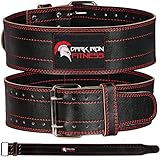
Overview: The Dark Iron MED belt positions itself as a versatile, mid-range option for lifters seeking reliable support without breaking the bank. This 4-inch wide belt combines traditional leather construction with practical design elements, making it suitable for powerlifting, bodybuilding, and general strength training applications.
What Makes It Stand Out: The double-pronged buckle system provides superior security and peace of mind during heavy lifts compared to single-prong designs. Twelve adjustment points offer excellent sizing flexibility, while the integrated belt keeper loop keeps excess strap neatly tucked away. The 4-inch width strikes an ideal balance between torso coverage and mobility for most lifters.
Value for Money: Priced at $67.17, this belt delivers impressive value by offering premium features like double-prong security and full leather construction at roughly half the cost of USA-made alternatives. While it lacks the prestige of high-end brands, the quality materials and thoughtful design make it a smart investment for intermediate lifters.
Strengths and Weaknesses: Pros: Double-prong buckle security; Excellent adjustment range; Belt keeper loop convenience; Versatile 4-inch width; Quality leather construction; Competitive pricing. Cons: Manufacturing origin unclear; May require longer break-in period than premium belts; Stitching durability concerns over extreme long-term use; Limited brand recognition.
Bottom Line: This belt offers outstanding bang-for-buck for serious recreational lifters and competitive athletes on a budget. The double-prong design and generous adjustability make it a reliable workhorse that should serve most lifters well for years.
3. Fitgriff® Classic Weight Lifting Belt (100% Leather) for Men and Women - Gym Belt for Squats, Deadlift, Back Support (L, Black (4 inch))

Overview: Fitgriff’s Classic belt targets budget-conscious lifters who refuse to compromise on leather quality. This 4-inch belt blends vintage aesthetics with modern functionality, offering three-layered cowhide construction at a price point that makes genuine leather accessible to entry-level strength athletes.
What Makes It Stand Out: The three-layered, 5mm thick construction provides surprising rigidity for its price class, while the heritage-inspired design appeals to lifters who appreciate classic gym equipment aesthetics. The inclusion of detailed fitting instructions demonstrates uncommon attention to customer success. Double-prong buckle and solid rivets suggest durability ambitions beyond typical budget offerings.
Value for Money: At $34.99, this belt redefines entry-level expectations by delivering genuine leather construction with thoughtful features. While it can’t match premium belt longevity, it offers 80% of the performance at 25% of the cost, making it an ideal starter belt for novices or backup for experienced lifters.
Strengths and Weaknesses: Pros: Unbeatable price for real leather; Classic aesthetic appeal; Three-layer construction; Double-prong security; Helpful sizing instructions. Cons: Unknown brand track record; Thinner 5mm profile offers less support than 6mm+ belts; Potentially shorter lifespan; Limited warranty information; May stretch faster than premium options.
Bottom Line: This belt democratizes quality leather lifting gear for beginners and budget-focused athletes. While serious competitors should eventually upgrade, the Fitgriff Classic delivers exceptional value and performance that far exceeds its modest price tag.
4. Dark Iron LG Fitness Weight Lifting Belt for Powerlifting Deadlift Training, Premium Black Leather for Core Support Gym Strength Workout
Overview: The Dark Iron LG belt is functionally identical to its MED counterpart, offering the same robust feature set in a larger size configuration. This 4-inch wide leather belt continues the brand’s mission of providing reliable, no-nonsense support for serious lifters across multiple disciplines.
What Makes It Stand Out: The double-prong buckle system remains the standout feature, delivering exceptional security that prevents catastrophic failure under maximum loads. Twelve precisely-spaced adjustment holes provide remarkable sizing flexibility, accommodating weight fluctuations and different layering. The belt keeper loop solves a common annoyance by securing excess strap during dynamic movements.
Value for Money: Priced at $68.22, this LG size variant maintains the same excellent value proposition as the MED version. The marginal price increase reflects size differences rather than feature upgrades. For larger athletes who need the extended sizing range, this represents one of the most affordable paths to double-prong security and genuine leather construction.
Strengths and Weaknesses: Pros: Superior double-prong buckle; Extensive adjustability; Practical belt keeper; Versatile 4-inch width; Quality leather materials. Cons: Same manufacturing origin questions as MED variant; Potentially longer break-in period; Stitching may be the weak link over time; Brand lacks premium prestige.
Bottom Line: This LG size delivers the same outstanding value and reliability as the MED version. Larger lifters seeking affordable, secure support will find this belt difficult to beat. It’s a practical, durable choice that prioritizes function over brand status.
5. Genuine Leather Weight Lifting Belt for Men Gym Weight Belt Lumbar Back Support Powerlifting Weightlifting Heavy Duty Workout Training Strength Training Equipment 6-Inch brown
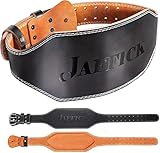
Overview: This budget-focused 6-inch belt targets lifters prioritizing maximum lumbar coverage and back protection over brand prestige. The extra-wide design and suede padding emphasize injury prevention, making it particularly appealing for masters athletes, rehab-focused lifters, and those with prior back issues.
What Makes It Stand Out: The 6-inch width provides substantially more torso support than standard 4-inch belts, distributing pressure across a larger surface area. Suede lining adds comfort for high-volume training sessions. The double-sided leather construction with reinforced stitching suggests durability ambitions uncommon at this price tier. Clear sizing guidance helps avoid common fit errors.
Value for Money: At $29.99, this belt offers the lowest entry point to genuine leather construction. While quality control may be inconsistent, the feature set—extra width, suede padding, double-sided construction—delivers remarkable specifications for the price. It’s disposable-priced gear with surprisingly serious features.
Strengths and Weaknesses: Pros: Unbeatable price; Generous 6-inch width; Comfortable suede lining; Clear sizing instructions; Double-sided construction. Cons: Unknown manufacturer; Quality control concerns; 6-inch width may restrict movement for some; Thickness unspecified; Likely shorter lifespan; Aesthetically utilitarian.
Bottom Line: This belt serves as an excellent entry point or dedicated backup for lifters wanting maximum coverage on a minimal budget. While not suitable for competitive purists, it provides practical protection for general fitness and heavy training. Serious athletes should view it as temporary, but it’s far better than nylon alternatives at similar prices.
6. Weight Lifting Belt, Leather Weight Lifting Belt for Men Gym Weight Belt Lumbar Back Support Powerlifting Weightlifting Heavy Duty Workout Training Strength Training Equipment (L)

Overview: This leather weight lifting belt in size L targets men seeking lumbar support across diverse training modalities. Priced at $48.59, it positions itself as a versatile solution for pull-ups, rows, squats, and general weightlifting. The design emphasizes functional adaptability rather than specialization, making it suitable for lifters who vary their routines frequently.
What Makes It Stand Out: The double-row steel fastener reinforced with rivets distinguishes this belt from single-prong alternatives, delivering exceptional security during explosive movements. Its multi-hole adjustment system allows micro-customization for varying workout demands, while the double-row stitching applies strategic pressure to enhance movement mechanics. This intelligent construction stabilizes the spine during power movements without restricting mobility.
Value for Money: At $48.59, this belt occupies the sweet spot between budget nylon options and premium leather competitors. The robust fastening system and versatile design offer features typically found in $70+ belts, making it an intelligent investment for intermediate lifters building their equipment collection. The durability suggests long-term cost savings over replacing cheaper alternatives.
Strengths and Weaknesses: Strengths include the secure double-row buckle system, excellent adjustability, versatile exercise applications, and reinforced construction. The primary weakness is the lack of specified width and thickness measurements, leaving buyers uncertain about competition compliance. Additionally, the “size L” designation without a clear measurement range complicates sizing decisions.
Bottom Line: An excellent choice for recreational lifters seeking reliable support across multiple exercise types. While specifications could be more transparent, the practical performance and secure fastening make it a dependable training partner for heavy lifting sessions.
7. Leatherific | Genuine Leather Weight Lifting Belt | 8 mm Thick, 4" Wide | Heavy duty, Padded, Steel Buckle | For Bodybuilding, Cross Training, Weight Training, Lumbar Support (M(Fits 30"-35"), Pecan

Overview: The Leatherific belt delivers premium performance for serious athletes, crafted from 100% full-grain buffalo leather. At 8mm thick and 4 inches wide, this pecan-colored belt in size M (fits 30"-35" waists) provides competition-grade support for powerlifting, bodybuilding, and CrossFit applications. The $79.99 price reflects its high-end materials and construction.
What Makes It Stand Out: Full-grain buffalo leather offers superior rigidity and longevity compared to standard leather belts. The consistent 4-inch width ensures even pressure distribution across the entire core, while the heavy-duty double-prong steel buckle eliminates slippage under maximal loads. Detailed sizing instructions—measuring around the belly button rather than pant size—demonstrate thoughtful design for serious lifters.
Value for Money: While $79.99 exceeds entry-level options, the premium materials and craftsmanship justify the investment. Comparable full-grain belts often exceed $100, making this a mid-premium option that delivers elite performance without the top-tier price tag. The durability ensures years of reliable service, amortizing the cost over thousands of training sessions.
Strengths and Weaknesses: Strengths include exceptional leather quality, precise specifications, secure double-prong buckle, comprehensive sizing guidance, and versatile application across lifting disciplines. The primary weakness is the single-size listing in this product variant, requiring careful size chart consultation. Beginners may find the stiffness initially uncomfortable until broken in.
Bottom Line: Ideal for committed lifters prioritizing quality and longevity. The Leatherific belt combines premium materials with thoughtful design, making it a worthwhile investment for anyone serious about heavy training and injury prevention.
8. 5mm Premium Weight Lifting Belt - 100% Genuine Leather Weightlifting Belt - Comfortable Squat Belt, Deadlift Belt or Powerlifting Belt - Workout Belt for Strength Training - Gym Belt for Men and Women (Green Alcantara, Large (Belly 34" - 41") New Size

Overview: This 5mm premium belt balances affordability with genuine leather construction, priced attractively at $39.97. The large size fits 34"-41" bellies, while the 10cm width provides substantial support for squats, deadlifts, and powerlifting. The distinctive green Alcantara finish adds aesthetic appeal to this versatile training tool designed for both men and women.
What Makes It Stand Out: Two-layer genuine leather construction delivers durability without the excessive rigidity of thicker belts, making it comfortable for varied training regimes. The sturdy two-prong buckle ensures reliable security, while the TRIBE debossed logo signifies quality craftsmanship. Its adaptability across CrossFit, bodybuilding, and powerlifting makes it exceptionally versatile for lifters who cross-train.
Value for Money: At $39.97, this belt significantly undercuts competitors offering genuine leather construction. The two-layer design provides excellent strength-to-cost ratio, delivering 80% of premium belt performance at 50% of the price. This represents outstanding value for intermediate lifters upgrading from nylon or entry-level options.
Strengths and Weaknesses: Strengths include genuine leather construction, comfortable 5mm thickness, extensive size range, attractive design, and remarkable affordability. The 5mm thickness, while comfortable, may lack the extreme rigidity desired for maximal powerlifting attempts. The “Alcantara” terminology, typically a synthetic material, could confuse buyers despite the leather construction description.
Bottom Line: An exceptional value proposition for dedicated lifters seeking quality on a budget. While not the stiffest option available, it provides ample support for most training scenarios and represents a smart upgrade from basic belts without breaking the bank.
9. Genuine Leather Weight Lifting Belt for Men Gym Weight Belt Lumbar Back Support Powerlifting Weightlifting Heavy Duty Workout Training Strength Training Equipment
Overview: This genuine leather weightlifting belt targets budget-conscious lifters at just $32.99, offering comprehensive sizing from S to XXL. The design emphasizes comfort through suede padding and lining, while double-sided leather construction aims to deliver durability. Clear sizing instructions warn users to measure their true waist rather than pant size, preventing common purchasing errors.
What Makes It Stand Out: The suede lining provides exceptional comfort during extended training sessions, reducing skin irritation and pressure points. Double-sided leather construction with reinforced top stitching enhances durability beyond single-ply alternatives. The explicit sizing chart, detailed in the title itself, demonstrates unusual transparency for budget equipment, helping buyers select correctly the first time.
Value for Money: At $32.99, this is among the most affordable genuine leather belts available. While premium options exceed $80, this belt delivers essential features—back support, secure fastening, and comfort—for less than half the cost. It’s ideal for beginners testing equipment or lifters needing backup/travel belts without significant financial commitment.
Strengths and Weaknesses: Strengths include unbeatable price, comfortable suede interior, comprehensive size options, reinforced stitching, and clear sizing guidance. Weaknesses involve unspecified width and thickness, raising questions about competition legality and maximum support capacity. The extreme affordability may reflect compromises in leather quality or hardware longevity compared to premium alternatives.
Bottom Line: Perfect for entry-level lifters or as a secondary belt. While it lacks the specifications and prestige of high-end options, it provides functional support and comfort at an accessible price point, making it a sensible starting point for new lifters.
10. Dominion Strength Training Hand-Dyed Saddle Tan 3 Inch Single Ply Belts – Premium Support for Powerlifting and Weightlifting
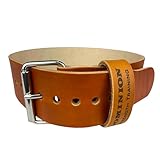
Overview: The Dominion Strength Training belt represents the pinnacle of powerlifting gear, handcrafted in the USA from hand-dyed saddle tan top-grain sole bend leather. At 6.5-7mm thick and 3 inches wide, this $130 belt targets serious athletes pursuing maximal strength. The single-prong stainless steel roller buckle and lifetime replacement guarantee underscore its premium positioning.
What Makes It Stand Out: Hand-dyeing and sealing create unique aesthetic character while preserving leather integrity. The 3-inch width provides optimal support for powerlifting movements without interfering with deadlift setup or bench press arch. Eleven adjustment holes across 10 inches of range ensure the belt grows with the lifter, while the roller buckle enables micro-adjustments between sets. The lifetime guarantee demonstrates unparalleled manufacturer confidence.
Value for Money: At $130, this is a significant investment, but the cost amortizes over decades of use. Comparable USA-made belts with lifetime warranties exceed $150, making this competitively priced for its category. The craftsmanship quality eliminates replacement costs, while the performance benefits justify the expense for competitive powerlifters.
Strengths and Weaknesses: Strengths include exceptional materials, precise 6.5-7mm thickness ideal for powerlifting, USA craftsmanship, lifetime guarantee, innovative roller buckle, and thoughtful 3-inch width. The high price excludes casual lifters, while the single-ply construction, though durable, may feel less robust than some premium double-ply options. The 3-inch width, while optimal for many, may not suit lifters preferring 4-inch support.
Bottom Line: The ultimate choice for dedicated powerlifters and strength athletes. If you demand American craftsmanship, lifetime durability, and competition-legal specifications, this belt justifies its premium price through unmatched quality and the security of a lifetime guarantee.
The Resurgence of Classic Strength Training Aesthetics
The year 2026 marks a fascinating pivot point in fitness culture. While smart gyms and AI coaching dominate headlines, there’s a parallel movement embracing the gritty authenticity of golden-era strength training. This isn’t nostalgia for nostalgia’s sake—it’s a recognition that certain principles and tools have stood the test of time for good reason. Leather belts epitomize this movement, offering a tactile connection to training heritage that polymer and synthetic materials simply cannot replicate. The patina that develops on a well-used leather belt tells a story of heavy squats, grinding deadlifts, and years of dedication.
Why Leather Still Reigns Supreme in 2026
Synthetic belts have made technological leaps, yet leather maintains its throne for serious strength athletes. The material’s unique combination of rigidity and subtle give creates a proprioceptive feedback loop that enhances bracing mechanics. When you push your abdomen against a quality leather belt, it doesn’t just resist—it communicates. The natural fibers compress and rebound in a way that reinforces proper intra-abdominal pressure without feeling like you’re wrapped in plastic. Additionally, leather’s breathability and moisture-wicking properties have improved through modern tanning processes, addressing the old complaint of swampy training sessions while preserving the classic feel.
Understanding Belt Width and Thickness Specifications
Before diving into closure systems or leather grades, grasp the fundamental dimensions that define a belt’s character. Width and thickness aren’t just numbers—they directly influence leverage, comfort, and competition legality. In 2026, the landscape has standardized around several key measurements, but understanding the nuances helps you select a belt that matches your anatomy and training style.
The 4-Inch Standard: Powerlifting’s Goldilock Zone
The ubiquitous 4-inch width isn’t arbitrary. This measurement represents the sweet spot where optimal support meets biomechanical efficiency for most male lifters. It provides sufficient surface area to increase intra-abdominal pressure without impinging on the ribcage or hip bones during deep squats. For women or shorter torso’d lifters, 2026 has seen wider acceptance of 3-inch variants that offer the same support without digging into the iliac crest. The key is ensuring the belt’s width matches your natural waist measurement—not your pant size—to maintain consistent contact throughout the lift.
Tapered vs. Straight Cut: Which Profile Suits Your Style?
Classic aesthetics often clash with modern functionality here. Tapered belts (wider in back, narrower in front) harken back to bodybuilding’s golden age and offer greater freedom for movements like clean and jerks. However, for pure strength training, straight-cut belts provide uniform support that’s superior for maximal bracing. The front of your core needs just as much feedback as your lumbar region during a heavy squat. In 2026, the trend among classic strength purists favors straight cuts even for Olympic lifting variations, prioritizing spinal integrity over stylistic nostalgia.
Leather Grades Demystified: From Top Grain to Full Grain
Marketing departments love leather terminology, often using it to obscure rather than enlighten. Full grain leather—complete with its natural grain layer—remains the gold standard for weightlifting belts. It develops character with age while maintaining structural integrity. Top grain, where the surface is sanded and finished, offers a more uniform appearance but sacrifices some long-term durability. Genuine leather, despite its appealing name, sits lower on the quality hierarchy and typically won’t withstand years of heavy abuse. For classic strength training, full grain isn’t just a luxury; it’s a requirement for equipment that should last decades.
The Vegetable-Tanned Advantage for Serious Lifters
Chrome tanning dominates the leather industry for speed and cost, but vegetable-tanned leather has carved out a crucial niche in premium weightlifting equipment. This traditional process uses natural tannins from tree bark and leaves, resulting in leather that’s initially stiffer but molds to your body shape with use. The break-in period is longer, but the result is a belt that feels custom-made. More importantly, vegetable-tanned leather maintains its rigidity under extreme loads without the chemical breakdown that can affect chrome-tanned alternatives after years of sweat and stress.
Prong Mechanisms: Single, Double, or Lever?
The closure system defines your daily interaction with the belt. It’s not just about security—it’s about convenience, micro-adjustability, and psychological confidence. Each system carries distinct advantages that align with different training philosophies and competition requirements.
The Case for Single Prong: Simplicity Meets Function
Single prong belts have earned their place as the classic choice for good reason. They offer nearly the same security as double prongs with significantly easier fastening and unfastening between sets. The single point of leverage allows for quick adjustments—even mid-workout—as your body changes through a training cycle. For lifters who value minimalism and reliability, the single prong represents the purest expression of form following function.
Double Prong: Balanced Pressure Distribution
The double prong system distributes pressure across two points, reducing the stress on any single area of leather. Theoretically, this extends the belt’s lifespan and prevents the prong holes from stretching or tearing. However, the practical difference is negligible with quality full-grain leather. The real advantage is aesthetic—the symmetrical look appeals to traditionalists. The downside is the fiddly nature of aligning two prongs, especially when you’re breathing heavily after a maximal set.
Lever Belts: Quick Release for Intense Sessions
Lever closures have surged in popularity for their speed and consistency. Once set to your ideal tightness, they click on and off with satisfying efficiency. This makes them ideal for lifters who frequently belt and unbelt between sets. The trade-off is micro-adjustability—you’ll need a screwdriver to change settings between bulk and cut phases. For 2026’s classic strength enthusiast, custom-engraved levers have become a subtle way to personalize equipment while maintaining that old-school craftsmanship vibe.
Sizing Mastery: Getting the Perfect Fit
A belt’s effectiveness hinges entirely on proper sizing. Too loose, and you lose the crucial intra-abdominal pressure boost. Too tight, and you restrict breathing and movement. The most common mistake is ordering based on pant size or current waist measurement without accounting for where the belt sits during lifts. Your lifting belt typically sits higher than your jeans, across the natural waist and lower ribs.
The Two-Finger Rule and Other Pro Tips
The classic two-finger rule—being able to slide two fingers between the belt and your abdomen when it’s tightened—remains a solid starting point. However, experienced lifters often prefer a tighter fit for maximal attempts and slightly looser for volume work. When sizing, always measure around your navel at the end of a training day when you’re slightly bloated and inflamed. This ensures the belt will fit during your most demanding sessions. Remember, most quality belts come with multiple holes, but you want your ideal fit to land near the middle hole, giving you room to adjust in both directions.
Breaking In Your Leather Belt: Myths and Realities
The break-in period is where many lifters sabotage their investment. Aggressive bending, oil soaking, or heat treatments might speed up softening, but they compromise the leather’s structural integrity. The correct method is simply consistent use. Wear your belt during warm-ups and lighter sets, allowing your body heat and natural movement to gradually mold the leather. This process typically takes 3-6 weeks of regular training. In 2026, some manufacturers offer “pre-broken” belts using mechanical flexing, but purists argue this creates micro-fractures in the leather fibers that reduce longevity. Patience isn’t just a virtue here—it’s a performance strategy.
Maintenance Rituals for Decades of Performance
A quality leather belt should outlast your lifting career with proper care. The enemy isn’t just sweat—it’s the salt and pH fluctuations that accompany intense training. After each session, wipe the belt with a damp cloth to remove surface salt, then let it air dry completely before storing. Never use direct heat like hair dryers or radiators. Monthly conditioning with a leather balm designed for high-stress applications keeps the fibers supple without over-softening. In 2026’s humid training environments, some lifters use silica gel packets in their gym bags to absorb ambient moisture and prevent mold growth on their prized belts.
Classic Style Elements That Define 2026’s Aesthetic
The visual language of classic strength training has evolved beyond basic black. While function remains paramount, the modern classic aesthetic embraces subtle details that signal discernment without screaming for attention. The belt has become a canvas for personal expression within traditional boundaries.
Colorways Beyond Black and Brown
Black and brown remain foundational, but 2026’s palette includes rich burgundy, forest green, and navy blue—colors that develop character with age without appearing flashy. These deeper tones complement vintage-styled gym wear and home gym setups that prioritize wood and iron over plastic and chrome. The key is choosing a color that you’ll be proud to wear in five years, not just one that matches your current gym outfit.
Stitching Patterns and Hardware Finishes
Contrast stitching has emerged as a subtle way to add visual interest while serving a functional purpose. Heavier gauge thread in white or tan creates a vintage workwear aesthetic and makes inspecting stitch integrity easier over time. Hardware finishes have moved beyond basic chrome to include antique brass, brushed nickel, and even black oxide for lifters who prefer a murdered-out look. The finish quality matters more than the color—cheap plating will flake and rust, while premium hardware develops a patina that enhances rather than detracts.
Price vs. Value: Investing in Your Training Legacy
The price spectrum for quality leather belts in 2026 ranges from budget-friendly options around $80 to artisan-crafted pieces exceeding $300. The law of diminishing returns hits hard around the $150 mark. Below this, you’re compromising on leather grade or hardware quality. Above it, you’re paying for hand-tooling, custom sizing, or limited edition status. Consider cost per use: a $200 belt worn 200 times annually for ten years costs pennies per session. Compare that to replacing a $60 synthetic belt every 18 months. The value proposition becomes clear when you frame it as a decade-long investment in your spinal health and performance.
Frequently Asked Questions
How tight should my leather weightlifting belt actually be?
The sweet spot allows you to take a full, deep breath into your belly and press against the belt with maximum force without feeling restricted. For most lifters, this means tight enough that you can barely fit two fingers between the belt and your skin when relaxed. During maximal lifts, some prefer a notch tighter; for volume work, a notch looser. The belt should never cause pain, bruising, or restrict your ability to brace properly.
Will a leather belt weaken my core muscles over time?
This persistent myth confuses correlation with causation. A belt is a tool to enhance your ability to create intra-abdominal pressure, not a crutch that does the work for you. When used correctly—only on heavy sets and always with proper bracing technique—belts allow you to train with heavier loads, which actually strengthens your core more than lifting lighter weights beltless. The key is to continue unbelted warm-ups and accessory work to maintain natural stability.
How long does a quality leather belt take to break in properly?
Expect 20-30 training sessions for the belt to start feeling like an extension of your body. Full break-in, where the leather has molded to your specific shape while retaining its rigidity, typically occurs after 3-4 months of consistent use. Accelerating this process with oils or excessive bending compromises the leather’s structural integrity. Your patience will be rewarded with a belt that performs better and lasts longer than any quick-fix method could produce.
Can I use the same belt for squats and deadlifts?
Absolutely, and most classic strength athletes do. However, some lifters prefer a slightly looser fit for deadlifts to allow greater torso flexion at the start position, while cinching tighter for squats. A single-prong or lever belt makes these micro-adjustments between movements practical. The key is ensuring the belt’s width doesn’t interfere with your deadlift setup—if it digs into your hips or ribs, consider a 3-inch model or adjust your starting position.
What’s the difference between a powerlifting belt and an Olympic lifting belt?
The terminology has blurred, but traditionally, powerlifting belts are straight-cut 4-inch models designed for maximal bracing during slow, heavy lifts. Olympic belts often feature a tapered design (wider in back) to allow more torso mobility for cleans and snatches. In 2026’s classic strength scene, many lifters have abandoned this distinction, using straight-cut belts for everything due to superior support and the cross-training nature of modern programming.
How do I clean my leather belt without damaging it?
Never submerge your belt in water or use harsh cleaners. After training, wipe down both sides with a cloth dampened with warm water to remove sweat and salt. For deeper cleaning, use a saddle soap once every 3-4 months, working it in gently with a soft brush. Always let the belt air dry naturally—never use heat. Finish with a light application of leather conditioner to replenish oils lost through sweating and cleaning.
Should I buy a belt with a suede interior for better grip?
Suede-lined belts gained popularity for their non-slip properties, but they come with trade-offs. The lining adds a failure point where layers can separate over time, and it reduces the direct feedback you get from full-grain leather against your skin. Most quality full-grain belts develop enough texture through use to prevent slipping. If grip is an issue, focus on proper belt placement and tightness before adding a lining that complicates maintenance and longevity.
Is a 10mm or 13mm thickness better for classic strength training?
The 10mm thickness hits the sweet spot for 90% of lifters, offering substantial support without excessive rigidity that can impede bracing mechanics. The 13mm option, while legal in most federations, is overkill for anyone not competing at an elite level. It requires more effort to tighten and can dig into ribs and hips uncomfortably. Classic strength training prioritizes sustainable, long-term progress over marginal gear advantages, making the 10mm the more intelligent choice for most athletes.
Can I wear my leather belt for every exercise in my workout?
Restrict belt use to sets where spinal loading exceeds 80% of your one-rep max or during high-RPE sets where core stability is the limiting factor. Wearing it for warm-ups, accessory work, or upper body exercises provides no benefit and slows the natural break-in process. Classic strength training emphasizes building raw strength alongside equipped performance. Use the belt as a performance enhancer for specific moments, not as a permanent attachment.
How do I know when it’s time to replace my leather belt?
Quality leather belts rarely need replacement if maintained properly. The signs of true failure include: torn or stretched prong holes, cracked leather through the center (not just surface creasing), hardware that no longer holds tension, or a permanent deformation that prevents even contact around your torso. Surface wear, patina, and minor scuffs are character marks, not defects. Many lifters in 2026 are still using belts from the 1990s—when built right and cared for, these tools last lifetimes.