When you’re three days into a backcountry ski trip and the weather turns biblical, or your sailboat’s hull cracks 200 miles offshore, your smartphone becomes a useless brick. In those moments—and they’re more common than adventure blogs admit—satellite messengers aren’t just gadgets; they’re your only lifeline to the world. As we move through 2026, this technology has evolved from bulky, expensive novelties into sophisticated emergency communication systems that fit in your pocket, but the market has also become a maze of conflicting specs, subscription traps, and features that sound impressive until you’re hypothermic and can’t figure out which button to press.
This guide cuts through the marketing noise to focus on what actually matters when your life depends on a signal beaming through space. We’re not here to rank devices or parrot manufacturer claims. Instead, we’ll arm you with the technical knowledge to evaluate any satellite messenger on the critical factors that determine whether your SOS becomes a rescue success story or a tragic statistic. Whether you’re a weekend hiker or a professional expedition leader, understanding these elements will help you make a decision you can literally bet your life on.
Top 10 Satellite Messengers for SOS Emergency Communication
Detailed Product Reviews
1. ZOLEO Satellite Communicator – Two-Way Global SMS Text Messenger & Email, Emergency SOS Alerting, Check-in & GPS Location – Android iOS Smartphone Accessory
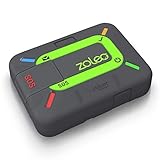
Overview: The ZOLEO Satellite Communicator bridges the gap between cellular and satellite communication at an accessible price point. This compact device pairs with your smartphone to send messages via the Iridium network when you’re off-grid, automatically selecting the lowest-cost available network. It requires a service plan and transforms your phone into a global communication tool for adventures beyond cell coverage.
What Makes It Stand Out: ZOLEO’s dedicated SMS number and email address set it apart—contacts can message you directly without routing through an app. The seamless network switching between Wi-Fi, cellular, and satellite saves costs and ensures reliable delivery. The optional Global Rescue Field Rescue Membership is unique, offering affordable medical evacuation coverage that integrates directly with the device’s SOS function. Unlimited check-ins and GPS location sharing come standard with plans.
Value for Money: At $149, ZOLEO undercuts most Iridium-based competitors while delivering superior network reliability. The hardware cost is reasonable, though subscription plans add ongoing expense. Compared to the similarly-priced Spot Gen4, ZOLEO offers true two-way messaging rather than one-way check-ins, making it a stronger value for those needing conversation capability.
Strengths and Weaknesses: • Strengths: Iridium’s truly global coverage; dedicated phone number and email; cost-effective hardware; optional rescue insurance; seamless app integration; unlimited check-ins • Weaknesses: Requires smartphone for full functionality; subscription mandatory; bulkier than some alternatives; limited to 950-character messages
Bottom Line: ZOLEO is the smart choice for budget-conscious adventurers who need reliable two-way communication without sacrificing network quality or paying premium prices.
2. Garmin inReach® Messenger Handheld Satellite Communicator, Global Two-Way Messaging

Overview: Garmin’s inReach Messenger delivers trusted reliability in a palm-sized, rugged package. This satellite communicator enables global two-way texting through the Garmin Messenger app, operating independently of cellular networks. It leverages Garmin’s decades of GPS expertise and integrates seamlessly with the broader Garmin ecosystem, making it a natural choice for existing Garmin users seeking off-grid connectivity.
What Makes It Stand Out: The group messaging capability is a game-changer, allowing multi-person chats through the smartphone app—uncommon in this category. Preset messages don’t count against your plan allotment, conserving valuable credits. Garmin’s meticulous engineering shows in the device’s MIL-STD-810 durability and impressive battery optimization. The ability to check in directly from the device without opening your phone adds practical convenience on the trail.
Value for Money: Priced at $241.92, this is a premium investment. You’re paying for Garmin’s proven reliability, superior build quality, and polished user experience. While significantly more expensive than ZOLEO, the robust construction and ecosystem integration justify the cost for serious adventurers. Subscription plans are competitively priced, and the hardware longevity offsets initial sticker shock.
Strengths and Weaknesses: • Strengths: Exceptional build quality; group messaging capability; preset messages; direct device check-ins; excellent battery life; Garmin ecosystem synergy • Weaknesses: Highest price in class; requires smartphone for most features; subscription required; smaller screen than dedicated units
Bottom Line: The inReach Messenger is ideal for dedicated outdoor enthusiasts already invested in Garmin products who demand bulletproof reliability and advanced group communication features.
3. ACR Bivy Stick Satellite Communicator - Two-Way Global SMS, GPS Tracker, Off-Grid Communication, SOS Emergency Beacon, Satellite Messenger & Location Sharing - iOS/Android App

Overview: ACR’s Bivy Stick packs remarkable versatility into a mid-priced satellite communicator. Using the Iridium network, it provides comprehensive off-grid connectivity including two-way SMS, email, GPS tracking, weather updates, and SOS emergency services. The device targets adventurers who need more than basic messaging, offering group coordination features that rival more expensive options.
What Makes It Stand Out: GroupTrack enables messaging and location sharing with up to 12 people simultaneously—a standout feature for guides and group expeditions. Unlimited GPS check-ins and customizable tracking intervals provide exceptional flexibility. The included weather forecasts and offline maps add practical value beyond communication. Every device gets a dedicated phone number and email, plus Global Rescue’s 24/7 SOS monitoring comes standard, not as an expensive add-on.
Value for Money: At $199.95, the Bivy Stick hits a sweet spot between basic communicators and premium units. Subscription plans are transparent and competitive, with annual options reducing costs significantly. The feature set—group tracking, weather, unlimited check-ins—matches or exceeds devices costing $50 more, making it a compelling value for group adventurers.
Strengths and Weaknesses: • Strengths: GroupTrack for 12 users; unlimited check-ins; weather forecasts; dedicated contact info; Global Rescue included; flexible subscription options • Weaknesses: ACR’s newer market presence vs Garmin; app interface less polished; device-only operation limited; shorter battery life than some competitors
Bottom Line: The Bivy Stick excels for group adventures, offering professional-grade features at a consumer-friendly price point without compromising on network reliability.
4. Spot X with Bluetooth 2-Way Satellite Messenger | SOS Protection | Handheld Portable 2-Way GPS Messenger for Hiking, Camping, Cars| Globalstar Satellite Network Coverage | Subscription Applicable

Overview: Spot X with Bluetooth represents the brand’s evolution into true two-way communication while maintaining standalone capability. This device operates on Globalstar’s satellite network, offering messaging independence from your smartphone with its own dedicated US mobile number. The Bluetooth connectivity adds modern convenience to Spot’s established emergency communication platform.
What Makes It Stand Out: The ability to function as a completely standalone device sets Spot X apart—users can send and receive messages directly on the built-in keyboard without a phone. The dedicated US mobile number simplifies contact, allowing anyone to text you directly. Bluetooth syncing provides flexibility to compose messages on your phone when convenient, then transmit via the device. The included SOS mirrored sticker and kickstand demonstrate thoughtful design for emergency scenarios.
Value for Money: At $249.95, Spot X is the most expensive option reviewed. The standalone functionality partially justifies the premium, but the Globalstar network’s more limited coverage compared to Iridium diminishes overall value. For users prioritizing device independence over network reach, the price may be acceptable, but most adventurers get better reliability and features for less with Iridium-based alternatives.
Strengths and Weaknesses: • Strengths: Standalone messaging; dedicated US number; Bluetooth connectivity; familiar Spot interface; SOS confirmation messages • Weaknesses: Globalstar network less reliable than Iridium; highest price point; subscription required; bulkier design; limited global coverage at extreme latitudes
Bottom Line: Spot X suits users wanting smartphone independence, but the network limitations and high price make it hard to recommend over Iridium-based competitors for serious wilderness travel.
5. Spot Gen 4 Satellite GPS Messenger | Handheld Portable GPS Messenger for Hiking, Camping, Outdoor Activities | Globalstar Satellite Network Coverage | Subscription Applicable
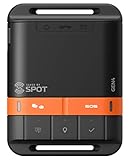
Overview: Spot Gen4 strips satellite communication to its essentials: check-ins, tracking, and emergency SOS. This one-way messenger uses the Globalstar network to transmit your GPS location and pre-programmed messages to contacts or rescue services. It’s designed for adventurers who prioritize simplicity and battery longevity over two-way conversation capability.
What Makes It Stand Out: The Gen4’s simplicity is its defining feature—no smartphone required, no typing messages on the trail, just essential functions. The tracking feature automatically sends location updates when moving and stops when stationary, providing peace of mind for solo hikers. The device runs on replaceable AAA batteries, offering virtually unlimited field life with spare cells. At 5.2 ounces, it’s lightweight enough for ultralight backpackers who refuse to compromise safety.
Value for Money: At $149.95, the Gen4 matches ZOLEO’s hardware price but offers significantly less functionality. For pure SOS and check-in purposes, it’s fairly priced, but two-way alternatives like ZOLEO provide far more utility at the same cost. The required subscription starts around $15/month, making total ownership costs similar to more capable devices. Value depends entirely on whether you truly need only one-way communication.
Strengths and Weaknesses: • Strengths: Extreme simplicity; excellent battery life with AAA power; automatic tracking; no smartphone dependency; lightweight; affordable entry point • Weaknesses: One-way only; cannot receive custom messages; Globalstar network limitations; limited flexibility; subscription still required
Bottom Line: Spot Gen4 is perfect for solo adventurers wanting minimalist, reliable emergency signaling without the complexity or power demands of two-way devices.
6. Garmin inReach® Mini 3 Plus, Rugged Global Satellite Communicator with Touchscreen Texting, Photo & Voice Messaging, Emergency SOS Messages & Battery Up to 350 Hours with 10-min inReach® Tracking

Overview: The Garmin inReach Mini 3 Plus represents the pinnacle of personal satellite communication technology, packing an unprecedented feature set into a pocket-sized device. This rugged communicator leverages the global Iridium network to keep adventurers connected far beyond cellular coverage, offering peace of mind through advanced two-way messaging capabilities and emergency response features.
What Makes It Stand Out: The high-resolution color touchscreen sets this apart from button-only competitors, enabling intuitive navigation and message composition. The ability to exchange photos and voice messages via smartphone pairing transforms backcountry communication into rich, personal updates. With up to 350 hours of battery life in 10-minute tracking mode, it outlasts nearly every alternative. The IP67 rating ensures survival in extreme conditions, while Garmin Response’s 24/7 staffed coordination center provides professional emergency support.
Value for Money: At $499.99, this premium device commands a significant investment, but justifies it through unmatched functionality. Compared to the standard Mini 2 ($399.99), the touchscreen and enhanced messaging capabilities represent a meaningful upgrade for serious users. When factoring in the cost of alternative rescue scenarios, the price becomes a reasonable insurance policy for frequent backcountry travelers.
Strengths and Weaknesses: Strengths include the responsive touchscreen interface, exceptional battery longevity, robust build quality, and versatile messaging options. The seamless Garmin ecosystem integration and professional emergency response coordination are invaluable. Weaknesses center on the high upfront cost, mandatory subscription fees ($15-65/month), and the requirement to pair with a smartphone for photo/voice features. Some jurisdictions also restrict satellite device usage.
Bottom Line: The inReach Mini 3 Plus is the ultimate satellite communicator for dedicated adventurers who demand the best technology and refuse to compromise on safety. While expensive, its feature set and reliability make it worth every penny for those venturing into truly remote environments.
7. ZOLEO Satellite Communicator – Two-Way Global SMS Text Messenger & Email, Emergency SOS Alerting, Check-in & GPS Location – Android iOS Smartphone Accessory (Renewed)

Overview: This Certified Refurbished ZOLEO Satellite Communicator delivers reliable global messaging at a fraction of new-device cost. Operating on the Iridium network, it transforms your smartphone into a powerful satellite communication tool when cellular service disappears, making it an accessible entry point for budget-conscious adventurers.
What Makes It Stand Out: The refurbished certification includes a 1-year limited warranty, providing confidence in a device that costs 70% less than new models. ZOLEO’s unique dedicated SMS number and email address allow contacts to initiate conversations—unlike many competitors. The intelligent messaging system automatically selects the lowest-cost network (Wi-Fi, cellular, or satellite), optimizing expenses. The compact, lightweight design pairs seamlessly with Android and iOS devices through the intuitive ZOLEO app.
Value for Money: At $119.00, this renewed unit offers exceptional value, making satellite communication accessible to casual hikers and entry-level adventurers. New ZOLEO devices retail around $200, so the savings are substantial. The included warranty mitigates refurbishment risks, while the flexible subscription plans ($20-50/month) remain competitive with pricier alternatives.
Strengths and Weaknesses: Strengths include the unbeatable price point, dedicated contact number, network-switching efficiency, and solid warranty coverage. The device is simple, reliable, and easy to use. Weaknesses involve the refurbished status, which may concern some buyers, and the lack of advanced features like photo messaging or navigation tools. Battery life is adequate but not class-leading, and it requires a smartphone for full functionality.
Bottom Line: For those seeking affordable, reliable satellite communication without premium frills, the renewed ZOLEO is a smart choice. It provides essential safety features and global connectivity at a price that won’t break the bank, making it perfect for occasional adventurers.
8. ACR Bivy Stick 2-Way Satellite Messenger Survival Kit, Global Coverage, Emergency SOS, Waterproof, Marine Safety, Remote Communication, Location Sharing, Boating, Hiking, Reliable Satellite Alert

Overview: The ACR Bivy Stick Survival Kit takes a comprehensive approach to backcountry safety by bundling a capable satellite communicator with essential survival gear. Designed with marine environments in mind, this package provides global messaging, 24/7 SOS support, and physical signaling tools for multi-layered emergency preparedness.
What Makes It Stand Out: This isn’t just a communicator—it’s a complete survival system. The inclusion of a water-activated C-Strobe H2O Rescue Light, high-visibility signal mirror, dual-tone whistle, and waterproof dry bag addresses scenarios where electronic communication alone may fail. The Bivy Stick itself offers straightforward two-way messaging and check-ins via the Global Rescue emergency response network, which specializes in maritime and remote evacuations.
Value for Money: At $219.95, the kit presents solid value compared to purchasing components separately. The Bivy Stick alone typically costs $200-250, making the survival accessories essentially free additions. For boaters and coastal hikers, the marine-specific features and Global Rescue partnership justify the investment, offering specialized expertise that generic rescue services may lack.
Strengths and Weaknesses: Strengths include the comprehensive survival package, marine-focused design, IP67 waterproof rating, and professional Global Rescue support. The physical signaling tools provide backup when batteries die. Weaknesses involve the Bivy Stick’s more basic feature set compared to Garmin devices—no touchscreen, limited messaging versatility, and shorter battery life. The bundle is bulkier than a standalone device, and the app experience isn’t as polished as competitors.
Bottom Line: This kit excels for marine adventurers and those wanting physical backup tools alongside digital communication. While the communicator itself isn’t top-tier, the complete survival package makes it a practical, well-priced choice for water-based and remote activities.
9. Garmin inReach® Messenger Plus, SOS Satellite Communicator with Photo, Text & Voice Messaging Without Cell Service, Long Battery Life, Durable, Temperature-Resistant, Water-Resistant (IPX7) Design

Overview: The Garmin inReach Messenger Plus bridges the gap between basic communicators and premium touchscreen models, offering robust messaging capabilities in a durable, compact package. It supports rich communication through text, photos, and voice messages while maintaining the reliability that has made Garmin a leader in satellite safety devices.
What Makes It Stand Out: The seamless network switching technology is revolutionary—automatically routing messages through Wi-Fi, cellular, or satellite to minimize costs and maximize reliability. The ability to send 1,600-character texts, 30-second voice messages, and photos through smartphone pairing provides unprecedented communication richness. Preset phrases don’t count against monthly limits, conserving subscription allowances. The IPX7 rating and temperature resistance ensure functionality from -20°C to 60°C.
Value for Money: Priced at $399.99, the Messenger Plus sits in Garmin’s sweet spot—$100 less than the touchscreen Mini 3 Plus while retaining core messaging advantages. It offers better value than the basic Mini 2 for users wanting photo/voice capabilities. The smart switching feature can significantly reduce subscription costs over time, offsetting the initial investment compared to less intelligent devices.
Strengths and Weaknesses: Strengths include versatile messaging options, intelligent network switching, excellent battery optimization, and Garmin’s professional emergency response coordination. The build quality is exceptional, and the ecosystem integration is seamless. Weaknesses include the lack of a touchscreen (present on the Mini 3 Plus), mandatory smartphone dependency for advanced features, and ongoing subscription costs. The device is slightly larger than the Mini series.
Bottom Line: The Messenger Plus is Garmin’s most balanced satellite communicator, offering premium messaging features without the premium touchscreen price. It’s ideal for adventurers who prioritize communication versatility and cost-efficiency over having the smallest or most advanced device.
10. inReach Mini 2 User Guide: Complete Handbook to Backcountry Navigation, Satellite Messaging, SOS Emergency Communication and Battery Optimization for Outdoor Adventurers

Overview: This comprehensive handbook serves as the definitive companion for Garmin inReach Mini 2 owners, translating technical manual jargon into practical, field-ready knowledge. Covering everything from basic setup to advanced navigation techniques, it transforms a complex device into an intuitive safety tool through detailed explanations and expert tips.
What Makes It Stand Out: Unlike sparse official documentation, this guide dedicates entire chapters to battery optimization strategies that can extend field life by days. The step-by-step SOS communication protocols and real-world messaging scenarios prepare users for actual emergencies, not just theoretical situations. Navigation sections go beyond basics, teaching waypoint management, route planning, and trackback functions that many owners never discover. The physical format remains accessible when your phone or device screen is unusable.
Value for Money: At $15.99, this guide costs less than a month of satellite subscription, yet its knowledge can prevent costly mistakes and maximize your device’s potential. While free online tutorials exist, this curated, device-specific resource saves hours of fragmented research. For users who prefer tangible references or venture far from internet access, the paperback format provides reliable, instant information.
Strengths and Weaknesses: Strengths include comprehensive coverage, practical battery-saving techniques, clear emergency protocols, and device-specific focus that generic GPS guides lack. The writing is accessible to beginners while offering depth for experienced users. Weaknesses involve being Mini 2-specific (less useful for other models), potential for becoming outdated with firmware updates, and redundancy for tech-savvy users who master devices quickly. Digital natives may prefer video tutorials.
Bottom Line: This user guide is an excellent investment for Mini 2 owners who want to unlock their device’s full potential. It’s particularly valuable for less technical adventurers or those venturing deep into the backcountry where digital resources aren’t available. Consider it cheap insurance for your safety investment.
Understanding Satellite Messenger Technology in 2026
Satellite communication has undergone a quiet revolution in recent years, and 2026 represents a tipping point where next-generation constellations have fundamentally changed what’s possible in a handheld device. The technology that once required a briefcase-sized terminal now lives in units smaller than your wallet, but the underlying architecture varies dramatically between systems.
How Satellite Networks Have Evolved for Emergency Use
The satellite landscape has fragmented into three distinct architectures that directly impact emergency communication. Low Earth Orbit (LEO) networks now dominate the consumer space, with satellites whizzing overhead at 500-1,200km, offering sub-30-second message delivery and true global coverage. Medium Earth Orbit (MEO) systems provide a middle ground with slightly higher latency but stronger signals in dense forest canopy. Geostationary (GEO) satellites, parked 35,786km above the equator, deliver reliable coverage in their footprint but struggle with polar regions and require precise antenna alignment.
What matters for SOS functionality is how these networks handle emergency priority traffic. Leading systems now implement “SOS pre-emption,” forcing non-emergency messages to queue while your distress signal gets instant bandwidth. Some 2026 devices even broadcast across multiple networks simultaneously, though this comes with battery and cost penalties you’ll need to weigh carefully.
The Critical Difference Between One-Way and Two-Way SOS
Here’s where many buyers get misled by spec sheets. One-way SOS devices—essentially personal locator beacons (PLBs)—blast your coordinates to government search-and-rescue satellites without confirmation of receipt. They’re reliable but leave you in terrifying silence after activation. Two-way satellite messengers confirm your message was received and enable rescuers to ask critical follow-up questions: “Is anyone bleeding?” “How many people?” “Can you move to a clearing?”
In 2026, premium two-way devices have introduced “SOS threading,” maintaining an open communication channel rather than discrete messages. This allows rescue coordination centers to push updates like “Helicopter departed base, ETA 47 minutes” without waiting for your response. For solo adventurers or remote medical emergencies, this bidirectional capability isn’t just comforting—it can change the entire rescue calculus.
Why SOS Emergency Communication Matters More Than Ever
The false sense of security from “offline” mapping apps has created a generation of adventurers who venture deeper without understanding their vulnerability. Search and rescue teams worldwide report that 68% of backcountry emergencies in 2025 involved individuals who believed they could “just use their phone” until it was too late. Satellite messengers have become the last line of defense against our own overconfidence.
Real-World Scenarios Where Seconds Count
Consider the difference between a broken leg at 10,000 feet at 3 PM versus 6 PM. In those three hours, weather can deteriorate from clear to whiteout, turning a simple helicopter evacuation into a multi-day ground operation. A satellite messenger with rapid SOS confirmation means rescue launches immediately, not after you’re overdue tomorrow morning.
Or take maritime emergencies: a crew member showing stroke symptoms 150 nautical miles out. Two-way communication allows you to relay vital signs, receive medical guidance to stabilize the patient, and coordinate a rendezvous with a Coast Guard cutter—all while the vessel continues toward help rather than wallowing in place. These aren’t hypotheticals; they’re daily occurrences in 2026’s rescue logs.
Key Features That Define Premium SOS Devices
When evaluating any satellite messenger, separate “lifestyle features” from “rescue-critical engineering.” The former sells devices; the latter saves lives.
SOS Button Design and Activation Protocols
The physical SOS button has evolved from a recessed pinhole requiring a paperclip (disastrous with cold, injured fingers) to sophisticated multi-stage systems. The gold standard in 2026 involves a sliding cover over a raised button, requiring intentional two-step activation while preventing pocket-dials. Look for devices with “press-and-hold” durations between 3-5 seconds—long enough to avoid accidents, short enough for true emergencies.
Critically, examine what happens after activation. Does the device auto-transmit your GPS location every 2 minutes? Does it lock into emergency mode preventing accidental cancellation? Can you add text context before or after triggering? Top-tier units now allow pre-configured medical information (blood type, allergies, emergency contacts) to auto-transmit with your SOS, giving rescuers a critical head start.
GPS Accuracy and Multi-Constellation Support
GPS accuracy determines whether rescuers search a 10-meter radius or a 100-meter circle in a blizzard. 2026’s best devices don’t just use GPS; they simultaneously access GPS, GLONASS, Galileo, and BeiDou constellations, delivering sub-3-meter accuracy even in canyons or dense canopy. This “multi-constellation” capability isn’t marketing fluff—it can mean the difference between a rescue team spotting your signal mirror or missing you entirely.
Check the device’s GNSS chipset specifications. Look for mention of “dual-frequency” support (L1/L5 bands), which cuts through ionospheric interference that can throw off single-frequency units by 50+ meters. Also verify the device transmits not just coordinates but altitude data, critical for helicopter operations in mountainous terrain.
Battery Life Realities for Extended Expeditions
Manufacturers love to quote “standby” times measured in weeks, but SOS functionality has different power demands. A device in tracking mode, updating location every 10 minutes, might drain in 72 hours. Triggering SOS activates high-power transmitters that can deplete a half-full battery in 12 hours of continuous signaling.
For 2026, the key metric is “SOS transmission endurance”—how long the device can broadcast emergency signals on a full charge. Premium units now offer 30+ hours of continuous SOS broadcasting, with power management that prioritizes emergency functions over all else. Some even feature “reserve power mode,” shutting down all non-essential functions when battery drops below 20% to preserve SOS capability. Always calculate your trip length plus a 100% safety margin, then verify the device can sustain SOS mode for at least that duration.
Network Coverage: What You Need to Know
A satellite messenger is only as good as the satellites it can see. Coverage maps have become more nuanced in 2026, and understanding the fine print prevents dangerous assumptions.
Global vs. Regional Satellite Constellations
“Global coverage” rarely means truly global. Some networks have known gaps over the poles, the southern Indian Ocean, or specific countries with regulatory restrictions. True global coverage requires a constellation with polar orbits and sufficient satellite density to guarantee a visible satellite within 15 minutes anywhere on Earth.
Regional systems might offer stronger signals and lower costs for North American or European adventures, but become expensive paperweights in Patagonia or Nepal. For 2026, the trend is toward “dynamic roaming,” where devices automatically switch between partner networks, but this often requires premium subscriptions. Before buying, download the manufacturer’s coverage app and test it at your planned expedition locations—most now offer augmented reality views showing real-time satellite visibility.
Understanding Latency and Message Delivery Times
In an emergency, 5 minutes can feel like 5 hours. LEO networks typically deliver SOS messages in 15-45 seconds, while GEO systems might take 2-5 minutes depending on satellite positioning. But latency isn’t just about space distance—it’s about network congestion and priority routing.
Ask about “SOS Quality of Service” guarantees. Does the network reserve bandwidth for emergency traffic? What’s the maximum observed delivery time during peak usage periods? Some 2026 devices now display a “rescue confidence indicator”—a simple LED that glows green when a satellite is overhead and your SOS has confirmed delivery, turning red if no acknowledgment is received within 5 minutes, prompting you to move to better sky visibility.
Subscription Models and Cost Analysis for 2026
The sticker price on the device is just the down payment. Subscription costs over a 3-year ownership period often exceed the hardware cost by 2-3x, and the pricing structures have become increasingly complex.
Pay-As-You-Go vs. Annual Plans: What’s Changed
2026 has seen a shift toward “emergency-only” subscriptions as low as $8/month, but these often include zero non-emergency messages and charge $3-5 per check-in message. For frequent adventurers, unlimited plans around $40-65/month eliminate per-message anxiety but may include features you don’t need.
The critical question: does your subscription include unlimited SOS activations? Some budget plans treat SOS as a “premium message” with per-use charges that could add thousands to a multi-day rescue operation. Also verify if the subscription covers multiple devices under one account—a crucial feature for families or expedition teams.
Hidden Fees and Activation Costs to Watch For
Read the terms of service for “emergency response coordination fees.” Some providers now charge $200-500 per SOS incident to cover their costs of staffing rescue coordination centers. While this seems mercenary, it funds 24/7 monitoring by trained professionals who liaison with local rescue agencies worldwide.
Activation fees, seasonal suspension costs, and “reactivation” charges can add $50-100 annually. Look for providers offering “expedition mode,” allowing you to activate service for exact trip dates without penalty. Also check if your subscription includes GEOS or similar professional rescue coordination, or if that costs extra—a critical detail when you’re dangling from a cliff face.
Durability and Environmental Resistance Standards
Your satellite messenger will live in the bottom of a wet pack, bake in desert sun, and freeze in alpine environments. Durability specs aren’t just for bragging rights—they’re survival criteria.
IP Ratings and Military Standards Decoded
IP68 has become the baseline, but not all IP68 ratings are equal. The “6” means dust-tight, while the “8” indicates water submersion beyond 1 meter—but the manufacturer must specify depth and duration. Look for IP68 with a depth rating of at least 3 meters for 30 minutes, ensuring survival if dropped in rapids or overboard.
MIL-STD-810H testing provides more rigorous validation, including drop tests from 1.2 meters onto concrete, vibration resistance for vehicle mounting, and thermal shock cycling. However, be skeptical—some manufacturers “test to the standard” without actual certification. Ask for the specific test report number; legitimate certifications are publicly verifiable.
Operating Temperature Extremes
Battery performance plummets in cold. A device rated for -20°C might show 60% battery life at that temperature but shut down within minutes of SOS activation due to voltage sag. Premium 2026 units use lithium-thionyl chloride cells or hybrid battery systems that maintain stable voltage to -40°C.
Heat is equally dangerous. A black device left in direct sun can exceed 70°C internal temperature, triggering thermal shutdown. Look for operating ranges extending to +60°C or higher, and consider devices with reflective coatings or white color options for desert use. Some advanced models now include temperature-compensated charging, preventing battery damage when recharging in extreme conditions.
User Interface and Ease of Use Under Stress
Fine motor skills evaporate during emergencies. Your ability to operate a satellite messenger with trembling, cold, or injured hands isn’t a minor consideration—it’s everything.
Display Technology for Outdoor Visibility
Traditional LCDs become mirrors in bright sun, while OLED screens drain battery rapidly. The best 2026 devices use transflective memory-in-pixel (MIP) displays that remain perfectly visible in direct sunlight without backlighting. When activated, the backlight provides night visibility, but the display stays readable even with dead batteries (on some models).
Test the device at noon on a sunny day before trusting it. Can you read the SOS confirmation message without shading the screen? Does the display show critical information (GPS fix, message status, battery) at a glance, or do you need to navigate menus? In an emergency, you won’t have time for UI exploration.
Button vs. Touchscreen in Emergency Situations
Touchscreens excel for typing messages but fail catastrophically with wet fingers, gloves, or shattered screens. Physical buttons remain the gold standard for SOS functions. The ideal 2026 device hybridizes both: a touchscreen for routine messaging protected by Gorilla Glass, with a dedicated physical SOS button that functions independently of the main system.
Check if the SOS button works when the device is locked or “asleep.” Some units require waking the device before SOS activation—a fatal design flaw if the screen is cracked or unresponsive. The best designs have the SOS button hard-wired directly to the transmitter, bypassing the main processor entirely.
Integration with Mobile Apps and Ecosystems
Modern satellite messengers don’t operate in isolation. Their smartphone apps have become powerful force multipliers, but this integration introduces new failure modes you must understand.
Mapping and Navigation Features
Premium apps now offer downloadable topographic maps, satellite imagery, and even augmented reality wayfinding that works without cell service. The device becomes a GPS receiver feeding your phone, conserving messenger battery while providing rich navigation. However, this creates a critical dependency: if your phone dies, you lose maps unless the device has standalone screen-based navigation.
Evaluate whether the app allows pre-planning of “SOS waypoints”—locations you can flag in advance with medical notes (“Camp 2: John has severe bee allergy”). In an emergency, selecting a pre-flagged waypoint can transmit critical context faster than typing. Also check if the app works in “companion mode,” letting your entire group share one device while tracking multiple phones via Bluetooth.
Non-Emergency Messaging and Social Features
Check-in messages reassure home base and reduce false alarm rescues. But each message costs money and battery. Leading 2026 devices offer “smart check-ins” that auto-send when you reach predetermined locations, or batch-send at intervals rather than real-time.
Social features like location sharing have privacy implications. Verify if your track data is encrypted and whether you can set geofenced privacy zones (auto-pausing tracking near your home or office). Some services now sell anonymized track data to marketing firms—a practice worth understanding before you broadcast your entire expedition history.
Advanced Features Worth the Investment
Beyond basic SOS, several emerging capabilities can transform your rescue outcome or prevent emergencies altogether.
Weather Forecasting Integration
Receiving a 48-hour weather window while on day 5 of a 10-day trek can prompt an early exit before conditions become dangerous. 2026’s premium messengers pull GRIB files and hyper-local forecasts directly via satellite, often including lightning strike data and marine-specific wind/wave forecasts.
The key is forecast resolution: free services might give you a 25km grid, while premium weather packages offer 3km resolution—critical in mountainous terrain where microclimates dominate. Verify if weather downloads count against your message quota; some unlimited plans still meter data downloads separately.
Sensor Technology: When Extra Data Saves Lives
Built-in barometers can detect rapid altitude changes indicative of falls, auto-triggering SOS if you drop 50+ meters in seconds. Digital compasses help rescuers understand which direction you’re moving, even when stationary. Some 2026 devices include pulse oximeters, transmitting blood oxygen levels during high-altitude rescues where hypoxia complicates evacuation decisions.
These sensors require careful calibration and battery management. A barometer that false-triggers due to storm pressure drops can dispatch rescues unnecessarily, wasting resources and potentially incurring fees. Look for devices with adjustable sensitivity and the ability to cancel false alarms within a 30-second grace period.
Regulatory Compliance and Certification
That FCC or CE mark isn’t just bureaucratic paperwork—it validates that the device meets strict power output, frequency stability, and emergency protocol standards. But the details matter.
What FCC, CE, and Other Marks Actually Mean
FCC certification for satellite messengers includes Part 25 (satellite communications) and often Part 15 (Bluetooth/WiFi). The test report number should be searchable in the FCC database, showing exact test conditions. CE marking indicates compliance with European RED (Radio Equipment Directive), requiring specific SAR (Specific Absorption Rate) limits and emergency call priority.
For 2026, new regulations require “SOS authenticity verification” to prevent hoax calls. Devices must now include cryptographic signatures in SOS transmissions, verified by rescue coordination centers. Uncertified gray-market devices won’t be answered by legitimate rescue services—a critical detail when buying from third-party sellers.
Making Your Final Decision: A Buyer’s Checklist for 2026
Before clicking purchase, run through this exhaustive checklist tailored to your specific adventure profile:
- Coverage Verification: Test the manufacturer’s coverage app at your exact expedition coordinates during the same season
- SOS Testing: Does the provider offer test-SOS functionality that confirms the full emergency chain without dispatching rescuers?
- Battery Math: Calculate your trip length × 2, then verify the device can sustain continuous SOS for that duration at your destination’s temperature range
- Subscription Fine Print: Read the entire ToS for emergency response fees, per-message charges, and seasonal suspension policies
- Durability Evidence: Request the actual MIL-STD-810H test report number and IP68 depth/duration specifications
- UI Stress Test: Try operating the device wearing your expedition gloves, with eyes closed, using only non-dominant hand
- App Offline Functionality: Download maps, then disable all connectivity and verify the app still provides full navigation
- Sensor Calibration: Understand how to calibrate barometers and compasses, and how to disable auto-trigger features
- Regulatory Validation: Confirm FCC/CE certification numbers in official databases
- Rescue Coordination: Verify whether SOS goes to a 24/7 professional center or directly to local authorities (who may not speak your language)
Choose based on your worst-case scenario, not your typical trip. The device that excels on weekend hikes might fail on a 30-day unsupported expedition. Buy the capability you’ll need when everything else has gone wrong.
Frequently Asked Questions
1. Can I test my satellite messenger’s SOS function without dispatching rescuers?
Yes, most 2026 devices include a test mode that transmits a simulated SOS to the rescue coordination center, which acknowledges receipt without launching a response. This typically costs $5-15 per test and verifies the entire chain: GPS acquisition, satellite connection, message delivery, and center response. Perform this test annually and before any major expedition. Never test by activating the actual SOS button unless it’s a true emergency.
2. What’s the difference between a satellite messenger and a personal locator beacon (PLB)?
PLBs are one-way emergency-only devices that broadcast on government SAR frequencies (406 MHz) with no subscription required. They offer exceptional reliability but zero confirmation or two-way communication. Satellite messengers use commercial networks, require subscriptions, but provide message confirmation, two-way rescue coordination, and non-emergency features. For solo adventurers in extreme environments, many experts now recommend carrying both.
3. How accurate are the GPS coordinates transmitted during an SOS?
With multi-constellation GNSS support (GPS+GLONASS+Galileo+BeiDou), premium 2026 devices achieve 3-5 meter accuracy in open sky, 10-20 meters in dense forest. However, accuracy degrades in deep canyons or dense urban environments (though why are you using satellite there?). The device transmits a “confidence radius” with each fix, helping rescuers understand search area size. Always ensure your device has a clear sky view before triggering SOS.
4. Will my satellite messenger work inside a building or vehicle?
Generally, no. Satellite signals require direct line-of-sight to the sky. Through glass, you might get intermittent connectivity near windows. Through metal or concrete, it’s impossible. Some 2026 devices include external antenna ports for vehicle installations, but for emergency use, plan to exit the structure. If injured inside, place the device outside if possible, or trigger SOS near a window and await confirmation before moving.
5. What happens if I accidentally trigger an SOS?
Immediately contact your rescue coordination center via the device or provided phone number to cancel. Most 2026 devices have a 30-second cancellation window after SOS activation. If rescuers have already deployed, you may be liable for costs, which can range from $500 for a helicopter scramble to $50,000+ for ocean rescues. This is why button design matters—good devices make accidental activation nearly impossible while still allowing urgent activation.
6. Are there any countries where satellite messengers are illegal or restricted?
Yes. India, Cuba, North Korea, and parts of Myanmar prohibit civilian satellite communicators. China requires special permits. Some countries allow possession but restrict use to emergencies only—non-emergency messaging can result in confiscation or fines. Always check local regulations before travel. Your provider’s app often includes a regulatory overlay map showing restrictions.
7. How do subscription pauses work for seasonal adventurers?
Most 2026 providers offer “seasonal suspension” for $5-10/month, maintaining your account and emergency contact info while disabling messaging. However, some charge a $25-50 “reactivation fee.” Others offer true pay-as-you-go where you buy 30-day blocks. If you adventure 3-4 months yearly, calculate whether suspension fees exceed annual plan costs. Emergency-only plans as low as $8/month may be cheaper than juggling suspensions.
8. Can I use my satellite messenger for emergency communication during a natural disaster?
Yes, and this is a key advantage over cell phones. During hurricanes, earthquakes, or wildfires, ground infrastructure fails while satellites remain operational. However, network congestion can occur as thousands activate devices simultaneously. 2026’s SOS pre-emption protocols prioritize emergency traffic, but non-emergency messages may be delayed hours. FEMA and other agencies now specifically recommend satellite messengers in disaster preparedness kits.
9. What’s the lifespan of a satellite messenger before it becomes obsolete?
Hardware typically lasts 7-10 years with proper care, but technology obsolescence is the real limit. Satellite networks evolve, and older devices may lose support. Most manufacturers guarantee network compatibility for 5 years post-purchase. Battery degradation becomes significant after 500 full charge cycles (roughly 3-5 years of regular use). Plan on replacing devices every 5-7 years to ensure compatibility with network upgrades and maintain battery reliability.
10. Do I still need a satellite messenger if I have a newer smartphone with satellite capability?
2026 smartphones with satellite connectivity are impressive for basic check-ins, but they lack critical SOS features. They typically use geostationary satellites requiring precise aiming, have lower transmit power (shorter battery life), and don’t include professional rescue coordination services. Most importantly, smartphone SOS is often limited to pre-set messages without two-way rescue communication. Consider smartphone satellite as a backup, not a primary emergency tool for serious expeditions.