As the allure of ice diving and sub-zero underwater exploration continues to captivate technical divers and adventure seekers alike, the stakes for equipment reliability have never been higher. A regulator that performs flawlessly in tropical waters can become a life-threatening liability when faced with 28°F (-2°C) temperatures and the constant threat of ice crystal formation. Understanding what separates a cold-water regulator from its warm-water counterpart isn’t just about comfort—it’s about survival.
The difference between an exhilarating dive beneath a frozen lake and a dangerous emergency ascent often comes down to engineering details that most divers never see. From environmental sealing that prevents internal ice buildup to heat exchange mechanisms that harness your own breath to warm critical components, cold-water regulators represent the pinnacle of scuba technology. Whether you’re planning expeditions to Antarctica or simply want to extend your diving season into winter months, knowing how to evaluate these specialized life-support systems will transform you from a casual consumer into an informed decision-maker.
Top 10 Scuba Regulators for Cold-Water Diving
Detailed Product Reviews
1. SCUBAPRO MK2 Evo Int/R105 Dive Regulator System for Scuba Diving

Overview: The SCUBAPRO MK2 Evo Int/R105 is a workhorse regulator system built for reliability in demanding conditions. This classic downstream piston design combines a chrome-plated brass first stage with the durable R105 second stage, creating a system specifically engineered for cold water performance. At $449, it positions itself as a mid-range option for recreational divers who prioritize dependability over advanced features.
What Makes It Stand Out: The extended thermal insulating system truly distinguishes this regulator, fully isolating mechanical elements from freezing temperatures without compromising breathing performance. The reversible hose attachment offers exceptional versatility for sidemount, pony, or deco tank configurations—a feature rarely found at this price point. CE certification to EN250A European standards for extreme cold water diving provides verified peace of mind.
Value for Money: At $449, this system delivers outstanding value for cold-water specialists. While lacking the air-balanced sophistication of premium models, it offers comparable freeze protection and reliability. The build quality exceeds many competitors in the sub-$500 category, making it a smart investment for divers who frequently venture into temperatures below 50°F.
Strengths and Weaknesses: Strengths include exceptional cold-water performance, rugged construction, versatile mounting options, and proven downstream piston reliability. The reversible hose attachment adds significant configuration flexibility. Weaknesses include non-adjustable breathing resistance, heavier brass construction compared to titanium models, and a more basic feature set than advanced systems.
Bottom Line: Ideal for recreational divers seeking bulletproof cold-water performance without breaking the bank. The MK2 Evo/R105 trades adjustment finesse for rock-solid reliability, making it perfect for challenging environments where simplicity equals safety.
2. SCUBAPRO MK25 EVO/S620 Ti Diving Regulator System for Scuba Diving, INT
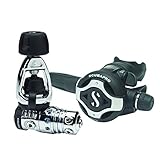
Overview: The SCUBAPRO MK25 EVO/S620 Ti represents the pinnacle of regulator technology, combining an air-balanced flow-through piston first stage with a full titanium barrel second stage. This flagship system delivers unparalleled breathing performance across all depths and conditions. Though price isn’t listed, it commands a premium position in SCUBAPRO’s lineup for serious enthusiasts and professionals.
What Makes It Stand Out: The titanium barrel construction offers exceptional corrosion resistance while reducing weight—a game-changer for travel divers. The air-balanced design maintains consistent airflow regardless of depth, tank pressure, or breathing rate. The swivel turret with four high-flow and one axial super high-flow LP ports provides unprecedented hose routing flexibility. Diver-adjustable controls let you fine-tune inhalation effort on the fly.
Value for Money: As a premium system, it justifies its higher price through materials and performance. The titanium components and advanced thermal insulation promise longevity that cheaper regulators can’t match. For technical divers or those logging 50+ dives annually, the investment pays dividends in comfort, reliability, and reduced servicing costs.
Strengths and Weaknesses: Strengths include titanium corrosion resistance, adjustable breathing effort, excellent cold-water performance, massive airflow capacity, and superior hose routing options. The compact Hi-Flow mouthpiece enhances comfort. Weaknesses include premium pricing, potentially over-featured for casual divers, and titanium requires specialized servicing knowledge.
Bottom Line: A top-tier choice for dedicated divers who demand the best. The MK25 EVO/S620 Ti excels in performance and durability, justifying its premium cost for those who prioritize breathing comfort and long-term reliability in all conditions.
3. Sherwood Scuba Blizzard Pro Cold Water and Ice Diving Regulator

Overview: The Sherwood Scuba Blizzard Pro is purpose-built for the harshest cold-water environments, making it a specialist tool for ice diving and frigid conditions. As an American-made life support system from a brand with nearly 70 years of experience, it emphasizes simplicity and absolute reliability. At $445.45, it competes directly with other cold-water focused systems.
What Makes It Stand Out: The completely dry and environmentally sealed first stage is the star feature—absolutely no water contacts internal components, eliminating freeze-up risk entirely. The “Free Parts For Life” warranty program demonstrates manufacturer confidence and promises significant long-term savings. Being Nitrox-ready up to 40% out of the box adds versatility without additional costs.
Value for Money: Exceptional value for dedicated cold-water divers. The environmental sealing provides a level of freeze protection that exceeds most competitors at this price. When factoring in lifetime parts replacement, the total cost of ownership becomes very attractive. It’s priced competitively with the SCUBAPRO MK2 Evo while offering different technical advantages.
Strengths and Weaknesses: Strengths include complete environmental sealing, proven cold-water reliability, lifetime parts warranty, Nitrox compatibility, and straightforward maintenance. The brand’s long-standing reputation inspires confidence. Weaknesses include fewer hose routing options than some competitors, non-adjustable second stage, and limited appeal for warm-water-only divers.
Bottom Line: The Blizzard Pro is a cold-water specialist’s dream—simple, reliable, and economical long-term. If you dive in freezing conditions regularly, this environmentally sealed system with its lifetime parts warranty offers peace of mind that’s hard to beat.
4. OCEANIC Delta 5 (2nd Stage) + EDX (1st Stage) | Breathing Regulator for Scuba Diving | Strong Cold-Water Performance | Available in Yoke or DIN Version | Yoke, Black
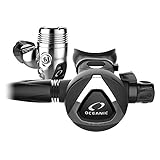
Overview: The OCEANIC Delta 5 + EDX regulator system is a robust all-purpose setup designed to perform consistently from shallow reefs to deep wrecks. Available in both Yoke and DIN configurations at $614.95, it targets intermediate to advanced divers seeking reliable cold-water capability without entering the premium price tier. The system combines rugged construction with thoughtful performance features.
What Makes It Stand Out: The integrated heat exchanger at the second stage hose connection significantly boosts cold-water performance by warming air before inhalation. The dive/pre-dive switch and dynamic airflow adjustment control provide user-friendly customization typically found on more expensive regulators. Offering both Yoke and DIN options out of the box demonstrates OCEANIC’s commitment to diver preference and future-proofing.
Value for Money: Positioned in the mid-to-upper range, it justifies its price through strong cold-water performance and versatility. The heat exchanger feature alone adds value for divers in temperate regions. While more expensive than the SCUBAPRO MK2 Evo, it offers greater adjustability and comparable freeze protection, making it a solid middle-ground investment.
Strengths and Weaknesses: Strengths include excellent cold-water performance with heat exchanger, consistent airflow at all depths, Nitrox compatibility up to 40%, mechanical purge button reliability, and configuration flexibility. The build quality matches its price point. Weaknesses include a higher price than some comparable systems, slightly heavier than titanium models, and may be more regulator than warm-water divers need.
Bottom Line: A versatile, rugged regulator that excels in varied conditions. The Delta 5 + EDX is perfect for divers who split time between warm and cold waters, offering excellent performance and features that justify its mid-tier price tag.
5. Oceanic Delta 5 2nd Stage Only | Breathing Regulator for Scuba Diving | Strong Cold-Water Performance | White
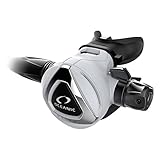
Overview: The Oceanic Delta 5 Second Stage Only is the standalone second stage from Oceanic’s popular Delta 5 system, available at $229.95 for divers needing a backup or looking to upgrade an existing first stage. It delivers the same rugged performance and cold-water features as the full system, making it a versatile addition to any diver’s kit. This option provides flexibility for those with specific configuration needs.
What Makes It Stand Out: The heat exchanger integrated into the hose connection is a standout feature for a standalone second stage at this price, significantly improving cold-water performance. The mechanical purge button ensures consistent airflow during clearing, while the dive/pre-dive switch helps manage free flows on the surface. Its compatibility with Nitrox up to 40% without modification adds immediate versatility.
Value for Money: At $229.95, it represents solid value for divers building a custom system or needing a high-quality backup. When paired with a competent first stage, it delivers performance approaching complete systems costing twice as much. The heat exchanger feature alone justifies the price premium over basic second stages.
Strengths and Weaknesses: Strengths include excellent cold-water capability with heat exchanger, reliable mechanical purge, Nitrox compatibility, and compatibility with various first stages. It’s a cost-effective upgrade path. Weaknesses include requiring a separate first stage purchase, potentially mismatched performance if paired with an inferior first stage, and lacks the integrated system optimization of a factory-matched set.
Bottom Line: An excellent choice for divers seeking a high-performance second stage for cold water without buying a complete system. The Delta 5 second stage offers premium features at a reasonable price, ideal for customizing your rig or adding a reliable backup.
6. Hanperal 145 PSI Explorer Scuba Diving Dive 2nd Stage Regulator Octopus Hookah, Hookah Dive Regulator
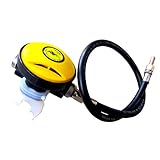
Overview: The Hanperal 145 PSI Explorer presents an ultra-budget entry into secondary regulators, primarily marketed for hookah diving systems and surface-supplied air applications. At just $24.50, this no-frills octopus offers fundamental breathing capabilities for shallow-water activities, featuring a 22-inch low-pressure hose and silicone mouthpiece. While not designed for technical or deep recreational diving, it serves as an accessible option for pool training, snorkeling extensions, or emergency backup scenarios where certification-grade equipment isn’t mandatory.
What Makes It Stand Out: This regulator’s primary distinction is its unprecedented price point, making it accessible for casual users who can’t justify premium equipment costs. The under-chin exhaust system directs bubbles laterally, improving visibility compared to basic models. The mechanically balanced design promises smoother breathing than similarly priced alternatives, while the free-flow resistance adds reliability for surface-based applications. Its hookah-specific engineering makes it uniquely suited for shallow, tank-free diving experiences.
Value for Money: At under $25, the Hanperal delivers functional breathing apparatus performance that would cost 5-10 times more from established dive brands. However, this value comes with significant caveats: unknown manufacturing standards, lack of recognized certifications, and no stated depth rating. For hookah systems, pool use, or as a disposable backup, it’s remarkably cost-effective. For certified diving, it’s false economy compared to name-brand octopus regulators starting around $150.
Strengths and Weaknesses: Pros: Unbeatable price; adequate for surface-supplied air; silicone mouthpiece comfort; lightweight design. Cons: Unknown reliability for critical applications; no specified depth rating or EN250 certification; questionable long-term durability; not suitable for primary regulator use; limited dealer support.
Bottom Line: The Hanperal serves niche applications beautifully but cannot be recommended as safety-critical scuba equipment. Purchase only for hookah systems, training aids, or non-certified shallow water activities. For actual diving, invest in a proper name-brand octopus regulator.
7. OCEANIC Delta 5 (2nd stage) + EDX (1st stage) | Breathing regulator for scuba diving | Strong cold-water performance | Available in Yoke or DIN version | DIN, White
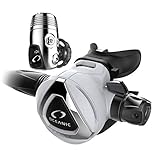
Overview: The OCEANIC Delta 5 second stage paired with the EDX first stage represents a robust mid-to-high-tier regulator system designed for versatile recreational diving. Priced at $599.95, this combination delivers consistent performance across recreational depth limits, from shallow reefs to deeper wrecks at 130 feet. The system’s rugged construction and thoughtful engineering make it suitable for both warm-water vacation diving and more demanding cold-water environments, establishing it as a reliable workhorse for serious enthusiasts.
What Makes It Stand Out: Exceptional cold-water capability distinguishes this regulator, featuring a dedicated heat exchanger at the second stage inlet to prevent freeze-up. The integrated dive/pre-dive switch and dynamic airflow adjustment provide unprecedented control over breathing resistance and help prevent free-flow on the surface. Its nitrox compatibility up to 40% offers future-proofing for enriched air training, while the choice between DIN and Yoke configurations ensures compatibility with any tank setup. Oceanic’s decades-long reputation for reliability adds confidence.
Value for Money: Positioned in the premium recreational tier, this regulator justifies its price through professional-grade features typically found in more expensive technical units. The cold-water rating eliminates the need for separate regulators for different environments, effectively saving money for divers who travel to varied locations. Compared to entry-level sets at $300-400, the enhanced performance, durability, and versatility represent solid long-term value.
Strengths and Weaknesses: Pros: Excellent cold-water performance; user-adjustable airflow; nitrox ready; reputable brand; versatile connection options. Cons: Higher price point may exceed casual diver budgets; slightly heavier than travel-specific models; may offer more performance than warm-only divers require.
Bottom Line: An excellent investment for committed divers seeking one regulator to handle all recreational scenarios. The cold-water capability and adjustability make it particularly valuable for those diving in varied conditions or planning advanced certifications.
8. Mares Rover Scuba Diving Compact 2nd Stage Octopus Regulator

Overview: The Mares Rover Octopus is a purpose-built backup regulator designed for reliability and durability in recreational diving scenarios. At $149.95, this bright-yellow secondary stage offers peace of mind as part of a complete regulator system. Built with Mares’ proven engineering, it serves as an emergency air source that performs when needed most. The compact design and robust construction make it ideal for rental fleets, training operations, and individual divers seeking a dependable safety net without premium pricing.
What Makes It Stand Out: Mares’ proprietary Vortex Assisted Design (VAD) creates a natural, smooth breathing experience uncommon in octopus regulators at this price point. The large, dynamic-hinge purge button allows effortless clearing with a single finger, even when wearing thick gloves. The Fluid Dynamic Deflector optimizes airflow path, enhancing efficiency during stressful emergency situations. Its high-visibility yellow color and 100cm rubber hose provide easy identification and adequate reach for buddy breathing scenarios.
Value for Money: This octopus hits the sweet spot between budget alternatives and over-engineered premium backups. For roughly $150, divers get name-brand reliability, advanced breathing technology, and proven durability. While more expensive than generic options, the Mares pedigree ensures EN250 certification and proper quality control. Rental shops particularly benefit from its abrasion-resistant technopolymer construction, which withstands intensive use that would destroy cheaper units.
Strengths and Weaknesses: Pros: VAD technology for smooth breathing; highly visible; durable construction; easy purge operation; trusted brand. Cons: Rubber hose is heavier and less flexible than modern braided alternatives; technopolymer may feel less premium than metal second stages; only includes second stage, not full system.
Bottom Line: A top-tier choice for a backup regulator that balances performance, durability, and cost. Ideal for recreational divers, training centers, and anyone wanting reliable emergency breathing without breaking the bank. Pair it with a quality primary for a complete, trustworthy system.
9. Dive Rite Open Water Scuba Diving Regulator Package XT (Yoke)

Overview: The Dive Rite XT Yoke Package represents a high-performance, technically-oriented regulator system built for demanding divers who refuse compromises. At $755.00, this complete set combines the XT1 first stage with the pneumatically balanced XT2 second stage, delivering professional-grade breathing performance across all recreational and technical depths. The system’s robust construction and environmentally sealed design make it equally adept in tropical waters and challenging cold-water environments, appealing to serious enthusiasts and professionals alike.
What Makes It Stand Out: The black DLC-coated brass first stage offers exceptional corrosion resistance and durability far exceeding standard chrome-plated brass. With five low-pressure and two high-pressure ports, it provides unparalleled hose routing flexibility for complex dive configurations. The pneumatically balanced second stage ensures effortless breathing regardless of depth or tank pressure, while the environmentally sealed first stage prevents ice buildup and contamination, earning it a true cold-water rating without additional modifications.
Value for Money: While priced at the high end of recreational regulators, the XT Package delivers technical-diving features that justify the investment. The DLC coating and sealed design significantly extend service intervals and lifespan, reducing long-term ownership costs. For divers progressing toward technical certifications or regularly diving in harsh conditions, this single purchase eliminates the need for future upgrades. Compared to piecing together components separately, the package pricing offers modest savings.
Strengths and Weaknesses: Pros: Superior DLC-coated construction; excellent cold-water performance; multiple ports for technical configurations; pneumatically balanced breathing; exceptional durability. Cons: Premium price exceeds most casual diver budgets; may be over-engineered for warm-water-only diving; heavier than travel-focused alternatives.
Bottom Line: A premier choice for technical divers and serious enthusiasts demanding maximum performance and longevity. The robust construction and cold-water capability make it ideal for divers who push limits and dive regularly in varied conditions. Worth every penny for the right user.
10. Sherwood Scuba Oasis Pro Diving Regulator

Overview: The Sherwood Oasis Pro addresses a common yet overlooked diving discomfort: dry mouth and throat. Priced at $243.85, this innovative regulator incorporates moisture-retaining vanes that capture humidity from exhaled breath, recirculating it to the diver. This unique approach enhances comfort during extended dives without compromising breathing performance. As a mid-range primary regulator from a brand with over 65 years of American manufacturing heritage, it offers compelling features for recreational divers seeking enhanced comfort and long-term value.
What Makes It Stand Out: The dual moisture-retaining vanes represent genuine innovation, significantly reducing “cottonmouth” during long or repetitive dives. This comfort feature is particularly valuable in dry climates or when using drysuits. The Free Parts For Life warranty program dramatically reduces long-term maintenance costs, requiring only annual service labor fees. Nitrox compatibility up to 40% comes standard, and Sherwood’s reputation for bulletproof reliability ensures consistent performance across countless dive seasons.
Value for Money: Positioned competitively in the mid-range, the Oasis Pro offers exceptional long-term value through its warranty program. While initial cost is slightly higher than basic regulators, the free parts policy can save hundreds over the regulator’s lifetime. The moisture retention feature adds tangible comfort value that competitors lack at this price point. For divers making 20+ dives annually, the warranty alone justifies the premium over entry-level options.
Strengths and Weaknesses: Pros: Innovative moisture retention system; excellent warranty program; nitrox ready; proven brand reliability; American heritage. Cons: Heavier than modern lightweight designs; fewer user adjustments than premium models; moisture system requires diligent cleaning to prevent mold.
Bottom Line: An outstanding choice for divers prioritizing comfort and long-term ownership costs. The moisture retention system genuinely improves dive experience, while the warranty provides unbeatable value for frequent divers. Ideal for recreational enthusiasts who want reliable performance without premium pricing.
Why Cold Water Demands Specialized Regulator Technology
The Physics of Freezing: Understanding Regulator Freeze-Up
When compressed air expands through a regulator’s first stage, it experiences a dramatic temperature drop due to the Joule-Thomson effect—often plummeting by 50-70°F in milliseconds. In water hovering near freezing, this creates a perfect storm for ice formation. Moisture from your exhaled breath can freeze inside the second stage, while ambient water can crystallize within the first stage’s internal chambers. The result is a regulator that free-flows uncontrollably or, worse, completely shuts down.
Environmental Sealing: Your First Line of Defense
True cold-water regulators employ environmental sealing that isolates the first stage’s spring chamber from surrounding water. This prevents ice crystals from forming on the critical moving parts that control air delivery. The seal is typically achieved through a dry cavity filled with silicone or a proprietary inert fluid that transmits ambient pressure without allowing water contact. This single feature separates recreational regulators from those rated for sub-zero operations.
Key Features That Define Cold-Water Performance
Balanced vs. Unbalanced Systems
Balanced regulators maintain consistent breathing resistance regardless of tank pressure or depth—a non-negotiable feature for cold-water diving where stress levels are already elevated. Unbalanced systems become increasingly difficult to breathe from as tank pressure drops, forcing you to work harder and generating more moisture-laden exhalation that can freeze. For any water below 50°F, a balanced first and second stage should be considered mandatory, not optional.
Downstream vs. Upstream Valve Design
Downstream valves open in the direction of airflow, meaning a failure typically results in a free-flow rather than a complete shutdown. In cold water, this fail-safe characteristic is invaluable. Upstream valves, while offering slightly better performance in warm water, can jam shut when ice forms—creating a catastrophic failure mode that has no place in extreme environments.
Heat Exchange Mechanisms
Advanced cold-water regulators incorporate heat exchangers that capture thermal energy from your exhaled breath and transfer it to the incoming air before it reaches the second stage valve. Look for metal comfo-bites with extended surface area, thermal fins on the second stage body, and first stages designed to maximize contact with relatively warmer cylinder air. These features can raise the internal temperature by 10-15°F—enough to prevent freeze-up in marginal conditions.
First Stage Considerations for Frigid Conditions
Piston vs. Diaphragm First Stages
While balanced piston designs offer exceptional performance and simplicity, diaphragm first stages dominate the cold-water market due to their superior environmental sealing capabilities. A diaphragm’s flexible membrane completely isolates the internal mechanism, creating an impenetrable barrier against freezing water. Some manufacturers now offer sealed piston systems, but they remain less common and often require more meticulous maintenance to ensure seal integrity.
The Importance of Environmental Sealing
Not all seals are created equal. The best cold-water first stages feature a redundant sealing system with both primary and secondary barriers. Pay attention to the IP (intermediate pressure) stability rating—a regulator that maintains steady IP despite temperature fluctuations is less likely to experience the pressure spikes that trigger freeze-up. Look for models that publish their performance curves at various temperatures rather than just at the standard 70°F testing environment.
Port Configuration and Hose Routing
Cold-water diving often involves multiple cylinders, dry suit inflation, and additional accessories. A first stage with at least two high-pressure ports and five low-pressure ports provides the flexibility needed for complex configurations. Consider the physical orientation of the ports—swivel turret designs allow optimal hose routing that minimizes stress on connections and reduces the risk of kinking in thick gloves.
Second Stage Innovations for Ice Diving
Venturi-Assisted Breathing
The Venturi effect can be a double-edged sword in cold water. While it reduces breathing effort, an overly aggressive Venturi can cause persistent free-flows when ice particles interfere with the valve. Modern cold-water second stages feature adjustable Venturi controls that allow you to dial back the effect in extreme conditions. Some designs incorporate a pre-dive/dive switch that physically blocks the Venturi port until you’re ready to descend.
User-Adjustable Controls
A diver-adjustable inhalation effort knob lets you increase spring tension on the valve seat, making it less sensitive to ice-induced free-flows. In pristine tropical conditions, you might want ultra-light breathing. In 32°F water under ice, you’ll want a slightly firmer breath to prevent accidental activation. This adjustability also allows you to compensate for the increased density of cold air, which can make breathing feel more labored.
Metal vs. Plastic Components
Metal second stages—particularly those machined from brass or titanium—act as superior heat sinks, drawing thermal energy from the surrounding water and your exhalations. While high-tech polymers reduce weight and resist corrosion, they lack the thermal conductivity needed for serious cold-water work. The ideal compromise is a metal body with polymer internal components where thermal transfer isn’t critical.
Material Science in Sub-Zero Environments
Chrome-Plated Brass vs. Titanium
Chrome-plated brass has been the industry standard for decades, offering excellent durability and thermal properties at a reasonable cost. However, titanium regulators are gaining traction for extreme cold-water applications due to their superior strength-to-weight ratio and exceptional corrosion resistance. Titanium’s lower thermal conductivity is actually advantageous—it doesn’t chill as quickly when you first enter the water, reducing the initial shock to the system.
Polymer Composites and Cold Resistance
Not all plastics are suitable for sub-zero use. Standard nylon becomes brittle below 20°F, while specialized PEEK (polyetheretherketone) and Delrin components maintain flexibility to -40°F. When evaluating regulators, ask about the specific polymers used in o-rings, valve seats, and housing components. A regulator is only as reliable as its most temperature-sensitive part.
The Role of DIN vs. Yoke Connections in Cold Water
Pressure Integrity in Extreme Conditions
DIN connections screw directly into the valve, creating a metal-to-metal seal that’s far more secure than a yoke’s o-ring compression system. In cold water, o-rings stiffen and lose elasticity, increasing the risk of leaks or blowouts with yoke configurations. The 300-bar DIN standard provides an additional safety margin, maintaining seal integrity even if ice particles interfere with the connection. For any serious cold-water diving, DIN isn’t just recommended—it’s essential.
Breathing Resistance and Work of Breathing (WOB)
What the Numbers Mean for Real-World Diving
Work of Breathing is measured in joules per liter and represents the energy you expend to breathe through the regulator. While warm-water regulators might perform adequately at 1.5 J/L, cold-water models should register below 1.0 J/L at 200 feet and 500 psi tank pressure. More importantly, examine the WOB curve—regulators that maintain low resistance across the entire breathing cycle (inhalation and exhalation) reduce CO2 retention, a serious risk when dealing with the physiological stress of cold exposure.
Maintenance Protocols for Cold-Water Regulators
Pre-Dive Preparation
Cold-water regulators demand meticulous pre-dive inspection. Check for condensation inside the second stage by removing the exhaust valve and looking for moisture—any water present will freeze instantly at depth. Lubricate o-rings with cold-rated silicone grease rated to -60°F. Perform a positive and negative pressure test in a controlled environment, listening for the slightest hiss that indicates a seal compromise.
Post-Dive Care to Prevent Ice Crystal Formation
Never rinse your regulator with hot water immediately after a cold dive—the thermal shock can cause micro-fractures in metal components and degrade seals. Instead, use lukewarm water (below 80°F) and thoroughly flush the system while pressurized. Pay special attention to the exhaust valve area, where salt crystals and ice particles can accumulate. Allow the regulator to air dry completely before storage, and never pack it while still damp.
Certification Standards: What CE EN250A Really Means
Understanding Testing Parameters
The CE EN250A standard specifically tests regulators at 4°C (39°F) with a breathing rate of 62.5 liters per minute—simulating a stressed diver. However, many manufacturers now conduct supplementary testing at -2°C (28°F) to earn the “cold water” designation. Look for regulators that provide test data at multiple temperatures, not just the minimum certification threshold. The “A” rating indicates suitability for temperatures below 10°C, but true ice diving demands performance well beyond this baseline.
The Price-Performance Paradigm
Investment vs. Longevity
A premium cold-water regulator represents a decade-long investment. While the initial cost may be double that of a warm-water unit, the amortized expense over 500 dives is negligible compared to the safety margin gained. Consider the regulator’s service interval—models requiring annual service may cost more long-term than those with biennial maintenance schedules. Factor in the availability of cold-water specific service kits; some manufacturers use different o-rings and lubricants for their extreme environment models.
Common Mistakes Cold-Water Divers Make
Misconceptions About “Good Enough” Gear
Many divers mistakenly believe they can adapt a warm-water regulator by adding a cold-water kit. While aftermarket environmental seals exist, they can’t retrofit fundamental design limitations. Another frequent error is prioritizing breathing comfort over freeze resistance—a regulator that breathes like a dream at 70°F may free-flow incessantly at 35°F. Never assume that “cold water rated” means “ice diving approved”; these are distinct categories with vastly different engineering requirements.
Integrating Your Regulator with Cold-Water Systems
Octopus Configuration
Your alternate air source needs the same cold-water protection as your primary. Configure your octopus on a longer hose (typically 40-42 inches) routed under your arm for ice diving, ensuring it’s accessible without creating a free-flow hazard. Some divers opt for a redundant air supply with its own dedicated first stage rather than a traditional octopus, eliminating the single-point-of-failure risk.
BCD and Dry Suit Inflator Hoses
Cold-water BCD and dry suit inflators can freeze open, causing uncontrolled ascents. Use regulators with dedicated low-pressure ports for these accessories, and consider installing flow restrictors. Some technical divers run their inflators through a separate, environmentally sealed first stage to isolate this failure mode from their primary breathing system.
The Future of Cold-Water Regulator Technology
Emerging Innovations on the Horizon
The next generation of cold-water regulators is exploring active heating elements powered by thermal electric generators that harvest energy from the pressure differential. Phase-change materials that store heat from your exhalation and release it during inhalation are being integrated into second stage designs. Look for “smart” regulators with temperature sensors that automatically adjust valve tension based on ambient conditions—technology borrowed from aerospace applications is finally making its way into dive equipment.
Environmental Responsibility in Cold-Water Diving
Sustainable Manufacturing and Durability
The most environmentally friendly regulator is one that never needs replacement. Choose manufacturers with robust repair programs and readily available parts. Some companies now offer carbon-neutral production and recyclable packaging. Consider the environmental impact of service intervals—regulators that require less frequent maintenance reduce the consumption of solvents, lubricants, and replacement parts. Your purchasing decision directly influences industry practices.
Making Your Final Decision: A Holistic Approach
Personal Fit and Comfort Testing
The best regulator on paper means nothing if it doesn’t fit your mouth comfortably or feels awkward in your hand. Visit a dive shop that maintains a cold-water test tank (kept at 40°F or below) and request a pool demo. Test the regulator at various tank pressures and breathing rates. Simulate a stressed diver by breathing rapidly and deeply—this is when freeze-ups typically occur. Trust your instincts; if something feels off during a controlled test, it will fail you when it matters most.
Frequently Asked Questions
What temperature range defines “cold water” for regulator selection?
Cold water technically begins at 60°F, but regulators specifically rated for cold water are tested to perform reliably at 39°F (4°C) per CE EN250A standards. For ice diving in sub-freezing conditions, you need regulators tested and proven at temperatures below 32°F (0°C). Always match your regulator’s certification to the actual conditions you’ll encounter, not just the season.
Can I use a warm-water regulator with a cold-water kit for winter diving?
This is highly discouraged. Aftermarket environmental seals can’t address fundamental design elements like heat exchange capacity, valve geometry, and material selection. While a conversion kit might prevent immediate freeze-up, it won’t provide the redundant safety features engineered into true cold-water regulators. Think of it as adding snow tires to a sports car—you’re still driving a vehicle not designed for the conditions.
How often should I service a cold-water regulator compared to a warm-water model?
Cold-water regulators typically require service every 12 months or 100 dives, whichever comes first—more frequently than the 24-month interval common for warm-water gear. The extreme temperature cycles accelerate o-ring degradation and lubricant breakdown. If diving in saltwater conditions, consider servicing every 6 months due to the corrosive combination of salt and ice.
What is the most common failure point in cold-water regulators?
The second stage exhaust valve is the Achilles’ heel. Ice crystals form on the flexible silicone valve, preventing it from sealing properly and causing a continuous free-flow. The second most common failure is ice formation on the first stage piston or diaphragm seat, which can cause either free-flow or complete shutdown depending on the valve design.
Is a heavier regulator better for cold-water diving?
Generally, yes. The additional mass of metal components—particularly in the second stage—provides greater thermal inertia, meaning it takes longer to chill to ambient temperature. This thermal mass also serves as a heat sink, absorbing warmth from your exhalations. However, the weight should be strategically distributed; a heavy second stage with a poorly designed mouthpiece can cause jaw fatigue.
Should I choose a piston or diaphragm first stage for ice diving?
Diaphragm first stages are overwhelmingly preferred for ice diving due to their inherent environmental sealing. While sealed piston designs exist, they require more precise manufacturing tolerances and are more susceptible to damage from ice particles. For dives where access to the surface is limited (like cave diving under ice), the reliability of a diaphragm is non-negotiable.
What role does tank pressure play in regulator freeze-up risk?
Higher tank pressures (above 2500 psi) increase the pressure differential across the first stage, resulting in greater temperature drops during expansion. This makes freeze-up more likely when the tank is full. Some technical divers start with a slightly lower fill (3000 psi instead of 3442 psi) for the first dive of the day when temperatures are coldest, then refill for subsequent dives as ambient temperature rises.
How do I test a regulator’s cold-water performance before buying?
Request a demonstration in a controlled cold-water environment maintained at or below 40°F. Perform a “freeze test” by simulating a heavy breathing rate (30+ breaths per minute) for two minutes while monitoring for any change in breathing resistance. Check the manufacturer’s published WOB (Work of Breathing) curves at temperatures below 50°F. Reputable dealers should provide this data without hesitation.
Are DIN connections really necessary for cold-water diving?
For any water below 45°F, DIN connections are strongly recommended. The metal-to-metal seal is more reliable when o-rings become stiff, and the threaded connection is less likely to be compromised by ice particles. The 300-bar DIN standard provides an additional safety margin. Many cold-water divers consider yoke connections an unacceptable risk in sub-zero conditions.
Can I use the same regulator for both warm and cold water diving?
While a quality cold-water regulator will perform beautifully in tropical conditions, the reverse is not true. If you primarily dive cold water but occasionally travel warm, a single cold-water-rated regulator is a wise investment. However, if you mostly dive warm and only occasionally venture into cooler temperatures, the additional weight and cost of a dedicated cold-water regulator may not be justified unless those cooler dives are particularly demanding or remote.