The home fitness revolution has evolved far beyond dusty treadmills in the corner of a bedroom. Today’s interactive cycling experience brings studio-quality instruction, community motivation, and data-driven performance tracking directly into your living space. As we approach 2026, the market for Peloton-style spin bikes has matured into a sophisticated ecosystem where hardware precision meets immersive software, creating workouts that rival—and often surpass—the boutique studio experience.
But here’s what most guides won’t tell you: the magic isn’t in the logo on the frame. It’s in the nuanced engineering decisions that determine whether your bike becomes a daily ritual or an expensive clothes rack. This comprehensive guide strips away marketing hype to examine the critical specifications, ergonomic principles, and technological integrations that separate exceptional spin bikes from mediocre imitations. Whether you’re a data-obsessed athlete or a beginner seeking sustainable fitness habits, understanding these fundamentals will transform how you evaluate every bike you encounter.
Top 10 Spin Bikes for Peloton-Style Classes
Detailed Product Reviews
1. Peloton Exercise Cross Training Bike, Indoor Stationary Spin Bike for Home Workouts, Space-Friendly Exercise Equipment for Cardio and strength Workout & Indoor Cycling

Overview: The Peloton Cross Training Bike represents the brand’s evolution beyond pure cycling into a comprehensive home fitness hub. This indoor stationary bike integrates seamlessly with Peloton’s extensive library of cardio, strength, yoga, and Pilates content through its innovative rotating display, positioning itself as an essential partner for well-rounded fitness routines.
What Makes It Stand Out: The 360° HD swivel screen fundamentally transforms the user experience, enabling smooth transitions between cycling and floor-based workouts without awkward equipment repositioning. AI-driven personalized weekly plans and class recommendations demonstrate Peloton’s commitment to adaptive fitness, while performance estimates provide tangible progression metrics that keep users engaged long-term across 15+ workout types.
Value for Money: At $1,445, this premium bike commands significant investment. However, when compared to $100+ monthly boutique fitness memberships or assembling separate equipment for cross-training, the math becomes compelling for committed users. The build quality and integrated ecosystem justify the cost over budget alternatives that lack sophisticated software integration and content depth, making it space-friendly and cost-effective for dedicated home fitness enthusiasts.
Strengths and Weaknesses: Strengths include exceptional build quality, an unmatched content ecosystem, and the game-changing swivel screen that enables true cross-training. The personalized programming eliminates decision fatigue. Weaknesses center on the high upfront cost and mandatory $44/month subscription, adding $528 annually. The narrow handlebar adjustment range may frustrate taller riders, and the proprietary ecosystem locks you into Peloton’s world.
Bottom Line: This bike shines for dedicated home fitness enthusiasts seeking variety beyond cycling. If you’ll utilize the cross-training content regularly and value premium construction, it’s worth the investment. Casual riders or cycling purists should consider more focused, less expensive options.
2. Oversized Bike Seat for Peloton Bike & Bike+, Comfort Seat Cushion Compatible with Peloton, Road or Exercise Bikes, Bicycle Wide Saddle Replacement for Men & Women, Accessories for Peloton
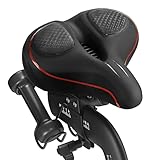
Overview: This oversized bike seat addresses the most common complaint among indoor cyclists: discomfort from narrow factory saddles. Designed as a direct replacement for Peloton’s standard seat, it promises to transform painful rides into comfortable sessions through ergonomic engineering and premium materials that reduce pressure and discomfort.
What Makes It Stand Out: The seat’s generous dimensions and high-density foam padding with dual elastomer spring suspension create a plush riding experience without sacrificing stability. The central ventilation channel and breathable PU leather construction actively combat sweat buildup during intense sessions. Its universal rail design ensures compatibility across Peloton models and most standard exercise bikes, making it a versatile upgrade for any indoor cycling setup.
Value for Money: At $33.99, this seat delivers exceptional value. The cost represents less than 3% of the bike’s price while solving the primary barrier to consistent training: pain. Compared to suffering through break-in periods or purchasing multiple gel covers that shift during rides, this one-time investment pays dividends in comfort and consistency from day one, making every workout smoother and more enjoyable.
Strengths and Weaknesses: Strengths include immediate comfort improvement, straightforward installation with included guides, effective shock absorption, and waterproof durability. The wider profile genuinely reduces pressure points. Weaknesses include a bulkier aesthetic that may not appeal to performance-focused riders, potential thigh rubbing for cyclists with narrow hip structures, and foam that may compress over time with heavy use. The seat adds slight weight compared to minimalist saddles.
Bottom Line: This seat is essential for riders prioritizing comfort over racing aesthetics. If tailbone pain or numbness has limited your ride duration, this upgrade will revolutionize your experience. Performance cyclists seeking aggressive positioning should look elsewhere.
3. Dual Function Toe Cages for Peloton Bike - Convert Peloton Pedals to Two Sided Toe Cages - Ride with Sneakers or Peloton Shoes - Accessory for Peloton Bike - Fits All Peloton Bikes

Overview: These dual-function toe cages solve a fundamental Peloton limitation: the inability to ride with regular sneakers without swapping pedals entirely. This clever accessory bolts directly to existing Peloton pedals, creating a two-sided system that accommodates both cycling shoes and athletic footwear for ultimate versatility.
What Makes It Stand Out: The true innovation lies in the seamless, tool-free transition between sneaker and cleat modes. This eliminates the frustrating shoe changes during bootcamp-style workouts that alternate between bike and floor exercises. The robust construction maintains pedal integrity while providing secure cage support for casual riders, making it ideal for households with mixed commitment levels and perfect for couples and families sharing a bike.
Value for Money: For $39.99, this accessory delivers disproportionate convenience value. The alternative—purchasing separate flat pedals and constantly switching them—costs more and wastes time. For families or couples sharing one bike, it eliminates the need for multiple shoe investments. Hotels and gyms benefit from accommodating guests who don’t own cycling shoes, making it a must-have gift for Peloton riders.
Strengths and Weaknesses: Strengths include one-time installation, rock-solid stability, perfect compatibility across all Peloton models, and the included tool kit. The cage design provides adequate sneaker grip for moderate intensity. Weaknesses include slightly reduced ground clearance that may cause occasional scrapes, added weight that purists will notice, and cages that feel less precise than dedicated flat pedals. The black finish may show wear over time.
Bottom Line: A must-have for multi-user households or bootcamp enthusiasts. If you’ve ever delayed a workout because finding your cycling shoes felt like too much effort, this removes every excuse. Dedicated solo riders who never deviate from cleats can skip it.
4. Womens Cycling Shoes Compatible with Peloton Bike Clip in Ladies Indoor Cycling Road Bike Riding Biking Shoes, Pre-Installed Delta Cleats Size 6.5 Black Pink

Overview: These women’s cycling shoes from Kyedoo offer a budget-friendly alternative to Peloton’s official footwear, arriving with pre-installed Delta cleats and multi-system compatibility. They target cost-conscious riders unwilling to sacrifice performance for price, providing a safe riding choice with optimal stiffness.
What Makes It Stand Out: The inclusion of pre-installed Delta cleats eliminates a $25-50 additional expense and complicated installation process. The 2-bolt and 3-bolt reinforced outsole design provides rare versatility, working with Peloton, Shimano SPD, SPD-SL, and Look systems—perfect for riders who frequent multiple studios or own different bikes. The quick-drying mesh upper addresses overheating concerns common in budget footwear.
Value for Money: At $55.99, these shoes cost less than half of Peloton’s official option while delivering comparable functionality. The pre-installed cleats alone justify the price premium over bare shoes. For riders uncertain about long-term cycling commitment, this represents a low-risk entry point to clip-in performance benefits without brand tax, maximizing power transfer comfort while cycling.
Strengths and Weaknesses: Strengths include exceptional cross-compatibility, included cleats, breathable design, and carbon fiber-reinforced outsole stiffness that efficiently transfers power. The adjustable buckle system provides secure fit. Weaknesses include sizing inconsistencies requiring careful measurement, narrower fit that may discomfort wide feet, and durability questions about long-term strap and sole integrity. The aesthetic lacks Peloton’s polished branding appeal.
Bottom Line: Ideal for beginners or budget-savvy cyclists wanting clip-in benefits without premium pricing. If you ride multiple bike systems or want backup shoes, these deliver outstanding value. Daily riders prioritizing longevity and perfect Peloton integration should invest in official shoes.
5. Peloton Cycling Shoes for Peloton Bike and Bike+ with Delta-Compatible Bike Cleats - Size EU 40 / Size US 9 Women / 7 Men

Overview: Peloton’s official cycling shoes represent the brand’s holistic approach to ecosystem integration, designed specifically to optimize the Bike and Bike+ experience. These shoes promise seamless clipping, ideal power transfer, and the refined aesthetics expected from premium fitness equipment with assembly required and tools included.
What Makes It Stand Out: The meticulous Peloton-specific engineering ensures flawless delta cleat alignment and effortless entry/exit from pedals—a subtle but significant advantage over third-party options. The quick ratchet clip combined with hook-and-loop straps creates a micro-adjustable fit that maintains security during intense sprints. Mesh ventilation zones positioned precisely where Peloton riders need them most demonstrate thoughtful design iteration based on user data.
Value for Money: At $125, these shoes command a 120% premium over compatible alternatives. The value proposition rests entirely on guaranteed compatibility, proven durability, and cohesive brand experience. For riders logging 5+ weekly sessions, the investment amortizes quickly. Casual users face diminishing returns compared to sub-$60 options, though the stiff sole allows for direct and optimal power transfer without discomfort.
Strengths and Weaknesses: Strengths include true-to-size fit (with sizing guidance), exceptional build quality, perfect cleat positioning, superior ventilation, and stiff sole efficiency. The narrow-to-normal fit profile suits performance-oriented riders. Weaknesses include limited versatility—Delta-only compatibility restricts use with other bike systems—and the high price point. The aesthetic, while sleek, shows scuffs more readily than darker alternatives.
Bottom Line: Worthwhile for dedicated Peloton enthusiasts who prioritize seamless integration and proven longevity. If you ride daily and value hassle-free performance, these justify their premium. Occasional riders or those using multiple bike systems should consider more versatile, affordable alternatives.
6. BV Bike Pedals Look Delta Compatible 9/16’’ with Toe Clips - Peloton Pedals for Regular Shoes - Toe Cages for Peloton Bike - Exercise Bike Pedals - Universal Fit Bicycle Pedal

Overview: These BV pedals offer a hybrid solution for Peloton riders seeking versatility. They combine Look Delta clip-in compatibility with integrated toe cages, allowing seamless switching between cycling shoes and regular sneakers. Constructed with an ED-painted aluminum body and reinforced nylon straps, they’re engineered for indoor cycling durability.
What Makes It Stand Out: The dual-functionality is the headline feature—pre-installed toe clips that can be removed if desired. This flexibility makes them ideal for households where multiple riders share one bike but prefer different footwear. The adjustable nylon traps accommodate various shoe sizes while maintaining security.
Value for Money: At $39.99, these sit comfortably below official Peloton replacements while delivering comparable functionality. Competing hybrid pedals typically run $45-60, making this a cost-effective choice for budget-conscious riders wanting professional features without premium pricing.
Strengths and Weaknesses: Pros include versatile shoe compatibility, straightforward installation on 9/16" spindles, durable construction, and easily removable cages. The anti-slip platform provides confident footing. Cons: Nylon straps may wear faster than metal alternatives, and tension adjustment is less refined than high-end models. Some users report the cages feel slightly bulky compared to dedicated platform pedals.
Bottom Line: Perfect for Peloton owners wanting maximum flexibility. If your household mixes clipped and non-clipped riders, these pedals eliminate the need for constant swaps. They deliver reliable performance at a reasonable price point, though serious cyclists might eventually upgrade to full dual-sided SPD/Look systems.
7. The Pivot for Peloton Bike Screens, Made in USA - 360 Degree of Movement Adjuster | Easily Adjust & Rotate Your Peloton Monitor | Peloton Accessories by TFD

Overview: The TFD Pivot transforms your stationary Peloton into a more versatile workout station by adding 360-degree screen rotation. Designed and manufactured in the USA, this swivel mount addresses a fundamental limitation of the fixed Peloton display, enabling seamless transitions between on-bike and floor exercises.
What Makes It Stand Out: Unlike basic pivots, TFD’s proprietary lock nut prevents loosening over time—a common failure point in cheaper alternatives. The torque screw customization allows users to adjust resistance to their preference. The hard anodized coating provides exceptional durability, while the sleek design integrates naturally with Peloton’s aesthetic.
Value for Money: At $44.99, it’s priced higher than generic imports but delivers superior engineering and domestic quality control. Considering it enables functional training, yoga, and strength work without awkward screen viewing angles, the investment pays dividends in workout variety. Cheaper pivots often require frequent retightening or replacement.
Strengths and Weaknesses: Pros include full 360-degree movement, robust construction, tool-free installation, and lifetime support. The design is rider-tested for real-world durability. Cons: Limited to Original Peloton and Gen 3 or older models—Bike+ owners needn’t apply. The premium price may deter casual users. Some may find the adjustment screw requires periodic fine-tuning.
Bottom Line: An essential upgrade for serious Peloton users incorporating off-bike workouts. The build quality justifies the cost over budget alternatives, and the Made-in-USA craftsmanship ensures longevity. If you regularly transition from cycling to floor work, this pivot eliminates frustration and enhances safety.
8. Phone Holder Compatible with Peloton Bike & Bike Plus - Secure Fit and Easy One-Hand Operation - 360 Degree Rotation - Mount for Stationary Exercise Bikes - Compatible with iPhone & Android Phones.

Overview: This handlebar-mounted phone holder keeps your device within easy reach during Peloton workouts. Compatible with both original Bike and Bike+, it offers a stable platform for accessing apps, music, or messages without interrupting your ride. The tool-free design promises straightforward installation.
What Makes It Stand Out: The one-handed quick-release mechanism sets this apart from cumbersome clamp systems. Combined with 360-degree rotation, it allows effortless switching between portrait and landscape viewing. The rubberized grip accommodates various phone sizes while dampening vibrations that cause screen shake.
Value for Money: At $19.99, it’s an affordable convenience upgrade. Comparable holders range from $15-30, but few match the Peloton-specific fit and stability claims. For riders who multitask or follow external training apps, the price represents solid value.
Strengths and Weaknesses: Pros include secure mounting, easy one-hand operation, universal phone compatibility, and stable viewing angles. Installation takes seconds without tools. Cons: Plastic construction may degrade over time with heavy use. The mount can slightly obscure the Peloton’s built-in screen edges. Riders with bulky cases may need to remove them for proper fit. It adds minimal handlebar clutter but could interfere with grip positions.
Bottom Line: A practical accessory for connected riders. If you stream music, take calls, or use companion apps during workouts, this holder delivers convenience without compromise. While not essential, it enhances the Peloton experience for multitaskers. Choose this over generic mounts for guaranteed Bike/Bike+ compatibility.
9. YBEKI Pro-Grade Exercise Bike Pedals - 9/16" & 1/2" Spindle, Adjustable Straps | Fits Peloton/Schwinn/Spin Bikes, Anti-Slip, 500lb Capacity (9/16"(14.3mm) Spindles
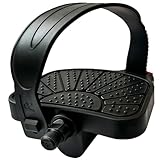
Overview: YBEKI’s pro-grade pedals target serious cyclists needing maximum durability and weight capacity. Engineered for high-intensity training, these pedals support up to 500 pounds while delivering enhanced grip through diamond-cut tread patterns. The 9/16" spindle fits most exercise bikes including Peloton, Schwinn, and Bowflex models.
What Makes It Stand Out: The military-grade construction promises 30% more impact resistance than standard pedals, while ASTM B117 salt spray testing ensures corrosion resistance. The tool-free installation is genuinely innovative—simply hand-thread with clear L/R markings. A lifetime replacement guarantee demonstrates manufacturer confidence.
Value for Money: At $21.99, these dramatically undercut competitors offering similar durability claims. Premium pedals with comparable specs often exceed $50. The included warranty eliminates replacement costs, making this exceptional long-term value.
Strengths and Weaknesses: Pros include exceptional durability, 500lb capacity, foolproof installation, aggressive grip texture, and outstanding warranty coverage. The 21-position strap adjustment provides precise fit. Cons: Marketing language (“military-grade”) may oversell actual performance. The aggressive tread could be uncomfortable for barefoot use. Despite title mention, only 9/16" spindles are confirmed compatible—1/2" users should verify before purchase.
Bottom Line: Ideal for heavy users or high-intensity riders demanding reliability. The combination of durability, ease of installation, and lifetime warranty makes this a no-brainer upgrade over stock pedals. Even casual riders benefit from the secure grip and hassle-free setup. Verify your spindle size, then buy with confidence.
10. Bikeroo Comfort Bike Seat Cushion - Black Narrow Padded Gel Cover for Exercise, Mountain & Road Bikes, Universal Fit for Peloton & Stationary Bikes

Overview: The Bikeroo gel seat cushion offers an instant comfort upgrade for uncomfortable bike saddles. Designed for Peloton and universal bike compatibility, this slip-on cover adds approximately one inch of gel padding to reduce pressure on sit bones and absorb road vibrations. Multiple sizes ensure proper fit for various saddle shapes.
What Makes It Stand Out: The thick gel cushioning conforms to your anatomy while maintaining support, differentiating it from thin foam alternatives. The thoughtful sizing system—including a narrow option specifically for performance saddles—demonstrates attention to rider needs. The anti-slip interior surface minimizes shifting during intense rides.
Value for Money: At $14.99, it’s a fraction of the cost of a new saddle. Entry-level comfort saddles start at $40+, making this a budget-friendly trial solution. For riders uncertain about committing to a permanent saddle change, the cushion provides risk-free comfort improvement.
Strengths and Weaknesses: Pros include immediate comfort enhancement, easy tool-free installation, durable polyester cover, multiple size options, and universal compatibility. The gel effectively reduces numbness and fatigue. Cons: Adds seat height, requiring post adjustment. Can retain heat during long sessions. May shift slightly on heavily contoured saddles despite anti-slip coating. The narrow style still adds bulk that purists might dislike. Durability depends on usage frequency.
Bottom Line: Perfect for riders experiencing saddle discomfort who aren’t ready to replace their seat. The narrow version particularly suits Peloton’s stock saddle shape. While not a permanent fix for serious cyclists, it transforms painful rides into enjoyable sessions at minimal cost. Measure carefully and expect to readjust seat height.
Understanding the Peloton-Style Home Fitness Revolution
What Defines a Peloton-Style Experience?
The term “Peloton-style” has become shorthand for a specific convergence of features: live and on-demand classes, real-time performance metrics, leaderboards, and instructor-led motivation delivered through a screen. However, the core experience hinges on three non-negotiable elements: seamless app integration, accurate metric tracking, and a ride feel that mimics outdoor cycling dynamics. Without these, you’re left with a basic exercise bike that simply plays videos.
How Interactive Cycling Transforms Home Workouts
The psychological shift from passive pedaling to engaged training is profound. When your bike communicates cadence, resistance, and power to an app that responds with personalized coaching, you’re no longer just exercising—you’re participating. This two-way data flow creates accountability and progression that static cardio equipment cannot replicate. The bike becomes a portal to structured training programs, virtual communities, and measurable improvement.
Core Technical Specifications That Matter
Flywheel Weight: Finding Your Sweet Spot
The flywheel’s weight directly impacts ride feel, but heavier isn’t automatically better. Commercial-grade bikes typically feature 40-50 pound flywheels that generate substantial momentum, creating that smooth, road-like sensation. However, advanced perimeter-weighted designs can achieve similar kinetic energy with 30-35 pounds, reducing overall bike weight without sacrificing fluidity. For home use, anything below 30 pounds may feel choppy during high-cadence intervals, while flywheels exceeding 50 pounds add unnecessary heft and can accelerate bearing wear.
Resistance Systems: Magnetic vs. Friction
Magnetic resistance has become the gold standard for premium spin bikes, and for good reason. It operates through eddy currents—magnets move closer to or farther from the flywheel without physical contact, creating silent, consistent resistance that won’t degrade over time. Friction pads, typically felt or leather, press directly against the flywheel. While they offer a lower entry price, they generate noise, require replacement every 6-12 months, and produce inconsistent resistance as pads wear unevenly. For Peloton-style classes where instructors call out specific resistance ranges, magnetic systems provide the precision necessary to follow cues accurately.
Drive Mechanisms: Belt vs. Chain
Belt drive systems, reinforced with carbon fiber or polyurethane, dominate the home market for three critical reasons: they’re whisper-quiet, maintenance-free, and transfer power more efficiently than chains. A quality belt drive eliminates the metallic rattle that can disrupt your immersive class experience. Chain drives, while authentic to outdoor cycling, demand regular lubrication and tension adjustments—tasks most home users neglect, leading to premature wear and noisy operation.
Build Quality and Stability
Frame Construction and Materials
Look beyond the paint job. High-quality spin bikes use thick-gauge steel tubing (typically 2mm or greater wall thickness) with robotic welds that ensure structural integrity under dynamic loads. Aluminum frames, while lighter, can flex during aggressive sprints, affecting power transfer and stability. The critical stress points—bottom bracket junction, seat post insertion, and handlebar stem—should show reinforced gusseting or double-welded seams. Powder-coated finishes resist sweat corrosion far better than standard paint.
Weight Capacity and User Limits
Manufacturers’ stated weight limits often reflect static load testing, not the dynamic forces generated during a 300-watt sprint. A 250-pound user can exert vertical and lateral forces exceeding 400 pounds when climbing out of the saddle. For robust long-term performance, select a bike rated at least 50 pounds above your body weight. This buffer accounts for dynamic loading and indicates a stronger frame and higher-quality components.
Stability During High-Intensity Efforts
Stability isn’t just about total bike weight—it’s about weight distribution. Premium designs position the flywheel forward of the bottom bracket and use asymmetrical frame geometry to counteract the lateral forces generated during out-of-saddle efforts. Adjustable leveling feet with substantial rubber pads are non-negotiable; they prevent rocking on uneven floors and absorb vibrations that can travel through apartment buildings.
Ergonomics and Bike Fit
Multi-Point Adjustability Essentials
A proper spin bike must offer micro-adjustability in four dimensions: seat height, seat fore/aft position, handlebar height, and handlebar fore/aft reach. Look for indexed adjustment systems with clear markings—this allows you to document your perfect fit and return to it after sharing the bike with family members. Cheap bikes often skimp on fore/aft handlebar adjustment, forcing taller riders into cramped positions that cause lower back strain during long classes.
Q-Factor: The Biomechanics Behind Comfort
Q-factor—the horizontal distance between pedal attachment points—remains one of the most overlooked yet critical specifications. Road bikes typically measure 150mm; many spin bikes exceed 200mm, forcing your feet wider than your hips’ natural alignment. This lateral displacement increases knee valgus stress and hip impingement risk. Premium bikes designed for Peloton-style classes have narrowed Q-factors to 170-180mm, dramatically improving biomechanical efficiency and reducing injury potential.
Pedal Systems and Cleat Compatibility
The pedal interface determines power transfer efficiency and foot stability. Dual-sided pedals offering both SPD cleat compatibility and adjustable toe cages provide maximum flexibility—ride clipped-in for performance or in sneakers for casual sessions. If you already own road cycling shoes with Look Delta or SPD-SL cleats, verify the bike’s crank arms accept standard 9/16" pedal threading for easy swaps. Some budget models use proprietary pedal mounts that lock you into limited options.
Technology and Connectivity
Integrated Displays vs. BYOD Setups
Built-in screens offer convenience but sacrifice flexibility. A 21-inch HD display that’s permanently fixed becomes obsolete when app interfaces evolve or you want to try competing platforms. BYOD (Bring Your Own Device) setups—essentially a sturdy tablet holder—let you upgrade your screen size, resolution, or operating system without replacing the entire bike. For the tech-savvy user, this future-proofs your investment and often costs significantly less.
Bluetooth and ANT+ Protocols
Your bike must broadcast metrics via both Bluetooth FTMS (Fitness Machine Service) and ANT+ to ensure universal app compatibility. Many bikes only transmit proprietary Bluetooth signals, locking you into their limited ecosystem. Dual-protocol bikes seamlessly connect to Zwift, TrainerRoad, Peloton, and dozens of other platforms simultaneously. Test this before purchasing: download the free “nRF Connect” app to verify what data streams your bike actually broadcasts.
Third-Party App Compatibility
Beyond Peloton, consider whether the bike plays nice with Zwift’s gamified racing, TrainerRoad’s structured intervals, or Wahoo SYSTM’s comprehensive training plans. Some manufacturers artificially restrict data output to force subscription lock-in. The best bikes function as open platforms, transmitting raw power, cadence, and speed data that any app can interpret. This flexibility becomes crucial as your fitness goals evolve beyond studio classes.
Performance Tracking and Metrics
Power Accuracy and Calibration
Power measurement separates toys from training tools. Wheel-on power estimates, calculated from flywheel speed and resistance position, can deviate by 15-20% from actual output. Direct power measurement at the crank or pedals, using strain gauges, delivers accuracy within 1-3%. For Peloton-style classes where instructors reference specific wattage zones, this precision matters. Look for bikes that allow user calibration—without it, power readings drift as bearings break in and belts stretch.
Cadence and Heart Rate Integration
Cadence sensors should update at least once per second; slower refresh rates make it impossible to maintain steady RPM during rhythm rides. Heart rate monitoring requires both Bluetooth and ANT+ transmission to accommodate chest straps, arm bands, and smartwatches. Some bikes include handlebar EKG grips, but these lose accuracy during sweaty efforts. The best setup uses a dedicated chest strap for medical-grade precision.
Practical Setup Considerations
Space Requirements and Bike Footprint
Beyond the bike’s stated dimensions, account for handlebar width (often 2-3 inches wider than the frame) and your body envelope during out-of-saddle efforts. You’ll need 24 inches of clearance on each side for safety and 36 inches behind the bike for dismounting. Ceiling height matters too: if you’re over 6 feet tall, ensure at least 8-foot ceilings to avoid hitting your head during climbs. Measure your space with painter’s tape before ordering.
Flooring Solutions and Vibration Control
Hardwood and tile floors transmit vibration to neighbors; carpet compresses unevenly, causing bike sway. The ideal solution is a 3/4-inch rubber equipment mat paired with isolation pads under each stabilizer foot. This combination absorbs impact, prevents sweat damage to flooring, and creates a stable foundation. For apartments, consider a dedicated 4x6 foot platform built from plywood and horse stall mats—this decouples the bike from the building structure.
Budget Planning and Value
Understanding Price Tiers
Sub-$500 bikes cut critical corners: imprecise resistance, narrow adjustability ranges, and non-standard components. The $800-$1,200 range represents the sweet spot for serious home users—here you’ll find magnetic resistance, belt drives, and robust frames. Bikes exceeding $1,500 add incremental refinements: improved power accuracy, better ergonomics, and premium finishes. Unless you’re a competitive cyclist, returns diminish sharply above $2,000.
Hidden Costs and Accessories
Factor in $200-400 for essential accessories: a heart rate monitor, sweat-proof floor mat, clip-in shoes if you don’t own them, and replacement seat (stock seats are universally terrible). Subscription costs add up: Peloton’s app runs $44/month, while alternatives like Apple Fitness+ or Zwift cost $10-20/month. Over three years, a $1,000 bike with subscriptions costs less than a $2,500 bike locked into a proprietary $50/month ecosystem.
Maintenance and Durability
Daily and Weekly Care Routines
Sweat is your bike’s worst enemy—it corrodes metal and destroys electronics. After each ride, wipe down the frame with a damp microfiber cloth and dry thoroughly. Weekly, clean the flywheel and resistance assembly with isopropyl alcohol to prevent salt buildup. Monthly, check belt tension (should deflect 5-8mm under moderate finger pressure) and inspect crank bolts for torque. This 5-minute routine prevents 90% of common failures.
Preventing Common Mechanical Issues
The most frequent failure point is the bottom bracket bearing, which can seize after 6-12 months of heavy use. Prevent this by keeping sweat away from the crank-arm junction and applying a light waterproof grease sealant annually. Resistance motors in magnetic systems can develop dead spots—run the resistance through its full range weekly to prevent motor memory loss. If your bike develops clicking under load, stop immediately and check crank arm bolts; continued riding can ovalize the bottom bracket shell, requiring frame replacement.
Safety and Emergency Features
Emergency Stop Mechanisms
A push-down brake lever is insufficient for high-intensity training. Look for a dual-function system: a top-mounted resistance knob that doubles as an emergency brake when pressed, plus a tethered safety clip that cuts resistance if you fall. This redundancy prevents flywheel-driven injuries. Test the brake response time—it should stop the flywheel from 100 RPM within 2-3 seconds.
Structural Safety Standards
Reputable bikes carry certifications from ASTM International (F2276-10) or European EN 957 standards. These verify the bike has undergone fatigue testing, stability assessments, and user weight validation. Bikes lacking these certifications may use weaker steel alloys or skip critical weld inspections. Ask manufacturers for certification documentation—legitimate companies provide it immediately.
Warranty and Support Evaluation
Decoding Warranty Terms
A 5-year frame warranty sounds impressive until you read the exclusions. Quality warranties cover weld failures, structural cracks, and corrosion regardless of use intensity. Be wary of “residential use only” clauses that void coverage if you exceed 3 rides weekly. The best warranties are transferable—a strong indicator the manufacturer stands behind their engineering.
Assessing Manufacturer Responsiveness
Before purchasing, email support with a technical question about Q-factor or power calibration. Measure response time and answer quality. Companies that reply within 24 hours with detailed, non-scripted answers demonstrate the support infrastructure you’ll rely on when issues arise. Check Reddit and Facebook groups for actual user experiences—manufacturers with chronic parts shortages or unresponsive service create frustrating ownership experiences.
Optimizing Your Cycling Space
Environmental Factors and Comfort
Ambient temperature affects performance: bikes operate optimally at 65-72°F. Hotter rooms cause belt stretching and electronic drift. Position your bike away from direct HVAC airflow, which can cool sweat too quickly and cause muscle stiffness. Lighting should illuminate your body without creating screen glare—bias lighting behind a BYOD tablet reduces eye strain during 60-minute endurance rides.
Accessory Mounting and Storage
Look for integrated accessory mounts: two water bottle cages, a phone holder, and threaded holes (M5 or M6) on the handlebars for attaching lights or cameras. Some premium frames include rear-mounted weight holders for adding stability or storing dumbbells used in hybrid classes. These details indicate thoughtful design for serious training, not just basic exercise.
Getting Started: First Ride Essentials
Initial Setup and Calibration
Even perfectly adjusted bikes require user-specific calibration. After assembly, perform a static power test: ride at 80 RPM with resistance set to “flat road” (typically 20-25% of max). Your perceived effort should feel like easy outdoor cycling. If it feels like climbing, recalibrate the resistance zero-point. Most quality bikes allow this through a hidden service menu—check the manual. Document your baseline metrics; they’ll reveal when maintenance is needed as numbers drift.
Building a Sustainable Riding Habit
Start with 20-minute beginner classes regardless of your fitness level—this builds bike familiarity without overwhelming your sit bones. Increase duration by 5 minutes weekly until you can comfortably complete 45-minute sessions. Track not just output watts, but also consistency: aim for 3 rides weekly for the first month before adding intensity. The best bike in the world delivers zero results if it becomes a coat rack.
Frequently Asked Questions
Can I use any spin bike with the Peloton app?
Technically yes, but the experience varies dramatically. The Peloton app requires cadence data to display properly, so your bike must broadcast this via Bluetooth. Without integrated power measurement, you’ll miss the target metrics that define Peloton’s programming. Basic bikes work for following along visually, but you’ll lack the data-driven feedback that makes the platform compelling.
What’s the minimum flywheel weight for a smooth ride?
For fluid, studio-quality pedaling, aim for 30 pounds minimum with a perimeter-weighted design. Below this threshold, you’ll feel a choppy, disconnected sensation during high-cadence intervals. Advanced engineering can compensate somewhat—some 25-pound flywheels with sophisticated magnetic resistance feel decent—but 30+ pounds remains the benchmark for serious training.
Do I need a bike with a built-in screen?
Built-in screens offer plug-and-play convenience but lock you into one ecosystem and become obsolete. A BYOD setup with your own tablet provides flexibility to switch apps, upgrade displays, and position screens for optimal ergonomics. Unless you value absolute simplicity over versatility, BYOD delivers better long-term value.
How much ceiling height do I need?
Measure your inseam and multiply by 2.2—that’s your minimum ceiling height. A 32-inch inseam requires 70 inches (5'10") of clearance, but add 6 inches for comfortable headroom during climbs. Taller riders need 8-foot ceilings minimum. Don’t forget to account for floor mat thickness and any ceiling-mounted obstacles.
What’s the real difference between magnetic and friction resistance?
Magnetic resistance uses opposing magnetic fields for silent, contact-free adjustments that never wear out. Friction pads physically rub the flywheel, creating noise, dust, and degradation requiring replacement. For Peloton-style classes where instructors call rapid resistance changes, magnetic systems respond faster and more precisely—critical for matching class intensity.
How accurate are power meters on home spin bikes?
Wheel-on power estimation can be 15-20% off actual output. Crank-based strain gauges achieve 1-3% accuracy but add cost. For general fitness, estimated power suffices. For structured training or bragging rights on leaderboards, direct measurement is worth the premium. Always check if the bike allows user calibration—accuracy drifts without it.
Can I swap pedals on any spin bike?
Most quality bikes use standard 9/16" pedal threading, accepting any road or mountain bike pedal. Budget models sometimes use proprietary threading or fixed pedal systems, locking you into limited options. Check specifications before buying, especially if you have specific cleat preferences or need dual-sided SPD/cage pedals.
How often should I maintain my bike?
Daily: Wipe down sweat. Weekly: Clean flywheel and check bolt torque. Monthly: Inspect belt tension and lubricate seat post. Quarterly: Deep clean and check crank bearings. This 5-minute weekly investment prevents 90% of mechanical failures and extends bike life from 2-3 years to 5-7 years of reliable service.
What warranty coverage should I expect?
A solid warranty includes lifetime frame coverage, 3-5 years on mechanical parts, and 1 year on electronics. Be wary of “residential use only” clauses that limit ride frequency. The best warranties are transferable and don’t require registration. Always read exclusions—sweat corrosion should be covered, not dismissed as user negligence.
Is a heavier bike always more stable?
Not necessarily. Total weight matters less than weight distribution and base width. A 90-pound bike with a forward-weighted flywheel and 24-inch stabilizer width can feel more stable than a 120-pound bike with a narrow base. Look for base width over 20 inches and weight concentrated low in the frame. Adjustable leveling feet prevent rocking on uneven floors, which is more valuable than raw poundage.