Picture this: You’re three days into a backcountry trek through Glacier National Park, perched on a granite outcrop as alpenglow paints the peaks pink. Your camp is a model of Leave No Trace perfection—except you hung your food bag from what you thought was a sturdy branch last night. Now it’s gone, and a grizzly sow with cubs is making short work of your dehydrated meals 200 yards away. This scenario plays out dozens of times each season, but it’s entirely preventable. The solution isn’t better rope skills; it’s a hard-sided, certified bear-proof food container that removes the gamble from wilderness food storage.
Bear canisters have evolved from clunky afterthoughts to sophisticated pieces of safety equipment that protect both you and the bears that make these landscapes wild. Whether you’re planning a weekend in Yosemite or a month-long traverse through grizzly country, understanding the nuances of bear-resistant technology isn’t just about checking a box on your permit application—it’s about making an informed decision that could save a bear’s life and preserve your own wilderness experience. This guide cuts through the marketing noise to give you the expert knowledge you need to choose and use the right container for your adventures.
Top 10 Bear-Proof Food Containers for National Parks
Detailed Product Reviews
1. BearVault BV500 Journey Bear Resistant Food Container - Extra Large
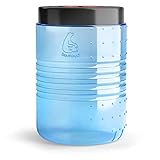
Overview: The BearVault BV500 Journey represents the gold standard for bear-resistant food storage on extended backpacking trips. This extra-large canister accommodates 7+ days of food while maintaining a remarkably lightweight profile that ultralight enthusiasts appreciate. Its transparent polycarbonate construction lets you locate items without unpacking everything, saving time and frustration at camp.
What Makes It Stand Out: The BV500’s clear sides eliminate frustrating searches for specific meals, while the tool-free lid operates smoothly even in cold conditions. Certified by both Grizzly and Black Bear testing associations, it boasts universal approval across all National Parks with canister regulations. The versatile design doubles as a convenient camp stool, adding functional value at basecamp without compromising protection.
Value for Money: At $94.95, the BV500 commands a premium price but delivers proportional value. The 700 cubic inch capacity, combined with its 2 lbs 9 oz weight, offers better volume-to-weight ratio than most competitors. For thru-hikers and multi-week adventurers, the durability and widespread regulatory acceptance justify the investment over cheaper, less versatile alternatives that may not be universally approved.
Strengths and Weaknesses: Strengths include exceptional capacity, lightweight construction, transparent design, universal park approval, and dual-purpose functionality. Weaknesses involve the high price point and bulky size for solo weekend trips. The wide diameter can challenge smaller pack configurations, requiring careful packing strategy.
Bottom Line: Ideal for serious backpackers tackling extended journeys or group trips where maximum food storage and proven reliability outweigh cost considerations. The BV500 justifies its reputation as the most-traveled bear canister on long-distance trails.
2. NO-FED-BEAR UDAP Bear Resistant Canister, Hiking Camping Backpacking Hunting Food Storage Container with Carrying Case, 2 Gallons, BRCWC

Overview: Designed by bear attack survivor Mark Matheny, the NO-FED-BEAR UDAP canister brings personal passion to wildlife safety. This 2-gallon container holds approximately 3-5 days of food for one person, making it suitable for shorter backpacking excursions. At 2.4 pounds, it strikes a reasonable balance between protection and pack weight for weekend adventures.
What Makes It Stand Out: The compelling origin story lends credibility to its design philosophy, while the included carrying case offers versatility for external pack attachment. Constructed from a proprietary polymer blend with metal fasteners, it achieves IGBC certification without excessive bulk. The compact 8" diameter fits more easily into smaller packs than larger competitors, simplifying packing logistics.
Value for Money: Priced at $64.99, this canister sits in the mid-range market. While offering less capacity than premium options, it provides certified protection at a $30 savings. The included carry case adds value, though the 500 cubic inch interior limits its appeal for trips longer than four days, potentially requiring more frequent resupply stops.
Strengths and Weaknesses: Strengths include the competitive price, manageable weight, compact dimensions, included carrying case, and inspiring design backstory. Weaknesses are the limited capacity for extended trips and narrower regulatory acceptance documentation compared to market leaders. The opaque design requires more organized packing to avoid rummaging.
Bottom Line: Perfect for weekend warriors and budget-minded hikers prioritizing certified protection without the premium price tag. The NO-FED-BEAR excels for shorter trips but may require resupply strategies on longer trails where its capacity becomes limiting.
3. Backpackers’ Cache - Bear Proof Container

Overview: The Backpackers’ Cache Bear Proof Container offers a straightforward approach to wildlife protection with minimal marketing fluff. While product details remain sparse in official listings, this canister positions itself as a reliable mid-range option for hikers needing compliant food storage without premium features. Its traditional design suggests proven reliability over flashy innovation.
What Makes It Stand Out: Its no-nonsense design focuses purely on core functionality rather than innovative features. The container presumably meets IGBC certification standards given its price point and market placement. The simple cylindrical design should fit most backpack configurations without unusual dimensions that complicate packing arrangements in modern packs.
Value for Money: At $87.95, it sits uncomfortably between budget and premium tiers. Without transparent specifications regarding weight, capacity, or materials, value assessment proves challenging. Competitors offer more detailed specifications at similar price points, making this a cautious purchase requiring direct manufacturer verification before commitment.
Strengths and Weaknesses: Strengths include its established market presence and presumed regulatory compliance. The simple design likely ensures durability without complex failure points. Weaknesses center on the complete lack of detailed specifications, unknown weight, unspecified capacity, and absence of user-friendly features like transparent walls or tool-free lids that modern hikers expect.
Bottom Line: Difficult to recommend without comprehensive specifications. Potential buyers should contact the manufacturer for detailed weight, capacity, and certification documentation before purchasing. Better-documented alternatives exist at this price point, making this suitable only for those who verify its specs match their specific trip requirements.
4. Counter Assault Bear Keg Food Storage Container Yellow

Overview: The Counter Assault Bear Keg provides robust protection in a highly visible yellow package. With 716 cubic inches of storage, it rivals the largest canisters on the market, accommodating 6-7 days of food for solo hikers or shorter group trips. The bright color ensures you won’t lose it at camp or accidentally leave it behind, a common problem with neutral-colored canisters.
What Makes It Stand Out: The distinctive yellow hue serves practical purposes beyond aesthetics, making the keg easy to spot in low-light conditions. Dual certification from IGBC and SIBBG guarantees acceptance across bear country. The durable construction withstands determined wildlife attempts while maintaining a relatively simple opening mechanism that doesn’t require tools or complicated procedures.
Value for Money: At $99.95, this is among the most expensive options available. However, the large capacity and proven certifications justify the cost for serious adventurers. While slightly pricier than the BearVault BV500, it offers comparable volume for those who prefer opaque construction and high visibility over transparent sides and camp stool functionality.
Strengths and Weaknesses: Strengths include generous capacity, universal park approval, high-visibility color, and robust construction. The opaque design may appeal to those preferring privacy for their food supplies. Weaknesses involve the premium price point, likely heavier weight than competitors (though exact specs aren’t provided), and the bright color potentially clashing with ultralight aesthetics.
Bottom Line: An excellent choice for hikers prioritizing maximum capacity and easy campsite identification. The Counter Assault Bear Keg delivers reliable protection worthy of its price, particularly for those who appreciate its standout color and proven regulatory acceptance across major parks and wilderness areas.
5. keepxaus Bear Bag Hanging Kit, 10L Waterproof Bear Bags for Food Backpacking Camping, Ultralight Bear Proof Canister Gear for Food Storage with Survival Nylon Ropes, Clips, Rock Pouch, Pulley System

Overview: The keepxaus Bear Bag Hanging Kit offers an ultralight alternative to rigid canisters, weighing mere ounces rather than pounds. This 10L waterproof bag system includes ropes, clips, and a pulley mechanism for proper PCT-style hanging. However, it’s crucial to understand this is NOT a certified bear-resistant container and remains illegal in parks requiring hard-sided canisters, limiting its legal use significantly.
What Makes It Stand Out: The complete hanging system provides everything needed for proper food suspension at a fraction of canister weight and cost. The 210T polyester material with odor-blocking properties and waterproof construction protects against moisture and some wildlife. The 2-to-1 pulley system makes hanging heavy food bags manageable for solo hikers without requiring exceptional strength.
Value for Money: At $17.99, this kit costs 80% less than entry-level canisters. For experienced hikers in areas where hanging is permitted, it represents exceptional value. However, the “bear-proof” claim is misleading—this system is only as effective as the user’s hanging skill and tree availability, making it a risky choice for bear-dense regions where animals have learned to defeat hanging methods.
Strengths and Weaknesses: Strengths include ultralight weight, compact packability, waterproof protection, low cost, and included comprehensive hanging system. Major weaknesses are lack of certifications, illegality in many national parks, complete dependence on user technique and suitable trees, and vulnerability to clever bears that have learned to defeat hanging methods through cutting ropes or climbing.
Bottom Line: Suitable only for experienced hikers visiting areas without canister mandates who possess expert-level hanging skills. This is NOT a replacement for certified canisters in regulated areas. Consider it a supplementary system for protecting food from smaller critters, not a primary bear defense strategy for serious wilderness travel.
6. JIUSAIRUI Odor Proof Bear Bags for Food Backpacking: 3Pack Reusable Bear Proof Food Storage Designed to Use with Bear Canister for Backpacking fit Camping Hiking Water Sports

Overview: The JIUSAIRUI Odor Proof Bear Bags offer an ultralight alternative to traditional canisters, marketed as a flat, weightless solution for scent control. At just $3 per bag, this three-pack promises 100% scent and waterproof protection up to 200 feet of submersion. The reusable design accommodates food, trash, or scented items, making them versatile for various outdoor activities.
What Makes It Stand Out: The extreme waterproof rating sets these apart from standard bags, while the “use with bear canister” positioning acknowledges their supplemental role. The brand’s no-questions-asked warranty provides buyer confidence. The double-seal zip closure and high-strength materials are designed to withstand harsh conditions.
Value for Money: At $8.99 for three, these are among the most affordable options available. However, the value diminishes if used as a primary bear deterrent where hard-sided canisters are required by regulations. They excel as organizational tools but cannot replace certified protection where mandated.
Strengths and Weaknesses: Strengths include exceptional waterproofing, minimal weight, multi-purpose functionality, and washable durability. The primary weakness is the misleading “bear proof” marketing—they’re odor-resistant bags, not certified bear-resistant containers. They require proper hanging techniques and fail in areas mandating canisters. The thin profile may compromise long-term durability.
Bottom Line: These bags excel as waterproof, odor-reducing organizers but should never replace approved bear canisters where required. Best for experienced backpackers using them as a supplement to proper food storage systems in canister-optional areas.
7. SABRE Frontiersman Bear Safe Food Storage Container, 11.86-Liter Storage Capacity, Locking Lid, Water and Airtight, Prevents Food Odors, Family Size and Longer Hike Usage, High Visibility Orange Color

Overview: The SABRE Frontiersman Bear Safe Food Storage Container is a robust 11.86-liter hard-sided canister designed for multi-day family adventures. Its high-visibility orange construction meets stringent bear-resistant standards while offering substantial capacity for extended trips. The locking lid mechanism provides certified protection that soft bags cannot match.
What Makes It Stand Out: The pressure release valve is a standout feature, allowing the container to flex under bear pressure without cracking. The tapered design maximizes pack space efficiency, while the ergonomic shape improves load distribution and reduces uncomfortable bouncing during miles on trail. The airtight gasket locks in odors effectively.
Value for Money: At $75.25, this sits in the standard price range for certified bear canisters. While significantly more expensive than bags, it complies with regulations where soft containers are prohibited, potentially saving costly fines. The durability ensures years of use, justifying the investment for frequent adventurers.
Strengths and Weaknesses: Strengths include certified bear resistance, excellent capacity, waterproof/airtight seal, and thoughtful ergonomic design. Weaknesses are weight and bulk—it’s considerably heavier than bag systems—and the price point may exceed casual hikers’ budgets. The locking mechanism, while secure, can be fiddly with cold hands.
Bottom Line: This is a reliable, regulation-compliant choice for serious backpackers, families, or anyone venturing into bear country requiring certified protection. The investment pays dividends in peace of mind and legal compliance.
8. 10 Pack Bear Canister for Backpacking, Reusable Odor Proof Bear Bags Waterproof to Use with Bear Canister for Backpacking fit Camping Hiking Home Organization Water Sports

Overview: This 10-pack of odor-proof bags positions itself as an economical bulk solution for backpackers seeking lightweight food storage. At just $1 per bag, the set includes two sizes (9.1" x 6.7" and 11.1" x 10.6"), offering versatility for organizing various items beyond food. The triple-track seal and PEVA construction promise waterproof, scent-masking performance.
What Makes It Stand Out: The sheer quantity for the price is unmatched—ten reusable bags for under $10. The inclusion of multiple sizes adds organizational flexibility, while the ultra-lightweight design (under 50g each) appeals to ounce-counting backpackers. The flat profile packs down to palm size.
Value for Money: Exceptional value on a per-bag basis. However, the low cost raises questions about long-term durability and the effectiveness of the odor barrier compared to premium alternatives. For budget-conscious campers, the quantity outweighs quality concerns.
Strengths and Weaknesses: Strengths include unbeatable price, multiple sizes, lightweight portability, and reusable eco-friendly materials. Major weaknesses stem from the misleading “Bear Canister” title—these are bags, not certified canisters. Thin material may compromise durability, and the odor-proof claim lacks independent verification.
Bottom Line: Perfect for organization, waterproofing, and supplemental scent control, but inadequate as primary bear protection. Best for budget-conscious hikers in conjunction with proper hanging methods or as a canister liner where regulations permit.
9. Bear Bags for Food Backpacking- Odor Proof Storage Bags 7.87 Mil Reusable No-Odor Ziplock Barrier Bags Fit Home Organization Camping, Food Storage (5pack)

Overview: These 7.87-mil thick odor-proof bags target serious backpackers needing robust scent protection. The five-pack uses food-grade PEVA material with a focus on barrier technology to extend food freshness while deterring wildlife. At $4.34 per bag, they occupy a mid-range price point, balancing cost with enhanced durability.
What Makes It Stand Out: The 7.87-mil thickness exceeds most competitors, providing enhanced durability and puncture resistance. The emphasis on barrier technology suggests superior odor containment compared to thinner alternatives, while the food-grade certification ensures safe contact with provisions.
Value for Money: Moderately priced—more expensive than budget bulk options but cheaper than premium brands. The thickness justifies the cost for those prioritizing durability over quantity, offering better long-term value if the bags withstand repeated use. The 5-pack size suits solo hikers or couples.
Strengths and Weaknesses: Strengths include substantial material thickness, food-grade safety, effective leak-proof sealing, and reusability. Weaknesses are the limited count (only five bags) and continued reliance on proper hanging techniques. The lack of brand recognition may concern some buyers, and like all bags, they’re not substitutes for certified canisters.
Bottom Line: A solid choice for hikers wanting more durable odor-proof bags without breaking the bank. The thickness inspires confidence, but remember these are supplements to—not replacements for—approved bear storage methods where mandated.
10. 3 Pack Bear Bags for Food Backpacking, Odor Proof Bags-12x20 Inch, Reusable Double Track Zip Closure Storage Bags Keep Fresh fit Camping, Water Sports, Hiking and Home Organization

Overview: The Lerine 3-pack of odor-proof bags offers oversized storage at 12" x 20", targeting backpackers needing maximum capacity for extended trips or group gear. These double-track zip closure bags emphasize food-grade PEVA construction free from PVC, BPA, and other harmful chemicals. At $5.33 per bag, they position themselves as a premium option for serious outdoor enthusiasts.
What Makes It Stand Out: The generous dimensions accommodate bulky items like sleeping bag liners or multi-day food supplies that smaller bags cannot handle. The double-track closure provides redundancy in sealing, while the rounded edges prevent pack abrasion and facilitate faster drying after washing.
Value for Money: Mid-to-high pricing reflects the larger size and material quality. For those needing substantial capacity, the cost is justified, but casual hikers may find them unnecessarily large and expensive compared to smaller alternatives. The three-bag count limits organizational options.
Strengths and Weaknesses: Strengths include impressive size, quality food-grade materials, effective double-track sealing, and versatility beyond food storage. Weaknesses are the limited quantity (only three bags) and potential overkill for minimalists. Most critically, the “bear-proof” claim is misleading—no soft bag matches a certified canister’s protection.
Bottom Line: Excellent for bulk storage and organization, but users must understand their limitations in bear country. Ideal for car camping or as a supplement to proper bear safety systems, not as standalone protection where canisters are required.
Why Bear-Proof Food Storage is Non-Negotiable in Bear Country
The math is stark and simple: a bear that obtains human food has a 50% higher mortality rate than one that doesn’t. When bears learn to associate humans with easy calories, they lose their natural wariness, become aggressive, and ultimately face relocation or euthanasia. Park rangers don’t issue canister requirements to inconvenience you—they’re implementing decades of wildlife research that shows hard-sided containers are the only reliable method to break this deadly cycle. Your choice of food storage directly impacts ecosystem health, and in most major parks, it’s legally mandated with fines reaching $5,000 or more.
Beyond the ethical imperative, consider the practical consequences. A bear that raids your camp doesn’t just steal dinner; it can destroy hundreds of dollars of gear, force an emergency evacuation, and ruin a trip you’ve planned for months. Soft-sided “bear bags” and hanging techniques fail up to 30% of the time against determined bears, and many parks have banned them entirely in high-use areas. The question isn’t whether you can afford a bear canister—it’s whether you can afford not to use one.
Understanding Bear-Resistant Certification: IGBC and Beyond
Not all “bear-proof” claims hold weight. The Interagency Grizzly Bear Committee (IGBC) certification is the gold standard, requiring containers to withstand 60 minutes of contact with captive grizzlies weighing over 500 pounds. Products undergo rigorous testing where bears receive food rewards inside the container, creating maximum motivation to breach it. If the bear accesses the contents within an hour, the design fails. This isn’t theoretical—it’s observed, documented, and repeated testing with real bears.
Some manufacturers also seek certification from the Sierra Interagency Black Bear Group or individual park testing programs. While IGBC certification covers both grizzly and black bear scenarios, regional certifications might only address black bear behavior, which differs significantly from their larger cousins. Always verify current certification status, as designs can be decertified if field failures emerge. The certification number should be molded into the container itself, not just printed on packaging.
Key Features That Define a Reliable Bear Canister
Material Matters: Polymer vs. Carbon Fiber vs. Aluminum
The container’s material dictates its weight, durability, and performance in extreme temperatures. High-impact polymer (typically polycarbonate blends) dominates the market, offering excellent impact resistance at moderate weight. These canisters can crack in temperatures below -20°F, though, a critical consideration for winter mountaineering. Carbon fiber variants shave pounds but transfer impact forces differently—while strong, they can delaminate after repeated strikes and often carry premium price tags. Aluminum models, though nearly indestructible, conduct cold that can freeze food contents and create condensation issues in humid climates.
Locking Mechanisms: The First Line of Defense
A bear canister’s weakest point is always the closure system. Screw-top designs with secondary locking tabs require opposable thumbs and sequential actions that bears can’t replicate. Some use pry-resistant lids with embedded metal inserts that prevent claw penetration. Avoid any container that relies on simple friction fits, twist locks without secondary mechanisms, or external latches that can be chewed or pried. The best designs force you to press and turn simultaneously, a motion that baffles even the most dexterous bears.
Capacity Considerations: Sizing for Your Trip Length
Capacity is measured in cubic inches or liters, but more importantly, in “person-days.” A weekend warrior needs roughly 100 cubic inches per day, while longer trips require more efficient packing. The common 700 cubic inch (11.5L) size serves 2 people for 3-4 days, but this varies wildly based on food choices. Dehydrated meals compress tightly; fresh produce and bulky packaging waste space. Always size up for trips exceeding 5 days, group travel, or if you’re packing scented toiletries inside. Remember: an overstuffed canister that won’t close properly is just an expensive bear invitation.
Weight vs. Durability: The Backpacker’s Dilemma
Every ounce matters when you’re grinding up switchbacks, but cutting weight on bear protection is a false economy. Ultralight models under 2 pounds often use thinner walls or minimalist lids that sacrifice long-term durability. A bear canister should last 10+ years of hard use; the weight savings of a fragile model disappear when you have to replace it after two seasons. Consider your trip profile: thru-hikers covering 2,000+ miles might justify carbon fiber’s expense, while weekend warriors are better served by bombproof polymer that survives being dropped off cliffs or tossed by bears.
The weight-to-capacity ratio reveals the real story. Divide the container’s weight by its volume—a lower number indicates better efficiency. Top-performing models achieve ratios below 0.03 pounds per cubic inch. Don’t forget to factor in the psychological weight: knowing your food is secure lets you sleep deeply instead of jumping at every snapped twig.
Ease of Use: What to Look for in the Field
When you’re cold, tired, and fumbling with headlamp-lit fingers at 6 AM, complex locking mechanisms become infuriating. Look for containers that can be opened with gloved hands and feature wide mouths for easy packing. Some designs include built-in measurement marks to help with portion planning. Consider how the canister sits on the ground—flat-bottomed models stay put when you’re scooping out breakfast, while rounded ones roll away annoyingly.
The opening diameter matters more than you’d think. Narrow openings make it difficult to retrieve items from the bottom, forcing you to unpack everything for that one energy bar. Wide-mouth designs (8+ inches) allow you to reach in and grab what you need. Some innovative models feature partial-opening lids that let you access small items without fully unlocking the container, though these must be used carefully to avoid creating a habit that could compromise security.
National Park Regulations: A Patchwork of Requirements
No universal federal standard exists—each park sets its own rules based on local bear behavior, visitor volume, and ecosystem factors. Some require canisters year-round in all backcountry zones, others only in specific corridors during peak bear activity. Failure to comply can result in permit denial, fines, or immediate eviction from the backcountry. Always check the specific park’s website within 30 days of your trip, as regulations change seasonally and emergency closures can implement new requirements overnight.
Yellowstone and Grand Teton: Strict Mandates
These parks maintain some of the strictest requirements in the Lower 48, mandating IGBC-certified canisters in most backcountry areas from April through November. The combination of high grizzly density and massive visitor numbers creates perfect storm conditions for human-bear conflicts. Rangers conduct random backcountry checks, and violations carry $250+ fines. The parks also maintain a short list of approved models—using a certified but non-approved canister still nets you a ticket.
Yosemite and Sequoia: The Birthplace of Bear Canisters
California’s Sierra Nevada parks pioneered bear canister requirements in the 1980s after decades of failed hanging attempts. Their approved list is notoriously exclusive, reflecting decades of field testing. These parks face unique challenges from habituated black bears that have learned to defeat older canister designs. The regulations here are hyper-specific: canisters must be stored 100 feet from sleeping areas and never left unattended at camp. Bear boxes are provided in some high-use areas, but relying on them limits your route options.
Glacier and Rocky Mountain: Seasonal Variations
Northern Rockies parks adjust requirements based on bear activity and seasonal food availability. Glacier lifts canister mandates in some zones when bears are denning, but maintains them year-round in grizzly corridors. Rocky Mountain National Park’s requirements vary by elevation and drainage—high-alpine zones where bears are scarce may allow hanging, while lower montane areas require hard-sided containers. These parks also deal withColorado’s exploding backcountry use, creating pressure to expand canister zones annually.
Proper Usage Techniques: It’s Not Just About the Container
Owning a certified canister means nothing if you use it incorrectly. Store it 100-200 feet downwind from your sleeping area, ideally in a depression or against a rock that prevents rolling. Never place it near cliffs or water sources where a bear could bat it into an inaccessible location. Some backpackers attach reflective tape or small bells to make nighttime retrieval easier, but avoid anything that could provide a purchase point for bear claws.
The “triangle method” remains best practice: cooking area, food storage, and sleeping area form three points at least 100 feet apart. This prevents food odors from concentrating near your tent and gives you escape routes if a bear investigates your canister. In grizzly country, increase distances to 200+ feet. Never cook near your canister—food particles on the exterior create scent cues that attract investigative behavior.
Strategic Packing: Maximizing Space and Minimizing Odors
Efficient packing transforms a seemingly small canister into a multi-week food vault. Remove all commercial packaging and repackage food in odor-proof bags (OPSAK or similar) before placing them in the canister. These bags aren’t bear-proof but significantly reduce scent transmission. Pack dense items at the bottom, crush air out of bags, and fill every void—cook pots can hold spices, and shoes can stash coffee packets.
Create a packing list that maps each meal to its location in the canister. This prevents the frustrating 10-minute excavation for dinner after a long hiking day. Some backpackers pack each day’s food in a separate zip-top bag, creating a “day module” system. Remember to include all scented items: sunscreen, insect repellent, toothpaste, and even the wrappers from energy bars you’ve already eaten. A bear’s sense of smell is 2,100 times stronger than yours—if you can smell it, they can smell it from miles away.
Maintenance and Longevity: Protecting Your Investment
A well-maintained canister lasts a decade or more. After each trip, wash with unscented soap and inspect for cracks, especially around the lid and locking tabs. UV degradation weakens polymer over time, so store it out of direct sunlight when not in use. Deep scratches create stress points that can fail under bear impact—sand smooth any gouges with fine-grit paper. Check the certification number annually against the IGBC database; decertified models lose their legal standing in parks.
Never lubricate locking mechanisms with food-based oils. If the lid becomes stiff, a tiny amount of food-grade silicone grease applied to threads is acceptable, but wipe away all excess. Some manufacturers offer replacement lids or locking tabs—stock these for extended expeditions where a failure would be catastrophic. In cold weather, warm the canister near your body before opening to prevent plastic brittleness, but never sleep with it in your tent.
Rental vs. Purchase: Making the Right Financial Decision
If you backpack in bear country once or twice a year, renting makes economic sense. Most gateway communities and park visitor centers offer rentals for $5-10 per trip, a fraction of the $80-300 purchase price. Rental fleets are typically well-maintained and current on certifications. However, rental availability isn’t guaranteed during peak season, and you’re limited to whatever sizes the vendor stocks.
Frequent backpackers should purchase within 2-3 trips—the ROI is clear. Ownership lets you customize with reflective tape, perfect your packing system, and ensure you have the right size for your specific itinerary. Some outdoor retailers offer “try before you buy” programs where rental fees apply to purchase price. Consider splitting costs with a hiking partner and sharing a larger canister for group trips, but ensure each person can carry it comfortably if you separate.
The Environmental Impact of Your Choice
Your canister choice ripples beyond bear safety. Polymer models are petroleum-based but extremely durable, creating a long replacement cycle. Carbon fiber manufacturing has a high carbon footprint but the lightest weight reduces your overall pack weight and associated fuel consumption. Aluminum is infinitely recyclable but energy-intensive to produce. Some manufacturers now offer take-back programs for end-of-life canisters, grinding them into material for new products.
Consider the broader ecosystem impact. A bear that obtains human food may teach its cubs the same behavior, creating a multi-generational problem that requires management action. Your $100 canister investment could prevent a $10,000+ bear relocation operation and the potential loss of a genetically valuable animal. In this context, the environmental cost of manufacturing pales compared to the cost of failure.
Common Mistakes That Render Canisters Useless
Even experienced backpackers commit critical errors. The most frequent mistake is leaving the canister unlocked “just for a minute” while grabbing a snack—bears can appear silently and claim your food in seconds. Another is storing canisters in vehicles at trailheads; bears have learned to break windows and access “secure” storage. In camp, placing canisters near tent walls or guy lines allows bears to investigate them while you sleep, with disastrous results.
Overpacking creates gaps that prevent proper lid seating, while underpacking lets contents shift and potentially jam the locking mechanism. Some backpackers try to “anchor” canisters with ropes or straps, inadvertently creating handles bears can grab. Never attach carabiners or cords to the canister body—bears have used these as leverage points to carry containers away. The most insidious mistake is becoming complacent: using a canister for years without inspecting it, assuming it remains bear-proof after thousands of miles of abuse.
The Future of Bear-Proof Technology
The next generation of bear canisters incorporates smart technology and biomimicry. Prototypes feature pressure-sensitive lids that lock automatically when weighted, preventing user error. Some designs use bear-specific color spectrums—bears see differently than humans, and certain colors may be less attractive to their vision. Researchers are experimenting with scent-absorbing polymers that neutralize food odors at the molecular level, though these remain unproven in field conditions.
The holy grail is a truly portable electric deterrent system, but current models are too heavy and unreliable for backcountry use. More promising is the development of standardized modular systems where backpackers rent certified pods at trailheads, eliminating transport weight entirely. As climate change alters bear behavior and expands their range, expect more parks to adopt universal canister requirements, making your investment in quality equipment increasingly valuable.
Frequently Asked Questions
Do I really need a bear canister if I’m just doing a short overnight trip?
Yes, absolutely. Bear conflicts happen disproportionately on short trips because backpackers underestimate risk and don’t properly secure food. Most parks require canisters for all overnight stays regardless of duration. A bear doesn’t care if you’re staying one night or ten—your food smells the same. Short trips often mean high-use areas where bears are most habituated, increasing the likelihood of encounters.
What’s the difference between “bear-proof” and “bear-resistant”?
“Bear-proof” is marketing hyperbole—nothing is truly proof against a determined, creative bear. “Bear-resistant” is the accurate term used by certifying bodies, meaning the container significantly delays access and withstands sustained attack for a specified period. IGBC certification requires 60 minutes of resistance; if a bear gives up before accessing food, the container has done its job. Think of it as “bear-resistant enough” rather than invincible.
How do I know if my older canister is still certified?
Check the IGBC’s official website for the current approved products list. Certification numbers are permanent unless revoked, but older designs may have been decertified due to field failures. Look for the certification number molded into your canister and cross-reference it. If the number isn’t there, it’s not certified. Even if certified, inspect for damage—certification applies to intact units only.
What size canister do I need for a 7-day solo trip?
Most solo backpackers need approximately 100 cubic inches per day, so a 700 cubic inch canister theoretically works for a week. However, this assumes perfect packing with dehydrated meals and no wasted space. For 7 days, a 900-1000 cubic inch canister provides necessary buffer room for bulky items and prevents the frustration of playing food Tetris each night. When in doubt, size up—an extra half-pound of container weight beats running out of food storage space.
Can I use a bear canister to protect against other animals?
Bear canisters are overkill for most smaller animals but work perfectly. They’re rodent-proof, raccoon-proof, and effective against mountain lions (though cats rarely target human food). However, they’re not designed for mini-bears like pikas or marmots that can squeeze through tiny gaps. In areas with aggressive marmot populations like the High Sierra, you may need additional protection. The primary design focus remains bears; other animals are a bonus.
How far should I store my canister from camp?
The standard is 100 feet (30 meters) from your sleeping area, but this varies by bear density. In grizzly country, increase to 200+ feet. The key is placing it downwind of your tent so food odors don’t drift toward you. Also store it 100 feet from cooking areas and 200 feet from water sources to prevent contamination if a bear does manipulate the container. Always consider terrain—place it where you can safely retrieve it in darkness without tripping hazards.
What about toiletries and other scented items?
Everything with a scent belongs in your canister: toothpaste, sunscreen, lip balm, insect repellent, soap, medications, and even feminine hygiene products. Bears have been attracted to scented hand sanitizer and chewing gum. The only exception is bear spray, which should be immediately accessible, not locked away. Some backpackers pack a separate “smellables” bag to keep food and non-food items organized within the canister.
Can bears smell food through these containers?
Yes, but with dramatically reduced intensity. Bear canisters are not scent-proof; they’re designed to prevent access, not odor transmission. Using OPSAK odor-proof bags inside your canister reduces scent by 90% but doesn’t eliminate it. This is why distance from camp remains critical. A bear may investigate a canister out of curiosity, but if it can’t access food, it learns that human items aren’t worth the effort. This “disappointment training” is how canisters protect future backpackers.
What should I do if a bear does get my canister?
Do not attempt retrieval. Report the incident immediately to park rangers with GPS coordinates. They track bear behavior and may need to implement additional protections. If the bear carried it off, mark the last known location and distance traveled. Don’t approach a bear with your canister—it now views it as a food source and may defend it aggressively. Some parks have specialized teams that retrieve canisters using deterrents. Your safety outweighs the value of the container and remaining food.
Are there any legitimate alternatives to hard-sided canisters?
In some parks, permanently installed bear boxes serve as alternatives in high-use campsites. Ursack bear bags (soft-sided Kevlar sacks) are approved in a few areas but require specific hanging techniques and are not IGBC certified for grizzly country. Electric fences around campsites work for base camps but are impractical for backpacking. For now, hard-sided canisters remain the only universally accepted solution. Any “alternative” should be explicitly approved in writing by the specific park you’re visiting—verbal assurances from rangers aren’t legally binding.