You’ve mastered the art of hitting your protein targets—whether you’re tracking macros, building muscle, or following a low-carb lifestyle. But there’s a silent struggle happening in your digestive system that rarely gets discussed in fitness circles: the fiber gap. High-protein diets, while effective for satiety and body composition, often leave your gut microbiome starving for the fermentable fibers it needs to thrive. The result? Constipation that feels like concrete, bloating that makes you look six months pregnant, and a sluggish metabolism that undermines your progress. This is where fiber powders become not just helpful, but essential. Unlike trying to force down another plate of broccoli when you’re already stuffed from chicken breast, a strategic fiber supplement integrates seamlessly into your high-protein routine—if you know what to look for.
This guide cuts through the marketing noise to give you the science-backed framework for choosing, using, and optimizing fiber powders specifically for digestive health on protein-heavy diets. We’ll explore the biochemical interactions between amino acids and fiber fractions, decode the difference between prebiotic hype and genuine gut benefits, and build a personalized protocol that keeps your digestion as strong as your deadlift.
Top 10 Fiber Powders for Digestive Health
Detailed Product Reviews
1. Benefiber Daily Prebiotic Fiber Supplement Powder for Digestive Health, Unflavored - 125 Servings (17.6 Ounces)

Overview: Benefiber’s unflavored prebiotic fiber powder delivers 125 servings of wheat dextrin, a plant-based soluble fiber designed to support digestive health and GLP-1 production. This 17.6-ounce container provides a nearly four-month supply for daily users, dissolving completely without altering the taste or texture of your favorite beverages.
What Makes It Stand Out: The invisible formulation is genuinely remarkable—this powder vanishes into coffee, soup, or yogurt without a trace. Unlike psyllium-based alternatives, Benefiber won’t thicken your drinks or leave residue. The GLP-1 support claim positions it as more than just a fiber supplement, potentially aiding satiety and metabolic health. It’s also gluten-free despite being wheat-derived, making it suitable for most users.
Value for Money: At $22.98 ($1.31 per ounce), this large size offers the best value in the Benefiber lineup. While more expensive per ounce than Metamucil’s bulk options, the 125-serving count translates to just $0.18 per serving—competitive for a specialized prebiotic. You’re paying for convenience and versatility over clinical potency.
Strengths and Weaknesses: Strengths include complete dissolution, true unflavored profile, gentle on the stomach, and flexible dosing. Weaknesses: wheat dextrin lacks the robust clinical evidence for cholesterol reduction that psyllium boasts, and the fiber content per serving is lower than Metamucil. Some users may need multiple doses for desired effects.
Bottom Line: Perfect for those seeking a stealth fiber boost without taste or texture compromises. If your primary goal is general digestive support rather than cholesterol management, this invisible workhorse deserves a spot in your daily routine.
2. Metamucil 4-in-1 Psyllium Husk Fiber Supplement, Sugar-Free, 180 teaspoons, Orange Flavored, Daily Fiber Powder for Digestive Health, made with Plant-Based Psyllium Husk Fiber

Overview: Metamucil’s flagship sugar-free orange powder delivers 180 teaspoons of psyllium husk fiber, the gold standard for comprehensive health benefits. This 4-in-1 formula targets digestive regularity, cholesterol reduction, blood sugar support, and appetite control in a single daily serving.
What Makes It Stand Out: Psyllium husk’s clinically-proven efficacy sets this apart from wheat-based competitors. The soluble fiber forms a gel that actively binds cholesterol and slows glucose absorption. The sugar-free formulation uses artificial sweeteners, making it diabetic-friendly while maintaining the classic orange taste. At 180 teaspoons, this bulk container minimizes reordering frequency.
Value for Money: Priced at $34.66 ($0.94 per ounce), this represents solid value for premium psyllium. While the upfront cost is higher than Benefiber, the multi-system health benefits justify the price. Each serving costs approximately $0.19, comparable to Benefiber but with superior clinical backing for heart health.
Strengths and Weaknesses: Strengths include FDA-approved cholesterol claims, robust 4-in-1 benefits, and established brand trust. The sugar-free formula suits most dietary restrictions. Weaknesses: psyllium’s thickening texture can be off-putting, the orange flavor is polarizing, and some experience bloating during initial use. Requires adequate water intake to prevent choking hazards.
Bottom Line: The smartest choice for those prioritizing cardiovascular benefits alongside digestive health. If you can adapt to the texture and taste, this clinically-supported formula offers unmatched comprehensive protection.
3. Metamucil 4-in-1 Psyllium Husk Fiber Supplement, Sugar-Free, 72 teaspoons, Orange Flavored, Daily Fiber Powder for Digestive Health, made with Plant-Based Psyllium Husk Fiber

Overview: This compact 72-teaspoon version delivers the same 4-in-1 psyllium husk formula as its larger sibling, offering Metamucil’s proven benefits in a more manageable size. The sugar-free orange powder provides digestive support, cholesterol management, blood sugar stabilization, and appetite control.
What Makes It Stand Out: You get identical clinical-grade psyllium husk in a trial-friendly package. The smaller container reduces commitment anxiety for first-time users while maintaining the same FDA-recognized health claims. The sugar-free formulation remains diabetic-appropriate, and the orange flavor profile is consistent across all Metamucil sizes.
Value for Money: At $16.94 ($1.13 per ounce), this smaller container costs more per ounce than the bulk version but less upfront. It’s an economical way to test psyllium’s effects before investing in the 180-teaspoon size. However, at approximately $0.24 per serving, you’re paying a 26% premium for the convenience of a smaller container.
Strengths and Weaknesses: Strengths include lower initial investment, same comprehensive benefits, and portability. Perfect for travel or limited storage. Weaknesses: significantly higher per-serving cost, more frequent repurchasing, and the same texture challenges as larger versions. The orange flavor remains divisive, and proper hydration is mandatory.
Bottom Line: Ideal for Metamucil newcomers or occasional users. If you’re committed long-term, upgrade to the 180-teaspoon container. For testing tolerance or supplementing while traveling, this size hits the sweet spot.
4. Benefiber Daily Prebiotic Fiber Supplement Powder for Digestive Health, Daily Fiber Powder, Unflavored - 62 Servings (8.7 Ounces)
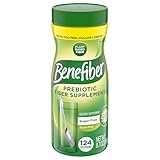
Overview: Benefiber’s 8.7-ounce bottle provides 62 servings of unflavored wheat dextrin fiber, offering the same invisible formulation as the larger size in a more compact package. This prebiotic powder dissolves completely to support gut health and GLP-1 production without altering food or drinks.
What Makes It Stand Out: The portability factor shines—this bottle fits easily in cabinets, desk drawers, or luggage. Like its larger counterpart, it delivers truly tasteless, non-thickening fiber that won’t compromise your culinary experience. The GLP-1 support claim and plant-based sourcing remain consistent across Benefiber products.
Value for Money: At $13.48 ($1.55 per ounce), you’re paying an 18% premium compared to the 125-serving size. While the lower sticker price seems attractive, the cost per serving jumps to $0.22, making it the poorest value in the Benefiber lineup. You’re essentially paying $4.50 for convenience and reduced commitment.
Strengths and Weaknesses: Strengths include travel-friendly sizing, same dissolution quality, and lower initial investment. Perfect for office use or trying the product. Weaknesses: poor economy of scale, higher per-serving cost, and the same limitations as all wheat dextrin products—less potent cholesterol benefits than psyllium. The smaller container may run out quickly at higher dosing.
Bottom Line: Choose this size only if portability is paramount. For regular home use, the 125-serving container offers substantially better value. This is a convenience tax, plain and simple.
5. Metamucil 4-in-1 Psyllium Husk Fiber Supplement, Real Sugar, 114 tablespoons, Orange Flavored, Daily Fiber Powder for Digestive Health, made with Plant-Based Psyllium Husk Fiber

Overview: Metamucil’s real sugar orange powder provides 114 tablespoons of psyllium husk fiber with traditional sweetening. This 4-in-1 formula delivers the same clinically-proven benefits as sugar-free versions—digestive regularity, cholesterol reduction, blood sugar support, and appetite control.
What Makes It Stand Out: The $0.50 per ounce price is the lowest across all reviewed products, making comprehensive psyllium benefits accessible to budget-conscious shoppers. The real sugar formulation offers a more natural taste profile that some purists prefer over artificial sweeteners. You still get Metamucil’s gold-standard psyllium with full FDA-approved health claims.
Value for Money: At $23.94 for the container, this represents exceptional value—47% cheaper per ounce than the sugar-free bulk version. The trade-off is 8 grams of sugar per serving, which may not suit all diets. For non-diabetic users, this delivers the same therapeutic fiber at substantial savings.
Strengths and Weaknesses: Strengths include unbeatable price, authentic taste, and identical clinical benefits. The psyllium quality matches premium versions. Weaknesses: sugar content excludes diabetics and keto dieters, adds empty calories, and may cause blood sugar spikes. The orange flavor and thickening texture remain potential deterrents.
Bottom Line: The budget champion for those without sugar restrictions. If you’re not monitoring glucose or counting carbs, this delivers Metamucil’s proven benefits at an unmatched price point. Diabetics should stick to sugar-free options.
6. Benefiber On The Go Prebiotic Fiber Supplement Powder for Digestive Health, Daily Fiber, Unflavored - 28 Sticks (3.92 Ounces)

Overview: Benefiber On The Go delivers convenient prebiotic fiber in portable stick packs designed for busy lifestyles. Each box contains 28 unflavored powder sticks using wheat dextrin as the primary fiber source. This supplement dissolves completely clear in beverages and foods without altering taste or texture, making it an unobtrusive way to boost daily fiber intake. The formula specifically nourishes beneficial gut bacteria to support digestive health, while remaining free from sugar, gluten, and artificial flavors.
What Makes It Stand Out: The single-serve stick format provides unmatched portability for travelers, office workers, or anyone needing fiber on the move. Unlike bulk powders requiring measuring scoops, these pre-portioned packets eliminate guesswork and potential mess. The wheat dextrin formula dissolves invisibly in both hot and cold liquids, including coffee, water, and soft foods like yogurt. This stealthy delivery system is ideal for those who dislike the texture or taste of traditional fiber supplements. The brand’s focus on simplicity—just pure prebiotic fiber without additives—appeals to health-conscious consumers seeking clean supplementation.
Value for Money: At $13.48 for 28 sticks ($0.48 per serving), this product sits in the mid-range price tier. While not the cheapest option, the convenience factor justifies the cost for users prioritizing portability over bulk value. Each stick provides approximately 3 grams of fiber, making it suitable for incremental daily supplementation rather than meeting full fiber requirements. Compared to canister powders, you’re paying premium for packaging convenience, but avoiding waste from improperly sealed containers.
Strengths and Weaknesses: Strengths include exceptional portability, truly unflavored profile, clear dissolution, and clean ingredient list. The wheat dextrin is gentle on most digestive systems. Weaknesses are the lower fiber content per serving compared to competitors, non-vegan source (wheat), and limited servings per package. The stick format creates more packaging waste than bulk options, and the 3-gram dose may be insufficient for those needing significant fiber supplementation.
Bottom Line: Benefiber On The Go excels for convenience-focused users needing discreet fiber supplementation. Perfect for travel or busy schedules, though bulk powders offer better value for daily home use. Recommended for those prioritizing portability over maximum fiber content.
7. Micro Ingredients Vitality Prebiotic Fiber Powder, 1lb | Easy Mix Powder for Digestive & Gut Health | Daily Prebiotic Soluble Fiber Supplement for Women and Men | Unflavored, Sugar Free & Vegan
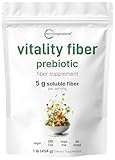
Overview: Micro Ingredients Vitality delivers a substantial one-pound supply of prebiotic fiber powder combining chicory root inulin and fructooligosaccharides (FOS). Each serving provides 5 grams of soluble fiber, with 90 servings per pouch making it a long-lasting option for daily gut health support. This vegan-friendly formula contains no fillers, sugars, or common allergens, appealing to clean-eating enthusiasts. The unflavored powder mixes easily into beverages and recipes without grit, offering a versatile fiber solution for both men and women.
What Makes It Stand Out: The dual-fiber approach combining inulin and FOS creates a synergistic prebiotic effect, potentially offering superior nourishment for diverse gut microbiome strains compared to single-source products. The generous 90-serving quantity at a competitive price point represents exceptional bulk value. Third-party lab testing for purity and potency provides quality assurance often missing in budget supplements. The completely vegan, non-GMO formulation free from soy, dairy, gluten, and tree nuts accommodates virtually any dietary restriction, making it one of the most inclusive options available.
Value for Money: At $9.99 for a full pound ($0.62 per ounce), this product delivers outstanding value. With 90 servings at roughly $0.11 each, it’s significantly more economical than stick packs or smaller containers. The cost per gram of fiber is among the lowest in the prebiotic category, making it ideal for those taking fiber daily. While the initial investment is higher than small packages, the per-serving cost savings become substantial over time, especially for households with multiple users.
Strengths and Weaknesses: Strengths include excellent value, high serving count, dual prebiotic sources, rigorous third-party testing, and allergen-free formulation. The powder dissolves well and remains gentle on the stomach. Weaknesses include the large package size which may be cumbersome for some users, potential for clumping if not stored properly, and the need for precise measuring with the included scoop. Some users may experience initial bloating from the potent FOS content.
Bottom Line: Micro Ingredients Vitality offers premium prebiotic fiber at an unbeatable bulk price. Perfect for committed users seeking long-term gut health support without dietary compromises. The exceptional value and clean formulation make it a top choice for cost-conscious health enthusiasts.
8. Metamucil Fiber Supplement, Unflavored Clear Mixing Powder, No Grit, No Sugar Added, Plant Based Prebiotic Fiber Supplement Blend for Daily Digestive Health, 75 teaspoons

Overview: Metamucil Clear Fiber Blend leverages the trusted brand’s reputation in a new unflavored, clear-mixing formulation. This plant-based prebiotic supplement combines Fibersol and inulin to promote regularity and nourish gut bacteria. With 75 teaspoons per container, it provides a moderate supply for daily digestive health support. The formula specifically targets occasional constipation while maintaining the brand’s commitment to quality. Designed to mix clear with no grit, it integrates seamlessly into beverages without altering taste or texture.
What Makes It Stand Out: As the #1 selling fiber supplement brand, Metamucil brings decades of clinical research and consumer trust to this innovative clear formula. The proprietary Fibersol blend offers proven efficacy for promoting regularity without the thick, gel-like consistency of traditional psyllium products. The combination of soluble fiber with prebiotic inulin addresses both immediate digestive needs and long-term gut microbiome health. The brand’s extensive quality control and manufacturing standards provide confidence for new fiber users who may be overwhelmed by lesser-known alternatives.
Value for Money: Priced at $23.98 ($2.07 per ounce), this product commands a premium for the Metamucil name. While more expensive than generic alternatives, the price reflects brand reliability and research-backed formulation. Each teaspoon provides about 3 grams of fiber, making the cost per serving moderate. For consumers who value brand recognition and proven results over budget pricing, the investment is justified. However, comparable fiber blends exist at lower price points for those less brand-loyal.
Strengths and Weaknesses: Strengths include trusted brand reputation, clear dissolution, no grit texture, effective regularity support, and plant-based ingredients. The dual-action formula addresses both constipation and prebiotic needs. Weaknesses are the higher price point, lower fiber concentration requiring multiple teaspoons for adequate intake, and potential for artificial processing in the Fibersol blend. The container size may not last heavy users a full month, and the tasteless claim may still have a slight texture detectable in water.
Bottom Line: Metamucil Clear Fiber Blend suits brand-loyal consumers seeking a reliable, gentle fiber supplement. The premium price buys peace of mind and proven efficacy. Recommended for those new to fiber supplements who trust established brands, though budget-conscious buyers have cheaper alternatives.
9. GOBIOTIX Fiber Supplement Powder with Prebiotics for Digestive Health and GLP-1 Support, Soluble Fiber for Gut Health & Debloat, Keto, Vegan, Gluten & Sugar Free, 35 Servings (1 Pack)

Overview: GOBIOTIX positions itself as a premium prebiotic fiber supplement with modern appeal, offering 35 servings of organic, sprouted fiber powder. This plant-based formula specifically excludes psyllium husk, targeting consumers who prefer alternative fiber sources. The product emphasizes GLP-1 support for metabolic health alongside traditional digestive benefits. Keto, vegan, and paleo-friendly, it mixes cleanly into beverages without clumping. Manufactured in a GMP-certified, FDA-registered US facility, it prioritizes quality control and clean ingredient sourcing.
What Makes It Stand Out: The GLP-1 support claim differentiates this product in an increasingly crowded market, appealing to consumers interested in metabolic health and weight management. The organic, sprouted ingredients represent a premium approach rarely seen in basic fiber supplements. By avoiding psyllium husk, it eliminates the thick, gel-like texture many users find unpleasant. The formula’s compatibility with keto and paleo diets broadens its appeal beyond typical fiber users. The emphasis on debloating effects addresses a specific consumer pain point often overlooked by competitors.
Value for Money: At $28.97 for 35 servings ($4.70 per ounce), this is a premium-priced product. The high cost reflects the organic sourcing, specialized formulation, and manufacturing standards. While expensive compared to basic fiber powders, it competes with other specialty supplements targeting the wellness-conscious demographic. For users specifically seeking GLP-1 support or avoiding psyllium, the price may be justified. However, general fiber users can find comparable prebiotic benefits at significantly lower costs.
Strengths and Weaknesses: Strengths include organic sprouted ingredients, multi-diet compatibility, smooth texture without psyllium, GLP-1 support claims, and rigorous US manufacturing standards. The clean ingredient profile appeals to health purists. Weaknesses are the high price point, lower serving count, and limited fiber quantity per serving compared to bulk options. The GLP-1 claims lack extensive clinical validation specific to this formula, and the premium pricing may be prohibitive for daily long-term use.
Bottom Line: GOBIOTIX targets health-conscious consumers willing to pay premium prices for organic, specialized fiber supplementation. Ideal for those avoiding psyllium or seeking GLP-1 support. The high quality justifies the cost for discerning users, though budget buyers should look elsewhere.
10. Physician’s CHOICE Easy Mix Fiber for Digestive Health & Regularity - No Grit, Sugar Free, & Tasteless - Daily Prebiotic Soluble Fiber Powder Supplement for Women and Men - Unflavored - 5.7oz

Overview: Physician’s CHOICE Easy Mix Fiber is a doctor-developed prebiotic supplement delivering 6 grams of soluble fiber per serving. The 5.7-ounce container provides approximately one month’s supply of tasteless, grit-free powder. Formulated with two clinically-studied prebiotic fiber sources, it supports digestive regularity, satiety, and overall gut health. Unlike psyllium-based products, this formula remains smooth in liquids without creating sludge. Third-party tested for safety and purity, it’s manufactured in the USA with strict quality controls for both women and men seeking reliable fiber supplementation.
What Makes It Stand Out: The doctor-developed formulation lends medical credibility that many competitors lack. The 6-gram fiber dose per serving is higher than many prebiotic powders, offering more substantial support in a single scoop. Using two clinically-studied prebiotic sources suggests a research-backed approach to feeding beneficial gut bacteria. The “no sludge” promise directly addresses a common complaint about psyllium husk alternatives. Third-party testing for safety, purity, and potency provides transparency and quality assurance that health-conscious consumers demand.
Value for Money: At $19.97 ($3.50 per ounce), this product sits in the mid-to-premium range. The price reflects the medical formulation, third-party testing, and USA manufacturing. With roughly 30 servings per container, the per-serving cost is moderate but higher than bulk options. The 6-gram dose per serving improves value compared to lower-dose alternatives. For consumers prioritizing clinically-studied ingredients and medical oversight, the price is reasonable. Budget-conscious buyers may find comparable fiber content for less.
Strengths and Weaknesses: Strengths include high fiber content per serving, doctor-developed formula, dual prebiotic sources, smooth texture, third-party testing, and USA manufacturing. The product effectively supports both regularity and probiotic growth. Weaknesses include the higher price point, smaller container size, and limited serving count. Some users may find the texture slightly noticeable despite “tasteless” claims. The proprietary blend doesn’t disclose exact ratios of the two fiber sources, which may concern transparency-focused consumers.
Bottom Line: Physician’s CHOICE Easy Mix Fiber suits users wanting medically-formulated fiber with high per-serving content. The smooth texture and clinical backing justify the moderate premium. Ideal for those serious about gut health who value third-party testing and doctor involvement, though bulk buyers may prefer larger containers.
Why Fiber is Critical on High-Protein Diets
The Protein-Fiber Balance Dilemma
When you dramatically increase protein intake, you create a fundamental shift in your gut’s ecosystem. Protein digestion produces nitrogenous waste and changes intestinal pH, while simultaneously reducing the physical bulk and fermentable substrates that feed beneficial bacteria. This imbalance doesn’t just cause discomfort—it can trigger dysbiosis, where harmful bacteria proliferate and produce pro-inflammatory compounds like ammonia and hydrogen sulfide. The right fiber powder acts as a counterbalance, providing the non-digestible carbohydrates that absorb water, add stool bulk, and generate short-chain fatty acids (SCFAs) that nourish colonocytes and reduce systemic inflammation.
How High-Protein Diets Impact Digestive Health
High-protein eating patterns—keto, carnivore-adjacent, or bodybuilding diets—typically provide less than 10-15 grams of fiber daily, far below the recommended 25-38 grams. This deficit slows transit time, hardens stool, and starves beneficial Bifidobacterium and Lactobacillus species. Worse, undigested protein reaching the colon becomes a substrate for proteolytic fermentation, creating branched-chain fatty acids and phenolic compounds that irritate the gut lining. Strategic fiber supplementation interrupts this cascade by accelerating transit speed and providing preferred energy sources for your microbiome, effectively crowding out pathogenic fermentation pathways.
Understanding Different Types of Fiber Powders
Soluble vs. Insoluble Fiber: What’s the Difference?
Soluble fiber dissolves in water to form a viscous gel that slows gastric emptying, binds cholesterol, and feeds gut bacteria through fermentation. Insoluble fiber remains intact, acting like a broom that sweeps waste through your colon. For high-protein diets, you need both—but the ratio matters. Too much insoluble fiber without adequate soluble fiber can worsen constipation by creating dry, bulky stool that’s difficult to pass. Conversely, excessive soluble fiber without sufficient water can lead to excessive gas and bloating. The optimal approach combines a gel-forming soluble base with a moderate amount of insoluble fiber to create soft, well-formed stool that moves efficiently.
Psyllium Husk: The Gold Standard for Regularity
Psyllium husk contains approximately 70% soluble fiber and 30% insoluble fiber, making it uniquely balanced for protein-heavy diets. Its soluble portion forms a gel that traps water and softens stool, while the insoluble fraction provides mechanical stimulation of peristalsis. Unlike fermentable fibers, psyllium produces minimal gas because it’s poorly fermented by gut bacteria—ideal if you’re already experiencing bloating. It also demonstrates remarkable synergy with protein by slowing protein absorption slightly, which may enhance satiety and reduce the insulin spike from whey protein shakes. Look for powders that list psyllium seed husk (not just husk powder) as the primary ingredient for maximum efficacy.
Inulin and Prebiotic Fibers: Feeding Your Gut Microbiome
Inulin, fructooligosaccharides (FOS), and galactooligosaccharides (GOS) are highly fermentable prebiotic fibers that selectively stimulate beneficial bacteria. On high-protein diets, these fibers become crucial for restoring microbial diversity. However, they’re also FODMAPs that can trigger severe bloating and gas if introduced too quickly or consumed in large doses. The key is starting with 2-3 grams daily and titrating up slowly. For those with IBS or sensitivity, consider partially hydrolyzed guar gum (PHGG) as a low-FODMAP prebiotic alternative that feeds Bifidobacteria without the fermentation fireworks.
Methylcellulose: The Gentle, Non-Fermenting Option
Methylcellulose is a synthetic, non-fermentable fiber that creates bulk through water absorption alone. Because gut bacteria cannot break it down, it produces virtually no gas—a major advantage for competitive athletes or physique competitors who can’t afford abdominal distension. It’s also chemically stable, meaning it won’t degrade in acidic protein shakes or interact with amino acids. The downside? It provides no prebiotic benefits, so you’ll need to incorporate fermented foods or a separate prebiotic source for microbiome support.
Wheat Dextrin and Resistant Starch: The Hidden Gems
Wheat dextrin is a soluble fiber that dissolves completely in liquid without thickening, making it perfect for mixing into protein shakes without altering texture. It’s 90% fermentable, producing high levels of butyrate—a SCFA that strengthens the gut barrier and reduces inflammation. Resistant starch (from potato, tapioca, or green banana) functions similarly but offers the added benefit of increasing fat oxidation and improving insulin sensitivity, complementing the metabolic effects of high-protein diets. Both are excellent choices if texture and mixability are priorities.
Acacia Fiber: The Gut-Friendly, Low-FODMAP Choice
Acacia senegal gum is a soluble fiber that’s both prebiotic and low-FODMAP certified, making it ideal for those with sensitive guts. It ferments slowly throughout the entire colon, producing a steady stream of SCFAs without the rapid gas production that causes discomfort. Its emulsifying properties also improve the texture of protein shakes, creating a creamier mouthfeel. For high-protein dieters with IBS, SIBO, or chronic bloating, acacia fiber often provides the best risk-to-benefit ratio.
Key Features to Look for in a Fiber Powder
Purity and Ingredient Transparency
Avoid fiber powders with proprietary blends that hide exact dosages. The label should clearly state the fiber source and grams per serving. Watch for unnecessary fillers like maltodextrin, artificial sweeteners that can disrupt gut bacteria (sucralose, aspartame), or thickening agents that interfere with protein absorption. Third-party certifications like NSF Certified for Sport or USP Verified indicate the product contains what it claims without contaminants—critical for competitive athletes subject to drug testing.
Mixability and Texture Considerations
Nothing ruins a post-workout shake like gritty, gelatinous sludge. Psyllium and methylcellulose thicken dramatically, which works for pudding-style protein bowls but clumps in cold liquids. In contrast, wheat dextrin and acacia fiber dissolve invisibly. Consider your primary delivery method: if you’re mixing into cold whey isolate, prioritize cold-water-soluble fibers. For warm casein puddings or oatmeal, gel-forming fibers create satisfying texture. Always test mixability with your specific protein powder, as casein’s thickening properties compound with fiber viscosity.
Flavor Profiles and Sweetener Options
Unflavored fiber powders offer versatility but can taste earthy or bitter. Flavored versions often contain stevia, monk fruit, or erythritol—generally gut-friendly options, though some people experience bloating from sugar alcohols. If you’re using a sweetened protein powder, choose an unflavored fiber to avoid cloying sweetness. For savory applications (mixed into bone broth or soup), truly unflavored, unsweetened fibers are essential. Some advanced formulations include natural flavor maskers like cocoa or cinnamon, which can complement chocolate or vanilla protein powders.
Third-Party Testing and Quality Certifications
The supplement industry lacks FDA pre-approval, making independent testing crucial. Look for NSF Certified for Sport, Informed-Choice, or USP Verified seals. These certifications test for heavy metals, pesticides, and microbial contamination—particularly important for plant-based fibers that can absorb toxins from soil. For athletes, NSF Certified for Sport also screens for over 270 banned substances. Don’t settle for vague “lab tested” claims; verify the certifying body and batch-specific COA (Certificate of Analysis) availability.
Matching Fiber Powders to Your Specific Needs
For Constipation Relief
If you’re experiencing hard, infrequent stools, prioritize psyllium husk or a psyllium-methylcellulose blend. Start with 5 grams once daily, taken immediately before bed with 16 ounces of water. The key is consistency: fiber needs 12-48 hours to work, and daily dosing trains your colon’s stretch receptors. Avoid inulin or FOS initially, as the fermentation can worsen bloating when transit is already slow. Once you achieve regularity (one soft stool daily), introduce a small amount of prebiotic fiber to restore microbiome health.
For Bloating and Gas Reduction
Paradoxically, you need fiber to fix fiber-related bloating—but the right kind. Begin with acacia fiber or PHGG at 3 grams daily, split between morning and evening. These low-FODMAP options feed beneficial bacteria without excessive gas. Take your fiber supplement away from protein shakes by at least 2 hours to prevent fermentation of undigested protein in the stomach. Track symptoms in a food diary; if bloating persists after two weeks, consider a temporary reduction in protein intake while your gut adapts.
For Blood Sugar Management
High-protein diets can still spike glucose if you’re consuming whey protein or large meat meals. Soluble fibers like psyllium, beta-glucan, and guar gum form a gel that slows nutrient absorption, flattening post-meal glucose curves. Take 5-7 grams of fiber mixed into water 15 minutes before your largest protein meal. This “pre-loading” strategy activates the ileal brake mechanism, releasing satiety hormones and reducing the glycemic impact of subsequent food intake.
For Weight Management on High-Protein Plans
Fiber enhances protein’s satiating effects through multiple mechanisms. Viscous fibers increase gastric distension and trigger stretch receptor signaling, while fermentation products like propionate directly affect appetite centers in the brain. For maximum effect, use a combination approach: 5 grams of psyllium with breakfast to control hunger, plus 3 grams of inulin with dinner to boost overnight fat oxidation. The synergy can increase total daily energy expenditure by 50-100 calories through enhanced thermogenesis and reduced spontaneous food intake.
For Athletes and Bodybuilders
Competitors need fiber without the bulk. During cutting phases, switch to wheat dextrin or acacia fiber—both provide prebiotic benefits without significant stool bulking or water retention that could obscure muscle definition. In bulking phases, psyllium’s appetite-suppressing effects may be counterproductive; instead, use resistant starch to improve nutrient partitioning and support lean mass gains. Always dose fiber at least 3 hours before training to avoid gastrointestinal distress during intense workouts.
Timing and Dosage Strategies
When to Take Fiber Powder for Maximum Benefit
The optimal timing depends on your primary goal. For constipation, bedtime dosing works best, allowing fiber to hydrate overnight and stimulate the gastrocolic reflex upon waking. For appetite control, take fiber 15-30 minutes before meals. If you’re using prebiotic fibers to enhance protein synthesis, consume them with your post-workout shake—the fermentation lag time means SCFAs peak 6-8 hours later, supporting overnight muscle repair. Never take fiber immediately before training; the gastric fullness can cause reflux and reduce performance.
How Much Fiber You Actually Need
On a high-protein diet exceeding 150 grams daily, aim for 35-40 grams of total fiber—slightly above standard recommendations to offset protein’s constipating effects. Start with 10 grams from supplements and 15 grams from food, gradually increasing by 5 grams weekly. Your gut will tell you when you’ve hit the sweet spot: daily soft stools, minimal gas, and stable energy. Exceeding 50 grams can interfere with mineral absorption, particularly zinc and iron, which are critical on high-protein diets.
Potential Side Effects and How to Minimize Them
The Gradual Introduction Protocol
Rapid fiber increases cause fermentation overload, leading to painful bloating and diarrhea. Follow a conservative titration: Week 1-2: 3 grams daily. Week 3-4: 6 grams daily. Week 5-6: 10 grams daily. Hold at each level for a full week before increasing, even if you feel fine. This allows your microbiome to adapt enzymatically and prevents overwhelming your colon’s water absorption capacity. If you experience discomfort, maintain the current dose for an additional week rather than reducing.
Hydration Requirements
Fiber without water is like cement without water—it hardens and obstructs. For every 5 grams of fiber powder, consume an additional 16 ounces of fluid beyond your normal intake. This is non-negotiable on high-protein diets, which already increase water needs due to urea production. Dehydration plus fiber supplementation can cause impaction, a medical emergency. Set a rule: no fiber dose without a full glass of water, and no protein shake without extra water to account for the fiber added.
Interactions with Protein Supplements and Medications
Timing Your Fiber Around Protein Shakes
Fiber can bind to amino acids and reduce protein absorption by 5-10% if taken simultaneously. While this effect is minimal for most people, competitive bodybuilders should separate fiber and protein by at least 30 minutes. For the general population, mixing fiber into your shake is convenient and the reduced absorption is offset by improved gut health. One exception: casein protein’s slow digestion is further slowed by viscous fibers, potentially creating a protein “bolus” that ferments in the gut—separate these by an hour.
Medication Interactions to Watch For
Fiber can reduce absorption of thyroid medications (levothyroxine), certain antidepressants, and some antibiotics. Take these medications at least 4 hours before or after fiber supplementation. Psyllium can also bind lithium, requiring medical supervision if you’re on mood stabilizers. Diabetes medications may need adjustment as fiber improves insulin sensitivity—monitor blood glucose closely when starting supplementation and consult your physician about potential dose reductions.
The Science Behind Fiber and Protein Synergy
How Fiber Enhances Protein’s Benefits
Emerging research reveals that SCFAs from fiber fermentation upregulate mTOR signaling pathways, potentially enhancing muscle protein synthesis. Butyrate specifically reduces muscle catabolism during calorie restriction, while propionate improves glucose uptake into muscle cells. This means fiber isn’t just preventing constipation—it’s actively supporting your body composition goals. The effect is dose-dependent: 15-20 grams of fermentable fiber daily appears optimal for anabolic signaling without causing digestive distress.
SCFA Production and Metabolic Health
On high-protein diets, the colon shifts toward protein fermentation, producing harmful metabolites like p-cresol and indole compounds. Fiber supplementation restores carbohydrate fermentation, generating protective SCFAs that neutralize these toxins. Acetate, the most abundant SCFA, crosses the blood-brain barrier to reduce appetite, while butyrate repairs the intestinal barrier, preventing “leaky gut” syndrome often exacerbated by high meat intake. This metabolic shift occurs within 72 hours of consistent fiber supplementation.
DIY Fiber Blending: Creating Your Perfect Formula
Combining Different Fiber Types at Home
Commercial blends often include cheap fillers. Creating your own custom blend allows precise control over fermentation rate, viscosity, and prebiotic content. A starter formula for high-protein dieters: 50% psyllium husk (regularity), 30% acacia fiber (prebiotic, low gas), 20% resistant starch (metabolic benefits). Mix in bulk and store in an airtight container. Adjust ratios based on response: increase psyllium if stools are hard, boost acacia if you want more microbiome support. This approach costs 30-50% less than premium pre-made blends and yields superior personalization.
Frequently Asked Questions
1. Will fiber powder kick me out of ketosis or break my fast?
Pure fiber powders contain zero net carbs since fiber isn’t digested. However, some flavored versions add maltodextrin or sugar alcohols that can impact blood glucose. Stick to unflavored, unsweetened varieties during strict keto phases. For fasting, fiber technically breaks a fast by stimulating digestive processes, but the metabolic impact is negligible—most people can take fiber 2-3 hours before breaking their fast without losing autophagy benefits.
2. Can I take too much fiber powder on a high-protein diet?
Absolutely. Exceeding 50 grams of total daily fiber can bind to minerals like zinc, iron, and calcium, creating deficiencies that impair protein synthesis and immune function. Mega-dosing fiber also causes rapid fermentation, leading to bloating, pain, and potentially reducing protein absorption by up to 15%. More isn’t better—find your personal threshold through gradual titration.
3. Why do I feel more bloated after starting fiber powder?
This is almost always due to introducing fermentable fibers too quickly or insufficient water intake. Your gut bacteria are suddenly receiving fuel they haven’t seen in weeks, and they’re producing gas as they proliferate. Reduce your dose by half, double your water intake, and ensure you’re taking it away from large protein meals. The bloating typically resolves within 7-10 days as your microbiome adapts.
4. Should I choose capsules or powder form for better results?
Powders are superior for high-protein diets because you can achieve therapeutic doses (10-15 grams) without swallowing 20+ capsules. Powders also mix into protein shakes for convenience and better hydration. Capsules work for travel or if you absolutely can’t tolerate the texture, but they’re less cost-effective and make timing around meals more difficult.
5. How long does it take for fiber powder to work on high-protein constipation?
Most people notice improvement within 3-5 days, but full effects take 2-3 weeks of consistent use. The first change is usually softer stool consistency, followed by increased frequency. If you see no improvement after 14 days, increase your dose by 3-5 grams and verify you’re drinking enough water. Chronic constipation may require combining fiber with magnesium citrate temporarily.
6. Can fiber powder interfere with my protein absorption timing post-workout?
The concern is overblown. While viscous fibers can slow gastric emptying by 20-30 minutes, this doesn’t meaningfully impact the anabolic window. In fact, slightly slower absorption may provide a more sustained amino acid release. Only competitive bodybuilders in the final weeks of contest prep should separate fiber and post-workout protein by 30 minutes. For everyone else, mixing them is fine.
7. Is it better to get fiber from food instead of supplements on a high-protein diet?
Ideally, yes—but practically, no. Getting 35+ grams of fiber from whole foods while eating 200+ grams of protein requires consuming 2-3 pounds of vegetables daily, which is unrealistic for most people and can cause extreme fullness. Fiber powders provide concentrated, convenient fiber without the volume. Think of them as insurance, not a replacement for any vegetables you can reasonably eat.
8. What’s the best fiber powder for someone with IBS on a high-protein diet?
Acacia fiber or partially hydrolyzed guar gum (PHGG) are your best bets. Both are low-FODMAP, gentle, and produce minimal gas. Start with 3 grams daily and increase by 1 gram weekly. Avoid psyllium during IBS flare-ups as the insoluble portion can irritate a hypersensitive gut. Once symptoms stabilize, you can trial small amounts of inulin to rebuild microbial diversity.
9. Can fiber powder help with protein farts and body odor?
Yes, significantly. The sulfur compounds causing smelly gas come from protein fermentation in the colon. By adding fermentable fiber, you shift bacterial metabolism toward carbohydrate fermentation, which produces odorless SCFAs instead of hydrogen sulfide. Psyllium is particularly effective because it speeds transit time, giving bacteria less time to break down sulfur-containing amino acids. Most people notice a dramatic improvement within 5-7 days.
10. How do I travel with fiber powder and maintain my routine?
Pre-portion fiber into small zip-lock bags or reusable containers labeled with the gram amount. Pack a portable shaker bottle and remember that airplane cabin pressure can cause fiber to clump more—mix with room temperature water first, then add ice. If traveling internationally, carry the original packaging to avoid customs issues. For short trips, consider switching to fiber capsules temporarily, but return to powder as soon as possible to maintain optimal dosing and hydration habits.