You’ve been grinding for months, adding five pounds to the bar each week like clockwork, when suddenly—nothing. The weight that should move feels bolted to the floor. Your bench press stalls at 225, your overhead press mocks you at 135, and that 315 deadlift might as well be a car. Welcome to the plateau, where traditional progressive overload goes to die. This is exactly where fractional plates transform from “cute little weights” into the most intelligent investment in your strength training arsenal.
Micro-loading isn’t just a tactic for elite powerlifters or Olympic athletes; it’s a scientifically-backed strategy that acknowledges a fundamental truth: as you get stronger, the margin for progress narrows. Adding 5-10 pounds per week becomes impossible, but adding 0.5-1 pound? That’s not just possible—it’s sustainable. This guide dives deep into everything you need to know about selecting the perfect fractional plates for your micro-loading journey, from material science to psychological warfare against plateaus.
Top 10 Fractional Plates for Micro-Loading
Detailed Product Reviews
1. EVERYMATE Fractional Weight Plates Set of 8 Micro Plate Pair 0.25LB 0.5LB 0.75LB 1 LB for Olympic Barbells Strength Training
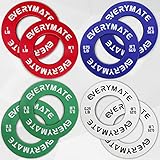
Overview: The EVERYMATE Fractional Weight Plates Set offers eight micro-increments for Olympic barbells, including pairs of 0.25, 0.5, 0.75, and 1-pound plates. Designed for progressive overload at minimal weight increases, these steel-core plates help lifters break through plateaus safely. The 2-inch center holes accommodate Olympic bars and can adapt to 1-inch bars with sleeves, making them versatile for various home gym setups. This set targets both beginners needing gradual progression and advanced lifters pursuing micro-loading strategies for continued strength gains.
What Makes It Stand Out: The steel core construction distinguishes this budget-friendly option from cast iron alternatives, providing durability without rubber odors. Color-coded plates with clear digital markings enable quick identification during intense workouts, saving valuable time between sets. The comprehensive range from 0.25 to 1-pound increments allows for precise load adjustments as small as half a pound. Unlike many competitors, EVERYMATE explicitly designs these for universal compatibility, including both Olympic and standard bars with adapters.
Value for Money: At $29.99, this set delivers exceptional affordability for entry-level micro-loading. Comparable steel fractional plate sets often cost 50-100% more, making this an accessible entry point. While not professionally calibrated like premium brands, the price-to-quantity ratio is outstanding—eight plates covering four weight denominations. For home gym enthusiasts testing micro-loading principles, this represents minimal financial risk with maximum functional utility.
Strengths and Weaknesses: Strengths include unbeatable pricing, steel durability, color-coded convenience, and broad compatibility. The steel core eliminates rubber smell concerns and provides stable weight distribution. Weaknesses involve unspecified weight tolerance (not calibrated), potentially less precise than premium options, and basic finish quality that may show wear over years of heavy use. The lack of included storage bag is a minor inconvenience.
Bottom Line: This EVERYMATE set is ideal for budget-conscious lifters wanting to experiment with micro-loading without sacrificing quality. It provides all essential increments for progressive strength training at a price point that undercuts most competitors while maintaining functional durability.
2. Micro Gainz Dumbbell Fractional 1.25lb Weight Plate, Ideal for Micro Loading, (Choose Color) 4 Piece Fractional Weight Plates, Designed for Dumbbell Training, Made In USA (Black)

Overview: The Micro Gainz Dumbbell Fractional Plates deliver premium micro-loading specifically designed for dumbbell training. This four-piece set provides 1.25-pound increments through an innovative two-piece clamp design that securely fits most dumbbell handles. Unlike traditional plate sets, these USA-made micro plates address the unique challenge of adding small weights to dumbbells and kettlebells where standard plates won’t fit. The sintered steel construction ensures durability for high-frequency training sessions.
What Makes It Stand Out: The specialized two-piece design is genuinely innovative, solving a problem most fractional plates ignore. Made in the USA with sintered steel and a powder coat finish, these plates boast professional-grade craftsmanship. The +/- 10-gram calibration tolerance ensures precise incremental loading, critical for advanced progression schemes. This precision engineering allows lifters to add exactly 1.25 or 2.5 pounds to dumbbells, enabling consistent overload without the jumps that cause plateaus.
Value for Money: At $99.99 for four plates, this is a significant investment. However, the specialized design, domestic manufacturing, and precise calibration justify the premium for serious athletes. Standard dumbbell micro-loading solutions often require custom fabrication costing more. For lifters specifically needing dumbbell increments, this targeted solution eliminates frustration and potential safety issues from improvised methods.
Strengths and Weaknesses: Strengths include the unique dumbbell-compatible design, USA manufacturing, precise calibration, and robust sintered steel construction. The powder coat finish resists chipping better than paint. Weaknesses are the high price point, limited to 1.25-pound increments only, and small set size (just four plates). The narrow focus means they’re unsuitable for barbell work, requiring separate purchases for comprehensive micro-loading.
Bottom Line: This Micro Gainz set is the premium choice for dedicated dumbbell trainers who demand precision and quality. While expensive, it solves a specific problem exceptionally well. Serious lifters breaking plateaus on dumbbell exercises will find the investment worthwhile for the targeted functionality.
3. Fractional Weight Plates - 2 Each of 1/4, 1/2, 3/4, 1 lb. Total Set of 8 by Trademark Innovations (Grey, Blue, Green, & Red)

Overview: Trademark Innovations offers a no-frills fractional plate set containing eight plates: pairs of 0.25, 0.5, 0.75, and 1-pound weights. Designed for Olympic barbells with 2-inch center holes, this set provides the fundamental increments needed for progressive micro-loading. The plates feature imprinted weight markings for basic identification. This represents the most economical entry point into fractional weight training, targeting budget-conscious lifters who prioritize function over features.
What Makes It Stand Out: The standout feature is the aggressive pricing—undercutting nearly all competitors while providing the complete range of standard micro-increments. The simple, utilitarian design focuses entirely on core functionality without premium finishes or marketing frills. The imprinted weight markings, while basic, remain legible and permanent unlike stickers that peel. For lifters seeking pure utility without brand premiums, this set delivers exactly what’s needed for progressive overload.
Value for Money: At $23.95, this set redefines affordability in fractional plates. Costing less than a month of gym membership, it removes financial barriers to micro-loading experimentation. While build quality reflects the price point, the functional value is undeniable. Comparable sets cost 25-75% more for essentially the same weight denominations. This is perfect for testing whether micro-loading fits your training style before investing in premium calibrated options.
Strengths and Weaknesses: Strengths include the lowest market price, complete increment range, and basic functionality. The 2-inch Olympic compatibility covers most home gym setups. Weaknesses involve unspecified material quality (likely cast iron), lack of color coding for quick identification, absence of calibration data, and potentially rougher finish. Durability may not match steel-core alternatives, and the plain appearance lacks aesthetic appeal.
Bottom Line: This Trademark Innovations set is the definitive budget choice for lifters wanting functional fractional plates at absolute minimum cost. While lacking premium features, it provides essential micro-loading capabilities that work. Ideal for beginners or as a backup set, though serious lifters may eventually upgrade for precision.
4. EVERYMATE Rubber Fractional Weight Plates Set Micro Weight Plate Pair of 0.25LB 0.5LB 0.75LB 1 LB for Olympic Barbells for Strength Training Micro Plates

Overview: The EVERYMATE Rubber-Coated Fractional Plates build upon their steel-core design by adding protective rubber coating. This eight-plate set includes pairs of 0.25, 0.5, 0.75, and 1-pound increments for Olympic barbells. The rubber exterior provides floor protection and noise dampening while maintaining the steel core’s stability. Designed for home gym environments where equipment protection matters, these plates combine micro-loading precision with practical protection.
What Makes It Stand Out: The rubber coating addresses a key home gym concern: protecting flooring and reducing clanking noise during plate changes. Unlike bare steel plates, these won’t scratch equipment or damage delicate garage floors. The color coding is enhanced by the rubber coating, providing vibrant, easy-to-identify plates that remain visually appealing over time. This hybrid construction offers the best of both worlds—steel precision with rubber protection.
Value for Money: At $39.99, the $10 premium over the bare steel version is justified for home gym owners. Rubber-coated plates typically cost 50% more than bare steel, making this pricing reasonable. The added durability and protection extend the lifespan of both plates and barbell, potentially saving money long-term. For lifters training in finished spaces, this investment prevents costly floor repairs.
Strengths and Weaknesses: Strengths include protective rubber coating, noise reduction, enhanced color coding, and the same steel-core durability as the base model. The corrosion resistance is improved with rubber encapsulation. Weaknesses involve the higher price point, potential for rubber to degrade over many years, and slightly thicker profile that may limit how many plates fit on a bar sleeve. The rubber smell, while minimized, may still be present initially.
Bottom Line: This rubber-coated EVERYMATE set is the smart choice for home gym enthusiasts wanting micro-loading benefits without risking equipment or floor damage. The modest price increase delivers tangible practical benefits, making it superior to the steel version for most home setups. A balanced blend of function and protection.
5. Micro Gainz Calibrated Fractional Weight Plates Set, 8 Piece Olympic Weight Plates Set with Bag, Designed for Olympic Barbells for Strength Training and Micro Loading, Made in USA (Black)

Overview: The Micro Gainz Calibrated Olympic Fractional Plate Set represents premium American-made micro-loading precision. This eight-piece set includes pairs of 0.25, 0.5, 0.75, and 1-pound plates engineered for 2-inch Olympic barbells. The sintered steel construction features colored powder coating and an impressive +/- 5-gram calibration tolerance. Packaged with a storage bag, this set targets serious lifters who demand laboratory-grade precision for progressive overload strategies.
What Makes It Stand Out: The exceptional +/- 5-gram tolerance is among the tightest in the consumer market, ensuring exact load increments critical for advanced periodization. Made in the USA from sintered steel, these plates offer professional-grade durability that outlasts cast alternatives. The included storage bag is a practical addition rarely found with fractional sets. Colored powder coating provides both aesthetic appeal and quick weight identification without the maintenance issues of paint.
Value for Money: At $44.99, this set bridges the gap between budget and boutique options. It delivers near-competition-level calibration at half the price of some premium brands. The Made in USA quality control and durable construction justify the moderate premium over imported sets. For lifters following precise percentage-based programs, this calibration accuracy eliminates the guesswork that undermines progress.
Strengths and Weaknesses: Strengths include superior calibration precision, domestic manufacturing, robust sintered steel, colored powder coat finish, and included storage bag. The versatility across Olympic bars and EZ curl bars adds value. Weaknesses are the higher cost compared to basic sets and potential overkill for casual lifters not following strict progression protocols. The premium features may be unnecessary for general fitness purposes.
Bottom Line: This Micro Gainz set is the sweet spot for serious lifters wanting professional precision without boutique pricing. The calibration accuracy and American craftsmanship make it a long-term investment that supports advanced training methodologies. Highly recommended for dedicated strength athletes.
6. Micro Gainz Calibrated Fractional Weight Plate Set of 2 Plates, Choose Set (.25LB-1.25LB), Designed for Olympic Barbells for Strength Training & Micro Loading Bar Weights, Made in USA (Set of .25lb)
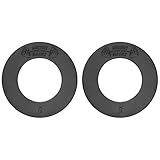
Overview: Micro Gainz delivers premium fractional plates for lifters pursuing progressive overload with surgical precision. This set includes two 0.25-pound plates, enabling half-pound total increases on Olympic barbells. Designed for strength athletes who understand that smaller increments drive consistent long-term gains, these plates solve the common problem of stagnation caused by excessive weight jumps between training sessions.
What Makes It Stand Out: Exceptional calibration sets these apart—each plate maintains a weight tolerance of +/- 5 grams, ensuring true micro-loading rather than approximate increments. Crafted from sintered steel with a durable colored powder coating, they withstand daily gym abuse while retaining their professional appearance. The “Made in USA” guarantee ensures manufacturing standards that budget imports consistently fail to match. The plates fit 2-inch Olympic barbells with zero wobble, maintaining bar balance during delicate lifts.
Value for Money: At $18.99 for two 0.25-pound plates, the price per pound is premium, but the investment is justified for serious lifters. Cheaper alternatives lack calibration accuracy and use inferior metals that crack under repeated use. Accurate micro-loading can mean the difference between breaking a plateau and stalling for months. For dedicated athletes, this precision accelerates progress that outweighs the initial cost.
Strengths and Weaknesses: Strengths include precise calibration, superior sintered steel construction, American manufacturing, and professional-grade durability. Weaknesses involve the limited single-weight option—most lifters need multiple sizes, and purchasing individual sets becomes prohibitively expensive. The price point may deter casual gym-goers who don’t require laboratory-level precision.
Bottom Line: Ideal for committed strength athletes prioritizing precision and domestic manufacturing quality. If you’re serious about micro-loading and demand American-made gear, this set delivers exceptional performance. For broader weight options, consider Micro Gainz’s larger sets.
7. E.T.ENERGIC Fractional Weight Plates Set of 8 (0.25LB, 0.5LB, 0.75LB, 1 LB) x 2, Odorless Micro Weight Plates for Olympic Barbells for Change Plates Strength Training

Overview: E.T.ENERGIC provides a comprehensive fractional plate solution with this eight-piece set spanning 0.25lb to 1lb increments. Each weight includes two plates for symmetrical loading, eliminating the need to purchase multiple separate sets. This complete range offers immediate flexibility for implementing micro-progression strategies across different exercises and muscle groups without interruption.
What Makes It Stand Out: The color-coded system with clear digital markings enables instant weight identification during intense workouts, saving valuable time between sets. Unlike rubber-coated alternatives, these steel-core plates remain completely odorless—crucial for home gyms where ventilation is limited. The set maintains +/- 5 gram accuracy, meeting international standards for precision. Getting four distinct weight increments in one package provides unmatched versatility for varying progression rates.
Value for Money: At $28.99 for eight plates, this set delivers outstanding value. Purchasing equivalent Micro Gainz sets would cost over $75. The price per pound is highly competitive, especially considering the accuracy and included variety. For lifters wanting a complete micro-loading arsenal without premium pricing, this represents intelligent economics that doesn’t compromise functionality.
Strengths and Weaknesses: Strengths include comprehensive weight range, color-coded convenience, odorless construction, high accuracy, and budget-friendly pricing. Weaknesses involve uncertain long-term durability compared to premium brands, potential quality control variations in mass production, and lack of “Made in USA” status for those prioritizing domestic manufacturing. The storage bag is also absent.
Bottom Line: A practical, cost-effective entry into serious micro-loading. Perfect for lifters wanting variety and precision without premium pricing. The complete set covers all bases for progressive strength training and change plate functionality.
8. Yes4All 1.25Lb Dumbbell Fractional Weight Plates 2 Pieces/4 Pieces - Designed For Dumbbell Training, Micro Loading, And Body Workout
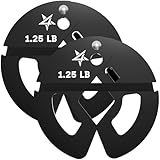
Overview: Yes4All addresses a critical gap in micro-loading equipment with these dumbbell-specific fractional plates. Unlike Olympic barbell plates, these clamp directly onto dumbbell handles, enabling 1.25-pound incremental jumps for selectorized, rubber hex, and adjustable dumbbells. This specialized design solves the persistent challenge of progressing with dumbbell exercises where traditional weight jumps are too large and limiting for upper body isolation work.
What Makes It Stand Out: The innovative rubber band security system distinguishes these from improvised solutions. The interlock area keeps bands properly positioned during plate changes, preventing dangerous slippage that could compromise safety. The inclusion of spare rubber bands demonstrates thoughtful long-term usability planning. The black powder-coated steel resists sweat-induced corrosion, essential for equipment handled frequently during high-rep workouts.
Value for Money: Priced at $31.00 for two or four pieces, these offer fair value for a niche engineering solution. Standard fractional plates simply don’t work on dumbbells, making these essential for dedicated dumbbell trainers. While not inexpensive, the specialized design and safety features justify the cost compared to dangerous homemade alternatives or abandoning micro-progression entirely.
Strengths and Weaknesses: Strengths include unique dumbbell compatibility, secure attachment mechanism, corrosion-resistant finish, and included replacement bands. Weaknesses involve limited weight options (only 1.25lb), lack of calibration precision specifications, and narrow versatility—they’re useless for barbell work. The design may not accommodate all dumbbell handle shapes, particularly very thick or irregularly shaped grips.
Bottom Line: An essential tool for serious dumbbell training programs. If your progression relies heavily on dumbbell micro-loading, these plates solve a genuine problem effectively. For mixed barbell and dumbbell workouts, invest in Olympic fractional sets instead of this specialized tool.
9. Micro Gainz Dumbbell Fractional 1.25lb Weight Plate, Ideal for Micro Loading, (Choose Color) 2 Piece Fractional Weight Plates, Designed for Dumbbell Training, Made In USA (Black)

Overview: Micro Gainz applies its premium manufacturing philosophy to dumbbell training with these precision-engineered 1.25-pound fractional plates. Designed specifically for dumbbell handles but compatible with kettlebells and standard barbells, this two-piece set enables micro-progression where traditional dumbbell increments prove excessive. The American-made construction targets lifters who demand top-tier quality across all equipment categories.
What Makes It Stand Out: These plates maintain +/- 10 gram calibration tolerance—remarkable for dumbbell accessories that typically lack any precision claims. The sintered steel construction with durable powder coating ensures longevity despite frequent handling and changes. Unlike makeshift solutions, these provide a secure, professional fit on most dumbbell handles. The color selection option adds personalization to highly functional equipment.
Value for Money: At $54.99 for just two plates, this represents a substantial investment. You’re paying approximately triple the Yes4All alternative for American manufacturing, superior materials, and claimed precision. For competitive strength athletes, physical therapists, or those prioritizing domestic products, the premium may be justified. Casual lifters will find substantially better value elsewhere.
Strengths and Weaknesses: Strengths include superior build quality, precise calibration, versatile compatibility beyond dumbbells, and USA manufacturing with quality control. Weaknesses center on the extremely high price point, single weight option requiring additional purchases for variety, and looser tolerance (+/- 10g) compared to Micro Gainz’s own Olympic plates (+/- 5g). The value proposition is narrow.
Bottom Line: Premium dumbbell micro-loading for committed athletes and professionals. The quality is undeniable, but the cost severely limits appeal to serious lifters and USA-made purists. Most users should consider more economical alternatives that provide similar functionality.
10. Micro Gainz Olympic Fractional Weight Plates Set, 10 Piece Olympic Weight Plates Set with Bag, Designed for Olympic Barbells for Strength Training and Micro Loading, Made in USA (Multi-Color)

Overview: This comprehensive 10-piece set represents Micro Gainz’s flagship fractional plate offering, covering the complete micro-loading spectrum from 0.25lb to 1.25lb. Each weight includes two plates for symmetrical loading, and the included storage bag adds organizational convenience. The multi-color system enables instant weight identification, while the all-in-one design eliminates piecemeal purchasing frustrations for serious strength athletes.
What Makes It Stand Out: The complete weight range in one premium package distinguishes this from single-size offerings. The +/- 5 gram calibration tolerance across all plates ensures laboratory-level precision for meticulous strength progression. Sintered steel construction with vibrant colored powder coating provides exceptional durability and professional aesthetics. The “Made in USA” quality control guarantees consistency across every plate. The storage bag solves the universal problem of losing small plates in a busy gym environment.
Value for Money: At $64.99 for ten plates plus storage, this offers the best per-plate value in the Micro Gainz lineup. Purchasing equivalent individual sets would exceed $90. While premium-priced compared to imports, the comprehensive range, bag inclusion, and American manufacturing justify the investment for dedicated lifters. This one-time purchase covers all micro-loading needs permanently.
Strengths and Weaknesses: Strengths include complete weight variety, exceptional precision, superior durability, USA manufacturing, and practical storage solution. Weaknesses involve high upfront cost that may intimidate beginners, and the specialized nature—casual lifters may rarely use the smallest increments. The premium pricing remains a barrier for budget-conscious buyers despite the complete package value.
Bottom Line: The ultimate micro-loading solution for dedicated strength athletes who demand the best. If you’re serious about progressive overload and want a complete, precision-calibrated set that lasts a lifetime, this delivers. The upfront investment pays dividends in accuracy, durability, and training results.
What Is Micro-Loading and Why Does It Matter?
Micro-loading is the practice of making incremental weight increases smaller than the standard 2.5 or 5-pound jumps typically found in commercial gyms. Instead of leaping forward, you’re essentially crawling. While that might sound tedious, it’s precisely this granular approach that keeps progress alive when your body has adapted to everything else. Think of it as compound interest for your muscles—small, consistent deposits that accumulate into substantial gains over time.
The real magic happens in your central nervous system. Large jumps trigger protective mechanisms that can stall progress or cause form breakdown. Micro-loading sneaks past these neurological red flags, allowing muscular adaptation to occur without alarming your body’s “this is too heavy” alarm system. For intermediate and advanced lifters, this isn’t optional; it’s the difference between spinning your wheels for a year and adding 20-30 pounds to your primary lifts.
The Science Behind Progressive Overload
Progressive overload operates on a simple principle: to get stronger, you must gradually increase the stress placed on your musculoskeletal system. But here’s what most generic fitness articles won’t tell you—the minimum effective dose of overload decreases as your training age increases. A beginner can add 10 pounds weekly and adapt; a five-year veteran might need a month to adapt to a 5-pound increase.
Research into daily undulating periodization and minimum effective load reveals that increments as small as 1-2% of your one-rep max can drive adaptation when applied consistently. For a 300-pound squatter, that’s just 3-6 pounds. Fractional plates give you the precision to apply this principle without rounding up to the nearest 5-pound plate and potentially overshooting your recovery capacity. The key is staying in the adaptive zone without crossing into the destructive zone.
What Are Fractional Plates?
Fractional plates are purpose-built weight plates ranging from 0.25 pounds to 1.5 pounds, typically sold in sets that allow you to micro-load in quarter-pound or half-pound increments. Unlike their larger counterparts, these plates prioritize precision over mass. They’re designed to fit standard Olympic bars (2-inch center hole) or standard bars (1-inch center hole), though Olympic is far more common in serious training environments.
What distinguishes quality fractional plates from improvised solutions is their manufacturing tolerance. While you could theoretically duct-tape washers to your bar, properly calibrated fractional plates maintain accuracy within ±2-3% of their stated weight. This consistency matters because micro-loading depends on knowing exactly how much load you’re adding. When you’re working with a 0.5-pound plate, even a 0.1-pound variance represents a 20% error margin.
Standard Plate vs. Fractional Plate: Key Differences
The fundamental difference isn’t just size—it’s philosophy. Standard plates are built for gross loading; their weight denominations reflect the assumption that bigger jumps are better. Fractional plates operate on the principle of micro-adjustment. Standard 2.5-pound plates often have wide weight tolerances (sometimes ±5%), which is negligible when you’re loading 200 pounds but significant when that 2.5-pound plate represents your entire weekly progression.
Construction differs dramatically. Standard plates are often cast iron with minimal finishing, prioritizing cost-effectiveness. Quality fractional plates are typically machined from solid steel or iron, with precise milling to ensure weight accuracy. The hub (center hole) is reinforced to prevent deformation, and many feature protective coatings to resist corrosion from hand oils and gym humidity. You’re paying for precision engineering, not just material.
The Psychology of Small Wins in Strength Training
Strength training is as much mental as physical. Missing a lift at 200 pounds creates a psychological anchor that can haunt your next session. Micro-loading redefines “winning.” When you add 0.5 pounds and complete all prescribed reps, you’ve achieved a lifetime PR. This psychological momentum is invaluable during long training blocks where visible progress seems invisible.
This approach also dismantles the “all-or-nothing” mindset that plagues intermediate lifters. Instead of facing a binary outcome (make the 5-pound jump or fail), you’re playing a game you can win every time. Over 12 weeks, those half-pound increments accumulate to six pounds—progress you’d likely have missed entirely if you’d attempted two risky 5-pound jumps and stalled twice. The brain responds to positive reinforcement; fractional plates let you reinforce success weekly.
Types of Fractional Plates Explained
Cast Iron Fractional Plates
Cast iron fractional plates represent the entry-level option, created by pouring molten iron into molds. They’re cost-effective but carry the highest weight variance, typically ±3-5%. The casting process leaves a rougher finish and can create internal voids that affect accuracy. For lifters on a budget who train in controlled environments, they’re functional but not ideal for precise programming.
The primary drawback is durability. Cast iron is brittle; drop a cast fractional plate on concrete and it might crack. The center hole can also deform over time if repeatedly slid onto rough barbell sleeves. However, for home gym owners who treat their equipment gently, cast iron plates offer an affordable entry into micro-loading without significant compromise.
Steel Machined Fractional Plates
Machined from solid steel blanks, these represent the gold standard. CNC milling ensures each plate hits its target weight within ±1-2% tolerance. The density of steel allows for thinner profiles, meaning you can load more micro-plates on the bar sleeve before running out of space. The surface finish is smooth, often treated with black oxide or zinc plating for corrosion resistance.
The manufacturing process eliminates internal voids and creates uniform density. These plates survive drops, resist chipping, and maintain their calibration through years of use. For competitive powerlifters or anyone serious about long-term progression, machined steel is worth the premium. The price reflects the manufacturing complexity, but the precision pays dividends in consistent training data.
Coated and Color-Coded Options
Polyurethane-coated fractional plates combine steel cores with protective coating, typically in bright colors that follow international weightlifting standards. This coating prevents metal-on-metal contact, protecting both your plates and barbell from wear. The color-coding serves a practical purpose—when you’re loading 0.5-pound plates, you don’t want to squint at tiny embossed numbers. A quick visual identifier speeds up your setup.
The coating adds minimal thickness but provides significant durability benefits. It also dampens noise, which matters when you’re loading multiple fractional plates. The downside? Coating can chip if abused, and cheaper versions might have inconsistent thickness that affects weight distribution. High-end coated plates use a bonding process that prevents delamination.
Magnetic Fractional Plates
Magnetic fractional plates attach directly to iron or steel barbells and dumbbells without using the sleeve. This design solves sleeve space limitations and allows micro-loading on fixed-weight equipment. Strong neodymium magnets hold them securely during most movements, though high-velocity Olympic lifts might dislodge them.
The weight accuracy depends on the magnet’s mass being factored into the total. Quality magnetic plates embed the magnet within the plate body, ensuring consistent weight. They’re ideal for home gyms with limited bar sleeve space or for lifters who want to micro-load dumbbell work. The limitation is compatibility—they won’t stick to stainless steel bars or coated bars with non-ferrous materials.
Weight Increments: How Small Should You Go?
The optimal increment size depends on your training age, lift, and current strength level. For upper body presses (where progress is notoriously slow), 0.5-pound increments often prove ideal. A 0.5-pound addition per week yields 26 pounds annually—more than most intermediate lifters achieve with traditional loading. Lower body lifts can often handle 1-pound increments due to larger muscle mass and mechanical advantage.
Quarter-pound plates (0.25 pounds) shine in specific scenarios: rehabbing injuries, training around joint pain, or during peaking phases where you’re already at 95% of your max. They also work for lifters using high-frequency programs where you’re hitting a movement pattern 3-4 times weekly. In these cases, even a 0.5-pound jump might exceed your recovery capacity.
Consider purchasing a set that includes pairs of 0.25, 0.5, 0.75, and 1-pound plates. This gives you flexibility to create any half-pound increment from 0.5 to 3.5 pounds per side. Most quality sets follow this configuration, understanding that micro-loading isn’t about using one weight exclusively—it’s about having options.
Material Matters: Durability and Accuracy
The material composition directly impacts both longevity and precision. Steel, with its 7.85 g/cm³ density, allows for compact plates that won’t occupy excessive sleeve space. Cast iron, at 7.3 g/cm³, requires more volume for the same weight, leading to thicker plates. This becomes critical when you’re stacking multiple fractional plates alongside your regular plates—run out of sleeve space and you can’t load your working weight.
Corrosion resistance is another factor. Bare steel rusts in humid gym environments, potentially altering weight through oxidation. Black oxide coating provides minimal protection, while zinc plating or powder coating offers superior barrier protection. For garage gym owners in climate zones with high humidity, corrosion resistance isn’t optional—it’s preservation.
The material’s hardness affects how the plate interfaces with your barbell. Softer metals can deform, creating a loose fit that causes plates to shift during lifts. Harder steel maintains its dimensions, ensuring a snug fit on the sleeve. This stability matters more than you’d think—a shifting 0.5-pound plate can create an imperceptible imbalance that your stabilizing muscles must correct, subtly altering movement patterns.
Center Hole Sizing: Ensuring Compatibility
Olympic barbells require 2-inch (50mm) center holes. Standard barbells need 1-inch (25.4mm) holes. This seems straightforward, but manufacturing tolerances create real-world issues. A 2-inch hole might actually measure 2.05 inches, creating a sloppy fit that rattles and shifts. Premium fractional plates hold tighter tolerances, typically 50mm +0.1/-0.0mm, ensuring a secure fit without being impossible to slide on.
If you own standard equipment, your options narrow significantly. Most fractional plate manufacturers target the Olympic market. However, adapter sleeves—hollow cylinders that fit over a standard bar to create a 2-inch diameter—solve this problem. Just ensure the adapter is included in your set or purchase one separately. The adapter adds minimal weight (usually 0.25-0.5 pounds), which you must factor into your calculations.
Some bars have grooved or ribbed sleeves for better plate grip. Test your fractional plates on these bars before committing. The plates’ hub should be smooth enough to slide over minor texture but tight enough to stay put. If you train at multiple gyms, consider bringing a set with slightly looser tolerances to ensure compatibility across different bar manufacturers.
Accuracy and Calibration Standards
Weight tolerance is the specification that separates toys from tools. A plate labeled “0.5 lbs ±5%” could weigh anywhere from 0.475 to 0.525 pounds. When loading four of these (two per side), your total addition could be off by ±0.2 pounds. While that seems negligible, it’s 40% of your intended load—enough to matter over time.
Quality manufacturers calibrate plates using certified scales and provide documentation of accuracy. Look for tolerances of ±2% or better. Some premium brands offer ±1% tolerance, meaning a 0.5-pound plate weighs between 0.495 and 0.505 pounds. This level of precision ensures your training log reflects reality, not approximate guesses.
Calibration drift is real. Repeated dropping, temperature fluctuations, and corrosion can alter a plate’s weight. Machined steel plates resist drift better than cast iron. Test your plates annually using a precise digital scale. If you compete in drug-tested federations, some require plate certification for record attempts, making accuracy documentation essential.
Price vs. Value: Making a Smart Investment
Entry-level cast iron fractional sets start around $30-50 for a complete set. Machined steel sets range from $80-150. Coated or color-coded premium sets can exceed $200. The price difference reflects manufacturing cost, but what’s the real value?
Consider cost per pound of capacity. A $100 set providing 10 pounds total capacity costs $10/pound—seemingly expensive compared to $2/pound standard plates. But value isn’t just capacity; it’s the progress those plates enable. If a $100 set helps you add 15 pounds to your press over a year that you’d otherwise have missed, that’s a 15% return on your lift for a $100 investment.
Durability affects value too. A $40 cast iron set that cracks in two years costs $20/year. A $120 steel set lasting ten years costs $12/year. The “expensive” option is cheaper over time. For competitive lifters, the value is even clearer—plateaus cost you competition placings. Breaking a six-month stall is worth far more than the price difference between cast iron and machined steel.
Storage and Organization Solutions
The biggest practical challenge with fractional plates is their size—they’re easy to lose and frustrating to organize. A 0.5-pound plate can hide in a gym bag corner or get kicked under a rack. Dedicated storage isn’t just convenient; it’s protective.
Wall-mounted plate holders with labeled slots keep plates visible and accessible. Look for holders with 2-inch pegs spaced to accommodate the plates’ compact diameter. Some manufacturers sell sets with included storage bars that mount to your power rack. This integration keeps your micro-plates where you load your bar—saving steps and mental energy.
For travel or gym bag storage, padded cases with custom-cut foam inserts protect plates and prevent them from becoming a jumbled mess. This matters because banging around in a bag can chip coatings and potentially affect calibration. If you’re a competitive lifter who trains at multiple facilities, a portable case is essential equipment.
Labeling matters more than you’d think. When you’re between heavy sets, squinting at tiny numbers is the last thing you want. Color-coding or clear size differentiation helps you grab the right weight without breaking your focus. Some lifters use permanent markers to add large, visible numbers to their plates.
Safety Considerations for Micro-Loading
Safety seems counterintuitive with such light weights, but micro-loading introduces unique risks. A 0.5-pound plate might not seat securely on a bar sleeve, especially if the sleeve is worn or the plate’s hub is oversized. Always use collars, even with light loads. A shifting fractional plate creates imbalance that your stabilizers must correct, potentially causing form breakdown under heavy loads.
Load order matters. Place fractional plates on the bar first, flush against the sleeve collar, then load your larger plates outside them. This prevents the small plates from being trapped between large plates where they can shift. Never load fractional plates outside your main plates—they can act as leverage points, increasing the risk of plates sliding off if collars fail.
Dropping bars loaded with fractional plates requires caution. The plates’ small mass means they experience higher g-forces during impact, potentially cracking cast iron plates or dislodging magnetic plates. If you train Olympic lifts, secure fractional plates with tape or consider them only for strength movements, not dynamic lifts. Some magnetic plates are specifically rated for drop impact—check manufacturer specifications.
When to Use Fractional Plates in Your Training
The most obvious application is breaking through plateaus on upper body presses. The bench press, overhead press, and incline press respond exceptionally well to micro-loading due to smaller muscle groups and longer recovery needs. When you can’t add 5 pounds, adding 0.5-1 pound keeps the progressive overload signal active without overwhelming recovery.
Rehabilitation scenarios demand micro-loading. Returning from a shoulder injury, you might only tolerate 1-pound weekly increases on pressing movements. Fractional plates let you progress without re-injury. The same principle applies to aging lifters whose joints can’t handle aggressive loading but whose muscles can still adapt.
Peaking phases benefit enormously. As you approach a competition max, traditional periodization has you making 2-3% jumps. Micro-loading allows 1% jumps, keeping you in the adaptation zone longer without overshooting into failure territory. This is why many elite powerlifters micro-load their final four weeks before a meet.
High-frequency training programs (like squatting or benching 4+ times weekly) require micro-loading. Your per-session volume might be lower, but you need weekly progression. A 1-pound addition per session across four sessions is a 4-pound weekly increase—too aggressive. But 0.5 pounds per week total spread across those sessions? Perfectly manageable.
Common Mistakes to Avoid
The most frequent error is micro-loading too early. Beginners don’t need fractional plates; they need to master technique and exploit novice gains. Using micro-plates before you’ve exhausted 5-pound jumps is like using a scalpel to cut bread—overkill that slows progress. Wait until you’ve completed at least 12-18 months of consistent training before considering micro-loading.
Another mistake is inconsistent application. Micro-loading works because of precision. If you add 0.5 pounds one week, skip a week, then add 1.5 pounds the next, you’re not micro-loading—you’re just making random jumps. The system requires discipline. Track every addition, even if it feels trivial.
Don’t neglect base volume for micro-progression. Adding 0.5 pounds to a lift you’re only performing for one heavy set weekly won’t drive much adaptation. Micro-loading works best when applied to sufficient volume—multiple sets across moderate rep ranges. The small weight increase must be paired with adequate training stress.
Finally, don’t let micro-loading become a crutch. If you’ve been adding 0.5 pounds weekly for three months and suddenly can’t complete your sets, the solution isn’t to drop to 0.25-pound increments. You likely need a deload, technique work, or addressing recovery factors. Micro-loading extends progress; it doesn’t replace intelligent programming.
Advanced Micro-Loading Techniques
The 1% Rule
Program your micro-loads as a percentage of your training max, not arbitrary fixed increments. For a 200-pound press, 1% is 2 pounds. For a 400-pound squat, it’s 4 pounds. This scales your progression to your current strength level. Use fractional plates to hit these percentages precisely. As you get stronger, your absolute micro-loads naturally increase, maintaining optimal adaptation stimulus.
Wave Loading with Fractionals
Instead of linear weekly increases, create micro-waves: Week 1 adds 0.5 pounds, Week 2 adds another 0.5, Week 3 drops 0.25 pounds (a mini-deload), then Week 4 adds 0.75 pounds to surpass Week 2’s weight. This wave pattern manages fatigue while ensuring net forward progress. Fractional plates make these precise adjustments possible without rounding errors.
Micro-Loading for Hypertrophy vs. Strength
For hypertrophy, micro-load smaller increments (0.25-0.5 pounds) while keeping reps in the 8-12 range. The metabolic stress accumulates with tiny weight increases. For pure strength work in the 1-3 rep range, use larger micro-loads (0.75-1.5 pounds). The neurological demands of maximal lifts require slightly bigger jumps to signal adaptation, but still far smaller than traditional loading.
Integrating Fractional Plates Into Your Program
Start by identifying your “micro-loadable” lifts. These are typically your main barbell movements: squat, bench press, overhead press, deadlift, row. Accessory movements generally don’t require micro-loading; use dumbbell increments or rep progression instead.
Create a dedicated progression scheme. For example: “Add 0.5 pounds to bench press every week for 8 weeks, then deload 5 pounds and restart.” Track this separately from your main program. Use a spreadsheet or training app that allows decimal entries—rounding to whole numbers defeats the purpose.
Store your fractional plates where you can’t ignore them. If they’re tucked away, you’ll forget to use them. Keep them on a dedicated holder next to your primary barbell. Make micro-loading as convenient as grabbing a 45-pound plate. The friction of setup should be zero.
Finally, be patient. Micro-loading feels slow initially. You won’t post Instagram-worthy PRs every week. But at the end of a year, you’ll have added 25-30 pounds to lifts that would have been stuck. That’s the compound effect in action—boring, consistent, and brutally effective.
Frequently Asked Questions
How do I know when it’s time to start using fractional plates?
When you’ve failed to add 5 pounds to a lift for three consecutive weeks despite proper recovery and technique, you’re ready. Another indicator is hitting bodyweight milestones (like benching your bodyweight) where progress naturally slows. Most lifters benefit after 12-18 months of consistent training.
Can I just use washers from the hardware store instead of buying fractional plates?
While washers are cheaper, they’re not calibrated and their weight varies significantly. A “0.5-pound” washer might weigh 0.4 or 0.6 pounds, creating inconsistency. They also don’t have reinforced center holes and will deform quickly. For short-term experimentation, washers work; for long-term programming, invest in proper plates.
Will micro-loading work for beginners?
No. Beginners should exploit novice gains with standard 5-pound increments for as long as possible. Micro-loading is a tool for intermediate and advanced lifters who’ve exhausted rapid adaptation. Using it too early slows progress by under-stimulating the muscles.
How accurate do fractional plates need to be?
For most lifters, ±2% tolerance is sufficient. At 0.5 pounds, that’s a 0.01-pound variance—negligible. Competitive powerlifters should seek ±1% tolerance for competition-specific lifts. Cast iron plates at ±5% are marginally acceptable but not ideal for precise programming.
Can I micro-load dumbbells or only barbells?
You can micro-load both. Magnetic fractional plates work on iron dumbbells. For adjustable dumbbells with threaded handles, some companies make micro-plates that screw onto the ends. Plate-loaded dumbbells with 2-inch sleeves accept standard fractional plates. The principle applies to any loadable implement.
How many fractional plates should I buy?
A complete set includes pairs of 0.25, 0.5, 0.75, and 1-pound plates. This lets you create any 0.5-pound increment from 0.5 to 3.5 pounds per side. That’s sufficient for 95% of micro-loading scenarios. Advanced lifters might add 1.5-pound plates.
Do fractional plates damage barbell sleeves?
Quality fractional plates with smooth hubs won’t damage sleeves. Cheap plates with rough casting or sharp edges can scratch sleeves over time. Always inspect plates before purchase and avoid sliding them aggressively. A light coat of 3-in-1 oil on your bar sleeves reduces friction.
Should I use collars with fractional plates?
Absolutely. Always use collars, even with light loads. Fractional plates can shift due to their small mass and momentum during the lift. A shifting plate creates imbalance that can affect form and potentially cause injury. Lock them in place like any other weight.
How do I track micro-loading progress in my training log?
Use a spreadsheet or app that records weights to the hundredth decimal. Write “Bench Press: 185.5 lbs x 5 reps” not “185 lbs + micros.” The exact weight matters. Many lifters keep a separate “micro-load progression” column to track weekly additions independently of total weight.
Can I make my own fractional plates?
Machining your own from steel blanks is possible if you have metalworking skills and a precise scale. However, the time and material cost often exceeds buying a commercial set. DIY concrete plates lack accuracy and durability. Unless you’re doing it as a hobby project, purchasing is more practical.