Watching your little slugger take their first swing is pure magic—that wobbly stance, the determined grip, the priceless grin when bat meets ball. But before that first tee-ball practice, there’s one piece of equipment that deserves your full attention: the helmet with face guard. This isn’t just another item to check off the list; it’s the guardian between your child’s developing face and a hardball traveling at surprising speeds. While tee-ball might seem gentle compared to older leagues, those lightweight bats and bouncy balls can still cause serious injuries when contact is made with tiny, vulnerable features.
The market is flooded with options promising ultimate protection, but not all kids’ tee-ball helmets are created equal. From certification standards that read like alphabet soup to sizing systems that seem to require an engineering degree, parents often feel overwhelmed. This guide cuts through the noise, giving you the expert knowledge to evaluate any helmet you encounter—whether shopping online or in-store—without relying on brand hype or paid endorsements. Let’s build your confidence so you can make a decision that keeps your child both safe and excited to play.
Top 10 Kids’ Tee-Ball Helmets with Face Guards
Detailed Product Reviews
1. Rawlings | BBYWG Youth/TBall Batting Helmet Facemask | Fits all TBall/Small COOLFLO (RCFTB/MLTBH) Helmet Models | Black

Overview: The Rawlings BBYWG Youth/TBall Batting Helmet Facemask is a specialized protective accessory designed specifically for young players using Rawlings COOLFLO helmets. This attachment provides crucial facial protection without requiring parents to purchase an entirely new helmet system. Engineered for T-ball and youth baseball, it addresses the safety concerns of coaches and parents while maintaining the comfort standards expected for young athletes.
What Makes It Stand Out: This facemask distinguishes itself through its universal compatibility with all Rawlings COOLFLO T-ball helmet models (RCFTB/MLTBH). The innovative wire configuration maximizes visibility—a critical factor for developing hitters who need clear sightlines to track the ball. Weighing less than traditional facemask designs, it prevents the helmet from feeling cumbersome on smaller heads. The included chinstrap adds value, ensuring the entire helmet system stays secure during active play.
Value for Money: At $13.99, this facemask represents excellent value for families who already own a compatible Rawlings helmet. Purchasing a separate helmet with integrated facemask typically costs $30-40, making this accessory a cost-effective upgrade. The NOCSAE certification guarantees it meets rigorous safety standards, providing peace of mind that doesn’t break the budget.
Strengths and Weaknesses: Strengths include its lightweight construction, enhanced visibility design, universal fit for specified helmets, included chinstrap, and official NOCSAE approval. The primary weakness is its limited compatibility—it only works with specific Rawlings COOLFLO models, not universal helmet brands. Additionally, it’s sold as a separate component, requiring the base helmet purchase.
Bottom Line: For parents and coaches invested in the Rawlings COOLFLO ecosystem, this facemask is an essential, affordable safety upgrade. It delivers professional-level protection and visibility for T-ball players without the expense of a complete helmet replacement.
2. Easton | ALPHA T-Ball Batting Helmet | T-Ball/Small | Royal

Overview: The Easton ALPHA T-Ball Batting Helmet delivers comprehensive head protection for young players stepping into the batter’s box. Engineered specifically for T-ball and small youth sizes (6 1/4" to 6 7/8" hat size), this helmet combines robust safety features with comfort-focused design elements. The royal color option adds visual appeal while maintaining the professional standards expected from a leading equipment manufacturer.
What Makes It Stand Out: The helmet’s ABS thermoplastic shell provides exceptional impact resistance, while the dual-density foam liner offers both comfort and advanced shock absorption. Easton’s proprietary BIO DRI liner actively manages moisture, keeping young hitters cool and dry during hot practice sessions and games. Meeting NOCSAE standards for all levels of play ensures this helmet exceeds baseline safety requirements for youth baseball.
Value for Money: Priced at $25.43, the ALPHA represents solid mid-range value. It competes favorably with entry-level helmets while offering superior moisture management and dual-density protection typically found in more expensive models. Parents avoid the $10-15 premium of helmet-facemask combos, making it economical if facial protection isn’t immediately necessary.
Strengths and Weaknesses: Strengths include the durable ABS shell, effective dual-density padding, excellent moisture-wicking BIO DRI liner, official NOCSAE certification, and appropriate sizing for T-ball players. Notable weaknesses: no facemask included (requiring separate purchase), limited color options may not suit all team uniforms, and the ventilation system is less advanced than premium models.
Bottom Line: The Easton ALPHA is a reliable, safety-certified helmet ideal for T-ball players needing fundamental protection. Its moisture management and impact absorption make it a smart choice for active young athletes, though parents should budget for a separate facemask for complete facial protection.
3. Rawlings | Vapor Molded Youth Batting Helmet with Face Guard | Black

Overview: The Rawlings Vapor Molded Youth Batting Helmet offers a complete protective solution for young baseball players, combining a helmet and face guard in one integrated package. Designed specifically for youth athletes, this system prioritizes the three essentials: protection, comfort, and style. The black finish provides a classic, professional appearance suitable for any team uniform while delivering certified safety performance.
What Makes It Stand Out: This helmet comes pre-drilled and fitted with a Rawlings NOCSAE-approved face guard, eliminating installation guesswork and ensuring proper alignment. The COOLFLO design features strategic venting that maintains the traditional aerodynamic look while maximizing airflow. Dual-density EVA foam interior padding delivers a secure, comfortable fit and premium impact absorption, addressing both safety and wearability for extended games and practices.
Value for Money: At $29.97, this combination represents exceptional value. Purchasing a separate helmet ($15-20) and compatible facemask ($10-15) would cost approximately the same, but without the guaranteed fit and pre-installation convenience. The time savings and assurance of proper assembly make this a practical choice for busy parents and coaches.
Strengths and Weaknesses: Strengths include the integrated face guard system, excellent COOLFLO ventilation, dual-density foam padding, NOCSAE certification, and youth-specific design. Weaknesses: the one-piece design limits customization if players prefer different guard styles, and it may weigh slightly more than helmet-only options. Some users report the ventilation, while good, isn’t as extensive as premium adult models.
Bottom Line: The Rawlings Vapor is an outstanding all-in-one solution for youth players needing complete head and facial protection. Its certified integration, comfort features, and competitive pricing make it a top recommendation for parents seeking hassle-free safety equipment.
4. Easton | ALPHA Fastpitch Softball Batting Helmet with Facemask | T-Ball/Small | Pink

Overview: The Easton ALPHA Fastpitch Softball Batting Helmet with Facemask is engineered for young fastpitch athletes requiring comprehensive protection. This T-ball/Small size helmet (6 1/4" to 6 7/8" hat size) comes with an attached facemask specifically designed for softball’s unique demands. The pink colorway adds style while maintaining the serious protection standards competitive players need.
What Makes It Stand Out: Unlike generic youth helmets, this model features a facemask optimized for fastpitch softball, where ball trajectory and pitching distances differ from baseball. The ABS thermoplastic shell provides maximum impact protection, while dual-density foam and the BIO DRI liner deliver superior comfort and moisture management. Having the facemask pre-attached ensures proper spacing and secure mounting specific to softball requirements.
Value for Money: At $34.95, this helmet sits at the upper end of youth pricing but justifies the cost through its sport-specific design and included facemask. Comparable baseball helmet-guard combos cost $30-35, making this competitively priced for fastpitch-specific equipment. Parents save installation time and gain confidence in factory-approved assembly.
Strengths and Weaknesses: Strengths include the fastpitch-specific facemask design, excellent moisture-wicking liner, robust ABS shell, dual-density impact absorption, and ready-to-use convenience. Weaknesses: the premium price may exceed budget-conscious families, limited color options might not match all teams, and the attached design prevents using the helmet without the guard for practice.
Bottom Line: This Easton ALPHA is the ideal choice for dedicated fastpitch players needing sport-optimized protection. While priced higher than basic models, its softball-specific engineering and integrated design provide targeted safety that generic helmets cannot match.
5. Rawlings | COOLFLO Batting Helmet | T-Ball (6 1/4" - 6 7/8") | Pink
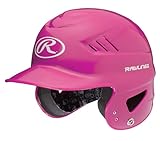
Overview: The Rawlings COOLFLO Batting Helmet provides essential head protection for T-ball players in an affordable, no-frills package. Sized for young athletes (6 1/4" to 6 7/8" hat size), this helmet focuses on core safety and comfort fundamentals without the premium price tag. The pink finish offers a vibrant option for players wanting personalized style on the field.
What Makes It Stand Out: The helmet’s signature COOLFLO venting system delivers state-of-the-art airflow, keeping players cool during hot summer games—a feature often reserved for more expensive models. The dual-density foam lining provides a comfortable fit and reliable protection that exceeds basic single-layer padding found in entry-level competitors. Its aerodynamic, one-tone design creates a sleek profile that young players find appealing.
Value for Money: At $14.99, this helmet represents outstanding budget value. It’s among the most affordable NOCSAE-certified options available, costing $10-15 less than comparable helmets with similar ventilation features. For families unsure about long-term baseball commitment or leagues providing helmets, this price point removes financial barriers to proper safety equipment.
Strengths and Weaknesses: Strengths include exceptional affordability, effective COOLFLO ventilation, dual-density foam protection, NOCSAE certification, and attractive design. Weaknesses: no included facemask (requiring separate purchase), limited advanced features like moisture-wicking liners, and the “one size fits most” approach may not suit players at extreme ends of the size range.
Bottom Line: The Rawlings COOLFLO is an excellent entry-level helmet delivering certified safety and superior ventilation at an unbeatable price. It’s perfect for recreational T-ball players, though parents should plan for additional facemask purchases as players advance.
6. Easton | ALPHA Fastpitch Softball Batting Helmet with Facemask | T-Ball/Small | Mint Green

Overview: The Easton ALPHA Fastpitch Softball Batting Helmet provides essential protection for young T-ball and softball players in a convenient package. This mint green helmet features an integrated facemask, eliminating the need for separate purchases or compatibility concerns. Weighing just 0.907 kilograms, it remains lightweight for extended wear during practices and games. Designed specifically for small-sized athletes, it offers a proper fit where oversized equipment often fails. The vibrant color appeals to young players while maintaining field visibility. As a complete solution from a trusted brand, this helmet simplifies equipment decisions for parents and coaches seeking reliable youth protection.
What Makes It Stand Out: The one-piece integrated facemask design ensures structural integrity without attachment failure risks. Easton’s established reputation in baseball/softball equipment provides confidence in durability and safety standards. The T-ball/small sizing specifically targets youngest players who struggle with standard youth sizes. The distinctive mint green colorway helps players feel enthusiastic about their gear while making them easily identifiable on the field. This all-in-one approach saves time and eliminates guesswork for first-time equipment buyers.
Value for Money: At $29.95, this helmet offers exceptional value for recreational players. Comparable helmet-facemask combos typically exceed $40, making this an economical choice for families and teams buying in bulk. The price point makes it accessible for growing children who quickly outgrow equipment. However, the basic features reflect the budget positioning—serious players may require upgraded ventilation and padding for frequent use.
Strengths and Weaknesses: Strengths include affordable pricing, integrated protection, lightweight design, brand reliability, and appealing aesthetics. Weaknesses involve limited sizing range, basic ventilation, minimal padding details, unspecified safety certifications, and potential concerns about Chinese manufacturing despite brand oversight.
Bottom Line: Perfect for introductory softball and T-ball players needing reliable, ready-to-use protection. Families prioritizing affordability and simplicity over premium features will find this helmet an excellent starting point.
7. YEEKORO Kids Bike Helmet with Chin Guard, Adjustable Detachable Children’s Full Face Helmet for Girls and Boys, Cycling Helmets Skateboard, Scooter, Protective Gear Size 20.5-22 Inches

Overview: The YEEKORO Kids Bike Helmet with Chin Guard delivers versatile protection for active children across multiple sports. This 2-in-1 convertible helmet transforms from a half-shell to full-face configuration, adapting to different activities and risk levels. Weighing only 0.85 pounds, it minimizes neck strain while the 10 strategically placed vents regulate temperature during intense play. The adjustable design accommodates head circumferences from 20.5 to 22 inches, ensuring a secure fit for growing kids. With its ABS shell and EPS foam construction, this helmet meets the demands of BMX, skateboarding, scootering, and cycling adventures.
What Makes It Stand Out: The detachable chin guard system sets this helmet apart, offering unprecedented flexibility with simple button-operated conversion. Parents essentially receive two helmets for the price of one—breathable half-shell for casual riding and full-face protection for aggressive terrain. The dual ventilation approach, with 10 vents in both the main helmet and chin guard, maintains airflow even in full-face mode. Removable, washable pads address hygiene concerns common with youth gear. The one-hand adjustment system allows children to achieve proper fit independently.
Value for Money: At $39.99, this convertible helmet presents compelling value compared to purchasing separate half and full-face helmets costing $60+. The multi-sport versatility eliminates the need for sport-specific headgear, saving families money and storage space. While premium single-purpose helmets offer specialized features, the cost-effectiveness for growing children who experiment with different activities is undeniable.
Strengths and Weaknesses: Strengths include 2-in-1 versatility, lightweight construction, excellent ventilation, easy adjustability, removable washable padding, and broad sport compatibility. Weaknesses involve potential durability concerns with detachable mechanisms, slightly bulkier profile than dedicated half-shells, and limited color options mentioned.
Bottom Line: An exceptional choice for multi-sport children needing adaptable protection. The convertible design and thoughtful features make it a smart investment for active families seeking maximum versatility.
8. Rawlings | COOLFLO HIGHLIGHTER Batting Helmet | Face Guard Included | One Size Fits Most 6 1/2"-7 1/2" | Matte Pink

Overview: The Rawlings COOLFLO HIGHLIGHTER Batting Helmet delivers professional-grade protection with superior ventilation for baseball and softball players. This one-size-fits-most helmet accommodates hat sizes 6 1/2" to 7 1/2", covering a broad range of youth and adult players. The molded ABS plastic shell with inner foam provides impact absorption while the included face guard offers comprehensive facial protection. Rawlings’ CoolFlo technology incorporates 15 individual air vents, creating exceptional airflow that keeps players cool during intense games. The matte pink finish adds style without compromising the helmet’s NOCSAE-certified safety standards.
What Makes It Stand Out: The CoolFlo ventilation system represents a significant advancement over standard helmets, with 15 strategically positioned vents that create continuous air circulation. NOCSAE certification ensures the helmet meets rigorous safety standards required for organized play. The included face guard provides added value and convenience, eliminating separate purchases. Rawlings’ reputation for quality baseball equipment instills confidence in the helmet’s durability. The matte pink colorway offers a distinctive aesthetic that stands out on the field while maintaining a professional appearance.
Value for Money: While price isn’t specified, Rawlings helmets typically range from $35-50 with face guards. This positions it as a mid-range option offering premium ventilation and certified protection. The included face guard and superior airflow justify a slightly higher price point compared to basic models. For serious players in hot climates, the cooling benefits alone warrant the investment.
Strengths and Weaknesses: Strengths include exceptional ventilation, NOCSAE certification, integrated face guard, brand reliability, and versatile sizing. Weaknesses involve one-size limitations for very small or large heads, potential weight from robust construction, and color options may not suit all team uniforms.
Bottom Line: A top-tier choice for dedicated baseball and softball players prioritizing comfort and certified protection. The CoolFlo system makes it ideal for hot weather play and intense competition.
9. YEEKORO Kids Bike Helmet with Chin Guard, Adjustable Detachable Children’s Full Face Helmet for Girls and Boys, Cycling Helmets Skateboard, Scooter, Protective Gear Size 20.5-22 Inches

Overview: The YEEKORO Kids Bike Helmet with Chin Guard offers identical features to its counterpart but at a $44.99 price point. This 2-in-1 convertible helmet provides full-face protection through its ABS shell and EPS foam construction, weighing merely 0.85 pounds for comfortable all-day wear. The innovative detachable chin guard transforms the helmet between half and full-face configurations, adapting to various sports and risk levels. With 10 vents in both the main shell and chin guard, it maintains exceptional airflow. The adjustable system fits head circumferences from 20.5 to 22 inches, making it suitable for growing children across multiple activities including cycling, skateboarding, and scootering.
What Makes It Stand Out: The convertible design remains this helmet’s defining feature, delivering two helmets in one with tool-free conversion via interior buttons. This versatility eliminates the need for multiple sport-specific helmets, saving families significant money and storage space. The dual ventilation system ensures comfort even in full-face mode—a common weakness in other convertible models. Removable, washable padding addresses hygiene concerns, while the one-hand adjustment system promotes independence. The comprehensive protection system guards against impacts while the lightweight design prevents neck fatigue.
Value for Money: At $44.99, this represents a $5 premium over alternative listings of the same product. While still offering excellent value compared to buying separate helmets ($60+), shoppers should compare listings for the best price. The multi-sport versatility justifies the cost for active children, but price-conscious buyers may find identical features at $39.99 elsewhere.
Strengths and Weaknesses: Strengths include versatile 2-in-1 design, superior ventilation, lightweight construction, easy adjustability, washable padding, and broad sport compatibility. Weaknesses involve the higher price point for identical features, potential mechanism wear over time, and bulkier profile than dedicated half-shells.
Bottom Line: A fantastic convertible helmet that delivers exceptional versatility, though buyers should shop around for the best price on this identical model. Perfect for multi-sport children who need adaptable, comfortable protection.
10. Kids Full Face Helmet Convertible Toddler Bike Helmets with Detachable Chin Guard Boys Girls 4-10 Years Skateboard Scooter Balance Bike BMX MTB Bicycle (Blue)

Overview: This Kids Full Face Convertible Helmet provides comprehensive protection for children ages 4-10 across numerous outdoor activities. Meeting CPSC 1203, ASTM F1447, and CPSIA safety standards, it ensures reliable impact resistance through its robust construction. The helmet weighs only 440 grams (15.5 ounces) and features 13 optimized vents for superior temperature regulation. Its convertible design includes a detachable chin guard, allowing transformation between half and full-face configurations. The dial-fit adjustment system accommodates head sizes from 50-55 cm (19.68-21.65 inches), ensuring a secure, customized fit as children grow. Ideal for cycling, skateboarding, scootering, and BMX riding.
What Makes It Stand Out: The impressive array of safety certifications distinguishes this helmet from competitors, meeting multiple rigorous standards. The ultra-lightweight 440-gram design significantly reduces neck burden compared to heavier models. Thirteen strategically placed vents provide better airflow than many convertible helmets. The dial-fit system offers more precise adjustment than standard strap systems. Removable and washable inner liners and cheek pads address hygiene concerns comprehensively. The age range specification (4-10 years) helps parents select appropriate sizing confidently.
Value for Money: Without a listed price, value assessment depends on retail cost. However, the multiple certifications, lightweight design, and convertible functionality suggest strong value if priced under $50. Competing certified convertible helmets often exceed $60, making this potentially economical. The durability to last through years of growth enhances long-term value for families.
Strengths and Weaknesses: Strengths include multiple safety certifications, extremely lightweight design, excellent ventilation, precise dial-fit adjustment, removable washable padding, and versatile age range. Weaknesses involve unspecified pricing, potential durability trade-offs for lightness, and limited color information.
Bottom Line: An outstanding choice for safety-conscious parents seeking certified, lightweight convertible protection. The comprehensive certifications and thoughtful design make it ideal for active children transitioning between sports.
Why Face Guards Are Non-Negotiable for Tee-Ball Safety
The statistics are sobering: facial injuries account for nearly 40% of youth baseball-related emergency room visits, with children under seven at highest risk due to slower reaction times and developing coordination. Tee-ball presents unique hazards—balls are hit off a stationary stand, meaning they fly directly toward the batter’s face at close range. Unlike coach-pitch leagues where kids have split seconds to react, tee-ball batters are stationary targets.
A properly fitted face guard transforms a standard helmet into a comprehensive defense system. It deflects balls that ricochet off the tee, prevents bat rebound accidents, and shields against wild throws from other inexperienced fielders. The psychological benefit is equally important: children who feel protected play with more confidence, focus better on skill development, and develop a positive relationship with the sport rather than a fearful one.
Understanding Safety Standards: What Certifications Actually Mean
You’ll encounter three primary certification stamps: NOCSAE, ASTM, and SEI. The National Operating Committee on Standards for Athletic Equipment (NOCSAE) sets the baseline for baseball helmet safety in the United States. A NOCSAE-certified helmet has undergone rigorous impact testing at various temperatures and velocities, simulating real-game scenarios. Look for the official NOCSAE seal molded into the helmet shell—never accept a sticker alone.
ASTM International develops specific standards for face guards (F910 for youth baseball). This certification ensures the guard itself can withstand ball impact without warping or breaking. The Safety Equipment Institute (SEI) provides third-party verification that manufacturers actually meet these standards through random factory testing. The gold standard combination is a NOCSAE-certified helmet with an ASTM F910-certified guard that’s permanently attached and SEI-verified.
The Anatomy of a Quality Tee-Ball Helmet
Understanding component architecture helps you spot subpar construction. The outer shell should be a single-piece molding without seams or weak points. Inside, dual-density foam layers work together—firm EPS (expanded polystyrene) foam absorbs high-impact energy, while softer comfort foam distributes pressure and prevents hot spots.
The face guard attachment system is critical. Quality helmets use reinforced mounting points with metal hardware that’s countersunk into the shell. Cheaper models may feature plastic rivets or superficial attachments that can shear off on impact. Peer inside the helmet where the guard connects; you should see robust reinforcement plates distributing stress across a wider area of the shell.
Sizing Secrets: Getting the Perfect Fit Every Time
Tee-ball helmets typically follow a hat-size system ranging from 6 1/8 to 7 inches, corresponding to head circumferences of approximately 19 to 22 inches. However, manufacturer sizing charts vary dramatically. The only reliable method is measuring your child’s head circumference one inch above the eyebrows with a flexible tape measure, then consulting the specific brand’s chart.
The “shake test” reveals everything: with the chin strap fastened, your child should shake their head vigorously without the helmet shifting or slipping. Pressure points should be absent—no red marks after a few minutes of wear. The helmet should sit level, with the brim approximately one finger-width above the eyebrows. Too low and vision is obstructed; too high and the forehead remains exposed.
Material Matters: ABS Plastic vs. Polycarbonate
Most youth helmets use either ABS (acrylonitrile butadiene styrene) plastic or polycarbonate shells. ABS is more common in budget-friendly options, offering decent impact resistance at lower cost. It’s slightly heavier and can become brittle in extreme cold, though this is less concerning for tee-ball’s mild playing seasons.
Polycarbonate, the material used in riot shields and astronaut helmets, provides superior impact distribution and maintains integrity across temperature extremes. It’s significantly lighter—sometimes by 20%—which matters when a four-year-old is trying to keep their head up during a swing. The trade-off is price, but for tee-ball helmets that weigh under a pound, the weight savings and durability often justify the investment.
Face Guard Designs: Wire vs. Molded Options
Wire guards, typically steel or titanium alloy, offer maximum visibility and airflow. The open-grid design prevents the claustrophobic feeling some young players experience. Look for wires no more than 1/8-inch thick—thicker bars can obscure vision and create blind spots. The spacing between wires should be small enough that a tee-ball cannot squeeze through (generally under 1.5 inches).
Molded polycarbonate guards provide a sleeker profile and often better peripheral vision since there’s no grid pattern to process visually. They’re also warmer in cold weather and can be more comfortable for kids who rest their face against the guard between pitches. However, they can scratch and fog, and some leagues prohibit them if they’re not specifically certified for tee-ball use.
Ventilation Systems: Keeping Young Heads Cool
A helmet that traps heat becomes a distraction, leading to constant adjustments and reduced wear time. Quality ventilation goes beyond simple holes in the shell. Look for engineered airflow channels that run from front to rear vents, creating actual air circulation. The interior foam should have corresponding cutouts that align with these channels.
During summer tournaments, helmet temperature can exceed 100°F inside. Some premium designs incorporate moisture-wicking fabric liners that can be removed and washed. This prevents the bacteria buildup that causes the infamous “stinky helmet syndrome” and reduces skin irritation. For tee-ballers with sensitive skin, ventilation directly impacts whether they’ll keep the helmet on without complaint.
Chin Strap Mechanics: Security Without Discomfort
The chin strap is your helmet’s retention system, yet it’s often an afterthought. A proper tee-ball chin strap should be at least 3/4-inch wide to distribute pressure. The material matters—neoprene-covered straps prevent chafing better than bare nylon. The buckle should be a snap-style closure rather than a D-ring; young fingers struggle with D-rings, and coaches waste precious practice time helping kids fasten them.
Adjustability is key. The strap should allow the helmet to be worn comfortably snug without forcing the jaw closed. Some designs feature a floating chin cup that moves slightly with jaw motion, preventing the “lockjaw” feeling. Test the strap’s elasticity; it should have minimal stretch to maintain tension but enough give to prevent cutting into the skin during a yawn or shout.
Weight Watch: Finding the Lightest Protective Option
Every ounce matters when developing neck muscles are supporting the head. The average tee-ball helmet weighs between 12 and 18 ounces. For a 40-pound child, that’s equivalent to an adult wearing a 5-pound helmet—significant weight that affects balance and swing mechanics.
Lighter helmets achieve weight reduction through polycarbonate shells, strategic foam cutouts, and minimalist guard designs. However, be wary of helmets that sacrifice protection for weight. A helmet under 10 ounces should be scrutinized—ensure it still meets all certifications and has full head coverage. The goal is the lightest helmet that doesn’t compromise on safety features or durability.
Age-Appropriate Features for 3-6 Year Olds
Tee-ball helmets for preschoolers differ significantly from those for older kids. For ages 3-4, look for extra plush interior padding that accommodates rapidly growing heads. Some models include “growth pads” that can be removed as the child’s head expands, extending the helmet’s usable life.
For the 5-6 age group preparing for coach-pitch transition, consider helmets with slightly more rear coverage and robust guard systems. This age group hits harder and faces faster return throws. Avoid helmets marketed as “toddler” versions—these often lack full certification and are designed more for toy value than protection. Always verify the NOCSAE stamp regardless of age-targeted marketing.
The Hidden Dangers of Hand-Me-Down Helmets
That free helmet from your neighbor’s garage might seem like a bargain, but it carries hidden risks. Helmets have a shelf life of approximately 3-5 years from manufacture date, even if never used. The foam degrades, plastics become brittle, and safety technology advances render older models obsolete.
More critically, you cannot assess internal damage. A helmet that’s been dropped, left in a hot car, or suffered an impact may have compromised foam that appears perfectly normal. Micro-fractures in the shell are invisible to the naked eye but fail catastrophically under impact. The $30 you save on a used helmet could cost thousands in dental or medical bills. Always purchase new for full warranty and known history.
Maintenance Rituals: Extending Helmet Lifespan
Proper care dramatically extends a helmet’s protective life. After each game, wipe the exterior with mild soap and water—never harsh chemicals that degrade plastic. Remove the interior padding if detachable and hand-wash with gentle detergent, air-drying completely before reinsertion.
Store helmets indoors at room temperature. Extreme heat (like a car trunk in summer) breaks down foam integrity, while freezing temperatures make plastics brittle. Inspect monthly for cracks, especially around mounting points and along the brim. Tighten any loose screws on the face guard, but never overtighten as this can strip the reinforced inserts. A well-maintained helmet can safely last through multiple tee-ball seasons and be passed down to siblings.
When to Retire a Helmet: Damage Signs Parents Miss
Beyond obvious cracks, subtle indicators signal a helmet’s end of life. Check the foam’s rebound—press firmly with your thumb; if the indentation remains for more than a few seconds, the foam has lost its energy-absorbing capacity. Discoloration or a chalky texture on the shell indicates UV degradation, common in helmets left outside.
The “flex test” reveals shell fatigue: gently flex the brim. A quality helmet resists with firm rigidity; if it bends easily or you hear cracking sounds, the molecular structure has broken down. Any helmet involved in a significant impact—where a ball struck the guard hard enough to leave a mark—should be replaced immediately, even if no damage is visible. The protective materials are designed for single-impact energy absorption.
Budget vs. Safety: Making Smart Financial Choices
Price doesn’t always correlate directly with safety, but extremely cheap helmets often cut corners. Sub-$20 helmets may lack full certification or use inferior attachment hardware. The sweet spot for tee-ball helmets typically falls between $30-$60, where you’ll find NOCSAE/ASTM-certified models with polycarbonate guards and decent ventilation.
Consider cost-per-wear: a $50 helmet used for two seasons (60 games) costs less than $0.50 per use. Compare that to a $25 helmet that’s uncomfortable and gets “forgotten” at home half the time. Investing in a slightly better model increases compliance—your child will actually wear it. Some leagues offer team discounts or equipment swaps; check these options before buying.
League Regulations: Navigating Local Requirements
Never assume a helmet is legal for your league. While most follow national guidelines, local modifications are common. Some leagues mandate specific guard spacing measurements or prohibit certain colors (white helmets can blend with the ball). Others require helmets to be completely unaltered—adding stickers or painting can void certification and create league violations.
Contact your league’s equipment manager before purchasing. Ask for the official equipment standards document, not just verbal assurances. Keep the receipt and original packaging until the helmet passes inspection. Some leagues conduct random equipment checks mid-season, and a non-compliant helmet can bench your player. When in doubt, choose the most conservatively certified option.
The Try-Before-You-Buy Advantage
Online shopping offers convenience, but helmet fit is too personal to leave to chance. Visit a specialty sporting goods store where staff can properly measure and fit your child. Bring them during a time they’re not tired or cranky—fitting requires cooperation. Have them wear the helmet for at least 10 minutes in the store, mimicking batting stances and head movements.
Check return policies meticulously. Even with proper measurement, some helmets simply don’t match individual head shapes. A helmet that fits your neighbor’s child perfectly might create pressure points on yours. Many online retailers offer free returns on safety equipment, but verify time limits. Keep all tags attached during the initial at-home try-on, and test fit during a practice swing in the backyard before committing.
Frequently Asked Questions
How tight should a tee-ball helmet fit?
The helmet should feel snug but not painful. Your child should be able to open their mouth fully without the chin strap pulling. If you can gently twist the helmet side-to-side without it moving on their head, the fit is correct.
Can my child wear a baseball helmet instead of a tee-ball-specific model?
Only if it’s certified for youth baseball and properly sized. Many baseball helmets are too heavy and large for tee-ballers. Tee-ball-specific models account for younger players’ weaker neck muscles and smaller head circumferences.
Are face guards mandatory in tee-ball?
Most leagues require them for batters and base runners. Even if not mandated, they’re strongly recommended. The American Academy of Pediatrics advocates for face guards for all players under age eight.
How do I clean the face guard without scratching it?
Use a microfiber cloth with warm, soapy water. For wire guards, a soft toothbrush can clean inside crevices. Avoid abrasive cleaners or scouring pads that can create micro-scratches, weakening the material over time.
What’s the difference between a batting helmet and a batting helmet with face guard?
Standard batting helmets protect the skull. Face guard models add a protective cage or shield covering the eyes, nose, and jaw. For tee-ball, the combination unit is non-negotiable for full protection.
Can helmets be painted or decorated?
Avoid painting, as solvents can degrade the shell. Use only manufacturer-approved stickers or decals placed away from impact zones. Never drill holes or modify the structure—these actions void safety certifications instantly.
How long can a tee-ball helmet be used before replacement?
With proper care, one helmet can last 2-3 tee-ball seasons. Replace immediately after any significant impact, if your child outgrows it, or if you notice any signs of material degradation, regardless of age.
Do darker-colored helmets get hotter?**
Marginally, but quality ventilation matters more than color. Modern helmets use reflective undercoatings that reduce heat absorption. Focus on airflow design rather than color for temperature control.
Should my child wear the helmet in the dugout?
League rules vary, but it’s good practice. Many facial injuries occur from foul balls entering dugouts or accidental bat swings from teammates. Develop the habit of wearing it anytime near the playing field.
What if my child refuses to wear the helmet?
Involve them in selection—letting them choose the color increases buy-in. Start with short wearing periods at home, gradually increasing duration. Never force it; instead, explain protection in age-appropriate terms and model consistent safety behavior.