If you’ve ever watched a Strongman competition and found yourself mesmerized by athletes hoisting massive wooden or steel cylinders overhead, you’ve witnessed the raw power of log bar training. The log press isn’t just another overhead movement—it’s a cornerstone of functional strength that transforms your entire upper body into a coordinated powerhouse. Unlike traditional barbells, the log’s unique diameter, neutral grip handles, and awkward weight distribution force your body to adapt in ways that translate directly to real-world strength.
Whether you’re building a home gym dedicated to Strongman training or looking to diversify your strength routine, understanding what makes a quality log bar is crucial. This guide cuts through the noise to give you the expert-level knowledge you need to select the perfect implement without getting lost in brand hype or marketing fluff. We’ll explore everything from steel gauge to handle spacing, helping you make an informed decision that matches your training goals, body type, and budget.
Top 10 Log Bars for Strongman Strength
Detailed Product Reviews
1. Titan Fitness 8" Rackable Strongman Log Bar, Powerlifting Log Press Competition, 1000 LB Capacity, Strength Training Specialty Barbell, Home Gym Weightlifting Equipment
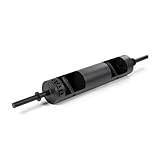
Overview:
The Titan Fitness 8" Rackable Strongman Log Bar delivers authentic strongman training to home gyms. This 50-pound specialty barbell features an 8-inch diameter barrel and 1,000-pound capacity, making it suitable for serious strength development. The rackable design sets it apart from traditional ground-start logs, allowing easier plate loading and the ability to begin movements from a racked position.
What Makes It Stand Out:
This log bar’s rackable capability is its killer feature, eliminating the need to clean from the floor for every set. The neutral grip handles reduce shoulder strain during overhead presses, while the fully welded heavy-duty steel construction ensures durability under massive loads. At 71.25" overall width, it fits standard power racks.
Value for Money:
At $279.99, this bar offers exceptional value for a rackable specialty bar with 1,000-pound capacity. Non-rackable competitors often cost more while offering less versatility. The powder-coated finish adds longevity, making this a smart long-term investment for dedicated lifters.
Strengths and Weaknesses:
Strengths include the rackable design, high weight capacity, shoulder-friendly neutral grip, and robust welded construction. The 8" diameter provides a good balance between challenge and manageability. Weaknesses include fixed sleeves that limit customization, potential powder coat chipping over time, and the 8" barrel may feel small for advanced competitors used to 12" logs.
Bottom Line:
This is an outstanding choice for home gym owners wanting legitimate strongman training without competition-level bulk. The rackable feature alone justifies the price, making it practical for regular training while building serious overhead strength.
2. Titan Fitness Rackable Strongman Log Bar, Powerlifting Log Press Competition, 1000 LB Capacity, Strength Training Specialty Barbell, Home Gym Weightlifting Equipment (Barrel Size: 12")

Overview:
The Titan Fitness 12" Rackable Strongman Log Bar scales up the strongman experience with a full-size competition diameter. Despite a title-specified 12-inch barrel, the features list the same 8-inch dimensions as its smaller sibling, creating confusion. Assuming the 12" specification is accurate, this 50-pound bar maintains the same 1,000-pound capacity and rackable design.
What Makes It Stand Out:
The larger 12-inch diameter more closely replicates competition logs used in Strongman events, forcing greater stabilization and chest engagement. It retains all the benefits of the 8" version: rackable design, neutral grips, and heavy-duty welded steel construction. This makes it uniquely positioned for serious competitors who train in power racks.
Value for Money:
Priced at $339.99, the $60 premium over the 8" version is justified for athletes specifically training for competitions. However, the specification discrepancy is concerning and should be verified with the manufacturer before purchase. If truly 12", it’s competitively priced.
Strengths and Weaknesses:
Strengths include competition-realistic sizing, rackable functionality, excellent weight capacity, and reduced shoulder stress via neutral grips. The larger diameter significantly increases the challenge. Weaknesses center on the confusing product description, increased bulk requiring more storage space, and the same fixed sleeves limitation.
Bottom Line:
Ideal for competitive strongman athletes who need rackable convenience with competition-spec diameter. Verify actual barrel size before ordering, but if it delivers on the 12" promise, it’s an excellent training tool bridging home gym utility and competitive authenticity.
3. Valor Fitness 8 - Inch Strongman Log Barbell – Heavy-Duty Workout Log for Powerlifting, Press, Strength Training, and Competition Max Weight 500 lns

Overview:
The Valor Fitness 8-Inch Strongman Log Barbell offers a versatile entry into log training with a unique removable sleeve design. Weighing 53 pounds with a 500-pound capacity, this 73-inch bar features neutral grip handles spaced 24.75" apart. The 8.5-inch diameter barrel (slightly larger than advertised) challenges stability while remaining manageable for most athletes.
What Makes It Stand Out:
Removable sleeves set this bar apart, allowing training with just the log itself or with Olympic plates loaded. The rubber-lined edges on the grip handles provide superior comfort and control compared to bare metal. At 73" long, it offers slightly more room than competitors.
Value for Money:
At $299.98, it sits between Titan’s offerings but with only half the weight capacity. The removable sleeves add versatility that partially justifies the cost, though serious lifters may outgrow the 500-pound limit quickly.
Strengths and Weaknesses:
Strengths include removable sleeves, comfortable rubber grip lining, shoulder-friendly neutral positioning, and good overall length. The construction is solid for moderate loads. Major weaknesses are the 500-pound capacity limiting long-term progression, non-rackable design requiring ground cleans, and explicit warnings against floor impact without protection.
Bottom Line:
Best suited for beginners to intermediate lifters or those prioritizing technique work over maximal loads. The removable sleeves are genuinely useful, but the capacity limitation makes it a stepping stone rather than a lifetime bar for serious strength athletes.
4. Titan Fitness Rackable Strongman Log Bar, Powerlifting Log Press Competition, 1000 LB Capacity, Strength Training Specialty Barbell, Home Gym Weightlifting Equipment (Barrel Size: 10")
Overview:
The Titan Fitness 10" Rackable Strongman Log Bar attempts to split the difference between standard and competition sizes. However, like Product 2, there’s a specification conflict—the title claims 10" while features repeat the 8" dimensions. Assuming the 10" specification is correct, this model offers a middle-ground option with the same 1,000-pound capacity and rackable design.
What Makes It Stand Out:
The 10-inch diameter provides a stepping stone for athletes progressing from standard to competition-size logs. It maintains Titan’s signature rackable convenience, neutral grip handles, and fully welded heavy-duty steel construction. This size is perfect for those finding 12" too unwieldy but wanting more challenge than 8".
Value for Money:
At $319.99, it slots between the 8" and 12" models price-wise. The $40 premium over the 8" version makes sense for the increased diameter, but the specification uncertainty is problematic. Titan’s reputation for value remains intact if the product matches the title.
Strengths and Weaknesses:
Strengths include the intermediate sizing, rackable functionality, high weight capacity, and durable construction. It offers progression potential without competition-level difficulty. Weaknesses are the confusing product description, potential inventory mix-ups, and the same fixed sleeve limitation found across the Titan line.
Bottom Line:
A solid choice for athletes seeking progressive overload in log training. The 10" diameter (if accurate) is a sweet spot for many. Absolutely confirm specifications with the seller before purchasing to ensure you receive the correct barrel size.
5. Valor Fitness 12 - Inch Strongman Log Barbell – Heavy-Duty Powerlifting Log for Strength Training, Press Exercises & Competition Workouts

Overview:
The Valor Fitness 12-Inch Strongman Log Barbell brings competition-grade diameter to the home gym market. Built from solid steel with a black powder-coated finish, this bar targets serious strongman training. While the capacity isn’t specified in the features, the title suggests it’s designed for intense strength training and competition workouts.
What Makes It Stand Out:
The full 12-inch diameter delivers authentic competition feel, challenging chest compression and stability throughout lifts. The wide handle opening with smooth rubber-lined edges supports wrists during heavy presses. It’s designed specifically for log presses, carries, and clean & jerks, making it a specialized strongman tool.
Value for Money:
At $340.98, it’s priced similarly to Titan’s 12" model but lacks the critical rackable feature. Without specified capacity, it’s hard to assess value, but the construction appears robust. The competition sizing commands a premium.
Strengths and Weaknesses:
Strengths include true competition diameter, comfortable rubber-lined grips, and solid steel construction. The larger size builds specific competition skills. Weaknesses are the unspecified weight capacity (likely similar to Valor’s 500-pound 8" model), non-rackable design requiring ground starts, and mandatory use of crash mats or tires to prevent damage.
Bottom Line:
Appropriate for dedicated strongman competitors prioritizing technique and competition specificity over maximal loading. If capacity matches the 8" model’s 500-pound limit, it’s best for intermediate lifters. For heavy loads, Titan’s rackable options offer better versatility and confirmed capacity.
6. Valor Fitness 10-Inch Strongman Log Barbell – Heavy-Duty Powerlifting Log for Strength Training, Clean & Press Workouts, Neutral Grip, Olympic Plate Sleeves, 500 lb Capacity
Overview: The Valor Fitness 10-Inch Strongman Log Barbell is a specialized powerlifting tool designed for serious strength athletes. At 73 inches long and weighing 58 pounds, this competition-tested log bar features a 10.5-inch diameter cylinder with neutral grip handles positioned 24.75 inches apart. Built from high-grade steel with a black powder coating, it supports up to 500 pounds and targets full-body power development through clean and press movements.
What Makes It Stand Out: The shoulder-safe neutral grip design with rubber-edged openings significantly reduces wrist and shoulder strain compared to traditional barbells. The removable Olympic sleeves offer exceptional versatility—train with the core log alone or load up to 13.25 inches of plates for heavy lifts. This dual functionality accommodates various strength levels and exercise variations, making it adaptable for both beginners learning log techniques and competitive strongmen.
Value for Money: At $304.98, this log bar sits in the mid-range for strongman equipment. While cheaper than competition-grade logs that often exceed $500, it delivers professional-level durability and functionality. The removable sleeve feature essentially provides two tools in one, offering better value than fixed-sleeve alternatives. For dedicated strongman trainees, this represents a worthwhile investment that eliminates gym membership fees for specialized equipment.
Strengths and Weaknesses: Strengths include robust steel construction, shoulder-friendly grip positioning, versatile removable sleeves, and competition-ready specifications. Weaknesses involve the significant footprint requiring ample training space, a steep learning curve for novices, and the necessity of purchasing crash mats separately for safe drops. The 500-pound capacity may limit elite lifters.
Bottom Line: Ideal for home gym owners committed to strongman training or CrossFit athletes seeking to diversify their regimen. Not recommended for casual lifters due to its specialized nature and space requirements.
7. Valor Fitness Farmers Walk Handles - Log Carry Handles Pair - 24.5 lbs ea.- Strongman Weight Lifting Strength Training Equipment Barbells - Deadlift Grip Strength - Glutes Quads Exercises - Max 1200 lbs

Overview: The Valor Fitness Farmers Walk Handles provide a pair of heavy-duty implements for building grip strength and total-body power. Each 60-inch handle weighs 24.5 pounds and features 12 inches of loadable sleeve space per side. Constructed from robust steel with a 1-inch knurled grip section, these handles support up to 600 pounds per handle (1,200 pounds total), making them suitable for serious strength training.
What Makes It Stand Out: The exceptional weight capacity sets these apart from standard farmers walk bars, accommodating elite-level loads. The knurled handles with a center guide mark ensure secure grip during extended carries, while the included four Olympic spring clips add immediate value. Their design effectively targets forearms, upper back, shoulders, legs, and core simultaneously, delivering unmatched functional strength transfer to real-world activities.
Value for Money: Priced at $240.98 for the pair, these handles offer professional-grade capacity at a fraction of custom strongman equipment costs. Comparable handles with lower weight limits often cost $200+; the 1,200-pound combined capacity justifies the premium. For athletes prioritizing grip strength and loaded carries, this represents excellent long-term value.
Strengths and Weaknesses: Strengths include massive weight capacity, durable steel construction, secure knurled grip, and included accessories. The 2-inch Olympic sleeves accommodate standard plates. Weaknesses are the substantial storage footprint, potential floor damage if dropped without protection, and the fixed handle diameter may not suit all hand sizes. The price point exceeds budget options.
Bottom Line: Perfect for serious strength athletes, strongman competitors, and functional fitness enthusiasts seeking to maximize grip and total-body strength. Casual gym-goers may find the capacity and cost excessive for their needs.
8. FitBeast Flex Therapy Bar, Tennis Elbow Therapy Bar - Ideal for Relieve Tendonitis Pain & Improve Grip Strength, Fitness Resistance Bar for Golfers Elbow & Tendinitis, Twist Bar for Physical Therapy

Overview: The FitBeast Flex Therapy Bar is a specialized rehabilitation tool designed to combat tennis elbow, golfer’s elbow, and tendonitis through targeted resistance training. This twist bar system includes four color-coded resistance levels—6, 10, 15, and 25 pounds—allowing progressive strengthening of forearm extensors and flexors. The ergonomic, non-slip design facilitates exercises requiring just three minutes daily.
What Makes It Stand Out: Unlike generic resistance bars, this set is specifically engineered for elbow pain relief with medically-informed exercise protocols. The four-level progressive system enables precise rehabilitation staging, while the included detailed exercise manual eliminates guesswork. Its portability and focused design make it superior to bulky therapy equipment, delivering clinic-quality treatment at home.
Value for Money: At $28.07, this set dramatically undercuts physical therapy session costs while providing multiple resistance options. Individual therapy bars often cost $15-20 each; obtaining four graduated levels for under $30 represents exceptional value. For chronic elbow pain sufferers, this small investment can prevent recurring medical expenses.
Strengths and Weaknesses: Strengths include targeted rehabilitation design, four progressive resistance levels, comprehensive exercise guide, ergonomic grip, and remarkable affordability. The compact design stores easily. Weaknesses involve limited maximum resistance for advanced athletes, potential durability concerns with intensive use, and effectiveness depends on consistent proper form. Not suitable for general strength training beyond rehab.
Bottom Line: Highly recommended for individuals recovering from elbow injuries, office workers with repetitive strain, or athletes preventing overuse injuries. Those seeking general forearm strengthening should consider heavier equipment.
9. Yes4All Total Body Weighted Workout Bar, Body Bar For Exercise, Therapy, Aerobics, and Yoga, Strength Training 8lbs

Overview: The Yes4All Total Body Weighted Workout Bar is an 8-pound, 48-inch fitness bar featuring a steel core wrapped in high-density padded foam. Designed for versatile training applications—from aerobics and yoga to physical therapy—this bar incorporates color-coded anti-roll end caps to prevent wandering between sets. The foam surface ensures grip security even with sweaty hands.
What Makes It Stand Out: The untearable foam padding distinguishes it from rubber-coated alternatives, providing superior comfort during high-repetition movements and floor exercises. The anti-roll cap design is genuinely practical for class settings or home gyms where equipment stays on the floor between exercises. Its steel core construction maintains rigidity under load, preventing the bending common in hollow-core bars.
Value for Money: At $24.06, this bar offers budget-friendly entry into weighted bar training. Comparable foam-padded bars typically range $30-40, making this an economical choice for group fitness instructors or home users. The durability of the steel core and foam covering ensures years of use, maximizing return on investment.
Strengths and Weaknesses: Strengths include comfortable foam grip, sturdy steel construction, anti-roll functionality, and versatile application across multiple training modalities. The 48-inch length suits most users. Weaknesses are the fixed 8-pound weight limiting progression, foam potentially absorbing sweat/odor over time, and the relatively short length may feel restrictive for certain exercises. Not designed for heavy strength training.
Bottom Line: Excellent for group fitness classes, physical therapy patients, and beginners seeking to add light resistance to movement patterns. Strength athletes will require heavier, loadable options for progressive overload.
10. BodySport® Weighted Bar, 30 lb., Black– Strength Training Workout Bar for Men and Women – Durable Curl Bar with Secure Rubber Grip for at Home or Gym – For Yoga, Pilates, Physical Therapy, Resistance Training, and More

Overview: The BodySport 30-pound Weighted Bar extends the traditional body bar concept with a durable rubber coating and extended 5-foot length. Designed for strength training, yoga, Pilates, and rehabilitation, this bar features secure rubber grips and protective black end caps. The substantial 30-pound weight provides meaningful resistance for serious training while maintaining accessibility for various skill levels.
What Makes It Stand Out: The robust rubber coating delivers a secure, comfortable grip superior to foam alternatives, especially during dynamic movements. The 5-foot length (for 30-pound version) accommodates broader exercise variety than standard 4-foot bars. Clear weight markings on both ends eliminate confusion in busy gym settings, while the floor-protecting end caps show attention to practical details.
Value for Money: At $50.99, this bar positions itself in the mid-range of fixed-weight bars. While budget options exist, the durable rubber construction and extended length justify the premium. Comparable 30-pound bars from premium brands often exceed $70, making this a solid value for home gym owners seeking a single, versatile heavy bar.
Strengths and Weaknesses: Strengths include excellent grip security, durable rubber coating, floor-protecting end caps, clear weight identification, and versatile application. The 30-pound weight challenges most users appropriately. Weaknesses involve fixed weight limiting progression, the 5-foot length requiring more storage space, and the rubber coating may have a distinct odor initially. Not suitable for Olympic lifting or heavy partials.
Bottom Line: Ideal for home gym enthusiasts seeking a substantial fixed-weight bar for compound movements, conditioning, and flexibility work. Those needing progressive loading should invest in adjustable options instead.
What Is a Log Bar and Why It’s a Strongman Staple
A log bar is a cylindrical strength training implement designed to simulate the traditional caber toss and log-lifting events from historical strength competitions. Unlike a standard Olympic barbell, the log bar features a large diameter barrel (typically 8-12 inches) with neutral grip handles positioned inside the barrel. This design creates a completely different stimulus for your pressing muscles, demanding exceptional core stability, shoulder mobility, and brute force.
The log press has become synonymous with Strongman because it tests strength in a way that barbells simply cannot replicate. The offset center of gravity, the challenge of cleaning the log to your chest, and the unique pressing path all combine to build the type of functional, uncompromising strength that defines the sport. Even if you never step on a competition platform, incorporating log training develops the kind of raw power that makes everyday barbell work feel significantly easier.
The History and Evolution of the Log Bar
The modern log bar traces its lineage back to the Highland Games and early 20th-century strength exhibitions where athletes lifted actual timber logs. These primitive implements were inconsistent in weight, diameter, and balance, making every lift a unique challenge. The first manufactured log bars emerged in the 1970s when Strongman began formalizing as a sport, with pioneers like Bill Kazmaier and Bruce Wilhelm needing standardized equipment for competition.
Early manufactured logs were often constructed from steel pipe with welded handles, weighing a fixed 80-100 pounds. As the sport evolved through the 1990s and 2000s, manufacturers began creating loadable logs with rotating sleeves, allowing athletes to progressively overload without needing multiple implements. Today’s logs range from basic fixed-weight training tools to precision-engineered implements with Olympic-standard rotating sleeves, multiple handle positions, and weight capacities exceeding 500 pounds.
Anatomy of a Log Bar: Understanding the Components
Before investing in a log bar, you need to understand how each component affects performance, durability, and your training experience. A quality log is more than just a steel tube with handles—it’s a carefully engineered piece of equipment where every measurement matters.
The Barrel: Diameter and Length Considerations
The barrel’s diameter directly impacts the difficulty of the lift and the specific strength adaptations you’ll develop. Smaller diameter logs (8-10 inches) are more beginner-friendly and allow for a slightly more familiar pressing path. Competition-standard logs typically measure 11-12 inches in diameter, creating maximum instability and requiring superior lat engagement to control.
Barrel length affects how the log sits on your chest during the clean and front rack position. Longer barrels (48+ inches) provide more stability during the clean but can be cumbersome for shorter lifters. Most quality logs strike a balance around 40-48 inches total length, accommodating various body types while maintaining the implement’s characteristic unwieldiness.
Neutral Grip Handles: Design and Spacing
The handles are where you connect with the log, and their design can make or break your training experience. Handle diameter typically ranges from 1.25 to 1.5 inches—thicker handles build crushing grip strength but can fatigue your forearms before your pressing muscles. The spacing between handles varies from 22 to 26 inches, with wider spacing favoring broader-shouldered athletes and narrower spacing suiting those with smaller frames.
Look for handles with moderate knurling or texture. Too aggressive, and you’ll tear up your hands; too smooth, and the log becomes slippery when chalked and sweaty. Some premium logs offer adjustable handle spacing or multiple handle positions, allowing you to customize the implement to your anthropometry.
End Caps and Collars: Securing Your Plates
The sleeve assembly determines how much weight you can load and how smoothly the plates rotate during the clean. Fixed-weight logs skip this component entirely, while loadable logs require robust sleeves that can handle repeated drops. Quality logs feature Olympic-standard 2-inch diameter sleeves with enough length to load 400+ pounds using standard plates.
Rotating sleeves are non-negotiable for serious training. During the clean, the log rolls up your body, and static sleeves would cause the plates to spin awkwardly, creating momentum issues and potential safety hazards. Look for bronze bushings or needle bearings—bearings offer smoother rotation but cost significantly more.
Standard Log Bar Sizes and Weight Classes
Strongman competitions typically use logs weighing 80kg (176 lbs) for men’s open classes and 60kg (132 lbs) for women’s and lightweight men’s divisions. However, training logs come in various empty weights to accommodate different strength levels. Common training log weights include:
- 50-60 lbs: Technique logs for beginners learning the movement patterns
- 75-85 lbs: Lightweight training logs that allow progressive loading
- 100-125 lbs: Heavy-duty logs that challenge advanced lifters even before adding plates
The key is selecting a log that allows you to train productively across multiple rep ranges. If the empty log is too heavy, you can’t accumulate enough volume to master technique. Too light, and you’ll outgrow it quickly, limiting your return on investment.
Key Features to Evaluate When Choosing a Log Bar
When shopping for a log bar, several critical features separate professional-grade implements from glorified metal tubes. Understanding these details ensures you invest in equipment that lasts a lifetime and grows with your strength.
Material Quality and Steel Gauge
Quality logs use 11-gauge steel (approximately 1/8 inch thick) for the barrel and sleeves, providing the durability to withstand repeated drops on concrete or rubber flooring. Cheaper logs might use 14-gauge steel, which can dent or deform under heavy loads. The steel should be powder-coated or Cerakoted, not just painted, to prevent rust and maintain grip-friendly texture.
Inspect weld quality where handles meet the barrel. Smooth, consistent welds indicate quality manufacturing, while spotty or uneven welds suggest corners were cut. The best logs feature fully welded seams ground smooth to prevent catching on clothing or skin during lifts.
Handle Diameter and Grip Comfort
Your hand size should dictate handle diameter. If you can’t maintain a full grip around the handle, you’ll lose pressing power and increase injury risk. Most male lifters with average hand size (7.5-8.5 inch hand span) find 1.25-inch handles optimal. Those with larger hands might prefer 1.5-inch handles for the additional grip challenge.
Some logs feature rotating handles, which reduce torque on your wrists during the clean. While not essential, this feature is worth considering if you have wrist mobility issues or plan to train high-volume pressing sessions.
Knurling Texture and Placement
Unlike barbells, log handles don’t need aggressive knurling. Moderate diamond-pattern knurling provides adequate grip without destroying your hands. The knurling should extend the full length of the handle, allowing you to adjust hand position based on shoulder mobility and comfort.
Avoid logs with knurling on the barrel itself—this serves no purpose and can damage your clothing and forearms during the clean. The barrel should be smooth or feature a non-abrasive coating that protects both the implement and the lifter.
Loadable Sleeve Length and Capacity
Calculate your strength goals and ensure the log can accommodate them. A log with 12-inch loadable sleeve length can typically hold 400-500 pounds using standard plates. If you’re an advanced strongman competitor, you might need 14+ inch sleeves to reach competition-level weights.
Check whether the sleeves are compatible with competition-style plates (thin, calibrated plates) or only standard gym plates. Some logs have thicker sleeves that reduce loading capacity with standard plates but work perfectly with calibrated discs.
Overall Bar Weight and Balance
The empty weight distribution affects how the log feels during the clean. Well-balanced logs have slightly heavier sleeves to counterbalance the barrel’s weight, making the implement feel more stable in the front rack. Poorly balanced logs feel unwieldy and can tilt unexpectedly, increasing injury risk.
Test the log’s balance point by placing it across your knees in the seated position. A quality log will sit relatively level, while an imbalanced log will tilt dramatically toward the heavier end.
Fixed vs. Loadable Log Bars: Pros and Cons
Fixed-weight logs offer simplicity and durability. With no moving parts, they’re virtually indestructible and require zero maintenance. They’re ideal for gyms that need multiple logs for group classes or facilities where theft is a concern. However, they lack versatility—you’ll need to purchase multiple logs as you get stronger, which becomes expensive and space-intensive.
Loadable logs provide maximum versatility and long-term value. A single quality loadable log serves you from beginner weights to elite-level loads, making it the most economical choice for dedicated home gyms. The trade-off is higher initial cost, more maintenance (checking sleeve tightness, lubricating bushings), and the need for additional plates if your collection is limited.
For most serious strongman trainees, a loadable log is the obvious choice. The ability to micro-load and adjust weight for different training phases outweighs the simplicity of fixed-weight options.
Training Benefits Beyond the Press
While the log press is the marquee movement, this implement builds total-body strength in ways that surprise many newcomers. The log clean develops explosive hip power and teaches you to generate force through triple extension while controlling an awkward object. This translates directly to stone loading, sandbag carries, and tire flips.
The front rack position with a log is uniquely demanding on your core. The large diameter forces you into thoracic extension, while the neutral grip positioning engages your lats differently than a barbell front squat. Many athletes report significant improvements in their barbell front squat and clean after adding log training, purely from the enhanced core stability and positional awareness.
Grip strength receives a massive stimulus from log work. The neutral grip handles, combined with the log’s tendency to roll during the clean, force your forearms and hands to work overtime. This carries over to deadlifts, farmer’s walks, and any event requiring you to maintain control of a heavy, moving object.
Technique Mastery: The Log Clean and Press
The log press is a two-part movement that requires distinct technical proficiency in both the clean and the press. Unlike barbell work, you can’t muscle through poor technique with a log—the implement will punish mistakes immediately.
The Clean: Rolling and Lapping Technique
The log clean begins with the implement on the floor. You’ll straddle the log, hinge at the hips, and grip the handles with a neutral grip. The key is the “roll” up your body—using hip extension to pop the log onto your lap, then rolling it up your chest to the front rack position. This requires timing, lat engagement, and the courage to keep the log close to your body despite its intimidating size.
Common mistakes include pulling with your arms too early, failing to get your elbows high enough in the front rack, and letting the log drift away from your body during the roll. Practice with light weight until the movement pattern feels automatic. Many lifters benefit from video analysis to see if they’re achieving the proper bar path.
The Press: Leveraging the Neutral Grip
Once in the front rack, the log press becomes a hybrid between a strict press and a push press. The neutral grip position naturally encourages a slight forward lean, engaging your upper chest and anterior deltoids more than a traditional overhead press. Most successful log presses use leg drive to initiate the movement, then finish with strong triceps and shoulder lockout.
The log’s diameter means you can’t press it directly overhead like a barbell. You’ll need to press slightly forward and then bring your head through once the log clears your face. This “head through” timing is critical—too early, and you’ll hit yourself; too late, and you’ll lose pressing power. The neutral grip reduces shoulder impingement risk, making it an excellent option for lifters with chronic shoulder issues from barbell pressing.
Safety Considerations and Common Injuries
Log training is inherently riskier than barbell work due to the implement’s size and the dynamic nature of the clean. Shoulder impingement can occur if you attempt to press with poor mobility or try to muscle the log too far behind your head. Always warm up thoroughly with band pull-aparts, thoracic spine mobility work, and light log cleans before heavy attempts.
Lower back injuries are common when lifters fail to maintain a neutral spine during the clean. The temptation to round your back and yank the log is strong, especially as fatigue sets. Treat the log clean like a deadlift—brace your core, hinge at the hips, and drive through your heels.
Wrist strains happen when athletes don’t allow the log to roll smoothly up their body. Fighting the roll creates torque on your wrists and forearms. Trust the technique, keep your elbows high, and let the momentum work for you rather than against you. Using wrist wraps during heavy attempts is smart, but don’t become dependent on them—build the underlying wrist strength first.
Integrating Log Bar Training Into Your Program
For strongman competitors, log pressing should be a weekly staple, typically programmed as a primary overhead movement. A common approach is alternating between heavy, low-rep days (1-3 reps) focusing on maximal strength, and moderate-volume days (5-8 reps) building work capacity and technique. The log’s unique demands make it ideal for dynamic effort work—using submaximal weight (60-70% of max) for explosive triples to develop speed and power.
General strength athletes can benefit from substituting log presses for barbell overhead presses every third or fourth training cycle. This provides a novel stimulus, addresses weak points in shoulder stability, and builds grip strength without adding extra exercises. The log clean alone makes an excellent conditioning tool—try EMOM (Every Minute on the Minute) sets of 3-5 cleans with moderate weight for 10-15 minutes.
Avoid the mistake of adding log work on top of an already packed program. The log’s systemic fatigue is significant, so substitute rather than supplement. If you’re pressing three times weekly, replace one session with log work and monitor your recovery carefully.
Maintenance and Longevity Tips
A quality log bar should last decades with proper care. After each session, wipe down the handles and sleeves with a dry cloth to remove chalk and sweat buildup. Monthly, check all bolts and set screws on the sleeves—vibration from drops can loosen them over time. Apply a drop of blue Loctite to threads if you notice frequent loosening.
Store your log horizontally on a rack or vertically in a corner. Leaning it against a wall can cause it to warp over time, especially in hot environments where metal expands. If you train outdoors, bring the log inside after sessions to prevent rust. For logs with bare steel sleeves, a light coat of 3-in-1 oil every few months prevents oxidation.
Inspect the weld points quarterly, especially if you regularly drop the log from overhead. Hairline cracks can develop at stress points, and catching them early prevents catastrophic failure. If you notice any structural issues, stop using the log immediately and consult a professional welder.
Budget Considerations: What to Expect
Entry-level loadable logs start around $250-$350, using basic steel construction and bushing sleeves. These are functional but often lack the refined balance and durability of premium options. Mid-range logs ($400-$600) offer better steel quality, improved welding, and more comfortable handle geometry. This is the sweet spot for most home gym owners.
Premium logs ($700-$1,200+) feature needle-bearing sleeves, multiple handle positions, Cerakote finishes, and competition-spec dimensions. These are investments for serious competitors or facilities that see heavy daily use. While the performance difference is noticeable, the law of diminishing returns applies—an $800 log isn’t twice as good as a $400 log.
Factor in shipping costs, which can add $50-$150 due to the log’s size and weight. Some manufacturers offer flat-rate shipping or local pickup options that significantly reduce total cost. Consider buying used from reputable strongman gyms upgrading their equipment—logs are nearly indestructible, and a well-maintained used log offers tremendous value.
DIY Log Bars: Is Building Your Own Worth It?
The DIY route appeals to handy athletes looking to save money, but building a functional log bar is more complex than it appears. The main challenge is achieving proper balance—home-built logs often have barrels that are too heavy relative to the sleeves, making them tilt backward in the rack. You’ll need access to a welder, metal lathe, and the ability to source proper steel dimensions.
A basic DIY log can be constructed from 10-inch diameter steel pipe with welded handles and fixed-weight concrete filling. This works for technique work but lacks the versatility of a loadable log. More advanced DIYers can fabricate sleeves using axle shafts and flange bearings, but achieving smooth rotation requires precision machining.
Unless you have metalworking experience and access to professional tools, DIY logs often cost nearly as much as entry-level commercial options when you factor in time and materials. The real value in DIY comes from customization—building a log with specific dimensions that match your body type perfectly. For most trainees, purchasing a commercial log and potentially modifying the handles is more practical than building from scratch.
Making the Transition: From Barbell to Log
Switching from barbell pressing to log work requires patience and humility. Most lifters press 20-30% less weight on their first log session due to technique inefficiency and unfamiliar stability demands. Start with just the empty log for multiple sessions, focusing on mastering the clean and finding your optimal front rack position.
Your barbell overhead press strength will translate, but not directly. The log’s neutral grip and forward press path engage muscles differently—many lifters find their triceps and upper chest working harder than in barbell presses. Conversely, the reduced shoulder rotation often allows those with shoulder pain to press heavier than they can with a barbell.
Give yourself 8-12 weeks to adapt before testing maximal loads. During this period, use the log as a secondary movement after your main barbell press, keeping weights moderate and focusing on speed and technique. Once the movement pattern is ingrained, you can transition to making the log your primary press variation for entire training blocks.
Frequently Asked Questions
How much weight should I be able to barbell press before adding log training?
You don’t need a specific barbell press number to start log work. If you can strict press an empty 45-pound barbell with control, you can begin learning log technique with a lightweight 50-60 pound log. Focus on movement quality over load.
What’s the difference between a log bar and an axle bar?
Axle bars are simply thick-grip barbells (typically 2-inch diameter) with no rotating sleeves, used for deadlifts and presses. Log bars are large-diameter cylinders with internal neutral grip handles, creating completely different biomechanics and instability challenges. They’re not interchangeable implements.
Can I use standard Olympic plates on a log bar?
Most loadable logs feature 2-inch Olympic sleeves, so standard plates fit perfectly. However, the log’s large diameter may prevent you from loading smaller 5-pound or 10-pound plates with large lips. Check sleeve length and barrel clearance before purchasing if you plan to use standard gym plates.
How do I know if a log bar will fit my body type?
Handle spacing is the critical measurement. Measure your shoulder width from acromion to acromion—your ideal handle spacing should be within 2 inches of this measurement in either direction. Most quality logs accommodate a wide range, but if you’re exceptionally broad or narrow-framed, look for adjustable-handle options.
Is log training safe for lifters with shoulder impingement?
The neutral grip position actually reduces shoulder impingement compared to barbell pressing, making logs potentially safer for those with chronic shoulder issues. However, the clean portion can aggravate existing problems if technique is poor. Start with extremely light weight and consult a physical therapist familiar with strongman movements.
How often should I clean my log bar?
Wipe down handles and sleeves after every session to prevent chalk buildup. Deep clean monthly using a mild soap solution on the barrel and metal polish on the sleeves. Avoid harsh chemicals that can degrade powder coating or penetrate weld points and cause rust.
Can I perform log cleans without pressing overhead?
Absolutely. The log clean is an excellent standalone exercise for building explosive power and core strength. Many coaches program clean-only sessions or use the clean as a conditioning tool. Just ensure you have a safe way to lower the log back to the floor or lap between reps.
What flooring is best for log training?
Minimum 3/4-inch rubber horse stall mats over concrete are essential. The log’s concentrated weight can crack thin flooring or bare concrete. For heavy drops, consider building a dedicated platform with multiple layers of plywood and rubber, similar to an Olympic lifting platform but larger to accommodate the log’s width.
Why does my log tilt backward when I rack it?
This indicates poor balance, usually from a barrel that’s too heavy relative to the sleeves or from loading plates unevenly. Try redistributing weight—if the problem persists with balanced loading, the log’s design is flawed. Quality logs should sit relatively level in the rack position.
How long does it take to master the log press?
Most lifters need 3-6 months of consistent practice to develop proficiency. The clean typically takes longer to master than the press. Don’t rush the process—rushing heavy loads before technique is solid leads to plateaus and injuries. Film your lifts, work with qualified coaches if possible, and treat it as a skill to be refined over years, not weeks.