Capturing the vibrant ballet of marine life on camera transforms a simple dive into a permanent visual story, yet the eternal struggle between holding a GoPro steady and managing your buoyancy has frustrated underwater videographers for years. Enter the scuba mask with integrated GoPro mount—a game-changing innovation that liberates your hands while delivering immersive, point-of-view footage that makes viewers feel like they’re breathing underwater right beside you. Whether you’re documenting coral spawning events, filming manta ray encounters, or simply want to share your underwater adventures without the shaky-cam aesthetic, understanding what separates a mediocre mask mount from a professional-grade filming platform is crucial for both your safety and your footage quality.
Top 10 Scuba Masks with GoPro Mounts
Detailed Product Reviews
1. OCTOMASK - Frameless Dive Mask w/Mount for All GoPro Hero Cameras for Scuba Diving, Snorkeling, Freediving (Black)…

Overview:
The OCTOMASK Frameless Dive Mask integrates GoPro mounting directly into a low-volume freediving and spearfishing mask. Designed for serious underwater enthusiasts, it eliminates the need for adhesive mounts or head straps that create drag. The frameless construction reduces internal volume, making equalization easier while maintaining a wide field of view. At $79.99, it positions itself as a premium accessory for GoPro users who demand both functionality and hydrodynamics.
What Makes It Stand Out:
The frameless design is the key differentiator, significantly reducing air space and profile compared to traditional framed masks. The secure thumb screw nut is embedded to prevent loss—a critical detail when handling gear on boats. The large, accessible nose pocket allows for effortless equalization during descent, while the soft matte silicone skirt creates a reliable seal without excessive pressure. This mask specifically targets freedivers and spearfishers who need minimal drag and maximum comfort.
Value for Money:
At $79.99, this mask sits in the mid-to-high range for integrated camera masks. The price is justified by the specialized frameless construction and GoPro-specific optimization. While you can buy a standard dive mask and separate mount for less, the streamlined integration and reduced drag offer tangible benefits for performance-focused divers. Comparable dedicated camera masks from other brands often exceed $90.
Strengths and Weaknesses:
Pros: Low-volume frameless design reduces drag; secure embedded thumb screw prevents loss; large nose pocket for easy equalization; soft matte silicone provides excellent seal; compatible with all GoPro models.
Cons: Premium pricing; black skirt may slightly reduce peripheral light and visibility; limited to GoPro ecosystem; no included travel bag or spare accessories.
Bottom Line:
This mask excels for freedivers and spearfishers prioritizing hydrodynamics and secure camera mounting. The frameless design and thoughtful details justify the investment for serious underwater content creators.
2. OCTOMASK - Scuba Mask w/Mount for All GoPro Hero Cameras for Scuba Diving, Snorkeling, Freediving (Black)…
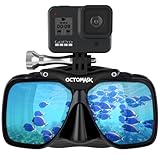
Overview:
OCTOMASK’s Scuba Mask offers a robust solution for GoPro enthusiasts seeking versatility across diving disciplines. Unlike the frameless variant, this model emphasizes universal appeal with its comprehensive guarantee package and included accessories. The $79.99 price point includes not just the mask but also an aluminum thumbscrew and travel bag, making it a complete kit for vacation divers and underwater videographers alike.
What Makes It Stand Out:
The dual guarantee system is unique: a 100% mask fit guarantee plus a 100% satisfaction guarantee demonstrates exceptional manufacturer confidence. The ultra-soft silicone skirt is marketed as delivering superior comfort, while the included aluminum thumbscrew provides durability over plastic alternatives. The travel bag adds convenience for gear organization. Explicit compatibility with the GoPro Hero 10 and all previous models ensures future-proofing.
Value for Money:
While priced identically to other OCTOMASK models at $79.99, the added accessories and guarantees enhance value. The aluminum thumbscrew alone represents a $10-15 upgrade over standard plastic screws. For recreational divers who dive infrequently, the peace of mind from fit and satisfaction guarantees reduces purchase risk. However, the lack of a frameless design means slightly higher volume than specialized freediving masks.
Strengths and Weaknesses:
Pros: Comprehensive guarantee package; includes aluminum thumbscrew and travel bag; ultra-soft silicone skirt; guaranteed compatibility with all GoPro models; suitable for multiple diving styles.
Cons: Not frameless—higher internal volume than dedicated freediving masks; black skirt reduces ambient light; premium price for non-specialized design; guarantees may indicate higher return rates.
Bottom Line:
Perfect for recreational divers wanting maximum assurance and included accessories. The guarantee package makes this a low-risk investment for occasional underwater photographers.
3. TELESIN Swimming Goggles Diving Scuba Snorkeling Dive Glasses for GoPro Max 13 12 11 10 9 8 Insta360 X5 X4 X3 Ace Pro 2 DJI Action 6 5 Pro Action 4 Action 3 Underwater Waterproof Accessories

Overview:
TELESIN delivers a budget-conscious alternative at just $19.98, offering remarkable cross-brand compatibility that extends beyond GoPro to include Insta360, DJI, and other action cameras. This versatility makes it an attractive entry point for underwater videographers with multiple camera systems. The detachable mount design transforms the goggles into standard diving glasses, providing dual-purpose functionality that budget-minded consumers will appreciate.
What Makes It Stand Out:
Universal compatibility is the headline feature—supporting everything from GoPro Max to DJI Action series and Insta360 cameras. The detachable mount system is genuinely innovative, allowing users to remove the camera bracket entirely for traditional diving sessions. The anti-fog tempered glass treatment addresses a common frustration, while the “earthquake resistant” glass (likely meaning impact-resistant) suggests durability focus. Super soft silicone construction mirrors premium brands at a fraction of the cost.
Value for Money:
Exceptional value at $19.98—roughly 75% less than OCTOMASK alternatives. This price point makes underwater camera mounting accessible to casual snorkelers and beginner divers. While build quality may not match premium brands, the multi-camera compatibility and detachable mount functionality offer features even expensive models lack. It’s an ideal “try-before-you-invest” option or backup mask for travel.
Strengths and Weaknesses:
Pros: Unbeatable price; universal camera compatibility; detachable mount for dual use; anti-fog tempered glass; impact-resistant construction.
Cons: “Earthquake resistant” marketing language seems unprofessional; no fit or satisfaction guarantee; unclear long-term silicone durability; may lack premium comfort of higher-end masks; limited brand reputation.
Bottom Line:
An outstanding budget option for multi-camera households or casual users. The price and versatility outweigh potential quality concerns for occasional underwater use.
4. OCTOMASK - Frameless Dive Mask w/Mount for All GoPro Hero Cameras for Scuba Diving, Snorkeling, Freediving (Clear)…

Overview:
This clear-skirted version of OCTOMASK’s frameless design offers identical performance benefits to the black model while enhancing peripheral vision and ambient light transmission. The $79.99 price point maintains parity across the color options, allowing divers to choose based on preference rather than budget. The low-volume frameless construction remains ideal for freediving and spearfishing, where hydrodynamics and ease of equalization are paramount.
What Makes It Stand Out:
The clear silicone skirt fundamentally improves the diving experience by reducing the “tunnel vision” effect common with black skirts. This increases situational awareness—crucial for spearfishers tracking fish and divers monitoring buddies. The embedded nut preventing thumb screw loss remains a standout engineering detail. The large, accessible nose pocket and super-soft matte silicone ensure comfort during extended sessions. For underwater videographers, the clear skirt provides a brighter, more natural viewing environment for framing shots.
Value for Money:
At $79.99, it matches the black frameless version, making the color choice purely preferential. The clear skirt offers tangible benefits in visibility that many divers find worth the same investment. Compared to buying a separate premium frameless mask ($50-70) and mount ($15-25), the integrated design and security features justify the cost. However, it lacks the accessory bundle of OCTOMASK’s non-frameless model.
Strengths and Weaknesses:
Pros: Clear skirt enhances peripheral vision and ambient light; low-volume frameless design; secure embedded thumb screw; super-soft matte silicone; large nose pocket for equalization.
Cons: Clear silicone requires more diligent cleaning to prevent yellowing; premium pricing; no included travel bag or aluminum thumbscrew; GoPro-only compatibility.
Bottom Line:
Choose this clear version for superior visibility and a more open feel underwater. It’s the ideal frameless option for videographers wanting maximum environmental awareness.
5. OCTOMASK - Frameless Dive Mask w/Mount for All GoPro Hero Cameras for Scuba Diving, Snorkeling, Freediving (Clear)…

Overview:
This variant combines the best of OCTOMASK’s features: the clear frameless design with comprehensive guarantees and premium accessories. At $79.99, it merges the visibility advantages of a clear silicone skirt with the peace of mind offered by dual guarantees and included equipment. This represents the most feature-complete offering in the OCTOMASK lineup, targeting discerning divers who refuse to compromise.
What Makes It Stand Out:
You get the complete package: frameless low-volume design for hydrodynamics, clear skirt for enhanced visibility, 100% mask fit guarantee, 100% satisfaction guarantee, aluminum thumbscrew, and a travel bag. No other OCTOMASK configuration offers all these elements simultaneously. The clear skirt’s benefits—improved peripheral vision and brighter viewing—complement the security of the embedded nut design. Explicit Hero 10 compatibility ensures you’re covered for current and future GoPro models.
Value for Money:
This delivers maximum value within the OCTOMASK range. While priced the same as other models at $79.99, it includes $20-30 worth of accessories and guarantees that are otherwise absent. For divers debating between frameless performance and guarantee security, this eliminates the compromise. The aluminum thumbscrew’s durability and the travel bag’s convenience add tangible value that extends the product’s lifespan and usability.
Strengths and Weaknesses:
Pros: All-in-one package with guarantees and accessories; clear skirt for superior visibility; frameless low-volume design; aluminum thumbscrew included; travel bag for protection; dual guarantee coverage.
Cons: Premium price point; clear silicone requires careful maintenance; still limited to GoPro ecosystem; guarantees may involve return process hassles.
Bottom Line:
The ultimate OCTOMASK choice—combining performance, visibility, and purchase protection. Perfect for serious divers wanting every advantage and assurance in one package.
6. SCUBAPRO - Universal Mask Attachment - Compatible with GoPro
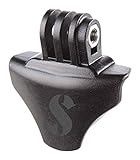
Overview: SCUBAPRO’s Universal Mask Attachment offers a streamlined solution for divers seeking to mount their GoPro without replacing their existing mask. This adapter connects to the bridge of dual-lens masks, providing a stable platform for action cameras during underwater exploration.
What Makes It Stand Out: The SCUBAPRO name carries decades of dive equipment expertise, lending credibility to this mount’s design. Its universal compatibility spans virtually all two-glass masks on the market, making it versatile for divers who own multiple masks or dive operations with rental equipment. The secure double-bar mount system ensures your camera stays firmly in place even in strong currents.
Value for Money: At $26.90, this attachment sits in the mid-range price point. While more expensive than generic alternatives, you’re paying for SCUBAPRO’s engineering standards and reliability. Compared to purchasing a new integrated mask ($80+), it’s economical for those already invested in quality masks. The durability justifies the premium over budget options that may fail during critical moments.
Strengths and Weaknesses: Strengths: Trusted brand reputation; broad mask compatibility; robust mounting system; lightweight design doesn’t affect mask balance. Weaknesses: Requires your own mask; price higher than no-name brands; limited adjustability compared to some competitors.
Bottom Line: Ideal for experienced divers who trust the SCUBAPRO name and want to add GoPro capability to their favorite mask without compromising on security. It’s a reliable, professional-grade solution worth the modest investment.
7. Hixeto Dive Mask Mount for Go Pro, Universal Diving Camera Attachment, Diving Mount Compatible with Popular Dual Lens Masks

Overview: The Hixeto Dive Mask Mount provides an affordable entry point for capturing underwater footage with your GoPro. This universal attachment clips onto dual-lens mask bridges using a simple zip-tie system, eliminating the need for permanent modifications.
What Makes It Stand Out: Its budget-friendly price point makes underwater photography accessible to casual snorkelers and beginner divers. The installation process is remarkably straightforward—no tools or drilling required. The mount’s low-profile design maintains minimal bulk, while the included zip tie offers surprising stability when properly installed. The company provides video tutorials, demonstrating confidence in their user-friendly approach.
Value for Money: At $17.99, this is the most economical option in the category. It undercuts premium brands significantly while delivering core functionality. However, the plastic construction and zip-tie dependency may compromise long-term durability compared to more robust alternatives. For occasional use or as a backup mount, it represents excellent value. Frequent divers might find replacement costs add up over time.
Strengths and Weaknesses: Strengths: Very affordable; simple installation; universal dual-lens compatibility; lightweight; includes zip tie. Weaknesses: Less secure than screw-mounted options; plastic may degrade with sun/salt exposure; zip tie could break; not suitable for single-lens masks.
Bottom Line: Perfect for budget-conscious adventurers or those testing underwater videography waters. While not as robust as premium options, it’s a functional, cost-effective solution for occasional use.
8. OCTOMASK - Frameless Dive Mask w/Mount for All GoPro Hero Cameras for Scuba Diving, Snorkeling, Freediving (Blue)…

Overview: OCTOMASK’s Frameless Dive Mask with integrated GoPro mount delivers a premium all-in-one solution for underwater videography. This mask eliminates the need for separate attachments, combining high-quality optics with built-in camera stability.
What Makes It Stand Out: The frameless design creates a superior seal and reduces drag while providing an expansive field of view. The ultra-soft silicone skirt conforms beautifully to various face shapes, backed by OCTOMASK’s 100% fit guarantee. Unlike add-on mounts, this integrated system ensures perfect alignment and zero interference with mask functionality. The inclusion of an aluminum thumbscrew and travel bag adds professional touches.
Value for Money: At $79.99, this represents significant value compared to purchasing a premium mask ($50-70) and separate mount ($20-30). The frameless design typically commands premium pricing, and the integrated mount eliminates compatibility concerns. For serious divers, the convenience and reliability justify the cost over piecing together components.
Strengths and Weaknesses: Strengths: Seamless integration; frameless comfort; universal GoPro compatibility; quality silicone skirt; complete package; fit guarantee. Weaknesses: Higher upfront cost; cannot use with your existing mask; limited color options.
Bottom Line: The ultimate choice for dedicated underwater photographers who prioritize comfort, reliability, and streamlined gear. The frameless design and integrated mount make this a top-tier investment for serious enthusiasts.
9. OCTOMASK - Scuba Mask w/Mount for All GoPro Hero Cameras for Scuba Diving, Snorkeling, Freediving (Blue)…

Overview: OCTOMASK’s Scuba Mask with mount offers the same trusted performance as their frameless model in a traditional framed design. Available in blue, this mask provides reliable GoPro integration for divers preferring classic mask architecture.
What Makes It Stand Out: This model maintains OCTOMASK’s commitment to quality with its ultra-soft silicone skirt and 100% fit guarantee. The framed construction provides familiar rigidity that some divers prefer over frameless designs. The integrated mount system is seamlessly molded into the mask frame, ensuring rock-solid camera stability without aftermarket modifications. It works with all GoPro models, future-proofing your investment.
Value for Money: Priced at $79.99, it matches the frameless version’s cost while offering an alternative design preference. The value proposition remains strong—you’re getting a quality dive mask with integrated mounting for roughly the same price as buying separate components. The included aluminum thumbscrew and travel bag enhance the package’s completeness.
Strengths and Weaknesses: Strengths: Trusted brand; integrated design; universal GoPro compatibility; fit guarantee; complete accessory package; familiar framed design. Weaknesses: Framed design may feel bulkier than frameless; higher cost than using existing mask with attachment.
Bottom Line: An excellent choice for divers who prefer traditional framed masks but want seamless GoPro integration. The blue color adds style while maintaining professional-grade performance.
10. OCTOMASK - Scuba Mask w/Mount for All GoPro Hero Cameras for Scuba Diving, Snorkeling, Freediving (Clear)…

Overview: Identical in features to its blue counterpart, the OCTOMASK Scuba Mask in clear offers the same integrated GoPro mounting system with a transparent silicone skirt. This subtle difference impacts both aesthetics and underwater visibility, making it a preferred choice for many underwater photographers.
What Makes It Stand Out: The clear silicone skirt allows more light penetration, reducing the “tunnel vision” feeling some divers experience with dark skirts. This enhances peripheral awareness and can ease anxiety for newer divers. The mask otherwise retains all OCTOMASK premium features: universal GoPro compatibility, 100% fit guarantee, aluminum thumbscrew, and travel bag. The integrated mount provides reliable performance without aftermarket modifications.
Value for Money: At $79.99, the value mirrors the blue version exactly. The clear skirt option comes at no premium, making the choice purely aesthetic and functional. For divers who prioritize maximum light and field-of-view, this represents equal value to the colored alternatives while providing functional benefits.
Strengths and Weaknesses: Strengths: Enhanced peripheral vision from clear skirt; same premium integration; universal compatibility; fit guarantee; complete accessory package. Weaknesses: Clear silicone may yellow over time with UV/salt exposure; shows dirt more readily; same high upfront cost as other OCTOMASK models.
Bottom Line: Choose this version if you value enhanced light transmission and peripheral awareness. The clear skirt makes this ideal for photographers wanting maximum visibility of their subjects and surroundings during dives.
Why a GoPro-Ready Scuba Mask Changes Your Underwater Filming Game
The fundamental shift from handheld to head-mounted filming isn’t just about convenience—it’s about perspective. Your head naturally stabilizes through subtle neck and core adjustments that your arms simply can’t replicate while swimming. This biological gimbal effect reduces the jerky movements that plague handheld footage, especially in surge-heavy environments. More importantly, a properly mounted camera captures exactly what you’re seeing, creating that coveted “diver’s eye view” that makes underwater content so compelling on social media and in documentary work. The psychological benefit is equally significant: with both hands free, you revert to proper diving technique, improving your trim, air consumption, and situational awareness while simultaneously becoming a better cameraperson.
Understanding the Different Types of GoPro Mounts
Not all integrated mounts are created equal, and the mounting system fundamentally dictates both your footage stability and your mask’s longevity. The engineering behind these systems varies dramatically between manufacturers, affecting everything from breakaway safety to vibration transfer.
Integrated Molded Mounts
These permanent fixtures are fused directly into the mask frame during manufacturing, typically positioned at the forehead or temple. The advantage lies in their seamless strength—there’s no hardware to loosen or corrode. However, this permanence means you’re committed to the mount’s exact position, which may not suit every face shape or filming angle preference. The best designs incorporate a slight flex zone to absorb impact rather than transferring stress directly to the frame.
Removable Clamp Systems
Clamp-based mounts attach to the mask strap or frame using adjustable screws or quick-release mechanisms. While offering versatility across different mask models, these systems introduce potential failure points. Saltwater intrusion into threaded components can lead to galling, where metal surfaces seize together. Premium clamps use titanium or marine-grade stainless steel with nylon washers to prevent this. The key is ensuring the clamp doesn’t compress the silicone skirt, which would compromise your seal.
Adhesive-Compatible Surfaces
Some modern masks feature reinforced mounting plates embedded in the frame that accept adhesive mounts. This hybrid approach lets you position the camera exactly where you want while maintaining a clean profile when not filming. The critical factor is the adhesive’s shear strength underwater—standard GoPro adhesives often fail after repeated saltwater exposure. Specialized marine epoxies or 3M VHB tapes designed for submersion are non-negotiable for this setup.
Essential Features That Define Quality
A scuba mask’s primary job remains providing clear, safe vision underwater. The addition of a camera mount must never compromise this core function. The hierarchy of features starts with optical clarity and ends with mount durability.
Tempered Glass vs. Polycarbonate Lenses
Tempered glass remains the gold standard for scuba masks due to its scratch resistance and optical clarity. Polycarbonate lenses, while impact-resistant, scratch easily and can develop a hazy film from saltwater micro-abrasions. For filming, clarity is paramount—any lens imperfection degrades your ability to frame shots accurately. Look for lenses with anti-reflective coatings on the interior surface to reduce glare from your dive computer or gauges.
Skirt Material: Silicone vs. PVC
High-grade silicone skirts conform to facial contours without pinching, creating a reliable seal even when you’re smiling for the camera (a common cause of leaks). The durometer, or softness rating, matters—shore 40-50 silicone offers the best balance of pliability and durability. PVC skirts, found on budget masks, stiffen in cold water and are prone to tearing at stress points near mount attachments.
Frame Design: Frameless vs. Traditional
Frameless masks bring the lenses closer to your face, increasing field of view and reducing internal volume, which makes clearing easier. However, the frameless design distributes mounting stress across the lens itself rather than a rigid frame. If you opt for frameless with an integrated mount, ensure the manufacturer has reinforced the lens edges with internal ribbing to prevent flex-induced leaks.
Field of View Considerations for Underwater Videography
Your mask’s field of view directly impacts your ability to frame shots without constant head-swiveling. A standard mask offers 60-70 degrees of vision, while panoramic designs can exceed 100 degrees. For GoPro filming, this becomes a double-edged sword. Wider mask FOV lets you see more of what the camera captures, but ultra-wide GoPro settings already distort peripheries. The sweet spot is a mask with 80-90 degrees FOV paired with your GoPro’s linear or narrow setting to reduce the fisheye effect while maintaining situational awareness. Consider how the mount’s position affects your sightline—temple mounts can obstruct peripheral vision on the side you’re filming.
The Importance of Proper Fit and Seal
A leaking mask will end your filming dive faster than a dead camera battery. The fit test is non-negotiable: place the mask on your face without the strap, inhale gently through your nose, and it should stay sealed without continuous suction. With a mount attached, repeat this test while looking down—mount weight can shift the mask’s center of gravity, breaking the seal at the nose bridge. Pay special attention to the seal integrity around the mount attachment point; any frame deformation here will create a chronic leak. Remember that facial hair, sunscreen residues, and even slight jaw movements while talking to your buddy can compromise seals, especially with the added leverage of a mounted camera.
Anti-Fog Technology: What Actually Works
Fogging ruins footage and creates a safety hazard when you can’t see your gauges. Factory-applied anti-fog coatings are hydrophilic, causing water to sheet rather than bead. These coatings degrade with repeated exposure to salt and sunscreen. The most effective long-term solution is a multi-layer approach: start with a pristine lens (use toothpaste to remove manufacturing residues), apply a commercial anti-fog designed for tempered glass (not plastic), and add a drop of baby shampoo before each dive. Avoid spitting in your mask—saliva contains enzymes that eventually etch glass surfaces. For filming, consider masks with dual-lens designs that create a thermal barrier, reducing fogging when moving between temperature layers.
Purge Valves and Drainage Systems
Purge valves, those one-way flaps in the nose pocket, seem convenient but introduce complexity. For videographers, they’re a mixed blessing. Yes, they make clearing water easier, but they also create a potential leak path and can whistle slightly during exhalation, introducing audio artifacts into your footage. If you choose a purge valve mask, ensure the valve is silicone, not plastic, and test its operation with the GoPro mounted—some mounts restrict nose pocket compression, making purging difficult. Frameless masks typically omit purge valves, which actually benefits filming by eliminating a failure point and reducing internal volume.
Strap Systems and Adjustability
The mask strap does more than hold the mask—it stabilizes your camera. Split-strap designs distribute pressure more evenly and resist slipping when you tilt your head. The buckle system should offer micro-adjustments; coarse adjustments mean you’ll either have the mask too loose (leaking) or too tight (headaches). Quick-release buckles are valuable for surface intervals but must lock positively to prevent accidental release during a head-first descent. When a mount is attached, the strap’s elasticity becomes crucial—it needs to absorb camera movement without loosening. Neoprene-impregnated silicone straps maintain tension better than pure silicone, especially after repeated saltwater stretching.
Color Correction and Lens Tints
Water absorbs light selectively, with reds disappearing first, followed by oranges and yellows. Some masks offer tinted lenses to compensate—rose or magenta tints can enhance contrast at depth. For GoPro filming, this presents a dilemma. Your camera’s auto-white balance will fight against the tint, potentially creating unnatural skin tones or unpredictable color shifts. The professional approach is using clear lenses on the mask and handling color correction in post-production with proper filters on the GoPro itself. If you must have tinted lenses for personal viewing, understand that your footage will require more aggressive color grading. Photochromic lenses that darken in bright conditions are problematic for filming—they can cause exposure flickering as you move through light zones.
Prescription Lens Compatibility
Many divers require corrective lenses, and mounting a GoPro shouldn’t force you into contacts. Several manufacturers offer prescription lens inserts that mount behind the main lens. The critical consideration is whether these inserts interfere with the camera’s field of view or create reflections visible to the sensor. Opt for masks designed with a prescription-ready channel that positions inserts low and inward, away from the camera’s sightline. For high prescriptions (beyond +/- 4 diopters), consider bonded lenses rather than inserts—the additional air space in inserts can create double images or glare that affects your ability to monitor framing. Some divers opt for stick-on bifocal segments just in the lower portion, preserving the upper field for filming.
Mount Stability and Vibration Dampening
The bane of head-mounted footage is the micro-vibrations transmitted through your skull with every fin kick. Premium mounts incorporate isolation systems—rubber grommets, silicone pads, or even small air gaps—that decouple the camera from the mask. Test this by gently tapping the mounted camera; you should feel minimal vibration transfer. The mount’s orientation matters too. Forehead mounts generally produce more stable footage than temple mounts because they’re aligned with your spine’s natural stabilization axis. Avoid metal-to-metal contact points; even a thin layer of dielectric grease between components can dampen resonant frequencies that cause that annoying jello effect in footage.
Hydrodynamics and Drag Reduction
That GoPro creates surprising drag, especially in currents. At 3-4 knots of current, a poorly designed mount can feel like someone’s pulling your head sideways. Streamlined mounts hug the mask profile, presenting minimal frontal area. Some designs incorporate a slight cant, angling the camera back to reduce snagging. The mount’s leading edge should be rounded, not square, to prevent turbulence that can vibrate the camera. During your pre-dive check, swim against a mild current or do a few brisk kicks—if the mask shifts or the mount whistles, you’ve got a hydrodynamic problem that will worsen at depth where water density increases.
Maintenance and Care Protocols
Salt crystals are abrasive and will eventually seize any moving part. After each dive, soak the entire mask assembly in warm fresh water for at least 30 minutes, working the buckles and purge valve (if present) to flush salt from crevices. Pay special attention to the mount’s threads or clamp mechanisms—a toothbrush dipped in white vinegar dissolves salt deposits without damaging silicone. Never use hot water on the mask itself; it can degrade silicone and warp polycarbonate components. Store the mask with the strap loose and the mount detached if possible, hanging it upside down to prevent the skirt from developing memory folds. For long-term storage, place a silica gel packet in the mask bag to absorb moisture that could foster mold on the skirt.
Common Mistakes That Ruin Your Footage
Even the best mask can’t compensate for poor technique. The number one error is mounting the camera too high or low—forehead mounts should position the lens at or slightly above eye level to capture natural sightlines. Temple mounts create a “over-the-shoulder” perspective that feels voyeuristic rather than immersive. Another killer is failing to lock your neck; conscious stabilization through your core prevents the bobble-head effect. Many divers also make the mistake of using hyper-wide GoPro settings—while tempting, this captures your mask frame and creates extreme distortion. Start with linear mode and 2.7K resolution for professional-looking results. Finally, neglecting to white-balance your GoPro for the depth you’re filming at results in footage that looks like it was shot through pea soup.
Budget Considerations and Value Proposition
The price spectrum is vast, from budget options under $50 to professional setups exceeding $300. The sweet spot for serious enthusiasts lies between $120-$180, where you get tempered glass, high-grade silicone, and a decently engineered mount without pro-level markup. Below this range, you’re compromising on lens clarity, skirt durability, or mount stability—false economy when a flooded mask ends your dive. Above it, you’re often paying for brand prestige or marginal improvements in hydrodynamics. Consider the total cost: a quality mask that lasts five years is cheaper than replacing a $60 mask every season when the mount snaps or the skirt tears. Factor in the cost of prescription inserts if needed, which can add $80-$150 but eliminate the ongoing expense of contact lenses for diving.
Frequently Asked Questions
Will a GoPro mount on my mask affect my ability to equalize?
No, a properly positioned mount shouldn’t interfere with nose pocket compression. However, bulky temple mounts can restrict access to your nose, making it harder to perform the Valsalva maneuver. Forehead mounts are generally safer for equalization.
Can I use any GoPro model with these masks?
Most mounts accommodate the standard GoPro three-prong interface used since the HERO3, but newer HERO10 and HERO11 models are heavier and may require mount reinforcement. Always check the mount’s weight rating—older masks may not support the 158g HERO11 Black without flexing.
How do I prevent my footage from being shaky despite the head mount?
Lock your neck and stabilize through your core, not your head. Fin with smooth, deliberate kicks from the hips. Enable Hypersmooth stabilization on your GoPro, but set it to “High” rather than “Boost” to avoid the warping effect that can occur with head-mounted cameras.
Is it safe to have a camera mounted so close to my face in an emergency?
Quality mounts are designed with breakaway points that release under strong force, preventing mask damage during mask removal. Practice emergency drills with the camera mounted to ensure you can still perform a one-handed mask clear and replace.
What’s the best depth for filming with a mask-mounted GoPro?
For natural colors without filters, stay above 30 feet. Below that, use red or magenta filters designed for your GoPro. Beyond 100 feet, even filters can’t compensate for light loss—consider bringing video lights, but position them on your hands, not the mask, to avoid backscatter.
Can I freedive with a scuba mask that has a GoPro mount?
Yes, but be aware that the mount creates drag during rapid descent and ascent. Remove the camera for deep freediving (beyond 30 feet) as the added weight can affect your duck dive and the mount may create uncomfortable pressure points during deep equalization.
How often should I replace the silicone skirt?
With proper care, a high-quality silicone skirt lasts 3-5 years. Replace it when you notice permanent creases, stickiness, or tears at stress points. Mount attachment points are stress concentrators—inspect them monthly for micro-tears.
Will sunscreen damage my mask or mount?
Chemical sunscreens containing oxybenzone degrade silicone and can weaken polycarbonate mounts. Apply sunscreen after putting on your mask, avoiding your forehead area. Mineral sunscreens with zinc oxide are less damaging but still reduce skirt grip.
Can I mount other action cameras, like DJI or Insta360?
Most mounts are GoPro-specific, but adapters exist. However, the weight distribution differs—Insta360 cameras are lighter but wider, creating more drag. DJI Action cameras are similar in weight to GoPros but have different center of gravity, potentially causing the mount to tilt during the dive.
What’s the biggest mistake new underwater videographers make with mask mounts?
Fixating on the camera instead of diving. Your safety and buoyancy control come first. Mount the camera, start recording, then forget it’s there. Review footage after the dive, not during. Nothing is worth becoming a statistic because you were framing a turtle instead of monitoring your depth and air supply.