Cycling technologyhas evolved dramatically over the past decade, transforming the humble bicycle into a data-rich performance machine. While handlebar-mounted computers have long been the standard for tracking speed, power, and navigation, they demand that riders take their eyes off the road—a compromise that becomes increasingly risky at high speeds or in technical terrain. Enter sports AR glasses: a revolutionary interface that projects critical ride data directly into your field of vision, allowing you to maintain situational awareness while accessing real-time metrics. This technology isn’t just about convenience; it’s about fundamentally changing how we interact with information during physical exertion, creating a seamless blend of digital feedback and environmental perception that keeps your focus where it belongs—on the path ahead.
But not all augmented reality eyewear is created equal for the unique demands of cycling. The market spans from basic heads-up displays to sophisticated systems with integrated sensors and advanced optics. Understanding the nuances of display technology, sensor compatibility, battery management, and safety considerations is crucial before investing in this emerging category. Whether you’re a data-obsessed road racer seeking every performance advantage or a gravel adventurer who needs navigation without stopping, the right AR glasses can either become an indispensable training partner or an expensive piece of redundant gear collecting dust in your drawer.
Top 10 Sports AR Glasses for Cycling
Detailed Product Reviews
1. cybersight ZENITH Display Sports Glasses, for Cycling and Hiking, Smart AI/AR Sports Sunglasses, Real-Time HUD Display, Smart Navigation, Proactive AI Alerts, Monitor Heart Rate, Speed, etc.
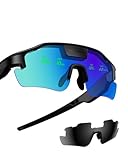
Overview: The cybersight ZENITH represents a significant leap in sports eyewear technology, integrating AR capabilities directly into a sleek sunglasses frame designed for serious cyclists and hikers. These smart glasses project critical performance metrics via a heads-up display, eliminating the need to glance at handlebar-mounted computers or wrist devices.
What Makes It Stand Out: The ZENITH’s standout feature is its real-time HUD that displays speed, heart rate, power, and navigation without breaking your visual focus. The AI-powered performance tracking provides proactive alerts to prevent overexertion, while integrated radar safety warnings detect approaching vehicles—features that traditional cycling computers simply cannot match. Multi-sport compatibility and smartphone integration make it versatile across activities.
Value for Money: At $399, the ZENITH sits at the premium end of sports eyewear, but compares favorably to high-end bike computers ($300-400) plus quality sunglasses ($150-200) combined. You’re essentially getting two devices in one, with the added benefit of heads-up display technology that enhances safety by keeping eyes forward. For dedicated athletes who already invest in performance gear, this represents reasonable value.
Strengths and Weaknesses: Strengths include unparalleled situational awareness, comprehensive safety features, seamless navigation integration, and robust multi-device compatibility. Weaknesses involve reliance on phone connection for AI features, potential battery life limitations during long rides, display visibility challenges in bright sunlight, and the significant upfront investment. The learning curve for interpreting HUD data while riding may also deter some users.
Bottom Line: The ZENITH is ideal for tech-savvy, serious athletes who prioritize data accessibility and safety. If you’re willing to embrace the learning curve and invest in cutting-edge performance tracking, these smart glasses deliver a compelling, integrated experience that traditional setups cannot replicate.
2. cybersight ZENITH Display Sports Glasses, for Cycling and Hiking, Smart AI/AR Sports Sunglasses, Real-Time HUD Display, Smart Navigation, Proactive AI Alerts, Monitor Heart Rate, Speed, etc.
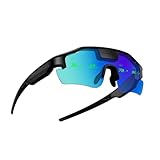
Overview: The cybersight ZENITH Display Sports Glasses merge augmented reality with athletic performance tracking, offering cyclists and hikers a futuristic heads-up display solution. These smart sunglasses project vital metrics directly into your field of vision, enabling data monitoring without diverting attention from the trail or road ahead.
What Makes It Stand Out: The ZENITH distinguishes itself through its integrated HUD system that simultaneously displays navigation, speed, heart rate, and power data. The proactive AI coaching engine analyzes your performance patterns to prevent burnout, while vehicle radar detection and smart helmet turn signal integration provide exceptional safety features. Compatibility across Garmin, Apple, and Android ecosystems ensures broad utility.
Value for Money: Priced at $379—$20 less than standard retail—this offering presents slightly better value for the same premium technology. When compared to purchasing a dedicated cycling computer and high-performance sunglasses separately, the ZENITH remains competitive. The consolidated design reduces handlebar clutter and eliminates dangerous downward glances, justifying the investment for safety-conscious athletes who value seamless data integration.
Strengths and Weaknesses: Key strengths encompass the innovative HUD display, intelligent safety alerts, cross-platform compatibility, and multi-sport versatility. Notable weaknesses include mandatory smartphone tethering for full AI functionality, concerns about battery endurance on extended adventures, possible display washout in direct sunlight, and the premium price point that may exceed casual riders’ budgets. Initial setup complexity could frustrate less tech-oriented users.
Bottom Line: For performance-focused athletes seeking technological integration, the ZENITH at $379 offers compelling value. If you demand real-time data without compromising safety and are prepared to navigate the technical setup, these smart glasses represent a worthwhile advancement over traditional cycling accessories.
3. cybersight ZENITH Display Sports Glasses, for Cycling and Hiking, Smart AI/AR Sports Sunglasses, Real-Time HUD Display, Smart Navigation, Proactive AI Alerts, Monitor Heart Rate, Speed, etc.
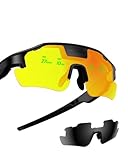
Overview: The cybersight ZENITH Display Sports Glasses revolutionize how athletes interact with performance data during activities. These AI/AR-enabled smart sunglasses project a real-time HUD showing critical metrics like speed, heart rate, and navigation, allowing cyclists and hikers to maintain focus while staying informed.
What Makes It Stand Out: What truly separates the ZENITH is its comprehensive augmented reality approach—simultaneously delivering turn-by-turn navigation, performance monitoring, and proactive AI alerts in one device. The safety ecosystem is particularly impressive, with vehicle radar detection and helmet turn signal integration creating a protective bubble around the rider. Multi-sport support and broad device compatibility make it adaptable across training disciplines.
Value for Money: At $399, the ZENITH commands a premium price that positions it alongside high-end cycling computers and smartwatches. However, by combining eyewear with data display, it eliminates the need for multiple devices and reduces dangerous riding behaviors. For athletes who already invest $500+ in their tech setup, consolidating into one HUD-enabled device offers both financial and safety value, though budget-conscious buyers may find the cost prohibitive.
Strengths and Weaknesses: Strengths include the heads-up display that keeps eyes forward, robust safety features, intelligent performance coaching, and seamless integration with major fitness platforms. Weaknesses center on dependency on phone connectivity for AI features, potential battery limitations during ultra-distance events, display readability issues in variable lighting, and the steep price barrier. The technology also requires adaptation time to process HUD information naturally while exercising.
Bottom Line: The ZENITH suits dedicated athletes who embrace innovation and prioritize safety through technology. If you’re comfortable with the premium investment and learning curve, these smart glasses provide an integrated, forward-looking solution that traditional bike computers cannot match.
4. ROCKBROS Photochromic Sports Sunglasses Mens Pickleball Glasses Cycling Glasses MTB Sunglasses, with Removable Elasctic Band,White

Overview: ROCKBROS Photochromic Sports Sunglasses deliver versatile eye protection for active users at an accessible price point. Designed for cycling, pickleball, and mountain biking, these glasses feature lenses that automatically adjust to changing light conditions, ensuring consistent visibility throughout your workout without requiring manual lens swaps.
What Makes It Stand Out: The automatic photochromic lens technology is the headline feature, darkening in bright sunlight and clearing in shade seamlessly. The removable elastic band provides exceptional stability during high-intensity movements and rough terrain, while the ergonomic design with non-slip nose pads ensures comfort during extended wear. This practical combination of adaptability and security distinguishes it from static-lens competitors in the budget category.
Value for Money: At $24.99, these sunglasses represent exceptional value, undercutting premium photochromic brands by 70-80%. While they lack the advanced optics of $100+ alternatives, they provide essential UV protection and light adaptability for recreational athletes. The included features—photochromic lenses, removable band, and multi-sport design—make this a cost-effective choice for beginners or as a reliable backup pair for serious riders who need versatility.
Strengths and Weaknesses: Strengths include affordable photochromic technology, secure fit customization, lightweight comfort, and broad sport versatility. Weaknesses involve slower transition times compared to premium photochromic lenses, potentially less durable frame materials over long-term use, basic optical clarity, and limited aesthetic options. The white frame may show dirt and wear more visibly than darker alternatives.
Bottom Line: These ROCKBROS sunglasses are perfect for recreational athletes seeking functional, adaptable eye protection without breaking the bank. They deliver core performance features at a fraction of premium brand costs, making them an excellent entry-level option or secondary pair for varied lighting conditions.
5. Sunbowglint Sports Safety Glasses for Men Women Unbreakable TR90 Frame Clear Goggles Baseball Cycling Fishing Glasses
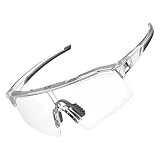
Overview: Sunbowglint Sports Safety Glasses provide budget-conscious outdoor enthusiasts with durable eye protection across multiple activities. Featuring an unbreakable TR90 frame and clear CAT.3 lenses, these glasses prioritize impact resistance and versatility for sports like baseball, cycling, fishing, and hiking.
What Makes It Stand Out: The comprehensive accessory package sets these apart at the sub-$20 price point. Included are a myopia frame for prescription lens insertion, cleaning cloth, non-slip glasses rope, pouch, and storage box—items typically sold separately. The vented lens design actively prevents fogging during intense activity, while the TR90 frame material offers professional-grade durability rarely seen in this price category.
Value for Money: At $17.09, these represent one of the best values in sports eyewear. Comparable safety-rated glasses from established brands cost $30-50 without the extensive accessory bundle. The one-year free return policy demonstrates manufacturer confidence and eliminates purchase risk. For casual athletes, youth sports, or as a backup pair, the price-to-feature ratio is nearly unbeatable.
Strengths and Weaknesses: Strengths include exceptional affordability, robust TR90 construction, fog-resistant venting, prescription adapter inclusion, and generous accessories. Weaknesses involve non-polarized clear lenses offering limited glare reduction, basic aesthetics, unknown long-term durability of lens coatings, and minimal brand recognition. The CAT.3 rating on clear lenses may confuse buyers expecting darker tinting.
Bottom Line: These Sunbowglint glasses are ideal for budget-minded outdoor enthusiasts needing reliable protection without premium features. They excel as starter glasses for youth sports, casual riders, or backup pairs for high-risk activities where damage is likely. The risk-free purchase terms make them worth trying.
6. Lamicall Polarized Sports Sunglasses for Men Women, [24g Ultralight] [Adjustable Nose Pad] UV400 Protection Sun Glasses for Cycling Running Baseball Fishing Golf Beach Volleyball, Half Frame, Black
![Lamicall Polarized Sports Sunglasses for Men Women, [24g Ultralight] [Adjustable Nose Pad] UV400 Protection Sun Glasses for Cycling Running Baseball Fishing Golf Beach Volleyball, Half Frame, Black](https://m.media-amazon.com/images/I/314zYavx-2L._SL160_.jpg)
Overview: The Lamicall Polarized Sports Sunglasses deliver premium eye protection in an incredibly lightweight package designed for multi-sport athletes. At just 24 grams, these half-frame glasses feature TAC HD polarized lenses that block 99.9% of UV rays while restoring true color and enhancing visual clarity. The adjustable nose pad system with three height settings ensures a customized fit for diverse facial structures.
What Makes It Stand Out: The ultralight TR90 frame material sets these apart from bulkier alternatives, providing durability without deformation during intense activities. Strategic air holes on each lens prevent fogging—a critical feature for cyclists and runners. The cylindrical lens design creates a super-wide field of view while reducing air resistance, and the included hardshell case with backpack clip adds exceptional portability.
Value for Money: At $29.99, these sunglasses punch well above their weight class. Comparable performance eyewear typically costs $50-80, making this an accessible entry point for serious athletes. The comprehensive accessory bundle—hard case, microfiber cloth, pouch, and lens test paper—eliminates hidden costs.
Strengths and Weaknesses: Strengths include the featherlight construction, anti-fog ventilation, adjustable fit system, and complete accessory package. The half-frame design maximizes peripheral vision. Potential weaknesses include limited color options and that TAC lenses, while impact-resistant, may not match the optical clarity of pricier polycarbonate alternatives.
Bottom Line: For athletes seeking high-performance eye protection without breaking the bank, the Lamicall sunglasses are an outstanding choice. The combination of ultralight comfort, fog prevention, and adjustable fit makes them ideal for cycling, running, and beach sports.
7. Rapid Eyewear Expert Cycle MULTI LENS SUNGLASSES FOR CYCLING Polarized, Clear & Low Light Lenses Included. For Men & Women. UV 400 Anti Glare Glasses Optics. Also For Running & Triathlons

Overview: Rapid Eyewear’s Expert Cycle system offers a comprehensive four-lens solution for cyclists facing variable conditions. This UK-engineered package includes clear, category 0 low-light, category 2 polarized, and category 3 polarized lenses—providing year-round versatility. Each lens set features UV400 protection and anti-glare coatings, making them suitable for everything from night rides to bright sunny days.
What Makes It Stand Out: The interchangeable lens system is the star feature, allowing riders to adapt to changing light conditions in seconds. Vent cut-outs positioned at the eyebrows actively prevent fogging—a thoughtful design element for high-exertion activities. The ‘Duties Paid’ shipping from the UK ensures no surprise customs fees for international customers.
Value for Money: Priced at $54.99, this multi-lens system represents exceptional value compared to buying separate glasses for different conditions. Individual specialty cycling glasses can cost $40-60 each, making this four-in-one solution cost-effective for serious cyclists who train year-round.
Strengths and Weaknesses: Strengths include unmatched versatility, fog-preventing ventilation, complete UV protection across all lenses, and the included retainer strap and case. The main weakness is the slightly higher upfront cost versus single-lens options. Some users may find lens swapping cumbersome during rides.
Bottom Line: For dedicated cyclists and triathletes who refuse to let weather dictate their training schedule, these sunglasses are a smart investment. The four-lens system eliminates the need for multiple pairs while maintaining optical quality across all conditions.
8. TriEye Cycling Glasses with Rear-view Mirror for Men & Women - UV-400 Sports Sunglasses Cycling Goggles - Durable and Lightweight (High Definition Smoke)

Overview: TriEye revolutionizes cycling safety by integrating a rear-view mirror directly into the sunglass frame. These innovative glasses allow cyclists to monitor traffic without turning their head, significantly reducing accident risk. Constructed from flexible TR90 thermoplastic, they weigh minimally while providing robust durability for daily riding.
What Makes It Stand Out: The integrated rear-view mirror is a game-changing safety feature that sets these apart from every competitor. While compact and requiring slight head adjustment for optimal viewing, it provides critical situational awareness. The package includes a mirror lens, protective case, microfiber pouch, cleaning cloth, and manual—everything needed for immediate use.
Value for Money: At $99.00, these are a premium investment, but the safety benefits justify the cost for urban commuters and road cyclists. Traditional handlebar mirrors cost $20-40 but create blind spots and add drag. The integrated solution offers superior aerodynamics and convenience.
Strengths and Weaknesses: Strengths include revolutionary safety enhancement, lightweight TR90 construction, comfortable rubber tips, and comprehensive accessories. The mirror requires a learning curve and slight head movement. The single-size fit may not suit all facial profiles, though a compact version is promised.
Bottom Line: For safety-conscious cyclists navigating traffic-heavy routes, the TriEye glasses are worth every penny. The rear-view mirror provides peace of mind and tangible safety benefits that standard sunglasses simply cannot match.
9. ROCKBROS Photochromic Cycling Glasses for Men Women Sports Glasses UV Protection

Overview: ROCKBROS delivers versatile photochromic sunglasses that automatically adjust tint from clear to dark gray based on UV intensity. Weighing just 26 grams, these wrap-around glasses provide seamless protection across varying light conditions. The UV400 coating blocks 100% of harmful rays while the polycarbonate lenses maintain high clarity without visual fatigue.
What Makes It Stand Out: The photochromic technology eliminates the need to carry multiple lenses, automatically transitioning from 85% to 15% visual light transmission. The wrap-around design effectively blocks wind and debris, while silicone nose pads and elastic non-slip temples ensure stability during intense movement. The attractive gift packaging makes these an excellent present.
Value for Money: At $25.99, these represent outstanding value for photochromic technology. Similar auto-adjusting glasses from premium brands cost $80-150, making ROCKBROS an accessible option for budget-conscious athletes who still demand performance.
Strengths and Weaknesses: Strengths include adaptive photochromic lenses, ultralight weight, secure wrap-around fit, and excellent price point. The transition speed may be slower than premium alternatives, and the lenses might not get as dark in extreme sunlight. Limited color options could disappoint style-focused users.
Bottom Line: For athletes seeking one pair of glasses for all conditions, ROCKBROS photochromic sunglasses are a smart, affordable choice. The automatic tint adjustment and secure fit make them ideal for cycling, running, fishing, and driving.
10. SCVCN Photochromic Cycling Glasses Sports Sunglasses Clear Men Women Bicycle MTB UV400 Protection Running Mountain Bike Baseball Biking Goggles Riding BMX Golf Driving Softball Black 501

Overview: SCVCN offers budget-conscious athletes photochromic cycling glasses that transition from clear to gray based on sunlight intensity. These versatile sunglasses provide UV400 protection against 99.99% of harmful UVA and UVB rays while maintaining optical clarity across diverse outdoor activities from mountain biking to golf.
What Makes It Stand Out: The hydrophilic rubber nose pads maintain grip even when wet, ensuring the glasses stay secure during sweaty rides or rainy conditions. Non-slip temples with ergonomic design prevent pressure points during extended wear. The photochromic technology eliminates lens-swapping hassle for users who move between shaded and sunny environments.
Value for Money: At just $14.99, these are among the most affordable photochromic cycling glasses available. This price point makes them accessible to beginners and casual riders who want advanced lens technology without the typical $50+ investment.
Strengths and Weaknesses: Strengths include unbeatable price, effective photochromic performance, wet-grip nose pads, and versatility across numerous sports. The ultra-low cost may raise durability concerns, and the transition speed and maximum darkness likely won’t match premium brands. The aesthetic design is functional rather than fashionable.
Bottom Line: For entry-level cyclists and multi-sport enthusiasts on tight budgets, SCVCN delivers surprising value. While not premium quality, these glasses provide essential photochromic functionality and UV protection at an impulse-buy price point.
What Are Sports AR Glasses for Cycling?
Sports AR glasses for cycling are wearable display systems that overlay digital information onto your natural view of the road and surroundings. Unlike virtual reality headsets that replace your vision entirely, these devices use transparent or semi-transparent optics to project data such as speed, power output, heart rate, navigation cues, and even safety alerts into your peripheral or central vision. The technology typically incorporates micro-displays, prismatic lenses, waveguides, or retinal projection systems to create images that appear to float at a specific distance in front of you, often simulating a screen several feet away.
The Evolution from Basic Cycling Computers
Traditional cycling computers required a deliberate glance-down motion that breaks your visual connection with the road. Even the best handlebar units create a measurable reaction time delay and cognitive load as your eyes refocus. AR glasses eliminate this disruption by keeping data in your sightline at the same focal depth as the road ahead. Early heads-up displays simply mirrored smartphone notifications, but modern systems integrate directly with power meters, heart rate monitors, and GPS satellites to provide contextual, real-time analytics without manual intervention. This evolution represents a shift from reactive data checking to proactive information consumption.
How AR Technology Transforms Your Ride
The true power of AR cycling glasses lies in their ability to present information contextually. Instead of static numbers, advanced systems can highlight upcoming climbs with gradient percentages, display live Strava segment progress with visual cues, or flash warnings when your heart rate exceeds target zones. Some platforms use machine learning to prioritize what data appears based on ride conditions—showing navigation prompts at junctions while fading to minimal performance metrics on straight descents. This dynamic presentation reduces information overload and helps you stay mentally fresh during long efforts.
Key Display Technologies Explained
Understanding display mechanics is critical because the technology directly impacts clarity, brightness, battery life, and cost. The optical engine determines how comfortably you can see data in full sunlight, how much the glasses weigh, and whether the display interferes with your natural vision.
Waveguide vs. Birdbath Optics
Waveguide technology uses etched gratings within ultra-thin glass layers to bend and project light directly into your eye. This approach creates a minimalist form factor with excellent transparency but often suffers from lower brightness and a smaller field of view. Birdbath optics, conversely, reflect the display off a semi-mirrored lens surface, creating brighter, more vivid images with a wider field of view at the cost of slightly bulkier designs and reduced ambient light transmission. For cyclists, birdbath systems generally perform better in bright conditions and provide more immersive navigation visuals, while waveguides excel in weight-sensitive applications like competitive road racing.
Field of View Considerations
Field of view (FOV) measured in degrees determines how much of your visual area the digital overlay occupies. A narrow 20-degree FOV keeps data tucked in the upper corner of your vision, minimizing distraction but requiring more deliberate focusing. Wider 40-50 degree displays create a more dashboard-like experience but risk obscuring hazards if not positioned correctly. The sweet spot for cycling typically falls between 25-35 degrees—wide enough to display complex navigation graphics yet narrow enough to maintain peripheral awareness of cars, debris, and other riders.
Brightness and Visibility in Various Conditions
Display brightness measured in nits becomes crucial when transitioning from shaded tree cover to open sun. Quality cycling AR glasses should achieve at least 1,500 nits for decent daylight readability, with premium systems exceeding 3,000 nits. Look for automatic ambient light sensors that adjust display intensity without manual input. Polarized lens compatibility is another factor—some displays become invisible when viewed through polarized sunglasses, a significant issue if you wear prescription inserts or swap lenses.
Essential Live Stats and Metrics
The value of AR glasses depends entirely on the relevance and accuracy of the data they display. The best systems allow deep customization of what appears and when, preventing your vision from becoming cluttered with irrelevant numbers.
Performance Data That Matters Most
While speed and distance are baseline metrics, serious cyclists need power zone indicators, normalized power, training stress score, and real-time heart rate zones. Advanced systems can display live aerodynamic drag coefficients when paired with appropriate sensors, or show left/right power balance to address muscular imbalances. The key is layered information density—a simple glance should reveal whether you’re in the correct zone, with the option to drill into specific numbers by focusing on the display area.
Navigation and Route Guidance
Turn-by-turn navigation in AR glasses transcends simple directional arrows. Quality systems overlay your route onto the real world, highlighting the actual road you should take with bright lines or chevrons. Climb profiles can appear as ghosted elevation charts that materialize before hills, showing remaining ascent distance and average gradient. Off-road systems might display trail forks and difficulty ratings, while urban commuters could see bike lane indicators and traffic light countdown timers.
Safety Alerts and Environmental Awareness
The most compelling safety feature is rear-facing radar integration that visually warns of approaching vehicles, displaying their distance and closing speed as colored bars in your periphery. Some systems connect to group communication networks, showing when riding partners drop back or experience mechanical issues. Weather alerts, road hazard warnings from community databases, and even low sun glare predictions can appear as unobtrusive icons that don’t demand immediate attention but keep you informed.
Sensor Integration and Connectivity
AR glasses are only as smart as the sensors feeding them data. Robust connectivity options separate versatile systems from limited gadgets that merely duplicate your bike computer.
ANT+ vs. Bluetooth Protocols
Most cycling sensors use ANT+ for its reliable low-power mesh networking, while smartphones and smartwatches primarily use Bluetooth. Quality AR glasses support both protocols simultaneously, allowing you to connect power meters and heart rate straps via ANT+ while maintaining phone connectivity for calls and app sync. Some advanced units include internal sensor hubs that consolidate multiple ANT+ connections and broadcast a single Bluetooth signal to reduce battery drain on connected devices.
Heart Rate, Power, and Cadence Sensors
Direct sensor pairing eliminates the need for a separate bike computer as a data bridge. Look for glasses that can store sensor profiles for multiple bikes and automatically detect which sensors are active based on proximity. The ability to calibrate power meters and set zero offsets directly through the AR interface is a significant convenience feature. Some systems even display live muscle oxygen saturation data when paired with specialized sensors, offering unprecedented insight into physiological limits.
GPS and GLONASS Positioning Systems
Dual-band GPS/GLONASS receivers provide faster satellite acquisition and better accuracy in dense urban canyons or tree-covered trails. AR glasses with integrated GPS can function independently during quick training rides without a phone, though they typically consume more battery when doing so. The best systems use assisted GPS, downloading satellite almanac data via your phone’s connection to achieve sub-10-second locks even after days of non-use.
Battery Life and Power Management
Nothing ends a ride faster than dead electronics. AR glasses face unique power challenges due to their compact form factor and display demands.
Real-World Usage Expectations
Manufacturers’ battery claims often assume minimal display brightness and sporadic data updates. In practice, running full navigation with a bright display at 80% intensity typically reduces advertised 8-hour life to 4-5 hours. Cold weather further degrades lithium battery performance by 20-30%. For long endurance events, you need either swappable battery modules, external power bank connectivity, or aggressive power management settings that dim displays on straightaways and wake them for turns or intervals.
Charging Solutions for Long Rides
Some systems offer magnetic charging cables that can connect to standard USB battery packs while riding, though this creates a tether that can snag. More elegant solutions include charging cases that provide multiple full charges, or solar-integrated helmet accessories that trickle-charge during exposed climbs. Wireless charging compatibility means you can top off glasses at coffee stops using standard phone charging pads—a small but meaningful convenience.
Comfort and Fit for Long-Distance Cycling
A device that causes pressure points or slips during efforts is useless regardless of its technical capabilities. Cycling-specific ergonomics differ significantly from general-purpose smart glasses.
Frame Design and Weight Distribution
The ideal weight distribution places most mass near the ears and over the nose bridge, minimizing pressure on the nose pads. Look for adjustable temple arms with wire-core inserts that can be custom-bent to your head shape. Sweat management features like hydrophobic coatings and drainage channels prevent salt buildup that can cause skin irritation during multi-hour rides. The frame should accommodate helmet straps without creating pressure points, and temple thickness must not interfere with retention systems.
Prescription Lens Compatibility
Many cyclists require vision correction, making prescription insert compatibility non-negotiable. Quality systems offer custom-cut inserts that mount behind the AR optics, maintaining the correct eye relief distance. Some manufacturers partner with optical labs to provide progressive lenses that work with the display focal plane. If you wear contact lenses, verify that the display optics don’t create unusual reflections or dryness issues—the micro-environment behind sealed lenses can reduce blink rate and exacerbate lens dehydration.
Safety Considerations and Best Practices
The primary concern with any heads-up display is whether it enhances or compromises safety. The difference lies in implementation and user discipline.
Visual Distraction vs. Enhanced Awareness
Studies show that glancing down at a handlebar computer takes approximately 1.2 seconds of visual attention away from the road. A properly configured AR display reduces this to 0.3 seconds since your eyes remain focused at distance. However, cognitive distraction remains a risk if information density is too high. Best practices include limiting active data fields to 3-4 metrics, using color coding for at-a-glance comprehension, and enabling “focus modes” that strip down data during technical descents or heavy traffic.
Certification and Impact Resistance
Cycling glasses must meet ANSI Z87.1 impact standards for projectile protection. AR systems with exposed optics are inherently more fragile than simple polycarbonate lenses, so look for models with replaceable outer shields and internal display protection. Some systems include accelerometers that detect crashes and automatically preserve ride data, send emergency alerts, and shut down delicate optics to prevent further damage.
Software Ecosystem and App Compatibility
Hardware is only half the equation. The software platform determines long-term utility and whether your investment becomes obsolete.
Third-Party App Integration
Open platforms that support developer APIs allow integration with TrainingPeaks, TrainerRoad, Komoot, and other specialized cycling apps. Closed ecosystems might offer slick interfaces but limit you to proprietary features. Check whether the glasses support standard workout file formats like .FIT and .GPX for seamless data portability. Some advanced systems allow custom dashboard creation through web portals, letting you design exactly what data appears in which position.
Data Export and Training Platform Sync
Automatic cloud sync should occur in the background without manual file transfers. The best systems offer dual export—sending structured workout data to platforms like Strava while simultaneously logging raw sensor streams for analysis in WKO5 or GoldenCheetah. Privacy controls are increasingly important; ensure you can configure what data gets shared publicly versus kept private for coaching analysis.
Price Ranges and Value Proposition
AR glasses represent a significant investment, with prices ranging from budget-friendly to premium. Understanding what you get at each tier helps align expectations with reality.
Budget Considerations for Different Rider Levels
Entry-level systems around $300-500 typically offer basic speed/distance displays and smartphone notifications but lack direct sensor connectivity or advanced optics. Mid-range $600-900 units include full sensor integration, decent brightness, and customizable data fields suitable for most enthusiasts. Premium $1,000+ systems feature cutting-edge waveguide displays, integrated cameras, advanced safety features, and robust software ecosystems aimed at competitive athletes and early adopters.
Total Cost of Ownership
Factor in subscription costs for premium navigation features, replacement lenses, prescription inserts ($150-300), and extended warranties that cover water damage. Some manufacturers charge monthly fees for live tracking and advanced analytics. Calculate the three-year cost, not just the purchase price, to make accurate comparisons with traditional bike computers that might require less frequent replacement.
Future Trends in Cycling AR Technology
The next generation of sports AR glasses promises holographic waveguides that are nearly indistinguishable from standard eyewear, retina-tracking interfaces that respond to gaze direction, and AI coaches that provide real-time form corrections based on motion analysis. Solar cell integration in lens coatings may eventually eliminate charging concerns, while 5G connectivity will enable cloud-based processing that reduces onboard hardware requirements. We’re moving toward a future where glasses don’t just display data but actively interpret your ride environment, warning of ice patches based on temperature sensors and wheel slip detection, or suggesting drafting positions based on wind direction data.
How to Choose the Right AR Glasses for Your Riding Style
Your discipline dictates priorities. Road racers need minimal weight and aerodynamic profiles, prioritizing power and heart rate zones over navigation. Gravel riders require robust GPS and offline mapping for remote areas. Mountain bikers need impact resistance and trail-specific metrics like jump distance and suspension dynamics. Commuters benefit most from traffic alerts and battery life for daily use. Test fit with your specific helmet model, verify sensor compatibility with your existing equipment, and honestly assess whether you’re a data minimalist who wants 2-3 key metrics or an analyst who desires deep metrics visibility.
Setup and Optimization Tips for Maximum Performance
Proper setup transforms the user experience. Start by positioning the display in your non-dominant eye’s periphery to reduce distraction. Spend time calibrating the virtual display distance—most systems project at 2-4 meters, but personal preference varies. Create activity profiles that trigger different dashboards: a “climbing” profile emphasizing gradient and power, a “descending” profile showing only speed and safety alerts, and an “endurance” profile with heart rate and nutrition reminders. Test battery life on a training ride before relying on the system for a century or race. Update firmware regularly, as manufacturers often release performance improvements that significantly impact display clarity and sensor connectivity.
Maintenance and Care Guidelines
Salt-laden sweat is the enemy of electronic eyewear. Rinse glasses with fresh water after every ride, paying attention to hinge points and charging contacts. Use microfiber cloths only—paper towels scratch AR coatings. Store in a case with desiccant packs to prevent moisture buildup. Periodically clean sensor contacts with isopropyl alcohol to maintain reliable connections. Check for firmware updates monthly, and recalibrate sensors quarterly. Replace nose pads and temple grips as they degrade, typically every 6-12 months for heavy users. Never leave glasses in a hot car; extreme temperatures damage battery chemistry and warp plastic frames.
Frequently Asked Questions
How do AR glasses handle prescription lenses for cyclists who need vision correction?
Most premium AR glasses systems offer custom prescription inserts that mount behind the display optics. These inserts are typically made from high-index polycarbonate to minimize thickness and weight. Some manufacturers partner with optical labs to provide progressive lenses that maintain the correct focal distance for the AR display. For contact lens wearers, ensure the sealed lens environment doesn’t cause dryness—look for models with ventilation channels. The cost for prescription solutions ranges from $150-300 and usually takes 2-3 weeks for custom fabrication.
Will AR glasses make me a dangerous rider by distracting me from the road?
When configured properly, AR glasses actually reduce distraction compared to handlebar computers. The key is limiting active data fields to 3-4 metrics and using color coding for instant comprehension without reading. Studies show AR displays reduce visual attention time from 1.2 seconds (glancing down) to 0.3 seconds. Enable “focus modes” that automatically simplify displays during technical sections. The danger comes from information overload, not the technology itself—start with minimal data and add metrics gradually as you adapt.
Can I use AR glasses for cycling in heavy rain or extreme temperatures?
IPX water resistance ratings vary significantly. Look for IPX5 or higher for reliable rain protection. Most systems handle light rain but shouldn’t be submerged. Cold weather reduces battery life by 20-30%, so carry external power for rides below freezing. Display fogging is rare due to internal heating from electronics, but anti-fog wipes help in humid conditions. Extreme heat (above 100°F) can cause automatic thermal shutdowns to protect internal components. Some mountain bike-specific models include hydrophobic lens coatings that repel mud and water.
How accurate is the GPS navigation compared to my Garmin or Wahoo?
Accuracy depends on antenna placement and satellite constellation support. Quality AR glasses with dual-band GPS/GLONASS/Galileo receivers match dedicated bike computers within 1-2% distance variance. However, the compact antenna size can struggle in dense urban canyons compared to handlebar-mounted units. For best results, use assisted GPS that downloads satellite data via your phone. Most users report navigation is actually more reliable in AR glasses because visual cues (turn arrows overlaid on the actual road) reduce misinterpretation compared to map screens.
Do I need to keep my phone connected for the glasses to work?
It depends on the model. Fully independent systems with integrated GPS and sensor connectivity can function without a phone for basic ride tracking and data display. However, you’ll lose live tracking, emergency alerts, and dynamic route adjustments. Most systems use a “tethered” model where the phone handles heavy processing and data connectivity while glasses serve as the display. This extends battery life and enables features like live weather updates and group messaging. For long remote rides, offline map downloads are essential if phone connectivity is unavailable.
What happens if I crash while wearing AR glasses?
Reputable models meet ANSI Z87.1 impact standards and feature replaceable outer lenses that protect internal optics. Many include crash detection that automatically locks the display to prevent eye injury from shattered components and preserves ride data. The display module is typically mounted away from direct impact zones. However, AR glasses are more expensive to replace than standard eyewear—consider insurance riders that cover sports electronics. Some manufacturers offer crash replacement discounts similar to helmet programs.
How long does it take to adapt to seeing data in your field of vision?
Most cyclists adapt within 3-5 rides. Start with the display positioned in your non-dominant eye’s periphery and limit data to speed and heart rate only. The brain quickly learns to process this information peripherally without conscious focus. Some users experience mild eye strain initially; ensure the display focus distance matches your typical road focal depth (usually 2-4 meters). If you experience headaches, reduce brightness and information density. Adaptation is faster than you might expect—similar to learning to check mirrors while driving.
Can AR glasses replace my bike computer completely?
For many riders, yes. Modern AR glasses offer all the connectivity and data logging capabilities of premium bike computers, plus the safety benefit of heads-up display. The limitation is battery life—most glasses last 4-6 hours with heavy use versus 15-20 hours for dedicated computers. For endurance events, some athletes use both: glasses for real-time data and navigation, with the computer recording backup data and running Di2 integration. If you rely on specific features like ClimbPro or structured workout execution, verify your AR platform supports these before fully switching.
Are there monthly subscription fees for AR glasses features?
Many manufacturers use freemium models. Basic data display and recording are typically free, but advanced features like live tracking, premium navigation, AI coaching, and cloud analytics often require subscriptions ranging from $5-15 monthly. Some include the first year free with purchase. Third-party app integrations like Komoot or Trailforks may have separate fees. Calculate the total three-year ownership cost including subscriptions when comparing systems. Open platforms that support standard file formats let you avoid vendor lock-in and use free analysis tools.
Will wearing AR glasses make me look silly or attract unwanted attention?
Early models were bulky and drew stares, but modern cycling-specific designs are increasingly indistinguishable from high-end sunglasses. Most non-cyclists won’t notice the subtle optical elements. Among cyclists, AR glasses are becoming common enough that they no longer attract comment at group rides. The “cool factor” is improving rapidly as brands partner with established eyewear manufacturers for frame design. If discretion matters, choose waveguide-based systems with minimal protrusion. Ultimately, the performance benefits outweigh aesthetic concerns for most serious riders—function leads fashion in cycling tech.