Every surfer knows the feeling: that post-session chill as water drains from your ears, the muffled hearing that lasts for hours, and the occasional painful infection that keeps you out of the water for days. But what many don’t realize is that each drop of cold water entering your ear canal is potentially contributing to a progressive bone growth condition that could sideline you permanently. Surfer’s ear isn’t just a nuisance—it’s a career-ending injury waiting to happen for serious wave riders.
The good news? This entirely preventable condition has a simple solution that doesn’t require hanging up your board. Modern surf ear protection has evolved from basic wax plugs to sophisticated devices that block water while preserving the sounds you need to stay safe in the lineup. Understanding what makes effective ear protection isn’t about brand loyalty—it’s about knowing the anatomy of your ears, the physics of sound, and the specific demands of your surfing environment. Let’s dive deep into everything you need to make an informed decision about protecting your hearing without sacrificing performance.
Top 10 Surf Ear Plugs for Surfer’s Ear Prevention
Detailed Product Reviews
1. Creatures of Leisure Surf Ears Plugs 4.0 Black Sage

Overview: The Creatures of Leisure Surf Ears Plugs 4.0 represent the pinnacle of aquatic ear protection technology. Designed specifically for surfers and serious water sports enthusiasts, these premium earplugs solve the critical problem of protecting ears from cold water and infections while maintaining situational awareness through innovative acoustic engineering.
What Makes It Stand Out: The standout feature is the proprietary sound channel technology that blocks water but allows sound to pass through clearly—a game-changer for surfers who need to hear waves and communicate with others. The 4.0 version features a complete re-engineering for enhanced durability, plus unprecedented customization with winged and wingless wearing options. The commitment to sustainability through 91% post-consumer recycled ocean plastic demonstrates genuine environmental responsibility.
Value for Money: At $69.90, these are a significant investment, but the price is justified for dedicated water athletes. The comprehensive accessory kit includes multiple wing sizes (small, large, wingless) and four tip sizes (XS to L), essentially providing a custom fit out of the box. When amortized over years of use, the cost per session becomes reasonable compared to disposable options or medical bills from ear infections.
Strengths and Weaknesses: Strengths include exceptional sound clarity, robust durability, customizable fit options, premium recycled materials, and a comprehensive accessory package. Weaknesses are the high upfront cost that may deter casual swimmers, and the complexity of multiple parts could be overwhelming for some users.
Bottom Line: For serious surfers and frequent cold-water swimmers who refuse to compromise on hearing or protection, the SurfEars 4.0 are the gold standard worth every penny.
2. Hearprotek Swimmer Ear Plugs, 1 Pair Custom-fit Water Protection Adult Swimming Earplugs for Swimmers Surfer, Universal-fit with Lanyard, Perfect for Swimming,Surfing, Other Water Activities Black
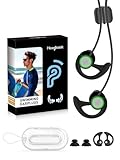
Overview: The Hearprotek Swimmer Ear Plugs offer a compelling mid-range solution for water enthusiasts seeking quality protection without premium pricing. These universal-fit earplugs incorporate advanced acoustic filters to balance water protection with environmental awareness, making them suitable for both pool training and open-water activities.
What Makes It Stand Out: The SurfSeal filter technology distinguishes these from basic silicone plugs by allowing ambient sound transmission while maintaining a reliable water barrier. The adjustable connecting cord with clasp provides security during intense activity, addressing the common frustration of losing earplugs in the water. The inclusion of two wing sizes (S, M) enables basic customization for different ear shapes.
Value for Money: Priced at $14.99, these occupy a sweet spot between budget disposables and premium options. The advertised 100-use lifespan makes the per-use cost approximately $0.15, delivering excellent value for regular swimmers. While lacking the extensive customization of premium brands, they provide essential features like sound permeability and secure fit at a fraction of the cost.
Strengths and Weaknesses: Strengths include effective water protection with sound awareness, secure lanyard system, reusable design, and accessible price point. Weaknesses are limited size options compared to premium competitors, moderate durability (100 uses vs. years), and less sophisticated acoustic performance than top-tier models.
Bottom Line: The Hearprotek plugs are ideal for intermediate swimmers and surfers who want sound-aware protection without breaking the bank, offering reliable performance at a fair price.
3. Swimming Ear Plugs for Adults,3 Pairs Waterproof Reusable Silicone Swim Earplugs for Swimming Surfing Snorkeling Showering and Water Pool,Beach,Ocean (Adults & Teens 14+)

Overview: This three-pair set of swimming earplugs delivers basic water protection at an unbeatable price point. Designed for adults and teens 14+, these silicone plugs prioritize simplicity and value, making them accessible for casual swimmers, families, or those new to water sports who want backup pairs readily available.
What Makes It Stand Out: The exceptional value of receiving three complete pairs with individual storage cases for under $10 is the primary differentiator. The anti-slip design, molded to follow the cochlea’s natural shape, provides reasonable security during moderate activity. Having multiple color options allows family members to identify their pairs easily or provides rotation options for hygiene.
Value for Money: At $9.98 for three pairs, the cost per pair is just $3.33—making these the most economical choice for budget-conscious consumers. While they lack advanced features like sound transmission or premium materials, the sheer quantity and reusability offer tremendous value for occasional use, travel, or as emergency backups in a gear bag.
Strengths and Weaknesses: Strengths include unbeatable price, three pairs with cases, soft comfortable silicone, anti-slip design, and family-friendly packaging. Weaknesses are no sound permeability (blocks hearing), basic protection levels, potentially less durable over time, and generic fit that may not suit all ear shapes.
Bottom Line: Perfect for recreational swimmers, vacationers, or families needing simple, affordable water protection without frills—buy them for quantity and convenience, not premium performance.
4. Creatures of Leisure Surf Ears Plugs 4.0 Coral Sky

Overview: The Surf Ears Plugs 4.0 in Coral Sky colorway offers identical premium performance to the Black Sage version, providing surfers and water athletes with top-tier ear protection that preserves hearing. This color variant delivers the same revolutionary acoustic technology and sustainable construction in a vibrant alternative aesthetic.
What Makes It Stand Out: Beyond the striking Coral Sky color, these earplugs feature the same proprietary sound channel system that makes SurfEars the only solution truly optimized for surfers who must hear approaching waves and communicate in the lineup. The modular design with interchangeable wings (small, large, or wingless) and four tip sizes (XS-L) ensures surgical precision in fit customization.
Value for Money: At $69.90, the investment matches the Black Sage version, reflecting the premium engineering and comprehensive accessory package. The value proposition remains strong for dedicated athletes: unparalleled hearing preservation, extreme durability from re-engineered materials, and environmental credibility through 91% ocean-recovered plastic. The premium recycled silicone case adds practical luxury.
Strengths and Weaknesses: Strengths mirror the Black Sage model: exceptional sound clarity, robust durability, extensive customization, sustainable materials, and premium accessories. Weaknesses include the premium price barrier for casual users and the potential complexity of managing multiple components.
Bottom Line: Choose the Coral Sky version if you want the industry’s best surf-specific earplugs with a brighter aesthetic—the performance justifies the cost for serious water enthusiasts who prioritize hearing and sustainability.
5. Mack’s AquaBlock Swimming Earplugs, 3 Pair - Comfortable, Waterproof, Reusable Silicone Ear Plugs for Swimming, Snorkeling, Showering, Surfing and Bathing (Purple)

Overview: Mack’s AquaBlock Swimming Earplugs leverage the brand’s reputation as the #1 doctor-recommended choice for preventing swimmer’s ear, offering trusted protection in a simple, effective design. As the Official Earplugs of USA Swimming, these pre-molded silicone plugs deliver reliable water blockage for competitive and recreational swimmers alike.
What Makes It Stand Out: The triple-flange design with Flex Stem technology creates a superior seal compared to single-flange budget options. Mack’s medical endorsement and partnership with USA Swimming provide unmatched credibility—this is the product healthcare professionals and elite athletes trust. The SuperSeal Ultra Soft Silicone ensures comfort during extended training sessions.
Value for Money: At $9.99 for three pairs ($3.33 per pair), these offer incredible value from a premium brand. The durability of high-quality silicone ensures long-term reusability, and the trusted reputation means you’re getting proven protection rather than experimenting with unknown brands. For swimmers prioritizing medical-grade prevention, this price is exceptional.
Strengths and Weaknesses: Strengths include doctor recommendation, USA Swimming endorsement, excellent seal from triple-flange design, ultra-soft comfortable silicone, and three-pair value pack. Weaknesses are complete sound blockage (no acoustic filters), basic design without customization options, and potential overkill for casual users who might prefer sound-aware alternatives.
Bottom Line: Mack’s AquaBlock is the definitive choice for swimmers prioritizing medical-grade infection prevention and brand trust over sound transmission—unbeatable credibility at a budget-friendly price.
6. Softvox Ear Plugs for Swimming Surfing with Lanyard, Block Out Water Let Sound in, Reusable Comfy Custom-fit Swim Waterproof earplugs Men Women for Swimmer Shower Pool Bath Water Sports

Overview: Softvox delivers a thoughtful solution for water enthusiasts who refuse to compromise between protection and awareness. These reusable silicone earplugs feature an innovative waterproof mesh core that creates a reliable seal against water intrusion while preserving ambient sound—critical for hearing coaches, whistles, and fellow swimmers. The comprehensive kit targets surfers, swimmers, and anyone regularly exposed to water.
What Makes It Stand Out: The standout feature is the proprietary mesh filter that blocks water but allows sound transmission, addressing a common frustration with traditional plugs. Three sizes of securing wings (S, M, L) ensure a custom fit for virtually any ear anatomy, while the detachable lanyard system prevents loss—a practical touch for active watersports. The triple-flanged silicone design prioritizes comfort during extended wear, and the included carabiner case simplifies transport.
Value for Money: At $13.95, these earplugs occupy a sweet spot between budget disposables and premium professional options. The reusable construction and included accessories deliver strong value, particularly for regular swimmers who would otherwise cycle through cheaper alternatives. The lanyard and multiple wing sizes alone justify the modest investment.
Strengths and Weaknesses: Strengths include excellent sound transparency, secure customizable fit, durable construction, and loss-prevention features. The triple-flange design provides superior sealing. Weaknesses: the mesh filter may slightly reduce sound clarity compared to unprotected hearing, and achieving optimal fit requires experimentation with wing sizes. Some users with very small or large ear canals may find even the range-limiting.
Bottom Line: Softvox earplugs are an excellent mid-range choice for safety-conscious water athletes. They successfully balance water protection with environmental awareness, making them ideal for pool training, ocean surfing, and group water activities where communication matters.
7. Waterproof Swimming Ear Plugs for Adults - 3 Pairs of Reusable Soft Silicone Swim Earplugs,Perfect for Surfing, Diving,Pool,Showering and Other Water Sports - Keep Water Out and Ear Protection

Overview: This value-packed bundle provides three pairs of reusable silicone earplugs designed for families or frequent swimmers seeking reliable water protection without premium pricing. The straightforward design emphasizes functionality across multiple water activities, from pool laps to ocean surfing, with universal adult sizing and clear left/right markings for proper orientation.
What Makes It Stand Out: The triple-pair configuration is the primary differentiator—offering exceptional convenience for households where multiple family members swim or for individuals wanting backups. The ergonomic shaping conforms to ear contours without requiring complex customization. The marked left/right indicators eliminate guesswork, ensuring consistent placement and optimal sealing. Additionally, the noise reduction feature extends utility beyond water sports to study or sleep scenarios.
Value for Money: At $9.97 for three pairs ($3.32 per pair), this represents outstanding budget value. Comparable single-pair products often cost more, making this set ideal for cost-conscious buyers, beginners testing earplug use, or parents equipping children. The reusable silicone construction ensures each pair withstands numerous uses with simple rinse-and-dry maintenance.
Strengths and Weaknesses: Strengths include unbeatable price-per-pair, straightforward usability, versatile noise reduction capability, and included storage case. The three-pair quantity provides excellent backup security. Weaknesses: the universal fit may not accommodate extreme ear anatomies as well as custom-fit systems, and the design lacks advanced sound-passing technology, creating a more isolated experience. The absence of a lanyard increases loss risk.
Bottom Line: This three-pair set is the pragmatic choice for families, casual swimmers, or anyone prioritizing value over specialized features. While not feature-rich, it delivers reliable water protection at a price point that encourages having spares everywhere—from gym bags to vacation luggage.
8. Alpine WaterSafe Pro - Ear Plugs for Swimming and Surfing – for Adults - Waterproof - Comfortable - Secure Fit - for Water Sports - Reusable - Sizes M & L - 1 Pair

Overview: Alpine WaterSafe Pro positions itself as the professional’s choice, engineered through collaboration with water sports athletes for maximum performance in demanding conditions. These premium earplugs feature advanced dual-layer construction with a specialized water-repellent filter, targeting serious surfers, kiteboarders, and competitive swimmers who require uncompromising protection and durability.
What Makes It Stand Out: The professional-grade pedigree stands out immediately—developed with athlete input and rigorously tested in fresh and saltwater environments. The unique wingtip design anchors securely within the ear’s concha, preventing displacement during violent wave impacts or high-speed water sports. A magnetic core with adjustable connecting cord ensures the pair stays together, while the double-layer filter system maintains sound awareness without sacrificing water exclusion. The impressive 100-use lifespan significantly outlasts standard reusable plugs.
Value for Money: At $39.95 for a single pair, this is a premium investment. However, the cost-per-use over 100 sessions drops to approximately $0.40, making it economical for dedicated athletes. The professional validation and superior materials justify the price for those who spend significant time in water and cannot afford equipment failure.
Strengths and Weaknesses: Strengths include exceptional security during intense activity, professional-grade durability, effective sound-transparent filtering, and robust loss-prevention magnetic system. The tested longevity ensures reliability. Weaknesses: the high upfront cost may deter casual users, and only two sizes (M, L) could exclude those with smaller ear canals. The single-pair packaging offers no backup option.
Bottom Line: For committed water sports enthusiasts who demand professional equipment, the Alpine WaterSafe Pro is worth every penny. The investment pays dividends in protection, durability, and performance confidence. Casual swimmers should look elsewhere, but serious athletes will appreciate the competitive edge.
9. Softvox Ear Plugs for Swimming and Surfing with Lanyard, Block Out Water Let Sound in, Reusable Comfy Custom-fit Swimmer Earplugs for Snorkeling, Shower, Pool, Swim, Bath, Kayaking, incl Carry Case

Overview: This Softvox variant refines the brand’s core concept of sound-transparent water protection, packaging similar technology in a slightly different configuration. Targeting the same multi-sport demographic, these earplugs emphasize readiness and convenience for swimmers, snorkelers, and kayakers who need reliable ear defense without auditory isolation.
What Makes It Stand Out: The quick-connect lanyard system distinguishes this model, allowing rapid attachment or detachment based on activity type—useful when transitioning between water and land. The double-flange design (versus triple on the sister model) offers a streamlined profile that some users find less intrusive. The three-size wing system remains, providing customization that budget competitors skip. The waterproof mesh core technology persists, maintaining the critical balance between water exclusion and environmental sound admission.
Value for Money: Priced at $13.29, this model undercuts its Softvox sibling by $0.66 while delivering comparable performance. The value proposition remains strong—reusable construction, lanyard, multiple fit options, and carrying case at a mid-tier price. For swimmers who prefer a less bulky flange feel, this represents slight additional value.
Strengths and Weaknesses: Strengths include the versatile lanyard system, effective mesh filter technology, three-size customization, comfortable double-flange profile, and loss-prevention features. The included carabiner case enhances portability. Weaknesses: double-flange may seal less effectively than triple-flange for some ear shapes, and the mesh filter requires careful cleaning to maintain performance. Fit experimentation remains necessary for optimal results.
Bottom Line: Softvox’s alternative configuration successfully targets users seeking a slightly sleeker fit without sacrificing core functionality. The marginal price reduction and quick-connect lanyard make it an attractive option for active swimmers who prioritize convenience and subtle design differences. Performance remains reliably consistent with the brand’s reputation.
10. ADV. Eartune Aqua U Ear Plugs for Swimming – Waterproof Silicone Swimmers Ear Plugs for Adults, Men & Women, Universal Fit with Lanyard, Blocks Water but Lets Sound in, Ideal for Pool and Surfing

Overview: ADV. Eartune Aqua U bridges the gap between premium and mid-range earplugs, offering advanced acoustic membrane technology in a package designed for universal adult fit. These earplugs target discerning swimmers and surfers who want professional features like sound transparency and hypoallergenic materials without the top-tier price tag of specialized professional equipment.
What Makes It Stand Out: The waterproof acoustic membrane technology provides sophisticated sound transmission while blocking water—similar to premium competitors. The comprehensive sizing system includes three ear tip sizes AND three hook sizes, creating a truly customizable fit rarely seen at this price point. Hypoallergenic silicone construction addresses sensitive skin concerns, while the universal fit design accommodates both adults and older children. The integrated lanyard prevents loss during transitions.
Value for Money: At $29.99, this product strategically positions itself below premium options like Alpine while offering comparable core technology. The extensive sizing kit and hypoallergenic materials justify the cost for users with sensitivity issues or those wanting near-custom fit without paying professional-grade prices. Durability and reusability ensure long-term value.
Strengths and Weaknesses: Strengths include advanced acoustic membrane, dual-sizing system (tips and hooks), hypoallergenic materials, secure lanyard, and versatile universal fit. The comfort level suits extended wear. Weaknesses: the price may exceed casual swimmers’ budgets, and the universal fit approach, while flexible, may not match the precision of professionally fitted plugs. The brand lacks the professional athlete endorsement of premium competitors.
Bottom Line: The Eartune Aqua U is an intelligent compromise for serious recreational swimmers who want premium features without professional pricing. The hypoallergenic construction and extensive sizing options make it particularly valuable for those with sensitive ears or fit challenges. It successfully balances performance, comfort, and cost.
Understanding Surfer’s Ear: The Silent Threat
What Exactly Is Exostosis?
Surfer’s ear, medically known as external auditory canal exostosis, is a progressive condition where repeated exposure to cold water and wind stimulates abnormal bone growth within the ear canal. Unlike swimmer’s ear (an infection of the outer ear), exostosis is a physical obstruction that narrows the canal, trapping water and debris while creating a breeding ground for bacteria. The condition develops slowly over years, often showing no symptoms until the canal is more than 70% blocked. By then, surgical intervention becomes the only treatment option—a procedure that involves drilling or chiseling away the bony growths under general anesthesia, requiring weeks of recovery and potentially altering the shape of your ear permanently.
Why Surfers Are Uniquely Vulnerable
The physics of wave riding creates perfect conditions for exostosis development. When you’re sitting in the lineup, your head remains partially submerged while your body heat warms the immediate water around you. This creates a temperature differential that triggers the body’s protective response—essentially, your ears are trying to “armor up” against what they perceive as a chronic environmental assault. Wind exposure accelerates evaporative cooling in the ear canal, even when you’re not in the water. Surfers in water temperatures below 68°F (20°C) face the highest risk, though the condition can develop in any climate with enough exposure time. The typical progression takes 5-10 years of consistent surfing before symptoms become noticeable, which is why many surfers don’t take preventive action until it’s too late.
The Critical Importance of Ear Protection
Long-Term Consequences of Untreated Exostosis
Waiting until you experience symptoms is a dangerous gamble. As the bony growths advance, they create a cascade of complications that extend far beyond simple hearing loss. Chronic infections become increasingly frequent and severe, often requiring antibiotic treatments that carry their own side effects. The narrowing canal causes water to become trapped for extended periods, leading to a condition called otitis externa that can be excruciatingly painful. Advanced cases see hearing reduction of 40-60 decibels, effectively making normal conversation sound like whispers. Perhaps most devastating for surfers is the increased risk of eardrum rupture during duck dives or wipeouts, as pressure equalization becomes compromised. The surgery itself, while effective, permanently weakens the ear canal structure and requires most patients to use protection for life—even during simple activities like showering.
Types of Surf Ear Plugs: Finding Your Perfect Match
Custom-Molded Ear Plugs: The Gold Standard
Custom-molded plugs represent the pinnacle of personalized protection, created from precise impressions of your unique ear anatomy. An audiologist injects a quick-setting silicone compound into your ear canal, capturing every contour and variation. This mold is then used to create plugs that fit with surgical precision, eliminating pressure points and ensuring complete water exclusion. The process typically costs $150-300 but delivers unmatched comfort for all-day sessions. These plugs can be fabricated with integrated acoustic filters that maintain sound clarity while blocking water, making them ideal for competitive surfers who need to hear judges’ whistles or coaching calls. The primary drawback is the upfront investment and the need for replacement if your ear shape changes significantly due to weight fluctuations or aging.
Pre-Molded Flanged Plugs: Versatile and Affordable
Flanged plugs feature multiple flexible ridges that create a series of barriers against water intrusion. Made from medical-grade silicone or thermoplastic elastomer, these plugs come in various sizes to accommodate different ear canal diameters. The flanged design allows them to flex during jaw movement—a crucial feature since chewing, talking, and yawning change the shape of your ear canal throughout a session. Quality flanged plugs incorporate acoustic channels that prevent the “blocked ear” sensation while reducing wind noise. They’re the most popular choice among recreational surfers because they offer 80% of the performance of custom plugs at 20% of the cost. The key is finding the correct size; most surfers fall into the medium category, but ear canal size doesn’t correlate with body size, making trial and error necessary.
Moldable Silicone Putty: The Flexible Option
Silicone putty plugs offer a hybrid approach, combining custom fit with disposable convenience. You warm the putty in your hands, roll it into a cone shape, and press it gently into your outer ear canal, where it sets in place. This creates a semi-custom seal that adapts to your anatomy without requiring professional fitting. Putty excels at blocking wind as well as water, making it ideal for windsurfers and kitesurfers. However, the material degrades with exposure to sunscreen, wax, and repeated use, requiring replacement every 1-2 weeks with regular surfing. There’s also a learning curve to proper insertion—apply too much pressure and you risk pushing the plug too deep; too little and you’ll lose the seal during your first duck dive.
Ventilated vs. Non-Ventilated Designs
The ventilation debate centers on pressure equalization and sound transmission. Ventilated plugs contain tiny one-way valves that allow air to pass while blocking water, preventing the uncomfortable pressure buildup that occurs during rapid depth changes. This feature is non-negotiable for big-wave surfers who experience significant pressure fluctuations. Non-ventilated plugs provide absolute water exclusion but can create a suction effect that pulls on the eardrum, potentially causing discomfort or even damage during deep wipeouts. Modern ventilated designs use hydrophobic membranes that repel water molecules while allowing air molecules to pass, solving the historical trade-off between protection and pressure regulation.
Key Features That Separate Quality from Mediocrity
Waterproof Seal Integrity
The primary function of surf ear plugs is creating an impermeable barrier, but not all seals are created equal. Quality plugs maintain their seal through the dynamic movements of surfing—paddling, duck diving, and wiping out. Look for designs that incorporate a secondary sealing lip or flange that acts as a backup barrier. The seal should withstand both positive pressure (when water pushes against the plug) and negative pressure (when you surface and the plug tries to suction out). Test this by inserting the plugs and vigorously shaking your head side to side; any movement indicates an imperfect fit that will fail when you need it most. The best designs create a slight vacuum sensation that you can feel but that doesn’t cause discomfort.
Acoustic Transparency and Hearing Preservation
Surfers need to hear approaching sets, other riders calling for waves, and potential hazards like approaching watercraft. Acoustic transparency is measured by how little a plug attenuates critical frequencies (500-4000 Hz, where human speech and many warning sounds occur). Premium plugs reduce these frequencies by less than 10 decibels while blocking water completely. This is achieved through precision-engineered acoustic filters that act like tiny equalizers, selectively dampening wind noise and water turbulence while preserving vocal frequencies. Avoid plugs that claim “complete sound blocking”—they’re designed for sleeping or industrial work, not for maintaining situational awareness in dynamic ocean environments.
Material Safety and Biocompatibility
Your ear canal is a sensitive mucous membrane that absorbs chemicals readily. Medical-grade silicone is the gold standard, being hypoallergenic, non-porous, and resistant to bacterial colonization. Avoid plugs containing phthalates, BPA, or latex if you have sensitivities. The material should maintain its flexibility across temperature ranges from frigid dawn patrols to tropical afternoon sessions. Some advanced formulations incorporate antimicrobial silver ions that inhibit biofilm formation, reducing infection risk. Consider the environmental impact too—silicone is durable but not biodegradable, while some newer bio-based thermoplastics offer similar performance with reduced ecological footprint.
Comfort and Extended Wearability
A plug that causes discomfort after 30 minutes will end up in your wetsuit pocket, not your ear. Comfort depends on pressure distribution, material softness, and how well the plug accommodates jaw movement. The ear canal changes shape significantly when you open your mouth, so quality plugs flex at the medial section while maintaining a stable outer seal. Look for designs with a tapered shape that follows the natural contour of the canal rather than cylindrical plugs that create pressure hotspots. The outer flange should sit flush against the tragus and anti-tragus without protruding, preventing helmet strap interference or accidental dislodgement during wipeouts.
The Fit Factor: Why Sizing Can Make or Break Your Protection
Understanding Ear Anatomy Variations
Human ear canals vary dramatically in length (20-35mm), diameter (5-10mm), and curvature. Some are straight shots, others have sharp bends. The bony portion near the eardrum is rigid, while the cartilaginous outer portion flexes. This anatomical diversity explains why a plug that works perfectly for your surf buddy might cause you pain or fail to seal. Women generally have smaller canals than men, but there’s enormous individual variation. Age also plays a role—canals tend to become more rigid and less flexible after age 40, requiring softer materials for comfort. The presence of earwax (cerumen) affects fit too; clean your ears 24 hours before sizing, as fresh wax is sticky and can adhere to plugs, while excessive cleaning can cause swelling that skews measurements.
Professional Fitting vs. DIY Sizing
While custom molds from audiologists provide the best fit, they require an appointment and significant expense. Many surfers achieve excellent results with DIY sizing kits that include multiple size options and detailed measurement guides. The key to successful DIY fitting is testing in realistic conditions—don’t just insert plugs in your living room. Simulate surfing movements: lie on your stomach as if paddling, turn your head side to side, and gently tug on your outer ear to simulate helmet strap pressure. The plug should stay secure and maintain seal throughout. Some manufacturers offer “fit guarantees” with free size exchanges, removing the financial risk of trial and error. For children and teens with growing ears, professional fitting every 12-18 months ensures continued protection as anatomy changes.
Hearing Preservation: Staying Connected to Your Environment
Decibel Reduction Ratings Explained
The Noise Reduction Rating (NRR) system was designed for industrial hearing protection, not surf ear plugs, which creates confusion. A plug with NRR 30 doesn’t simply reduce all sound by 30 decibels; the actual reduction depends on frequency and fit. For surfing, you want selective attenuation—high reduction (20+ dB) for wind noise and water turbulence, minimal reduction (<10 dB) for vocal frequencies. Some manufacturers now use the Single Number Rating (SNR) system, which provides a more accurate representation of real-world performance. Look for plugs that publish frequency-specific attenuation curves rather than a single number. The best designs achieve this through mechanical filters that use membrane oscillation to separate air pressure waves from water molecules.
The Science of Acoustic Filters
Modern acoustic filters are marvels of micro-engineering, typically containing a membrane less than 0.1mm thick with precision-lasered perforations. These perforations are sized to allow air molecules (which transmit sound) to pass while blocking water droplets through surface tension. The membrane material—often PTFE or specialized silicone—vibrates in response to sound waves, effectively becoming a tiny speaker that reproduces sound inside the sealed canal. Filter performance degrades over time as salt crystals and wax accumulate, requiring cleaning with specific solutions rather than simple rinsing. Some premium filters are replaceable, extending the life of the plug body and reducing long-term costs. The placement of the filter matters too; filters positioned near the outer opening preserve sound quality better than those placed deep in the canal.
Durability and Maintenance: Maximizing Your Investment
Cleaning Protocols That Prevent Infection
Salt water, earwax, and bacteria form a destructive trio that can turn your ear plugs into infection vectors. Rinse plugs with fresh water immediately after each session to prevent salt crystallization, which can damage materials and create microscopic gaps in the seal. Weekly deep cleaning with a mild, non-alcoholic disinfectant removes biofilm buildup—avoid alcohol-based cleaners that degrade silicone over time. Use a soft-bristled brush (an old toothbrush works) to clean flanges and acoustic filter ports. Never use cotton swabs inside the plugs, as fibers can clog acoustic filters. Dry plugs completely before storage; trapped moisture breeds bacteria and can cause the material to break down. Some surfers keep two sets, rotating them to ensure complete drying between sessions.
Storage Solutions That Extend Lifespan
How you store plugs between sessions dramatically affects their longevity. Avoid leaving them in direct sunlight or hot cars, as UV radiation and heat accelerate material degradation. The ideal storage case is ventilated yet protective, allowing residual moisture to evaporate while preventing physical damage. Hard cases with desiccant packets create an optimal environment, especially in humid climates. Store plugs with the insertion end facing up to prevent deformation of the sealing flanges. If you surf daily, consider a UV sterilization box designed for hearing aids—these devices use short-wave UV light to kill bacteria without chemicals or heat. Never store plugs in your wetsuit pocket long-term; the combination of residual moisture, warmth, and darkness creates perfect conditions for bacterial growth.
Cost-Benefit Analysis: Investing in Your Hearing Health
The price spectrum for quality surf ear plugs ranges from $15 for basic putty to $300+ for custom-molded solutions with replaceable filters. While the upfront cost of premium options seems steep, consider the economics: a single ear infection requiring doctor visits and antibiotics can cost $200-500, while exostosis surgery runs $5,000-15,000 depending on severity and insurance coverage. Professional surfers who miss competition due to ear surgery can lose tens of thousands in prize money and sponsorships. When calculating value, factor in lifespan—custom plugs last 3-5 years with proper care, while disposable putty requires weekly replacement. A $200 custom set that prevents one infection has already paid for itself. Budget-conscious surfers can achieve excellent protection with $30-50 pre-molded plugs, making this one of the highest-value investments in your surfing longevity.
Common Mistakes That Compromise Protection
Even the best ear plugs fail when used incorrectly. The most frequent error is improper insertion—plugs should be inserted with a slight twisting motion, following the natural curve of the canal, not pushed straight in. Another critical mistake is using plugs with damaged flanges; a single tear can compromise the entire seal. Many surfers remove plugs too quickly after exiting the water, creating a pressure vacuum that can damage the eardrum; instead, break the seal slowly by gently pulling on the outer ear while removing the plug. Using plugs that are too large causes canal irritation and can actually accelerate exostosis by creating pressure points. Conversely, plugs that are too small may stay in place but allow micro-leaks that go unnoticed. Finally, sharing plugs (even after cleaning) transfers bacteria between users and voids most manufacturer warranties.
Beyond the Plugs: Holistic Ear Care for Surfers
Pre-Surf Preparation
Effective ear protection begins before you even wax your board. Apply a thin layer of mineral oil or specialized ear lubricant to the outer canal 30 minutes before surfing; this creates a hydrophobic barrier that helps plugs seal better and makes removal easier. Trim any excess hair around the ear opening that could interfere with the plug seal. If you produce excessive earwax, consider professional cleaning every 3-6 months—impacted wax can push plugs out of position and reduces acoustic filter effectiveness. For cold-water sessions, warm the plugs in your hands before insertion; cold silicone is less flexible and may not achieve optimal seal. Some surfers use a small amount of petroleum jelly on the outer flange to improve seal in windy conditions, though this requires more diligent cleaning.
Post-Surf Drying Techniques
Removing water that accumulates behind plugs is as important as preventing it from entering. After removing plugs, tilt your head and gently pull on your earlobe to straighten the canal, allowing trapped water to drain. Use a hair dryer on cool setting held at arm’s length to evaporate residual moisture—never use hot air, which can burn the delicate canal skin. Specialized ear dryers that deliver regulated temperature air are worth the investment for frequent surfers. Avoid alcohol-based drying drops unless prescribed; they can over-dry the canal, causing cracks that invite infection. Some surfers use a homemade solution of equal parts white vinegar and rubbing alcohol to acidify the canal and prevent bacterial growth, but this should be used sparingly as it can damage plug materials over time.
When to Consult a Medical Professional
While ear plugs prevent most issues, they can’t reverse existing damage. Schedule an ear exam with an ENT specialist or audiologist if you experience persistent fullness after surfing, frequent infections (more than 2-3 per year), or noticeable hearing reduction. These professionals can perform otoscopy to visualize the canal and determine if exostosis is present. Early-stage bone growth may be asymptomatic but visible on examination—knowing it’s there allows you to implement aggressive protection before progression. Seek immediate medical attention if you experience sudden hearing loss, severe vertigo after a session, or pain accompanied by drainage that doesn’t resolve within 48 hours. These could indicate eardrum rupture or middle ear infection, both of which require prompt treatment. For surfers over 40, annual ear exams should become as routine as dental check-ups.
Debunking Myths About Surf Ear Protection
Myth #1: “I only surf in warm water, so I don’t need protection.” Reality: While cold water accelerates exostosis, any water exposure combined with wind creates risk. Tropical surfers develop the condition too, just more slowly.
Myth #2: “Ear plugs cause infections by trapping water.” Reality: Properly fitted plugs prevent water entry entirely. Infections occur from improper cleaning or using damaged plugs that leak.
Myth #3: “I can just use foam construction earplugs.” Reality: Foam plugs absorb water, expand, and can become lodged deep in the canal. They’re designed for noise, not water exclusion.
Myth #4: “Surgery cures surfer’s ear permanently.” Reality: Exostosis can recur after surgery, often more aggressively. Post-surgery patients must use protection religiously for life.
Myth #5: “My ears feel fine, so I’m not at risk.” Reality: Exostosis is painless and asymptomatic until advanced. By the time you notice symptoms, significant bone growth has already occurred.
Environmental and Sustainability Considerations
The surfing community’s environmental consciousness extends to ear protection choices. Silicone plugs, while durable, contribute to microplastic pollution if lost in the ocean. Some manufacturers now offer take-back programs, recycling old plugs into new products. Bio-based thermoplastics derived from castor oil provide similar performance to petroleum-based materials with a lower carbon footprint. When selecting plugs, consider packaging—minimal, recyclable materials reflect a company’s environmental commitment. Lost plugs are inevitable; choose brands that sink rather than float to reduce ocean pollution (though this makes them harder to retrieve if dropped on land). Some surfers attach thin, biodegradable cords to their plugs, preventing loss while remaining ocean-friendly if they do detach. The most sustainable choice is a long-lasting custom set that won’t need replacement for years.
Frequently Asked Questions
Can I wear ear plugs if I already have surfer’s ear?
Absolutely, and you should. While plugs can’t reverse existing bone growth, they prevent further progression and reduce infection risk. In fact, surfers with diagnosed exostosis need protection more than anyone. Custom-molded plugs often work best for narrowed canals, as they can be designed to fit around the bony growths.
Will wearing ear plugs affect my balance?
Properly fitted surf ear plugs have no impact on balance. Your equilibrium is controlled by the inner ear, which isn’t affected by canal plugs. The “off-balance” feeling some surfers report is psychological, not physiological. If you experience true vertigo, your plugs may be inserted too deeply and pressing on the eardrum, or you may have an underlying ear condition requiring medical evaluation.
How often should I replace my ear plugs?
Custom-molded plugs last 3-5 years with proper care. Pre-molded flanged plugs typically need replacement every 6-12 months, depending on usage frequency. Silicone putty should be replaced weekly or whenever it becomes discolored or loses pliability. Replace any plug immediately if you notice tears, deformation, or if it no longer maintains a secure seal during testing.
Can children use the same ear plugs as adults?
No. Children’s ear canals are smaller, more flexible, and still developing. They require pediatric-sized plugs specifically designed for smaller anatomy. Never force adult plugs into a child’s ears. Some manufacturers offer youth sizes for ages 8-16. For younger children, custom molding is often the safest option to ensure proper fit without risking over-insertion.
Is it normal for my ears to hurt when I first start using plugs?
Mild discomfort during the first 2-3 sessions is common as your ears adjust to the sensation. However, sharp pain, persistent ache, or bleeding is not normal and indicates improper fit or insertion technique. Try a smaller size or different style. If discomfort persists, consult an audiologist to rule out anatomical issues or existing exostosis that might require custom solutions.
Can I use surf ear plugs for swimming pools or showering?
Yes, surf ear plugs work excellently for any water activity. In fact, using them in showers and pools reduces your total water exposure, further decreasing exostosis risk. The same properties that block ocean water work perfectly for chlorinated or fresh water. Just be sure to rinse chlorine off thoroughly after pool use, as it can degrade some materials faster than salt water.
How do I know if my plugs are fitting correctly?
Perform the “shake test”: with plugs inserted, shake your head vigorously. They should stay in place without movement. Then, cup your hands over your ears—you should hear a noticeable reduction in ambient noise but still be able to understand speech. Finally, after a short surf, remove the plugs; your ear canals should feel completely dry. Any moisture indicates a compromised seal.
Will ear plugs prevent me from hearing approaching waves?
Quality surf-specific plugs preserve the low-frequency sounds of approaching sets while reducing high-frequency wind noise. Many surfers report improved wave detection because plugs eliminate distracting water turbulence sounds. If you can’t hear waves at all, your plugs are either over-attenuating or improperly inserted. Look for plugs specifically marketed as “acoustically transparent” or “sound-preserving.”
Can I wear ear plugs with a hood or helmet?
Yes, but fit becomes even more critical. Hoods can push plugs deeper into the canal, so choose designs with shorter insertion depth or integrated retention features. For helmets, ensure plugs sit flush against the ear without protruding flanges that could be dislodged by straps. Some surfers find that custom plugs work best under headgear since they have no external protrusions to interfere with fit.
Are there any alternatives to ear plugs for preventing surfer’s ear?
Ear plugs are the most effective prevention method, but they work best as part of a comprehensive strategy. Hoods and neoprene headbands reduce wind exposure but don’t prevent water entry. Prophylactic ear drops that acidify the canal can help but don’t address the mechanical irritation that causes bone growth. Some surfers use a combination approach: plugs for water exclusion, hoods for wind protection, and drops for infection prevention. No single method matches the protection of properly fitted plugs combined with diligent post-surf care.