Watching your little one step up to the tee for the first time is one of those magical parenting moments—tiny hands gripping a bat, eyes wide with anticipation, and that priceless smile after making contact. But before that first swing connects, there’s a critical decision that can shape their entire introduction to America’s pastime: choosing the right T-ball bat. With dozens of options flooding the market and technical specifications that read like engineering textbooks, many parents find themselves overwhelmed in the sporting goods aisle, wondering if that $30 bat is any different from the $80 one.
The truth is, the perfect T-ball bat isn’t about finding the most expensive or the flashiest model—it’s about matching your child’s unique physical attributes, skill level, and confidence with a tool that feels like a natural extension of their arms. This comprehensive guide cuts through the marketing noise and delivers evidence-based insights to help you make an informed decision that fosters proper technique, prevents injury, and most importantly, keeps your young slugger excited about coming back to the field.
Top 10 T-Ball Bats for First-Time Sluggers
Detailed Product Reviews
1. Rawlings | Storm T-Ball Bat | 24-inch | -12 | Pink

Overview: The Rawlings Storm T-Ball Bat delivers a lightweight, entry-level hitting experience for young athletes taking their first swings. Measuring 24 inches with a -12 drop weight, this ultra-light alloy bat prioritizes swing speed and control over power, making it ideal for tee-ball players aged 5-7. The durable construction withstands the inevitable bumps and drops of early baseball development, while its USA Baseball certification ensures league compliance.
What Makes It Stand Out: The Storm distinguishes itself through its vibrant pink colorway, offering young players a personalized aesthetic choice rarely found in youth equipment. The ultra-lightweight design combines with durable alloy construction to create a bat that beginners can maneuver confidently. Available in three lengths (24", 25", 26"), it accommodates different player heights and growth stages. The USA Baseball stamp guarantees it’s engineered specifically for soft-core tee balls, prioritizing safety and appropriate performance levels.
Value for Money: At $34.96, the Storm sits in the mid-range tee-ball category. While you can find cheaper alternatives, the premium reflects Rawlings’ established quality control and the bat’s multi-length availability. Parents investing in this bat pay for brand reliability and a color option that might excite a reluctant player. Compared to no-name brands, the Storm offers better resale value and consistent manufacturing standards.
Strengths and Weaknesses: Pros: Extremely lightweight for easy swinging; durable alloy withstands youth abuse; USA Baseball certified; available in multiple lengths; appealing pink color option; reputable brand backing. Cons: Pink colorway limits appeal for some players; slightly pricier than basic entry-level bats; restricted to tee-ball use only; no advanced sweet spot technology.
Bottom Line: The Rawlings Storm is an excellent choice for young players who want a bat that looks as good as it performs. While the pink design won’t suit everyone, its lightweight feel and durable construction make it a reliable first bat worth the modest premium.
2. Rawlings | REMIX T-Ball Bat | USA | -12 | Black | 24"
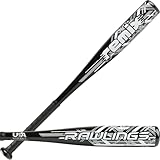
Overview: The Rawlings REMIX T-Ball Bat provides an entry-level hitting tool designed specifically for players under seven years old. This 24-inch, -12 drop weight bat features an enlarged sweet spot that helps beginners make consistent contact, building confidence with every swing. Constructed for use with soft-core tee balls and training baseballs, it meets USA Baseball standards for official tee-ball league play.
What Makes It Stand Out: The REMIX’s most distinctive feature is its sublimated graphic design, creating a unique black, white, and metallic silver pattern on every bat—no two are identical. This personalization helps young players feel special at the plate. The enlarged sweet spot technology specifically addresses the challenge of making contact for beginners, while the ultra-lightweight -12 drop makes swinging effortless for small arms.
Value for Money: Priced at $29.99, the REMIX offers strong value for parents seeking a balance between quality and affordability. It undercuts premium models while delivering Rawlings’ quality assurance and league certification. The unique aesthetic adds intangible value for kids who want gear that stands out. Compared to generic store brands, you’re paying for proven durability and the psychological boost of a “cool” looking bat.
Strengths and Weaknesses: Pros: Enlarged sweet spot aids contact; unique sublimated graphic design; ultra-lightweight for easy swinging; USA Baseball approved; ages 7 and under optimized; reputable brand; competitive pricing. Cons: Black color shows scratches easily; limited to 24" length only; graphic may fade over time; basic alloy construction without advanced materials.
Bottom Line: The Rawlings REMIX hits the sweet spot between performance, price, and personality. For under $30, young players get a confidence-building bat that looks unique and performs reliably—making it one of the best values in tee-ball equipment.
3. Franklin Sports Venom 1000 Official Teeball Bat - 25" (-10)

Overview: The Franklin Sports Venom 1000 serves as an ideal first metal bat for budding baseball players. At 25 inches and 15 ounces (-10 drop), this bat offers a slightly heavier feel than ultra-light models, promoting better swing mechanics as children develop. The 2 1/4-inch aluminum alloy barrel delivers a satisfying “pop” on contact, reinforcing solid hitting fundamentals for boys and girls just beginning their baseball journey.
What Makes It Stand Out: The Venom 1000 stands out primarily through its aggressive pricing and balanced weight distribution. While most tee-ball bats prioritize extreme lightness, this model encourages level swings through the zone with its evenly distributed mass. The aluminum construction provides authentic feedback that helps young hitters develop a feel for proper contact, bridging the gap between plastic toys and serious equipment.
Value for Money: At just $12.99, the Venom 1000 represents exceptional value—arguably the best budget option in the tee-ball market. This price point makes it accessible for families unsure if their child will stick with baseball, while still delivering USA Baseball certification and legitimate aluminum construction. It’s significantly cheaper than brand-name competitors while meeting the same safety and performance standards.
Strengths and Weaknesses: Pros: Unbeatable price point; USA Baseball certified; balanced weight promotes good mechanics; authentic aluminum “pop”; perfect for beginners testing interest; lightweight enough for most 5-6 year olds. Cons: Less durable than premium alloys; basic grip may need replacement; -10 drop may be slightly heavy for smallest players; limited brand recognition; no length options.
Bottom Line: For budget-conscious families or those buying a first experimental bat, the Franklin Venom 1000 is nearly impossible to beat. While it lacks frills, it provides certified, functional performance at a price that won’t matter if baseball doesn’t become a passion.
4. Louisville Slugger 2026 Atlas (-12.5) USA Tee Ball Bat - 25"/12.5 oz

Overview: The Louisville Slugger 2026 Atlas represents the premium end of the tee-ball spectrum, offering advanced engineering in a 25-inch, 12.5-ounce package. This -12.5 drop bat employs a one-piece alloy construction focused on amplifying bat speed and delivering peak exit velocities—even at the tee-ball level. Designed for serious young players, it brings legitimate performance technology to the entry-level market.
What Makes It Stand Out: The Atlas distinguishes itself through its HUB 1-Shot Superlight End Cap, which reduces weight while maximizing durability—a feature rarely seen in tee-ball equipment. The one-piece alloy design creates a stiff, responsive feel that transfers energy efficiently on contact. Louisville Slugger’s pedigree brings professional-level quality control to youth equipment, while the synthetic leather grip offers superior comfort and control compared to basic foam handles.
Value for Money: At $49.99, the Atlas commands a premium price that reflects its advanced features and brand prestige. This is roughly double the cost of entry-level options, but parents get measurable performance benefits: better weight distribution, enhanced durability, and a grip that won’t disintegrate mid-season. For families committed to multiple seasons or with athletically advanced children, the investment pays dividends in performance and longevity.
Strengths and Weaknesses: Pros: Professional-grade one-piece alloy construction; innovative lightweight end cap; superior synthetic leather grip; optimized for bat speed; exceptional durability; prestigious brand heritage. Cons: Highest price point in category; overkill for casual players; limited length options; -12.5 drop may be too light for developing power; performance gains marginal at tee-ball level.
Bottom Line: The 2026 Atlas is for families who want the best tee-ball bat money can buy. While over-spec’d for most beginners, its durability and quality ensure it can be handed down, justifying the premium for serious young athletes.
5. Louisville Slugger 2025 Savannah Bananas (-12.5) Tee Ball Bat - 24"/11.5 oz
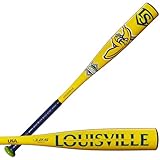
Overview: The Louisville Slugger 2025 Savannah Bananas Tee Ball Bat combines premium performance with showmanship in a 24-inch, 11.5-ounce design. This special edition -12.5 drop bat celebrates baseball’s most entertaining team while delivering the same one-piece alloy construction found in Louisville’s elite youth equipment. Built for players who want to stand out, it merges professional-grade materials with a unique aesthetic.
What Makes It Stand Out: The Savannah Bananas branding immediately sets this bat apart, tapping into the viral popularity of the exhibition team. Beyond aesthetics, it features Louisville’s HUB 1-Shot End Cap for durability and a one-piece alloy design for consistent performance. The synthetic leather grip provides comfort that exceeds standard youth bats, while the special edition status makes it a collector’s item for baseball-loving families.
Value for Money: At $49.99, you’re paying Atlas-level pricing for a bat that adds exclusive branding. The performance specifications mirror premium Louisville models, but the Savannah Bananas theme adds intangible value for fans of the team. For families who follow the Bananas, this is a no-brainer; for others, the standard Atlas offers better value. The bat retains strong resale potential due to its limited-edition nature.
Strengths and Weaknesses: Pros: Exclusive Savannah Bananas branding; premium one-piece alloy construction; durable HUB end cap; comfortable synthetic grip; lightweight -12.5 drop; conversation starter; collector’s appeal. Cons: Theme adds cost without performance benefit; limited appeal for non-fans; 24" length restricts taller players; premium price for tee-ball level; graphics may wear with heavy use.
Bottom Line: The Savannah Bananas bat is equal parts performance gear and fan merchandise. For families who love the Bananas’ brand of baseball, it’s worth every penny. For pure performance seekers, the standard Atlas delivers the same quality for less.
6. Easton | MOXIE T-Ball Bat | USA | 25" | -13 | Cyan Blue

Overview: The Easton MOXIE T-Ball Bat is a premium USA Baseball certified bat engineered specifically for entry-level players ages 7 and under. Measuring 25 inches with an ultra-light -13 drop weight, this cyan blue bat prioritizes swing speed and contact consistency over power, making it ideal for young athletes just learning proper batting mechanics.
What Makes It Stand Out: The standout feature is the aggressive -13 drop weight, which makes this one of the lightest swinging youth bats available, allowing children to generate bat speed with minimal effort. The enlarged sweet spot significantly increases the margin for error, boosting confidence when contact is made. The vibrant cyan blue finish isn’t just aesthetic—it helps young players track their barrel through the hitting zone while standing out on the field.
Value for Money: At $37.94, the MOXIE positions itself in the mid-tier range for premium youth bats. While more expensive than basic aluminum options, it offers superior weight distribution and durability that cheaper models lack. Compared to composite youth bats that can exceed $60, this alloy bat provides excellent performance per dollar with season-long consistency.
Strengths and Weaknesses: Strengths include the incredibly light swing weight that prevents fatigue, USA Baseball certification for league play, durable alloy construction that withstands mishits, and the confidence-building enlarged sweet spot. Weaknesses are the limited size option (25" only), gender-specific colorway that may not appeal to all players, and the fact it’s bat-only—requiring separate tee ball purchases.
Bottom Line: Perfect for serious young players joining organized T-ball leagues, the Easton MOXIE delivers professional-grade specifications in a child-friendly package. The investment pays dividends in developing proper swing mechanics and building early confidence at the plate.
7. TOY Life Tball Set for Kids 3-5 5-8 Tball for Kids 5-8 Tee Bat Toddler Baseball Tee Balls Set Bat Baseball Kid T Ball Stand for Kid 3-5 T Ball Bat Outdoor Outside Door Toys

Overview: The TOY Life Tball Set is a comprehensive starter package designed for children ages 3-8, providing everything needed for introductory baseball play. This all-in-one kit includes a bat, adjustable tee, glove, six baseballs, and a storage bag—making it an immediate backyard or park solution for parents teaching fundamentals.
What Makes It Stand Out: This set’s completeness is its primary advantage, eliminating the need to purchase components separately. The inclusion of six balls keeps practice sessions flowing without constant retrieval, while the storage bag promotes organization and portability. The versatile design accommodates a wide age range from toddlers to early elementary players, growing with your child through multiple developmental stages.
Value for Money: At $29.95, this set represents exceptional value, costing less than most individual USA-certified bats alone. For families seeking casual play rather than league competition, it delivers multiple components that would cost $60+ if purchased separately. The durability claims suggest it will survive multiple seasons of backyard use, maximizing the investment.
Strengths and Weaknesses: Strengths include the complete package convenience, included storage solution, safety-focused construction, and age versatility. The six-ball set enables continuous practice. Weaknesses involve unspecified materials that may not meet league certification standards, a one-size-fits-all glove that won’t suit every child, and a bat that likely lacks the performance features of premium single-bat purchases. The tee’s stability in wind remains questionable.
Bottom Line: Ideal for recreational family play and skill introduction, this set offers unbeatable convenience and value. However, serious young players joining organized leagues will eventually need certified equipment. Purchase this for backyard fun, not competitive T-ball.
8. TOMLEON T Ball Stand for Kids and Toddlers 1-3, 3-5, 5-8. Baseball Set With 6 Large Balls, Adjustable Tball Batting Tee, and Pitching Machine. T-Ball Sets With Bat and Ball

Overview: The TOMLEON T Ball Stand Set distinguishes itself with innovative features beyond standard tee sets, targeting toddlers through age 8. This adaptable system includes an adjustable tee, bat, six oversized 4-inch balls, storage bag, and notably—a pitching machine component for progressive skill development.
What Makes It Stand Out: The space-saving “hang-on-the-wall” design solves storage challenges that plague most tee sets, while the included pitching machine offers graduated learning from static tee hitting to moving pitches. The oversized balls increase early success rates, and the adjustable height accommodates children from 1-8 years, truly growing with your athlete.
Value for Money: At $29.99, this set delivers unique features competitors lack, particularly the pitching machine and space-efficient storage. Comparable basic sets cost $25-35 without these additions. The multi-year usability across such a broad age spectrum spreads the cost effectively, though longevity depends on material quality under repeated use.
Strengths and Weaknesses: Strengths include the innovative wall-storage design, pitching machine for skill progression, oversized balls that build confidence, adjustable height versatility, and indoor/outdoor flexibility. Weaknesses involve durability questions with complex moving parts, the pitching machine’s unknown reliability and safety, non-certified equipment unsuitable for leagues, and the extremely broad age range potentially compromising optimal sizing for any specific group.
Bottom Line: A smart choice for space-conscious families wanting maximum versatility. The pitching machine adds long-term value as skills advance, but treat this as a practice tool, not league equipment. Perfect for indoor winter training and backyard skill development.
9. Rawlings | REMIX T-Ball Bat | USA | -12 | Blue | 26"

Overview: The Rawlings REMIX T-Ball Bat is a USA Baseball certified option built for entry-level players ages 7 and under. With a 26-inch length and -12 drop weight, this blue alloy bat balances lightweight swing mechanics with slightly more mass than ultra-light models, preparing young hitters for future bat transitions while maintaining confidence-building contact rates.
What Makes It Stand Out: Rawlings’ reputation for quality baseball equipment lends credibility, while the enlarged sweet spot maximizes the contact zone for beginners. The -12 drop weight hits a sweet spot between being light enough for easy swinging and heavy enough to develop proper muscle memory. The classic blue finish maintains a traditional baseball aesthetic while providing barrel visibility.
Value for Money: Priced at $31.26, the REMIX undercuts competitors like Easton’s MOXIE by nearly $7 while delivering comparable performance. This positions it as a value leader among certified youth bats. The durable alloy construction ensures season-long reliability, eliminating replacement costs that cheaper, non-certified alternatives often incur after minimal use.
Strengths and Weaknesses: Strengths include trusted Rawlings branding, USA Baseball certification, enlarged sweet spot technology, excellent price point, and durable one-piece alloy design. The 26-inch length suits most 6-7 year-olds perfectly. Weaknesses include a single size option limiting customization, a conservative color scheme lacking the “wow” factor of vibrant alternatives, and a slightly heavier swing weight that may challenge the youngest or smallest players compared to -13 drop models.
Bottom Line: An outstanding value for families seeking league-approved equipment without premium pricing. The Rawlings REMIX delivers professional brand quality and certification at a budget-conscious price, making it a wise choice for developing players ready for organized T-ball.
10. Louisville Slugger 2026 Atlas (-12.5) USA Tee Ball Bat - 24"/11.5 oz
Overview: The Louisville Slugger 2026 Atlas represents the premium tier of youth T-ball equipment, bringing the iconic brand’s heritage to entry-level players. This 24-inch, 11.5-ounce bat features a -12.5 drop weight and advanced engineering typically reserved for higher-level bats, including a specialized end cap and professional-grade grip.
What Makes It Stand Out: The Atlas boasts Louisville Slugger’s legendary craftsmanship with a HUB 1-Shot Superlight End Cap that optimizes weight distribution and swing speed. The one-piece alloy construction amplifies bat speed while maintaining durability, and the synthetic leather grip provides superior comfort and control compared to basic foam handles found on budget bats. The brand recognition alone builds confidence.
Value for Money: At $47.99, this is the most expensive option in the comparison, commanding a $10-15 premium over competitors. However, for serious young players, the investment delivers professional-grade features that cheaper bats lack. The durability and brand resale value offset initial cost, making it justifiable for committed athletes rather than casual backyard players.
Strengths and Weaknesses: Strengths include iconic brand prestige, advanced end cap technology, professional synthetic grip, optimized weight distribution, and USA Baseball certification. The 24-inch length is perfect for the youngest players. Weaknesses center on the premium price point, single length option that may be outgrown quickly, and limited color choices. The focused engineering might be overkill for children just testing interest in the sport.
Bottom Line: Buy the Atlas if your child is joining competitive leagues and you’re committed to developing proper mechanics from day one. For recreational play, more affordable options suffice. This bat serves serious young athletes who will appreciate and grow into its premium features.
Understanding T-Ball and Why Bat Selection Matters
T-ball serves as the foundation for a lifetime of baseball enjoyment, introducing children as young as four to the fundamental mechanics of hitting without the intimidation factor of live pitching. Unlike traditional baseball, where batters face 60+ mph fastballs, T-ball players learn proper stance, swing path, and follow-through in a controlled environment. This developmental stage makes equipment selection particularly crucial—every extra ounce or inch can dramatically affect a child’s ability to generate bat speed and make solid contact.
The Psychology of First Swings
First impressions matter enormously in youth sports. A bat that’s too heavy creates frustration and ingrains poor mechanical habits as kids compensate by dropping their shoulders or stepping out. Conversely, a properly fitted bat becomes a confidence multiplier, turning whiffs into line drives and transforming apprehensive beginners into eager participants. Research from youth sports organizations consistently shows that children who experience early success with appropriately sized equipment are 3x more likely to continue playing beyond their first season.
Building Confidence Through Proper Equipment
The right bat does more than just make contact easier—it fundamentally shapes a child’s relationship with the sport. When a young player can control their bat through the entire swing plane, they develop muscle memory for correct technique rather than developing compensatory movements. This early technical foundation pays dividends for years, preventing the “unlearning” phase that plagues many players who graduate from coach-pitch with fundamental flaws in their swing mechanics.
Decoding Bat Specifications: The Numbers That Matter
Bat specifications might seem like cryptic codes to the uninitiated, but understanding these numbers is your first step toward making an informed purchase. Every T-ball bat features three critical measurements that work in concert to create the ideal swing experience.
Length: Measuring for Success
T-ball bats typically range from 24 to 27 inches, with each inch representing a significant difference in a small child’s ability to control the barrel through the hitting zone. The correct length allows a player to place the knob of the bat against their chest and comfortably reach the barrel with their fingertips—a simple test that ensures they can maintain proper form without overextending. A bat that’s too long forces kids to choke up excessively, effectively reducing the sweet spot and creating awkward swing planes.
Weight: Finding the Sweet Spot
Most T-ball bats weigh between 12 and 16 ounces, and this is where many parents make their first critical error. The industry standard for youth bats uses “drop weight” (length-to-weight ratio), but for T-ball specifically, absolute weight matters more than the ratio. A 25-inch bat weighing 14 ounces might have an acceptable -11 drop, but if your 5-year-old can’t hold it parallel to the ground for 10 seconds without their arms trembling, it’s too heavy. The “parallel test”—having your child hold the bat straight out, parallel to the ground—reveals more about appropriate weight than any specification chart.
Drop Weight: The Power-to-Control Ratio
Drop weight (the difference between length and weight) typically ranges from -10 to -13 in T-ball bats. While a higher drop weight means a lighter-feeling bat, don’t let this number alone drive your decision. A -13 drop on a 27-inch bat still results in a 14-ounce bat that may be too much for smaller players. Focus first on absolute weight your child can control, then optimize drop weight within that constraint.
Bat Materials Demystified
The material composition of a T-ball bat significantly impacts its performance, durability, and price point. Each option carries distinct advantages for first-time players learning the ropes of hitting.
Alloy Bats: The Durable Workhorse
Aluminum alloy bats dominate the T-ball market for good reason—they’re virtually indestructible, require zero break-in period, and provide consistent performance from day one. Single-wall alloy construction offers the perfect balance of lightweight design and durability for beginners who might occasionally hit the tee stand or dig into the dirt. These bats produce a satisfying “ping” on contact and typically cost $25-45, making them the value leader for families unsure if their child will stick with the sport.
Composite Bats: The Performance Option
Composite bats, constructed from layered carbon fiber, offer larger sweet spots and reduced vibration on mishits—benefits that sound appealing but may be overkill for T-ball. These bats require a break-in period (irrelevant for T-ball’s soft-core balls) and cost nearly double their alloy counterparts. While the vibration dampening is legitimate, the performance benefits are negligible when hitting stationary balls off a tee. Save the composite investment for coach-pitch and beyond.
Wood Bats: The Traditional Choice
Wood bats in T-ball? While some purists advocate for starting with maple or ash to teach proper hitting mechanics, the weight distribution and narrow sweet spots make them impractical for most 4-6 year olds. However, a lightweight bamboo training bat (used only for tee work, not games) can help develop hand-eye coordination and reinforce the importance of barrel accuracy. For league play, stick to alloy—wood bats are typically prohibited in T-ball divisions anyway.
Barrel Dynamics and Sweet Spot Science
Understanding barrel design helps parents appreciate why some bats seem more forgiving than others, even when specifications appear identical.
Understanding Barrel Diameter
T-ball bats feature 2¼-inch or 2⅝-inch barrel diameters. While the larger barrel seems intuitively better, the 2¼-inch option often proves superior for beginners. The smaller diameter creates a more concentrated sweet spot, yes, but it also reduces overall bat weight and helps young hitters learn precise barrel control. Many T-ball leagues mandate 2¼-inch barrels anyway, so verify regulations before purchasing.
The Physics of the Sweet Spot
The sweet spot isn’t just marketing jargon—it’s the point on the barrel where impact vibrations cancel out, transferring maximum energy to the ball. For T-ball bats, manufacturers achieve this through wall thickness variation and end-cap design. A well-designed alloy bat will have a sweet spot spanning 4-6 inches, giving young hitters a larger margin for error. Tap the barrel gently with a wooden spoon; the spot that produces the least sting in your hand indicates the sweet spot’s location.
Handle and Grip Fundamentals
The connection point between player and bat deserves equal attention to the barrel, as grip comfort directly influences swing confidence and control.
Taper and Vibration Control
Handle taper—the gradual thickening from knob to barrel—affects how vibration travels through the bat. T-ball bats with moderate taper help dampen the minimal vibration produced by soft-core balls while maintaining enough handle thickness for small hands to grip securely. Ultra-thin handles might look sleek but offer no advantage at this level and can actually reduce control for players still developing grip strength.
Grip Materials and Comfort
Most T-ball bats come with a basic synthetic grip that’s perfectly adequate for beginners. The key is thickness: too much cushioning creates a “dead” feeling that disconnects the player from the bat, while too little allows slippage when hands get sweaty. Look for grips with slight texture and perforations for moisture management. Avoid replacing the factory grip with thick aftermarket options; instead, teach your child to use batting gloves if grip security becomes an issue.
Certification and League Compliance
Nothing’s worse than buying a bat only to discover it’s prohibited in your league. Understanding certification marks prevents this disappointment.
Understanding USA Baseball Certification
As of 2018, most youth baseball organizations—including Little League—require USA Baseball certification (indicated by a specific logo on the bat). This standard ensures bats perform at wood-like levels, prioritizing safety and skill development over pure performance. All T-ball bats should carry this certification; if they don’t, they’re likely outdated or intended for recreational backyard use only. The certification stamp is typically found on the barrel near the manufacturer’s name.
League-Specific Requirements
Beyond national certification, local leagues often impose additional restrictions. Some mandate barrel diameter maximums, while others require specific weight-to-length ratios. Contact your league director before purchasing and ask for their approved equipment list. Many leagues publish this information on their websites or include it in registration packets. When in doubt, choose the most conservative option—a 25-inch, 2¼-inch barrel alloy bat with USA Baseball certification is almost universally accepted.
Age-Appropriate Sizing Guide
While age provides a starting point, physical development varies enormously among young children. Use these guidelines as a framework, not gospel.
The Height-to-Weight Method
For T-ball players (typically ages 4-6), start with this formula: bat length = child’s height (in inches) ÷ 3 + 4. A 45-inch tall child would begin with a 19-inch bat, then adjust based on strength and coordination. This method accounts for the fact that a tall, lanky 5-year-old has different leverage capabilities than a shorter, stockier peer of the same age.
The Arm Extension Test
Have your child stand straight and extend the bat horizontally to their side, gripping the handle. If they can hold this position for 20 seconds without their arm dropping or excessive wobbling, the weight is appropriate. Then, place the bat’s knob against their chest with the barrel extending outward—they should be able to wrap their fingers around the barrel. This two-part test ensures both length and weight suitability better than any chart.
Budget Considerations Without Compromise
Quality T-ball bats exist at every price point, but understanding what you’re paying for helps maximize value.
Understanding Price Tiers
Entry-level bats ($20-35) offer basic alloy construction and perfectly acceptable performance for recreational players. Mid-range options ($35-60) add features like extended sweet spots and improved grip materials that benefit more coordinated players. Premium T-ball bats ($60-90) rarely justify their cost—the advanced technologies provide minimal benefit when hitting off a stationary tee. Allocate your budget toward a quality helmet and batting gloves before splurging on a high-end bat.
Value Over Cost
The best value in T-ball bats comes from durability and resale potential. A $40 bat that lasts two seasons and sells for $15 on the secondary market costs less overall than a $25 bat that dents after one season. Check online marketplaces to see which brands and models maintain their condition; certain manufacturers build T-ball bats with thicker walls that withstand years of backyard practice and hand-me-down use.
Common First-Time Buyer Mistakes
Even well-intentioned parents fall into predictable traps when selecting their child’s first bat. Recognizing these pitfalls saves money and frustration.
The “Grow Into It” Myth
Buying a bat one size up seems economically sensible—until you watch your child develop a looping, uppercut swing trying to control an unwieldy piece of equipment. Poor mechanics become muscle memory that’s difficult to unlearn. A properly sized bat for this season always trumps a bat that “might fit next year.” The $15-20 you’d save isn’t worth compromising your child’s development.
Overlooking Weight Distribution
Two bats with identical length and weight can feel dramatically different due to balance point. End-loaded bats (more weight toward the barrel) generate more power but require greater strength to control. For T-ball, always choose balanced or slightly handle-heavy bats that promote quick hands and proper swing path. Pick up the bat and find its balance point—if it tips forward immediately, it’s likely too end-loaded for a beginner.
Safety First: Protecting Young Players
Equipment safety extends beyond certification stamps to include proper usage and complementary gear.
Proper Bat Handling Techniques
Teach your child to carry the bat by the barrel, never the handle, preventing accidental contact with other players. Establish a “bat circle” rule: only the batter holds the bat, and it stays within arm’s reach of the tee. These habits prevent the most common T-ball injuries—accidental swings to the head or face during dugout celebrations.
Helmet and Gear Coordination
Your bat selection should coordinate with helmet fit. A child struggling with a heavy bat often tilts their head downward, creating helmet stability issues. Ensure the helmet fits snugly and doesn’t shift when they practice their swing. Additionally, batting gloves prevent blisters that can sour a child’s enthusiasm, especially during the first few weeks when their hands are unaccustomed to friction.
Teaching Proper Batting Mechanics
The best bat in the world can’t compensate for poor technique. Use equipment selection as a gateway to teaching fundamentals.
Stance and Grip Basics
Once you’ve selected an appropriately sized bat, teach the “knocking knuckles” grip alignment—where the middle knuckles of both hands line up when gripping the bat. This promotes proper wrist rollover through contact. Have your child practice their stance holding the bat with just their thumb and index finger; if they can maintain control, the weight is appropriate for learning proper mechanics.
The Importance of Follow-Through
A lightweight bat should enable a full, high follow-through that finishes near the opposite shoulder. If your child consistently stops their swing mid-plane or drops the bat immediately after contact, the bat may still be too heavy. The right equipment allows kids to complete the entire kinetic chain, developing the muscle memory for powerful swings they’ll use for years.
Care and Maintenance for Longevity
Extending your bat’s lifespan requires minimal effort but pays dividends in consistent performance and resale value.
Storage Best Practices
Never leave T-ball bats in hot cars or direct sunlight. Extreme temperatures compromise the alloy’s structural integrity over time and degrade grip materials. Store bats indoors at room temperature, ideally hanging vertically or lying flat. Avoid leaning them in corners where they can bend or develop permanent dents from pressure points.
Cleaning and Inspection Routines
After each practice, wipe down the barrel with a damp cloth to remove dirt and grass stains that can degrade the finish. Monthly, inspect the bat for dents, cracks, or loose end caps. While T-ball’s soft balls rarely damage alloy bats, repeated tee-stand contact can create flat spots that affect performance. A quick visual inspection takes seconds but prevents using compromised equipment.
When to Upgrade: Transitioning From T-Ball
Recognizing when your child has outgrown their T-ball bat ensures continuous development and prevents skill plateaus.
Recognizing Outgrown Equipment
When your child can consistently hit the ball past the infield with their T-ball bat, they’ve likely developed sufficient strength for the next level. Other signs include: swinging so hard they lose balance, complaining the bat “feels too small,” or demonstrating perfect swing mechanics without effort. Most players transition after one to two T-ball seasons, typically around age 6-7.
Moving to Coach Pitch
The jump to coach-pitch requires a slightly longer and heavier bat, but resist the urge to jump more than one inch in length or two ounces in weight. The skills developed with a properly sized T-ball bat—quick hands, level swing plane, and controlled follow-through—directly translate to success at the next level. A gradual equipment transition prevents relearning mechanics and maintains confidence.
Understanding Warranty and Return Policies
Even budget T-ball bats carry manufacturer warranties that protect against defects, not damage.
What Manufacturers Typically Cover
Most brands offer a one-year warranty against manufacturing defects like cracked welds or detached end caps. However, normal wear, dents from tee stands, or damage from improper storage aren’t covered. Register your bat online immediately after purchase and retain receipts. Some manufacturers require original packaging for warranty claims, so photograph the bat upon arrival to document its condition.
Keeping Your Proof of Purchase
In our digital age, it’s easy to lose track of receipts. Create a dedicated email folder for sports equipment purchases or use a smartphone app to photograph receipts immediately. This simple habit ensures warranty coverage and simplifies resale when you’re ready to upgrade. Many parents successfully sell T-ball bats with remaining warranty transfers, increasing resale value by 20-30%.
Making the Final Decision: A Parent’s Checklist
With knowledge in hand, synthesize all factors into a confident purchase decision.
The In-Store Test (If Possible)
If buying from a physical retailer, bring your child and have them perform the chest-to-fingertip test, parallel hold test, and practice swings. Observe their face: smiles and eagerness indicate a good fit, while grimaces or visible strain suggest the bat is too heavy. Don’t rush this process—spending 15 minutes in-store prevents months of frustration.
Online Shopping Considerations
When buying online, meticulously check return policies. Reputable retailers offer 30-day returns on unused equipment. Order two sizes if you’re between options, test both using the methods described, and return the less suitable model. Read verified purchase reviews specifically from parents of T-ball players, paying attention to comments about durability and actual weight versus listed specifications.
Frequently Asked Questions
What’s the most important factor when choosing a T-ball bat?
Absolute weight your child can comfortably control trumps all other considerations. A bat that’s too heavy creates poor mechanics and frustration, regardless of its advanced features or perfect length. Always prioritize control over power at this developmental stage.
How do I know if a bat is too heavy for my child?
Perform the parallel hold test: have your child extend the bat horizontally to their side. If they can’t maintain this position for 20 seconds without their arm dropping or excessive shaking, the bat is too heavy. Also watch for dipping back shoulders or stepping out during swings—these are compensation mechanisms for excessive weight.
Are expensive T-ball bats worth the investment?
Generally, no. Premium features like composite materials and extended sweet spots provide minimal benefit when hitting stationary soft-core balls off a tee. A quality alloy bat in the $30-50 range offers the best combination of durability, performance, and value for T-ball players.
Can my child use their T-ball bat for coach-pitch next season?
Usually not. Coach-pitch divisions typically require bats with different certifications and slightly different specifications. However, the skills developed with a properly sized T-ball bat directly translate to success at the next level, making the transition smoother.
What’s the difference between USA Baseball and USSSA certification?
USA Baseball certification (required by Little League and most recreational leagues) ensures bats perform at wood-like levels for safety and skill development. USSSA certification allows for higher performance and is typically used in travel and competitive leagues. For T-ball, always choose USA Baseball certified bats.
How long should a T-ball bat last?
With proper care, a quality alloy T-ball bat should easily last two full seasons and often serves younger siblings or maintains resale value. The soft-core balls used in T-ball cause minimal wear; most damage comes from improper storage or tee-stand collisions.
Is a bigger barrel always better for beginners?
Counterintuitively, no. While 2⅝-inch barrels offer larger hitting surfaces, the 2¼-inch barrels are lighter and help develop precise barrel control. Many leagues mandate smaller barrels for T-ball anyway, and the weight savings significantly benefit young hitters.
Should my child use batting gloves with their T-ball bat?
Batting gloves prevent blisters and improve grip, especially during humid conditions. They’re not mandatory but highly recommended for maintaining enthusiasm. Blisters in the first weeks can make kids reluctant to practice. A basic $10-15 pair provides sufficient protection.
Can I cut down a longer bat to fit my child?
Absolutely not. Modifying a bat in any way voids warranties, violates league regulations, and compromises structural integrity. The taper, balance point, and wall thickness are engineered for specific lengths. Purchase the correct size rather than attempting dangerous modifications.
When should we start shopping for the next size up?
Begin testing larger bats when your child consistently hits balls beyond the infield or mentions their current bat feels “too small.” However, wait until they’re physically ready—typically showing signs about 3-4 months before the next season starts. This gives you time to find sales without rushing into an premature upgrade.