There’s nothing quite like the rush of flying down a singletrack trail, only to be brought to a screeching halt by an unexpected stream crossing. Your heart sinks as you watch other runners pause, weigh their options, and either attempt a precarious rock-hop or resign themselves to soaked feet for the remaining miles. This is where waterproof socks transform from a niche luxury into trail-running essential gear. Unlike traditional socks that become waterlogged sponges, modern waterproof socks create a protective barrier between your skin and external moisture while managing the sweat your feet inevitably produce.
But here’s the truth most gear guides won’t tell you: not all waterproof socks are created equal, and the best choice depends heavily on your specific running style, typical trail conditions, and personal sweat rate. The market has exploded with options featuring everything from aerospace-grade membranes to merino wool blends, leaving many runners confused about what actually matters. This comprehensive guide cuts through the marketing noise to equip you with the knowledge to make an informed decision that’ll keep your feet dry, comfortable, and blister-free through countless stream crossings.
Top 10 Waterproof Socks for Trail Running
Detailed Product Reviews
1. Randy Sun Mud Sports Socks - High Waterproof Warm Winter Socks for Men Hiking, Trail Running, Ski - 1 Pair (Blue, Large)
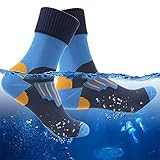
Overview: Randy Sun’s Mud Sports Socks deliver serious protection for outdoor enthusiasts facing wet, muddy conditions. These large-size blue socks combine a 100% waterproof membrane with COOLMAX moisture-wicking technology, creating a specialized barrier against the elements while maintaining breathability. Designed for hiking, trail running, skiing, and other demanding activities, they promise to keep feet dry and comfortable across harsh environments.
What Makes It Stand Out: The three-layer construction features a waterproof membrane sandwiched between a durable nylon exterior and COOLMAX lining, achieving the tricky balance of waterproofing and breathability. The smooth toe seam eliminates friction points, while the deep heel cup and non-slip ribbed top prevent slippage during vigorous movement. The ultra-light cushion sole provides comfort without bulk, making these socks versatile enough for everything from winter sports to summer trail running.
Value for Money: At $25.99 for a single pair, these sit in the mid-range for technical waterproof socks. The specialized construction and multi-season versatility justify the investment compared to cheaper cotton alternatives that fail when wet. They essentially replace multiple pairs of regular socks and waterproof liners, offering solid performance for serious adventurers who prioritize dry feet.
Strengths and Weaknesses: Pros: Excellent waterproofing; breathable COOLMAX lining; seamless toe reduces blisters; secure fit with heel cup; multi-sport versatility. Cons: Single pair limits rotation; cuff is not waterproof; requires careful washing; premium price point; sizing may run small for some users.
Bottom Line: Ideal for dedicated outdoor enthusiasts who need reliable waterproof protection across seasons. The technical features and durable construction make them worth the investment for hiking, skiing, and trail running, though casual users might find the price steep for occasional use.
2. RANDY SUN Mens Waterproof Hiking Socks, Women’s Skiing Camping Wading Trail Climbing Cycling Fishing Sports Windproof Business Crew Cushioned Socks, Black Grey M
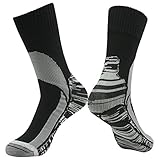
Overview: The RANDY SUN Waterproof Hiking Socks offer versatile protection for both men and women at an accessible price point. These black-grey medium socks feature a patented three-layer knitting construction designed to keep feet dry during stream crossings, muddy treks, and wet weather adventures. With SGS certification and seamless technology, they target outdoor enthusiasts, military personnel, and anyone needing reliable moisture protection.
What Makes It Stand Out: The three-layer system cleverly resolves the waterproof-breathability paradox, using COOLMAX CORE technology to wick moisture while blocking external water. The 100% seamless construction eliminates abrasion points entirely, a significant advantage over competitors. These socks have earned certification and serve military and postal applications, demonstrating serious durability credentials. The reinforced cushioning provides all-day comfort without excessive bulk.
Value for Money: At $14.94, these represent exceptional value—significantly cheaper than most technical waterproof socks while maintaining certified performance. They undercut premium brands by $10-15 yet deliver comparable three-layer protection. For budget-conscious adventurers or those wanting to test waterproof sock technology without major investment, this price point is compelling.
Strengths and Weaknesses: Pros: Outstanding price-to-performance ratio; SGS certified; truly seamless construction; versatile for multiple sports; suitable for professional use; decent cushioning. Cons: Limited color options; medium size may not fit all; single pair; care instructions are restrictive; durability questions at this price point.
Bottom Line: A budget-friendly entry into waterproof socks that doesn’t compromise core performance. Perfect for casual hikers, festival-goers, or as a backup pair for serious adventurers. The certified construction and military-grade durability claims make them a smart purchase despite the low price.
3. DexShell Waterproof Everyday Socks for Men & Women – Breathable Quarter Crew Socks for Walking, Commuting & All-Weather Comfort – JBG Black, Large

Overview: DexShell’s Waterproof Everyday Socks bridge the gap between technical gear and daily wear. These quarter-crew black socks prioritize comfort for commuting, dog walking, and light hiking rather than extreme expeditions. With 15+ years of waterproof accessory expertise, DexShell promises reliable wet-weather protection in a more casual, accessible package designed for regular use.
What Makes It Stand Out: The combed cotton lining provides superior comfort against skin compared to synthetic-heavy alternatives, making them genuinely wearable for all-day urban use. The quarter-crew height offers practical coverage without being overly bulky. DexShell’s specialized focus on waterproof gear lends credibility—their experience shows in the balanced design that doesn’t sacrifice everyday comfort for technical performance. The breathable membrane effectively manages moisture during active commuting.
Value for Money: Priced at $21.99, these occupy a sweet spot between budget and premium options. They cost less than hardcore hiking socks but deliver proven waterproofing for daily scenarios. For commuters and urban walkers, they eliminate the need for separate rain boots, representing good value. However, serious trekkers might need more robust options for extreme conditions.
Strengths and Weaknesses: Pros: Comfortable cotton lining; true everyday versatility; reputable brand expertise; quarter-crew height is practical; breathable for daily wear; good for commuting. Cons: Not designed for extreme conditions; limited cushioning for rugged trails; single pair; may wear faster with heavy use; less thermal protection than winter-specific models.
Bottom Line: Excellent choice for urban adventurers and commuters who need reliable waterproofing without technical overkill. They excel in daily wet-weather scenarios but aren’t substitutes for heavy-duty mountaineering socks. Perfect for those prioritizing comfort and versatility over extreme performance.
4. WRAP ME 2Pcs Waterproof Socks for Men, Comfort and Durability for Outdoor Adventures, Breathable (US, Alpha, Large, Regular, Regular)

Overview: The WRAP ME 2-Pack Waterproof Socks deliver double the protection for outdoor enthusiasts. These large-size socks feature triple-layer construction with reinforced stress points, targeting hikers, anglers, and festival-goers who face wet, unpredictable conditions. The eco-conscious design and included two pairs make them an attractive option for extended trips or sharing with adventure partners.
What Makes It Stand Out: Getting two pairs for $36.99 immediately distinguishes this offering from single-pair competitors. The reinforced toe and heel areas address common failure points, extending lifespan significantly. Eco-friendly materials and recyclable packaging appeal to environmentally conscious buyers. The versatility spans from kayaking to music festivals, showing thoughtful design for varied outdoor scenarios. Their packable nature makes them ideal travel companions.
Value for Money: At $36.99 for two pairs, the per-pair cost of $18.50 undercuts many premium singles while delivering comparable performance. This represents excellent value for multi-day adventurers needing rotation options. The reinforced construction suggests longer lifespan, improving cost-per-use calculations. For couples or friends who adventure together, the two-pack is particularly economical.
Strengths and Weaknesses: Pros: Two pairs included; reinforced durability; eco-friendly materials; versatile for many activities; packable and travel-friendly; competitive per-pair pricing. Cons: Brand less established than competitors; limited size options; may lack extreme cold-weather insulation; care instructions unclear; could be overkill for casual users.
Bottom Line: Outstanding value for active outdoor enthusiasts who need multiple pairs. The reinforced construction and eco-friendly approach make them smart for regular adventurers. While the brand lacks DexShell’s or Randy Sun’s recognition, the practical benefits and dual-pair packaging make them a compelling choice for hikers, travelers, and water sports enthusiasts.
5. RANDY SUN Low Cut Waterproof Socks for Trail Walking – Ultra Thin, Cushion Support 1 pair Light Grey&Black,M

Overview: RANDY SUN’s Low Cut Waterproof Socks target warm-weather adventurers needing minimal, discreet protection. These medium-sized light grey and black ankle socks feature an ultra-thin profile with PU waterproof membrane technology, making them ideal for low-profile shoes and hot conditions where traditional waterproof socks would be too bulky or warm.
What Makes It Stand Out: The innovative Juncao grass inner layer provides natural odor resistance and rapid moisture absorption, a unique eco-friendly alternative to purely synthetic linings. The low-cut design fills a niche market gap—most waterproof socks are crew-length or higher. Terry loop cushioning underfoot adds surprising comfort for such a thin sock. The seamless construction prevents chafing despite the ankle-height cut.
Value for Money: At $28.49 for a single pair, these are premium-priced for their category. The specialized low-cut design and eco-friendly materials justify the cost for specific use cases like trail running in wet grass or cycling in drizzle. However, the limited coverage means they’re not versatile enough for deep water or heavy rain, potentially limiting value for general users.
Strengths and Weaknesses: Pros: Ultra-thin and low-profile; innovative Juncao lining; seamless anti-chafe fit; terry loop cushioning; perfect for warm weather; odor-resistant properties. Cons: Ankle height limits waterproof coverage; premium price for single pair; not suitable for deep water; limited thermal protection; niche application reduces versatility.
Bottom Line: Specialized solution for warm-weather athletes who need waterproofing without heat buildup. Trail runners, cyclists, and hikers in mild wet conditions will appreciate the minimalist design. The eco-friendly Juncao layer is a genuine innovation. However, they’re too specialized for most users—choose these only if you specifically need low-cut waterproof performance.
6. RANDY SUN Waterproof Hiking Socks, Unisex Trail Running Canyoneering Field Sport Skiing Breathable Socks(1 Pair Ankle Black M)

Overview: The RANDY SUN Waterproof Hiking Socks deliver serious protection for outdoor enthusiasts who refuse to let wet conditions dampen their adventures. These ankle-length socks feature a sophisticated three-layer knitting construction that balances waterproofing with breathability, making them ideal for stream crossings, muddy trails, and snowy conditions. Designed for unisex wear in size medium, they target hikers, trail runners, canyoneers, and skiers who need reliable foot protection without bulk.
What Makes It Stand Out: The patented three-layer system combines a waterproof membrane with COOLMAX CORE technology, creating a rare harmony between keeping water out while actively wicking internal moisture away. Unlike traditional waterproof barriers that trap sweat, these socks actively transport perspiration vapor outward. The 100% seamless construction eliminates pressure points and hotspots, while the certification by SGS Corporation adds credibility. The design also provides sand protection—a thoughtful touch for desert hikers and beachcombers often overlooked by competitors.
Value for Money: At $24.88 for a single pair, these sit in the mid-range for technical waterproof socks. The price is justified by the patented technology, certified construction, and versatility across multiple sports. While budget options exist, the seamless design and three-layer protection offer durability that cheaper single-layer alternatives can’t match. For serious outdoor enthusiasts who regularly encounter wet conditions, the investment pays dividends in comfort and foot health.
Strengths and Weaknesses: Strengths include truly effective waterproofing, excellent breathability, seamless comfort, sand protection, and versatility across activities. The ankle-length design provides freedom of movement while maintaining protection. Weaknesses include the need for careful washing (hand wash recommended), the premium price point for a single pair, and limited insulation for extreme cold without additional layers.
Bottom Line: These RANDY SUN socks are a solid investment for dedicated outdoor adventurers who prioritize dry feet and technical performance. They excel in wet, moderate-temperature conditions and justify their price through innovative engineering and proven reliability.
7. LEAKDRY Waterproof Socks,Breathable,Lightweight,Ankle Socks,Hiking,Running,Fishing,Unisex (US, Alpha, Medium, Regular, Regular, Bamboo/Green)
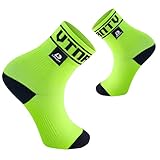
Overview: LEAKDRY offers an affordable entry into waterproof sock technology with these lightweight ankle socks designed for active outdoor enthusiasts. Marketed toward hikers, runners, and anglers, these unisex medium-sized socks promise to keep feet dry through a three-layer construction while maintaining the feel of a regular athletic sock. The distinctive bamboo green color adds visibility and style to technical performance.
What Makes It Stand Out: The three-layer system features a 98% nylon outer with spandex for stretch, a waterproof breathable membrane middle layer, and a 70% rayon inner that enhances comfort. The integration of COOLMAX FX technology specifically targets odor control—a critical feature for multi-day adventures. The material composition balances durability with elasticity, ensuring the socks maintain their shape during strenuous activities while providing a snug, blister-reducing fit.
Value for Money: At $14.99, these represent excellent value in the waterproof sock category. They’re priced significantly below premium competitors while offering comparable three-layer protection. The durable nylon construction suggests longevity, making them cost-effective for regular use. For casual hikers or those new to waterproof socks, this price point removes the barrier to entry without sacrificing core performance features.
Strengths and Weaknesses: Strengths include affordable pricing, effective odor control technology, durable stretchable material, versatile application across sports, and easy maintenance (machine washable). The lightweight design maintains athletic performance. Weaknesses include potentially less refined breathability than premium brands, limited cushioning for rugged terrain, and the ankle height may allow water entry in deep puddles. The rayon inner may wear faster than merino or synthetic blends.
Bottom Line: LEAKDRY delivers impressive waterproof performance at a budget-friendly price. Ideal for occasional adventurers or as a backup pair, they provide reliable moisture protection without breaking the bank, though serious trekkers may want more robust options for extreme conditions.
8. RANDY SUN Waterproof Sports Socks, Wet Weather Trail Running Gear for Women and Men Wading Socks Grey& Black, Small
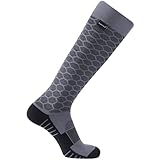
Overview: RANDY SUN’s Waterproof Sports Socks represent the brand’s premium offering for serious wet-weather athletes. These grey and black socks in size small are engineered for both men and women who demand maximum protection during trail running, wading, and other water-intensive activities. The knee-high design provides comprehensive coverage beyond typical ankle or crew lengths, making them suitable for deep-water crossings and snow sports.
What Makes It Stand Out: The technical material breakdown is exceptional: a 61% nylon, 32% polyester, 7% elastane outer provides durability and stretch; the interlayer features a 100% PU waterproof breathable membrane; and the lining combines 66% Coolmax with polyester and elastane for moisture management. The deep heel cup with full wrap prevents slippage into boots—a common frustration with waterproof socks. The non-slip ribbed top ensures they stay positioned during dynamic movement.
Value for Money: At $31.99, these are premium-priced socks targeting dedicated athletes. The cost reflects the knee-high coverage, sophisticated material engineering, and specialized features like the deep heel cup and ribbed top. For frequent users in harsh conditions, the durability and performance justify the investment. However, casual users may find the price steep compared to mid-range alternatives offering similar waterproofing at shorter lengths.
Strengths and Weaknesses: Strengths include extensive knee-high coverage, superior material composition, anti-slip design features, seamless toe construction, and versatility across extreme sports. The PU membrane offers reliable waterproofing. Weaknesses include the highest price point in this comparison, potentially excessive warmth for summer use, and the cuff limitation—not waterproof at the top, requiring caution in deep water.
Bottom Line: These premium RANDY SUN socks are best suited for serious adventurers regularly facing deep water or snow. The knee-high design and technical features deliver professional-grade protection that justifies the cost for committed outdoor enthusiasts.
9. Gash Hao Waterproof Socks Men Women Hiking Crew Socks Suitable For Fishing Wading Outdoor Rainy Sports And Wet And Cold Weather(BLUE-L)

Overview: Gash Hao positions itself as a versatile, budget-friendly waterproof sock solution for outdoor enthusiasts facing wet and cold conditions. These crew-length blue socks in size large cater to both men and women engaged in hiking, fishing, kayaking, and various rainy-weather activities. The design promises comprehensive protection without the premium price tag associated with technical outdoor gear.
What Makes It Stand Out: The seamless construction eliminates irritation points, a feature often reserved for higher-priced competitors. The material blend prioritizes durability in the abrasion-resistant outer layer while maintaining lightness for all-season wear. The versatility is remarkable—these socks are marketed for everything from construction sites to water sports, indicating a robust, adaptable design that doesn’t specialize to the point of limitation.
Value for Money: At $14.99, Gash Hao offers exceptional value, matching budget pricing with claims of 100% waterproof protection and seamless comfort. The durable construction suggests these won’t be disposable items, enhancing their cost-effectiveness. For users needing multiple pairs for extended trips or work requirements, the affordable price enables bulk purchasing without quality concerns.
Strengths and Weaknesses: Strengths include competitive pricing, seamless design for comfort, versatile application across diverse activities, durable outer material, and easy care instructions. The crew length offers good coverage without being restrictive. Weaknesses include less detailed technical specifications than premium brands, potential breathability trade-offs at this price point, and limited information on long-term membrane durability.
Bottom Line: Gash Hao delivers reliable waterproof performance at an accessible price. Perfect for budget-conscious adventurers, workers in wet conditions, or as a backup pair, they provide essential protection without premium costs, making them a smart practical choice.
10. SuMade Waterproof Hiking Socks for women, Youth Moisture Wicking Outdoor Athletic Wading Trail Running Crew Socks (Grey&Orange, X-Small)

Overview: SuMade targets the youth and women’s market with these eye-catching grey and orange crew socks in X-Small. Designed for outdoor athletic activities like hiking, wading, and trail running, these socks feature a three-layer waterproof system combined with strategic cushioning. The sizing explicitly accommodates smaller feet often overlooked by unisex designs, making them accessible to youth and women seeking technical performance gear.
What Makes It Stand Out: The detailed size chart demonstrates commitment to proper fit, offering four size options with specific gender breakdowns. The Y-heel design provides complete heel coverage for security, while targeted cushioning at heels and toes enhances shock absorption without adding bulk. The elastic cuff prevents the common issue of socks sliding into boots. The moisture-wicking Coolmax inner layer specifically addresses comfort during high-exertion activities.
Value for Money: At $17.99, SuMade occupies the sweet spot between budget and premium options. The price reflects thoughtful design elements like Y-heel construction and strategic cushioning that exceed basic waterproofing. For youth and women—markets often charged premium prices for specialized sizing—this represents fair value. The durability of high-quality nylon construction suggests these will withstand regular outdoor use.
Strengths and Weaknesses: Strengths include youth/women-specific sizing, attractive colorway, strategic cushioning, Y-heel security design, effective moisture management, and versatile outdoor application. The crew length balances protection and mobility. Weaknesses include the cuff not being waterproof (a common limitation noted by the manufacturer), potentially limited insulation for extreme cold, and the X-Small sizing may not suit all adult women.
Bottom Line: SuMade serves the youth and women’s outdoor market exceptionally well, offering technical features and proper sizing at a reasonable price. Ideal for younger adventurers or women with smaller feet seeking reliable waterproof performance without unisex sizing compromises.
Why Waterproof Socks Are a Game-Changer for Stream-Crossing Trail Runners
The old-school approach of just accepting wet feet or attempting impossible leaps across water features is not only uncomfortable but potentially dangerous. Wet feet lead to macerated skin, which dramatically increases blister formation—even with the best-fitting shoes. When you’re 15 miles into a 30-mile trail run, a hot spot that developed during an early stream crossing can quickly evolve into a race-ending blister. Waterproof socks fundamentally change this equation by creating a dry microenvironment for your feet.
Beyond immediate comfort, dry feet maintain their structural integrity. Soaked skin becomes soft and prone to tearing, while dry skin remains resilient against the repetitive friction of running. This becomes particularly critical during ultra-distance events where you’ll encounter multiple water crossings. The psychological benefit cannot be overstated either: knowing you can charge through a shin-deep stream without consequence gives you a mental edge over runners who hesitate or waste time searching for dry passage.
Understanding Waterproof Membrane Technology
At the heart of every waterproof sock lies a microporous membrane—a thin film containing billions of microscopic pores. These pores are small enough to block liquid water molecules but large enough to allow water vapor (sweat) to escape. This selective permeability is what separates genuine waterproof socks from merely water-resistant options that rely on DWR coatings or tight weaves.
The Science Behind Three-Layer Construction
Premium waterproof socks utilize a three-layer sandwich construction. The outer layer typically features a durable knit that protects the membrane from abrasion and provides structure. The middle layer contains the actual waterproof membrane—usually 10-30 microns thick. The inner layer sits against your skin, prioritizing comfort and moisture wicking. This inner layer is crucial because it must transport sweat vapor away from your foot to the membrane where it can escape.
Understanding this construction helps you evaluate durability claims. A sock with a poorly protected membrane will fail quickly when subjected to trail running’s constant flexing and friction. Look for socks where the membrane is bonded between protective layers rather than simply laminated to a single fabric.
eVent vs Gore-Tex vs Storey: What Runners Need to Know
While specific brand names shouldn’t drive your decision, understanding the different membrane philosophies matters. Some membranes rely on a polyurethane coating that requires a temperature differential to “push” moisture out (your body heat must exceed ambient temperature). Others use an air-permeable structure that allows continuous vapor transfer regardless of temperature. For trail runners, this distinction is critical: early morning runs in cool conditions create minimal temperature differential, potentially trapping sweat if you’ve chosen the wrong membrane type.
Breathability: The Critical Performance Factor
Here’s where many waterproof socks fail trail runners: they keep water out but turn your feet into a sauna. Breathability ratings, often expressed in grams of moisture vapor transmission rate (MVTR) per square meter per 24 hours, tell only part of the story. Real-world breathability depends on humidity differential, temperature gradient, and the sock’s internal microclimate.
The Moisture Management Paradox
Your feet contain more sweat glands per square inch than any other body part—approximately 250,000 per foot. During intense trail running, each foot can produce over a cup of sweat hourly. A waterproof sock must manage this internal moisture while blocking external water. The paradox? The more waterproof a membrane becomes, typically the less breathable it is. The sweet spot for trail running involves membranes with MVTR ratings above 15,000 g/m²/24hr, balanced with adequate waterproof ratings (minimum 10,000mm hydrostatic head).
Material Matters: From Merino to Synthetic Blends
The inner layer material directly impacts comfort, odor control, and moisture management. Merino wool blends excel at temperature regulation and natural odor resistance, making them ideal for multi-day adventures. However, pure merino lacks durability and can feel too warm in summer conditions. Synthetic blends featuring nylon and polyester offer superior durability and faster drying, but may develop odor more quickly.
The Role of Inner Lining Comfort
Seamless toe closures are non-negotiable for trail running. Even a slightly raised seam will become a blister trigger during long descents. The inner lining should feel smooth against your skin, with flat-knit or terry-loop construction providing cushioning without bulk. Some premium options incorporate zoned cushioning—thicker padding in high-impact areas like the heel and forefoot, with thinner material in the arch for better shoe fit.
Outer Layer Durability Considerations
The outer layer takes a beating from trail debris, shoe interiors, and repeated flexing. Look for reinforced heels and toes using high-denier nylon (at least 200D). Some designs incorporate abrasion-resistant yarns in high-wear zones. Remember: a hole in the outer layer doesn’t necessarily compromise waterproofing if the membrane remains intact, but it dramatically reduces the sock’s lifespan and can allow the membrane to delaminate.
Fit and Sizing: Getting It Right the First Time
Waterproof socks fit differently than traditional socks due to their multi-layer construction. They typically run thicker and less stretchy, requiring careful size selection. A sock that’s too tight compresses the membrane layers, reducing breathability and potentially causing premature failure at stress points. Too loose, and you’ll experience bunching that creates friction points.
The Importance of Seam Placement
Membrane seams—where the waterproof layer is joined—represent potential failure points. Premium socks position these seams away from high-pressure areas like the toes and heel. When trying on socks, pay attention to seam location along the sides and top of the foot. The best designs use welded or taped seams that lie completely flat, eliminating any ridge that could cause irritation during a 6-hour mountain run.
Toe Box Considerations for Downhill Running
Downhill running forces your toes repeatedly into the front of your shoe. Waterproof socks with articulated toe boxes—designed with slight curvature matching foot anatomy—prevent the sock from compressing your toes. Some designs incorporate a slight stretch panel across the top of the toes, allowing the sock to accommodate foot swelling without restricting circulation.
Sock Height Strategies for Different Trail Conditions
Height selection impacts more than just style—it determines protection level and heat retention. Ankle-height socks work well for shallow streams and hot conditions but leave your lower legs exposed to splash and debris. Crew height (mid-calf) offers the best versatility, providing adequate protection for most stream crossings while allowing heat dissipation. Knee-high options excel in deep water or cold conditions but can feel restrictive and overly warm.
Ankle vs Crew vs Knee-High: Making the Smart Choice
Consider your typical trail scenarios. Rocky mountain trails with frequent but shallow crossings call for crew height. Muddy, swampy conditions where you might post-hole unexpectedly benefit from knee-high protection. Desert trail runners crossing occasional streams might prefer ankle height for maximum ventilation. The key is matching height to your most common use case rather than buying for extreme scenarios you’ll rarely encounter.
Durability Factors That Separate Premium from Budget Options
Durability in waterproof socks involves more than just tough fabric. The membrane-to-fabric bond quality determines how well the sock withstands repeated flexing. Cheaper options often use adhesive lamination that fails after limited use, causing the layers to separate (delaminate). Premium socks employ dot-matrix lamination or continuous bonding that maintains flexibility.
Reinforced Zones That Actually Matter
Focus on reinforcement in three critical areas: the heel (where it rubs against shoe counters), the toe box (where it contacts the shoe’s front), and the Achilles notch (where repeated flexing occurs). Some socks add external padding in these zones, while others incorporate denser knitting. Be wary of socks that claim “full cushioning”—this often means unnecessary bulk that reduces breathability and changes shoe fit.
The Waterproof-Breathability Tradeoff Explained
Every waterproof sock exists on a spectrum between maximum water protection and maximum breathability. Trail runners must accept that no sock achieves both perfectly. The key is understanding your personal sweat rate and typical running conditions. Heavy sweaters running in humid climates should prioritize breathability even if it means slightly reduced waterproof performance. Runners in cold, wet environments should lean toward maximum waterproofing, accepting that they’ll need to manage internal moisture through sock changes on longer runs.
Care and Maintenance: Extending Your Investment
Waterproof socks require specific care to maintain performance. The membrane is sensitive to heat, harsh detergents, and fabric softeners—common culprits in premature failure. Always turn socks inside out before washing to clean the inner layer thoroughly where sweat and oils accumulate.
Washing Protocols That Won’t Destroy the Membrane
Use a technical wash designed for waterproof-breathable fabrics, or a gentle, fragrance-free detergent. Wash in cold water on a delicate cycle, never exceeding 30°C (86°F). Avoid bleach, fabric softeners, and stain removers—these coat the membrane pores and destroy breathability. For heavily soiled socks, soak in lukewarm water with tech wash for 30 minutes before washing.
Drying Techniques to Prevent Delamination
Never use a tumble dryer, radiator, or direct sunlight to dry waterproof socks. High heat degrades the membrane and weakens the lamination. Instead, turn them right-side out and air dry at room temperature. To speed drying, stuff the socks with newspaper or a clean towel to absorb moisture from the inside. Expect drying times of 12-24 hours depending on humidity—plan accordingly for multi-day trips.
Common Mistakes That Compromise Performance
Even the best waterproof socks fail when used incorrectly. The most frequent error is wearing them with non-breathable shoes. A waterproof sock inside a waterproof shoe creates a vapor barrier sandwich, trapping sweat with nowhere to escape. This combination leads to the very wet feet you were trying to avoid, just from internal moisture.
Another critical mistake is choosing socks too thick for your shoes. Waterproof socks add bulk, and cramming them into shoes that fit perfectly with thin running socks compresses the membrane and reduces circulation. Always try waterproof socks with the shoes you’ll run in, and consider buying shoes a half-size larger if waterproof socks will be your primary choice.
When NOT to Wear Waterproof Socks
Waterproof socks aren’t universal solutions. In hot, dry conditions where streams are rare, they unnecessarily trap heat and reduce breathability. For short runs where you can easily avoid water, traditional moisture-wicking socks perform better. During races with aid stations where you can change socks after known water sections, carrying a dry pair often makes more sense than wearing waterproof socks all day.
Also avoid waterproof socks for runs where you’ll be submerged above the sock cuff for extended periods. Water will eventually seep down from the top, and once inside, the waterproof membrane prevents it from draining—creating a personal fishbowl around your foot.
Cost-Benefit Analysis: Are They Worth the Investment?
Quality waterproof socks range from $30 to $60 per pair—significantly more than traditional running socks. However, consider the cost per use. A $45 pair that lasts 200 miles of trail running costs $0.23 per mile. Compare this to the cost of DNFing a race due to blisters, or the discomfort of running with soaked feet for hours. For runners who regularly encounter streams, the investment pays for itself in prevented blisters and improved comfort.
The value proposition increases dramatically for ultramarathon runners and adventure racers. In these scenarios, the ability to maintain dry feet through multiple water crossings can be the difference between finishing and dropping out. Factor in reduced medical costs from treating blisters and maceration, and waterproof socks become a financial no-brainer.
Environmental and Sustainability Considerations
Waterproof membranes traditionally use perfluorinated compounds (PFCs) for water repellency—chemicals that persist in the environment. Many manufacturers now offer PFC-free options using alternative DWR treatments. While these may require more frequent reproofing, they significantly reduce environmental impact.
Consider the sock’s end-of-life impact. Multi-layer construction makes recycling challenging, but some brands offer take-back programs. Durability itself is an environmental factor—a sock that lasts twice as long generates half the waste. Investing in quality over disposable cheap options aligns with Leave No Trace principles even if the initial cost is higher.
How to Field Test Before Your Big Race
Never wear waterproof socks for the first time on race day. Conduct a controlled test by filling a bucket with water and submerging your foot (with sock and shoe) for 30 seconds, then run for 30 minutes. Check for hot spots, moisture buildup, and any water ingress. Repeat this test with your actual race shoes on varied terrain.
Test breathability by wearing the socks during a normal dry run in similar temperature conditions. If your feet feel excessively sweaty or overheated within the first hour, the socks’ breathability likely won’t meet your needs. The goal is finding socks that feel like normal running socks until you hit water.
Integrating with Your Trail Running Shoe System
Waterproof socks work best with well-ventilated trail shoes that allow vapor escape. Avoid waterproof shoes unless you’re running in near-freezing conditions where warmth trumps breathability. Consider your gaiters—low-profile waterproof socks pair well with fitted gaiters that seal the top opening, preventing debris and splash from entering. Some runners apply a hydrophobic treatment to the shoe’s upper fabric, causing water to bead and roll off rather than saturating the material and weighing down the shoe.
Frequently Asked Questions
Do waterproof socks really keep your feet completely dry during stream crossings?
Yes, when properly fitted and used within their design limits. A quality waterproof sock will keep water out during submersion up to the cuff height. However, water can enter from the top if you step into water deeper than the sock’s height, and some internal moisture from sweat is inevitable. The key is managing expectations—they keep external water out while managing internal moisture, not eliminating it entirely.
How long do waterproof socks typically last with regular trail running use?
Expect 150-300 miles depending on terrain, care, and quality. Rocky, abrasive trails wear the outer layer faster than soft forest paths. Proper washing and air drying significantly extend lifespan. Many runners report their first pair lasting a full season of regular use, while subsequent pairs last longer as they learn proper care and sizing.
Can I wear waterproof socks in warm weather, or will they overheat my feet?
You can, but choose wisely. Look for socks with MVTR ratings above 20,000 g/m²/24hr and thin inner linings. Some runners successfully use waterproof socks in 70°F+ weather, though they’re most comfortable below 65°F. If you run hot or sweat heavily, consider saving them for moderate temperatures or runs with guaranteed water crossings.
Should I size up my trail running shoes to accommodate waterproof socks?
Often, yes. Waterproof socks typically add 1-2mm of thickness compared to thin running socks. Try your normal shoes first, but if they feel tight or compress the sock, consider a half-size larger. Proper fit should allow toe wiggle room without the sock feeling loose or bunched. Never sacrifice shoe fit for sock choice—both must work together.
How do I know if my waterproof socks have lost their waterproofing?
Perform a simple test: turn the sock inside out, fill it with water, and watch for leaks. If water seeps through the membrane anywhere except the cuff, the waterproofing has compromised. Also, if your feet get wet immediately during stream crossings when they previously stayed dry, the membrane likely has micro-tears or delamination.
Can I repair damaged waterproof socks?
Minor outer layer holes can be repaired with Tenacious Tape or similar nylon repair patches, but these only restore abrasion protection, not waterproofing. Membrane damage cannot be effectively repaired—once the waterproof layer is compromised, the sock’s core function is lost. Consider damaged socks for dry-weather use only.
Are waterproof socks machine washable?
Yes, but with strict conditions. Use cold water, gentle cycle, and technical detergent. Never use fabric softener, bleach, or hot water. Turn socks inside out to clean the inner layer where sweat accumulates. Always air dry—heat from dryers destroys the membrane and causes delamination.
Do waterproof socks prevent blisters better than regular socks?
They prevent a specific type of blister: those caused by wet skin and maceration. By keeping external water out, they maintain skin integrity. However, they don’t prevent friction blisters from poor shoe fit or excessive internal moisture. The best blister prevention combines waterproof socks with proper shoe fit, appropriate lacing, and possibly toe socks underneath for double-layer protection.
Should I wear liner socks under waterproof socks?
Generally, no. Liner socks add bulk and can trap moisture between layers, reducing breathability. The waterproof sock’s inner layer is designed to work directly against your skin. However, some runners with sensitive skin or specific friction issues successfully use very thin toe socks as a base layer—experiment during training, not on race day.
How do waterproof socks perform in mud and wet snow?
Exceptionally well. Mud and wet snow saturate traditional socks instantly, while waterproof socks keep the moisture out. However, both can clog the outer fabric, reducing breathability temporarily. The cuff design becomes critical—snow or mud can work down into the sock if the cuff isn’t snug. Gaiters become essential accessories in these conditions.