If you’ve ever shaken hands with someone whose grip felt like a vise, you understand the silent power of crushing strength. That bone-crunching handshake isn’t just for show—it’s a hallmark of true functional strength that translates to everything from deadlifts to opening stubborn jars. Captains of Crush hand grippers have become the gold standard for building this formidable grip, transforming ordinary hands into powerful tools of strength. Whether you’re a powerlifter looking to secure your deadlift lockout, a rock climber seeking better crimp strength, or simply someone who wants to develop an iron handshake, understanding these precision training tools can revolutionize your approach to grip training.
Unlike the flimsy plastic grippers collecting dust in department stores, serious hand grippers represent engineered resistance training equipment. The journey from struggling with a beginner-level gripper to closing elite-level devices mirrors any other strength pursuit—it demands knowledge, consistency, and strategic progression. This comprehensive guide will equip you with everything you need to navigate the world of high-quality hand grippers, from understanding resistance ratings to programming advanced training protocols that forge world-class grip strength.
Top 10 Captains of Crush Hand Grippers for Strength
Detailed Product Reviews
1. Captains of Crush Hand Gripper - No. 1
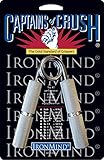
Overview: The Captains of Crush No. 1 represents the entry point to serious grip training, requiring approximately 140 pounds of force to close. This is the milestone gripper that separates casual users from dedicated athletes. Manufactured by IronMind since 1988, it features the same precision engineering found across the entire line, making it the gold standard for measurable grip strength progression.
What Makes It Stand Out: The No. 1’s reputation as a rite of passage in grip training circles is unmatched. Its proprietary GR8 spring provides consistent resistance throughout the entire range of motion, while the knurled aircraft-grade billet aluminum handles offer exceptional grip without slippage. Unlike generic grippers with vague resistance levels, the CoC system offers 11 precisely calibrated strengths, creating a clear pathway from beginner to elite.
Value for Money: At $29.95, the No. 1 sits at the standard price point for premium grippers. While budget alternatives cost half as much, they lack the precision, durability, and documented resistance ratings that make CoC the industry standard. This is a one-time investment in a tool that will last decades, not months.
Strengths and Weaknesses: Strengths include legendary durability, precise resistance calibration, professional-grade materials, and the motivational aspect of joining a recognized strength community. Weaknesses include the premium price compared to generic brands, aggressive knurling that may require gloves for sensitive hands, and the fact that most users will need to purchase multiple grippers as they progress.
Bottom Line: If you can already close a Trainer gripper and seek a tangible strength goal, the No. 1 is your next essential purchase. It’s the definitive tool for serious grip development.
2. Captains of Crush Hand Gripper Trainer - (100 lb.)
Overview: The Captains of Crush Trainer is the ideal starting point for most healthy adults beginning their grip strength journey. Rated at 100 pounds of resistance, it provides a challenging yet achievable goal for building foundational hand strength without risking injury from overly heavy grippers. This model shares the identical construction quality of its heavier siblings, ensuring you start your training with professional-grade equipment.
What Makes It Stand Out: As the true entry-level CoC gripper, the Trainer occupies a sweet spot in the 11-strength progression system. It’s heavy enough to challenge office workers and casual lifters, yet light enough that most can achieve multiple quality reps within a few weeks of practice. The proprietary GR8 spring technology ensures smooth, consistent resistance that cheap grippers simply cannot replicate, making each rep more effective.
Value for Money: At $29.95, you’re paying for the same premium materials and USA-made craftsmanship as heavier models. While you can find $10 grippers at this resistance, they often have uneven tension, uncomfortable handles, and short lifespans. The Trainer prevents the common mistake of buying a gripper that’s too advanced, which ultimately saves money and frustration.
Strengths and Weaknesses: Strengths include perfect beginner resistance, unmatched build quality, precise calibration, and the ability to track measurable progress. Weaknesses mirror the single-gripper model: the price premium over generic alternatives, potentially aggressive knurling for uncalloused hands, and limited long-term utility as strength improves. Some naturally strong individuals may outgrow it within months.
Bottom Line: For 90% of first-time grip trainers, the Trainer is the smartest initial investment. It builds the foundation for advancing through the CoC system safely and effectively.
3. Captains of Crush Hand Gripper Guide - (60 lb.)
Overview: The Captains of Crush Guide is specifically engineered for rehabilitation, senior users, or those with exceptionally weak grip strength. At approximately 60 pounds of resistance, it’s the lightest gripper in the prestigious CoC lineup, offering the same premium construction as heavier models but in an accessible package. This isn’t a toy—it’s a medical-grade tool for rebuilding hand function.
What Makes It Stand Out: The Guide’s unique position as the entry point for the CoC system makes it invaluable for physical therapy and senior fitness. While most grip trainers start at 80-100 pounds, this model acknowledges that some users need to start lower. The precise resistance rating allows therapists and patients to track recovery progress objectively, and the aircraft-grade aluminum handles accommodate arthritic hands better than plastic alternatives.
Value for Money: At $29.95, the Guide commands the same price as heavier models, which seems counterintuitive but reflects its specialized engineering and lower production volume. For rehabilitation purposes, it’s far more cost-effective than clinical-grade equipment. However, for general fitness users, the price-to-resistance ratio makes it a poor value compared to the Trainer.
Strengths and Weaknesses: Strengths include accessibility for compromised grip strength, professional build quality, rehab-friendly design, and objective progress tracking. Weaknesses include rapid obsolescence for healthy users, poor value for general fitness purposes, and the same premium pricing structure that benefits heavier models more. The light resistance provides limited carryover to functional strength for average adults.
Bottom Line: Purchase the Guide only if you need rehabilitation, are a senior with grip concerns, or cannot close a Trainer. For general strength training, the Trainer offers better long-term value.
4. IronMind Two-Way Captains of Crush Grip Strengthener Set: CoC Trainer Gripper (100 lb.) and Expand-Your-Hand Bands

Overview: This Two-Way set addresses a critical oversight in most grip training: balanced development. By combining the Captains of Crush Trainer gripper with Expand-Your-Hand Bands, IronMind provides a complete solution for both crushing and extensor strength. The package recognizes that grip health requires training both flexion and extension to prevent muscular imbalances and repetitive strain injuries.
What Makes It Stand Out: The inclusion of extension bands transforms this from a simple gripper into a comprehensive hand health system. While most athletes obsess over crushing grip, they neglect the extensor muscles that stabilize the elbow and prevent conditions like tennis elbow. The bands provide variable resistance for finger extension exercises, creating a balanced training protocol in one portable package that fits in any gym bag.
Value for Money: At $37.95, this set offers approximately $40-45 worth of equipment purchased separately (Trainer gripper at $29.95 plus bands at $10-15). The real value lies in the integrated approach—preventing elbow and forearm injuries that could sideline training for weeks. For lifters experiencing forearm pain or grip imbalances, this is preventative medicine at a bargain price.
Strengths and Weaknesses: Strengths include comprehensive hand health approach, injury prevention, cost savings over separate purchases, and professional-grade quality. Weaknesses include the Trainer resistance being too light for stronger individuals, the small bands being easy to lose, and a learning curve for proper extensor exercise technique. Users may need to purchase heavier grippers separately as they progress.
Bottom Line: This set is the smartest starting point for anyone serious about long-term grip training. The Two-Way system builds strength while preventing the injuries that plague dedicated lifters.
5. IronMind Two-Way Captains of Crush Grip Strengthener Set: CoC Guide Gripper (c. 60 lb. - Novice, Rehab) and Expand-Your-Hand Bands
Overview: This Two-Way set pairs the gentlest Captains of Crush gripper with extension bands, creating a therapeutic system for novices, seniors, and rehabilitation patients. The Guide gripper’s 60-pound resistance is manageable for compromised hands, while the Expand-Your-Hand Bands address the extensor weakness that often contributes to elbow pain during recovery. It’s a complete, low-impact hand health solution.
What Makes It Stand Out: No other premium grip system offers such a gentle entry point combined with extension training. This set acknowledges that rehabilitation requires both strengthening and balancing muscles. The Guide gripper’s light resistance allows for high-repetition therapeutic work without fatigue, while the bands prevent the flexor-dominant training that can exacerbate tendon issues. It’s essentially a physical therapy clinic in a pocket-sized package.
Value for Money: Priced at $37.95, this set mirrors the Trainer version’s value proposition but targets a specific medical/rehab market. The Guide gripper alone is hard to justify at $29.95 for general users, but bundled with bands for injury prevention during recovery, it becomes a cost-effective home therapy tool. Compared to repeated physical therapy copays, this set pays for itself quickly.
Strengths and Weaknesses: Strengths include unparalleled accessibility, comprehensive rehab approach, professional quality, and portability. Weaknesses include extremely limited resistance for healthy users, rapid obsolescence during recovery, and the same price as the heavier Trainer set despite lower gripper resistance. The bands may be too challenging for severely weakened hands initially.
Bottom Line: This is the definitive choice for post-injury recovery, senior hand fitness, or those with medical conditions affecting grip. For general training, choose the Trainer set instead.
6. ZEAGUS Grip Strength Trainer 4 Pack,50LB-200LB Metal Hand Grip Strengthener,Non-Slip Heavy-Duty Forearm Exerciser,Hand Gripper for Muscle Building and Hand Rehabilitation Exercising

Overview: The ZEAGUS Grip Strength Trainer 4-Pack delivers a comprehensive resistance progression from 50 to 200 pounds, making it an accessible entry point for anyone looking to develop forearm power, rehabilitate injuries, or improve grip endurance. This set targets athletes, musicians, office workers, and physical therapy patients with its graduated intensity levels. The aluminum construction promises durability without excessive weight, while the knurled handles aim to provide secure grip during intense training sessions.
What Makes It Stand Out: This package’s primary advantage is the four distinct resistance levels bundled at a budget-friendly price point. Unlike single-gripper purchases, you get immediate access to progressive overload capabilities. The knurled aluminum handles offer a professional feel typically found in higher-priced models, and the product explicitly addresses rehabilitation needs for arthritis, carpal tunnel, and post-surgical recovery. Its universal sizing claim ensures accessibility across age groups and hand dimensions, while the portability factor allows for consistent training anywhere.
Value for Money: At $21.99 for four grippers, this set represents exceptional value—equivalent to roughly $5.50 per unit. Comparable single grippers from premium brands often cost $25-40 each. While the ZEAGUS lacks the cult status of IronMind, it provides 90% of the functionality at a fraction of the cost. For beginners and intermediate users, the price-to-utility ratio is outstanding, eliminating the need to guess which resistance level to purchase first.
Strengths and Weaknesses: Strengths: Four progressive resistance levels; excellent price point; lightweight aluminum handles; rehabilitation-focused marketing; suitable for all hand sizes; highly portable design.
Weaknesses: Spring durability and resistance accuracy may not match premium brands; less established manufacturer reputation; knurling might be aggressive for sensitive hands; no finger extension training included.
Bottom Line: The ZEAGUS 4-Pack is a smart purchase for budget-conscious buyers, rehabilitation patients, and fitness newcomers. While serious grip athletes may eventually upgrade to calibrated grippers, this set provides everything needed for substantial grip development and hand health improvement at an unbeatable price.
7. IronMind Two-Way Captains of Crush Grip Strengthener Set: CoC No. 1 Gripper (c. 140 lb.) and Expand-Your-Hand Bands
Overview: IronMind’s Two-Way Set combines the legendary Captains of Crush No. 1 gripper (approximately 140 pounds) with Expand-Your-Hand Bands, creating a balanced approach to grip training that addresses both crushing strength and finger extension. This intermediate-level package targets serious strength enthusiasts who understand that hand health requires training antagonistic muscle groups. The No. 1 represents a significant milestone in grip strength—challenging but achievable for dedicated trainees.
What Makes It Stand Out: The integrated two-way training philosophy sets this apart from standard gripper-only products. While the CoC No. 1 builds world-class crushing power, the expansion bands prevent muscular imbalances that lead to elbow pain and finger stiffness. The bands come in five color-coded resistances (two complete sets), allowing precise progression for extensor training. IronMind’s reputation as the grip strength authority since 1988 lends credibility, and their products are the actual tools used in strongman competitions.
Value for Money: At $37.95, you’re investing in the most respected name in grip training. The CoC No. 1 alone typically retails for $25-30, making the 10 expansion bands a $10-15 value add. While more expensive than budget multi-packs, this set offers professional-grade calibration and durability. For trainees serious about long-term grip development, the cost is justified by the quality and the injury-prevention benefits of balanced training.
Strengths and Weaknesses: Strengths: Premium calibrated resistance; two-way training prevents imbalances; includes 10 expansion bands; industry-leading brand reputation; Made in USA quality; bridges beginner to advanced levels.
Weaknesses: Single gripper resistance limits progression options; 140lb may be too difficult for true beginners; higher price than generic alternatives; no carrying case included.
Bottom Line: This set is ideal for committed lifters who’ve mastered entry-level grippers and want a professional-grade tool. The two-way training approach justifies the investment by promoting hand health alongside raw strength. If you’re serious about grip, this is your next logical step.
8. USA – IronMind Captains of Crush Grippers COC Point Five 120lb 54kg – The Gold Standard of Grippers

Overview: The IronMind Captains of Crush Point Five represents the entry threshold into the world’s most prestigious gripper series. Rated at 120 pounds, this single gripper serves as the gateway for those seeking authentic, calibrated resistance training. Favored by strongman competitors and grip specialists worldwide, the CoC Point Five embodies precision engineering with patented design elements. It’s specifically crafted for individuals who need a lighter yet legitimate stepping stone before tackling the standard CoC hierarchy.
What Makes It Stand Out: IronMind’s reputation as the undisputed gold standard in grip training is this product’s primary differentiator. Unlike generic grippers with vague resistance claims, the Point Five undergoes strict quality control to ensure consistent, measurable tension. The patented features and high-grade materials deliver a smooth, linear resistance curve that cheaper springs cannot replicate. This is the same equipment used in grip contests, making it the authentic choice for goal-oriented trainees.
Value for Money: At $29.95 for a single gripper, this is a premium investment. Budget brands offer multi-packs for less, but they cannot match the CoC’s precision, durability, or resale value. For serious athletes, the cost is justified by accurate progression tracking and the motivation that comes from training with legitimate equipment. However, casual users may find better value in less expensive sets offering multiple resistances.
Strengths and Weaknesses: Strengths: Calibrated, consistent resistance; legendary durability; strongman-approved standard; smooth knurling and handle design; excellent resale value; authentic training experience.
Weaknesses: Single resistance limits training variety; relatively expensive for one gripper; 120lb may still be too difficult for some beginners; no accessories or rehabilitation focus.
Bottom Line: Purchase the CoC Point Five if you’re committed to measurable grip improvement and want the industry’s most respected tool. It’s worth every penny for serious trainees, but overkill for casual users. This is equipment for dedicated strength athletes, not weekend warriors.
9. IronMind Two-Way Captains of Crush Grip Strengthener Set: CoC Sport Gripper (c. 80 lb. - Warm-up, Conditioning) and Expand-Your-Hand Bands - Hand Exerciser Finger Strengthener
Overview: IronMind’s Sport Set pairs the CoC Sport gripper (approximately 80 pounds) with Expand-Your-Hand Bands, targeting warm-up, rehabilitation, and conditioning applications. This lighter resistance package serves as an intelligent entry point into professional grip training or as a specialized tool for experienced athletes’ active recovery. The 80-pound rating makes it accessible to virtually all users while still providing meaningful resistance for high-repetition training and injury prevention protocols.
What Makes It Stand Out: The Sport gripper’s unusually low resistance for a CoC product is its defining feature—it’s specifically designed for warm-ups, rehab, and endurance work rather than maximal strength. Combined with the five-strength expansion band system, this set creates a complete hand health protocol. The two-way training approach addresses the extensor muscles that prevent elbow tendinopathy and finger flexor dominance. IronMind’s legendary manufacturing quality ensures even this lighter gripper maintains the smooth action and durability of its heavier siblings.
Value for Money: Priced identically to other IronMind two-way sets at $37.95, the value proposition depends entirely on your needs. For rehabilitation patients, beginners, or athletes prioritizing warm-up quality, it’s excellent. However, serious grip trainees will outgrow the 80-pound resistance quickly, making it a specialized rather than primary tool. The 10 expansion bands retain their full value regardless of gripper choice.
Strengths and Weaknesses: Strengths: Perfect warm-up and rehab resistance; two-way training system; premium build quality; accessible to all strength levels; prevents overuse injuries; Made in USA.
Weaknesses: 80lb too light for strength progression; same price as heavier, more versatile sets; limited long-term utility for serious trainees; may not satisfy those seeking challenging workouts.
Bottom Line: This set excels as a rehabilitation tool, warm-up device, or gentle introduction to grip training. Buy it if you’re recovering from injury or want to prioritize hand health over maximal strength. Strength athletes should consider it a supplement to, not replacement for, heavier grippers.
10. IronMind Two-Way Captains of Crush Grip Strengthener Set - CoC No. 1.5 Gripper (c. 167.5 lb.) and Expand-Your-Hand Bands
Overview: The CoC No. 1.5 Set bridges the substantial gap between the No. 1 (140lb) and No. 2 (195lb) grippers, offering 167.5 pounds of calibrated resistance for advanced trainees. Paired with Expand-Your-Hand Bands, this package serves serious strength athletes who’ve conquered intermediate levels and require progressive overload to continue advancing. The No. 1.5 represents a significant achievement in grip strength—challenging enough to humble most lifters while remaining achievable with dedicated training.
What Makes It Stand Out: This set’s primary distinction is the strategically placed resistance level that addresses a common training plateau. Most trainees find the jump from No. 1 to No. 2 too severe; the No. 1.5 provides the essential intermediate step. The inclusion of expansion bands ensures balanced development as crushing power increases, preventing the finger flexor dominance that causes elbow pain. IronMind’s precision manufacturing guarantees consistent resistance, and the two-way system reflects a sophisticated understanding of hand biomechanics.
Value for Money: At $37.95, this set matches the price of other IronMind two-way packages while offering a more specialized resistance level. For those who specifically need the 1.5 progression, it’s invaluable. However, if you haven’t closed the No. 1 consistently, this set offers poor immediate value. The expansion bands remain useful across all gripper levels, but the gripper itself has a narrow target audience.
Strengths and Weaknesses: Strengths: Perfect progressive step between No. 1 and No. 2; two-way training prevents imbalances; premium calibrated resistance; professional-grade durability; Made in USA quality; addresses specific training gap.
Weaknesses: Very narrow user suitability; useless for beginners; same price as more versatile sets; represents a temporary stepping stone rather than long-term tool.
Bottom Line: Buy this only if you can reliably close the CoC No. 1 but cannot yet close the No. 2. It’s a specialized tool for dedicated grip athletes, not a general-purpose trainer. For those at the right level, it’s an essential and fairly priced progression aid.
What Are Captains of Crush Hand Grippers?
Captains of Crush grippers are precision-engineered torsion-spring hand grippers designed specifically for serious strength training. These devices consist of two rigid handles connected by a steel spring that provides resistance when compressed. What distinguishes professional-grade grippers from toy versions is their linear resistance curve, durable construction, and precisely calibrated difficulty levels. The spring mechanism is crafted to provide consistent tension throughout the entire range of motion, ensuring your grip muscles work maximally from start to finish.
The hallmark of quality grippers lies in their manufacturing tolerances. Each unit undergoes rigorous testing to ensure the rated resistance matches actual performance. This consistency allows athletes to track progress with scientific precision—when you advance from one level to the next, you know exactly how much stronger you’ve become. The handles feature knurled aluminum or steel construction that prevents slippage even during intense training sessions, while the springs are made from high-grade alloy steel that maintains its resistance characteristics through thousands of repetitions.
Why Grip Strength Matters More Than You Think
Grip strength serves as a proxy for overall health and functional capability, with research correlating it with longevity, cardiovascular health, and cognitive function. From a performance standpoint, grip is often the limiting factor in major lifts—your deadlift stalls not because your posterior chain is weak, but because your hands can no longer hold the bar. Strong grip enhances pulling movements, stabilizes pressing exercises, and allows for greater total-body tension generation.
Beyond the gym, robust grip strength impacts daily life in profound ways. It reduces injury risk when lifting objects, improves fine motor control for musicians and surgeons, and builds resilience against repetitive strain injuries. For combat athletes, grip control often determines victory or defeat. The hands contain over 30 muscles working in intricate coordination, and dedicated grip training develops these muscles while strengthening connective tissues that protect against common hand and wrist injuries.
Understanding the Captains of Crush Rating System
The rating system for serious hand grippers typically ranges from beginner levels around 60 pounds of resistance to elite levels exceeding 365 pounds. These ratings represent the force required to close the handles completely, measured at the center of the gripper handle. Understanding this system is crucial for selecting appropriate training tools and tracking progression. Most manufacturers use a color-coding system to differentiate resistance levels, creating a visual roadmap for your strength journey.
The progression between levels isn’t linear—jumping from a 100-pound gripper to a 140-pound gripper represents a 40% strength increase, which might take months of dedicated training. This non-linear scaling mirrors natural strength adaptation curves and prevents premature advancement that could lead to injury or frustration. Some advanced grippers feature half-step increments between major levels, allowing for more granular progression when standard jumps prove too challenging. The rating system also includes “certification levels” that represent benchmarks used in grip strength competitions worldwide.
How to Choose Your First Captains of Crush Gripper
Selecting your starting gripper requires honest assessment of your current grip strength. Most men should begin with a gripper rated between 80-100 pounds, while most women find success starting between 50-70 pounds. If you can already double-overhand deadlift your bodyweight for reps, you might start at the higher end of these ranges. The key is choosing a gripper you can close for 8-12 quality repetitions—this ensures you can train in the optimal hypertrophy range while building the neural pathways for crushing strength.
Consider purchasing two grippers initially: one you can close for sets of 10-12 reps (your training gripper) and one you can close for 3-5 reps (your challenge gripper). This dual-gripper approach allows you to build base strength while regularly testing your limits. Avoid the common mistake of buying a gripper that’s too difficult—struggling with a gripper you can barely close once teaches poor motor patterns and leads to frustration. Your first gripper should feel challenging but achievable, like any well-chosen training weight.
Key Features That Define Quality Hand Grippers
When evaluating hand grippers, several features separate professional equipment from novelty items. Handle material and knurling pattern significantly impact performance—aggressive knurling provides secure grip without causing skin tears, while handle diameter affects leverage and muscle recruitment. Standard handles measure approximately 2.5 inches in length with a diameter around 0.75 inches, though variations exist for specific training purposes.
Spring quality determines the resistance curve and longevity of the gripper. Look for springs made from alloy steel with consistent coil spacing and proper tempering. The spring’s “sweep”—how it moves through its range—should feel smooth without binding or sudden resistance changes. Handle spacing at rest typically measures around 2.75 inches, wide enough to accommodate large hands while allowing smaller hands to adjust grip position. Premium grippers feature billet aluminum or steel handles rather than plastic, ensuring they withstand years of heavy use without deformation.
Progressive Overload Principles for Grip Training
Progressive overload for grip training follows the same fundamental principles as other strength modalities, but requires nuanced application due to the hands’ unique recovery characteristics. The primary methods include increasing resistance (moving to harder grippers), increasing volume (more sets or reps), increasing density (shorter rest periods), and improving technique (better leverage and tension generation). Most trainees see optimal results by focusing on one variable at a time while maintaining others.
The hands recover faster than larger muscle groups but are more susceptible to connective tissue stress. Implement progressive overload by adding one set per week to your main grip exercise, or by attempting your challenge gripper for single reps after your main training. The “rep goal system” works exceptionally well—aim for 50 total reps across three sets with your training gripper. Once achieved, move to a harder gripper and repeat. This systematic approach prevents the random, unstructured training that plagues many grip enthusiasts.
Building Your Gripper Training Program
An effective gripper program balances intensity, volume, and frequency to maximize adaptation while preventing overuse injuries. Begin with two dedicated grip sessions per week, each lasting 15-20 minutes. Structure each session around one primary strength movement (heavy singles or doubles), one hypertrophy movement (sets of 8-12), and one endurance movement (timed holds or high reps). This three-pronged approach develops all aspects of gripping strength.
Sample weekly structure might include: Session A focusing on heavy attempts with your challenge gripper for 5 sets of 1-3 reps, followed by volume work with your training gripper for 3 sets of 10 reps. Session B could emphasize endurance with your training gripper for timed holds at various positions, plus 4 sets of 15 reps with an easier gripper for blood flow and recovery. Always warm up thoroughly with easier grippers or rubber bands, and finish with extensor work to maintain muscular balance. As you advance, add a third session or increase session density rather than extending duration.
Proper Technique: The Foundation of Progress
Mastering gripper technique is non-negotiable for long-term progress and injury prevention. Position the gripper in your hand so the bottom handle rests against the base of your thumb, creating a stable pivot point. Wrap your fingers around the top handle, ensuring full contact across all phalanges. Initiate the close by driving your thumb into the bottom handle while simultaneously flexing your fingers, creating a coordinated crushing motion rather than relying solely on finger flexion.
Maintain wrist neutrality throughout the movement—excessive flexion or extension reduces power output and stresses connective tissues. Generate full-body tension by bracing your core and even contracting your glutes during maximal attempts. The close should be explosive but controlled, with no jerking or momentum. At lockout, squeeze maximally for 1-2 seconds before slowly releasing tension. This “crush and hold” technique builds strength at the most mechanically disadvantageous position and develops the neural drive essential for closing harder grippers.
Common Mistakes That Stall Your Grip Strength Gains
The most pervasive error in gripper training is neglecting the extensor muscles, leading to muscular imbalances and potential elbow issues. Dedicate at least 20% of your grip training volume to extensor work using rubber bands or specialized equipment. Another critical mistake is training grippers daily—while the hands recover quickly, the tendons and ligaments require 48-72 hours between intense sessions. Daily max attempts on hard grippers is a recipe for stagnation and injury.
Many trainees also fail to track their training systematically, relying on memory rather than documented progress. Without written records of sets, reps, and RPE (Rate of Perceived Exertion), you cannot apply progressive overload effectively. Poor handle positioning ranks among the top technical errors—gripping too high on the handles reduces leverage and limits force production. Finally, rushing through repetitions with insufficient time under tension short-circuits hypertrophy adaptations. Each rep should take 2-3 seconds to close and 2-3 seconds to release, maximizing muscle fiber recruitment.
Advanced Training Techniques for Serious Athletes
Once you’ve mastered the basics, advanced techniques can break through plateaus. The “file method” involves filing down the handles of a difficult gripper to reduce the range of motion, allowing you to train partial reps and build lockout strength. “Negatives” with grippers beyond your current max level—using both hands to close the gripper, then resisting the opening with one hand—build eccentric strength and neural capacity. “Choker” training uses straps or blocks to limit the range of motion, similar to board presses for bench press.
“Gripper singles clusters” involve performing 5-10 single repetitions with 10-15 seconds rest between reps, allowing you to accumulate volume near your 1RM without form degradation. “Deep set” training starts the gripper with handles already partially closed, emphasizing finger strength over thumb strength. For true masochists, “gripper marathons” involve 50-100 continuous repetitions with a light gripper to build capillary density and mental fortitude. These advanced methods should only constitute 10-20% of total training volume to prevent overreaching.
Integrating Grip Training Into Your Existing Routine
Strategic integration prevents grip training from interfering with primary lifts while maximizing transfer. Perform grip work after pulling sessions when your grip is already fatigued—this pre-exhaustion approach builds endurance where it matters most. Alternatively, schedule grip sessions on upper body days but separate them from heavy pulling by at least 6 hours. Never train grippers immediately before deadlift or pull-up sessions, as this compromises performance on compound movements.
For powerlifters, heavy gripper singles on squat days provide neural activation without adding fatigue to pulling muscles. Strongman competitors benefit from high-rep gripper work on event days, building the specific endurance needed for farmer’s walks and stone loads. Rock climbers should prioritize gripper training during off-season phases, reducing volume during peak performance periods to prevent overuse. The key is treating grip work as accessory training that supports, not detracts from, your primary goals.
Recovery and Injury Prevention Strategies
The hands and forearms are dense with connective tissue that adapts slower than muscle, requiring deliberate recovery protocols. Contrast baths—alternating between hot (100-105°F) and cold (50-55°F) water for 3-5 cycles of 3 minutes each—accelerate recovery by enhancing blood flow and reducing inflammation. Perform this protocol after intense grip sessions or competition events. Daily forearm massage using a lacrosse ball or specialized tools breaks up adhesions and maintains tissue quality.
Implement mandatory deload weeks every 4-6 weeks where you reduce gripper volume by 50% and intensity by 20%. This prevents the cumulative stress that leads to elbow tendinopathy and finger pulley injuries. Sleep quality dramatically impacts grip strength recovery due to the hands’ high nerve density—aim for 8-9 hours during heavy training blocks. Nutrition matters too: adequate protein supports tendon remodeling, while collagen supplementation may accelerate connective tissue repair. Always perform 2-3 sets of 20-30 extensor exercises at the end of each grip session to maintain muscular balance.
Tracking Your Progress Effectively
Meaningful progress tracking extends beyond simply closing harder grippers. Maintain a detailed log including: gripper level, sets, reps, RPE, time under tension, and notes on technique or how the set felt. Photograph or video your closes monthly to analyze technical improvements and ensure consistency. The “credit card set” provides objective measurement—place a credit card between the handles at the start; if you can close the gripper while keeping the card in place, your set depth is consistent.
Track accessory metrics like timed holds with your training gripper, number of reps with a fixed weight, and extensor work volume. These secondary indicators often improve before you’re ready to jump to the next gripper level. Use a dynamometer monthly to measure isometric grip strength, providing objective data on your crushing power. Set both short-term goals (e.g., 5 reps with current gripper at RPE 8) and long-term goals (certification-level close) to maintain motivation and direction. Celebrate small victories—adding one rep to your max set represents meaningful adaptation.
Beyond the Grippers: Complementary Grip Training
While grippers excel at building crushing strength, comprehensive grip development requires variety. Thick bar training with fat grips or axle bars develops open-hand strength that transfers poorly to grippers but proves essential for real-world tasks. Wrist rollers and lever lifts build wrist stability and flexor strength, protecting against injuries and improving gripper control. Plate pinches using two weight plates pressed together develop thumb strength and wide-pinch capacity that complements the narrow crush of grippers.
Towel pull-ups and rope climbs integrate grip strength with full-body pulling, building the type of functional capacity that isolated gripper training misses. Farmer’s walks with heavy dumbbells or specialty implements develop supporting grip strength and core stability simultaneously. For finger-specific development, hangboard training for climbers or rice bucket exercises for martial artists target individual digit strength and endurance. Rotate these complementary exercises every 4-6 weeks to prevent adaptation and maintain balanced hand development. Remember, the gripper is a tool, not the entire toolbox.
The Mental Game: Developing Grip Strength Psychology
Closing heavy grippers is as much mental as physical. The pain tolerance required to crush a max-level gripper exceeds most other strength feats due to the high concentration of nerve endings in the hands. Develop mental toughness through “pain practice”—holding submaximal grippers closed for extended periods while practicing controlled breathing and relaxation techniques. Visualization protocols, where you mentally rehearse closing your target gripper with perfect technique, can increase neural drive by 10-15% according to motor learning research.
Create pre-attempt rituals similar to powerlifters before max lifts: specific breathing patterns, handle chalking routine, and mental cue repetition. These rituals trigger the focused state necessary for maximal performance. Embrace failure as data, not defeat—every missed close teaches you about your current limits and recovery needs. Join online grip communities or local grip training groups to share progress and maintain accountability. The grip strength journey is solitary by nature, but community support accelerates progress and provides technical feedback. Remember, every gripper legend started exactly where you are now.
Frequently Asked Questions
How often should I train with hand grippers to see optimal results?
Train grippers 2-3 times per week with at least 48 hours between sessions. This frequency allows for adequate recovery of connective tissues while providing sufficient stimulus for strength adaptation. Beginners should start with twice-weekly sessions, while advanced athletes can handle three sessions during accumulation phases. Always monitor for signs of overuse like morning stiffness or elbow pain.
What’s the difference between “certification” grippers and regular training grippers?
Certification grippers undergo additional quality control testing to ensure they meet exact resistance specifications for competition standards. While identical in construction to training models, they’re verified by official measurers. For training purposes, standard grippers provide identical benefits at lower cost. Only pursue certification-level grippers when attempting official closes for records.
Can I build a strong grip using only hand grippers, or do I need other exercises?
While grippers build exceptional crushing strength, complete grip development requires variety. Grippers primarily work finger flexors and thumb adductors in a specific range. Supplement with extensor training, thick bar work, and wrist exercises for balanced development and injury prevention. Think of grippers as the cornerstone, not the entirety, of your grip program.
How long does it typically take to progress from one gripper level to the next?
Progression timelines vary dramatically based on starting strength, training consistency, and genetics. Most trainees advance from beginner to intermediate levels (60-100 lbs) in 3-6 months. Intermediate to advanced jumps (100-150 lbs) often require 6-12 months. Advanced to elite levels can take 1-3 years per step. Consistent, patient training yields better results than aggressive programming.
Should I use chalk when training with hand grippers?
Chalk improves handle friction and prevents slippage, especially during high-rep sets or in humid conditions. However, over-reliance on chalk may mask grip endurance limitations. Use chalk for heavy singles and max attempts, but perform some volume work without it to build skin toughness and natural grip security. Always clean your grippers after chalked sessions to prevent corrosion.
What’s the ideal handle spacing for my hand size?
Standard gripper handle spacing accommodates most hand sizes from 7-9 inches (middle finger tip to wrist crease). If you have smaller hands, look for grippers with slightly narrower spacing or adjust your grip deeper into the handles. Larger-handed individuals may benefit from handle extensions or gripping the very ends of the handles. The key is finding a position where all fingers make full contact without excessive stretch.
Can hand gripper training cause arthritis or joint damage?
Properly programmed gripper training does not cause arthritis and may actually protect joints by strengthening supporting musculature and connective tissue. However, excessive volume, training through sharp pain, or using grippers that are too difficult can stress finger joints. Always progress gradually, include extensor work, and stop if you experience joint pain rather than muscle fatigue. Consult a physician if you have pre-existing hand conditions.
How do I know when I’m ready to move up to a harder gripper?
You’re ready for the next level when you can perform 10-12 clean, controlled reps with your current training gripper at RPE 7-8. Another indicator is consistently closing your challenge gripper for 3-5 singles with good form. If you’re plateaued for 4-6 weeks despite proper programming, you may need a half-step gripper rather than a full jump. Never advance based on ego—technical mastery precedes heavier resistance.
What’s the best way to warm up for gripper training?
Start with 2-3 minutes of general hand warming: massage, light finger movements, and wrist circles. Progress to 2 sets of 15-20 reps with the easiest gripper you own, focusing on technique. Perform 2-3 sets of rubber band extensor work to activate opposing muscles. Finish warm-ups with 3-5 singles at 50-60% of your working weight. The entire warm-up should take 5-7 minutes and leave your hands ready, not fatigued.
Can women benefit from Captains of Crush gripper training, or are they too heavy?
Absolutely. Women benefit tremendously from gripper training, and the rating system includes appropriate starting levels. Most women begin with 50-70 pound grippers and can progress to advanced levels with dedicated training. The relative strength gains are comparable to men’s, and many female athletes achieve certification-level closes. The key is selecting an appropriate starting resistance and following the same progressive principles as male trainees.